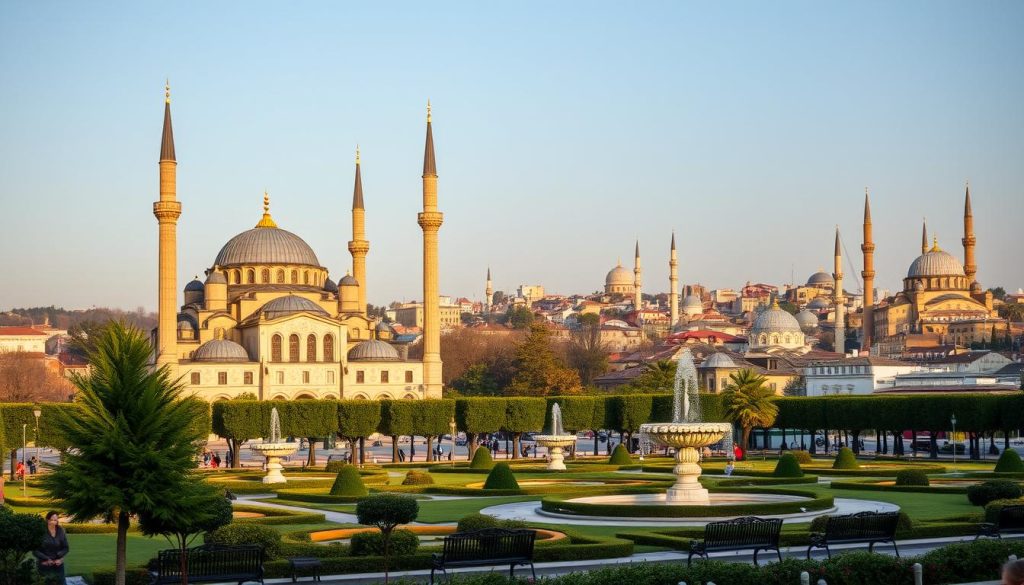
You arrive in a place where personal pause meets a broader diplomatic process. The city has hosted talks and shaped a fairer regional draft of ideas, and you feel that rhythm in your own schedule.
Here, your time becomes a small but firm statement: protect it, shape it, and treat every quiet hour as an intentional meeting with yourself.
Officials have emphasized inclusive dialogue and steady negotiation steps. You borrow that method. You plan short routines, answer one call at a time, and set borders that keep external forces from draining your energy.
By linking personal habits to wider solutions, you learn that calm is practical. This friendly guide shows you how a simple, consistent process can turn daily minutes into real balance for you and your region.
Key Takeaways
Treat your daily time as a primary agreement you keep with yourself.
Use a repeatable process to build calm, like diplomatic talks build solutions.
Set clear boundaries to protect energy from outside forces.
Small rituals act as a draft for a steadier routine.
Inclusive, simple steps make self-care practical and lasting.
Istanbul’s Evolving Role as a Crossroads for Peace and Personal Renewal
A city that hosts mediation lifts everyday habits into a mode of deliberate care and repair.
You live where multiple mediation platforms have met, including three rounds of Russia‑Ukraine talks and large mediation conferences. That history shapes a local process that nudges your own routines toward calm.
Official statements about regional ownership and inclusive multilateralism offer a simple life lesson: choose dialogue over friction. Use short meetings with yourself to test solutions, not to exhaust energy.
Many forces compete for attention—work, family, constant news. Treat a brief negotiation with your schedule as a draft policy that protects recovery time. You become a leader who guards small, steady appointments.
“A resilient system needs regular maintenance; schedule calm like an important meeting.”
Translate national cooperation into daily habits that build a calm system.
Let short, solution‑oriented steps reshape how you spend your time.
Headline Update: Türkiye Reaffirms Readiness to Host Russia-Ukraine Talks in Istanbul
Hakan Fidan delivered a clear statement that Ankara stays committed to diplomacy and can host a fourth round of talks.
“Ready to host” and the fourth round: what it means for you and regional stability
You hear a steady statement that Türkiye is a ready host for renewed negotiations on russia ukraine. That public call creates a sense of order you can mirror in daily life.
When leaders arrange a meeting, they plan short steps. Use the same approach to protect your time and craft small solutions that add up.
How previous Istanbul talks and prisoner exchanges shaped momentum
Earlier rounds helped enable prisoner exchanges and kept the Istanbul process moving. Each small agreement nudged the process toward calmer outcomes.
Apply that logic: one short pause each day builds momentum toward a lasting solution for your energy and balance.
“Türkiye remains committed to diplomacy, inclusive dialogue, and regional ownership,”
Rounds Held
Main Outcome
Your Takeaway
Three previous rounds
Prisoner exchanges
Small agreements build trust
Potential fourth round
Possible leaders’ summit
Plan focused meetings in your day
Ongoing process
Dialogue and multilateralism
Include rest alongside tasks
Hakan Fidan’s Message from TRT World Forum: Dialogue and Inclusive Multilateralism
Hakan Fidan told forum attendees that rising uncertainty demands new habits of cooperation.
He described a strained international system, where great powers show less function and institutions face complex crises. His statement urged reform through inclusive multilateralism and stronger regional ownership.
You can borrow that approach at home. Treat one short check‑in each day as a mini meeting that keeps your process steady.
“Uncertainty” in the global system and why cooperation must lead
Fidan’s statement framed uncertainty as a test of resilience. He called for fairness in rules and reform of major bodies, including the UN Security Council, so every country gets proper representation.
“Revitalize a stronger, reformed international system through inclusive multilateralism.”
Use brief breathing breaks as a simple policy to steady your system.
Draft a weekly plan that adapts when outside forces shift your schedule.
Treat each self meeting as an essential checkpoint in your personal process.
Protect 20 minutes daily — a small solution that yields calm.
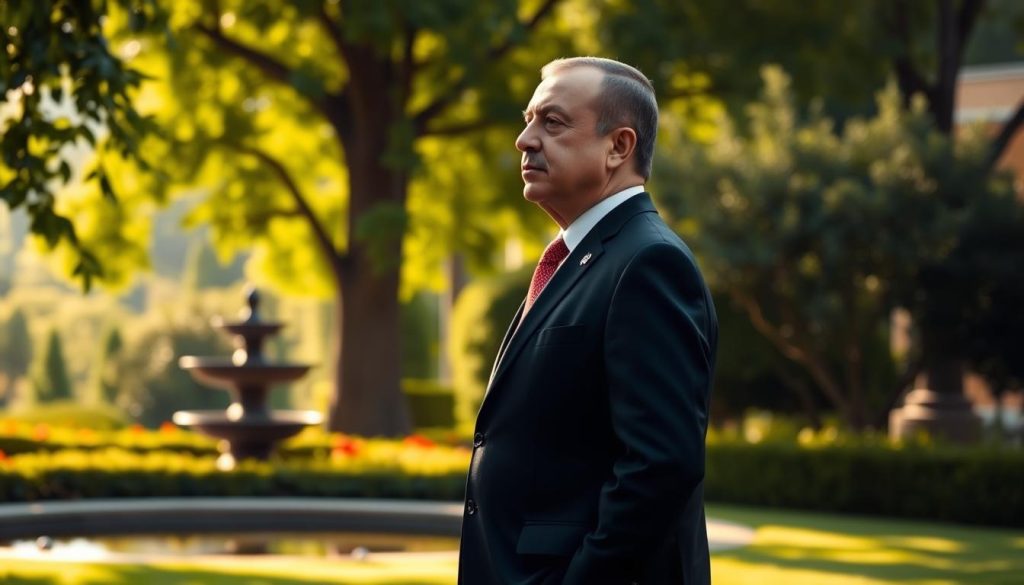
President Recep Tayyip Erdogan’s Peace Posture: From Gaza to Global Forums
Erdogan’s recent posture reframed a fragile ceasefire as a real chance to move from pauses to lasting agreements.
Fidan noted Türkiye’s active role under president recep tayyip. That leadership helped form an OIC‑Arab League Contact Group and pressed for Palestinian recognition. You can treat that diplomatic push as a model: plan, coordinate, and follow through.
Ceasefire as opportunity: toward a just, lasting peace and a two‑state solution
The ceasefire is fragile, yet it opens a window to build institutions and governance in Gaza by Palestinians. You should see this like a short reset in your day — a moment to act, not just note.
Leadership signals: coordination with OIC‑Arab League Contact Group
Coordination matters. Erdogan and other leaders pushed for an inclusive approach. You mirror that by aligning sleep, hydration, and one quiet meeting with yourself each week.
“A just, lasting peace needs a two‑state solution and full implementation by all relevant parties.”
You treat statements as prompts; implementation is what changes your baseline stress.
Model steady negotiations with your schedule so priorities receive real time.
Set one simple policy at home — like no‑screen evenings — and keep it.
The Address for Peace in Istanbul: Discover the Power of Personal Time with Bout
When a city frames conversation as a shared craft, you can borrow that craft for your day.
How your personal time connects to a culture of dialogue
You treat your time as an address for peace: a calm slot where you step into quiet and listen to your needs.
Make the process small. Try 15 minutes of stillness before or after work. Use that meeting with yourself like facilitators open talks: brief and focused.
Set kind, specific statements each day. Draft limits to block internal forces—notifications, noise, hurry—and protect your quiet. Pick one call you will not take during your recovery window.
“Negotiate with your own needs; small, repeatable steps build lasting change.”
You practice internal negotiations by noticing what your body asks for.
Routine resets shift your position from reactive to steady.
A country that hosts dialogue shows a simple solution: plan short meetings and stick to them.
Action
Duration
Benefit
Stillness session
15 minutes
Restores focus, lowers stress
One no-call rule
Daily recovery window
Protects boundaries, signals priority
Daily statement
1 clear goal
Builds steady progress
The Istanbul Mediation Conferences: Building a Global Architecture for Dialogue
Global mediators gather here to weave practical links between negotiation practice and lasting community development.
Mediation and development meet so outcomes address causes, not just symptoms. That focus—on prevention and implementation—came through in UN remarks and in case studies from Afghanistan to the Sahel.
You learn that durable solutions need follow‑through after a meeting ends. Implementation turns a strong statement into everyday change.
Plan your routine the same way: make a draft, test it, then lock in small habits that last.
Women and youth inclusion: lessons from Colombia to the Balkans
Including women and youth proved essential in Colombia and Balkan contexts. Their roles strengthen legitimacy and long‑term buy‑in.
Apply that lesson to your time: invite every part of your life into negotiations so rest and work feel fair.
Digital transformation: big data, AI, and the future of peacemaking
Big data and AI offer new tools but raise questions about confidentiality and data reliability. The UN’s Cyber Mediation Initiative flags both promise and risk.
Treat tech as a helper that saves your time, not a force that steals focus.
Practical takeaways:
You connect development goals to mediation so solutions last.
You make implementation central; follow‑up matters more than signatures.
You own your routine like local leadership owns a process.
You use technology wisely to support, not replace, steady practice.
“Sustaining agreements means prevention, inclusion, and local ownership.”
From Ukraine to the Middle East: Why Talks in Istanbul Must Take Center Stage
Istanbul’s role connects urgent russia ukraine talks with delicate middle east dialogues.
Neutral space matters: when leaders meet in one city, separate processes gain shared momentum. That creates a chance for clearer statements and renewed negotiations.
You can mirror this rhythm. Show up for your daily meeting with yourself. Draft a short intention statement to center your time and protect a small recovery window.
Solutions need steady process. Protect notification policy during calm blocks so outside forces do not erode focus. Repeat what works and honor routines that make you present.
“Plan, act, review—treat each meeting as a step toward a real solution.”
Link big talks across a region to focused local action.
Use a brief daily statement to re‑energize your schedule.
Defend your calendar like a leader defends a priority meeting.
Ceasefires, Security, and Trust: What You Should Know About Fragile Agreements
Fragile pauses in conflict need active follow-up to turn calm into lasting trust.
Turning dialogue into trust, and trust into stability
A ceasefire is a beginning, not an end. Officials warn that without full implementation and broad engagement, an agreement can unravel fast.
You build trust when rules apply equally and parties keep steady dialogue. Make your own routine similar: one short meeting each day that protects your time.
Security improves when a clear process guides action. Use small, repeatable steps as a simple solution. Track tiny wins so confidence grows.
Treat calm sessions as the start of lasting habits.
Keep negotiations simple: one practice, one place, one time.
Set a clear statement of boundaries to shield your schedule from competing forces.
Plan a gentle call to return after a missed day and avoid harsh self‑judgment.
“Trust grows when monitoring follows commitment and inclusion keeps talks honest.”
Exit ready: secure calm like peacemakers secure compliance — with steady follow‑through, inclusive monitoring, and simple daily rituals that turn dialogue into durable peace.
UN Reform and Fair Representation: Türkiye’s Case for a More Democratic System
You see a clear argument: rules exist, but they need fair application and wider representation.
Hakan Fidan’s statement calls for a reformed UN Security Council so every region gets a real voice. That public call links to your own life: fairness matters when you set a personal policy for time and priorities.
Let clear statements guide your calendar. Draft a simple process that gives each priority a seat at your table—work, family, health, rest.
Train yourself to treat every short meeting with yourself like a mini council session. Negotiate trade-offs, accept that negotiations shape balance, and keep your week realistic.
“A stronger, reformed international system depends on inclusive multilateralism and regional ownership.”
You rebalance forces that push urgency over essentials.
You draft a fair schedule that represents all needs, not just loud ones.
You step forward with steady rules so progress is humane and lasting.
Issue
Personal Parallel
Practical Step
Unequal rules
Busy days favor loud tasks
Set a daily no-call recovery window
Calls for reform
Need for fair time allocation
Draft a weekly plan that lists priorities
Inclusive multilateralism
Include work, health, family, rest
Give each priority a fixed meeting slot
If you want a practical nudge toward better balance, consider a local recovery session or book a professional pause through this boutique massage service.
Regional Ownership First and Foremost: How Local Dynamics Shape Peace
Roots of stability grow fastest when communities near a conflict drive solutions.
Stability cannot be imposed: the Balkans, South Caucasus, Middle East, and Africa
You hear a clear statement: lasting order comes when local actors lead the process. Outside pressure can speed talks, but local ownership makes outcomes stick.
Translate that regional responsibility into a simple personal policy. Treat one short daily meeting with yourself as a real appointment. When a leader makes a statement, action must follow. Do the same: turn intention into a tiny, repeatable solution.
You make stability first foremost by guarding a daily recovery window.
You match local forces—commute, family rhythm, community—by planning calm that fits your day.
You keep negotiations simple: update what fails and repeat what works.
You accept that multiple parties shape your time, so coordinate gently and protect one steady slot.
“Stability cannot be imposed; it must be cultivated.”
For practical balance, learn how to choose a proper spa or massage salon as part of your routine through a short guide on how to choose a spa or massage salon. Small, local practices build a system that grows composure, just as regions build durable peace.
Gaza in Focus: Ensuring the Ceasefire, Governance by Palestinians, and Next Steps
A fragile pause in Gaza now depends on careful follow-through, not just headlines. You see that a ceasefire means little unless it is implemented day by day.
Why implementation matters more than signatures
Commitments must turn into actions. Officials, including president recep tayyip supporters, have urged full implementation. That step keeps an agreement from unraveling.
Treat this like a meeting with yourself: make measurable tasks. Five minutes of breathing, ten minutes of stretching. Track them.
Humanitarian stakes and the path from agreement to durable peace
Human needs in the middle east are urgent. Aid delivery, governance by Palestinians, and clear policy steps shape whether calm lasts.
Türkiye’s call and the OIC‑Arab League Contact Group raised recognition and support. You can mirror that leadership by protecting one restorative slot each day.
“Lasting peace needs steady implementation, inclusion, and clear monitoring.”
Focus on process: small, repeatable steps build confidence.
Design a simple call to return when forces pull you away.
Commit to a balanced solution that cares for others and yourself.
Chronology and Context: Key Milestones in Türkiye’s Peace Process Discourse
A snapshot of events from Newroz 2013 to mid‑2015 shows how momentum can shift quickly when words outpace action.
From Newroz 2013 momentum to mid‑2015 tensions: what changed
You review a crowded timeline: hopeful rallies after Newroz, then attacks at HDP events and the Diyarbakır rally bombing. Those incidents pushed a process from promise toward strain.
Statements multiplied while implementation lagged. Isolation of Abdullah Öcalan, rising military activity, and forest fires in conflict areas deepened mistrust.
YPG moves in Tel Abyad, detentions, and violence incidents showed how forces and soldiers can escalate a fragile scene. Parties and civil voices called for oversight and transparent negotiations.
“Consistency matters; daily steps win trust when grand statements fail.”
Plan backup meeting slots so your calm survives a missed day.
Create simple accountability—checklists or reminders—to mirror calls for transparency.
Honor victims of terror by protecting your time from needless chaos.
As a practical step, draft one small improvement that prevents missed sessions. That steady follow‑through helps a long arc bend toward real solution and keeps your routine aligned with regional lessons. For a restorative ritual after a tense day, consider a deep cleaning hamam experience.
Leaders, Institutions, and You: How Policy, Parties, and People Shape Outcomes
Signals from key actors set direction, yet practical steps make outcomes real.
Leaders and institutions send public statement after public statement. Those words guide party positions, legal design, and the wider system. You watch how this national rhythm ripples into daily life.
Map who shapes a decision and then map who shapes your day. A clear leader remark can shift priorities. But you know that steady process wins when systems face stress.
Create a simple policy at home: turn big statements into timed meetings with yourself. That small act turns intention into habit and makes a real solution out of words.
“Turn statements into scheduled steps; small processes beat willpower alone.”
Practice micro‑negotiations: adjust a slot, not your whole plan.
Acknowledge outside forces, then protect the one lever you own — your time.
Draw energy from your country and region and channel it into bite‑sized solutions.
Create a short, callable reset you can start anywhere to keep momentum.
Quick checklist
List stakeholders that shape your week.
Schedule one no‑call recovery window daily.
Turn each statement into a one‑line task you can complete in ten minutes.
Security, Terror, and Negotiations: Balancing Hard Risks with Soft Power
When terror and military moves dominate news cycles, you can choose a calmer, practical path at home.
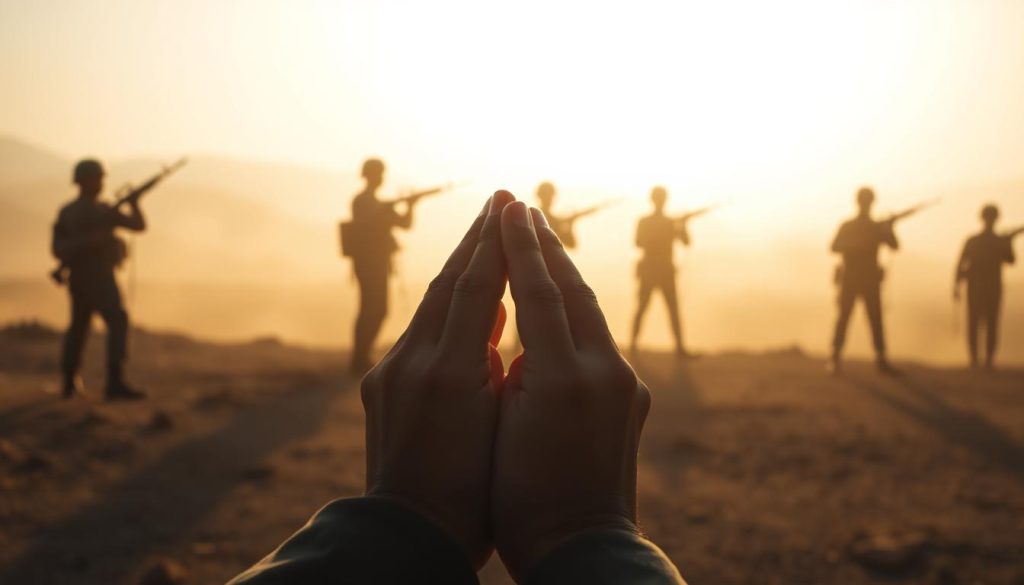
Armed forces and soldiers shape public order. They respond to threats and keep visible control. At the same time, quiet measures reduce your immediate stress and help you think clearly.
Armed forces, systems, and the role of back‑channel dialogue
Hard security, like troop activity and wartime shifts, needs clear planning. Formal negotiations and secret back‑channel dialogue can stop escalation while formal processes evolve.
You can borrow that logic: create private dialogue with yourself. Journal, reflect, or hold a short meeting to sort a problem before you act.
“Even during spikes in risk, incremental steps and confidentiality can prevent a wider crisis.”
Keep a two‑minute reset as an emergency policy you can call anytime.
Design a buffer around your main daily meeting so outside forces do not erase calm.
Use simple statements to guide choices when pressure rises.
Run quick check‑ins to keep your system realistic, not idealized.
Hard risks exist: soldiers, armed forces, and sporadic attacks demand robust responses. Yet soft power habits—short resets and steady process—offer a humane solution you can sustain.
When you need a practical recovery, consider a local pause or book a focused session at a trusted spot like a boutique massage service. Small practices help you face complex security statements and keep negotiations calm.
Personal Time in a Diplomatic Capital: Boutique Massage and the City’s Culture of Calm
A city famed for high-level talks also shelters quiet corners where you can reclaim your rhythm.
Finding your quiet in a city of talks: wellness as resilience
You plan one clear meeting with yourself and protect that slot like a summit. Use a short process to stop reactive momentum and regain focus.
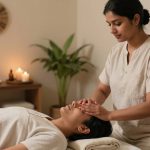
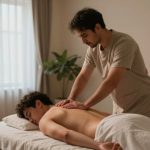
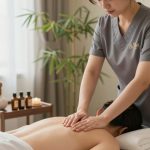
Boutique massage helps you reset. A thirty-minute session becomes a practical solution that restores energy and steadies your position for busy days.
You schedule time like a leader schedules summit work.
You draft a weekly plan that honors rest, movement, and simple boundaries.
You treat one session as a recurring statement that wellness matters.
You tailor a solution to your person and local rhythms, proud of your country and region’s hospitality.
Before you leave a busy day, make a quick call to book the next visit. That small step keeps the process rolling and makes calm a lasting practice, not a rare luxury described in a news statement about peace.
For a practical guide to classic techniques, read these classical massage secrets and book a session that fits your rhythm.
Conclusion
Finish with a clear position: protect a daily slot that fuels how you show up. Treat that meeting as non‑negotiable and plan your return to work around it.
Use a simple process: draft two small steps you will keep this week. Schedule the next phone call to yourself before you take another real phone call.
Reflect on foreign ministry statements about dialogue and readiness to be a ready host. Let implementation guide you: pick a two‑minute reset and a realistic solution that fits your day.
Accept that armed forces, security, or sudden forces may intrude. Still, one person can reclaim a calmer minute and build from there. End by returning to your plan, confident that thousands of small choices create lasting change.
FAQ
What is the connection between high-level talks in Istanbul and your personal time at a boutique massage?
Istanbul hosts diplomacy and daily life at once. When you book a boutique massage, you tap into a local culture that values calm, reflection, and hospitality—the same atmosphere that helps delegations focus. Relaxation can sharpen your empathy and resilience, letting you appreciate how dialogue and personal care support peaceful outcomes.
Why does Türkiye say it is "ready to host" talks between Russia and Ukraine, and why should you care?
Türkiye frames itself as a neutral, accessible venue with diplomatic experience. You should care because successful talks can ease regional tensions that affect trade, security, and daily lives. When negotiations proceed, they can reduce uncertainty that affects markets, travel, and humanitarian needs you might follow or support.
How have previous Istanbul negotiations and prisoner exchanges influenced current momentum?
Past talks have shown Istanbul can facilitate confidence-building measures like prisoner swaps and ceasefire frameworks. These steps create a track record that helps future mediations gain credibility. For you, this means a realistic hope that incremental gains can produce broader stability over time.
What did Hakan Fidan emphasize at the TRT World Forum and why does it matter to you?
Hakan Fidan stressed inclusive multilateralism and the need to manage uncertainty through cooperation. That matters to you because cooperative frameworks reduce the chance of conflict spillover and support predictable policies that affect security, humanitarian aid, and regional mobility.
How does President Recep Tayyip Erdogan’s stance influence ceasefire prospects and regional coordination?
Erdogan positions Türkiye as a mediator, pushing ceasefires as openings for political solutions like a two‑state outcome in some conflicts. His coordination with groups such as the OIC and Arab League can mobilize diplomatic pressure and resources. For you, this can mean a stronger push toward agreements that protect civilians and restore stability.
What role do Istanbul mediation conferences play in global peacemaking efforts?
These conferences build networks between mediators, civil society, and governments to link mediation with development goals. For you, that translated architecture aims to produce more sustainable peace processes that consider local needs and long-term reconstruction.
Why is inclusion of women and youth highlighted in mediation discussions, and how does that affect outcomes?
Inclusion improves legitimacy and durability of agreements. When women and youth participate, solutions better reflect community needs and reduce the risk of relapse. You benefit because inclusive approaches often lead to more equitable recovery and safer local environments.
How are digital tools like big data and AI changing peacemaking, and what should you know?
Big data and AI can map conflict dynamics, predict risks, and enhance communication channels between parties. You should know these tools can speed early warnings and tailor aid, but they require careful governance to avoid bias and protect privacy.
What makes ceasefires fragile, and how can parties turn them into lasting trust?
Ceasefires are fragile when they lack monitoring, verification, and clear incentives for compliance. Turning them into lasting trust needs transparent mechanisms, third‑party monitoring, and tangible benefits for civilians. Your support for accountability and humanitarian access helps reinforce durable peace.
How does UN reform and Türkiye’s case for fairer representation affect global decisions that impact you?
Calls for UN reform aim to make decision‑making more representative of today’s geopolitical realities. If reform proceeds, you could see faster, more equitable responses to crises that affect security, migration, and international cooperation you depend on.
What does "regional ownership" mean and why is it important for peace processes?
Regional ownership means local leaders, institutions, and communities lead solutions rather than external actors imposing outcomes. This increases legitimacy and sustainability. You benefit because policies crafted locally tend to reflect real needs and adapt faster to changing conditions.
Why is implementation more important than signed agreements when it comes to Gaza or other hotspots?
Implementation determines whether promises translate into protection, governance, and services for civilians. Signatures without follow‑through leave populations vulnerable. For you, sustained implementation means reduced humanitarian crises and clearer paths to normalcy.
How do armed forces and back‑channel dialogue work together during negotiations?
Armed forces provide security guarantees while back‑channel talks allow flexible problem‑solving away from public pressure. Both elements help de‑escalate and create space for formal agreements. When these align, negotiations have a better chance of producing enforceable outcomes that protect communities.
How can you find calm and resilience in a city known for intense diplomacy?
Prioritize short breaks, local wellness options like boutique massages, and mindful routines. These practices recharge you so you can engage thoughtfully with news, activism, or humanitarian support. In a busy capital, personal calm strengthens your ability to contribute constructively.