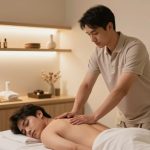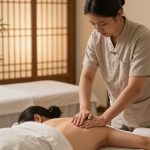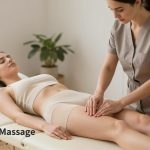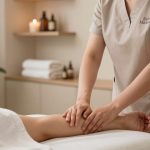
Can a carefully guided massage be what you need to feel more peaceful, clear-headed, and strong in Istanbul’s constant buzz?
You come feeling the stress from traffic, emails, or commuting. You’re tense and worried. But, Boutique massage Turkey offers a unique approach. It’s different from large spas. It combines Fusion Maia’s wellness and YO1’s sanctuary ideas. This is to focus on your lasting well-being, not just a quick fix.
Here, you’ll discover how mindful massage helps. It uses Swedish, deep tissue, and special techniques. These methods ease physical and emotional tension. Learn how urban wellness in Turkey goes beyond simple convenience. It offers lasting tools and practices to help you in city life.
This intro gives you a clear, practical view. It shows how boutique massage aids in emotional healing. It also helps weave tranquility into your daily life.
Key Takeaways
- Boutique massage Turkey emphasizes long-term wellbeing through a spa-inclusive concept.
- Mindful massage combines techniques that address both physical tension and emotional stress.
- Urban wellness Turkey can offer sanctuary-like services adapted to city life.
- Rejuvenation tools from established brands inform personalized, lasting care.
- You can expect consultation, tailored treatment, and post-session guidance for emotional healing.
What boutique massage means for emotional healing in urban Turkey
When you step into a quiet studio in Istanbul, you’ll feel the difference. The place pays attention to small details, has longer talks before starting, and a therapist who knows you. This shows how boutique places care more about continuous help than just quick solutions, unlike mainstream spas.
Defining boutique massage and how it differs from mainstream spas
Boutique massage spots focus on creating a plan that’s just for you and sticking with it. Examples like Fusion Maia and YO1 have proven how these personalized plans can turn a single visit into a journey towards lasting health. Unlike these boutiques, mainstream spas often stick to a fixed list of services and see a lot of new faces, while boutique spots take their time to know what you really need.
Why boutique settings foster emotional safety and trust
Feeling safe emotionally during a massage comes from clear talks and a calm place. In small rooms that feel cozy and quiet, therapists really listen to what you say and can change their approach to help you feel better. When you’re with a therapist who knows you, it’s easier to speak up and understand each other.
How a focused, personalized approach supports long-term wellness
A massage in Turkey that’s made just for you can help in many ways. Your therapist spends time understanding your needs, then picks the right methods, like Swedish massage for stress or something stronger for pain. This approach helps you heal at your own pace.
Benefits include peaceful areas, help that keeps going after your appointment, and therapists who use local treasures like Aegean olive oil in their work. If you’re curious about quiet therapy places in Istanbul and how they work, check out this story on finding peace through massage.
| Feature | Boutique Massage | Mainstream Spa |
|---|---|---|
| Intake time | 15–20 minutes or longer with personalized assessment | Brief, often under 5 minutes |
| Therapist continuity | Same therapist or small team for consistent care | Variable staff, frequent rotation |
| Emotional safety | High emphasis on boundaries and trauma-sensitive communication | Standard protocols, limited personalization |
| Modality matching | Custom blends: Swedish, deep tissue, breathwork, reflexology | Preset packages with limited mixing |
| Aftercare | Coordinated plans, home practices, follow-ups | General suggestions, no structured follow-up |
| Atmosphere | Quiet, design-led spaces that support healing | Higher traffic, neutral décor |
Benefits of combining massage modalities for your emotional recovery
Mixing massage methods offers both quick relaxation and deep healing. Pairing gentle techniques with focused work helps calm your nervous system. It also lets your body release stress-holding muscle patterns.
Swedish massage for gentle relaxation and stress relief
Swedish massage uses soft, flowing strokes to relax the nervous system and reduce daily stress. It’s perfect for beginners or those needing a gentle boost. This method is great for easing anxiety and improving sleep while increasing blood flow and mood by lowering cortisol and boosting serotonin levels.
Deep tissue and targeted therapies for chronic tension release
Deep tissue massage targets the deeper layers of muscle and persistent knots that cause pain and posture problems. With several sessions, you might find significant relief from ongoing discomfort. This approach helps improve movement and reduces the physical causes of emotional stress. Combining it with gentler techniques ensures relief with relaxation.
Complementary techniques: reflexology, trigger point work, and breath awareness
Reflexology and trigger point therapy focus on areas linked to headaches, sleep issues, or upset stomach. These methods help with emotional recovery by reducing symptoms that worsen anxiety or depression. Including trigger point breathing gives you a way to handle stress on your own.
Blending different treatments in one session or a short program adds up to more benefits. Mixing massage with breath exercises, yoga, or acupuncture makes the calm last longer and teaches self-care between visits. For more on combined therapies, check out this guide: the power of massage and therapy.
For real change, talk to your therapist about a plan that fits your comfort level. A customized plan can tackle immediate stress and deeper issues, offering symptom relief you can do at home. Local wellness resources also show how massage helps reduce stress hormones and improve your mood: physical and psychological benefits of massage.
How to choose the right boutique massage treatment for your needs
Begin by understanding what you’re looking for. Do you need to relax, release trauma, or ease chronic tension? Decide if you’d prefer Swedish massage for peace, deep tissue for tough knots, or other techniques for specific symptom relief.
To pick the right treatment, think about your goal. If dealing with trauma, find a therapist trained in trauma-sensitive care. To alleviate chronic pain, seek out a specialist in deep tissue or myofascial release. A foot or aroma oil massage might help with travel weariness or mild fatigue.
Assessing your intention: relaxation, trauma release, or symptom relief
Jot down the outcomes you’re hoping for. This list will help during your initial talk with the therapist. If feeling safe is crucial, choose therapists skilled in setting clear boundaries and using consistent techniques.
Matching modalities and therapist specializations to your goals
Look into a therapist’s qualifications and training. A quick chat before booking can lead to a personalized approach. Wellness-focused places usually provide support after your session to boost your healing journey.
To learn more about different types of massages and options for beginners, check out an introductory guide to Thai and reflexology techniques.
Questions to ask before booking a session in Turkey
Have a list of questions ready when booking. Inquire about the therapist’s expertise, trauma awareness, consultation offerings, session lengths, and privacy protocols.
Also, ask if there are extra services like a sauna or yoga. It’s wise to choose therapists who customize treatments and communicate clearly about your goals and safe healing.
For insights on therapist qualifications, session types, and client success, a clinic overview may provide useful information.
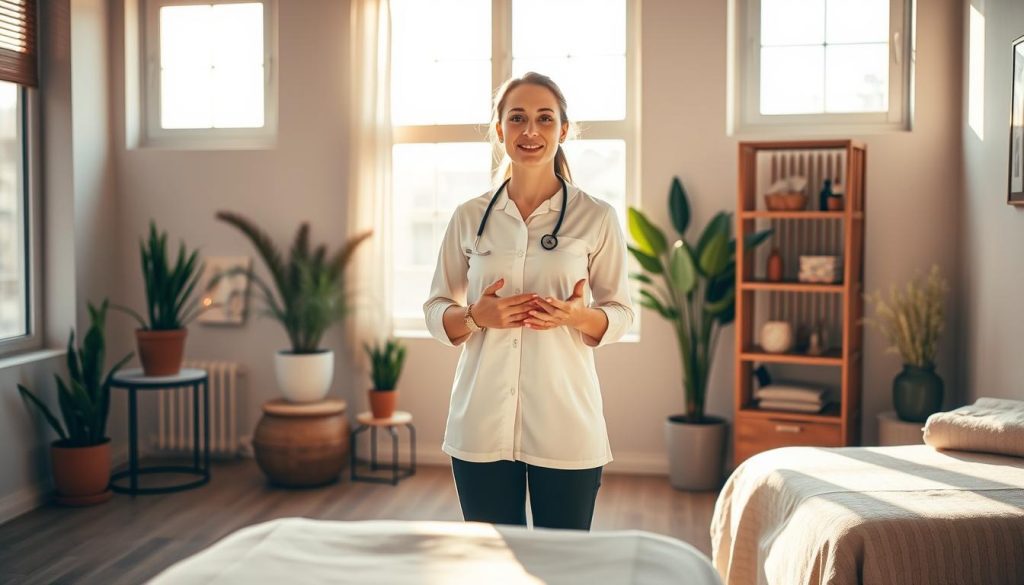
Finding a certified and compassionate therapist in your city
Look for a therapist who combines professional skills with a kind approach. They should clearly share their qualifications, their approach to treating trauma, and their cooperation with other health experts.
Verifying credentials, training, and specialized certifications
Ensure the therapist has finished a recognized massage program and has the necessary local licenses. Seek out those with extra qualifications in areas like sports massage, nerve treatment, or trauma care.
Their qualifications show they are skilled and meet job standards. If a clinic works with diet experts or yoga teachers, it means they really focus on helping their clients.
Reading reviews and seeking personal recommendations
Before making an appointment, look at online reviews on Google and Yelp. Focus on feedback about the therapist’s care and how well they talk to clients. Pay special attention to mentions of understanding, reliability, and making clients feel safe.
Also, ask people you know or other health workers for suggestions. Hearing from others can help you decide if the therapist’s style is right for you.
What to expect from an initial consultation and intake
A detailed first meeting should cover your health background, symptoms, how much pressure you like, what you want to achieve, and things that might upset you emotionally. This chat helps figure out if the therapist values your safety and tailors their care to you.
They should tell you about any treatment risks, suggest a personalized plan, and encourage questions. Being open to talk is as crucial as their massage skills for emotional healing.
Designing a boutique massage session that supports emotional healing
Before your session, you’ll talk briefly with your therapist. This lets them understand your history, current needs, and emotional triggers. They tailor the massage by adjusting pressure, focusing on certain areas, and setting the pace. This clear talk builds trust and ensures the session is comfortable for you.
Personalizing pressure, pacing, and communication preferences
You can choose how much pressure you want: light, medium, or firm. If memories or feelings come up, you can ask for a break. In Turkey, therapists skilled in trauma-sensitive massage might move slowly and check in with you to keep you grounded. You should also share how you like to be touched, how you want to be covered, and any words to signal your needs. This way, nothing unexpected interrupts the flow of your session.
Integrating mindfulness, meditation, or breathwork into the session
Mixing massage with guided breathing helps calm your nerves and lets you relax deeper. Your therapist might teach you a breathing technique or guide you through a short meditation. These techniques are not just for the session; you can use them at home too. They help you maintain the session’s benefits longer.
Using scent, sound, and environment to enhance safety and calm
Choose a massage setting that fits your needs. Quiet sounds, soft light, and gentle scents can make you feel more relaxed. In places like Istanbul and Antalya, you can usually pick what works best for you. This way, nothing that makes you uncomfortable will be part of your session.
After your massage, your therapist will give you tips. They might suggest breathing exercises, easy stretches, or a soothing routine. These small steps help you keep feeling good. They also help you bring what you’ve gained from the massage into your everyday life.
Complementary facilities and services that extend healing beyond the table
Once you’re off the massage table, there’s more help to stay on the healing path. In Istanbul and Antalya, special centers offer extra treats. They aim to keep you relaxed and emotionally balanced for longer.
Access to saunas, steam showers, and hydrotherapy for recovery
Heat and water help your body heal and soothe tight muscles. Spending a little time in a sauna or steam shower can make muscles less stiff and boost blood flow. In Turkey’s cities, you’ll find great options like infrared saunas and pools to help with your massage recovery.
Using water therapy, such as alternating pools or water bikes, is great for your health. It eases stress and helps your body cleanse. Consider adding a calm water session to your treatment to keep feeling great.
Group classes: yoga, meditation, and gentle movement to reinforce results
Classes in yoga or meditation can make the benefits of your massage last. They teach you to be mindful and less stressed. Plus, gentle moving classes can keep muscles flexible and prevent tightness from coming back.
Try to find classes that are right after massage sessions. This lets you build on what the massage started. And, you get to relax your body when it’s ready to learn.
Nutrition guidance and restorative spaces to support emotional balance
What you eat and how you rest matters after a massage. Wellness centers might suggest special diets. These often include organic food to help your body stay strong and calm. Getting the right advice can help you pick foods that keep you feeling balanced.
Spots designed for quiet and rest help too. They provide a peaceful break from daily life. Things like soft lights, comfy seats, and herbal tea invite you to think and relax. Pairing food tips with a calm place helps you build inner strength step by step.
- Try a short sauna or steam session after deep tissue work to enhance recovery.
- Join a yoga meditation class the same day to cement breath and posture habits.
- Use a restorative space to journal or rest before heading back into the city.
Preparing yourself before a boutique massage for optimal results
Before your massage in Istanbul or Ankara, a few steps can make a big difference. These tips ensure you’re ready and relaxed for your session.
How to choose what to wear and when to arrive
Choose clothes that are easy to take off. Most visitors wear a robe or soft clothes from the studio.
Arrive 10–20 minutes early to fill out forms and start relaxing. This allows you to calm down and the therapist to understand your needs.
Eating, hydration, and avoiding alcohol or heavy meals before your session
Eat a small meal one to two hours before your massage. Eating too much can make you feel tired.
Drink water before and after your massage to help your body recover. Avoid alcohol and too much caffeine to stay hydrated and reduce discomfort.
How to communicate medical history and emotional triggers to your therapist
Be honest about your health history, like surgeries or allergies. This ensures the therapist can pick safe methods.
Tell them about any emotional concerns. This way, they can adjust their techniques for you. Some studios might offer further checks, like YO1’s health assessment, if you’re interested.
Following these tips will make your massage in Turkey better. Small details and proper timing help your therapist customize your experience. This makes your session both healing and safe.
Aftercare and routines to extend emotional benefits after a session
Right after your massage, doing simple things can really help. Drink plenty of water. This helps clean out toxins. Then, take it easy for a bit. Don’t do any hard exercises. Going for a soft walk or doing some light stretches can help your blood flow without putting too much pressure on your muscles.
Hydration, rest, and gentle movement
Try using warmth on tight spots and coolness for any swelling, as per your body’s need. You might feel full of energy or really tired; both are normal. Let this feeling decide what you do next. It’s a good idea to ask your massage therapist for a list of things you can do at home to keep feeling good. Or, check out these tips for a quick reference.
Simple at-home practices
Keeping up with small routines can help you hold on to those good vibes from your session. Start your day with a short breathing exercise. It’s just five minutes, and it can help keep you feeling stable and peaceful. Adding some easy stretches can also help keep your body moving smoothly. It’s also smart to jot down how you’re feeling or any new thoughts. This way, you’ll remember them for your next appointment.
When to schedule follow-ups and build a long-term self-care plan
How often you need a massage can depend on your body’s feedback. If you notice the tension creeping back quickly, it might be time for another visit soon. Mixing massages with other healthy habits like yoga, eating well, and making small changes in your daily life can deepen the positive effects. Talk with your massage therapist about setting up a care plan. This plan should balance regular massages, doing some self-care at home, and taking days off just to rest.
- Drink water liberally for post-massage hydration.
- Rest; avoid heavy exercise for several hours.
- Practice short at-home breathwork sessions and gentle stretching.
- Keep a quick journal to track mood and body changes.
- Ask for a written aftercare plan to reinforce gains.
Emotional Healing Through Boutique Massage: A Quiet New Beginning
Think of a boutique massage as a key first step towards a new phase in your life. In a serene environment, a single session can mark the beginning of a journey. It paves the way for a lifestyle that embraces regular self-care.
How a boutique massage can mark a meaningful life transition
Choosing a session tailored to your needs allows therapists, whether at YO1 or boutique studios in Istanbul, to create a personalized plan. This approach transforms a session into an intentional self-care activity. It positions massage as a step on a systematic journey to wellbeing, rather than just a treat.
Realistic expectations: healing is gradual and cumulative
Change happens slowly. Combining therapies like Swedish and deep tissue with breathing techniques over multiple visits is effective. This approach to healing through massage emphasizes the importance of regular sessions and lifestyle changes. It helps achieve lasting improvements.
Stories of transformation: how tailored wellness programs help guests reclaim balance
Custom wellness programs can significantly impact anxiety, insomnia, and chronic tension. In Turkey, specialized programs merge various therapies and set recovery timelines. Stories from clients show the benefits of a methodical approach to wellness.
See every appointment as a step in a broader journey. Combine massage with practices like good sleep habits and gentle exercise. For an insight into effective boutique care, check out Butik Masaj for compassionate, personalized therapy.
| Focus | What to expect | Ideal frequency |
|---|---|---|
| Immediate relaxation | Swedish massage, calm setting, quick stress reduction | Weekly to biweekly |
| Chronic tension | Deep tissue, trigger point therapy, specific strategies | Every 7–14 days, then monthly |
| Emotional reset | Special massage for emotional healing, breathing exercises, follow-up advice | Program-based schedule lasting 6–12 weeks |
| Long-term wellness | Custom programs in Turkey combining various therapies and education | Plans tailored for ongoing care |
Conclusion
Emotional healing boutique massage can be a stepping stone to finding balance in busy cities of Turkey. Look for providers committed to real wellness, offering thorough intake and custom sessions. Picking a sincere, certified therapist and suitable techniques ensures your visits are beneficial.
Enhance your experience by adding saunas, hydrotherapy, yoga, and dietary advice. Programs at high-end wellness centers boost recovery and maintain a positive mood. Check out reviews and what’s available—this article guides you to a great start on your journey: butik masaj experiences in Istanbul.
Remember, healing takes time and builds up with each session. Stick to aftercare advice, keep up with appointments, and do simple exercises at home. With open communication and good planning, your journey to well-being in Turkey’s boutique wellness scene can start softly and leave a lasting impact.