
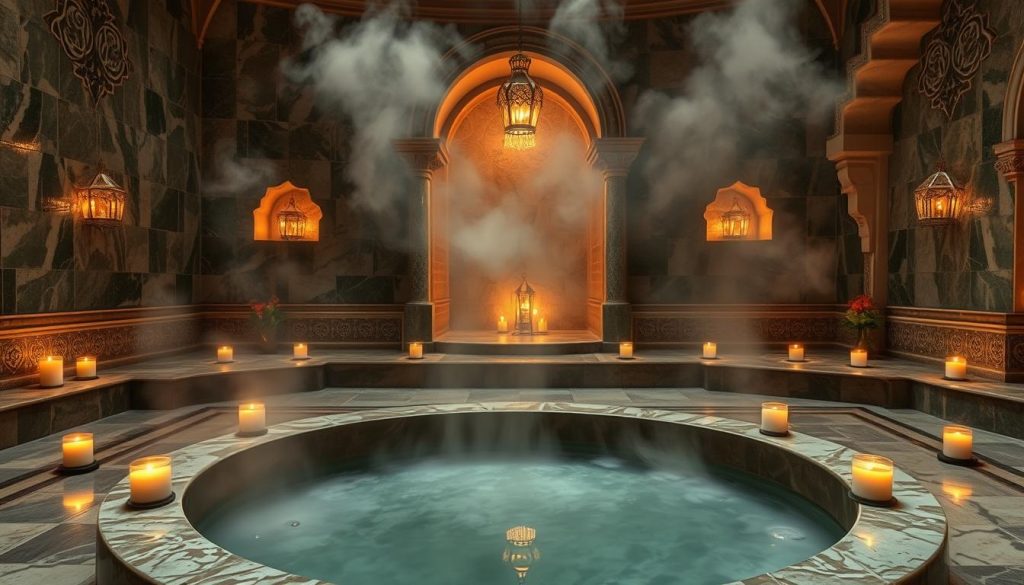
Have you ever wondered why a visit to a Turkish hammam felt more like a ritual than a typical spa treatment?
You are about to learn what most tourists only realized after they paid, changed, and stepped into the heat.
In this city the word “massage” often describes a layered ritual of steam, kese scrubbing, foam, and oil rather than a simple knead. Locals seek keyif — the quiet joy of doing nothing — and that shapes the whole experience.
You’ll get clear, practical context so booking feels intentional and safe. Expect notes on cost, timing, gender rules, couples options, and red flags that help real people travel smarter.
This short guide blends cultural respect with travel smarts and points you to reliable background material like a classic Turkish bath overview and practical booking tips at a Turkish bath experience guide and a practical service checklist at a local service checklist.
Key Takeaways
- Hammams are social rituals; expect steam, scrub, and communal calm.
- Prices and packages vary widely; check menus and reviews first.
- Gender rules and modesty norms affect how you book and dress.
- Book off-peak times for a quieter, more authentic visit.
- Learn a few local phrases and tipping customs to show respect.
Why Your Istanbul Massage Experience Feels Different Than Anywhere Else in the World
What you booked on paper often unfolds as a slow, sensory ritual once you step inside.
You may think you reserved a straightforward massage, but the lived experience can center on steam, scrub, and a deliberate pause. Heat and water shape the session, and attendants move you through steps with few words.
The city’s rhythm is guided by keyif — a local taste for lingering pleasure. That means staff take time; this is not poor service but a different way of caring that values calm over speed.
Menu labels can mislead. When a place advertises “traditional,” expect multiple stages beyond a simple rub: warming, cleansing, and a brief hands-on finish. The term covers a full ritual more than a single technique.
Language gaps are common, yet the process uses clear cues and physical guidance. If you prefer a modern spa pace instead, decide that before booking and pick places that market western-style services.
- Decide if you want quiet ritual or a modern session before you pick a place.
- Next sections decode hammam vs spa, privacy norms, gender rules, and pricing.
- For a deeper look at boutique adaptations and modern therapies, see the art of boutique massage.
Massage Parlor vs. Turkish Bath: What Locals Mean When They Say Hammam
Hammam is less a single treatment and more a paced ritual that blends heat, water, and social calm.
What a Turkish bath is and why it’s not just about cleansing
Hammam and turkish bath refer to the same tradition: communal bathing rooted in Roman and Byzantine history and shaped by Ottoman customs.
It’s not only about getting clean. Cleansing is one part of a visit that also offers rest, social time, and quiet reflection.
How the dry sauna element changes expectations
The Turkish version often starts with a dry-heat phase. That warm beginning makes water, scrub, and foam feel deeper.
Because heat comes first, the hands-on rub is usually brief. Expect scrub and soap to lead, then a short finish.
Where hammam fits into the city’s spa culture today
Modern places blend heritage with upgrades: private rooms, oil add-ons, and western-style options on the menu of services.
“Traditional service usually includes heat, a kese scrub, soap foam, and a short massage.”
- Choose a hammam when you want ritual, heat, and cultural rhythm.
- Pick a modern spa when you prefer a longer, therapy-focused session.
5 Truths Massage Parlors in Istanbul Will Never Tell You
What the brochure won’t spell out is the sequence that turns a short booking into a layered visit. Knowing the steps helps you choose a place and walk in with confidence.
Why “traditional service” often follows a five-part flow:
- Sauna time on the göbektaşı so you sweat and loosen up.
- A cold or warm rinse to prepare the skin.
- An intense scrub with a kese glove that feels deep and brisk.
- A soapy foam wash that cleans and relaxes.
- A brief massage finish, usually short unless you buy an add-on.
The same city can deliver very different results. Your district and the specific place shape pace, attention, and training levels.
Price often reflects more than minutes. It buys architecture, privacy, multilingual staff, and cleaner facilities — not just longer hands-on time.
Read the menu words: “scrub” means the kese stage, “foam” is the soapy wash, and “massage” may be just a closing touch. Use those cues to compare places and plan upgrades.
“Knowing what each term means stops surprises and makes booking simple.”
This section sets up the next chapters, where each of these core points is explored: the full process, privacy norms, gender rules, couples options, and the real total cost.
The Truth About the Process: You’re Not Just Paying for a Massage
The moment you step into the grand entry, small rituals begin that shape the whole experience. A marble fountain and a cup of tea cue a slower pace. Staff hand you slippers and a peştemal, then lead you toward warm rooms.
Arrival rituals that set the tone
Tea and the fountain are more than hospitality. They give you a minute to settle