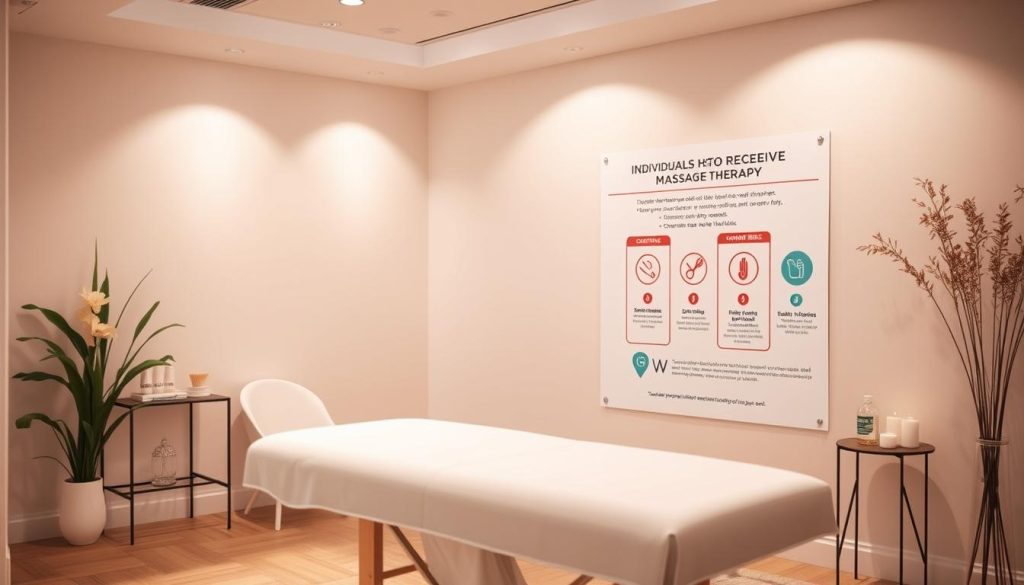
Curious whether a treatment will help—or harm—you? Before you book, learn how common health issues change what is safe. Massage can ease pain and stress, but some conditions raise real risks.
Contraindications exist to protect your health and others. Local problems like bruises, burns, or open sores demand care. Systemic issues or certain medications may mean you must postpone or get medical clearance.
Client intake and honest updates let a therapist tailor pressure or avoid areas. In Turkey and elsewhere, reputable clinics welcome questions and follow hygiene and screening. You’ll learn three paths: proceed with normal pressure, adapt the session, or delay treatment.
Ready to make confident choices? This guide shows how to self-check, what to tell your therapist, and when to consult a doctor. For more on deep tissue contraindications, see deep tissue contraindications.
Key Takeaways
Understand that contraindications protect your safety and health.
Check for local issues (wounds, rashes) before receiving massage.
Share medications and diagnoses so a therapist can modify treatment.
Choose to proceed, adapt, or postpone based on risks and advice.
Reputable clinics in Turkey will screen and prioritize hygiene.
How massage contraindications work in massage therapy
Before any hands-on work begins, clear rules protect your safety and guide the session. A contraindication simply means a reason to avoid or change treatment so harm is prevented.
What a contraindication means for your health and safety
A contraindication flags when therapy could make a condition worse. It can be global, local, or conditional.
Absolute vs local vs relative contraindications
Absolute contraindications rule out any treatment until cleared by a clinician. Local contraindications mean therapists avoid a specific area. Relative contraindications allow modified treatment with caution.
Why your client health history and medications matter
Your history is the roadmap for safe pressure, position, and technique. Changes in medications—especially blood thinners or drugs that affect sensation—can alter risk quickly.
Type
What it means
Example
Therapist action
Absolute
No therapy until cleared
Active deep vein thrombosis
Postpone and refer
Local
Avoid specific area
Open wound or cellulitis
Work elsewhere
Relative
Proceed with caution
Controlled hypertension
Modify pressure, monitor
When in doubt, your therapist documents concerns and may ask for medical clearance. For more detail on clinical screening, see contraindications of massage therapy.
Who should not receive massage?
If you feel systemically unwell, today’s session may do more harm than good.
When to postpone because of fever, malaise, or systemic illness
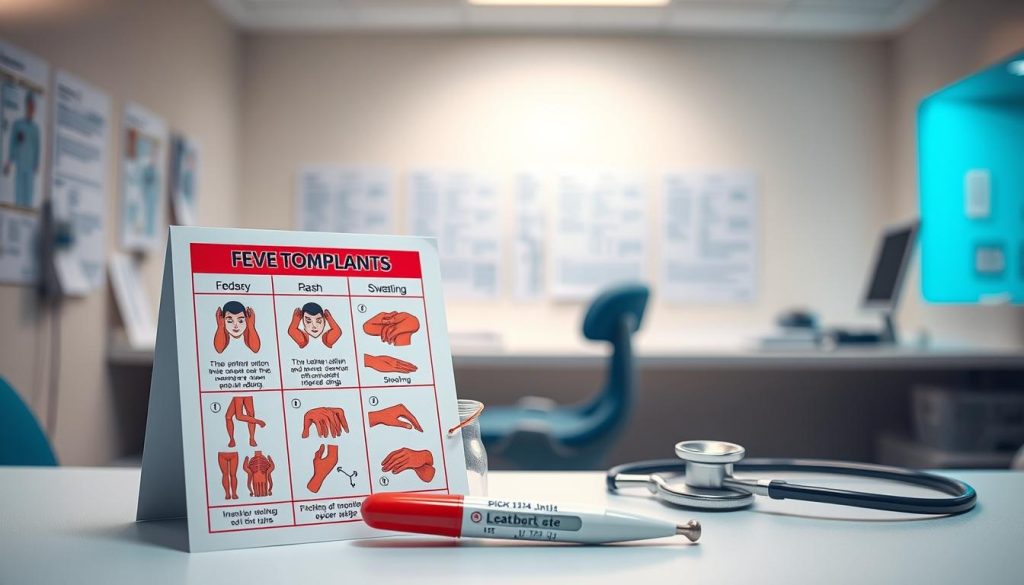
Fever matters. A temperature at or above 100.4°F (38°C) is a clear reason to postpone treatment. Your body is fighting infection, and therapy may disturb recovery.
When contagious symptoms mean rescheduling to protect others
If you have cold, flu, or COVID symptoms—cough, sneezing, sore throat—reschedule to avoid spreading infection. Face-down positions can worsen congestion and discomfort.
When massage may be unsafe with serious uncontrolled medical conditions
Avoid hands-on work if you have severe uncontrolled issues like very high blood pressure, acute asthma attacks, or systemic infections until a clinician clears you. These conditions raise real risks.
Quick checklist — postpone vs proceed
Fever ≥100.4°F (38°C): postpone.
Contagious symptoms or recent positive COVID test: reschedule.
Severe uncontrolled medical conditions: get medical clearance first.
Practical tip: Call your clinic, explain symptoms, and set a safe return date once you’re symptom-free and medically stable. Rescheduling protects your health and the progress you want to make.
Illness, infection, and skin issues that make receiving massage risky
Small symptoms can change the safety of bodywork more than you expect. If you have cold, flu, or COVID symptoms, call and reschedule to protect others and yourself.
Face-down positioning in a face cradle often makes nasal congestion and pressure worse. That can turn a relaxing session into an uncomfortable one.
Cellulitis and bacterial skin infections
Hot, red, tender patches with fever and fatigue may be cellulitis. This bacterial infection can spread and cause systemic symptoms.
Whole body massage is contraindicated when systemic signs exist. Your therapist will postpone and advise medical follow-up. For clinical detail, see massage and skin conditions.
Local skin issues to report
Always tell your therapist about open wounds, burns (including sunburn), fresh bruises, rashes, or any area that feels warm and inflamed.
Therapists avoid direct work on these zones, use barriers, adjust positioning, or postpone treatment when infection risk is present.
Swollen lymph nodes and tender areas
Swollen nodes or painful lumps can signal infection or immune activity. Direct pressure can be inappropriate and uncomfortable.
Clear language at booking helps: say “I have a rash,” “I’m recovering from COVID,” or “I have a hot red patch.” This gives your therapist what they need to guide you safely.
Issue
Signs
Risk
Therapist action
Respiratory infection
Cough, fever, congestion
Spread to others; worsened congestion
Reschedule; avoid face-down positioning
Cellulitis
Hot, red, tender skin; fever
Systemic spread; sepsis risk
Postpone; refer for medical care
Open wounds / burns / rashes
Broken skin, blistering, redness
Infection entry; pain
Avoid area; use barrier or postpone
Swollen lymph nodes
Tender lumps near infection
Sign of immune activity
Avoid direct pressure; monitor and refer
When in doubt, your therapist will document symptoms and may ask for medical clearance. If you want local recovery tips while you wait, see advice on chronic pain and rest.
Blood, clots, and bleeding risk: when pressure can be dangerous
Blood conditions alter how pressure and movement affect your body—so your therapist must adapt. When clots are active, deep work can dislodge material and trigger an emergency. You need clear screening and open disclosure before treatment begins.
Blood clots and DVT concerns
Active blood clots, such as DVT, are an absolute contraindication to deep tissue work. Deep pressure may increase the risk of releasing a clot into circulation.
If you have a past clot history, that does not automatically ban you from therapy. Your therapist will assess timing, scans, and medical clearance first.
Hemophilia and blood thinners
In hemophilia or when taking blood thinners (for example, warfarin), even modest trauma can cause prolonged bleeding and large bruises.
Request reduced pressure and avoid aggressive techniques. Tell your therapist about medications, unexplained bruising, recent surgery, or long travel.
Severe platelet deficiency (thrombocytopenia)
When platelet counts are very low, only ultralight touch is appropriate. Minimal friction and no deep compressions protect against internal bleeding.
Light effleurage with good glide may be safe, but always follow medical advice and document current counts.
Safer technique notes
Ask for lighter pressure, slower pacing, and strokes that move toward the heart on extremities to support venous return when safe. Avoid direct work over swollen, tender areas.
Be proactive: disclose clot history, medications, recent tests, and any unexpected bruising so your treatment plan truly protects you.
Bone fragility, injury, and organ failure: conditions that call for medical clearance
When bones, recent injury, or organ dysfunction are present, you need caution and medical input. These conditions change how pressure and movement affect your body. A clear plan helps keep recovery on track and avoids avoidable harm.
Severe osteoporosis: fracture risk and gentler options
Severe or moderate osteoporosis increases fracture risk, especially near the spine. Deep pressure around vulnerable vertebrae is risky.
Ask for gentler approaches: passive range-of-motion, light stretching, chair sessions, or soft effleurage. These techniques can ease pain and improve comfort without high pressure.
Acute injury and recent surgery: when rest wins
In the first 48–72 hours after trauma or surgery, extra circulation can worsen swelling and bleeding. That early window is usually for rest, ice, and stabilization.
Follow your surgeon or physician timeline. Wait for medical clearance before therapy that increases blood flow or applies strong pressure.
Liver failure and ascites: fluid and clotting concerns
When liver function is poor, ascites and impaired clotting change risks. Techniques that shift fluid toward the bloodstream can strain your system. Bruising risk also rises.
Supportive, purely gentle touch may be safe with written clearance from your clinician. Avoid abdominal work and ask the provider to skip any strokes that increase intra-abdominal pressure.
Remember: deep pressure is not always progress—sometimes it heightens fracture risk.
Get medical clearance for complex conditions and recent operations.
You are allowed to request lighter pressure, stop if pain or dizziness spikes, and skip abdominal work.
Special situations in the present: pregnancy, long COVID, vaccines, and flare-ups
Certain life events and recent illnesses change how a session should be planned and delivered. You deserve a clear plan that protects recovery while still offering relief. Below are practical rules to help you and your client book wisely in Turkey and beyond.
High-risk pregnancy and prenatal-trained care
If you are in a high-risk pregnancy—preeclampsia risk, placenta concerns, or recent bleeding—consult your physician first.
Choose a prenatal-trained therapist who knows safe positioning, modified pressure, and when written consent is needed. Some clinics ask for a clearance form before working with higher-risk conditions.
Autoimmune diseases during flare-ups
When autoimmune diseases flare, skin and joints can feel tender and inflamed. Direct work over hot, painful areas can worsen symptoms.
Postpone during acute inflammation and return when your condition is stable. Share current medications and recent lab results so therapists can adapt treatment safely.
Long COVID and post-viral fatigue syndrome
Long COVID often brings chronic fatigue, autonomic symptoms like POTS, and occasional clotting concerns.
Avoid sessions during crash periods. If cleared, use ultra‑gentle, pacing-based approaches, monitor heart rate and dizziness, and stop if symptoms spike.
Recent vaccination and tender areas
Wait 24–72 hours after a vaccine, especially if you have fever or swollen lymph nodes. Do not work directly on tender injection sites or swollen nodes.
Intoxication, hangover, and impaired feedback
A client who is intoxicated or dehydrated cannot reliably report pressure or pain. That raises injury risk and delays recovery.
Reschedule if impairment or severe dehydration exists. Drink fluids, rest, and return when you can give clear feedback.
Communicate proactively: sharing symptoms and medications helps therapists adapt pressure, positioning, and session length.
Good screening turns powerful therapy into a tailored, low‑risk plan that still delivers real benefits.
You now know the three outcomes: proceed as usual, modify or avoid specific areas, or postpone and seek medical clearance for serious medical conditions.
Absolute contraindications exist for a reason; waiting protects your long‑term health and is a smart choice, not a setback.
Keep your client health history current. Update medications, new diagnoses, and symptoms at every visit so therapists and your massage therapist can adapt safely.
Practical rules: reschedule when feverish or contagious, avoid work over compromised skin, and never gamble with blood or clotting concerns.
Shared responsibility makes therapy safe: trained therapists screen and you disclose honestly. In Turkey, pick reputable clinics that ask questions and build a trusted, long‑term relationship with bodywork.
FAQ
Who should avoid body massage if they have fever, malaise, or systemic illness?
If you feel feverish, very tired, or generally unwell, wait. Massage can spread infection through touch and raise circulation, which may worsen fever or prolong illness. Rest and consult a clinician; return when symptoms resolve and you’ve been cleared to interact closely with others.
How do contraindications work in massage therapy?
Contraindications guide safe practice by flagging conditions where massage risks outweigh benefits. Therapists screen your health history, medications, and symptoms to decide on safe techniques, areas to avoid, or if medical clearance is needed before treatment.
What does a contraindication mean for your health and safety?
A contraindication signals potential harm from treatment. It may require gentle approaches, skipped areas, postponement, or referral to a physician. Prioritizing safety keeps you protected from complications like infection, bleeding, worsening inflammation, or clot dislodgement.
What’s the difference between absolute, local, and relative contraindications?
Absolute contraindications—such as untreated deep vein thrombosis or active cellulitis—mean no massage at all. Local contraindications restrict work on a specific area, for example over an open wound. Relative contraindications allow careful treatment with modifications or medical clearance, like controlled hypertension.
Why does your client health history and medications matter before you get massage?
Medications like anticoagulants, immunosuppressants, or steroids change bleeding and infection risk. Chronic conditions, surgeries, and recent procedures also alter how your body responds. Accurate history helps the therapist tailor pressure, avoid risky zones, and protect your wellbeing.
When are contagious symptoms a reason to reschedule to protect others?
If you have cough, fever, sore throat, vomiting, diarrhea, or known contagious illness, reschedule. Close contact and shared air make transmission likely. Therapists must protect other clients and themselves, so staying home is responsible and healing for you.
When may massage be unsafe with serious uncontrolled medical conditions?
Uncontrolled conditions—severe heart failure, unstable angina, uncontrolled diabetes, or acute kidney injury—raise risk during massage. These situations often require medical stabilization and explicit clearance before any manual therapy takes place.
How should you handle colds, flu, and COVID symptoms regarding treatment timing?
Wait until you’re symptom-free and no longer infectious. Lying face down can worsen nasal congestion and breathing difficulty; therapists may avoid prone positions if you’re still recovering. Follow public-health guidance and your provider’s advice before returning.
Why is cellulitis or other bacterial skin infection a contraindication to whole-body massage?
Cellulitis and active bacterial infections risk spreading with touch and increased circulation. Massage can push pathogens deeper or to new sites. Treat the infection medically first; resume massage only after resolution and clinician approval.
What local skin conditions should be avoided during a session?
Avoid open wounds, recent burns, fresh bruises, active rashes, and inflamed areas. Touch can irritate healing tissue and introduce infection. Therapists will work around these spots or postpone until skin integrity returns.
Why must swollen lymph nodes and tender regions be avoided?
Swollen nodes often signal infection or inflammation. Direct pressure can increase pain and potentially worsen underlying issues. Therapists skip or use ultralight touch nearby and recommend medical evaluation if nodes are unexplained or persistent.
How do blood clots and DVT change massage plans?
Active deep vein thrombosis poses a high risk: pressure can dislodge a clot and cause pulmonary embolism. If DVT is suspected or diagnosed, avoid deep work and obtain medical clearance. Therapists focus on safe techniques and coordinate with your care team.
What are precautions for hemophilia or if you take blood thinners?
Anticoagulants increase bruising and bleeding risk. Therapists use very light pressure, avoid deep tissue techniques, and skip highly vascular areas. Always disclose medications like warfarin, apixaban, or clopidogrel so your provider can adapt treatment safely.
When is thrombocytopenia a concern and how should touch be modified?
Low platelet counts raise bleeding risk even with mild pressure. In severe cases, only gentle, noncompressive touch or lymphatic-style techniques are appropriate, and treatment should occur only after medical guidance confirms it’s safe.
What safer technique notes should therapists follow around bleeding or clot risk?
Use lighter pressure, avoid deep, rapid strokes, and steer clear of known clots, varicosities, or recently injured vessels. Directional strokes that move toward lymphatic drainage can be safer, and therapists should monitor your response throughout the session.
Why is severe osteoporosis a contraindication for strong spinal pressure?
Fragile bones fracture more easily. Strong or compressive techniques near the spine and hips can cause breaks. Low-force approaches and medical clearance are essential; therapists trained in gentle adaptations can still offer safe, supportive care.
Why avoid massage after acute injury or recent surgery?
Early massage can increase bleeding, swelling, and scar disruption. Tissues need time to stabilize. Wait for surgeon or physician clearance, and start with light work focused on mobility once healing permits.
How can liver failure and ascites affect treatment safety?
Ascites and compromised liver function alter fluid balance and circulation. Increasing venous return or applying abdominal pressure may strain the body. Seek medical clearance and choose gentle, nonabdominal techniques with caution.
What precautions apply during high-risk pregnancy?
In high-risk pregnancies—placenta previa, preeclampsia, or history of preterm labor—get OB/GYN approval. Work only with prenatal-trained therapists who avoid certain positions and pressure points, and who adapt techniques for maternal and fetal safety.
How do autoimmune flare-ups change the safety of treatment?
Active inflammation, joint tenderness, or systemic flare-ups increase sensitivity and risk of worsening symptoms. During flares, postpone or use very gentle modalities. Coordinate with your rheumatologist for timing and appropriate modifications.
What should you know about long COVID and post-viral fatigue when considering massage?
With long COVID or POTS-like symptoms, you may face post-exertional malaise and autonomic instability. Gentle sessions with close monitoring, short duration, and clear plans to stop if you feel worse help protect you from crashes.
When is recent vaccination a reason to postpone treatment?
After vaccination you may have local soreness, swelling, or systemic symptoms. Avoid working directly on the injection site for several days and delay full sessions if you experience fever or significant fatigue until symptoms subside.
Why is intoxication or a hangover a contraindication to treatment?
Impaired judgment and altered pain feedback increase injury risk. Dehydration and low blood pressure can also make you dizzy or faint during a session. Reschedule when sober and well-hydrated to ensure safe, effective care.