What makes a wellness experience truly personal? It’s understanding how professional therapeutic sessions work for your specific needs.
In Turkey, in-home massage therapy offers a unique wellness approach. These sessions focus on individual attention and discretion. Mayo Clinic research shows therapeutic touch helps with relaxation, stress reduction, and muscle tension relief.
Your experience starts with clear communication before booking. You’ll discuss session duration, therapeutic goals, and pressure preferences with your therapist. This dialogue ensures your comfort and safety throughout the process.
Three elements define successful therapeutic sessions. A suitable environment promotes relaxation. Open communication clarifies your expectations. Professional standards protect both you and your therapist.
Understanding boundaries in massage therapy ensures a safe, beneficial experience.
This guide helps business travelers, expats, and tourists in Turkey navigate wellness services confidently. You’ll learn how to select qualified therapists. You’ll discover how to prepare for your session and communicate your needs effectively.
Key Takeaways
Private sessions offer personalized attention and discretion compared to commercial spa environments
Effective communication before booking ensures your therapeutic goals and preferences are understood
Professional boundaries protect both client and therapist throughout the wellness experience
Suitable service locations significantly impact your comfort and relaxation levels
Qualified therapists prioritize clear appointment planning and respect for personal space
Understanding professional standards helps you identify reputable wellness providers in Turkey
Understanding Private Massage Services in Turkey
Massage therapy in Turkey offers a discreet and personalized approach. This differs significantly from tourist-oriented spa chains. Cities like Ankara emphasize privacy, direct communication, and individual attention.
The massage culture here avoids the crowded atmosphere of commercial wellness centers. This preference has created a thriving market for personal services. These services prioritize your comfort and specific therapeutic needs.
Many travelers and expats choose private appointments for controlled environments. These sessions offer focused attention from your therapist. Private massage emphasizes quality time with someone who understands your requirements.
The goal centers on creating a calm atmosphere. You feel secure discussing your health concerns. You can freely share your relaxation goals.
Turkey’s wellness traditions extend beyond the well-known hammam experience. Modern therapeutic practices blend traditional techniques with evidence-based methods. You gain access to comprehensive care tailored to your lifestyle.
Types of Massage Services Offered
A mobile massage therapist in Turkey specializes in several modalities. Each addresses different health needs. Swedish massage remains popular for general relaxation.
Swedish massage uses long, flowing strokes to reduce stress. It improves circulation throughout your body. This gentle approach works well if you prefer lighter pressure.
Deep tissue massage targets chronic muscle tension. Therapists apply concentrated pressure to release knots. This technique addresses adhesions that cause persistent discomfort.
Sports massage serves athletes and active individuals. It focuses on injury prevention and recovery enhancement. Traditional Turkish massage techniques incorporate stretching and joint mobilization.
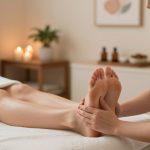
Some providers offer reflexology. This applies pressure to specific foot points. These points correspond with different body systems.
Combination sessions blend multiple approaches within a single appointment. This maximizes therapeutic benefits for your specific needs.
Swedish massage for relaxation and stress relief
Deep tissue work for chronic tension and pain management
Sports massage for athletic performance and recovery
Traditional Turkish techniques with stretching elements
Reflexology targeting specific pressure points
Therapeutic massage for medical conditions
Benefits of Private Massage
Personal massage services offer distinct advantages for your wellbeing. Privacy stands as a primary benefit. You control the setting, music, lighting, and temperature.
Scheduling flexibility represents another significant advantage. A mobile massage therapist can accommodate your timeline. This convenience proves valuable for business travelers.
The personalized attention surpasses what busy spas can provide. Your therapist dedicates complete focus to understanding your concerns. This individualized approach produces better therapeutic outcomes.
Benefit Category
Private Massage
Commercial Spa
Privacy Level
Complete control over environment and exposure
Shared facilities with multiple clients
Scheduling
Flexible timing based on your availability
Limited to business hours and availability
Personalization
Fully customized techniques and pressure
Standardized treatments with minor adjustments
Communication
Direct ongoing dialogue with therapist
Brief consultation before treatment
Health improvements from regular massage include reduced muscle tension. You experience better sleep quality and enhanced flexibility. Improved circulation benefits your entire body.
Mental health benefits encompass decreased anxiety. You enjoy lower stress levels and improved mood regulation. These advantages amplify in a familiar, comfortable environment.
Popular Locations for Private Massage
Your hotel room serves as the most common location. Most reputable hotels permit professional therapists to visit guest rooms. You avoid travel after your session.
Private residences offer ideal settings if you live in Turkey. Home sessions eliminate travel time completely. You can use your own shower and relaxation space afterward.
Many mobile massage therapist professionals carry portable tables. They bring all necessary supplies to any residential location. This makes home sessions convenient and comfortable.
Dedicated massage studios provide professional environments. These spaces offer specialized tables and controlled lighting. Studios work well if you prefer separation between living and wellness spaces.
Corporate offices increasingly request chair massage services. These shorter sessions focus on neck, shoulders, and back tension. Chair massage proves effective for stress management during busy workdays.
Specialized wellness centers sometimes offer private appointment slots. You benefit from premium amenities while maintaining personalized attention. Consider your priorities regarding convenience, privacy, and professional setting.
Establishing Clear Communication with Your Massage Therapist
Open dialogue with your massage therapist transforms a standard session into a personalized experience. This communication helps tailor treatment to your body’s unique requirements. Professional therapists in Turkey appreciate detailed information about your needs.
Sharing your physical condition, wellness goals, and comfort preferences improves results. Clear communication allows therapists to customize techniques effectively. Treatment plans can then address your specific priorities.
Advance booking gives you time to establish clear expectations before your appointment. Many independent massage therapists work by appointment only to maintain organization. This scheduling approach provides time for initial consultation about your specific needs.
Articulating Your Wellness Objectives
Before your one-on-one massage session begins, clearly communicate what you hope to achieve. Are you seeking relaxation after a stressful week or pain relief from chronic tension? Perhaps you need improved mobility for athletic performance or recovery from a specific activity.
Each goal requires different techniques and approaches. Your complete health history plays a crucial role in session planning. Disclose any injuries, surgeries, chronic conditions, medications, allergies, or areas of sensitivity.
Professional therapists need to know about recent physical changes that might affect your treatment. Share details about new injuries, pregnancy, medication changes, or previous reactions to massage. This transparency allows your therapist to adjust pressure and modify techniques.
Information Type
What to Communicate
Why It Matters
Physical Conditions
Chronic pain, recent injuries, surgeries, pregnancy status
Prevents aggravation of existing conditions and ensures safe treatment
Pressure Preference
Light, medium, firm, or varying pressure across different body areas
Maximizes therapeutic benefit while maintaining comfort throughout session
Sensitive Areas
Locations requiring lighter touch or complete avoidance
Respects your boundaries and prevents discomfort or potential injury
Guides technique selection and time allocation during treatment
Speaking Up During Your Treatment
Your comfort and safety depend on ongoing dialogue throughout your session. If pressure feels too strong, too light, or needs adjustment, speak up immediately. Quality therapists welcome this feedback because it helps them deliver better results.
Use clear descriptors to communicate about pressure levels and sensations. Simple phrases work best for real-time feedback. Try saying “lighter please,” “deeper pressure there,” “that’s perfect,” or “please avoid that area.”
Communicate immediately if pressure causes sharp pain rather than therapeutic discomfort
Request position adjustments if you feel strain in your neck, back, or joints
Ask questions about techniques or sensations you don’t understand
Inform your therapist if you feel dizzy, nauseous, or experience unusual symptoms
Express preferences about music volume, room temperature, or conversation levels
Many people hesitate to provide feedback during massage sessions. They worry about seeming demanding or interrupting the therapist’s work. Professional therapists expect and encourage client communication.
A good session involves controlled collaboration where your comfort receives continuous respect. Your boundaries matter throughout the entire treatment. Don’t hesitate to speak up about your needs.
Receiving Guidance From Your Therapist
Active listening means paying attention to your therapist’s instruction and recommendations. They may guide you about breathing techniques or optimal positioning. Post-session care routines and areas requiring medical attention are also important topics.
Your therapist can identify tension patterns and movement restrictions you might not notice yourself. They may spot physical compensations affecting your body. Listen carefully and ask clarifying questions about these observations.
The most effective massage sessions happen when clients and therapists work as partners, sharing information openly and adjusting approaches based on real-time feedback and professional expertise.
Learn to recognize the difference between therapeutic discomfort and pain that signals a problem. Therapeutic discomfort feels like productive pressure on tight muscles—intense but tolerable. Warning pain feels sharp, burning, or causes you to tense up defensively.
Communicate immediately if you experience warning pain during treatment. Your safety and comfort are the top priorities. Professional therapists want to know about any concerning sensations right away.
Sometimes therapists recommend seeking medical evaluation for conditions beyond massage therapy’s scope. Take these suggestions seriously. Professional therapists understand their practice limitations and prioritize your long-term health.
Setting Boundaries for a Safe Massage Experience
Boundaries transform your private massage from uncertain to secure and healing. Privacy is a top reason clients choose exclusive therapy over spa settings. Professional therapists understand that discretion is a fundamental service standard, not optional.
Professional conduct includes respectful communication and careful appointment handling. It creates a session atmosphere that never feels exposed or rushed. Clear boundaries before your personalized bodywork begins create the foundation for genuine therapeutic benefit.
These boundaries protect both physical comfort and emotional well-being throughout your session.
Appropriate Touch and Professional Standards
Professional massage therapy follows strict ethical guidelines regarding body areas and approach. Understanding appropriate professional touch helps you recognize quality service. Legitimate therapists maintain clear standards that prioritize your comfort above all.
Standard draping protocols require therapists to use sheets and blankets properly. Only the specific area being worked on should be exposed during treatment. The rest of your body remains covered to maintain dignity and warmth.
You have complete authority to designate any body area as off-limits. Professional therapists respect these decisions without question or pressure. Your boundaries help them deliver more effective treatment within your comfort parameters.
Consider communicating specific preferences before your exclusive massage therapy begins:
Request that the therapist avoid your feet if you feel sensitive about that area
Ask for work only on your back and shoulders while keeping other areas undraped
Specify additional draping beyond standard protocols for extra privacy
Indicate any areas with injuries, recent surgeries, or skin conditions that require special attention or avoidance
Ongoing Permission Throughout Your Session
Consent in professional massage therapy is verbal, specific, and revocable at any moment. Agreeing to a session doesn’t mean agreeing to every technique or pressure level. This understanding protects your autonomy and ensures you remain in control.
Professional consent operates continuously from start to finish. You can change your mind about any aspect of treatment at any point. Legitimate massage therapists respond to your feedback immediately and without defensiveness.
Professional massage includes appropriate draping with a sheet and blanket, with only the area being worked on exposed. You may stop the service at any time if anything feels uncomfortable.
Any therapist who makes you feel pressured about asserting boundaries is not behaving professionally. Quality personalized bodywork providers welcome your input because it helps customize treatment. They understand that your comfort directly impacts the therapeutic effectiveness of the session.
You should feel comfortable asking questions before the session starts and speaking up during treatment. A professional therapist responds promptly to your feedback and adjusts their approach accordingly. This responsive communication ensures that your massage remains therapeutic rather than stressful.
Creating Your Ideal Treatment Environment
Comfort in massage therapy encompasses physical sensations, emotional security, and environmental factors. Discussing these elements before your exclusive massage therapy begins prevents awkwardness. Comprehensive communication about comfort creates the conditions for deep relaxation.
Physical comfort factors include pressure intensity and technique preferences. Some clients prefer firm, deep pressure while others respond better to gentle strokes. Communicate your preference clearly, and remember you can request adjustments anytime.
Environmental comfort includes room temperature, lighting levels, music preferences, and conversation preferences. These details significantly impact your ability to relax and receive maximum benefit. Professional therapists appreciate knowing your preferences in advance.
Comfort Factor
Options to Discuss
Impact on Experience
Pressure Intensity
Light, moderate, firm, or deep pressure
Affects muscle release and relaxation depth
Room Temperature
Cooler or warmer settings with blanket adjustments
Influences body’s ability to relax muscles
Sound Environment
Music, nature sounds, or complete silence
Helps mind quiet or creates distraction
Communication Style
Conversation, minimal talking, or complete quiet
Affects mental relaxation and stress release
Consider whether you want complete privacy or if you’re comfortable with another person present. In Turkey, some clients prefer having a companion nearby during home or hotel sessions. Others value absolute privacy as essential to their relaxation.
Both preferences are valid and should be discussed openly.
Your comfort level may change from one session to another based on your current state. Professional therapists understand this variability and adapt to your current needs. This flexibility ensures that each personalized bodywork session serves your present circumstances effectively.
Finding the Right Environment for Your Massage
Selecting the right environment transforms an ordinary massage into a truly therapeutic intimate massage experience. The physical space influences your comfort level and ability to relax completely. You have several location options in Turkey, each offering distinct advantages.
Your environment choice affects every aspect of your session. A well-selected space promotes deeper relaxation and better therapeutic results. An unsuitable location can create tension that undermines the entire experience.
Comparing In-Room and Residence Options
Hotel-based massage offers significant advantages for travelers visiting Turkish cities. You avoid navigating unfamiliar neighborhoods before or after your appointment. Hotel security personnel remain nearby, providing an additional safety layer.
Most importantly, you can rest immediately following treatment without travel concerns. The convenience factor makes hotel massage particularly appealing. You control the environment within your room.
There’s no commute time to factor into your schedule. Many therapists in Istanbul, Ankara, and Antalya regularly serve hotel clients. They understand the logistics involved.
Home-based sessions at your residence provide maximum privacy. Familiar surroundings often help you relax more completely than unfamiliar spaces. You maintain full control over your schedule without coordinating departure times.
The intimate massage experience feels more personalized in your own environment. Space requirements remain consistent regardless of location. The therapist needs approximately 7-8 feet of clear floor space.
Adequate ceiling height matters, typically at least 7 feet. Bathroom access should be convenient for both you and the therapist.
Location Type
Primary Advantages
Practical Considerations
Best For
Hotel Room
Immediate rest after session, building security, no navigation required, controlled environment
Room size verification, noise from adjacent rooms, hotel policy compliance, parking for therapist
Business travelers, tourists, short-term visitors
Private Residence
Maximum privacy, familiar surroundings, flexible scheduling, no time pressure
Address sharing, entry logistics, household member coordination, parking availability
Local residents, extended stays, clients preferring home comfort
Dedicated Studio
Professional setup, optimal equipment, consistent environment, established protocols
Travel time required, fixed appointment slots, less personalized atmosphere
Regular clients, those preferring clinical settings
Rental Property
Privacy without home address disclosure, temporary convenience, tourist-friendly
Space suitability varies, landlord restrictions possible, short-term access coordination
Vacation rentals, temporary housing situations
Mobile massage therapists who travel to your location typically serve specific geographic areas. In major Turkish cities, most therapists operate within defined neighborhoods or districts. Travel fees may apply for locations beyond standard service zones.
Booking windows usually require 24-48 hours advance notice for scheduling flexibility. Cancellation policies vary by practitioner but commonly require 4-6 hours notice. Last-minute cancellations may incur fees covering the therapist’s travel time.
Creating an Atmosphere That Supports Relaxation
Environmental elements directly impact the quality of your confidential wellness treatment. Lighting should be soft enough to promote relaxation without creating safety hazards. Dimmable overhead lights work well, or consider using lamps with warm bulbs.
Avoid harsh fluorescent lighting that creates tension rather than relieving it. Room temperature control requires advance planning. The ideal temperature ranges between 72-75°F (22-24°C) for most people.
Remember that you’ll be partially undraped during treatment, so slightly warmer temperatures prevent chilling. Adjust climate controls 30 minutes before the appointment to achieve stable comfort.
Sound environment matters more than many clients realize. Block disruptive noise from outside sources when possible. Street-facing rooms in busy areas may benefit from white noise machines or soft background music.
Silence all phones, devices, and notifications that could interrupt your session. Cleanliness standards meet professional hygiene requirements in any appropriate massage space. The floor should be clean where the therapist walks and sets up equipment.
Fresh linens belong on any furniture that might be used. A tidy, organized space communicates respect for the treatment and the practitioner.
Preparing your space involves several practical steps:
Clear floor space of furniture, rugs, and obstacles that interfere with table placement
Test and adjust room temperature controls well before the scheduled time
Ensure bathroom facilities are clean and accessible with fresh towels available
Remove pets from the treatment area to prevent disruptions
Communicate with household members about privacy needs during the appointment window
Hotel guests should verify property policies regarding in-room services. Some establishments require notification at the front desk when service providers visit. Others maintain approved vendor lists.
Evaluating Security and Discretion Standards
Safety assessment begins before you book any confidential wellness treatment. Legitimate therapists willingly provide credentials including certification details and professional affiliations. Hesitation or evasiveness about qualifications serves as an immediate warning sign.
Privacy evaluation ensures the space protects you from unwanted intrusion. In hotels, do-not-disturb signage and door locks provide basic security. At residences, coordinate with others in the household about your appointment.
Exit routes deserve consideration in any location. You should always maintain the ability to leave if you feel uncomfortable. Ground-floor hotel rooms or residences with direct exterior access provide the most straightforward options.
Your comfort level with the overall arrangement matters most. Trust your instincts about whether a proposed setup feels appropriate. Professional therapists accommodate reasonable location preferences and answer questions about their standard procedures.
Warning signs that should prompt reconsideration include:
Therapists who resist providing verifiable credentials or references
Pressure to meet in unusual locations without legitimate explanation
Reluctance to answer specific questions about training and experience
Communication that feels unprofessional, overly personal, or inappropriate
Requests for payment through untraceable methods without business documentation
Professional massage therapists in Turkey operate transparently. They maintain business websites or social media presence with clear service descriptions. They provide receipts and business documentation.
Their communication remains courteous and focused on therapeutic services rather than personal topics. Background verification through online reviews helps assess legitimacy. Established practitioners accumulate feedback from previous clients.
Multiple positive reviews from different sources indicate reliability. Complete absence of any online presence may warrant additional verification steps before booking.
Tips for a Satisfying Private Massage Experience
Thoughtful preparation and proper aftercare maximize your private massage benefits. These practical steps help you get the most from your personalized bodywork session.
Preparing for Your Session
Arrive five to ten minutes early to settle in mentally. Drink plenty of water before your appointment. Hydrated tissue responds better to manual therapy.
Avoid heavy meals right before massage. They can cause discomfort when lying face-down. Communicate any sensitive areas or health changes to your therapist.
Wear comfortable clothing that removes easily. Following these safety tips can make your session 60% more satisfying.
Post-Massage Care and Recovery
After your private massage, you may feel deeply relaxed or slightly tired. This normal response shows your body is processing the therapeutic work. Drink water to support tissue recovery.
Some temporary soreness can occur after deeper pressure. This sensation is similar to post-exercise feelings. It typically resolves within 24 to 48 hours.
Give yourself time before rushing back to demanding activities. Gentle stretching and rest support your body’s natural healing process.
Knowing When to Seek Professional Help
Massage therapists cannot diagnose medical conditions or replace necessary healthcare. Seek medical evaluation for unexplained severe pain or suspected fractures. Also get help for signs of infection or symptoms that worsen.
Qualified therapists recognize the limits of their practice. They will refer you to appropriate medical professionals when needed.