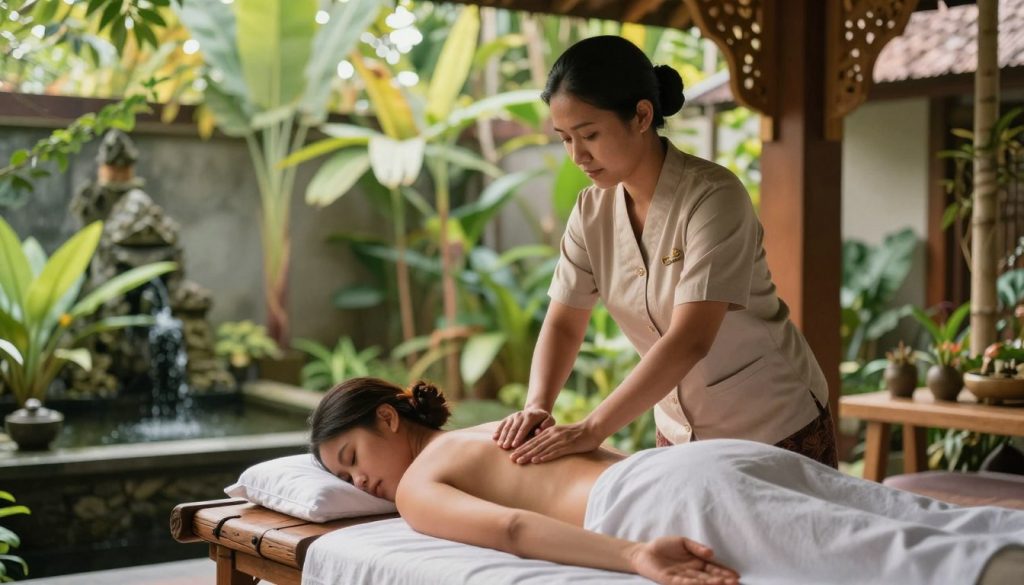
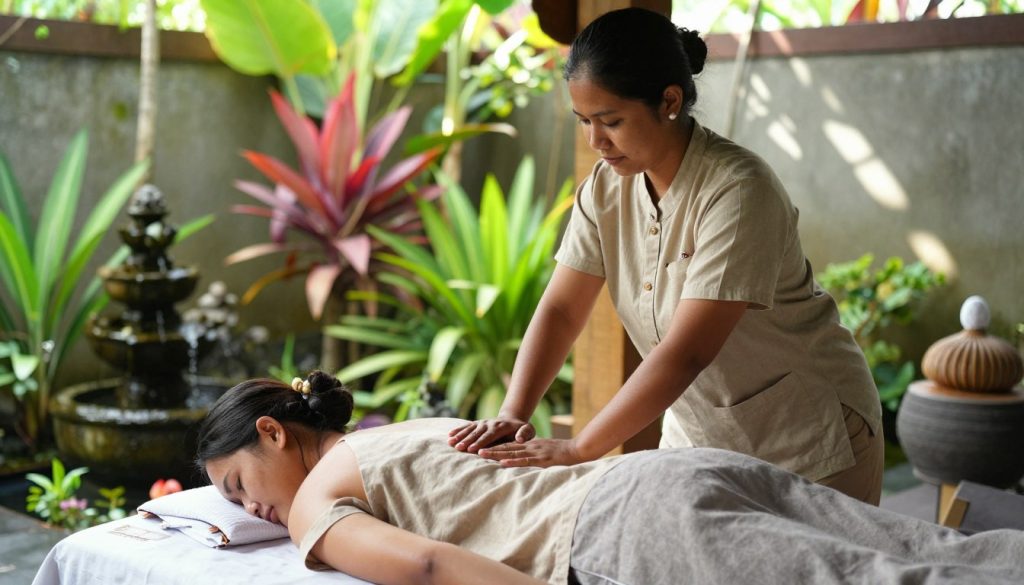
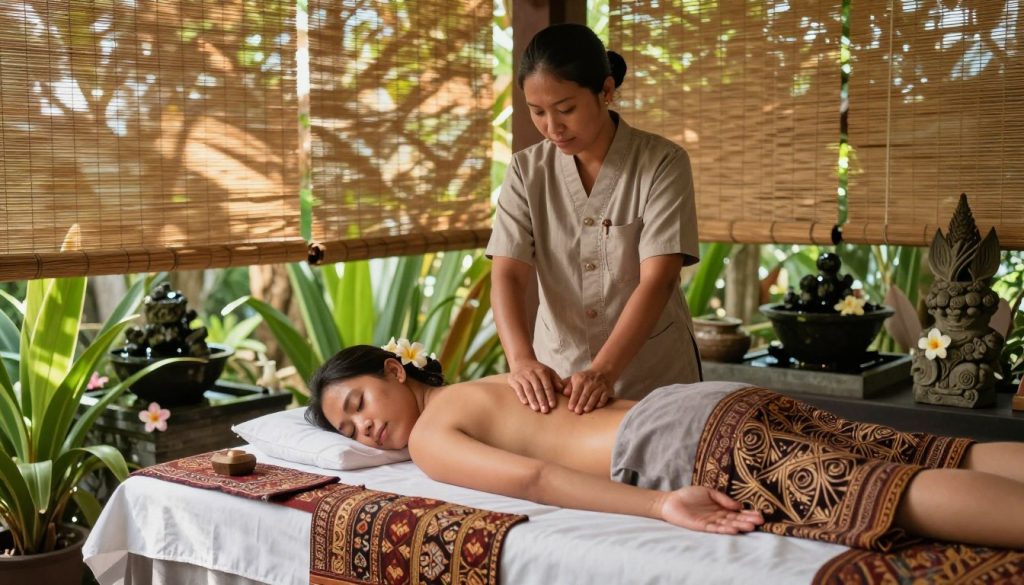
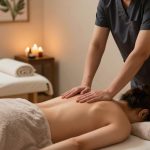
What separates a true healing experience from just another spa treatment? The answer lies in ancient holistic bodywork. This practice combines physical therapy with spiritual wellness.
Traditional Balinese massage represents more than relaxation. It is a complete healing practice rooted in Indonesian culture. This approach blends soft tissue work, acupressure, and gentle stretching.
The technique follows the Balinese philosophy of Tri Hita Karana. This means “three causes of well-being.” The concept teaches that harmony creates true health.
Therapists work on your energy pathways using intentional pressure. They use carefully selected oils during treatment.
This ancient practice differs from Western modalities. It integrates elements from Indian Ayurveda and traditional Chinese medicine. You will experience a healing ritual where every touch has purpose.
If you’re seeking an authentic experience, you can discover the best Bali massage that honors these timeless traditions.
Key Takeaways
Bali massage combines ancient Indonesian healing with therapeutic elements from Asian traditions for holistic wellness
The practice follows Tri Hita Karana philosophy, emphasizing harmony between people, nature, and spiritual well-being
Techniques include soft tissue manipulation, acupressure, stretching, and energy pathway work with essential oils
This bodywork differs from Western massage by integrating cultural philosophy and spiritual dimensions
Sessions address physical tension while nurturing mental relaxation and energetic balance
Overview of Bali Massage: Origins and Philosophy
Bali massage blends Indonesian tradition with healing systems from neighboring regions. This ancient practice offers a unique path to holistic wellness. It goes far beyond conventional bodywork.
Local healers combined their wisdom with therapeutic principles from across Asia. Understanding these foundations helps you appreciate the profound benefits. This massage style addresses both body and mind.
The philosophy behind Bali massage centers on achieving harmony. Practitioners work to restore balance to your entire being. This comprehensive approach differs from standard spa treatments available in Turkey and worldwide.
Ancient Healing Traditions
The development of balinese healing massage spans multiple centuries. Village healers passed down their knowledge through direct apprenticeship. These practitioners refined their techniques based on observed results and spiritual insights.
Indonesian massage techniques evolved as traders brought medical knowledge from India and China. The Ayurvedic concept of balancing bodily energies merged with local traditions. Chinese acupressure principles created pressure point techniques that target specific energy pathways.
Traditional practitioners typically use coconut oil as their primary medium. They often enhance this base with herbs native to Indonesian islands. These natural ingredients carry therapeutic properties that complement the manual techniques.
The Balinese concept of “prana” mirrors the Chinese idea of “qi.” Your practitioner works to identify where this energy becomes blocked. The massage strokes restore proper energy flow throughout your system.
In Indonesian society, massage functions as more than a luxury service. Balinese communities integrate bodywork into their regular health maintenance routines. Families often have relationships with specific healers who understand their health histories.
Traditional Balinese healers consider their massage work a sacred responsibility. They prepare for sessions through meditation and prayer. This spiritual dimension infuses every treatment with intentionality and respect.
Cultural ceremonies in Bali frequently include massage as a preparatory element. Dancers receive treatments before important performances to enhance flexibility and focus. New mothers undergo specific postpartum massage protocols to aid recovery.
This cultural context shapes the balinese healing massage experience even outside Indonesia. Authentic practitioners maintain these ceremonial elements and philosophical approaches. They view each client as a whole person deserving individualized attention.
True healing occurs when we address not just the physical body but also the energy that animates it and the spirit that guides it.
Complete Well-Being Through Integration
The holistic philosophy underlying indonesian massage techniques stems from the Tri Hita Karana principle. This Balinese concept identifies three sources of happiness and balance. These include harmony with the divine, with other people, and with nature.
Your practitioner applies this philosophy by assessing multiple dimensions of your well-being. They observe muscular tension and energetic imbalances that may indicate emotional stress. The treatment plan addresses these interconnected aspects simultaneously.
This approach differs from mechanical massage techniques that focus solely on soft tissue. You receive treatment designed to release physical tension while clearing energetic blockages. The practitioner may adjust pressure based on your emotional responses during the session.
Physical assessment includes posture analysis, movement patterns, and areas of muscular holding
Energetic evaluation identifies blockages in prana flow through the body’s subtle channels
Emotional observation notes stress indicators, breathing patterns, and tension-holding habits
Spiritual consideration addresses overall life balance and connection to purpose
The integration of these elements creates a therapeutic experience. Many clients describe it as transformative rather than merely relaxing. You may notice improvements in symptoms that seem unrelated to the areas directly massaged.
This phenomenon reflects the interconnected nature of your body’s systems. Your energy pathways link different areas together. Treating one area can affect your entire being.
Practitioners trained in authentic balinese healing massage spend years developing sensitivity. They learn to read subtle cues from your body and adjust intuitively. This skill level distinguishes traditional practitioners from therapists who simply learn physical techniques.
Seeking this treatment in Turkey requires finding spas that honor traditional approaches. Look for establishments that emphasize the holistic nature of their practice. Avoid those marketing Bali massage purely as an exotic luxury experience.
Techniques Used in Bali Massage
The technical foundation of massage therapy bali uses four distinct manual techniques. Therapists blend these methods according to your body’s unique needs. These techniques work together to address physical tension and energetic imbalances.
Authentic balinese bodywork combines ancient healing wisdom with practical therapeutic application. The techniques have been refined over generations to maximize effectiveness. Your therapist will adjust each method based on what your body communicates during treatment.
Core Manual Therapy Methods
Your session incorporates four primary techniques that distinguish this healing practice. Acupressure forms the foundation, with therapists applying focused pressure to specific energy points. This technique targets blockages that may be causing discomfort or limiting your vitality.
Skin rolling follows, where the therapist gently lifts and manipulates superficial tissues between their fingers. This method improves circulation and helps release fascia adhesions. The sensation is unique and often surprisingly effective at areas where tension has accumulated.
Rhythmic kneading addresses deeper muscle layers with consistent, wave-like motions. Your therapist uses their palms, thumbs, and sometimes forearms to work systematically through major muscle groups. The pressure penetrates beyond surface tissues to reach chronic tension patterns.
Long flowing strokes tie everything together, creating continuity throughout the treatment. These smooth movements help your nervous system relax. The strokes typically follow the natural contours of your body from head to toe.
Technique
Primary Tool
Target Area
Main Benefit
Acupressure
Thumbs and fingers
Energy meridian points
Releases energetic blockages
Skin Rolling
Fingers and palms
Superficial tissue layers
Improves circulation
Rhythmic Kneading
Palms and forearms
Deep muscle groups
Relieves chronic tension
Flowing Strokes
Full hand surface
Entire body contours
Creates relaxation continuity
Your therapist coordinates these movements with your breathing pattern. You will be encouraged to breathe deeply, allowing each exhale to enhance the release of tension. This breath-work integration amplifies the therapeutic effects significantly.
Pressure Intensity and Therapeutic Focus
The pressure applied during your session typically falls in the medium range. This makes it suitable for most people. Communication with your therapist ensures the treatment matches your comfort threshold and therapeutic goals.
The therapist can increase pressure substantially for deep tissue work. This approach targets chronic muscle tension, sports-related injuries, or specific pain conditions. The focus shifts to problem areas requiring more intensive intervention.
For relaxation-focused sessions, lighter pressure predominates throughout the treatment. This gentler approach activates your parasympathetic nervous system, promoting stress reduction and mental calm. Many people seeking traditional Balinese massage prefer this restorative style.
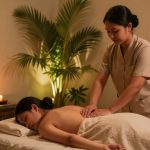
Your therapist will pay particular attention to common tension zones. The lower back receives sustained pressure to address postural strain. Shoulders and neck areas often require extra time due to modern lifestyle stress patterns.
Lower back: sustained palm pressure to release postural tension
Shoulders: kneading and acupressure for accumulated stress
Neck: gentle stretching combined with thumb pressure
Hips: deep tissue work to improve mobility and flexibility
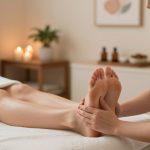
Feet: reflexology-inspired pressure to stimulate organ systems
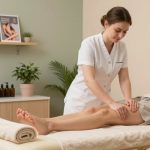
The entire treatment covers your back, shoulders, arms, legs, and feet systematically. Each body region receives appropriate attention based on the session duration and your specific needs.
Aromatherapy Oils and Herbal Elements
Natural oils form an essential component of every session you receive. Coconut oil serves as the traditional base, providing excellent skin absorption and nourishment. The warm oil allows therapists’ hands to glide smoothly while delivering active botanical compounds.
Essential oils are carefully selected for their specific therapeutic properties. Lavender oil calms your nervous system and promotes deep relaxation. The scent molecules affect your brain’s limbic system, reducing anxiety and preparing you for restorative rest.
Eucalyptus oil supports respiratory function and enhances mental clarity. You will notice the cooling sensation and distinctive aroma opening your breathing passages. This oil is particularly beneficial if you experience sinus congestion or mental fatigue.
Ylang ylang contributes to emotional balance and stress relief. Its sweet floral scent has mood-elevating qualities that complement the physical relaxation you experience. Many therapists blend this oil to create a sense of wellbeing and contentment.
Jasmine oil elevates mood and adds a luxurious sensory dimension to your treatment. The intoxicating fragrance has been valued for centuries in traditional healing practices. Its aromatic profile works synergistically with massage techniques to deepen your relaxation response.
The selection of aromatherapy oils is not merely aesthetic but serves genuine therapeutic purposes, with scent molecules affecting both dermal absorption and neurological responses through the olfactory pathways.
Your therapist may customize the oil blend based on your preferences and therapeutic goals. Some spas offer consultation before the session to determine which botanical essences will serve you best. This personalization ensures your experience addresses your unique wellness needs comprehensively.
Benefits of Bali Massage
Balinese massage offers remarkable benefits that transform your physical, mental, and emotional health. This ancient healing practice addresses multiple dimensions of wellness at once. Understanding these advantages helps you decide if this therapy fits your wellness routine.
The comprehensive nature of Balinese massage sets it apart from other bodywork modalities. Each session delivers therapeutic effects that build over time with regular treatments. The blend of specialized techniques, natural ingredients, and holistic philosophy creates powerful healing.
Physical Benefits: Pain Relief and Muscle Relaxation
Balinese spa treatments excel at addressing physical discomfort and muscular tension. The sustained pressure applied during sessions releases stubborn muscle knots and trigger points. You will notice significant relief in areas like your lower back, neck, and shoulders.
The rhythmic strokes used throughout the massage improve your blood circulation dramatically. This enhanced circulation delivers oxygen and essential nutrients to your tissues more efficiently. Metabolic waste products are removed from your muscles, reducing inflammation and accelerating recovery.
The stretching components incorporated into Balinese massage increase your flexibility and range of motion. Your joints and connective tissues become more supple, making daily movements easier. This benefit proves particularly valuable if you sit for long periods or exercise regularly.
Key physical benefits you can expect include:
Relief from chronic lower back pain and stiffness
Reduced neck and shoulder tension from desk work or travel
Decreased muscular soreness after exercise or physical exertion
Improved lymphatic drainage that supports toxin removal
Enhanced recovery from minor injuries or strain
Better posture through balanced muscle tension
Your lymphatic system receives considerable support during these sessions. Improved lymphatic drainage helps your body eliminate toxins more effectively while reducing swelling. This process boosts your immune function and promotes faster healing from physical stress.
Mental Benefits: Stress Reduction and Mental Clarity
The psychological effects of Balinese massage are equally impressive as the physical advantages. During treatment, your parasympathetic nervous system becomes activated, counteracting your body’s stress responses. This physiological shift creates deep calm that extends well beyond your spa visit.
The combination of rhythmic touch, aromatic oils, and focused breathing reduces your cortisol levels significantly. Elevated cortisol contributes to anxiety, poor sleep, and reduced cognitive function. Regular sessions at bali wellness centers help maintain healthier cortisol patterns.
Your brain increases production of serotonin and dopamine during massage. These neurotransmitters are associated with feelings of well-being, contentment, and mental clarity. You will notice improvements in your mood, concentration, and decision-making abilities.
Mental and cognitive benefits include:
Significant reduction in stress and anxiety symptoms
Improved sleep quality and more consistent sleep patterns
Enhanced ability to focus and concentrate on tasks
Better memory retention and recall
Increased mental energy and reduced brain fog
Greater emotional resilience in challenging situations
Your sleep quality improves dramatically with regular massage therapy. The deep relaxation achieved during sessions helps reset your sleep-wake cycle. You will fall asleep more easily and wake feeling more refreshed.
Emotional Benefits: Enhancing Well-being and Balance
The emotional advantages of balinese spa treatments are profound yet often overlooked. Intentional, therapeutic touch can release stored emotional tension in your muscles and tissues. This release provides a sense of emotional lightness that many describe as transformative.
The holistic approach of Balinese massage addresses feelings of disconnection or imbalance in your life. The meditative quality of each session gives you space to gain perspective. This mental reset helps you approach daily situations with greater equanimity and wisdom.
Many people report feeling more grounded and centered after their sessions. This emotional stability comes from the integration of physical relaxation, mental calm, and energetic balance. The benefits extend far beyond the immediate post-treatment period with regular visits.
Improved focus, emotional regulation, cognitive function
Emotional
Emotional release, sense of balance, groundedness
Greater resilience, life satisfaction, inner peace
Your overall sense of well-being increases as these three benefit categories work together. Physical comfort supports mental peace, which enhances emotional balance. This interconnected improvement creates a positive feedback loop that elevates your quality of life.
The lasting nature of these benefits makes Balinese massage an excellent investment in your health. While a single session provides immediate relief, regular treatments create cumulative advantages over time. This makes the practice valuable for both acute issues and long-term wellness maintenance.
What to Expect During Your Bali Massage Experience
Knowing what happens during your Bali massage session helps you relax completely. The journey involves carefully planned elements that support your physical and mental wellness. From arrival until you leave feeling renewed, each phase serves a specific purpose.
Quality spa services bali follow a structured approach that honors traditional practices. You will encounter professional therapists who understand body mechanics and energy flow. Sessions typically span 60 to 120 minutes depending on your selected package.
Typical Spa Setting and Atmosphere
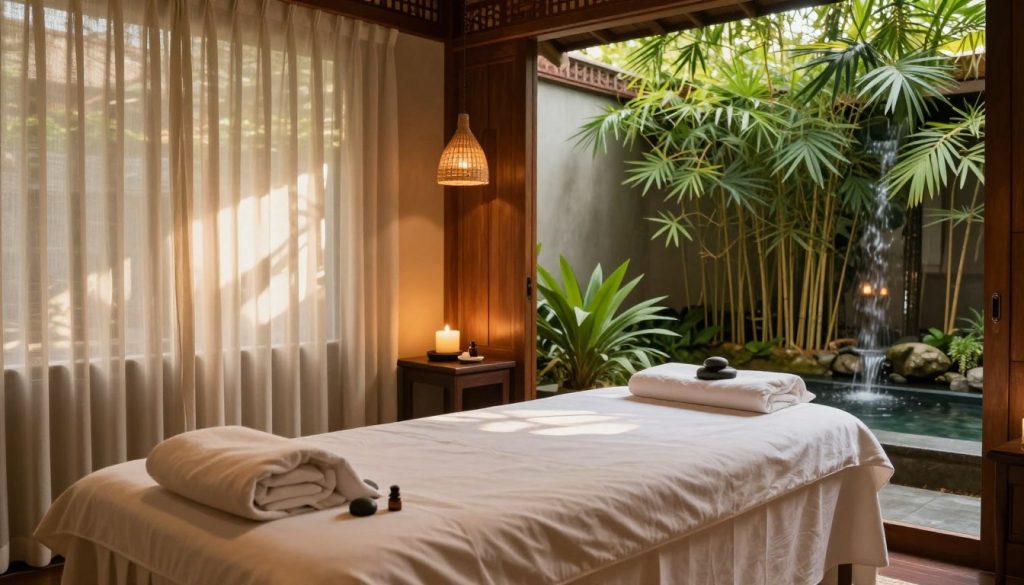
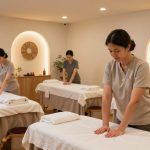
The treatment environment plays a crucial role in massage effectiveness. Treatment rooms use natural materials like bamboo, teak wood, and stone. These elements create an authentic connection to Balinese culture.
Soft lighting fills the room without creating complete darkness. The temperature stays comfortably warm, usually between 72 and 76 degrees Fahrenheit. Air circulation remains gentle, often enhanced by slowly rotating ceiling fans.
Acoustic management creates a soundscape that supports relaxation rather than causing distraction. You might hear gentle gamelan music, the traditional Indonesian percussion ensemble. Some facilities incorporate nature recordings featuring rainfall, ocean waves, or forest sounds.
Aromatic elements prepare your nervous system for therapeutic work ahead. Essential oil diffusers or traditional incense release scents like frangipani, sandalwood, or jasmine. These fragrances carry both cultural significance and proven aromatherapy benefits.
The environment you create around the body directly influences the mind’s ability to release tension and accept healing.
Cleanliness standards in reputable facilities meet or exceed international spa protocols. Fresh linens cover the massage table for each client. Therapists sanitize all surfaces between appointments.
Privacy remains paramount throughout your visit. Treatment rooms feature solid doors with locks that you control. The design removes you completely from external noise and distractions.
Step-by-Step of a Standard Session
Your experience with spa services bali begins before you reach the massage table. Upon arrival, you typically receive a warm welcome. You might enjoy a brief foot bath with flower petals and essential oils.
The pre-session consultation forms the foundation for personalized treatment. Your therapist will ask specific questions about your health history. This conversation ensures your safety and comfort.
Recent injuries or surgeries that require special attention
Chronic pain conditions or areas of persistent tension
Allergies to oils, fragrances, or other treatment products
Pressure preferences ranging from gentle to firm
Specific goals for the session such as relaxation or pain relief
After the consultation, your therapist leaves the room while you prepare. You undress to your comfort level and position yourself on the massage table. Modern facilities respect your modesty while ensuring therapists can access treatment areas.
The session officially begins when the therapist returns and starts with grounding techniques. Many practitioners place their hands gently on your back or shoulders for several seconds. This mindful opening honors traditional Balinese understanding of energy transfer.
Session Duration
Body Areas Covered
Technique Depth
Best For
60 Minutes
Back, shoulders, neck, legs
Moderate pressure with focus on major muscle groups
First-time clients, maintenance sessions
90 Minutes
Full body including arms, hands, feet
Comprehensive technique application with balanced attention
Complete relaxation, stress relief
120 Minutes
Full body with extended work on problem areas
Deep therapeutic work with integration time
Chronic pain, intensive wellness programs
The therapist progresses through your body following traditional sequences that align with energy meridians. Treatment typically moves from your back and shoulders down to your legs. The practitioner checks your comfort level and adjusts pressure as needed.
You might notice the therapist uses their forearms, elbows, and even knees. These tools allow them to apply deeper pressure without strain. Warm oils infused with tropical botanicals enhance the glide while nourishing your skin.
As the session approaches completion, techniques become gentler and more integrative. The therapist might use long, flowing strokes that signal your nervous system to rest. Many practitioners finish with light scalp massage or gentle pressure on specific points.
After the final technique, you receive several minutes to rest quietly. This integration time allows your body to absorb the benefits. The therapist leaves the room, giving you privacy to dress slowly.
Post-Massage Recommendations for Maximum Benefit
What you do after your spa services bali session significantly impacts benefit duration. Your body has just experienced profound relaxation and tissue manipulation. Following specific guidelines helps you maximize these positive effects.
Hydration becomes your top priority immediately following the massage. Drink at least 16 to 24 ounces of water within the first hour. The massage stimulates your lymphatic system to release accumulated waste products.
Proper hydration after massage is not optional—it is essential for helping your body process and eliminate toxins released during treatment.
Avoid strenuous physical activity for at least four to six hours after your massage. Your nervous system needs time to integrate the deep relaxation response. Jumping immediately into intense exercise can diminish the therapeutic effects.
Some people experience mild detoxification symptoms in the 24 hours following their first massages. These may include increased urination, mild fatigue, or slight muscle soreness. These reactions indicate your body is responding appropriately to treatment.
Consider timing your massage appointments strategically for optimal results:
Schedule sessions for late afternoon or early evening when you can rest afterward
Avoid booking massage immediately before large meals, as relaxation can affect digestion
Plan treatments at least two hours after eating to prevent discomfort
Try to receive massage on days when you can get extra sleep
Many facilities offer complementary post-treatment rituals that extend the benefits. These might include herbal steam sessions that continue the detoxification process. Accept these offerings when available, as they enhance the overall outcome.
Gentle stretching or meditation practiced several hours after your massage can deepen well-being. Your muscles and connective tissues remain more pliable than usual. These practices help maintain the openness and flow created during treatment.
Consider taking a warm bath with Epsom salts on the evening of your massage. The magnesium in the salts supports muscle relaxation and works with manual therapy. Add a few drops of lavender or chamomile essential oil to enhance calming effects.
Pay attention to how your body feels in the days following your session. Many people notice improvements in sleep quality, reduced pain levels, and enhanced emotional balance. These observations help you understand your personal response patterns.
Choosing the Right Bali Massage Spa in Turkey
Finding authentic Balinese massage services in Turkey requires careful research and attention to detail. You want to ensure your experience mirrors traditional quality. Look for spas that offer genuine techniques with local convenience.
Identifying Qualified Practitioners
Start by verifying therapist credentials and training backgrounds. Ask whether practitioners received instruction in authentic Indonesian techniques. Check if they trained directly in Bali or through certified international programs.
Licensed therapists with ongoing professional development provide the best experiences. Check for clean facilities with proper sanitation protocols. Clear safety standards are essential for your comfort.
Read client reviews carefully. Look for consistent mentions of technique authenticity and therapist skill. Distinguish between spas offering genuine Balinese methodology versus those using “Bali” purely for marketing.
Top Locations for Authentic Treatments
Metropolitan centers like Istanbul, Ankara, and Izmir offer the widest selection of international spa services. Coastal resort regions including Antalya, Bodrum, and Marmaris feature luxury hotel spas. These locations employ internationally trained staff for quality treatments.
Specialized wellness centers focusing on Asian massage traditions often provide more authentic experiences. These facilities typically offer better Bali massage than general spas.
Evaluating Costs and Packages
Session durations typically range from 60 to 120 minutes. Prices vary between independent studios and luxury hotel spas. Verify what the base price includes—footbath, aromatherapy, or herbal treatments.
Package deals for multiple sessions often provide better value. Review cancellation policies and tipping customs before booking. Customary tips apply when service meets your preferences and expectations.