
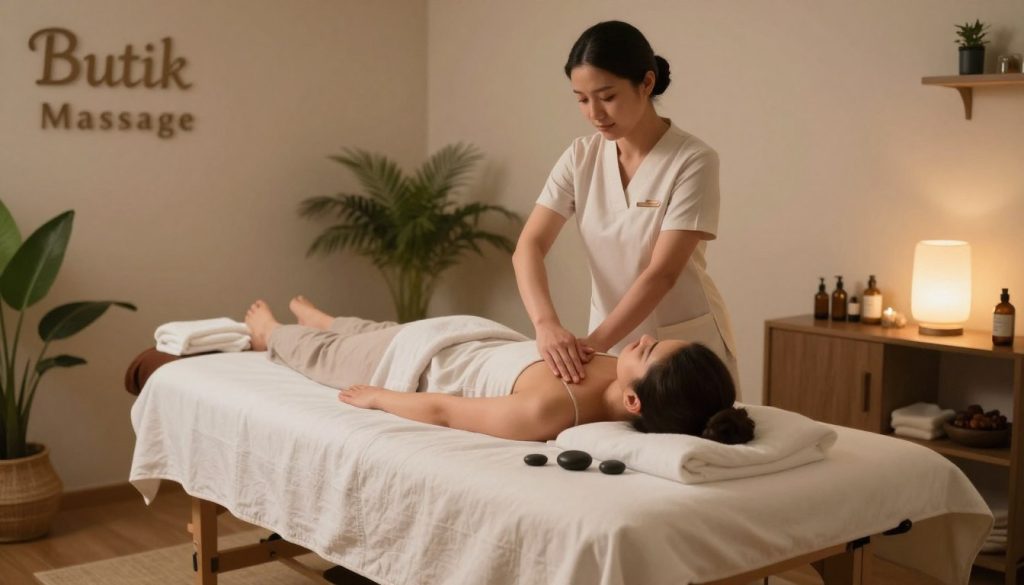
Have you ever wondered what happens during a professional massage appointment? Understanding the complete process transforms your experience from uncertain to empowering.
Therapy sessions offer remarkable physical and mental benefits. You might seek relief from muscle tension or stress reduction. Perhaps you simply want a peaceful moment in your busy life.
Knowing what to expect enhances every aspect of your visit. The preparation phase sets the foundation for success. The treatment itself delivers therapeutic relief.
The aftercare period helps you maintain results. These massage steps work together to ensure safety and comfort. They also maximize therapeutic results for your wellness journey.
You might be scheduling your first appointment in Istanbul. Or perhaps you’re a regular client seeking deeper understanding. Following a proper massage routine guide makes all the difference.
This comprehensive overview walks you through each phase of your session. You’ll discover how to prepare effectively for treatment. You’ll learn what happens during the session itself.
You’ll also understand how to care for yourself afterward. This knowledge helps you maximize benefits from every visit.
Key Takeaways
- Understanding the complete session process enhances both physical and mental benefits of therapy
- Proper preparation includes hydration, arriving early, and communicating health concerns to your therapist
- Open communication during treatment about pressure levels and comfort increases satisfaction by up to 60%
- Post-session care such as drinking water and resting helps flush toxins and reduces muscle soreness
- Building a relationship with a qualified therapist through regular visits can improve results by 30%
- Each phase—before, during, and after—contributes equally to the effectiveness of your wellness experience
Preparation: What to Expect Before Your Massage
Your journey to relaxation starts before you reach the massage table. Proper preparation helps you get the most from your session. Understanding the professional massage steps makes you ready in body and mind.
Your therapist will guide you through important pre-session steps. These measures create the foundation for a safe, personalized experience. Taking time to prepare shows your commitment to wellness goals.
Creating a Relaxing Environment
Professional massage settings encourage relaxation the moment you arrive. The atmosphere sets the tone for your entire experience. Most spaces feature carefully chosen elements that calm your senses.
You’ll notice soft, ambient lighting that reduces stress and promotes calm. Many facilities use dimmer switches or warm lamps instead of harsh overhead lights. This lighting helps your nervous system shift toward relaxation.
Calming music or nature sounds often fill the space. The temperature stays comfortable throughout your session. Some places use aromatherapy with oils like lavender or eucalyptus.
These features work together following step by step massage techniques. They help you transition from your busy day into a healing mindset. This sensory preparation is essential for the healing process.
The Importance of Consultation
Communication about your needs forms the foundation of effective massage. Your therapist will conduct a pre-session consultation to gather information. This conversation ensures treatment is tailored to your body and goals.
Be ready to discuss your medical history, including chronic conditions or recent injuries. Mention current medications, as some affect how your body responds. Be open about areas experiencing pain, tension, or discomfort.
Your therapist needs to know about allergies to oils, lotions, or fragrances. Share information about past massage experiences, both good and bad. This context helps your practitioner understand your preferences.
Discussing your wellness goals is equally important in these professional massage steps. Are you seeking stress relief, pain management, improved flexibility, or general relaxation? Clear communication allows your therapist to select appropriate techniques and pressure levels.
Effective communication between client and therapist creates a partnership that maximizes therapeutic outcomes and ensures safety throughout the session.
This consultation typically takes 5-10 minutes but provides valuable information. The time invested directly impacts the quality of your experience. Your therapist uses these insights to create a customized treatment plan.
Selecting the Appropriate Massage Type
Different massage styles serve different purposes, and choosing the right one matters. Your therapist can help you select the best technique. Understanding the basic options helps you make informed decisions.
Swedish massage is ideal for general relaxation and stress reduction. This gentle technique uses long, flowing strokes to promote circulation. It’s an excellent choice if you’re new to massage.
Deep tissue massage targets chronic muscle tension and deeper connective tissue. This approach uses more intense pressure to address specific problems. It’s particularly helpful for people with persistent pain or restricted mobility.
Sports massage focuses on athletic recovery and performance enhancement. This technique addresses the specific demands placed on muscles during activity. Athletes and active individuals often benefit from this specialized approach.
| Massage Type | Best For | Pressure Level | Duration |
|---|---|---|---|
| Swedish Massage | Relaxation and stress relief | Light to moderate | 60-90 minutes |
| Deep Tissue Massage | Chronic muscle tension | Moderate to firm | 60-90 minutes |
| Sports Massage | Athletic recovery | Moderate to firm | 30-60 minutes |
| Therapeutic Massage | Injury rehabilitation | Variable | 45-75 minutes |
Other specialized techniques include prenatal massage for expectant mothers and hot stone massage. Trigger point therapy targets specific pain patterns. Your therapist will recommend the most suitable option based on your needs.
Practical preparation steps enhance your experience beyond choosing your massage type. Wear comfortable, loose-fitting clothing to your appointment for easy changing. Stay well-hydrated before your session, as massage works with your body’s fluids.
Avoid eating a heavy meal within two hours of your appointment. Remove jewelry and accessories before the session begins. Arriving 10-15 minutes early allows time to complete forms without feeling rushed.
These step by step massage techniques for preparation ensure you’re ready. Proper planning transforms a good massage into an exceptional experience. Your commitment to preparation shows respect for your time and your therapist’s expertise.