
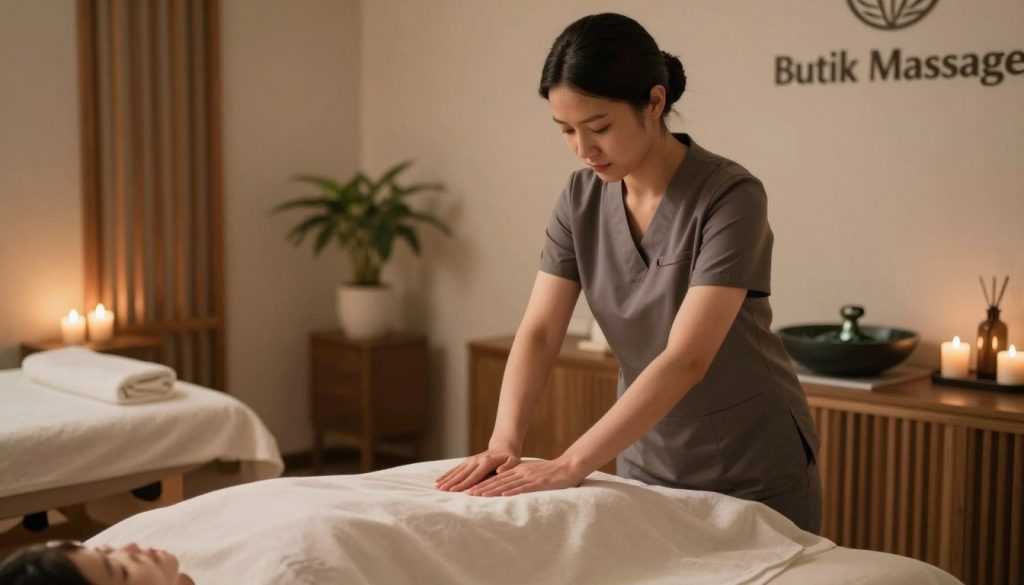
Swedish massage therapy has been the gold standard for relaxation for over a century. This time-tested approach transforms how people manage physical tension and mental strain.
Classic massage is a methodical system of therapeutic touch. It promotes deep relaxation and improves your overall health. Therapists use long, flowing strokes combined with kneading, vibration, and rhythmic movements.
These techniques work to loosen tight muscles. They restore balance throughout your body.
Your session typically involves protective oils or lotions. These allow smooth movements across your skin. This approach energizes you and enhances circulation.
Understanding what happens during a professional session helps you maximize the benefits. Each element works together to deliver lasting relief. From the initial consultation through aftercare guidance, you can reduce stress through professional bodywork.
Key Takeaways
- Swedish massage therapy uses long, flowing strokes to loosen tight muscles and promote relaxation throughout your body
- Sessions energize you while improving circulation, helping your tissues receive better oxygen and nutrients
- Protective oils or lotions create smooth movements and prevent friction during therapeutic touch
- Professional sessions include intake consultations, pressure adjustments, and personalized aftercare guidance
- Regular bodywork addresses both physical tension and mental stress through systematic soft tissue manipulation
- This time-tested approach combines multiple techniques including kneading, vibration, tapping, and rolling motions
Understanding Classic Massage and Its Origins
Classic massage combines systematic soft tissue manipulation with proven methods. These techniques enhance circulation and promote natural healing. Learning about massage fundamentals helps you appreciate these time-tested approaches.
This therapeutic practice reflects humanity’s ongoing quest for natural pain relief. Your experience connects you to traditions spanning multiple cultures and centuries. Modern practitioners refine these methods while honoring core principles.
The Historical Background of Classic Massage
Classic massage reached a pivotal moment in the early 19th century. Swedish physiologist Per Henrik Ling systematized various therapeutic techniques into one framework. His approach transformed scattered traditional practices into an organized system.
Swedish massage became the dominant Western form of classic bodywork. Ling’s system incorporated elements from Chinese, Egyptian, Greek, and Roman traditions. He created a methodology addressing physical ailments through structured touch therapy.
Traditional massage benefits gained recognition as medical professionals documented patient outcomes. Universities and medical institutions started incorporating massage training into their programs. This academic acceptance elevated the practice to a respected therapeutic intervention.
Key Principles of Classic Massage
Classic massage rests on five primary therapeutic techniques working together. Each technique serves a specific purpose and targets different tissue layers. Understanding these methods helps you appreciate your comprehensive massage experience.
| Technique | Movement Type | Primary Purpose | Tissue Depth |
|---|---|---|---|
| Effleurage | Gliding strokes | Warm muscles and improve circulation | Superficial to moderate |
| Petrissage | Kneading motions | Release muscle tension and toxins | Moderate to deep |
| Tapotement | Rhythmic tapping | Stimulate nerves and invigorate muscles | Superficial |
| Friction | Circular pressure | Break down adhesions and scar tissue | Deep |
| Vibration | Rhythmic shaking | Relax muscles and calm nervous system | Moderate |
Swedish massage manipulates connective tissue to improve circulation and release tension. The approach focuses on relaxation and reducing stress. Your therapist applies techniques in systematic progression from superficial to deeper work.
Strokes directed toward the heart represent another fundamental principle. This approach enhances venous blood return and supports lymphatic drainage. Following natural circulation patterns maximizes traditional massage benefits during each session.
Classic massage addresses multiple body systems simultaneously through integrated techniques. The muscular system experiences direct manipulation and tension release. Your circulatory system benefits from improved blood flow and lymphatic stimulation.
Cultural Variations and Influences
Different regions have adapted classic massage principles to reflect local traditions. Turkey has developed a rich massage culture blending Western techniques with hammam practices. This fusion creates unique experiences honoring both historical and contemporary approaches.
Turkish massage therapists often incorporate warmer treatment rooms and steam preparation. These environmental modifications complement core therapeutic techniques while respecting cultural preferences. You may notice subtle differences receiving treatment in Turkey versus other countries.
Fundamental techniques remain consistent across cultural interpretations despite these variations. Effleurage still involves gliding strokes and petrissage still includes kneading motions. This universality ensures you receive genuine traditional massage benefits regardless of location.
Local healing traditions influence how practitioners apply pressure and select aromatherapy oils. Some cultures emphasize vigorous stimulation while others prefer gentler approaches. Understanding these variations helps you communicate preferences and find matching therapists.