Have you ever wondered how a single hour of skilled touch can change how you feel inside and out?
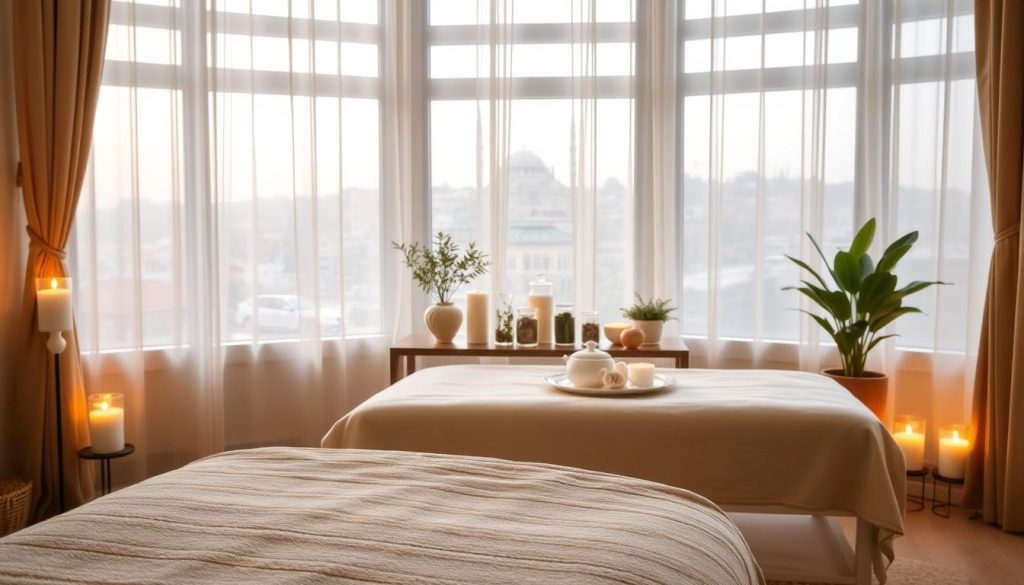
You arrive in Istanbul and a boutique massage is more than pause from travel — it becomes a practical way to listen to sensations in your body. Skilled therapists use breath, gentle pressure, and nervous-system-aware techniques to help you find calm fast.
This approach blends massage therapy with somatic ideas: tuning into sensation, tracking nervous system states, and allowing interrupted survival responses to complete. Research now shows somatic work can change heart-rate variability and brain networks linked to emotion regulation.
In a softly paced, consent-focused setting, you feel safe to follow subtle shifts. Small changes in pressure, breath, or timing help you leave with clearer balance and tools to keep that calm back home.
Somatic-informed massage helps you regulate through breath, touch, and awareness.
A boutique setting in Istanbul offers a slower, consent-led experience for safety and depth.
Small shifts during treatment can produce measurable nervous-system benefits.
Sessions are personalized — pressure, pace, and techniques adapt to you.
You leave with practical cues to sustain relaxation in daily life.
Why you’re drawn to boutique massage in Istanbul right now
After a long day in Istanbul’s busy streets, you may crave a moment to unwind and recover. A short session can reset tired legs after walking through lively areas and ease stiffness before bed.
High-quality venues make your choice easier. Clear menus, visible hygiene, and trained therapists build trust so you can relax without second thoughts.
Wellness travel is on the rise, and many visitors choose a massage late in the day to reduce stress, fight jet lag, and support deeper sleep. When you book smartly, a nearby treatment fits into a busy schedule and helps with recovery between sightseeing.
Focused calm: quieter rooms, curated oils, and unhurried pacing that promote relaxation and nervous-system downshift.
Personal care: options for targeted work on travel-related pain or a gentler full-body flow.
Practical ease: clear booking, timely confirmations, and treatment windows that suit your day.
Memorable experiences: a restorative ritual that supports your health and extends the calm into the evening.
The language of the body: somatic therapy foundations behind boutique massage
Somatic methods teach you to notice small sensations so your system can move from protection to rest.
Your nervous system as the gateway to healing
Trauma and long-term stress often live in your autonomic system and muscles. You may notice fight, flight, or freeze patterns long after events end.
Somatic therapy helps you track warmth, weight, or fluttering so your body can finish interrupted responses and find calm.
Bottom-up regulation vs. top-down talk: how you actually feel the shift
Instead of forcing change with thought, you use breath, gentle movement, and attuned touch to invite release.
That bottom-up approach lets regulation grow from sensation, not just from ideas in your mind.
Safety, consent, and co-regulation in a healing space
When a practitioner offers choice about pressure and pace, your body reads safety and can reorganize. Co-regulation—where the therapist’s steady presence helps your rhythms ease—is central.
Many clients report improved heart-rate variability and reduced anxiety after somatic work. To explore session options, see session options, and for tips on choosing a practitioner, read this guide on choosing a skilled practitioner.
Core Method
What you feel
Immediate benefit
Grounding
Feet, weight, breath
Stabilizes a busy system
Pendulation
Move between ease and tension
Prevents overwhelm
Titration
Small dose changes
Safe, steady progress
Techniques that help you release tension and stress
Gentle breath cues and small movements help your system open before stronger pressure is used.
Start with breathwork and grounding to steady attention. This makes later technique feel safer and more effective across tense areas.
You then experience pendulation—moving between ease and tight spots—to build capacity without flaring pain. Titration appears as small, measured steps so each release can integrate.
Hands-on options range from myofascial release and targeted deep tissue to light, craniosacral-like touch. Reflexology can ease distant pain patterns after long walking days, and subtle energy contact calms the whole system.
Movement—micro rocking or breath-synced holds—often helps muscles let go faster than force. Oils are chosen to match goals: neutral blends for sensitive skin or aromatic blends to deepen relaxation.
What to look for in your therapist and their approach
Your feeling of safety shapes every minute of care. Before touch begins, a therapist should listen, mirror your goals, and outline options clearly.
Attunement, training, and trauma-informed care that centers your experience
Consent at every step matters: you should have the option to pause, change pressure, or stop. This shows a practice that respects limits and keeps you in control.
Check that therapists have formal training in nervous-system literacy and trauma-informed methods. Many skilled teams blend deep tissue, reflexology, energy work, and naturopathic insight to tailor sessions.
You want a therapist who describes scope and offers referrals for mental health or medical care.
Look for clear communication about pressure, breath cues, or simple yoga-inspired stretches.
Professional cues—punctuality, clean tools, updated menus, and check-ins—signal quality across years of experience.
When a client leaves feeling seen and safe, the session becomes a building block. For more on team credentials see meet our therapists, and for pre-session manners consult this client etiquette guide.
Discovering the Language of the Body at Boutique Massage: Following the Healing
A well-guided session begins with a simple pause: you settle, breathe, and your attention meets the body’s signals.
You and your therapist track early cues like warmth, tingling, or shifts in pressure. Work progresses in small doses so your system can integrate each release without spiking pain.
Movements alternate between ease and mild challenge. This titration helps your nervous system learn new patterns while keeping you comfortable.
Personalized care: oils, pressure, and pace
You co-create the plan: pick oils or go unscented, set pressure limits, and choose whether to include gentle movement or still holds. Simple check-ins keep the work in a range that supports relaxation and balance.
Aftercare that helps regulation
You finish with grounding: slower strokes, a steady contact hold, and quiet time to register safety.
Sip water and keep breath slow to support hydration and stress relief.
A short walk or gentle movement later helps maintain release and reduces stiffness or pain.
Avoid heavy workouts right away so the change can integrate in a kinder way.
Small home practices—two minutes of slow breathing or a gentle neck roll—extend benefits between sessions. If you want continued progress, discuss a follow-up plan that matches how your body responds.
Your Istanbul guide: choosing a tranquil space and credible practice
When you step into a calm studio in Istanbul, the room’s tone often tells you more than a menu.
Reading spaces
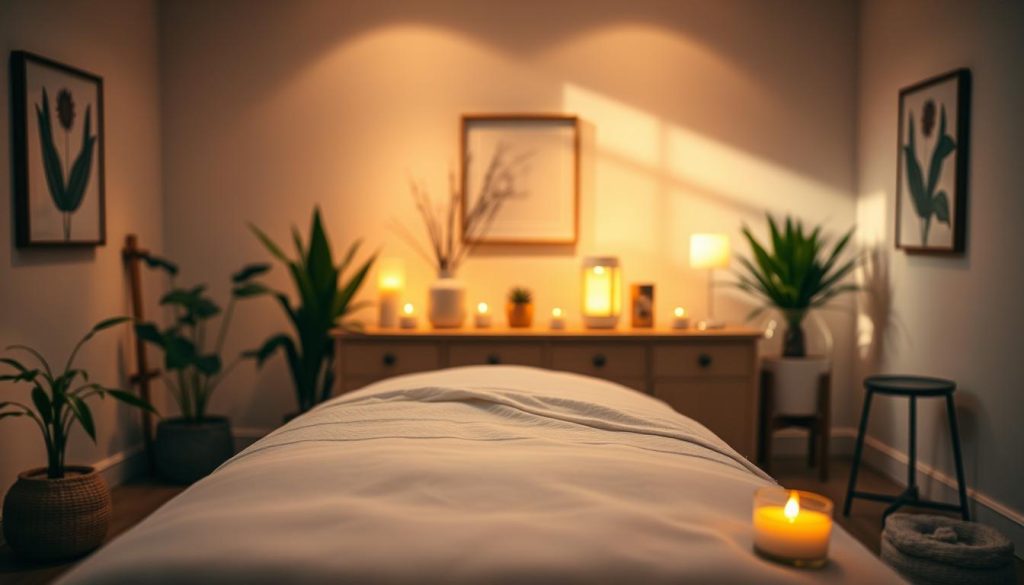
You read a space on arrival: quiet rooms, clean linens, and neatly arranged tools signal care and good hygiene.
Quality oils and a clear menu help you choose the right treatment without guesswork.
Booking smart
Plan your day: book after flights or long walks so the massage supports sleep and recovery.
Avoid peak hours and arrive early to finish forms calmly.
Communicate clearly: state pressure limits, focus areas for tension, scent sensitivities, and any health notes.
Polite feedback—“less here,” “more on shoulders”—keeps the work aligned with your needs.
Confirm legitimacy by checking visible licenses, straightforward pricing, and clear session descriptions.
Watch for professional boundaries: draping, consent before sensitive techniques, and routine check-ins.
Look for hygiene cues between clients—fresh linens and sanitized surfaces—to protect your health.
Consider a follow-up treatment if you want longer-term change, and leave a review to help others in their search.
Putting Istanbul boutique massage in a global wellness context
Put your Istanbul session alongside other global approaches and you start to see useful contrasts and borrowable ideas.
What differs from Vietnam’s herb-rich, meridian-focused blends—and what you can borrow
Vietnamese styles often emphasize meridians and local botanicals like lemongrass, ginger, cinnamon, and green tea. Those oils create a sensory calm and a sense of energy flow.
Istanbul boutiques tend to focus on somatic pacing, co-regulation, and individualized pressure. You can borrow aromatic oil ideas while keeping a slower, nervous-system-aware pace.
Compare technique: Vietnam mixes acupressure, Thai, and Shiatsu; Istanbul favors titration and movement to support balance.
Shared standards: licensed venues, clear menus, and hygiene are universal markers of quality.
Etiquette tip: polite communication and privacy expectations improve all treatment experiences.
Feature
Vietnam
Istanbul
Focus
Meridians & herbs
Somatic pacing & regulation
Tools
Aromatic oils
Selected oils + breath cues
Best for
Sensory relaxation & energy
Recovery, reduced anxiety, balance
Practical takeaway: pick an oil profile you like, ask about specific techniques, and time sessions to aid recovery and deeper relaxation. For more on choosing a session, see this guide to mastering Istanbul massage therapy.
Conclusion
Well-timed touch and simple breath tools can change how your nervous system steadies itself.
Somatic-informed massage and trauma-aware therapy use consent, grounding, pendulation, and titration so your body can release tension safely. This approach links to improved heart-rate variability and reduced anxiety in clinical reviews, helping muscle pain move toward lasting relief.
When you choose a licensed therapist, ask about hygiene, clear communication, and personalization. Small aftercare steps—slow breathing, a short walk, gentle yoga stretches—extend benefits and help the system integrate change.
You leave confident booking future sessions, describing goals, and tracking new sensations so each visit supports health, balance, and steady healing in daily life.
FAQ
What should you expect during a boutique massage session in Istanbul?
You can expect a personalized intake, gentle movement or breathwork to tune your nervous system, and hands-on techniques chosen for your needs. Sessions often combine myofascial release, deep tissue, and energy touch with attention to pace, pressure, and consent. Your therapist will check in, adjust oils and pressure, and guide post-session care like hydration and gentle stretching.
How do somatic principles shape the massage approach?
Somatic therapy guides therapists to track sensations and responses rather than only talk through symptoms. The focus is on bottom-up regulation—working with the body to shift the nervous system. Techniques like pendulation, titration, and co-regulation help you move through tension safely while building interoceptive awareness.
How do you know which modality is right—deep tissue, reflexology, or energy work?
Your therapist should assess your goals, pain history, and current state. Choose deep tissue for chronic muscle tension, myofascial work for restricted fascia, reflexology for systemic balance, and energy touch when you’re seeking nervous system regulation. A trauma-informed practitioner will adapt techniques to your comfort and safety.
What does trauma-informed care look like in a massage setting?
It means clear communication, explicit consent, predictable session flow, and options for clothing, draping, and pressure. Therapists practice attunement and co-regulation, offering you choices and checking in frequently. You retain control over touch and can pause or change the session anytime.
How can you prepare for a session to get the most benefit?
Arrive well-hydrated, avoid heavy meals, and wear comfortable clothing. Note any areas of pain, recent injuries, medications, or anxiety triggers. Share this information in the intake so the therapist can tailor oils, pressure, and techniques. Plan light activity after the session and time to rest or hydrate.
What aftercare supports regulation and recovery?
Simple practices help: slow breathing exercises, gentle stretching or yoga, consistent hydration, and rest. Your therapist may recommend specific movements, topical products, or short grounding practices to integrate the session and reduce soreness.
How do you pick a credible boutique practice in Istanbul?
Look for clear credentials, client reviews, a clean and quiet space, quality oils and linens, and transparent menus. Good practices list training in somatic or trauma-informed approaches, explain modalities offered, and provide clear booking and cancellation policies.
Are there cultural considerations when booking in Istanbul?
Yes. Respect local etiquette around punctuality and modesty. Communicate preferences in advance—language barriers can be eased by checking if staff speak English. Be mindful of local payment methods and tipping customs, and ask about any facility-specific rules before your visit.
How does Istanbul’s boutique approach compare with Vietnam’s traditional blends?
Istanbul studios often emphasize nervous system regulation, individualized pace, and a blend of Western manual therapies. Vietnam focuses more on herbal blends, meridian lines, and warming techniques. You can borrow breathwork, grounding, and some meridian-informed ideas while keeping the session tailored to your needs.
What safety checks should you perform before a massage?
Confirm therapist credentials and infection-control practices, check that the space feels clean and private, and ask about contraindications for conditions like pregnancy, recent surgery, blood clots, or infections. Share medications and chronic conditions so the therapist can modify techniques safely.