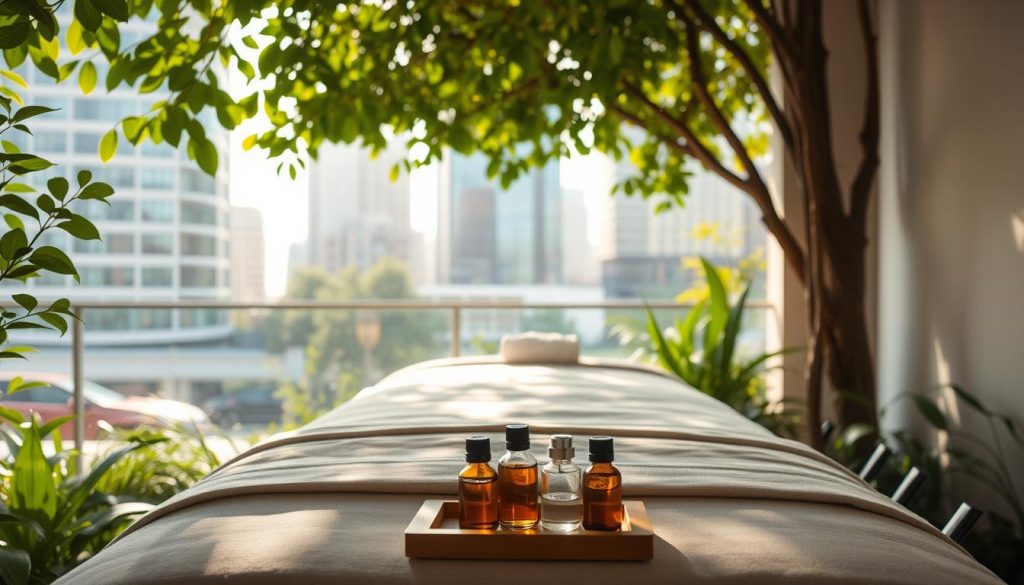
Have you ever wondered why a simple touch can reset your mood after a hectic commute?
You can use short therapy sessions to lower stress, ease tight muscles, and lift your mood. Massage reduces cortisol, boosts serotonin and dopamine, and can trigger endorphins that calm your nervous system.
The effect is measurable: many studies show notable drops in anxiety and better sleep after regular sessions. In Turkey’s busy cities, these treatments act as practical wellness tools that fit your schedule.
Expect clear benefits for your body and mind—less pain, improved circulation, and steadier mood—so you can choose the approach that matches your goals.
Key Takeaways
Short therapy sessions offer measurable relaxation and stress relief.
Regular treatment can improve sleep, circulation, and pain levels.
Hormone shifts explain why you feel calmer after a session.
These practices fit an urban routine and support overall well-being.
You can pick techniques for full-body relief or targeted desk-related tension.
Why massage is your urban escape in modern Turkey
Daily commutes, crowded streets, and constant notifications wear down your energy.
You face steady city stress—traffic, noise, packed public transit, and long screen sessions. These small pressures add up and show up as tight shoulders, shallow breathing, and a low mood.
The city stressors you face daily
Short, frequent stressors keep your nervous system keyed up. Over time you notice poorer posture, daytime fatigue, and irritability. Massage acts as a planned pause that interrupts that cycle.
How touch creates a sanctuary for body and mind
Skilled touch soothes tired muscles and calms anxious thinking. Therapy signals safety to your nervous system, promoting deep relaxation and a clearer perspective on your day.
As the body mind link strengthens, you process tension faster and return to work and family with more patience. You also gain simple self-care cues—hydration, light movement, and breathwork—that extend the session’s benefits.
Reduce day-to-day stress and lower background tension.
Improve posture and breathing affected by desk life.
Boost confidence through deep relaxation and better body image.
For a practical next step, read this center massage guide to find local therapy options that fit your schedule and goals.
The science of calm: cortisol reduction and nervous system reset
Science shows touch alters hormones that drive how wired or calm you feel. Massage lowers cortisol and nudges your body toward restoration. You can notice relief within hours as muscles loosen and breathing slows.
Lowering cortisol for stress relief
Elevated cortisol levels keep you alert and tense. A well-matched session prompts a quick reduction, which supports visible stress relief like a steadier heart rate and softer muscle guarding.
“A synthesis of 137 studies showed moderate drops in anxiety after massage therapy.”
Activating serotonin, dopamine, and endorphins
Therapy also raises serotonin and dopamine. These shifts improve your mood and motivation, making healthy habits easier to keep.
Endorphins act as natural painkillers. After a session you often feel less discomfort and more ease across the body.
You learn how reduced cortisol supports faster recovery from short-term stress.
You see a nervous system reset from fight-or-flight toward rest-and-digest.
Regular massage therapy compounds these hormonal benefits over time.
Time sessions before high-pressure days to lower baseline tension and sharpen focus.
A single focused session can shift your day by easing tension and clearing your head.
Stress relief and mental clarity
You feel stress relief quickly as breathing deepens and racing thoughts slow. This brings better mental clarity for work and errands.
Improved sleep quality and morning energy
Massage supports serotonin release, which helps your sleep quality. After a session you often wake with more morning energy.
Pain relief and reduced inflammation
Targeted therapy improves circulation and eases pain. Protective muscle guarding softens and inflammation signs decline over days.
Enhanced self-confidence and body image
Relaxation helps you notice posture and movement. As tension drops, you carry yourself more easily and feel more confident.
Short-term relief that lasts for days: lighter shoulders and looser hips.
Pair sessions with hydration and gentle stretching for better overall well-being.
Track wins like fewer headaches, more focus, and calmer responses to stress.
Use paced breathing and mindful scanning from the table during your day.
Benefit
What you feel
How soon
Stress reduction
Calmer breath, clearer thinking
Within hours
Better sleep
Deeper rest, more morning energy
That night
Pain relief
Less ache, improved circulation
Days after
Confidence
Improved posture and body ease
After a few sessions
Finding Balance in Modern Life Through Massage: Natural Escapes in the Heart of
Your choice of technique shapes how quickly tension, sleep issues, or mood shifts improve. Match the approach to what you want to change, and sessions become efficient tools for well-being.
Swedish offers gentle, flowing strokes for full-body relaxation when you need to quiet your mind and ease general tension.
Aromatherapy blends touch with essential oils to lift mood and deepen relaxation. Use it when emotional support matters as much as physical relief.
Deep tissue targets chronic muscle tension that limits movement or focus during long workdays. Expect more recovery time after these sessions.
Plan sessions around how many appointments you can fit and your recovery needs. Tell your therapist about pressure preferences so they can calibrate to your body.
Pair technique choice with simple at-home stretches and hydration to extend benefits.
Revisit your plan monthly to keep therapy aligned with changing life demands.
Translate your goals—stress relief, better sleep, or pain reduction—into targeted techniques for faster results.
For a practical guide to complementary approaches, see this therapy overview.
Choose the right massage technique for your needs
Match the method to your needs and you’ll see results faster, whether you want calm or deeper recovery.
Swedish for full-body relaxation
Swedish massage uses gentle, flowing strokes to soothe the nervous system. Choose this when you want a full-body reset and easier breathing after a long day.
Deep tissue for chronic muscle tension
Deep tissue focuses on slow, firm pressure to reach tight layers of muscles and tissues. Use it for persistent muscle tension from desk work or repetitive strain.
Aromatherapy for mood and anxiety support
Aromatherapy blends essential oils with touch to support mood and ease anxiety. Combine scents with light to moderate pressure to amplify calming effects.
Myofascial release and reflexology for targeted relief
Myofascial release works the fascia to free stuck motion and reduce local tension. Reflexology targets points on feet and hands that map to other body areas for focused relief.
“Calibrating pressure keeps the session therapeutic rather than painful.”
Pick Swedish for general relaxation and nervous system reset.
Choose deep tissue for chronic muscle tension and tougher knots.
Opt for aromatherapy when anxiety relief and mood support matter.
Use myofascial release to free tight fascia and restore range of motion.
Try reflexology for focused relief via foot and hand zones.
Combine light Swedish with targeted deeper work in one visit for efficient results.
Technique
Primary goal
Typical pressure
Swedish
Relaxation, stress relief
Light to moderate
Deep tissue
Chronic muscle tension, pain relief
Firm
Aromatherapy
Mood and anxiety support
Light to moderate
Myofascial release
Fascia mobility, reduced tightness
Gentle sustained
Reflexology
Targeted relief via foot/hand zones
Moderate pinpoint
Plan post-session care: hydrate, do light movement, and rest to help tissues integrate changes. For a practical primer on therapeutic approaches, see this complete guide to body healing.
Sleep better tonight: massage for restorative rest
A well-timed session helps your mind and muscles drop the day’s tension.
Massage therapy reduces muscle tightness and calms the nervous system so you fall asleep faster.
This prepares your body for deeper, restorative sleep and can improve sleep quality over time.
Calming the nervous system before bedtime
Plan an evening massage therapy slot after your commute or work. Gentle, slow strokes cue relaxation and lower evening stress.
During the session, practice slow nasal breathing to anchor the sleepy response.
Scheduling tips to maximize sleep benefits
Block 60–90 minutes for a session and keep the hour after low-stimulus for winding down.
Avoid heavy meals and caffeine before your appointment to support deeper sleep.
Request softer pacing toward the end to signal bedtime readiness.
Keep your bedroom cool and dark post-session to extend the relaxation into the night.
Track notes like time to fall asleep and awakenings to measure benefits.
Tip: Schedule sessions during high-stress weeks to prevent sleep disruptions from building up.
Anxiety reduction through therapeutic touch
Therapeutic touch can ease racing thoughts and ease the body’s flood of tension. Across 137 studies with about 13,000 participants, massage showed a moderate anxiety reduction (Hedges ≈0.59). Nearly 80% of studies reported significant drops in anxiety for many individuals.
Evidence-backed effects on state and trait anxiety
State anxiety responds quickly to a single session. You can feel calmer within hours as breathing slows and muscle guarding eases.
Trait anxiety needs repeated visits. Regular therapy over weeks gives stronger, lasting reduction for persistent anxiety.
When to opt for gentler vs. deeper pressure
Use gentler pressure on overstimulated days. Slow, rhythmic strokes help your nervous system downshift and support longer exhales.
Choose deeper pressure when tight muscles create physical restlessness. Firm work can relax guarded areas so your mind follows.
Integrate focused breath and eyes-closed rest during the session to amplify results.
Consider short, frequent massage sessions during intense periods to steady your baseline.
Add myofascial release or reflexology when anxiety shows as chest or jaw tightness.
Finish with a brief walk and warm shower to consolidate the relaxation response.
“Massage offers measurable anxiety relief for a wide range of people.”
Circulation, blood flow, and heart-supportive benefits
Rhythmic strokes help move blood through tight areas, supporting recovery and vitality.
Massage manipulates soft tissues to improve circulation and ease strain on your cardiovascular system. Better blood flow delivers oxygen and nutrients to tired muscles and removes metabolic byproducts.
You may notice warmer hands or feet and steadier energy after a session. These are signs your heart and vascular system are responding well to hands-on therapy.
Focus on calves, feet, and forearms after long commutes to restore blood return to the heart.
Hydrate before and after your session to support circulatory benefits and avoid post-session heaviness.
Combine regular massage with walking or light cardio to sustain perfusion and tissue repair.
Note: If you have cardiovascular conditions, tell your therapist so they can adapt pacing, positioning, and intensity.
“Hands-on care helps circulation and supports recovery for the whole body.”
For more on how spa work can boost vitality through improved circulation, see this circulatory benefits.
Endorphin boost: your natural mood elevator
A short, well-paced session can trigger a surge of natural feel-good chemicals that lift your outlook.
Massage and light hands-on work prompt your body to release endorphins. These natural opioids reduce pain signals and give you a gentle lift in mood.
You often notice calmer thinking and a subtle euphoria after a session. That feeling makes daily stress easier to handle and helps emotional control over time.
You tap built-in mood lifters when touch stimulates endorphins during a paced visit.
Schedule a session before a demanding day to carry mood benefits forward.
Dim lighting and soothing music deepen the experience and amplify relief.
Reinforce gains with a short gratitude note or journaling after your appointment.
Keep sessions consistent—biweekly or monthly—to sustain the cumulative uplift.
Share feedback so your therapist can tailor tempo and sequence to your response.
“Clients receiving regular therapy report improved emotional control and quality of life.”
Skilled touch often opens a quiet channel for stored feelings to surface during a session.
When your muscles let go, your mind can follow. You may sense memories or tension shifting as the body softens. This creates a safe space where individuals can process emotions without pressure.
Therapy supports mindfulness and self-awareness. Slow breathing and steady touch help you stay present when feelings arise. Communicate preferences so the session stays grounded at your pace.
You learn to notice where tension hides—jaw, shoulders, chest—and how targeted massage work helps those areas relax. Over time, consistent sessions build a kinder relationship with your body.
Allow emotions to surface while you track sensations without judgment.
Use slow, comfortable breathing to remain present.
Try journaling or a quiet walk after the session to integrate release.
“Skilled touch fosters validation and a sense of acceptance as you work through stored tension.”
Emotional sign
What the therapist does
What you can do
Tight jaw or neck
Apply gentle, sustained pressure and guided breathing
Signal comfort level and practice slow exhales
Sudden tears or quietness
Hold space, lower tempo, and pause work if needed
Allow the moment and consider a short walk after
Lingering restlessness
Blend calming strokes with grounding cues
Journal one thought and note posture checks for the day
To learn more about targeted approaches for stress and emotional relief, see this stress massage guide. Use what you learn to carry simple body checks—jaw, shoulders, breath—into daily life for lasting benefits.
Your step-by-step relaxation plan for an urban session
Start your urban session with a clear intention and a small hydration ritual. A simple plan helps the therapist focus and helps you leave calmer, more flexible, and clearer-headed.
Before your session: hydration, goals, and intake
Set one clear goal—stress relief, sleep support, or pain focus—so the session targets what matters most.
Drink one to two glasses of water before you arrive. Avoid heavy meals and alcohol for a smoother experience.
During your session: breathing and feedback
Agree on pressure preferences and any areas to avoid. Tell your therapist what feels right; real-time feedback improves the therapy.
Use slow nasal breathing to anchor calm. This helps your nervous system shift and deepens the relaxation.
After your session: recovery, light movement, and rest
Rise slowly, sip water, and take a brief walk to help your system integrate changes. Gentle stretches extend flexibility and circulation benefits for days.
Avoid high-intensity workouts right after deep work. Book your next sessions while you remember to keep steady progress.
Clear goals at intake make the massage more efficient.
Hydration and gentle movement amplify post-session benefits.
Communicate pressure and pace for a better experience.
For safety tips and practical reminders before your next visit, see this pre-appointment guide.
Self-massage and at-home techniques between sessions
Simple rituals at home help you keep benefits from a clinic visit and reduce daily stress.
Foam rolling for larger muscle groups
Use a foam roller on quads, hamstrings, and upper back for 30–60 seconds per spot. Roll slowly to ease muscle tension and support circulation.
Targeted pressure with balls or tools
Apply a lacrosse ball to calves, glutes, and between shoulder blades. Hold steady pressure until tightness softens—aim for productive discomfort, not numbing pain.
Quick desk routine for neck, shoulders, and forearms
Do neck tilts, shoulder rolls, and forearm self-massage for 5–10 minutes on busy days. Breathe slowly and avoid sharp pain; stop and consult a professional if problems persist.
Schedule mini-sessions to prevent tension from building.
Hydrate and take a short walk after work to help the body reset.
These simple techniques extend the calming benefits of regular massage.
Build your routine: frequency, duration, and progression
Treat massage like training: start frequent, then shift to maintenance as your body adapts. This approach helps you lock in results for stress relief, better sleep, and long-term pain control.
How often to book for stress, sleep, or pain goals
During intense stress, book weekly sessions for 2–3 weeks to lower baseline tension quickly. Then move to visits every 2–4 weeks for upkeep.
To target sleep, choose later appointments with gentle techniques so your nervous system winds down before bed.
For pain, start with shorter, focused therapy intervals and extend session length as symptoms improve.
Adjusting pressure and modalities over time
Begin cautiously and increase pressure to moderate as comfort grows. Rotate Swedish, myofascial, and deeper work to match work demands and recovery needs.
Budgeting and stacking benefits with lifestyle habits
Plan 60‑minute visits for general goals and 90 minutes when combining relaxation with targeted problem areas.
Pair therapy with hydration, short walks, and simple stretches to amplify changes.
Review progress monthly and tweak frequency to balance cost and results.
“A steady, sensible plan makes massage a practical tool for overall well-being.”
How to measure progress and refine your plan
A clear tracking habit helps you spot trends in sleep, mood, and pain fast.
Start with a simple weekly scorecard. Rate your sleep, pain, energy, and stress on a 1–10 scale. Short notes after each session reveal patterns you can act on.
Tracking sleep quality, mood, and pain levels
Log one-line entries about sleep quality, mood, and mental clarity after therapy. Note how long benefits last and which days feel best.
Score sleep, pain, energy, and stress each week to visualize trends.
Track mood and mental clarity after visits to see timing and duration.
Share this tracker with your therapist so they can adjust focus and pressure.
When to switch techniques or session length
If relief plateaus, consider extending your time or changing techniques. Use softer approaches for later-evening work and firmer methods when you need deep release.
Extend session length if multiple areas need attention.
Switch techniques when goals shift—softer for sleep, deeper for desk-related tension.
Reassess every 4–6 weeks and celebrate small wins to keep motivation high.
For practical guidance on using a professional, see this benefits of working with a masseuse to refine your plan and improve overall well-being.
Safety first: when to consult a professional
Before you schedule a session, confirm any medical concerns so therapy stays safe and effective.
Massage is safe for most people, but certain conditions need care. A quick check with your provider helps you and your therapist plan right pressure, positioning, and technique.
Common contraindications and modifications
If you have acute injuries, fever, infections, uncontrolled hypertension, or clotting risks, consult a clinician first.
Avoid direct work over inflamed or injured tissues. Request lighter pacing during recovery or choose gentler methods.
Working with your healthcare provider
Tell your therapist about heart issues, recent surgeries, or medications that affect blood or sensation. This lets them adapt the session for safety.
Monitor any unusual reactions after a visit and contact a professional if you have concerns. Skip sessions while ill and reschedule once symptoms clear.
Contraindication
Why it matters
Common modification
Active infection or fever
Raises spread risk; body needs rest
Postpone until recovered
Clotting disorders / anticoagulants
Higher bleeding risk with deep work
Use light strokes; avoid deep pressure
Recent surgery or heart condition
Positioning and pressure can strain the heart or incision
Consult provider; adapt positioning and pressure
Pregnancy
Certain points and positions are not safe
See a prenatal-trained therapist and request modifications
“Open communication protects your health and makes therapy more effective.”
Tell your therapist about any medications or chronic issues.
Ask for adaptations that protect tissues and support your cardiovascular system.
Keep a short note of post-session reactions and share them at your next visit.
Conclusion
Use therapy as a practical tool to reduce pain, ease anxiety, and strengthen your recovery habits.
Regular massage lowers cortisol, boosts circulation, and helps you sleep more deeply. You see measurable gains for your body and mind when sessions fit your routine.
You know the core benefits: less stress, better sleep, steady mood, and reduced pain. Match techniques to goals and keep a simple plan for before and after each visit.
Track progress, consult professionals when needed, and make consistent therapy part of daily life to protect your overall well-being.
Start small, be consistent, and let massage support a calmer, healthier balance for urban living.
FAQ
How does massage reduce stress and lower cortisol levels?
Massage stimulates the parasympathetic nervous system, which slows heart rate and reduces stress hormone production. You’ll often experience lower cortisol after a session, which helps reduce anxiety, improves mood, and supports better sleep.
Which massage type is best if you have chronic muscle tension?
Deep tissue massage targets tight layers of muscle and fascia with sustained pressure and slow strokes. It’s ideal for chronic tension and pain, but you should communicate discomfort so your therapist can adjust pressure and technique.
Can massage improve my sleep quality right away?
Yes. Many people notice calmer mind and body after a session, which can lead to faster sleep onset and deeper rest. Scheduling a session in the late afternoon or early evening often maximizes this benefit.
How does massage support circulation and heart health?
Massage increases local blood flow and lymphatic movement, which helps deliver oxygen and nutrients to tissues and supports waste removal. Improved circulation can lower peripheral resistance and contribute to overall cardiovascular wellness when paired with healthy habits.
What role do endorphins and other neurotransmitters play during a session?
Therapeutic touch stimulates release of endorphins, serotonin, and dopamine. These chemicals boost mood, reduce pain perception, and create a sense of wellbeing that can last hours to days after treatment.
How can you choose the right technique for anxiety versus muscular pain?
For anxiety, gentler approaches like Swedish or aromatherapy massage calm the nervous system. For muscular pain, targeted methods such as myofascial release or deep tissue work address tension. Discuss your primary goal with your therapist to align technique with outcomes.
What should you do before, during, and after a session to maximize benefits?
Before a session, hydrate and set clear goals with your therapist. During, practice slow breathing and give feedback about pressure. After, rest, drink water, and use light movement or stretching to maintain circulation and reduce soreness.
Are there safe self-massage tools you can use between professional sessions?
Yes. Foam rollers, massage balls, and handheld tools help release larger muscle groups and trigger points. Use gentle pressure, avoid bony areas, and limit sessions to prevent bruising or overstimulation.
How often should you book sessions for stress relief, sleep improvement, or pain management?
For acute stress or sleep support, weekly or biweekly sessions often help. For chronic pain, start with weekly sessions and taper based on progress. Your therapist can refine frequency based on outcomes and lifestyle.
When should you avoid massage or consult a healthcare provider first?
Avoid massage if you have uncontrolled high blood pressure, fever, infection, deep vein thrombosis, recent surgery, or certain skin conditions. Consult your physician when you have chronic illnesses, are pregnant, or take blood-thinning medication.
Can massage improve posture and body confidence?
Regular work on tight muscles and fascia helps restore range of motion and alignment. As pain decreases and movement improves, many clients report better posture and increased confidence in their body image.
What immediate sensations are normal after deeper work?
Mild soreness, light-headedness, or fatigue can occur after deep tissue sessions. These typically resolve within 24–48 hours. Hydrate, rest, and use gentle movement to aid recovery.
How do therapists measure progress and adapt your plan?
Therapists track sleep quality, pain scores, range of motion, and mood changes. You’ll review outcomes together and adjust session length, pressure, and techniques to meet evolving goals.
Can massage help with inflammation and pain from overuse or desk work?
Yes. Targeted techniques reduce muscle tension, improve circulation, and help resolve localized inflammation from repetitive strain. Combining massage with ergonomic changes and stretching enhances long-term relief.
Is aromatherapy safe to combine with massage for anxiety support?
Aromatherapy can enhance relaxation when used appropriately. Discuss allergies or sensitivities with your therapist and choose high-quality essential oils diluted for topical use or applied via a diffuser.