Have you ever wondered why a visit to a Turkish hammam felt more like a ritual than a typical spa treatment?
You are about to learn what most tourists only realized after they paid, changed, and stepped into the heat.
In this city the word “massage” often describes a layered ritual of steam, kese scrubbing, foam, and oil rather than a simple knead. Locals seek keyif — the quiet joy of doing nothing — and that shapes the whole experience.
You’ll get clear, practical context so booking feels intentional and safe. Expect notes on cost, timing, gender rules, couples options, and red flags that help real people travel smarter.
This short guide blends cultural respect with travel smarts and points you to reliable background material like a classic Turkish bath overview and practical booking tips at a Turkish bath experience guide and a practical service checklist at a local service checklist.
Key Takeaways
Hammams are social rituals; expect steam, scrub, and communal calm.
Prices and packages vary widely; check menus and reviews first.
Gender rules and modesty norms affect how you book and dress.
Book off-peak times for a quieter, more authentic visit.
Learn a few local phrases and tipping customs to show respect.
Why Your Istanbul Massage Experience Feels Different Than Anywhere Else in the World
What you booked on paper often unfolds as a slow, sensory ritual once you step inside.
You may think you reserved a straightforward massage, but the lived experience can center on steam, scrub, and a deliberate pause. Heat and water shape the session, and attendants move you through steps with few words.
The city’s rhythm is guided by keyif — a local taste for lingering pleasure. That means staff take time; this is not poor service but a different way of caring that values calm over speed.
Menu labels can mislead. When a place advertises “traditional,” expect multiple stages beyond a simple rub: warming, cleansing, and a brief hands-on finish. The term covers a full ritual more than a single technique.
Language gaps are common, yet the process uses clear cues and physical guidance. If you prefer a modern spa pace instead, decide that before booking and pick places that market western-style services.
Decide if you want quiet ritual or a modern session before you pick a place.
Next sections decode hammam vs spa, privacy norms, gender rules, and pricing.
Massage Parlor vs. Turkish Bath: What Locals Mean When They Say Hammam
Hammam is less a single treatment and more a paced ritual that blends heat, water, and social calm.
What a Turkish bath is and why it’s not just about cleansing
Hammam and turkish bath refer to the same tradition: communal bathing rooted in Roman and Byzantine history and shaped by Ottoman customs.
It’s not only about getting clean. Cleansing is one part of a visit that also offers rest, social time, and quiet reflection.
How the dry sauna element changes expectations
The Turkish version often starts with a dry-heat phase. That warm beginning makes water, scrub, and foam feel deeper.
Because heat comes first, the hands-on rub is usually brief. Expect scrub and soap to lead, then a short finish.
Where hammam fits into the city’s spa culture today
Modern places blend heritage with upgrades: private rooms, oil add-ons, and western-style options on the menu of services.
“Traditional service usually includes heat, a kese scrub, soap foam, and a short massage.”
Choose a hammam when you want ritual, heat, and cultural rhythm.
Pick a modern spa when you prefer a longer, therapy-focused session.
5 Truths Massage Parlors in Istanbul Will Never Tell You
What the brochure won’t spell out is the sequence that turns a short booking into a layered visit. Knowing the steps helps you choose a place and walk in with confidence.
Why “traditional service” often follows a five-part flow:
Sauna time on the göbektaşı so you sweat and loosen up.
A cold or warm rinse to prepare the skin.
An intense scrub with a kese glove that feels deep and brisk.
A soapy foam wash that cleans and relaxes.
A brief massage finish, usually short unless you buy an add-on.
The same city can deliver very different results. Your district and the specific place shape pace, attention, and training levels.
Price often reflects more than minutes. It buys architecture, privacy, multilingual staff, and cleaner facilities — not just longer hands-on time.
Read the menu words: “scrub” means the kese stage, “foam” is the soapy wash, and “massage” may be just a closing touch. Use those cues to compare places and plan upgrades.
“Knowing what each term means stops surprises and makes booking simple.”
This section sets up the next chapters, where each of these core points is explored: the full process, privacy norms, gender rules, couples options, and the real total cost.
The Truth About the Process: You’re Not Just Paying for a Massage
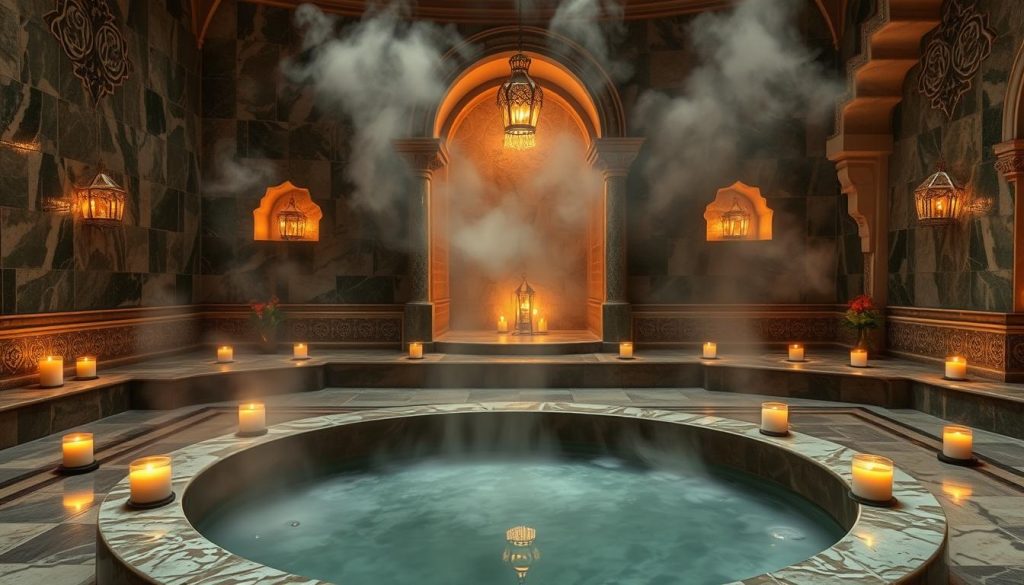
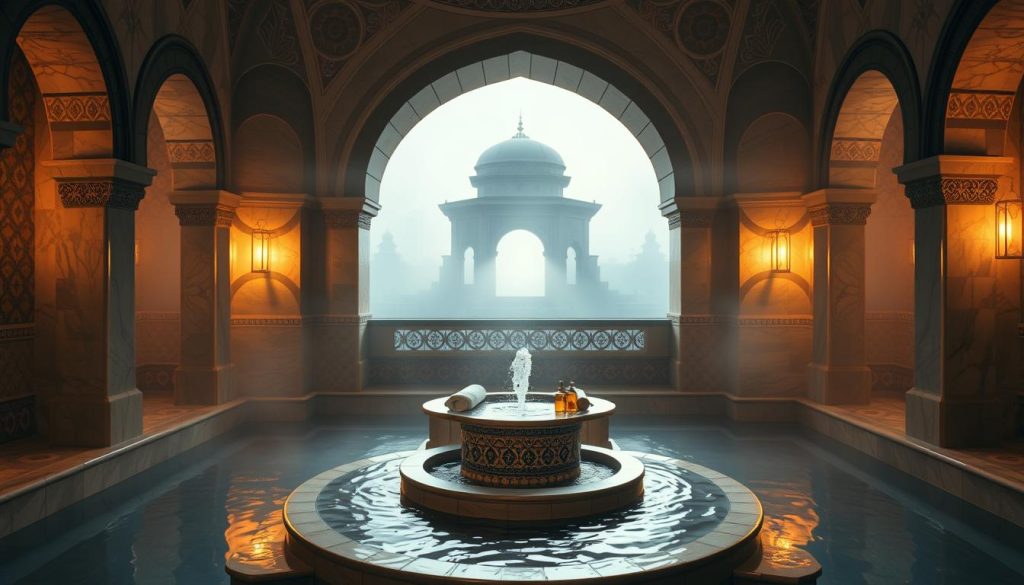
The moment you step into the grand entry, small rituals begin that shape the whole experience. A marble fountain and a cup of tea cue a slower pace. Staff hand you slippers and a peştemal, then lead you toward warm rooms.
Arrival rituals that set the tone
Tea and the fountain are more than hospitality. They give you a minute to settle. A ladle of water may be poured to mark the transition from street life to bath time.
The göbektaşı moment
The hot marble göbektaşı warms muscles and softens skin. About fifteen minutes on the slab prepares your body so the scrub works deeper.
The scrub and the soapy finale
The kese scrub can feel intense and oddly satisfying. Expect vigorous strokes that remove dead skin and change how clean you feel.
The foam wash follows: a soapy immersion, hair and hand wash, then a brief massage finish. Conversation may be sparse, but you can always ask for gentler pressure.
“You’re paying for ritual, rhythm, and restoration — not just minutes on a table.”
The Truth About Privacy: Shared Spaces Are Part of the Culture
Shared hot rooms are common, and learning the local rhythm prevents surprise when you walk into a warm, populated space.
In a turkish bath, communal areas are normal. You will see other people on marble slabs, moving between heat and rinse. This setup focuses on ritual and company rather than solitude.
What modesty looks like in practice
Full nudity is not the norm and can be offensive in many cases. Most people keep key areas covered while washing may require brief adjustments. Respect and low conversation are expected.
What to wear for comfort
Women are often offered disposable underwear, but many travelers bring a bikini bottom as a comfortable workaround. Bring a peştemal or lightweight wrap to stay covered between stations.
Why photos and videos aren’t allowed
Phones are unwelcome in sauna areas. No photos or videos protect everyone’s privacy and preserve a calm atmosphere. Treat this rule as part of respect, not just policy.
Make sure you bring a wrap and optional bikini bottom.
Follow signage and staff directions about spaces and phone use.
Choose a private room if shared areas feel uncomfortable.
“Normalization helps: this is a cultural difference, not a personal affront.”
The Truth About Gender Rules: Your Day and Hours May Depend on It
Many historic baths assign blocks of the day to one gender, which shapes your booking choices.
This matters for planning: one venue can run morning and afternoon shifts for women and then switch for men in the evening. A classic example ran 8:00 am–4:00 pm for women and 4:30 pm–11:30 pm for men. Check that schedule so your plans align with the available hours.
Typical split schedules and what that means for your day
Split blocks change how you build an itinerary. Book the correct slot, or you may miss the window and disrupt your day plans.
If you want a late visit, pair the night slot with dinner or a stroll. If you prefer a calm morning, plan around early hours.
Why attendants are same-sex and what to expect if you don’t speak Turkish
Attendants follow tradition: natir for women and tellak for men. This is a cultural standard meant to keep comfort and respect.
English may be limited. Staff will guide you with simple gestures and step-by-step cues. Say “gentle” or use hand signals if needed.
“Check last entry times and whether private mixed sessions exist before you go.”
Example
Hours
Best for
Kılıç Ali Paşa Hamamı
8:00–16:00 women / 16:30–23:30 men
Morning calm or late evening routine
Private rooms (select venues)
Flexible on request
Mixed-gender groups or couples
Modern spas
Extended hours, mixed options
English-friendly service
Confirm exact hours and last entry time before booking.
Ask whether mixed private service is available if needed.
Remember attendants are same-sex; this is standard practice.
For background on bath evolution, see a short piece on Byzantine roots at Byzantine bath roots. For practical booking prompts, check suggested questions at booking questions.
The Truth About Couples: Mixed-Gender Options Exist, But They’re Not the Standard
Shared bathing for couples appears more often at modern venues than at historic complexes.
Cultural context: Mixed-gender sessions can conflict with tradition, especially at mosque-linked hammams where separate hours remain the norm. That is why mixed options are the exception, not the rule.
How mixed works in practice
“Mixed” can mean a private room booked for two, scheduled couple slots, or a modern spa with separate suites. Expect privacy when you pay for a private booking; public hot rooms usually stay single-sex.
Places known for couple-friendly service
Cukurcuma Hamami — private rooms on request.
Süleymaniye Hamam — offers couple options at certain times.
Sifa Hamami — known for mixed suites.
Ağa Hamamı — commonly mentioned for mixed rooms.
Choosing the best turkish turksh bath experience depends on what matters to you: history, comfort, privacy, or couple-friendly service. Ask clearly when booking: “Private room for two? Mixed session available?”
“If privacy matters, confirm the exact option and last entry time before you arrive.”
The Truth About Price, Cash, and Tipping: The Total Cost Is More Than the Menu
Expect the final bill to include more than the menu line. A headline price often covers a core service only. Luxury rooms, historic buildings, and private suites raise the total.
Realistic ranges and why the number swings
Example rates show the spread: Kılıç Ali Paşa Hamamı listed at about 1350 lira per person (roughly 60–90 minutes on site). Ayasofya Hürrem Sultan ran near 90 euros for a 45-minute offering. Cağaloğlu starts around 60 euros and can climb to ~300 euros for premium packages.
What inflates cost: private rooms, landmark architecture, and specialist add-ons. The menu price is a starting point, not the full value of the ritual and space.
Cash realities and how to avoid surprises
Some venues or deals remain cash-only. Ağa Hamamı has been cited as 500 lira cash-only on its site and higher via third parties. Check payment methods ahead and carry backup cash to avoid last-minute stress.
Tip: Ask about card fees and confirm “cash accepted” before you go.
Bring enough lira for tips and small purchases like post-session drinks.
Tipping etiquette made simple
Locals often follow a roughly 15% rule. Many places provide an envelope at checkout so you can leave a discreet tip. If multiple staff helped—attendants, scrubber, and front-desk—split or hand the envelope to the manager to distribute.
“Think of the fare as paying for ritual, place, and trained hands—not just the minutes on the table.”
For practical booking advice and more payment information, consult these helpful booking tips.
How to Choose the Best Turkish Bath or Massage-Style Service in Istanbul
Pick a mood first: do you crave grand architecture or a quiet, modern suite?
Historic splurge suits curiosity and photos. You pay for marble, story, and presence. Expect variable reviews at landmark venues; book ahead for top options.
Modern comfort gives privacy, clear rules, and often English support. Choose this when predictability, longer hands-on time, or a private room matters most.
Service menus and smart upgrades
Focus upgrades: longer hands-on time, private room, hair wash, and an extra scrub. Skip vanity extras that don’t add real recovery.
Choose-by-area guide
Fit a visit into sightseeing. Stay near the Blue Mosque and Grand Bazaar for classic baths. Head toward Galata Tower for neighborhood options and shorter transfers.
Iconic options and a quick quality filter
Ayasofya Hürrem Sultan — next to Hagia Sophia for a historic feel.
Cağaloğlu and Çemberlitaş — near the Blue Mosque/Grand Bazaar corridor.
Çatma Mescit and Ağa Hamamı — convenient for Galata Tower and Taksim areas.
“Let scheduling include recovery time: tea, rest, and a slow walk nearby.”
Area
Recommended place
Best time
Blue Mosque corridor
Cağaloğlu / Çemberlitaş
Morning or midday between sightseeing
Hagia Sophia area
Ayasofya Hürrem Sultan
Early booking to avoid crowds
Galata / Taksim
Çatma Mescit / Ağa Hamamı
Late afternoon for a relaxed evening
Timing Truths: The Best Time, Day, and Season to Book in Istanbul
Timing often shapes your visit more than the venue itself; when you pick a slot, the mood, price, and crowd level change with it.
Why winter can be a secret weapon: colder months bring lower rates and thinner crowds. Walking cold streets before a hot marble ritual feels especially satisfying. Winter temperatures often sit around 4°C–10°C, so dress warm for transfers and enjoy calmer indoor spaces.
How unpredictable weather changes your ideal plan
Forecasts can flip fast: wind, rain, or fog may alter your plans. Stay flexible and build backup activities.
Prioritize indoor options when forecasts look unstable. Museums, covered markets, and hammams adapt well to bad weather and keep your day intact.
Planning around ferry disruptions and schedules
Fog can cancel crossings. If a ferry is part of your route, allow extra transit buffer so a canceled trip won’t wreck booked hours.
When a crossing looks risky, rearrange to nearby, indoor activities rather than chasing a tight ferry window.
Choosing the best hours and day for calm
First slots of the day often feel quieter and fresher. Later times can offer a restful finish if you prefer a slow close to your day.
Pick morning hours for low crowds and clearer availability.
Book midweek days when tourist traffic drops.
On rainy times, schedule indoor activities to keep the day productive.
“Choose your time and days as carefully as your place; that choice can upgrade the whole experience.”
For planning tips and seasonal ideas, see a practical travel guide and a benefits overview at visit tips and a detailed benefits guide at service benefits.
Make Sure You Don’t Get Hustled: Booking, Red Flags, and Street Tout Reality
A smooth booking protects your time, your budget, and the calm you traveled for. Book famous hammams and popular suites in advance whenever possible. An advance reservation secures better time slots and clearer expectations about what the course includes.
Spotting pressure tactics on tourist streets
Tourist-heavy streets and crowded areas breed quick-sell tactics. Common moves: urgent “limited time” offers, vague menus, and fast bargaining to push you inside.
Decline politely and walk away. Keep a confident tone and ask for written details instead of an oral pitch.
Red flags and what to avoid before you go
Walk away if prices change or descriptions are fuzzy.
Avoid big meals or heavy alcohol before a scrub; heat plus a full stomach feels awful.
Skip visits with fresh sunburn—heat and exfoliation will irritate your skin.
Who should skip or reschedule
Some services are restricted for health or faith reasons. Pregnant women should consult a doctor and the place before booking. Women on their period may be asked to sit out certain communal stages; this varies by venue.
“Make sure you ask what’s included, confirm card or cash options, and choose a place that matches your comfort.”
Conclusion
,Finish with a plan so the visit feels like a chosen highlight, not a surprise event.
Recap: the core ritual blends heat, scrub, foam wash, and a brief massage. Knowing that clears the path for calm choices and fair budgeting.
Respect and simple preparation turn a turkish bath into a lasting memory. Pick places that match your comfort—historic grandeur, private modern suites, or a top couples option—and check hours and payment ahead.
The hammam is part of the city’s living history, not a staged trick. Pick your top venue, confirm entry rules, and plan timing so the ritual can reset the whole trip.
Why does a hammam in Istanbul feel different than a spa back home?
You’re stepping into a ritual more than a treatment. Many Istanbul baths combine heat, water, steam, and a vigorous scrub that prioritizes cleansing and renewal over a long, deep-tissue massage. Expect communal rituals like tea, warm marble (göbektaşı), and sequences tailored to local rhythms rather than a single therapist-led session.
What do locals mean when they call a place a “hammam”?
A hammam is a public Turkish bath rooted in Ottoman tradition. It blends steam, hot rooms, exfoliation, and social time. While some modern venues add Western-style treatments, the core focus remains cleansing, circulation, and ritual — not just relaxation or a stand-alone massage.
How should you dress for a hammam or spa session to stay comfortable and modest?
Wear what makes you feel secure: a swimsuit, disposable underwear, or the peshtemal (thin cotton wrap) provided. Full nudity is uncommon in many public baths; modesty is respected through separate sex hours or mixed-gender options at selected venues. Pack a towel and flip-flops for safer walking on wet surfaces.
Are services gender-separated, and how does that affect planning your day?
Many traditional baths run split schedules with women’s and men’s hours. Some modern spas offer mixed sessions, but they’re not standard. Check hours before you go — your choice of district and timing can determine whether you’ll have same-sex attendants and an all-female or all-male environment.
Do couples have options for shared treatments in Istanbul?
Yes, but mixed-gender couples’ hammams are less traditional and can be limited. Upscale hotels and boutique spas in areas like Çukurcuma and Süleymaniye often offer private couples’ packages. If you want a shared experience, reserve in advance to secure a private room or mixed session.
How do arrival rituals shape the overall treatment?
Arrival rituals set the tone: soothing tea, time in warm rooms, and moving to the göbektaşı (hot marble) prepare your body. The sequence — heat, scrub, rinse, soapy wash — is designed to open pores and make the scrub more effective. That ritual progression is part of the value, not just the hands-on time.
What is the göbektaşı moment and why does it matter?
The göbektaşı is the central heated marble slab where you rest between rituals. It relaxes muscles, improves circulation, and softens skin so scrubs and massages work deeper. That hot marble pause often feels transformative — it’s the cultural heart of a Turkish bath.
Will the scrub be gentle or intense?
Scrubs range from brisk and invigorating to intense and thorough. Traditional kese scrubs can feel rough but satisfying; attendants aim to remove dead skin and boost circulation. If you prefer lighter pressure, tell your attendant before they start — most will adapt to your comfort.
Are photos allowed inside sauna and steam areas?
No. Photography and video are usually banned for privacy and modesty. Respect the rule and keep cameras or phones stowed away. If you want pictures, ask staff about taking photos in public lounges or entrance areas before you go into bathing rooms.
What should you know about pricing, cash, and tipping?
Prices vary by district and prestige — historic baths and luxury hotels charge more. Some local places prefer cash, so carry Turkish lira or a backup card. Tipping is customary: small amounts for attendants and extra for exceptional service. Expect to add a modest percentage or round up in lira or euros.
How do I avoid getting hustled or pressured on the street?
Book ahead for reputable spots, especially near tourist hubs like Sultanahmet or Galata. Ignore aggressive touts, check reviews on platforms like Google and TripAdvisor, and use hotel or guidebook recommendations. If someone pressures you, walk away — quality places won’t need to harass passersby.
When is the best time to visit a hammam to beat crowds and get better prices?
Winter and shoulder seasons often bring smaller crowds and friendlier rates. Weekday mornings or early afternoons are quieter than evenings and weekends. Also plan around ferry schedules and rainy days — an indoor hammam can be a perfect swap for bad-weather plans.
Are there health or safety reasons to skip a hammam?
Yes. If you’re pregnant, have open wounds, severe skin conditions, or heart problems, consult a doctor before booking. High heat, vigorous scrubs, and rapid temperature changes can be risky. Inform staff of any concerns so they can tailor the session or advise alternatives.
How do you choose between a historic hammam and a modern spa?
Match the venue to your mood. Historic baths like Çemberlitaş offer cultural immersion and marble rituals. Modern spas provide privacy, a la carte upgrades, and gentler techniques. Consider location if you want to combine your visit with sights like the Blue Mosque or Galata Tower.
Which upgrades are worth paying for at a top hammam?
Priority upgrades include a private room, upgraded oils or massages, and a post-treatment tea or massage add-on. Spend on what enhances your comfort: better towels, private timeslot, or extended aftercare. Avoid unnecessary extras that don’t change the core ritual.
Can you use cards, or should you bring cash?
Many places accept cards, but smaller traditional baths and neighborhood shops may prefer cash. Carry some Turkish lira to cover entry, tipping, and last-minute expenses. If you rely on cards, confirm acceptance when booking to avoid surprises.