Curious what a traditional hammam can actually do for your body and mind? Stepping into this ritual may feel like walking into ritualized calm, but it’s designed to guide you gently through heat, exfoliation, foam, and rest.
This short guide helps you move from nervous visitor to confident guest. You’ll learn how the sequence works, what to expect, and how to pick an authentic place rather than a tourist trap. The goal is practical: choose wisely, follow simple etiquette, and leave feeling lighter and refreshed.
Many travelers report softer skin, eased muscles, and a quiet mind after a proper session. That payoff comes when you understand the flow and let trained attendants lead you through the steps.
Ready to make the most of this cultural wellness ritual? Start by reading about local hammam customs and etiquette at Turkish hammam etiquette to set expectations and plan your visit with confidence.
Key Takeaways
The ritual is paced: heat, exfoliation, foam, rinse, and rest.
Understand basic etiquette to feel comfortable and respected.
Pick authentic hammams over flashy tourist spots for real benefits.
Small preparations—hydration and light meals—boost your comfort.
The result is physical relief and a calmer, more confident mindset.
Why a Turkish Bath and Massage in Istanbul Belongs on Your Trip
When you enter a hammam, you join a long-standing care ritual that soothes body and mind.
The turkish bath is more than washing; it’s a social hub rooted in Ottoman, Roman, and Byzantine bathing culture. Heat and steam open pores, while the kese scrub lifts dead skin. That sequence leads into a warm foam session and a calming rinse.
The real value lies in community and hospitality. Conversation, quiet rest, and shared spaces make the experience feel meaningful rather than merely cosmetic.
What you’ll notice afterward
Your muscles often feel looser and your skin smoother. Many visitors report deeper relaxation and a calmer mood after a proper session.
You reconnect culture and comfort: historic setting meets modern need to reset.
You see the wellness logic: heat, steam, scrub, and massage work together.
You leave with practical benefits: renewed confidence and lighter body awareness.
Plan your schedule so this pause becomes a highlight, not an extra task. The next sections will help you pick the right place and time.
İstanbul Massage Best Tips For A Foreigner: How to Choose the Right Hammam
A smart choice of hammam protects your time, budget, and the quality of your experience. Look past glossy ads and check recent guest reviews, clear pricing, and photos that show real marble rooms rather than staged shots.
Spot tourist traps: avoid venues with high-pressure upsells, vague menus, or bargain claims that don’t list what the core ritual includes. Evening slots sell fast near major sites, so inflated pricing is common in heavily promoted areas.
What authentic looks like
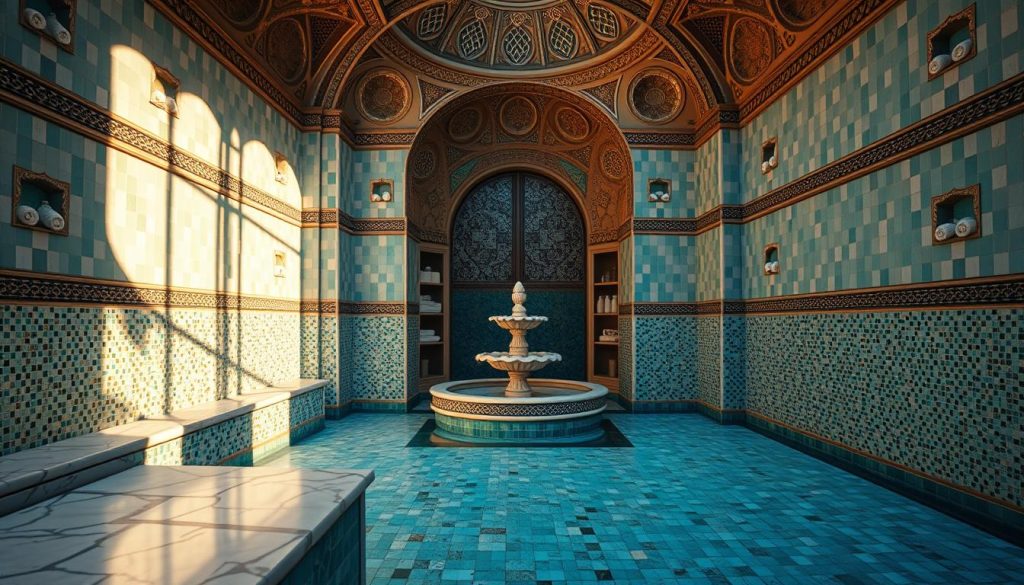
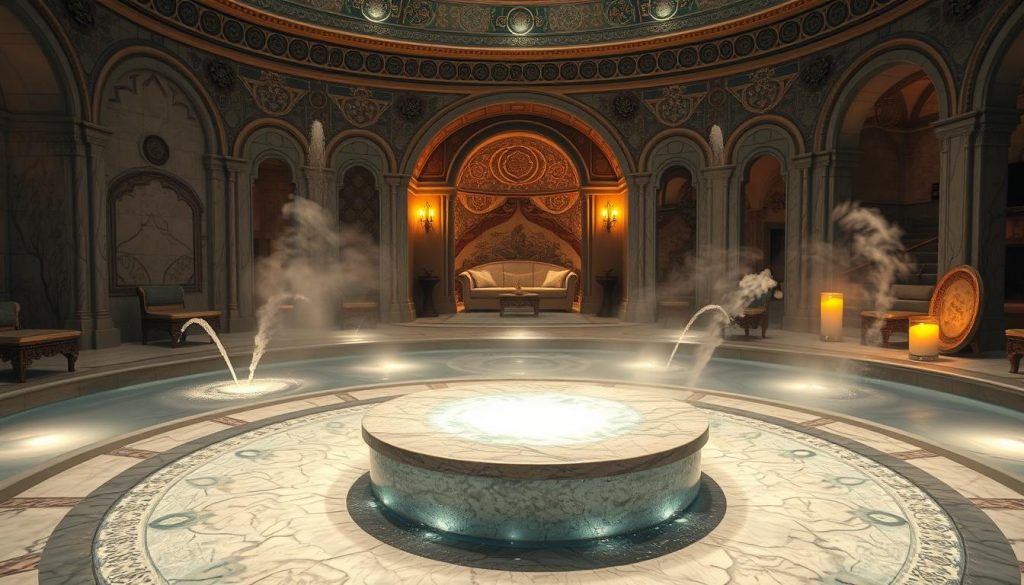
Authentic places follow a clear traditional process: warm-up, kese exfoliation, foam massage, rinse, and rest. Check for a heated central göbek taşı and attendants who move with practiced confidence — a sign they trained under mentors.
Where history meets modern comfort
Zeyrek Çinili Hammam is a modern example: in Fatih, built in Mimar Sinan’s era and linked to Iznik tiles. Its 13-year restoration and 2023 reopening added museum and art spaces while keeping the traditional layout intact.
Location logic for visitors
If you stay near Sultanahmet or the Grand Bazaar, plan travel time; those neighborhoods have many options but also many tourist-focused venues. Staying in Fatih raises your chance of finding quieter, historic baths where service and pacing matter.
Transparency wins: choose a menu that separates the core ritual from add-ons so you pay only for the treatments you want.
Think like a local: independent checks and simple questions at booking will save you from overpaying.
For more background on the ritual and what to expect, see a beginner’s guide to local hammam culture and a practical visitor perspective. Visit Turkish baths 101 and a tourist-focused discussion at local hammam experiences.
Plan Your Visit Like a Local: Best Time, Reservations, and Pace
Plan your visit around your energy, not the clock, and the ritual will feel like a true reset. Evening slots are widely recommended; they free your daytime and let you unwind before bed.
Why evening works: Peak hours often run from 5 to 8 p.m. That window is lively but also crowded, so decide whether you want buzz or quiet.
Why evening is ideal and what peak hours mean
If you prefer calm, aim for earlier or later sessions. If you enjoy social energy, the 5–8 p.m. slot delivers local rhythm and friendly chatter.
When to book ahead
Treat reservations as part of your self-care. Weekends and popular hamams fill fast, and a confirmed booking keeps your pace steady.
For straightforward booking and local service guidance, see a recommended local experience at reserve a spot.
How to eat, hydrate, and protect your energy
Prepare like you would for a sauna: hydrate well, avoid alcohol, and eat a light meal so the heat doesn’t drain you.
Pack minimal valuables and plan a relaxed evening after the ritual. The warm steam can leave you pleasantly drowsy, so protect your rest and enjoy the wellness benefits one careful step at a time.
Use peak-hour reality: book or arrive with patience.
Hydrate and eat light: fuel steady energy before heat and steam.
Plan downtime: allow the calm to settle without rushing into the next thing.
What to Bring and What to Wear in a Traditional Hammam
“Pack light and thoughtful: the right small bag can make your hammam visit calm and restorative.”
You’ll often find pestemal, slippers, and basic soap provided at most hammams. Still, bringing a personal towel and a few small things will raise your comfort and keep your visit smooth.
Pestemal, towel, slippers, and the small items that boost comfort
Bring a thin towel if you prefer your own fabric. A compact change of underwear and a little moisturizer are smart additions.
Swimsuit, underwear, or pestemal only: choosing your privacy level with confidence
Coverage customs vary. Many guests use only a pestemal, while others wear a swimsuit or underwear to feel more private.
Post-bath essentials for your skin: moisturizer, clean underwear, and hair care
After scrubs and heat, your skin accepts hydration readily. Pack body lotion and a gentle conditioner for hair that may feel dry.
Bring only what helps you relax: a small bag with post-bath basics keeps things simple.
You’ll usually find pestemal and slippers, so avoid overpacking while staying prepared for treatments.
Decide your privacy level ahead of time so you can enjoy the bath without worry.
Care for your skin and hair after the ritual to leave feeling renewed.
Keep valuables off you: less clutter means a quieter, more focused experience.
“A clear, small kit—clean underwear, moisturizer, comb—helps you step back into the day refreshed.”
What Happens During Your Hammam Experience: Step-by-Step From Warm-Up to Rest
The ritual unfolds in small, guided steps that keep you comfortable at every turn. Start by checking in, changing in the camekan, and stowing valuables so you can slow your pace before heat.
Arrival, changing room, and settling in
Once you change, take a moment to breathe. This pause sets the rhythm for the rest of the visit.
The hot room and heated marble göbek taşı
In the hot room you adapt to steam and warmth. The heated marble göbek taşı helps your breathing and opens pores, letting muscles loosen after long walks.
Kurnas and the bowl ritual
At the kurnas, you control rinses with a traditional bowl. Mix hot and cool water to your comfort and reset between treatments.
Kese exfoliation
The kese mitt lifts dead skin cells and stimulates blood circulation. This step refreshes skin cells and often feels energizing rather than harsh.
Foam massage
The dense foam massage is the signature treatment. Skilled hands and rich foam combine cleansing and calm in one memorable step.
Rinse, cool down, and the relaxation room
Rinse fully, cool down slowly, and rest in the relaxation room. Sip water or tea and let the benefits settle before you return to the city.
Etiquette and Comfort Tips for Foreigners: Separation, Nudity, and Tipping
A few clear habits will keep your visit respectful and let the ritual work its wellness magic.
Most authentic hammams separate men and women. If you travel as a couple, plan for a short, quiet split so both of you can enjoy the bath without rush. Some tourist venues offer mixed options, but separation is the norm in many traditional houses.
Privacy, nudity, and body confidence
Pestemal-only is common and underwear is usually allowed if you prefer. Full nudity can occur in certain settings, but other bathers focus on their own experience rather than judging yours.
Your calm matters more than copying anyone perfectly. Choose what keeps you relaxed and stick to it.
Tipping and service etiquette
Leaving about 10%–20% for your tellak or natir is customary. Tips are part of local service culture and help attendants maintain quality care.
Shared-space respect and health considerations
Keep voices low, avoid staring, and leave rinse areas tidy. These small acts protect everyone’s relaxation and the benefits of the ritual.
Heat can feel sauna-like. Hydrate before and after, skip intense heat if you have heart issues, high blood pressure, or are pregnant, and seek medical advice when needed.
Situation
Common Practice
Your Choice
Why it matters
Gender sections
Separate rooms typical
Accept brief split if visiting together
Respects local custom and comfort
Covering
Pestemal or underwear allowed
Use what keeps you calm
Supports body confidence and privacy
Tipping
10%–20% customary
Tip accordingly
Rewards good service and care
Health
Sauna-like heat
Hydrate, take breaks, avoid alcohol
Prevents dehydration and dizziness
Think of etiquette as a kindness that lets massages and cleansing do their work. If you want more on professional care and expectations, see this professional massage guide.
Conclusion
A single well-timed visit can turn a busy city day into a calm, restorative pause. Choose a reputable traditional hammam, book an evening slot if you want quiet, and pack a small comfort kit so you can relax from arrival to rest.
Remember the simple process: warm-up, exfoliation, foam, rinse, and rest. Those rituals and trained attendants deliver steady wellness, smoother skin, and looser muscles.
Keep the momentum: hydrate, moisturize, eat lightly, and protect your relaxed state after the visit. Use this guide to compare hamams and pick the spa and treatments that fit your budget and boundaries.
Learn more about what to expect at what is a hammam and plan your next visit with confidence.
FAQ
What is the traditional hammam experience like and why should you try it?
You’ll enter a calm ritual that blends heated marble rooms, steam, and sequential treatments. The process cleanses your skin, boosts circulation, relaxes sore muscles, and leaves you feeling renewed. It’s a cultural ritual as much as a wellness treatment — expect a slow, restorative pace and the comforting rhythm of attendants and other visitors.
How do you choose an authentic hammam and avoid tourist traps?
Look for places with real marble rooms, trained attendants, a clear step-by-step process (warm room, kese exfoliation, foam massage, rinse, rest), and honest pricing. Read recent reviews from travelers and locals, prefer establishments with a long history or good local reputation, and avoid venues that push add-on services aggressively at the door.
When is the best time to visit to avoid crowds and get the most relaxing experience?
Evening visits tend to feel more serene, as crowds thin and the atmosphere becomes quieter. Weekdays are calmer than weekends. If you want a quieter session, book midweek or reserve a private slot in advance, especially during tourist season and holidays.
Should you make a reservation or can you walk in?
For popular hammams and prime times, book ahead. Walk-ins sometimes work for smaller, less busy baths, but reservations guarantee your preferred time, a choice of attendant, and smoother service — especially if you want a foam massage or special treatment.
What should you bring with you to a traditional hammam?
Bring a pestemal (light cotton towel) or use the facility’s towel, plus slippers and a small bottle of water. Pack a change of clean underwear, moisturizer, and haircare items for after the bath. Cash for tipping is also handy. Leave valuables at your hotel or in the provided locker.
Do you need to wear a swimsuit, or is nudity expected?
Customs vary. Many traditional baths expect modesty with a pestemal or underwear, while some modern hammams allow swimsuits. Gender-segregated sections are common. Choose a place that matches your comfort level and feel free to ask staff about their norms before you enter.
What happens during the kese exfoliation and is it painful?
Kese is a vigorous scrub performed with a coarse mitt to lift dead skin and stimulate circulation. It can feel intense but should not be painful. Communicate with your attendant about your comfort level; they can adjust pressure and focus on less sensitive areas if you prefer a gentler treatment.
What is a foam massage and why is it recommended?
A foam massage uses warm, soapy lather applied and kneaded over your body to loosen muscles and clean pores. It’s both playful and deeply relaxing — a signature part of the ritual that enhances skin softness and leaves you feeling weightless and refreshed.
How long does a full hammam ritual usually take?
A complete session typically lasts 60–90 minutes for a standard package, though deluxe treatments or private bookings can run longer. Plan extra time to change, rest in the cooling room, and rehydrate afterward.
Are there health risks or reasons to avoid a hammam?
If you have heart issues, high blood pressure, pregnancy, or severe skin conditions, consult a medical professional before visiting. Stay hydrated, pace yourself in the hot room, and leave immediately if you feel dizzy, faint, or unwell.
How much should you tip the attendant (tellak or natir)?
Tipping is customary and appreciated. A modest tip after a standard service is common; increase it for exceptional care or private sessions. Bring small notes so you can tip directly and discreetly.
Can you combine a hammam with other spa treatments?
Yes. Many hammams offer additional services like oil massages, aromatherapy, or skin treatments. Choose add-ons that complement the ritual and book them in advance if you want a seamless, extended wellness session.
How should you prepare physically before your visit?
Eat lightly, hydrate well, and avoid heavy alcohol before you enter the hot room. Rest if you feel tired and wear breathable clothing to the bath. A light snack and water after the session will help your recovery and prolong the relaxed feeling.
What post-bath care helps your skin and muscles recover best?
Rehydrate with water, apply a rich moisturizer or natural oil to seal in moisture, and change into clean underwear and comfortable clothes. Avoid sun exposure immediately after intense exfoliation, and give your skin a day or two to adjust before rigorous sun or swimming.
Is it appropriate to visit a hammam alone or as a couple?
Both are appropriate. Many hammams have separate sections for men and women, but some offer private suites for couples. Check the facility’s layout and book the option that suits your travel style and desire for privacy.
What should you know about language and communication at a local hammam?
Staff often speak basic English in tourist-friendly hammams, but a few Turkish phrases go a long way. Be clear about your comfort level and any health concerns before treatments. Nonverbal signals and polite gestures work well when words fall short.
Can hammams help with muscle aches and circulation issues?
Yes. The heat, steam, and massage elements improve blood flow and relax tight muscles. Regular visits can support better circulation and reduced muscle tension, but consult a doctor for chronic conditions and use hammams as a complementary wellness practice.
Are there hygiene standards you should expect and demand?
Expect clean marble, fresh towels, and sanitized tools. Reputable hammams maintain strict hygiene and clear water flow in rinsing areas. If you notice poor cleanliness, choose another facility or speak to staff about your concerns before starting.
What local areas are convenient for visitors who want a quick hammam visit?
Pick a hammam near central neighborhoods and landmarks you’re already visiting — historic districts, bazaars, or main hotels. That way you can easily combine cultural sightseeing with restorative time in the bath without long commutes.
How does the traditional ritual differ from a modern spa experience?
Traditional baths emphasize communal rhythm, marble heat, and specific rites like kese and foam massage. Modern spas often offer private rooms, contemporary products, and quieter spaces. Choose based on whether you want cultural immersion or a more familiar spa setting.
Can you expect the hammam to benefit your skin long-term?
Regular, gentle exfoliation and proper post-bath care can improve skin texture and pore clarity. Avoid overdoing intense scrubs; moderate, scheduled visits combined with moisturizing and sun protection yield the best long-term results.