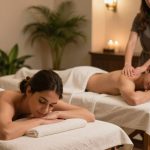
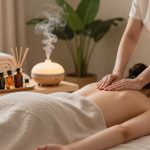
Can one session change how your body holds stress?
You seek relief, and simple touch can move tense muscle and quiet a loud mind. A trained therapist uses hands, pressure, and tools to ease pain and invite calm. This practice is a practical path to immediate relaxation and longer-term support for chronic tension.
Spas and clinics in Turkey blend classic styles like Swedish and deep tissue with modern methods such as hot stone and targeted sports therapy. Pressure, rhythm, and the tool used shape what you feel on the table.
Key Takeaways
Results depend on your goal: relaxation, pain relief, sports recovery, or stress reduction.
Different styles create very different body experiences; pick what matches your needs.
Sessions vary by pressure, touch, and tools—ask therapists what to expect.
This guide lists common styles found in spas, clinics, and wellness centers in Turkey.
Quick notes will help you book with confidence and get the right outcome.
Knowing your goal is the easiest way to choose the best session for your body.
What counts as a “type” of massage technique today?
You might be surprised to learn that a single label on a menu can mean different things at different clinics. Today, a “type” can refer to a named tradition, a goal-focused therapy, or a therapist’s signature form of pressure and pacing.
Style-based techniques vs goal-based therapy
Style-based labels name a cultural or historical school. Goal-based options target recovery, relaxation, or sports needs. Menus often mix both, so one type massage may overlap another depending on the practitioner.
Pressure levels and touch styles that change the experience
Light, medium, or deep pressure transforms the session. Gliding strokes feel very different from point work or compression. Whether your therapist uses hands, forearms, or thumbs shifts the outcome.
Tools and add-ons that create new categories
Hot stones, cupping, essential oils, and chair setups expand what businesses call a new form. These add-ons layer onto core techniques and shape the final experience.
Ask before you book: pressure level, tools used, and session goal.
Compare menus: a short guide can help — see a detailed list for reference here and a professional guide here.
How many types of massage techniques are there?
You won’t find a single number that fits every menu.
Licenses open the door to dozens of specialty paths, and clinics often add branded options. In practice, the industry labels services by tradition, goal, tools, or a therapist’s training. That’s why there isn’t one universal count.
Think of a practical working number: you’ll meet a core set of categories and many local specialties. Your goal matters more than a strict tally—relaxation, easing muscle tension, or support to reduce pain guide your choice.
Common menu buckets you’ll see
Relaxation (Swedish and gentle full-body work)
Therapeutic / deeper work (deep tissue)
Sports and recovery-focused sessions
Point and pressure systems (reflexology, shiatsu)
Movement-based styles (Thai and assisted stretching)
Category
What it targets
Who it fits
Relaxation
Stress relief, circulation
Beginners, tired travelers
Therapeutic
Deeper muscle tension, chronic tightness
People needing targeted pain work
Sports
Flexibility, recovery
Athletes and active clients
Point/pressure
Localized relief, nerve pathways
Those preferring focused touch or clothed work
Ready to learn more? See a broad list for reference at popular guides and a local professional perspective based in Turkey.
Swedish massage for full-body relaxation and gentle touch
Swedish sessions offer a gentle route to full-body rest when you want calm without intensity.
Who this fits best
This is the classic reset if you are new to massage, sensitive to touch, or carry everyday muscle tension.
You can choose it when you simply want to unwind after travel or a busy week in Turkey.
Signature techniques
Expect long, flowing strokes that follow circulation toward the heart. Kneading and deep circular motions ease knots while gentle tapping and vibration add light stimulation.
Passive joint movement helps mobility without strain. These methods work together to relax your muscles and calm the nervous system.
Session length and what to wear
Sessions usually run 60–90 minutes. You undress to your comfort level; underwear is optional and a sheet keeps you draped for privacy.
Pressure is light-to-medium, and you stay in control—ask the therapist for more or less at any time so the experience suits your body and goals.
Deep tissue massage when muscle tension runs deep
If gentle work leaves knots in place, a deeper approach may be the next step for your body.
When to choose deeper care: pick deep tissue massage when tension feels stuck, soreness returns, or you manage chronic pain that doesn’t respond to light touch.
When deeper pressure can reduce chronic pain
Deep tissue helps reduce pain from long-standing tightness, injury, or imbalance. The goal is improved movement and less daily discomfort over the next day or two, not immediate miracle cures.
How slow, intentional pressure targets deeper layers
Think slower strokes and deep finger contact that reach muscle and connective tissue. This tissue massage focuses on neck, shoulders, back, hips, and legs—areas that tighten from stress, sitting, or training.
Telling intense from too painful
A strong, aching sensation is common. Sharp pain, breath-holding, or guarding means you should ask the therapist to ease up right away. You guide pressure so your body can release, not resist.
Session basics: typical length 60–90 minutes, underwear optional with draping, and mild tenderness can follow. Communicate clearly and expect gradual relief, improved range, and a plan to reduce pain over time.
Hot stone massage to ease stress and improve blood flow
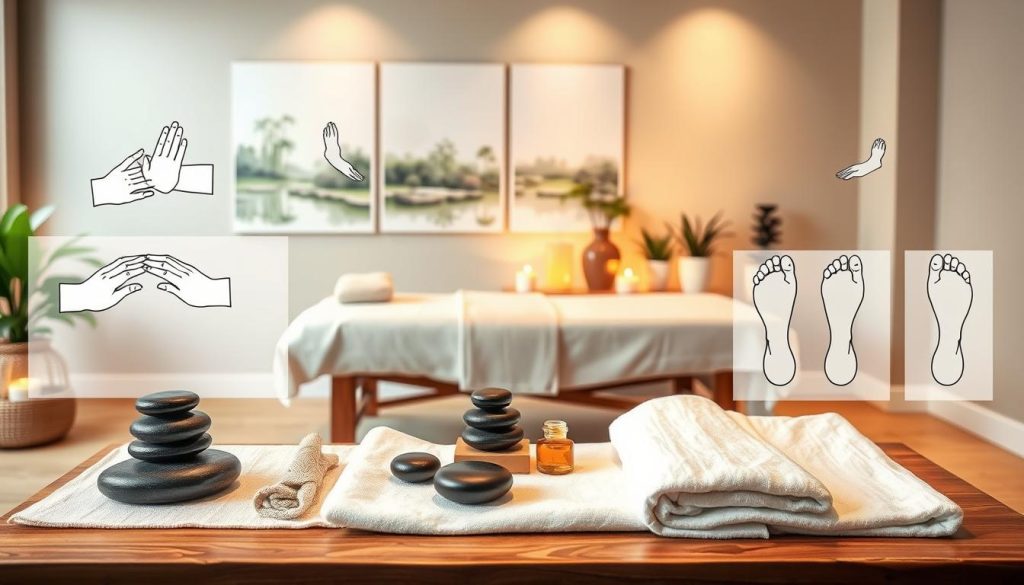
When days feel heavy, heated stones can be the gentle nudge your body needs to unwind. Choose hot stone as a deeply comforting choice when you want tension to melt and your muscles to soften without aggressive pressure.
Why warmth helps you relax
Heat tells your nervous system it’s safe. That message loosens guarded tissue and eases tight areas faster than touch alone. A warmed stone held against tense spots helps you breathe easier and drop deeper into calm.
How placement supports circulation and release
Therapists place smooth stones on target points and sometimes hold a stone while they perform Swedish-style strokes. Strategic placement boosts local blood flow and encourages better circulation through skin and nearby tissue.
The work is skilled touch plus heat—not just adding warmth. Expect a session around 90 minutes, draping for privacy, and underwear optional. For a concise professional overview, see this hot stone guide.
What to expect: steady warmth, gentle pressure, and slower strokes.
Aftercare: drink water to support improved blood flow and help toxins clear.
Aromatherapy massage for mood, anxiety, and stress relief
Aromatherapy sessions pair scent and soft touch to lift your mood and ease tightness.
This uplifting option blends diluted essential oils with gentle pressure so you inhale calming aromas while your skin absorbs the oils. The result can be a real reduction in anxiety and a softer sense of calm.
How scent and gentle hands work together
Therapists often use a diffuser and light strokes to create a relaxed rhythm. You feel slow, continuous motion while the aroma supports breathing and mood.
When sessions target the back, shoulders, and head
Many people choose a focused session when tension sits in the back and shoulders or when headaches begin at the neck and scalp. Sessions run about 60–90 minutes. Draping keeps you covered; underwear is optional.
Scent sensitivities and clear communication
Tell your therapist what scents you love, dislike, or react to before the session. Natural oils are potent—what feels safe to one person may trigger sensitivity in another.
Benefits: emotional comfort, reduced anxiety, and gentle physical release in common tension zones.
Speak up about scent and comfort so the treatment matches your needs in a Turkish spa or wellness clinic.
Sports massage for performance, recovery, and injury-prone muscles
If your routine leaves certain areas tight or injury-prone, tailored sports work can restore balance and range.
When to choose this option: pick sports or sports massage when training, travel, or repetitive movement leaves your muscles tight, heavy, or prone to injury.
When it helps flexibility and athletic performance
Use a session before an event to prime movement, after effort to speed recovery, or regularly during training to protect flexibility and performance.
Full-body vs targeted work
Full-body sessions support overall balance and reduce compensations across the body.
Targeted work focuses on overused areas like calves, hamstrings, hips, shoulders, or forearms to ease local load.
What to wear for access and comfort
Wear thin, loose clothing so the therapist can reach key muscle groups. Loose shorts and a tank top are ideal. You stay covered and in control.
Pressure varies: deep work may alternate with soothing strokes based on what your body needs that day.
Be specific: tell your sport, sore spots, and goals so the session fits you, not a generic plan.
Trigger point massage for referred pain and tight knots
A tight knot in a single muscle can send pain to places you never expected.
What trigger points are: tiny, tense spots in a muscle that can broadcast discomfort to another part of your body. That is why your symptoms may not match the sore spot you feel.
How trigger points can create referred pain
Pressure on a trigger can map to a distant area, like a shoulder knot that causes head or arm pain. Therapists find the point and work around it to cut the referred signal and let the surrounding tissue relax.
What pressure changes feel like
Expect a pattern: pressure builds, holds, then eases as the muscle softens. You may feel a sharp nudge that fades to a dull release. Short, intense moments are normal in this controlled process.
When this work helps most
Common uses include head and neck tension, desk-work shoulders, and stubborn upper-back tightness that leaves your body guarded. Sessions often run 60–90 minutes with options for light clothing or full draping.
Stay in charge: ask the therapist to reduce pressure, pause, or change position anytime.
Practical outcomes: fewer knots, freer movement, and less referred pain over time.
For related recovery tips, see a local guide to beat fatigue with touch: seven effective ways.
Reflexology and pressure points on feet, hands, and ears
Reflexology traces a clear map across the feet, hands, and ears that links small points to whole-body calm.
This option suits you when you want meaningful relaxation without full undressing or full-body touch. Therapists work standing or seated and keep the session compact and private.
Why people choose a focused session
Reflexology asks you to stay clothed and comfortable. The work targets mapped points on the feet, hands, and ears that practitioners link to points body systems.
What the points feel like and how sessions run
Expect rhythmic, gentle-to-firm pressure on each point. Some spots feel tender; others feel soothing. The pace is steady and calming.
Session length: typically 30–60 minutes.
What to wear: loose pants or shorts so the therapist can access your feet and lower legs.
Who loves it: travelers, people on their feet all day, and anyone seeking a compact, restorative session.
“A short reflexology session can leave you grounded and restored even without full-body work.”
Note: reflexology is not the same as a full-body massage, but it can still shift tension and help you feel centered. For mapped guidance on target areas, see a local reflexology points guide.
Shiatsu massage and rhythmic pressure along the body
A shiatsu session applies measured pulses along pathways to invite calm and release.
Thumbs, palms, and steady rhythmic touch
This structured style uses thumbs, palms, and hands to apply pulsing pressure to points across your body. Sessions run about 60–90 minutes and use no oil.
Clothed work and what “energy flow” feels like
You stay fully clothed in loose garments so the therapist can move you gently. Expect firm pulses rather than long gliding strokes; the rhythm feels different from Swedish work.
In practical terms, energy and flow mean a sense of easing, warmth, and smoother movement as tension patterns shift. You may notice breath deepen and stiffness soften as the session progresses.
Wear: flexible, comfortable clothing for easy movement.
Ask: whether shiatsu will be table-based or mat-based in the studio you choose.
“Shiatsu gives steady, patterned pressure that helps your body let go without oils or undressing.”
Thai massage for assisted stretching, mobility, and energy
Thai sessions move you through guided stretches that feel more like partner yoga than a quiet table rest.
What “active” work feels like compared with Swedish
Thai work is hands-on and dynamic. Instead of long gliding strokes you get guided positions, firm palm pressure, and assisted movement. You stay clothed and take part in the session as the therapist moves your limbs.
Stretching, twisting, and circulation-focused flow
The session uses rhythmic compression, stretches, twists, and joint mobilization to lengthen tight areas. This sequence can improve flexibility and boost circulation. Many people leave feeling lighter and with more energy in their body.
Clothing tips for comfort and range of motion
Wear loose, breathable clothes that let you bend, lift arms, and rotate easily. Tell the therapist about injuries, hypermobility, or sore spots so stretches stay supportive and safe.
Feature
Why it helps
Best for
Active assisted stretches
Improve flexibility and joint range
Stiff travelers and active clients
Rhythmic compression
Boosts local circulation
Those with tight muscles
Guided positions
Increases body awareness and energy
People wanting mobility and energized feel
Prenatal massage for pregnancy aches, back pain, and swelling
Pregnancy brings shifts in posture and circulation that often call for gentle, focused body care.
Prenatal massage uses mild, steady pressure similar to Swedish work to ease pregnancy aches, reduce stress, and lower muscle tension. Sessions typically run 45–60 minutes and focus on comfort and safety first.
How pressure is adapted and positioning supports your comfort
Therapists use slow, careful strokes and avoid deep, abrupt pressure. You often rest side-lying or on a specialty table with bolsters so breathing and circulation stay easy.
When to talk to your doctor before booking
Many facilities skip the first trimester. Check with your clinician if you have high-risk concerns, clotting issues, or recent complications to protect your health and the baby.
Common focus areas: lower back, hips, and legs
Work usually targets the lower back, hips, and legs to relieve heaviness and swelling. The goal is gentle relief without overstimulation so your body can relax.
Booking tip for Turkey: confirm the therapist’s prenatal training and ask what bolsters they use.
Expect: mild pressure, secure positioning, and a calm, supportive session.
Chair massage for quick neck, shoulders, and back relief
A quick seated session can reset a stiff neck and loosen tight shoulders in under half an hour.
Chair massage is the easiest entry point when you want care without undressing or a long appointment. You stay fully clothed while a trained therapist works seated areas with light-to-medium pressure.
Why it’s a great first session if you’re new
This option feels safe and direct. The chair supports your chest, face, and legs so your back is open and relaxed.
You can test preferred pressure and discover how your body responds without committing to a full table session.
What a 10–30 minute session can realistically do for tension
In 10–30 minutes you get reduced surface tension, calmer nerves, and looser upper-back muscles.
It is not deep rehabilitation, but it often stops the stiffness that follows long travel or desk work. Many workplaces, events, and wellness centers in Turkey offer short seated care for busy days.
Session length
Primary targets
Typical pressure
Best when
10 minutes
Immediate neck release
Light
Quick breaks at work
20 minutes
Neck and upper back
Light-to-medium
After travel or long meetings
30 minutes
Full shoulders and upper back
Medium
Trial before a longer session
Tip: Use chair massage as a trial run to learn what you like before booking longer treatments.
Lymphatic drainage massage to support fluid movement and calm
Manual lymphatic drainage uses skilled, feather-light touch to guide trapped fluids and invite a softer sense of relief.
How gentle techniques encourage lymph flow and circulation
This therapy focuses on subtle strokes and slow pacing. You feel a soothing rhythm more than deep work. The goal is to boost lymph flow and support circulation without force.
When this approach may not be appropriate
Speak with a clinician before booking if you have congestive heart failure, a history of blood clots or stroke, a current infection, or serious liver or kidney issues. These health conditions change risk and may rule out treatment.
What session length and pressure usually feel like
Sessions often run 60 minutes or longer because gentle work needs time to be effective. Expect very light pressure and slow, intentional moves that encourage steady flow.
Booking tip in Turkey: ask whether the provider has specific MLD training — it differs from a standard relaxation massage and gives better results for swelling or puffiness.
Myofascial release and craniosacral therapy for sensitive, slow work
A gentle, patient approach can unlock deep-held restrictions in your connective tissue without force. These options suit you when heavy pressure makes you guard, your pain feels complex, or you simply prefer minimal force.
Myofascial release for fascia stiffness and mobility
Myofascial release uses sustained, gentle pressure and specialized stretching to ease fascia stiffness. The goal is softer movement and less pain without aggressive kneading.
The therapist works slowly over tight areas to free restrictions that limit range and stress nearby muscles.
Craniosacral care for head, neck, and jaw concerns
Craniosacral therapy uses very light touch near the skull, spine, and pelvis. You may seek it for headaches, neck pain, or TMJ and jaw tension.
What light-touch therapies try to change in your body
These methods focus on subtle shifts in how parts relate to each other. Therapists follow points body links so one release can ease tension elsewhere.
Expect gradual progress across several sessions. The aim is gentle change, not soreness or feeling “worked over.”
Option
Primary aim
Session length
Myofascial release
Reduce fascia restrictions and restore mobility
60+ minutes
Craniosacral therapy
Release cranial and spinal compression for headaches and neck issues
60+ minutes
Light-touch care
Shift points body relationships to lower pain and tension
Multiple sessions advised
Ask about training and realistic outcomes before you book.
Measure progress over a few visits rather than expecting a single fix.
How to choose the best massage therapist and technique in Turkey
Start by naming the outcome you want—rest, recovery, or better range—then look for a therapist who matches that aim.
Match your goal to the session
If you want relaxation, pick gentle full-body work. For chronic pain, choose targeted or deeper care. For athletic needs, seek sports-focused options. For nervous-system calm, select light-touch therapies.
Questions to ask before you book
What training and certification does the massage therapist have?
What pressure do you recommend for my issue?
How will you adjust if it causes sharp pain or too much soreness?
Do you specialize in prenatal, trigger point, or sports recovery?
Comfort basics and consent
Expect professional draping, clear consent, and privacy. You can speak up about pressure, temperature, or position at any time. Therapists in Turkey follow hygiene standards—confirm these if you feel unsure.
Budget and session timing
Length
Focus
Typical result
30 minutes
One area
Quick tension relief
60 minutes
Full-body or focused plan
Solid therapeutic progress
90 minutes
Deep or unhurried work
Deeper release and longer-lasting benefits
“Treat your first session as a collaboration—refine choices with your therapist to maximize benefits.”
Conclusion
Start with one clear aim—relaxation, pain relief, or improved range—and test a close match to see how your body responds.
Your best choice depends on what you want from a session and how your body reacts. Try Swedish for calm or deeper therapy for chronic muscle tension. Explore hot stone, aromatherapy, sports work, or trigger point care to match your need.
Talk with a trained therapist about pressure and comfort. Give feedback during the session so the work fits you. Notice how your body feels 24–48 hours after treatment to judge benefits.
Massage is a journey across seasons of life—travel, training, pregnancy, or recovery. Pick one type that suits your goal, choose a session length that fits your day in Turkey, and evaluate results.
Health note: if you have swelling, clotting history, unusual pain, or other medical concerns, consult a healthcare professional before booking so your relaxation stays safe and restorative.
FAQ
Unlock Relaxation: How Many Types of Massage Techniques Are There?
You can explore dozens of distinct approaches—from classic Swedish and deep tissue to shiatsu, Thai, reflexology, and sports work. Some count dozens when including regional, clinical, and hybrid styles. What matters most is matching the method to your goal: relaxation, pain relief, recovery, or mobility.
What counts as a “type” of massage technique today?
A type usually means a consistent set of strokes, pressure levels, tools, or goals used by a trained therapist. Style-based methods focus on signature moves, goal-based therapy targets outcomes like injury recovery, and tool-enhanced services—hot stones, cups, or aromatherapy—create recognizable variants.
How do pressure levels and touch styles change the experience?
Light, flowing touch soothes the nervous system and reduces anxiety. Firmer, focused pressure reaches deeper muscle layers and eases chronic tension. Your therapist adjusts touch from gentle to strong so you get relief without excess pain.
What role do tools and add-ons play in creating new approaches?
Heated stones, essential oils, cupping, and percussive devices change how heat, scent, and mechanical force affect tissues. Add-ons can shift a basic session into a specialized treatment for circulation, relaxation, or targeted muscle release.
Why there isn’t one universal number for these techniques?
New hybrids and regional variations emerge constantly, and some methods overlap. Professional, clinical, and spa settings label approaches differently, so counts vary by who’s listing them and why.
What common categories will you see at spas, clinics, and wellness centers?
Expect relaxation-oriented sessions like Swedish, therapeutic options like deep tissue and myofascial release, performance work such as sports massage, and specialty services including reflexology, lymphatic drainage, and prenatal care.
What do people usually mean when they ask this question?
Most people want to know which option best suits their needs—relaxation, pain reduction, injury recovery, or improved mobility—so they can pick one appropriate for their goal and comfort level.
Who benefits most from Swedish full-body relaxation and gentle touch?
You’ll enjoy Swedish work if you want stress relief, enhanced circulation, and a gentle reset. It’s ideal for first-timers, those with mild tension, and anyone seeking calm without intense pressure.
What are Swedish signature techniques?
Expect long, flowing strokes, light kneading, and rhythmic tapping that boost circulation and quiet the nervous system. Sessions often focus on overall relaxation and soft tissue ease.
What should you expect to wear during a typical session?
You’ll usually undress to your comfort level and be draped for privacy. For certain modalities—Thai or shiatsu—you stay clothed in breathable wear that allows easy movement.
When is deep tissue best for muscle tension and chronic pain?
Deep tissue helps when persistent knots, postural strain, or chronic tightness limit movement or cause recurring pain. It targets deeper muscle layers to break down adhesions and restore mobility.
How does deep pressure reach deeper layers of tissue?
Therapists use slower strokes and focused techniques to access deeper fascia and muscle, applying sustained pressure rather than rapid, surface-level movements. Communication keeps the work effective and safe.
How do you tell “intense” from “too painful” during deep work?
Intense feels like manageable discomfort that eases after the stroke. Too painful is sharp, radiating, or causes lingering soreness. Speak up; your therapist can adjust pressure immediately.
Why do heated stones promote relaxation and circulation?
Heat relaxes muscle fibers and dilates blood vessels, increasing blood flow and enhancing tissue release. Stone placement also holds warmth in key areas for deeper relaxation.
How does stone placement support circulation and muscle release?
Therapists set stones along major muscle groups and energy lines to localize heat and maintain steady, calming pressure that complements manual strokes.
How do essential oils pair with gentle pressure in aromatherapy?
Oils enhance mood and nervous-system responses while gentle touch boosts absorption and relaxation. Scent choices—lavender for calm, citrus for energy—help you tailor the session.
What if you have scent sensitivities?
Tell your therapist up front. They can use unscented carrier oils, apply minimal fragrance, or avoid aromatherapy entirely to keep you comfortable.
When does sports work help flexibility and performance?
Sports massage benefits you before events to prepare muscles, after training to speed recovery, and during rehab to resolve overuse patterns. It focuses on mobility, range of motion, and targeted tissue health.
Should sports massage be full-body or targeted?
Both. Full-body sessions balance overall readiness, while targeted work zooms in on overused or injured areas to correct imbalances and reduce re-injury risk.
What should you wear for best access to key muscle groups?
Wear loose, breathable clothing for active modalities like Thai massage, or be prepared to disrobe to your comfort level for table work so therapists can access needed areas.
How do trigger points create referred pain and tight knots?
Trigger points are taut spots that can send pain to other parts of the body—like neck knots causing headaches. Focused pressure releases these spots and reduces distant symptoms.
What does pressure feel like during trigger work?
You may feel a strong, concentrated ache that radiates. It should ease after a few releases. Clear communication helps the therapist modulate intensity safely.
Which areas benefit most from trigger therapy?
The head, neck, shoulders, and commonly strained postural muscles respond well, especially when you have chronic tension patterns.
Why choose reflexology instead of full-body touch?
Reflexology focuses on feet, hands, and ears, making it a gentle option if you prefer minimal full-body contact. It aims to improve overall balance through targeted pressure points.
What do reflexology “points” feel like and how long are sessions?
Points often feel tender then eased with work. Sessions usually last 30–60 minutes and concentrate on zones linked to body systems.
How does shiatsu apply rhythmic pressure along the body?
Shiatsu uses thumbs, palms, and steady pressure along meridians to restore balance. It’s rhythmic and often performed while you’re clothed on a mat.
Why do you stay clothed during shiatsu and what does “energy flow” mean?
Clothing lets therapists use stretches and pressure safely. “Energy flow” refers to traditional concepts of lines of connection; the practice aims to release blockages that affect well-being.
What does Thai massage feel like compared with Swedish?
Thai is active and assisted, combining rhythmic compressions, stretches, and movement, while Swedish is passive and focused on relaxing strokes. Thai improves mobility and circulation through motion.
What clothing works best for Thai stretching and range of motion?
Loose, stretchy clothing allows full movement and stretching without restriction, helping you get the most from assisted techniques.
How is prenatal pressure adapted for pregnancy aches and swelling?
Therapists use lighter pressure, special positioning, and cushions to protect you and baby while easing lower back, hip, and leg discomfort safely.
When should you talk to your doctor before booking prenatal care?
If you have high-risk pregnancy, clotting issues, or recent complications, consult your physician before scheduling a session to ensure safety.
Why try a chair session for quick neck, shoulder, and back relief?
Chair massage is efficient, 10–30 minutes long, and targets common desk-related tension—ideal if you want fast, practical relief without a full table session.
How effective is a short session at easing tension?
Short, focused work can reduce immediate tightness, improve posture temporarily, and give you strategies to prevent recurring stiffness.
How do lymphatic techniques support fluid movement and calm?
Gentle, rhythmic strokes encourage lymph flow and reduce swelling. The work is light and methodical, aiming to move excess fluid and ease inflammation.
When might lymphatic drainage not be appropriate?
Avoid it with active infection, congestive heart failure, or certain clotting disorders. Always disclose medical history before booking.
What session lengths and pressure feel typical for lymphatic work?
Sessions run 30–90 minutes with feather-light pressure that feels calming rather than deep—expect gentle movement toward lymph nodes.
What are myofascial release and craniosacral therapy for sensitive, slow work?
Both use gentle, sustained touches to free fascial restrictions or subtle cranial tensions. They’re ideal when you need careful, patient work rather than forceful manipulation.
How does myofascial release improve stiffness and mobility?
Therapists apply slow, guided pressure and stretches to release fascial restrictions, increasing range of motion and reducing tightness over time.
What does craniosacral therapy aim to change in head, neck, and jaw concerns?
It seeks to normalize cranial rhythms and relieve tension affecting headaches, TMJ, and neck discomfort through a light, therapeutic touch.
How do you choose the best therapist and technique in Turkey?
Match your goal—relaxation, pain relief, sports recovery—to the method and check credentials. Ask about training, pressure style, and any health concerns before booking.
What questions should you ask your massage therapist about training and pressure?
Ask about certification, years of experience, specialization, and how they monitor pressure. Clear communication ensures your comfort and results.
What comfort basics should you expect during a session?
Expect draping for privacy, clear boundaries, and encouragement to speak up about pressure. A good therapist prioritizes your safety and comfort throughout.
How do budget and session timing affect what you’ll get from 30, 60, and 90 minutes?
Short sessions target problem areas quickly. Sixty minutes allows balanced full-body work. Ninety minutes gives more time for thorough warm-up, deeper release, and lingering areas that need extra care.