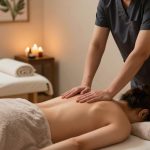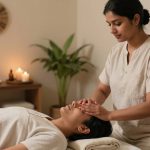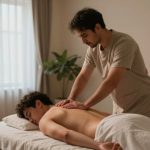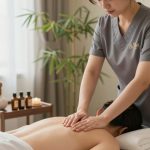
Have you ever wondered how someone becomes a skilled massage therapist? The journey is more than just a passion for helping others; it involves a rigorous educational path.
In the United States, aspiring therapists embark on a comprehensive program that requires a minimum of 500 in-class hours. This ensures they gain both theoretical knowledge and practical experience. Students dive deep into subjects like anatomy, physiology, and kinesiology, which are crucial for understanding the human body.
Before working with clients, they engage in hundreds of hours of hands-on clinical practice. This blend of learning prepares them for various techniques, including Swedish and deep tissue massage. The focus on health and safety protocols is paramount, ensuring a secure environment for both therapists and clients.
Ultimately, this training pathway not only equips them for national licensing exams but also enhances their professional credibility. The standards for education in this field continue to evolve, reflecting its growing recognition in healthcare.
Key Takeaways
- The journey to becoming a massage therapist involves extensive education and training.
- Programs typically require a minimum of 500 in-class hours for thorough preparation.
- Students learn anatomy, physiology, and various massage techniques.
- Hands-on clinical practice is crucial before working with clients.
- Health and safety protocols are emphasized throughout the training.
- Successful completion prepares students for national licensing examinations.
Introduction to Massage Therapy and Its Importance
Massage therapy has emerged as a crucial element in the realm of health and wellness. It plays a vital role in today’s healthcare landscape. A massage therapist uses manual manipulation of soft tissues to relieve stress, reduce pain, and promote overall wellness for clients from all walks of life.
As more people recognize the therapeutic benefits of regular massage, the profession has grown significantly. It is now widely accepted for managing chronic conditions, aiding recovery from injuries, and maintaining both mental and physical health.
Professional massage therapists work in diverse settings, including clinics, hospitals, sports facilities, spas, and private practices. This variety makes it a remarkably flexible career path with numerous opportunities for specialization.
Proper training matters because an unqualified therapist can cause real harm. A well-trained professional can identify contraindications, adjust techniques appropriately, and refer clients to medical professionals when necessary. The difference between a properly trained therapist and an untrained individual is measured in client safety, treatment effectiveness, and the overall credibility of the massage therapy profession.
Without rigorous training, a therapist cannot accurately assess a client’s condition or understand the underlying anatomy and physiology involved. They must select the most appropriate massage techniques for each unique situation.
You will discover that the growing demand for qualified massage therapists means that those who complete comprehensive training programs enjoy greater employment opportunities. They also have the ability to build a loyal client base.
The role extends beyond simply performing massage strokes. It includes client assessment, treatment planning, documentation, and ongoing communication with other healthcare providers when integrated care is required.
In Turkey and internationally, the massage therapy field continues to professionalize. There is an increasing emphasis on accredited education and recognized credentials that distinguish qualified therapists from hobbyists.
| Aspect | Importance |
|---|---|
| Stress Relief | Helps in reducing anxiety and improving mental health. |
| Pain Management | Effective for managing chronic pain conditions. |
| Wellness Promotion | Encourages overall physical and mental well-being. |
| Professional Flexibility | Offers diverse career opportunities across various settings. |
Understanding the Core Training Components for Massage Therapists
Understanding the essential components of massage therapy training is crucial for aspiring therapists. This training covers a wide range of topics that are fundamental to your success in the field.
Anatomy and Physiology Education
You will spend a significant portion of your training immersed in anatomy and physiology education. This includes learning about every major muscle group, bone structure, and body system you will work with during therapeutic massage sessions.
Understanding anatomy and physiology together enables you to locate the source of a client’s pain. It also helps you recognize how different body systems interact, allowing you to develop personalized treatment plans that address root causes rather than just symptoms.
Your coursework covers the skeletal, muscular, lymphatic, nervous, and circulatory systems. Additionally, you will study histology, which includes tissues, skin, hair, and nails.
Moreover, you will learn to describe body locations and movements with professional precision. This knowledge is vital for effective communication with other healthcare providers.
Massage Techniques and Therapeutic Practice
Training in massage techniques introduces you to foundational strokes of Swedish massage. These include effleurage, petrissage, friction, tapotement, and vibration, which form the basis of most therapeutic massage modalities.
Your practical education expands to include deep tissue work, trigger point therapy, myofascial release, and sports massage applications. This prepares you to work with diverse client populations and conditions.
Therapeutic massage practice sessions allow you to apply classroom knowledge on real bodies. This experience develops the tactile sensitivity, pressure control, and body mechanics that distinguish professional therapists from amateurs.
Health, Safety, and Hygiene Requirements
Health, safety, and hygiene requirements are woven throughout your training. You will learn proper sanitation protocols, draping techniques, and contraindication screening to protect both you and your clients.
Additionally, you will recognize signs and symptoms of injuries or conditions that fall outside your scope of practice. This ensures you know when to refer clients to physicians, physical therapists, or other healthcare professionals.
The core training components work together to build a complete professional. This enables you to deliver safe, effective massage therapy in any setting while maintaining the highest standards of the profession.
Educational Pathways: From Student to Certified Massage Therapist
Your journey to becoming a certified massage therapist begins with understanding the educational pathways available. The process typically starts with obtaining a high school diploma or an equivalent qualification. Strong performance in subjects like biology, physical education, and health sciences provides a valuable foundation for advanced studies in massage therapy.
Many successful students enter their training with prior coursework in anatomy, physiology, psychology, or business. This background contributes to a well-rounded understanding of both clinical and professional aspects of the career.
Several educational pathways exist, including diploma programs, certificate courses, and associate or bachelor’s degree programs. Each option offers different depths of study and time commitments to match your personal circumstances.
High School and Prerequisite Knowledge
Typically, diploma programs in massage therapy represent the most common entry point. These programs usually require 500 to 650 hours of combined classroom and hands-on training. You can complete them in six to twelve months of full-time study.
Certificate programs often focus on specific modalities or skill sets within massage therapy. This allows you to add specialized credentials to your professional portfolio as you advance through your career.
Diplomas, Certificates, and Degree Programs
Degree programs at the associate or bachelor’s level provide the most comprehensive education. They incorporate advanced sciences, research methods, business management, and extensive clinical practice over two to four years of study.
In Turkey, aspiring massage therapists should seek programs that align with national regulations and international standards. This ensures that your diploma or certificate will be recognized by employers and professional associations.
The level of your chosen program directly impacts your career opportunities. Higher-level qualifications generally open doors to work in hospitals, rehabilitation centers, and integrated healthcare settings alongside other medical professionals.
Before enrolling, you should carefully evaluate each program’s curriculum, accreditation status, and graduate outcomes. The quality of your education will shape your entire professional future in massage therapy.
| Program Type | Hours Required | Duration | Approximate Cost |
|---|---|---|---|
| Level 3 NVQ Diploma in Beauty Therapy (Massage) | 500 | 6 months | £1,000 |
| Level 3 VTCT (ITEC) Diploma in Body Massage | 650 | 3 months | £1,500 |
| BTEC Level 5 Professional Diploma in Soft Tissue Therapy | 650 | 10 months | £3,000 |
| University Degree | Varies | 2-4 years | £9,535 per year |
Hands-On Training and Practical Experience
The essence of effective massage therapy lies in the hands-on training that students undergo during their educational journey. This practical experience is essential for developing the skills necessary to become a competent therapist.
You will discover that hands-on training forms the heart of every reputable massage therapy program. Accredited schools typically require a minimum of 500 in-class hours, blending theoretical instruction with supervised practical application.
In-Class Hours and Clinical Practice
During your clinical practice sessions, you will work directly on fellow students, volunteer clients, and eventually members of the public. Experienced instructors will provide real-time feedback on your technique and body mechanics, enhancing your learning experience.
The practice massage component of your training allows you to develop tactile sensitivity and intuitive touch that cannot be learned from textbooks alone. This transformation of theoretical knowledge into practical, therapeutic skill is crucial.
Numerous practice massage sessions will focus on different body areas, client positions, and therapeutic goals. This will gradually build the confidence and competence needed to work professionally.
Internships and On-Site Training Opportunities
Internship opportunities place you in real-world settings such as spas, chiropractic offices, sports clinics, or wellness centers. Here, you will gain invaluable experience working with actual clients who have genuine therapeutic needs.
On-site training opportunities, including chair massage at corporate offices, sporting events, or community health fairs, teach you to adapt your skills to different environments and client populations outside the classroom.
The time you spend in hands-on training directly correlates with your readiness for professional practice. Leading programs often require 200 or more hours of supervised clinical work before graduation.
Your practical experience during training also helps you identify which types of massage therapy and client populations you most enjoy working with. This will guide your future specialization and career direction.
Additionally, you will learn proper body mechanics and self-care techniques during hands-on training. These skills are vital for protecting your physical health throughout what can be a demanding career spanning decades.
| Training Component | Description |
|---|---|
| In-Class Hours | A minimum of 500 hours of theoretical and practical instruction. |
| Clinical Practice | Hands-on sessions with fellow students and public clients. |
| Internships | Real-world experience in various therapeutic settings. |
| On-Site Training | Opportunities to practice in diverse environments. |
Licensing and Certification Requirements in Massage Therapy
The pathway to becoming a licensed massage therapist involves navigating various licensing and certification requirements. These requirements can vary significantly by state, so it’s essential to understand what is needed in your area.
Most regions mandate a minimum number of training hours, successful completion of a competency examination, and ongoing education to maintain your license. This ensures that you remain informed about the latest practices and standards in the field.
Preparing for Licensing Exams like the MBLEx
The Massage and Bodywork Licensing Examination, known as the MBLEx, serves as the primary gateway to professional practice in the United States. Administered by the Federation of State Massage Therapy Boards, this exam ensures consistent standards across the profession.
Preparing for licensing exams requires dedicated study of all domains covered in your training program. Key areas include anatomy, physiology, kinesiology, pathology, massage techniques, ethics, and business practices.
You will benefit from using exam preparation resources such as practice tests, study apps, and review courses. These tools help identify knowledge gaps and build confidence before sitting for the official licensing examination.
Board Certifications and Professional Credentials
Board certification through organizations like the National Certification Board for Therapeutic Massage and Bodywork represents the highest voluntary credential available to massage therapists. Achieving this certification demonstrates advanced competency beyond entry-level licensing requirements.
Professional credentials and board certifications signal to employers, healthcare providers, and clients that you have met rigorous standards and are committed to excellence in your massage therapy practice.
In Turkey, it is crucial to research the specific licensing and certification requirements established by national health authorities and local municipalities. Regulations continue to develop alongside the growing wellness industry.
Many employers and insurance providers require proof of current licensing and professional credentials before allowing you to practice massage therapy in clinical or healthcare settings. Maintaining your licensing and certifications requires an ongoing commitment to continuing education, ensuring that your knowledge and skills remain current with evolving industry standards and best practices.
How to Choose the Right Massage Therapy Training Program
Selecting the right program for massage therapy education is essential for your future success. With numerous options available, it is vital to assess each program carefully to ensure it aligns with your career goals.
One of the first aspects to consider is program accreditation and recognition. You need to prioritize program accreditation when evaluating massage therapy schools. Accreditation by recognized bodies like the Commission on Massage Therapy Accreditation (COMTA), the National Accrediting Commission of Arts and Sciences (NACCAS), the Accrediting Commission of Career Schools and Colleges (ACCSC), or the Accrediting Bureau of Health Education Schools (ABHES) ensures the education meets established quality standards.
A properly accredited massage therapy program has undergone rigorous external review of its curriculum, faculty qualifications, student outcomes, and institutional practices. This gives you confidence in the value of your educational investment.
Additionally, verify that any program you consider is recognized by the relevant regulatory authorities in the country where you intend to practice. Graduating from an unaccredited school may prevent you from obtaining necessary licensing.
Considerations for Training in Turkey
For those pursuing massage therapy training in Turkey, it is crucial to consider programs that comply with Turkish regulations for health and wellness professionals. This includes any requirements established by the Ministry of Health or local governing bodies.
When researching programs, examine the total training hours, the balance between theoretical instruction and hands-on practice, and the specific modalities covered in the curriculum. This ensures alignment with your career goals.
Training considerations in Turkey also include verifying that the program offers instruction in languages you understand fluently. It should cover modalities popular in the Turkish and European wellness markets, providing recognized credentials upon completion.
Investigate each school’s graduate success rates, including licensing exam pass rates and job placement statistics. These metrics provide objective information about program quality and student outcomes.
Practical factors such as location, schedule flexibility, and total cost will significantly impact your ability to complete your massage therapy education while managing other life responsibilities.
Lastly, speaking directly with program graduates and current students gives you honest insights about the training experience. This information can help you make a fully informed decision about your education.
Building Essential Skills Beyond Technique
The skills needed to excel as a massage therapist extend far beyond just technique. While mastering massage techniques is crucial, developing interpersonal skills is equally important. These skills enhance your ability to connect with clients and provide effective treatment.
Effective communication is at the heart of successful client management. You must develop strong communication skills alongside your technical abilities. The way you listen to clients, explain treatments, and establish rapport directly impacts treatment outcomes and client retention.
Communication and Client Management
Effective client management begins with the initial intake process. Here, you gather health histories, discuss treatment goals, and set realistic expectations before any massage therapy session begins. Your training will teach you to ask the right questions and interpret both verbal and non-verbal cues.
Adjusting your approach based on each client’s comfort level and therapeutic needs is essential. This ensures a personalized experience that can significantly enhance their overall satisfaction.
Business, Marketing, and Professional Ethics
Professional ethics training covers critical topics. These include maintaining appropriate boundaries, protecting client confidentiality, and obtaining informed consent. Navigating dual relationships that can arise in small communities or specialized practice settings is also crucial.
In addition to ethics, you will learn business fundamentals that many therapists overlook. Understanding scheduling systems, financial record-keeping, and client retention strategies can determine whether your practice thrives or struggles.
Marketing education helps you position your massage therapy services effectively. Building a professional reputation and leveraging online platforms can attract a steady stream of clients without compromising your ethical standards.
The most successful therapists combine technical excellence with genuine compassion, patience, and empathy. This creates a therapeutic environment where clients feel safe, respected, and cared for during every session.
You will practice setting and maintaining professional boundaries in both physical and conversational contexts. This ensures that the therapeutic relationship remains focused on the client’s wellbeing at all times.
These essential skills beyond technique transform a competent massage therapist into a trusted healthcare professional. Clients will recommend you to friends, family, and colleagues, helping you build a loyal client base.
The Role of Continuing Education and Specializations
To thrive in the field of massage therapy, embracing lifelong learning is essential. Completing your initial training is just the beginning of a journey filled with opportunities for growth. Continuing education keeps your skills sharp and introduces you to new techniques throughout your career.
Advanced Courses and Specialty Certifications
Advanced courses allow you to specialize in high-demand modalities. You can focus on sports massage for athletes, lymphatic drainage for post-surgical clients, or pregnancy massage for expectant mothers seeking relief from discomfort and pain.
Specialty certifications in areas like hot stone therapy, Thai massage, reflexology, aromatherapy, or myofascial release differentiate your practice. They allow you to serve niche markets within the broader wellness industry.
Keeping Skills Current in a Growing Industry
The growing wellness industry constantly introduces new techniques and treatment approaches. This makes continuing education essential for any massage therapist who wants to remain competitive and offer clients the most effective care available.
Many professional associations and licensing boards require a specific number of continuing education hours per renewal period. This ensures that all practicing massage therapists maintain current knowledge of safety protocols and best practices.
Your investment in advanced courses pays dividends. It leads to increased client satisfaction, the ability to charge higher rates for specialized services, and greater professional satisfaction as you master new ways of helping people heal.
Specialization also protects your physical longevity in the field. It allows you to vary your techniques and avoid the repetitive strain that can come from performing the same strokes day after day.
View continuing education not as an obligation but as an opportunity. It allows you to continually reinvent your practice and find new passion within the massage therapy profession.
Career Flexibility and Settings for Trained Massage Therapists
Completing your massage therapy education opens the door to an array of career options. The flexibility in this field allows you to choose a work environment that suits your lifestyle and professional aspirations.
Many massage therapists find rewarding positions in clinical settings. These include chiropractic offices, physical therapy practices, and hospitals. In these environments, you will collaborate with healthcare professionals to provide integrated patient care. This teamwork enhances the overall treatment experience for clients.
Working in Clinics, Spas, and Wellness Centers
In addition to clinical settings, you can work in wellness centers and spas. These positions offer a serene atmosphere where you can focus on relaxation and healing. Here, you will benefit from a steady flow of clients and established marketing systems. Working alongside other wellness practitioners fosters a supportive community.
Sports massage therapists also have unique opportunities. They work with athletes at all levels, from amateurs to professionals. Your role involves preparing athletes for events, aiding recovery, and maintaining their performance. This specialization can be incredibly fulfilling as you contribute to their success.
Opportunities for Freelance and Mobile Massage Therapists
For those seeking independence, becoming a freelance or mobile massage therapist is an excellent choice. You can set your own schedule and select your clientele. This flexibility allows you to keep a larger portion of your earnings while building a personal brand in your community.
Statistics show that 73% of practicing massage therapists are sole practitioners. Additionally, 53% work at least part of their time providing mobile services in clients’ homes or businesses. This variety in work settings means you can adapt your career as your interests and circumstances change.
Furthermore, you can combine different roles. For instance, you might spend part of your week in a clinic and another part providing mobile services or chair massage at corporate events. Your training equips you to thrive in diverse environments, whether in a medical setting or a relaxing spa.
The diversity of available settings allows you to transition between different work environments throughout your career. As your interests and physical capacity evolve, you can find new opportunities that align with your goals.
Benefits of Completing Comprehensive Massage Therapy Training
Investing in thorough massage therapy education brings numerous benefits that can shape your career. The impact of comprehensive training is evident in various aspects of your professional life.
Improved Client Outcomes and Professional Credibility
You will experience firsthand that comprehensive massage therapy training directly translates to improved client outcomes. With your enhanced knowledge, you can accurately assess conditions and select the most effective treatment approaches for each individual.
Professional credibility grows naturally from thorough training. Clients, employers, and fellow healthcare providers will recognize the depth of your expertise. They will trust your clinical judgment in matters of therapeutic massage.
Greater Employment and Business Opportunities
The benefits of investing in a quality training program extend throughout your entire career. This investment opens doors to employment opportunities in prestigious hospitals, elite sports organizations, and luxury wellness resorts that only hire extensively trained massage therapists.
Well-trained massage therapists consistently achieve higher client satisfaction rates. This leads to stronger word-of-mouth referrals, repeat bookings, and the ability to build a sustainable practice in any economic environment.
Your comprehensive training enables you to work confidently with clients who have complex medical histories, chronic pain conditions, or stress-related disorders. These situations require sophisticated treatment strategies beyond basic relaxation massage.
Employment opportunities expand significantly when you hold credentials from a respected training program. Many healthcare facilities, sports medicine clinics, and integrative wellness centers require proof of rigorous education before extending job offers.
The business benefits of thorough training include the ability to command higher hourly rates. You can attract a more loyal clientele and differentiate your services in a competitive marketplace where consumers increasingly seek qualified professionals.
You will find that the personal satisfaction of truly understanding how to help people heal through skilled massage therapy creates a deeply fulfilling career. Many therapists describe this work as the most rewarding they have ever done.

Common Questions About Massage Therapy Training
If you’re interested in becoming a massage therapist, you likely have several questions about the training involved. Understanding the practical aspects of your education can help you make informed decisions about your future career.
Duration and Cost of Training Programs
The time required to complete massage therapy training varies significantly based on the program type you choose. Intensive diploma programs typically take as little as six to twelve months, while university degree pathways extend over three to four years of dedicated study.
Your training costs depend on the program level and institution. Certificate and diploma programs usually range from approximately $1,000 to $6,000. In contrast, bachelor’s degree programs at universities represent a more significant financial investment of several thousand dollars per year.
What to Expect During Your Training
During your training, expect a demanding but rewarding schedule. This schedule combines classroom lectures on anatomy and physiology with extensive hands-on practice sessions. You will both give and receive massage from fellow students.
Many students find the first few weeks physically and mentally challenging. Their bodies adapt to the demands of performing massage while absorbing large volumes of new information about the human body.
You will experience a progressive learning curve. Starting with basic Swedish massage strokes, you will gradually advance to more complex techniques, specialized modalities, and clinical applications as your training progresses.
Most massage therapy programs include written examinations, practical skills assessments, and clinical practice requirements. You must successfully complete these before receiving your diploma or certificate.
The camaraderie that develops among students often becomes a lasting professional network. This network provides support, referrals, and friendship throughout your career.
Additionally, you should expect to invest time outside of formal class hours in self-study, practice sessions, and exam preparation. The volume of information and skills you need to master requires dedicated effort beyond the scheduled curriculum.
| Program Type | Typical Duration | Approximate Cost |
|---|---|---|
| Diploma Programs | 6-12 months | $1,000 – $6,000 |
| University Degrees | 3-4 years | $9,535 per year |
Conclusion
Embarking on a career as a massage therapist involves a detailed educational journey. You now have a comprehensive understanding of how each component of that education prepares you for a successful career in this growing healthcare field.
The journey from student to licensed therapist requires dedication and significant hands-on practice. Your training in anatomy, physiology, and diverse techniques provides the foundation for a career that can take you into clinics, spas, or your own private practice.
The licensing and certification process ensures you meet professional standards recognized across the industry. This gives clients confidence in your abilities and opens doors to employment opportunities in healthcare and wellness sectors.
Continuing education allows you to evolve as a therapist, developing expertise in areas that interest you while staying current with advances in therapeutic techniques. Whether you choose to work in Turkey or internationally, your training will prepare you to deliver safe, effective therapy that improves client outcomes.
The flexibility of this profession means you can design a career that fits your lifestyle, whether that involves full-time work in a clinical setting or part-time mobile practice. Your investment in quality education pays lifelong dividends through greater opportunities and the satisfaction of helping others manage pain and reduce stress.
The information presented throughout this guide equips you to make informed decisions about your training pathway and career direction as you take the first steps toward becoming a professional massage therapist. For more detailed insights, visit this comprehensive guide.