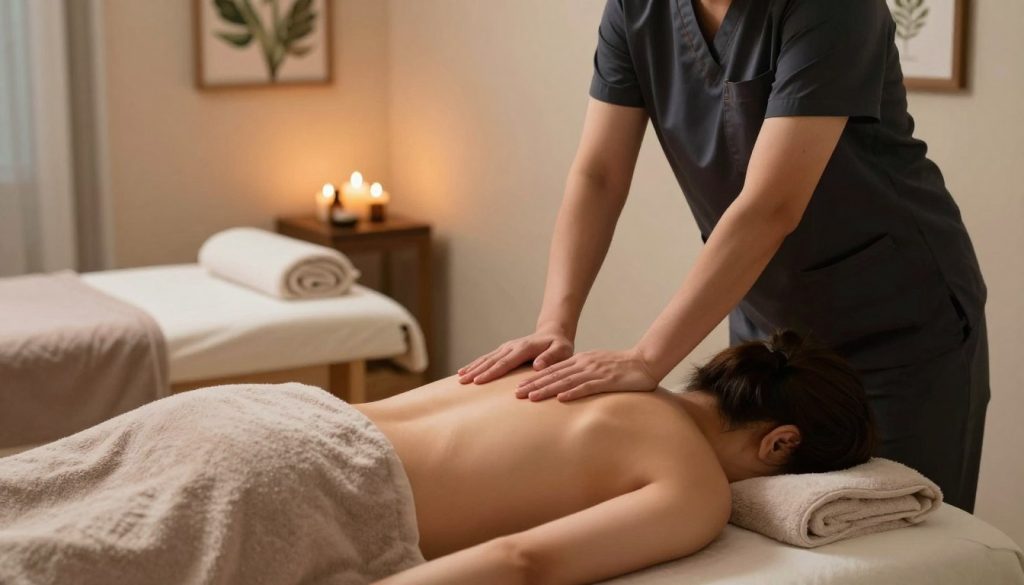
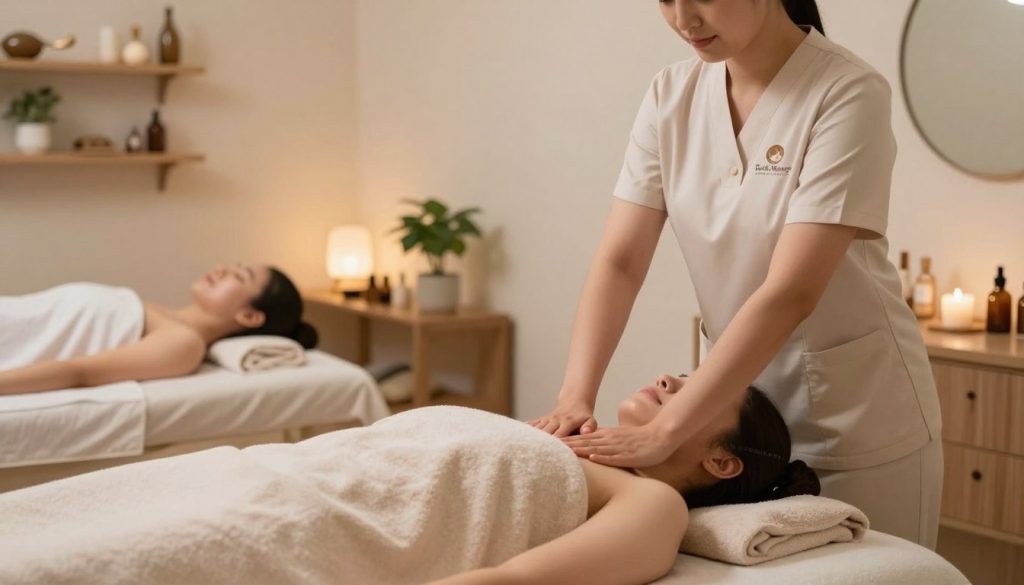
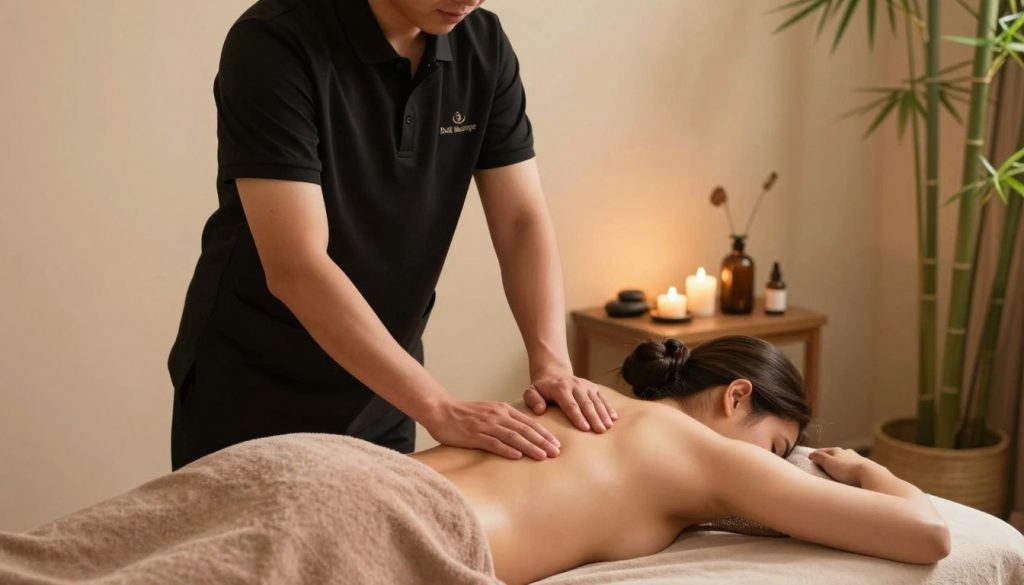
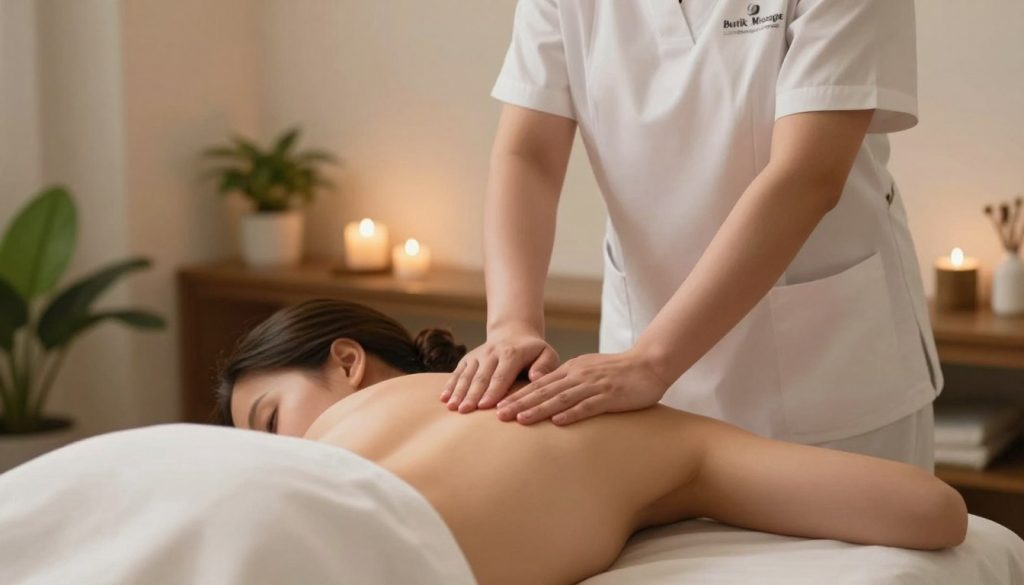
Have you ever wondered why some muscle pain persists despite trying various treatments? The answer might lie in accessing the deeper layers of your musculature. Standard relaxation methods cannot reach these areas.
This therapeutic approach is known as derin doku masajı nedir in Turkish. It represents a specialized form of bodywork designed for chronic tension. It also helps with restricted movement patterns.
Unlike gentle relaxation techniques, this method uses sustained, focused pressure. It targets muscles and connective tissue beneath the surface.
The fundamental difference lies in how practitioners navigate through your body’s anatomical layers. Swedish methods focus on relaxation. This technique evolved to address specific problem areas with strategic pressure application.
You’ll discover the exact techniques therapists employ in this guide. You’ll learn how pressure levels are customized to your tolerance. You’ll also understand what happens before, during, and after your session.
You’ll gain the knowledge needed to determine if this powerful therapeutic option aligns with your health goals. You’ll also learn how to approach your first appointment with confidence.
Key Takeaways
This specialized bodywork targets deeper muscle layers and fascia using sustained pressure rather than gentle strokes
The technique differs significantly from relaxation-focused Swedish methods by addressing chronic tension and pain patterns
Practitioners customize pressure levels based on your individual tolerance and therapeutic needs
Understanding proper techniques helps you identify qualified therapists and set realistic expectations
Sessions involve specific preparation steps and post-treatment care for optimal results
This approach is particularly effective for chronic muscle tension, restricted movement, and persistent discomfort
Understanding Deep Tissue Massage
Deep tissue massage goes beyond simply applying more pressure during sessions. This therapy requires specialized knowledge of anatomy and precise techniques. It effectively reaches and treats the body’s deeper muscle layers.
Understanding how this approach works helps you make informed treatment decisions.
Deep tissue massage evolved from traditional Swedish massage but uses fundamentally different strategies. The technique focuses on accessing deeper muscles and fascia through sustained pressure. Specific stroke patterns deliver therapeutic benefits while respecting your body’s natural protective responses.
What Makes This Technique Different
Deep tissue massage terapisi represents a clinical approach to treating chronic musculoskeletal conditions. The technique uses slower strokes and more direct pressure on specific problem areas. This targeted method addresses the root causes of pain and dysfunction.
Your body contains multiple tissue layers that practitioners must navigate carefully. These layers include:
Superficial fascia beneath the skin surface
Multiple muscle layers with varying fiber directions
Deep stabilizing muscles near the skeletal structure
Connective tissue networks binding everything together
Practitioners begin each session with broad warming strokes to prepare your tissues. This preparation phase increases blood flow and tissue temperature. The progression from superficial to deep work allows your nervous system to adapt.
The fundamental principle involves using sustained pressure to penetrate through superficial tissues. This requires understanding anatomical layers and how to safely navigate through them. Proper technique prevents tissue damage while delivering effective treatment.
Deep tissue massage addresses several specific conditions within your body:
Fascial restrictions that limit movement and cause pain
Muscle adhesions from previous injuries or overuse
Scar tissue that creates compensation patterns
Trigger points contributing to referred pain
If you’re considering this therapy, you can experience deep tissue massage in Istanbul through qualified practitioners. The approach differs fundamentally from relaxation massage in both technique and therapeutic goals.
How This Practice Developed Over Time
The historical roots of deep tissue massage trace back to 19th-century Swedish massage techniques. Pehr Henrik Ling developed systematic approaches to manual therapy that formed the foundation. Modern practitioners refined these methods into distinct therapeutic modalities.
Deep tissue massage türkiye has integrated traditional wellness practices with contemporary therapeutic approaches. Turkish practitioners combine time-honored healing traditions with evidence-based techniques. This synthesis creates comprehensive treatment options for chronic pain management.
The evolution of this practice incorporated insights from multiple disciplines. Osteopathy contributed understanding of structural relationships within the body. Structural integration techniques, developed by Ida Rolf, influenced how practitioners approach fascial work.
Sports medicine research shaped modern deep tissue techniques significantly. Scientists studied how muscle tissue responds to different pressure applications. These findings helped practitioners develop safer, more effective treatment protocols.
Historical Period
Key Development
Impact on Practice
1800s
Swedish massage foundation established
Created systematic manual therapy approaches
Early 1900s
Osteopathic principles integrated
Added structural understanding to treatment
1960s-1970s
Structural integration developed
Introduced fascial release techniques
1980s-Present
Sports medicine research applied
Evidence-based protocols established
Contemporary deep tissue massage represents a sophisticated, evidence-informed therapeutic practice. It combines anatomical knowledge with clinical experience and research findings. This approach moves beyond the misconception of “massage with more pressure.”
Understanding this historical context helps you appreciate the depth of knowledge behind your treatment. Practitioners today draw on decades of refinement and scientific study. This foundation ensures you receive safe, effective care tailored to your specific needs.
Techniques Used in Deep Tissue Massage
Deep tissue massage works through layers of soft tissue using specific therapeutic techniques. Practitioners use various manual methods to address tissue restrictions and pain patterns. These core techniques help you understand what happens during your session.
Each technique serves a distinct purpose in your treatment plan. Some methods target muscle fibers directly while others address surrounding connective tissue. Your therapist chooses approaches based on your individual assessment and treatment goals.
Fascial Release Methods
Fascia forms a continuous web of connective tissue throughout your entire body. This tissue surrounds every muscle, organ, and structure in your system. Restrictions develop from injury, inflammation, poor posture, or repetitive stress.
These restrictions create pain and limit movement in connected areas. They can persist long after the initial injury heals. This creates chronic discomfort patterns that affect daily activities.
Myofascial release uses sustained, gentle pressure on fascial restrictions. This technique works with your body’s natural ability to release tissue. Practitioners hold positions for several minutes while fascia slowly reorganizes and lengthens.
The technique requires exceptional sensitivity to tissue response. Your therapist feels subtle changes as restrictions release and follows fascial planes. This approach creates lasting improvements in mobility and pain reduction.
Targeting Hyperirritable Muscle Points
Trigger points are hyperirritable spots within muscles that create referred pain patterns. Shoulder trigger points often create headaches throughout your head. Hip points may refer pain down your leg.
These points develop when muscle fibers remain in a contracted state. This creates local tissue hypoxia and perpetuates pain cycles. The result is persistent discomfort in multiple body areas.
Practitioners locate trigger points through careful palpation of muscle tissue. They feel for taut bands within muscles and reproduce your familiar pain. Sustained compression is applied directly to the point for 30 to 90 seconds.
The pressure level creates therapeutic discomfort without severe pain. This sustained pressure reduces local oxygen deprivation and interrupts neurological pain cycles. Many people experience dramatic and immediate pain relief as points release.
Technique
Primary Purpose
Pressure Duration
Best For
Myofascial Release
Address connective tissue restrictions
2-5 minutes per area
Chronic tightness, postural issues
Trigger Point Therapy
Release hyperirritable muscle spots
30-90 seconds per point
Referred pain, headaches
Stripping Techniques
Separate adhered muscle fibers
Continuous slow strokes
Muscle adhesions, limited mobility
Cross-Fiber Friction
Break up scar tissue
1-2 minutes per area
Tendinitis, chronic strains
Stripping and Compression Applications
Stripping techniques involve slow, deliberate strokes along muscle fibers. Therapists use fingers, knuckles, forearms, or elbows for these movements. These strokes separate adhered fibers and restore normal tissue mobility.
The deliberately slow speed allows tissues time to respond naturally. Moving too quickly forces tissues rather than allowing natural release. The stripping motion follows the muscle from origin to insertion.
Compression uses static pressure that gradually sinks into tissue layers. Unlike gliding strokes, compression uses body weight rather than muscle strength. This approach ensures sustainable practice for therapists and consistent treatment for you.
Cross-fiber friction works perpendicular to muscle fiber direction. This technique breaks up adhesions and scar tissue effectively. It proves particularly useful for treating tendinitis and chronic muscle strains.
Pin-and-stretch methods combine sustained pressure with active movement. Your therapist holds pressure on a specific point during joint movement. This combination lengthens restricted tissues more effectively than static stretching alone.
The art of deep tissue massage lies not in how much pressure you apply, but in how skillfully you apply it and how well you listen to tissue responses.
Understanding these derin doku masajı teknikleri helps you appreciate the technical skill required. Each method addresses specific tissue problems with precision and care. Experienced practitioners seamlessly combine techniques based on what your body needs during each session.
Pressure Levels in Deep Tissue Massage
Many people think deep tissue massage requires maximum force. The reality involves a sophisticated approach to pressure management. Your treatment’s effectiveness depends on how skillfully your therapist applies graduated pressure.
Understanding these pressure levels helps you become an active participant in healing. You won’t be just a passive recipient of treatment.
The concept of “deep” refers to reaching deeper muscle layers and fascia. It doesn’t simply mean applying intense force. Your practitioner uses pressure as a communication tool with your tissues.
This approach respects your body’s natural protective mechanisms. It achieves therapeutic goals at the same time.
Pressure calibration emerges as one of the most critical factors determining treatment success. Your body responds differently at various pressure levels. Skilled practitioners recognize these responses to optimize your session outcomes.
Understanding Progressive Pressure Application
Effective deep tissue work begins with a systematic progression through different pressure intensities. Your therapist starts with lighter contact to assess tissue quality. This initial phase warms your muscles and prepares them for deeper work.
As your tissues respond and relax, pressure gradually increases. This progression follows your body’s readiness rather than forcing through resistance. The “therapeutic window” describes the optimal pressure point where tissues begin to release.
This therapeutic window varies significantly between individuals. Factors affecting your optimal pressure include pain tolerance and tissue condition. Hydration status and stress levels also play important roles.
Even different areas of your own body require different pressure levels. This depends on muscle mass, proximity to bone, and existing tension patterns.
Moving through tissue layers requires understanding their distinct qualities. Each layer responds differently to pressure. Each layer demands specific techniques.
Superficial layer: Skin and surface fascia move easily with light, broad pressure using techniques like kneading to warm tissues
First muscle layer: Requires moderate pressure with broader hand contact to engage without overwhelming tissues
Deep muscle layers: Need sustained, focused pressure through smaller contact areas like thumbs, knuckles, or elbows
Deep fascia: Responds to slow, deliberate pressure that allows time for tissue reorganization
Each layer must be properly prepared before your therapist proceeds deeper. Attempting to force through unprepared tissues creates unnecessary pain. It can trigger protective spasms that prevent therapeutic progress.
Massage therapy is generally designed to be a relaxing and soothing experience, though some techniques may involve pressure that could cause mild discomfort. The level of pressure applied can vary depending on the type of massage and individual tolerance.
The pressure intensity you experience should feel productive rather than merely painful. Therapeutic discomfort differs from counterproductive pain in several key ways. Therapeutic pressure feels intense but ultimately satisfying.
Counterproductive pain triggers your body’s protective responses. You might hold your breath or tense surrounding muscles. These reactions signal that pressure exceeds your therapeutic window and requires immediate adjustment.
Your ability to recognize situations requiring pressure adjustment empowers you. You can participate actively in your treatment. Clear communication with your practitioner throughout the session ensures optimal results.
Pressure should be reduced immediately when you experience certain warning signs. Sharp or radiating pain indicates nerve involvement or excessive force. Holding your breath signals that your nervous system has activated protective responses.
Bruising suggests capillary damage from excessive pressure. Extreme tenderness that persists beyond the session indicates tissue trauma. These signs require your therapist to modify their approach immediately.
Conversely, pressure can gradually increase under the right conditions. When your tissues feel warm and pliable, they’re prepared for deeper work. Easy, relaxed breathing despite intensity indicates your nervous system remains calm.
The sensation should feel productive. Your muscles should feel like they’re releasing rather than resisting. You might describe it as intense but satisfying.
Several factors affect your pressure tolerance on different days:
Hydration status significantly impacts tissue pliability and pain sensitivity
Stress levels influence muscle tension and nervous system reactivity
Recent physical activity affects tissue inflammation and soreness
Time of day changes pain perception and muscle responsiveness
Menstrual cycle (for women) alters pain thresholds and tissue sensitivity
Understanding these variables helps explain why the same pressure might feel different. Your body’s needs change constantly. Effective treatment adapts to these fluctuations.
Using numerical scales enhances communication clarity. Many practitioners ask you to rate pressure from 1 to 10. Most effective deep tissue work occurs in the 6 to 7 range.
Your feedback guides your practitioner’s decisions throughout the session. Speak up immediately when pressure feels too intense. Remember that your comfort threshold directly impacts treatment effectiveness.
The relationship between pressure and therapeutic outcome is not linear. More pressure does not automatically produce better results. The right pressure at the right time creates optimal conditions for healing.
Session Expectations for Deep Tissue Massage
Every deep tissue massage session follows a structured approach designed to address your specific needs. Understanding the complete process helps you feel more comfortable and confident about your treatment. From booking your appointment to the days after, each phase plays an important role.
Your massage experience involves three distinct phases that work together to create lasting results. The consultation establishes your treatment foundation. The session itself provides targeted therapeutic work, and proper aftercare ensures you maintain the benefits.
Considering deep tissue masaj fiyatları in Turkey? Quality sessions include all these components rather than just time on the table.
Preparation begins before you even arrive at your appointment. Staying hydrated in the 24 hours prior helps your tissues respond better to treatment. Wearing comfortable, loose-fitting clothing makes the transition easier.
Arriving 10-15 minutes early allows you to complete necessary paperwork without feeling rushed.
Your First Appointment Assessment
Your initial visit starts with a comprehensive intake process that goes far beyond simple paperwork. You’ll complete forms documenting your medical history, current symptoms, medications, previous injuries, and specific treatment goals. This information helps your practitioner develop a safe and effective approach tailored to your unique situation.
The consultation phase allows you to discuss conditions that might require treatment modifications. Your practitioner needs to know about blood clots, acute injuries, skin conditions, pregnancy, recent surgeries, or inflammatory conditions. These factors don’t necessarily prevent treatment, but they do inform how your therapist approaches your session.
Understanding what you need to know about massage helps you provide relevant information during this crucial discussion.
Your practitioner will conduct a physical assessment examining your posture, movement patterns, and tissue condition. This evaluation identifies areas of restriction, asymmetry, or compensation patterns contributing to your symptoms. You might be asked to perform simple movements that reveal how your body functions.
This assessment phase represents much more than an administrative requirement. It forms the foundation for effective treatment by ensuring your practitioner understands your specific needs. The time invested in thorough evaluation directly impacts your treatment outcomes.
This helps justify the deep tissue masaj fiyatları you’ll encounter at professional facilities.
Inside Your Treatment Session
Once the assessment concludes, your practitioner will explain what to expect. They leave the room while you undress to your comfort level. Most people undress to their underwear for comprehensive body access, though you remain draped with sheets throughout.
Only the specific area being worked on will be exposed at any given time.
Your session typically progresses through several distinct phases. The treatment begins with broader, warming strokes that prepare your tissues for deeper work. This initial phase increases circulation and helps your nervous system relax.
As your tissues warm and soften, your practitioner transitions to more focused, sustained pressure on specific areas. You’ll likely feel significant intensity during this phase, though it should remain within your tolerance. Communication throughout the session ensures the pressure stays at an appropriate level for therapeutic benefit.
Your massage therapy session may incorporate several techniques based on your needs:
Sustained pressure applied to trigger points and areas of chronic tension
Active or passive stretching to improve range of motion and tissue flexibility
Cross-fiber friction that addresses adhesions and scar tissue
Myofascial release techniques that target connective tissue restrictions
Integration work including gentle rocking or light strokes at session end
The room temperature, music selection, and conversation level can be adjusted to your preferences. Some people prefer silence during treatment to focus on the sensations and relaxation. Others appreciate light conversation.
Your comfort matters, so communicate your preferences clearly.
You’ll experience various sensations during deep tissue work. Feelings of intensity, temporary tenderness, deep relaxation, or even emotional release are all normal responses. However, sharp pain, burning sensations, or numbness should be communicated immediately.
Maximizing Benefits After Your Session
What you do after your massage therapy session significantly impacts your results and recovery. Proper aftercare helps your body integrate the therapeutic changes and minimizes any temporary discomfort. Following specific guidelines ensures you get the most value from your investment.
The integration work at session end helps prepare your nervous system to process the changes. This final phase often includes gentle rocking, light stretching, or energy work. It signals your body to shift from therapeutic stress to relaxation and healing.
Your post-treatment care should follow these essential guidelines:
Aftercare Action
Timing
Purpose
Expected Result
Drink extra water
8-10 glasses in 24 hours
Flush metabolic waste from tissues
Reduced soreness and faster recovery
Avoid strenuous exercise
24 hours post-treatment
Allow body to integrate changes
Better treatment outcomes
Apply heat or ice
As needed for comfort
Manage inflammation and soreness
Improved comfort levels
Practice gentle stretching
Daily following session
Maintain improved range of motion
Longer-lasting flexibility gains
Some temporary soreness typically occurs 24-48 hours after your session as your tissues adapt to changes. This post-treatment soreness resembles the feeling after exercise and generally subsides within a few days. The immediate effects you’ll notice include increased range of motion, decreased muscle tension, and improved circulation.
You might experience increased urination as your body processes released toxins and metabolic waste. Some people report emotional responses as physical tension releases, which is a normal part of healing. Adequate rest supports your body’s natural healing mechanisms and helps consolidate the therapeutic benefits.
Positive effects typically include reduced pain levels, improved mobility, better sleep quality, and decreased stress. These benefits often become more apparent in the days following your treatment. Regular sessions build on these improvements, creating cumulative benefits over time.
Evaluating deep tissue masaj fiyatları in Turkey? Several factors influence session costs. Practitioner experience and credentials affect pricing, as therapists with advanced training typically charge higher rates.
Session length matters too, with deep tissue work usually requiring 60-90 minutes. Geographic location within Turkey impacts pricing structures, with metropolitan areas generally commanding higher rates than smaller cities. Facility quality, including amenities and environment, also factors into cost considerations.
Practitioners specializing in therapeutic work rather than spa-style massage often charge premium rates. These rates reflect their advanced skills and targeted approach.
Understanding these components helps you make informed decisions about investing in your therapeutic care. Quality deep tissue massage represents an investment in your health and well-being. Proper session structure and aftercare ensure you receive maximum value from each treatment.
Benefits of Deep Tissue Massage
Deep tissue massage offers remarkable advantages for your overall wellness. The deep tissue massage faydaları extend far beyond temporary relief. You gain lasting improvements in your physical and mental health through consistent treatment.
Physical and Mental Health Benefits
Your body responds to deep tissue massage with reduced chronic pain. It also improves your flexibility significantly. Blood circulation increases throughout treated areas.
This delivers essential nutrients to your tissues. It also removes waste products from your body.
Scar tissue and adhesions break down during treatment. Your muscles return to their natural length. Posture improves as holding patterns release.
Athletes experience faster recovery from intense training.
Your mental health benefits significantly from regular sessions. Stress levels decrease as cortisol drops in your system. Serotonin and dopamine increase naturally.
Sleep quality improves when chronic pain diminishes. You develop better body awareness through treatment.
Conditions Treated by Deep Tissue Massage
Deep tissue massage effectively addresses chronic low back pain. It also treats neck tension successfully. Frozen shoulder and sciatica respond well to targeted treatment.
Runners find relief from IT band syndrome through this approach.
Tennis elbow improves with appropriate pressure adjustments. Carpal tunnel syndrome and fibromyalgia also respond positively. Your temporomandibular joint dysfunction decreases through skilled manipulation.
Tension headaches reduce with regular treatment. Whiplash injuries and postural dysfunction benefit from this therapeutic method.
You achieve optimal results by combining massage with exercise. Add stretching and stress management techniques for best outcomes. Your commitment to regular sessions creates lasting positive changes.