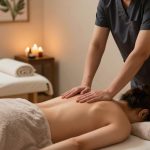
A simple 15-minute treatment could cut your anxiety and pain by over half. This powerful benefit has led wellness seekers worldwide to discover indian head massage. This ancient practice has over a thousand years of proven history.
Champissage is another name for this Ayurvedic treatment. It targets areas where your body holds the most tension. The therapy works on your neck, shoulders, upper back, and scalp.
The Journal of Alternative and Complementary Medicine published impressive research results. A 2016 study showed participants had 50-60% less anxiety and pain. The International Journal of Neuroscience confirmed better blood flow to the brain.
Sessions usually last 20 to 30 minutes. This makes the treatment ideal for busy people in Turkey. This guide covers proper techniques, best session length, and key preparation steps.
Key Takeaways
Head massage therapy sessions typically range from 20 to 30 minutes, fitting easily into busy schedules
Scientific research shows 50-60% reduction in anxiety and pain after just 15 minutes of treatment
The practice targets stress-storing areas including the scalp, neck, shoulders, and upper back
Treatment combines Ayurvedic finger movements with marma point stimulation techniques
Studies confirm improved blood circulation to the brain, reducing stress and mental fog
This ancient practice has been refined over a thousand years and remains relevant for modern wellness
What Is Indian Head Massage?
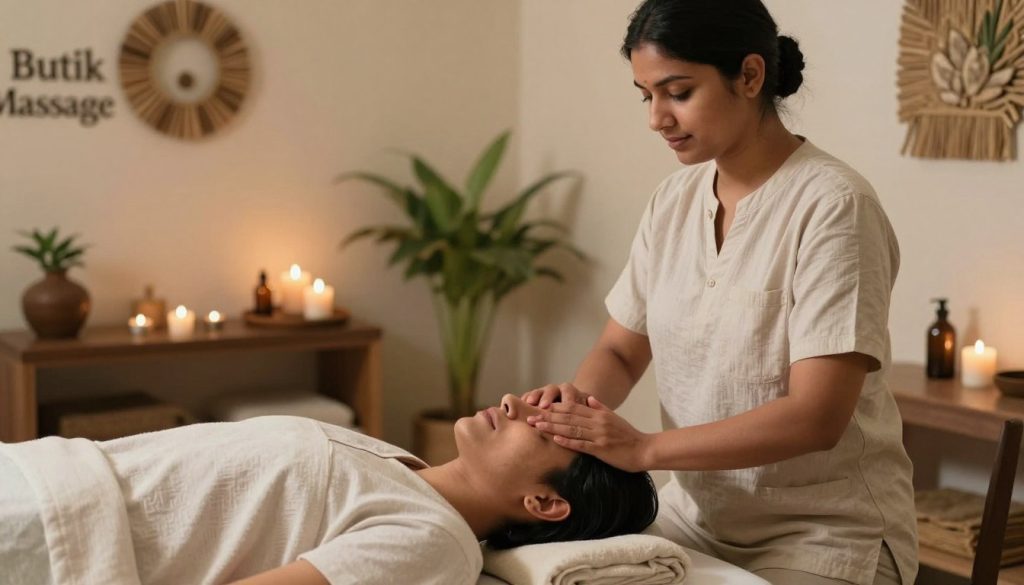
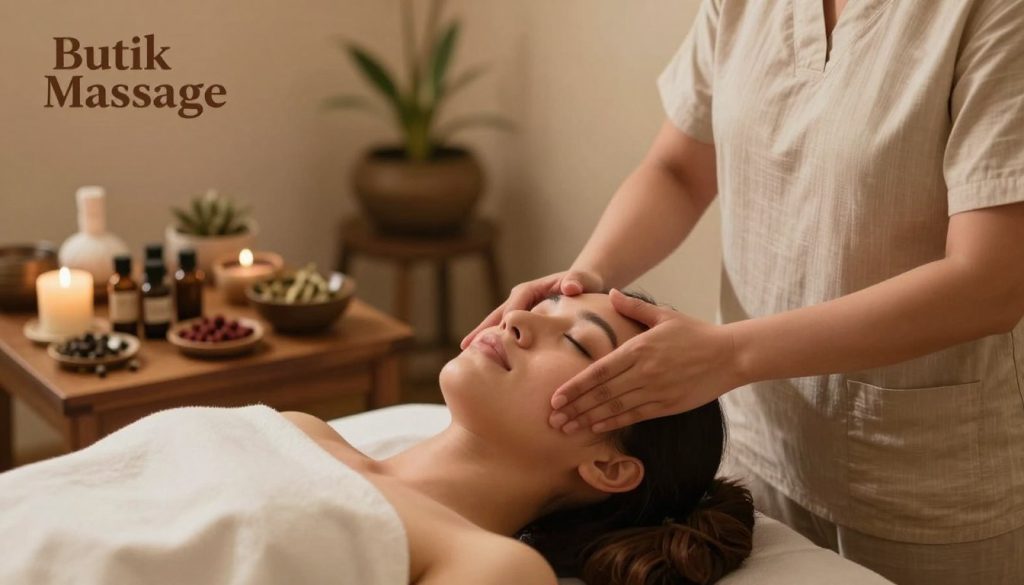
This ancient healing technique, known as champissage massage in its homeland, offers remarkable benefits for modern life. The practice focuses on your head, neck, and shoulders using specific hand movements. These circular massage strokes work to balance your body’s energy and enhance blood circulation.
You receive this therapy while seated comfortably, making it accessible and convenient. The practitioner uses their hands to apply various pressure techniques to specific points. This approach differs from traditional table massages and can even be performed through clothing.
The treatment targets marma points, which are vital energy centers in Ayurvedic medicine. These points serve as gateways to your body’s natural healing abilities. By stimulating them properly, you can experience both physical relief and mental clarity.
Ancient Roots of This Healing Practice
Traditional indian massage has been practiced for over one thousand years in India. The technique emerged from Ayurvedic healing traditions, which form one of the world’s oldest medical systems. Families passed down these methods through generations, preserving the wisdom of this therapeutic art.
The word “champissage” comes from the Hindi word “champi,” which means head massage. This naming reflects the practice’s cultural authenticity and deep roots. India’s spiritual culture also gave the world yoga and meditation, all sharing similar holistic principles.
Ayurvedic practitioners originally developed these techniques to balance the body’s three doshas. They believed that energy flow through marma points affected overall health.
The practice spread beyond India during the 1970s and 1980s. Western wellness practitioners discovered its benefits and brought it to new audiences. Today, you can find certified therapists offering this service worldwide.
Comprehensive Health Advantages
You can experience numerous physical benefits from regular champissage massage sessions. The improved blood circulation to your scalp delivers more oxygen and nutrients to your brain. This enhanced flow helps reduce mental fatigue and brain fog significantly.
Research from the American Massage Therapy Association documented impressive results. Their studies showed 50 to 60 percent reductions in anxiety levels among participants. The Journal of Alternative and Complementary Medicine reported similar decreases in pain perception.
Your mental well-being improves through several mechanisms during treatment. The therapy helps your body release tension accumulated from daily stress. You may notice better sleep quality and reduced symptoms of depression after consistent sessions.
The physical benefits extend to your hair and scalp health as well. Increased blood flow nourishes your hair follicles, potentially promoting healthier growth. The massage techniques also help clear your sinuses and reduce headache frequency.
Your concentration levels typically improve because the therapy reduces mental distractions. Many people report feeling more present and aware after treatment. This enhanced sense of well-being can last for several days following your session.
The holistic approach addresses both physical symptoms and emotional states simultaneously. You don’t need to choose between treating body or mind. This integrated method explains why the practice remains popular across diverse cultures today.
Key Techniques Used in Indian Head Massage
Practitioners use specialized hand techniques to deliver full massage benefits. These methods have been refined over generations. They target specific tension areas effectively.
The massage follows a systematic sequence with distinct stages. You’ll experience different hand movements that stimulate circulation. Each technique serves a specific therapeutic purpose.
Tapping and Rubbing Techniques
Your practitioner uses precise hand movements across your head and shoulders. Circular massage strokes form the treatment foundation. These motions start at your crown and work outward.
Rhythmic tapping movements stimulate nerve endings and awaken your senses. The practitioner’s fingers create gentle percussion patterns across your scalp. This technique increases blood flow and releases accumulated tension.
Rubbing techniques warm the tissue and prepare muscles for deeper work. Your therapist applies smooth, continuous strokes to your neck and shoulders. The combination of tapping and rubbing creates balanced relaxation.
Different circular motions target specific muscle groups in your upper body. The practitioner adjusts speed and intensity based on your comfort. If you want to learn how to do Indian head massage yourself, understanding these movements is essential.
Pressure Points to Focus On
Marma points represent vital energy centers in Ayurvedic tradition. These specific locations on your scalp, temples, and shoulders hold therapeutic significance. Applying appropriate pressure releases blocked energy and restores natural balance.
Key pressure points include areas at your skull base where tension accumulates. Your temples receive focused attention to alleviate headaches and reduce sinus congestion. The practitioner also works on shoulder points to address upper body stiffness.
The massage of marma points follows traditional ayurvedic principles developed over centuries. Your therapist knows exactly how much pressure to apply. This targeted approach produces benefits beyond simple muscle relaxation.
Pressure Point Location
Primary Benefits
Technique Used
Crown of head
Mental clarity, stress relief
Gentle circular pressure
Temples
Headache relief, sinus drainage
Firm rotational movements
Base of skull
Neck tension release, improved circulation
Deep sustained pressure
Shoulder points
Upper body relaxation, posture improvement
Kneading and compression
Use of Oils for Enhancement
Traditional practice uses warm Ayurvedic oils to enhance therapeutic effects. Coconut oil and sesame oil are the most common options. These natural oils nourish your scalp and improve blood flow.
Warm oil application happens at the beginning of your session. Your practitioner heats the oil to a comfortable temperature. The warmth helps your muscles relax more quickly.
The oil serves multiple purposes beyond simple lubrication for hand movements. It nourishes your hair follicles and removes scalp dryness. The moisturizing properties continue to benefit your skin after the session.
However, oil use remains optional based on your preferences. Many practitioners perform seated head massage without oils for convenience. The techniques remain effective either way, though oil enhances the overall experience.
How Long Does an Indian Head Massage Session Last?
Time matters, and knowing session length helps you schedule this therapeutic treatment easily. This massage style offers flexibility that fits various schedules. You can choose a quick refresh or a thorough relaxation session.
Standard Session Timeframes
Most professional Indian head massage sessions last between 20 and 30 minutes. This timeframe covers all key areas while delivering meaningful therapeutic benefits. You can schedule a seated head massage during your workday without disrupting your afternoon.
This treatment adapts to your needs beautifully. A quick session of just 3 to 4 minutes provides immediate stress relief. These brief sessions focus on tension-prone areas for fast results.
Longer sessions up to 30 minutes offer more comprehensive relaxation. Your practitioner spends extra time on specific pressure points and includes extensive shoulder work. The treatment works while you remain fully clothed, perfect for workplace wellness programs.
Effectiveness comes from targeting the right pressure points, not extended duration. Even shorter sessions bring satisfaction and deep relaxation.
Variables That Influence Session Length
Several factors determine your head and shoulder massage duration. Understanding these variables helps you communicate preferences at wellness centers throughout Turkey.
Your session duration depends on these key considerations:
Treatment scope – A focused scalp-only treatment takes less time than comprehensive work including shoulders and neck
Oil application – Sessions incorporating therapeutic oils require additional time for proper application and absorption
Your therapeutic goals – Quick stress relief sessions are shorter than deep relaxation treatments
Practitioner technique – Different therapists have varying approaches that affect timing
Consultation and rest periods – Some sessions include initial discussion time and a brief resting phase afterward
A seated head massage generally runs shorter than full treatments with extensive oil work. If your practitioner uses aromatic oils, expect to add 5 to 10 minutes. This extra time allows oils to penetrate your scalp and hair properly.
Session Type
Duration
Best For
Quick Relief
3-5 minutes
Lunch breaks, immediate stress reduction
Standard Session
20-25 minutes
Regular wellness maintenance, balanced relaxation
Extended Treatment
25-30 minutes
Deep relaxation, comprehensive shoulder work with oils
Workplace Wellness
15-20 minutes
Office settings, clothed seated sessions
Discuss your time constraints with your practitioner during scheduling. They can customize the session to fit your available time while delivering therapeutic benefits. Many wellness centers in Turkey offer flexible scheduling for quick sessions and extensive treatments.
Preparing for Your Indian Head Massage
Getting the most from your stress relief head massage starts before you arrive. Simple preparation steps ensure maximum relaxation and therapeutic benefits during your session. This ancient technique requires minimal effort but thoughtful preparation enhances your experience.
One appealing aspect is the convenience factor. You can enjoy this treatment while fully clothed. This makes it easy to fit into your busy schedule in Turkey.
You can squeeze in a session during lunch or after work. The simple preparation means you won’t worry about complicated routines.
Setting Up Your Space for Maximum Comfort
Creating the right atmosphere transforms a good massage into an exceptional one. Your treatment environment affects how quickly your nervous system relaxes. The surrounding space should invite calmness before the practitioner begins.
Quiet surroundings form the foundation of an effective stress relief head massage. Background noise disrupts your ability to disconnect from daily worries. Choose a location where distractions are minimal and interruptions unlikely.
Lighting makes a significant difference in your relaxation journey. Soft, dim lighting allows your eyes to rest. It signals your brain that it’s time to unwind.
Room temperature deserves attention as well. You’ll want a comfortably warm space that doesn’t leave you chilly or overheated. Most wellness centers in Turkey maintain ideal conditions.
If you’re preparing for an at-home session, adjust the thermostat beforehand.
Soothing background music enhances the entire experience. Gentle instrumental sounds or nature recordings help quiet mental chatter. Many practitioners begin sessions with guided breathing exercises to help you center yourself.
Deep breathing exercises before your massage help activate your parasympathetic nervous system, preparing your body to receive the full benefits of the treatment.
Choosing Appropriate Clothing and Accessories
Unlike many massage types, Indian head massage requires no wardrobe changes. You remain fully dressed throughout your entire session. This practical advantage means you can schedule appointments without worrying about changing facilities.
Wear comfortable clothing with loose collars that don’t restrict neck movement. Tight turtlenecks or stiff dress shirts can interfere with the practitioner’s work. Soft, breathable fabrics work best for your comfort during the session.
Remove jewelry before your appointment arrives. Earrings, necklaces, and hair accessories can get in the way during the massage. Taking these off ensures the therapist can access all necessary areas without obstruction.
You don’t need to bring special equipment or products. Professional practitioners provide everything necessary for your stress relief head massage session. The therapist uses only their skilled hands to perform the techniques.
If oils will be used during your treatment, consider bringing a small scarf. This protects your clothing afterward and prevents oil transfer to your car seat. However, many practitioners offer oil-free sessions specifically for clients returning immediately to work.
Selecting the Perfect Time for Your Session
Timing your appointment strategically maximizes the therapeutic benefits you receive. Different times of day offer distinct advantages depending on your personal goals. Understanding these options helps you make the best choice for your lifestyle.
Lunch break appointments provide quick stress relief during demanding workdays. A 30-minute session can reset your energy levels and improve afternoon focus. This timing works well for professionals managing tight schedules in Turkey’s bustling cities.
Late afternoon sessions help release accumulated tension from daily activities. By this time, stress has built up in your shoulders, neck, and scalp. A well-timed massage addresses this discomfort before it becomes chronic tension or headaches.
Evening appointments promote better sleep quality. The deep relaxation achieved during your session carries over into bedtime. This timing benefits those struggling with stress-related sleep difficulties.
Avoid scheduling immediately after heavy meals. Eating a large lunch or dinner before your massage can cause discomfort. Plan to eat lightly at least an hour before your appointment.
Allow yourself transition time after the session ends. Rushing immediately back to demanding activities diminishes the benefits you’ve received. Build in at least 10-15 minutes of quiet time before resuming your regular pace.
What to Expect During the Session
Knowing what happens during your massage helps you feel prepared and confident. The experience focuses on areas where your body stores stress and tension. Your practitioner works on your head, neck, shoulders, and upper back using skilled hands.
This therapeutic session follows a natural progression. Each stage builds upon the previous one to create complete relaxation. The treatment addresses both physical and mental wellbeing.
Pre-Treatment Assessment and Communication
Your session begins with an important conversation between you and your practitioner. This initial consultation establishes the foundation for safe and effective treatment. The discussion gets tailored to your unique needs.
Your therapist will ask you several important questions during this discussion. They need to understand your current health status. Any conditions you have might affect the massage approach.
Your complete health history and any existing medical conditions
Current stress levels and how tension manifests in your body
Specific areas where you experience pain or tightness
Whether you suffer from headaches, migraines, or recurring discomfort
Your preferences regarding massage pressure intensity
Any sensitivities or allergies to oils or fragrances
Open communication during this phase ensures your safety throughout the treatment. You should mention any recent injuries, surgical procedures, or concerns you might have. Your practitioner cannot read your mind, so honest dialogue helps customize the session.
Your therapist will also share information about the process itself. They’ll explain what sensations you might experience. They’ll discuss the indian scalp massage benefits you can anticipate from the treatment.
This exchange helps set realistic expectations. It also builds trust between you and your practitioner.
Treatment Progression and Methods
Once the consultation concludes, your actual massage session begins with preparatory exercises. Your practitioner guides you through deep breathing techniques while soothing music plays. This centering phase prepares your nervous system to receive the therapeutic work ahead.
The treatment then moves through several distinct stages. Each phase targets specific areas. Each serves a particular purpose in your overall relaxation.
Your therapist may begin by applying warm Ayurvedic oil to your scalp, neck, and shoulders. This oil creates a nourishing sensation against your skin. It improves blood flow while removing dryness and preparing your tissues for deeper work.
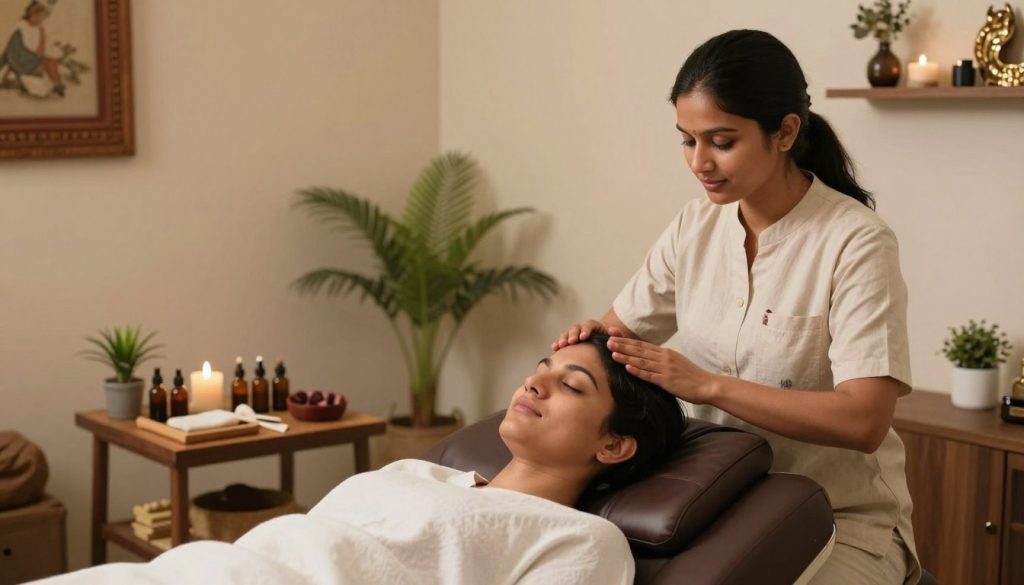
The scalp massage follows next, using circular motions across different regions of your head. Your practitioner works from the crown area down to the sides. These techniques remove stiffness and release mental fatigue from daily stress.
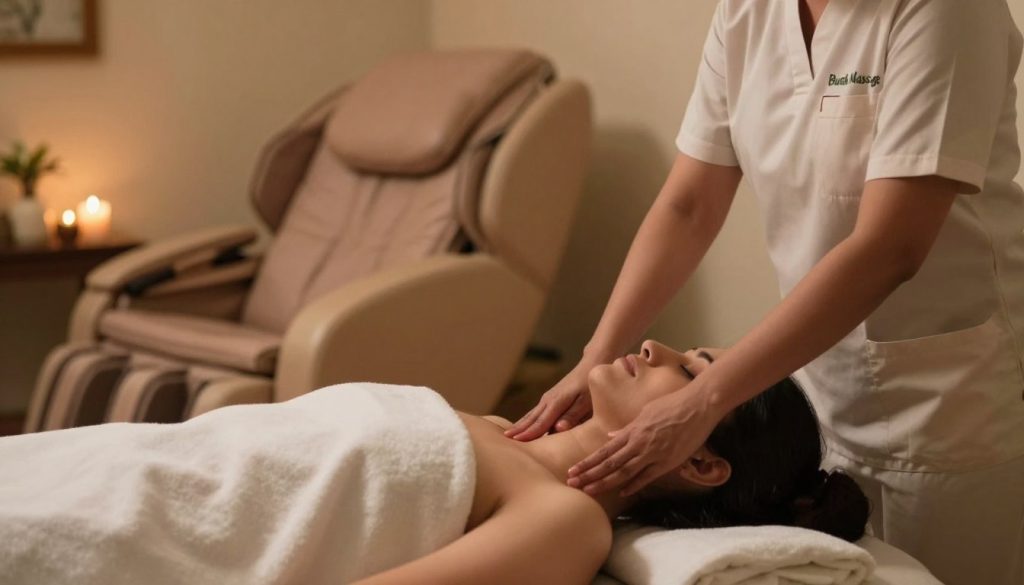
Attention then shifts to your neck and shoulder portion. This area holds significant tension, particularly in the cervical region. The focused massage here reduces headache triggers and releases accumulated stress.
Your therapist may include gentle facial and forehead work next. They use rotating finger movements along your temples, jawline, and other key areas. This technique brings peace to your mind and supports emotional balance.
The session concludes with a resting phase. You’re encouraged to simply relax or meditate quietly. This final stage allows your mind and body to relax completely.
Throughout the entire treatment, the massage should feel relaxing and comfortable. You might notice some tenderness in particularly tight areas. However, you should never experience actual pain.
Always communicate with your practitioner if any pressure feels too intense. They can adjust their technique immediately to ensure your comfort. Your feedback helps them deliver the most effective treatment possible.
Aftercare Tips for Maximum Benefit
Your head massage therapy doesn’t end when you leave the treatment room. The benefits continue working through your body for hours afterward. Proper care during this time helps you maximize your session results.
Activities to Avoid Post-Massage
Give your body time to absorb the full treatment effects. Skip vigorous exercise for at least two hours after your session. Your muscles are deeply relaxed and need recovery time.
If your practitioner used oils during the massage, wait three hours before washing your hair. This allows nourishing oils to penetrate your scalp completely. Avoid heavy meals or alcohol immediately afterward.
Don’t rush back into stressful work situations right away. Take time to transition gradually back to your daily routine. This protects the mental clarity and calm you’ve achieved.
How to Maintain Relaxation at Home
Practice simple scalp massage techniques between professional sessions. Use gentle circular motions on your temples and scalp. These movements help extend your stress relief benefits.
Drink plenty of water after your session to flush out released toxins. Establish a regular sleep routine to build on improved rest quality. Consider scheduling weekly or monthly sessions to maintain ongoing benefits.
Many wellness centers across Turkey offer package deals for regular treatments. This makes it easier to incorporate head massage therapy into your wellness routine.