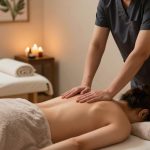
Have you wondered why tension stays in the same body spots each day? This happens even when you try your best to relax.
Your body holds tension in unique patterns. Some people get knots between their shoulder blades. Others fight racing thoughts that steal their sleep.
Therapeutic bodywork tackles these problems through two powerful methods. Skilled hands-on therapy makes your brain release calming hormones. These include serotonin, endorphins, and dopamine.
These natural chemicals boost your mood and reduce pain. Targeted pressure releases tight muscles where tension builds up. This approach counters your body’s alarm response directly.
It lowers cortisol production and activates your parasympathetic nervous system. Licensed therapists work on muscles, tendons, and soft tissues. This promotes deep relaxation for your entire body.
Knowing how anti stress massage works helps you pick the right techniques. You can match them to your specific wellness goals.
Key Takeaways
Therapeutic touch works through both biochemical and physical mechanisms to reduce tension in your body
Your brain releases serotonin, endorphins, and dopamine during sessions, creating natural mood enhancement
Targeted pressure on muscles activates your parasympathetic nervous system, shifting you from fight-or-flight to rest-and-digest mode
Cortisol levels decrease during treatment, directly countering your body’s response to chronic tension
Everyone experiences tension differently, requiring personalized approaches for effective relief
Licensed therapists apply specific techniques to muscles, tendons, and soft tissues for optimal results
Understanding Anti-Stress Massage Techniques
Anti-stress massage offers multiple paths to relief through specialized movements and pressure applications. Your body responds differently to various therapeutic methods. Understanding each approach helps you select the most effective treatment for your stress symptoms.
Modern wellness practices have refined these techniques over centuries. They combine traditional wisdom with contemporary knowledge of human physiology. The result is a comprehensive toolkit designed to address stress at its source.
Different Types of Anti-Stress Massage
Swedish massage forms the foundation of most relaxation techniques you’ll encounter. This approach uses five fundamental movements that work together systematically. Effleurage involves long, gliding strokes that calm your nervous system while promoting circulation.
Petrissage follows with lifting, squeezing, and rolling motions targeting your muscles directly. These kneading movements release knots and flush out lactic acid buildup. Friction applies deep circular pressure to specific trigger points where you hold chronic tension.
Tapotement delivers rhythmic percussive movements that stimulate nerve endings. Vibration techniques create subtle oscillations that penetrate deep into muscle tissue. Together, these methods create a comprehensive tension release experience.
Deep tissue massage employs slow, deliberate strokes with firm pressure. This modality reaches deeper muscle layers where chronic stress often resides. You’ll find this particularly effective for stubborn knots in your shoulders, neck, or back.
Hot stone massage introduces thermal therapy to your treatment. Heated basalt stones reach temperatures between 49°C and 60°C. These stones penetrate 4-5 centimeters into your muscle tissue, increasing blood flow by 50 percent.
Bamboo massage offers sustained, consistent pressure along your muscle fibers. Warmed bamboo canes of varying diameters act like therapist-guided tools. They provide pressure that human hands cannot maintain for extended periods.
Shiatsu applies finger and palm pressure on specific points throughout your body. This Japanese technique focuses on balancing your energy flow. Thai massage combines stretching and yoga-like movements with deep pressure, releasing physical and mental tension.
Aromatherapy massage blends Swedish strokes with essential oils selected for stress-reducing properties. Ashiatsu uses the therapist’s feet with overhead bars for support. Each modality brings distinct advantages to your stress management routine.
How Each Technique Reduces Stress
Your nervous system responds differently to each massage approach. Swedish massage directly activates your parasympathetic nervous system. This triggers your body’s natural relaxation response, lowering heart rate and reducing cortisol levels.
Deep tissue and bamboo massage break up adhesions in chronically tight fascia. Stress causes your muscles to guard and tighten, forming adhesions that restrict movement. Targeted pressure releases these restrictions, allowing your muscles to return to their natural state.
Hot stone massage uses thermal penetration to reduce muscle guarding. The heat causes your blood vessels to dilate, increasing oxygen and nutrient delivery. This thermal advantage helps your muscles release tension more readily than manual pressure alone.
Shiatsu addresses stress through energy rebalancing principles. Pressure applied to specific meridian points helps restore your body’s natural equilibrium. Thai massage creates stress reduction through assisted stretching, releasing accumulated tension in muscles and joints.
Massage Type
Primary Mechanism
Best For
Pressure Level
Swedish
Parasympathetic activation
General stress relief
Light to medium
Deep Tissue
Fascia adhesion release
Chronic muscle tension
Firm to deep
Hot Stone
Thermal vasodilation
Muscle guarding patterns
Medium with heat
Shiatsu
Energy point balancing
Holistic stress management
Firm and focused
Thai
Assisted stretching
Flexibility and mental tension
Deep with movement
Benefits of Regular Anti-Stress Massage
Consistency transforms occasional relief into lasting resilience against stress. Regular therapeutic massage creates cumulative benefits that extend far beyond immediate relaxation. Your circulation improves progressively, delivering vital oxygen throughout your body more efficiently.
Enhanced flexibility and range of motion develop gradually as chronic tension patterns dissolve. You’ll notice reduced symptoms of anxiety and depression. Better sleep quality emerges as your nervous system recalibrates to healthier baseline levels.
Your blood pressure decreases over time with consistent massage practice. Immune function strengthens as stress hormones decline and circulation improves. Tension headaches become less frequent as trigger points in your neck and shoulders release.
A single session provides immediate relief that you’ll appreciate. However, weekly or monthly massage builds protective resilience depending on your stress levels. This regular practice helps your body resist stress more effectively.
The greatest weapon against stress is our ability to choose one thought over another combined with therapeutic touch that reinforces this choice through physiological change.
The Importance of Pressure in Anti-Stress Massage
Pressure helps massage therapists access and release stress stored in your muscles. Therapeutic pressure on tight areas triggers mechanoreceptors in your skin and deeper tissues. These nerve endings send signals to your brain that release endorphins, your body’s natural painkillers.
This response encourages muscle fibers to release their contracted state. The right pressure determines if your session provides temporary relaxation or lasting relief. Understanding different pressure levels helps you communicate your needs and achieve optimal results.
Pressure levels in anti-stress massage range from light to firm. Each level serves specific therapeutic purposes. They address different manifestations of stress in your body.
Pressure Level
Massage Techniques
Penetration Depth
Best For
Light
Swedish, Lymphatic Drainage
Superficial tissue layers
General anxiety, racing thoughts, new massage clients
Light pressure works primarily on your superficial tissue layers and nervous system. This gentler approach activates your parasympathetic response. It shifts your body from stress mode to relaxation mode.
A calming massage treatment with lighter pressure proves most effective for general anxiety. It also works well if you’re new to massage therapy. Your body needs time to adapt to therapeutic touch.
Medium pressure provides deeper penetration while maintaining a soothing quality. Hot stone massage exemplifies this level perfectly. Heated stones at temperatures between 49-60°C create vasodilation in your blood vessels.
This thermal effect increases blood flow by approximately 50%. The enhanced circulation delivers more oxygen and nutrients to stressed tissues. The heat reduces your muscle guarding reflex.
The heat from therapeutic stones penetrates nearly double what manual pressure alone achieves, making medium pressure techniques exceptionally effective for stress-related muscle tightness.
Bamboo massage offers similar medium-pressure benefits. The smooth, firm quality of bamboo tools provides consistent pressure. This consistency translates to better results for you as a client.
Firm pressure targets your deepest muscle layers and dense fascia. These areas store chronic stress-related tension over weeks, months, or years. Deep tissue techniques use slow, deliberate strokes to reach these problem zones.
The pressure releases trigger points that cause radiating pain. Firm pressure becomes essential for meaningful relief if you have persistent knots. It also helps with restricted range of motion.
Ashiatsu offers unique advantages at the firm pressure level. Your therapist uses their feet instead of hands, elbows, or thumbs. This distributes pressure across a broader surface area.
You receive profound depth through controlled body weight without sharp, pointed sensation. The broad contact eliminates discomfort while achieving therapeutic intensity. It works well for stubborn tension patterns.
Finding the Right Pressure for You
Determining your optimal pressure level depends on several personal factors. No single approach works for everyone seeking stress relief through massage therapy.
Your individual pain tolerance represents the first consideration. This tolerance fluctuates based on your current stress levels and recent physical activity. What feels comfortable one week might feel different the next.
Consider these factors when discussing pressure with your massage therapist:
Location and depth of your tension (surface tightness versus deep-seated knots)
Whether your stress is acute (recent) or chronic (long-standing)
Your previous experience with massage therapy
Any areas of injury or inflammation that require modified pressure
Your personal preference for sensation during treatment
The type of tension you’re experiencing guides pressure selection significantly. Surface-level stress from a recent difficult week responds well to lighter techniques. Deep-seated patterns from years of desk work require firmer intervention.
Open communication with your massage therapist proves critical throughout your session. You should always feel empowered to request adjustments. Therapeutic pressure should involve intensity without crossing into actual pain.
A helpful guideline places ideal pressure at 6-7 out of 10. Never allow pressure to reach 8-10, which indicates potential tissue damage risk. Your therapist relies on your feedback to calibrate their technique precisely.
Effective massage therapy exists in the space between too gentle to create change and too intense to allow relaxation. Finding this balance requires honest communication between you and your therapist.
Understanding these pressure principles empowers you to articulate your needs clearly in Turkey. You can describe not just where you hurt, but what kind of pressure will help. This clarity ensures you receive a calming massage treatment perfectly calibrated to your tension patterns.
Your pressure preferences may evolve as your body responds to regular massage therapy. What started as a need for deep work might transition to maintenance with medium pressure. Stay attuned to your body’s signals and adjust your requests accordingly.
Ideal Session Length for Maximum Benefits
Finding the right session duration ensures you receive comprehensive treatment without overwhelming your nervous system. The time you spend on the massage table affects how thoroughly your therapist addresses tension areas. It also determines how deeply your body can shift into relaxation mode.
Session length varies based on massage type, your goals, and your individual needs.
Recommended Duration for Anti-Stress Massage
Most stress management massage sessions range from 30 to 90 minutes. This timeframe allows your therapist to work effectively while giving your body adequate time to respond. Shorter sessions focus on specific problem areas, while longer appointments provide full-body relaxation.
Swedish massage works best at 60 to 90 minutes for complete stress relief. This duration gives your therapist time to address all major muscle groups using flowing strokes. Your nervous system needs this extended period to fully transition into a restorative state.
Deep tissue massage typically runs 60 to 75 minutes. The slower, deliberate strokes require more time to penetrate deeper muscle layers safely. Your therapist cannot rush this technique without risking discomfort or inadequate results.
Hot stone massage sessions extend to 75 to 90 minutes due to stone placement requirements. The heated stones need time to warm your muscles properly. This thermal preparation makes subsequent massage strokes significantly more effective at releasing tension.
Bamboo massage delivers effective results in 60 to 75 minutes. The bamboo tools allow your therapist to apply sustained pressure efficiently. This timeframe balances thorough treatment with comfortable intensity levels.
Chair massage offers quick stress relief in just 10 to 30 minutes. These focused sessions target your neck, shoulders, upper back, and arms where tension concentrates. You remain clothed, making this option ideal for workplace settings or when time is limited.
Massage Type
Session Duration
Primary Purpose
Best Frequency
Swedish Massage
60-90 minutes
Full-body relaxation and stress reduction
Monthly maintenance
Deep Tissue
60-75 minutes
Chronic tension and muscle knots
Weekly or biweekly
Hot Stone
75-90 minutes
Deep muscle warming and relaxation
Biweekly to monthly
Chair Massage
10-30 minutes
Quick upper body tension relief
Weekly or as needed
Factors Influencing Session Length
Your treatment goals significantly impact optimal session duration. General relaxation and wellness maintenance require less time than addressing chronic pain or acute stress symptoms. Consider what you want to achieve when booking your appointment.
The number of body areas needing attention affects how long your session should last. Localized neck tension requires less time than full-body stress manifestation. Your therapist needs adequate time to properly treat each problem area.
Your massage experience level influences tolerance and ideal duration. Newcomers may find 60 minutes sufficient while their nervous system adapts to bodywork. Regular recipients often benefit from extended 90-minute restorative massage therapy sessions.
For general stress prevention and wellness, monthly 60-minute sessions maintain healthy baseline function. This frequency supports your body without requiring significant time commitment. You’ll notice sustained benefits between appointments.
Active stress management requires more frequent intervention. Weekly or biweekly 75-minute stress management massage sessions provide therapeutic momentum during high anxiety or tension. This intensive approach produces faster, more noticeable improvements.
Recovery from acute stress benefits from an initial intensive protocol. Start with weekly 90-minute restorative massage therapy sessions for four to six weeks. Then taper to biweekly or monthly maintenance as your symptoms improve.
Longer sessions are not always better—extending beyond 90 minutes can overstimulate your nervous system or cause processing fatigue.
The key lies in finding your duration sweet spot. You should leave feeling renewed rather than depleted. Your therapist can adjust session length based on how your body responds to treatment over time.
Choosing the Right Environment for Your Massage
Your massage environment acts as the foundation for stress relief. It influences how your nervous system responds to therapeutic touch. The space affects all your senses at once.
A well-designed massage space helps decrease stress hormones immediately. This happens before the therapist even touches you. The right environment prepares your body for healing.
Every element in your surroundings sends signals to your brain. Your nervous system constantly scans for potential threats. It can only release tension when it perceives complete safety.
Your body must shift from the stressed sympathetic state to the healing parasympathetic state. This transition forms the core of effective anti stress massage therapy.
Creating a Calming Atmosphere Through Sensory Design
The visual components of your massage space significantly influence your ability to relax. Soft, warm lighting helps your mind transition away from alertness. Earth tones and gentle blues create visual calm without overstimulation.
Minimal clutter in the treatment room allows your mind to quiet. A clean, organized space gives your brain fewer stimuli to process. This makes it easier to focus inward during your anti stress massage.
Sound plays an equally critical role in preparing your nervous system for healing. The ideal massage environment shields you from external noise. Traffic, conversations, or mechanical sounds can trigger stress responses.
Many therapists incorporate gentle instrumental music or nature sounds. Flowing water or rainfall creates a soothing backdrop. Some clients prefer complete silence based on personal preference.
The key is predictability and consistency in the auditory environment. Sudden or jarring sounds can immediately activate your stress response. This can undo the relaxation you’ve achieved.
Your auditory system needs to feel confident that no unexpected disturbances will occur. This confidence allows it to relax its constant vigilance.
Temperature control directly affects your muscles’ ability to release tension. Cold temperatures make your body instinctively contract muscles to generate warmth. This works against the relaxation goals of your session.
Professional massage rooms in Turkey maintain comfortable warmth. The ideal range is typically between 72-76°F (22-24°C). Adjustable options accommodate individual preferences.
Environmental Element
Optimal Condition
Impact on Stress Relief
Lighting
Soft, warm, dimmable
Reduces mental alertness, promotes melatonin production
Aromatherapy enhances stress reduction through your olfactory system. Essential oils like lavender reduce anxiety effectively. Chamomile promotes sleep, and bergamot lifts mood while decreasing stress.
These scents can be diffused in the space or incorporated into massage oils. They should remain subtle rather than overwhelming. The right balance creates a pleasant sensory experience.
Reputable therapists always ask about scent sensitivities or preferences before your session. What relaxes one person might trigger discomfort in another. Your individual response matters more than any general aromatherapy recommendation.
Ensuring Physical Comfort and Complete Privacy
Physical comfort requires professional equipment designed specifically for therapeutic work. A quality massage table with appropriate cushioning supports your body. It prevents pressure points that could cause discomfort.
Face cradles allow comfortable positioning when lying face-down. Bolsters and pillows support your knees and ankles in anatomically correct positions. This proper alignment enhances the effectiveness of your treatment.
Proper draping techniques maintain your warmth and dignity throughout the anti stress massage session. You remain covered with a sheet except for the specific area being worked on. This approach serves dual purposes.
Draping prevents heat loss that causes defensive muscle contraction. It also provides psychological safety that allows complete relaxation. You should never feel exposed or vulnerable during your treatment.
Professional therapists follow strict draping protocols that respect your comfort. These protocols allow access to the muscles requiring attention. Sessions typically occur in a quiet, relaxing environment.
Privacy encompasses both physical and informational dimensions. Physical privacy means receiving treatment in a dedicated room with a door. Curtained areas where sounds intrude don’t provide adequate privacy.
Your nervous system feels safer releasing protective tension patterns in true privacy. Knowing no one can see or hear you creates psychological safety. This safety is essential for deep relaxation.
Informational privacy ensures that your health information remains confidential. Treatment details and anything you share with your therapist stays private. Therapists maintain continuous communication about pressure and comfort level.
This confidentiality allows you to speak honestly about your stress levels. You can discuss physical concerns and treatment preferences openly. Your dialogue stays private and professional.
For certain massage styles like Thai and Shiatsu, the environment expectations differ. You typically wear loose, comfortable clothing such as yoga attire. Treatment often occurs on a floor mat rather than a table.
Before your session begins, feel welcomed to express any environmental preferences or concerns. Your therapist can adjust silence or music, temperature, and lighting. The goal is creating conditions where your nervous system feels safe.
Your comfort extends beyond physical elements to include emotional safety and trust. The environment should support the transition from stress to relaxation. This allows maximum stress-relief benefits from your massage session.
Pre-Massage Preparation Tips
The minutes before your massage appointment can change your treatment outcomes. Proper preparation helps your body respond better to therapeutic touch. These steps transform your stress relief massage therapy into a healing session.
What you do before arriving matters for your wellness investment. Your therapist reviews your health history during intake. However, your personal preparation starts much earlier.
Mental and Physical Readiness Strategies
Preparing your mind starts well before your scheduled session. Shift your focus from daily tasks toward receiving care. Set a clear intention like “I allow my body to release stored tension.”
Practice deep breathing exercises for five minutes before leaving. This simple technique calms your nervous system. It signals to your body that relaxation is safe.
Physical preparation centers on hydration as your primary focus. Drink 16 to 20 ounces of water two to three hours before your session. Proper hydration helps flush metabolic waste products from muscle tissue.
Massage mobilizes toxins into your lymphatic system and bloodstream during treatment. Adequate water intake ensures efficient elimination. Without sufficient hydration, you may experience post-massage soreness or headaches.
Meal timing significantly affects your comfort during treatment. Avoid heavy meals one to two hours before your massage appointment. A full stomach creates unnecessary discomfort when lying face-down on the table.
Choose a light snack 60 to 90 minutes prior if needed. This provides gentle energy without creating fullness. It won’t interfere with your therapeutic experience.
Essential Communication and Timing Practices
You’ll complete a health history form before your first session. This document asks about medical conditions, injuries, surgeries, medications, and pain areas. Approach this paperwork thoughtfully to ensure safe, effective care.
Communicate specific health information that affects treatment safety and effectiveness:
Any allergies to oils, lotions, or essential oils commonly used in massage
Current injuries or recent surgeries, even if they seem unrelated to treatment areas
Chronic conditions like high blood pressure, diabetes, osteoporosis, or autoimmune disorders
Pregnancy status, which requires specialized prenatal massage approaches
Specific areas you want your therapist to focus on or avoid entirely
Arrive 10 to 15 minutes early for your stress relief massage therapy appointment. This buffer time allows you to complete paperwork without rushing. You’ll start your session on time rather than losing valuable treatment minutes.
Consider these recommended techniques to optimize your readiness:
Preparation Area
What to Do
Why It Matters
Caffeine Consumption
Avoid caffeine 2-3 hours before your session
Stimulants work against the relaxation response you’re seeking
Personal Hygiene
Take a warm shower before your appointment if possible
Begins muscle relaxation process and ensures you feel fresh
Phone Management
Silence your device completely, not just vibrate mode
Allows full mental presence and permission to be unreachable
Clothing Choice
Wear comfortable, loose clothing that’s easy to remove
Facilitates quick preparation and redressing without stress
Avoid scheduling your massage right after stressful meetings or intense workouts. If your schedule doesn’t allow flexibility, arrive early for a transition period. This helps you shift between activities.
Plan practical considerations for after your session as well. Your body benefits from a gentle transition period following bodywork. Avoid scheduling demanding tasks immediately after your massage if possible.
Have water readily available for post-session hydration. Arrange transportation that doesn’t require intense concentration if needed. Some people feel deeply relaxed or slightly lightheaded after massage.
The quality of your preparation directly correlates to the depth of relaxation and therapeutic benefit you’ll experience during treatment.
These preparation practices represent opportunities rather than rigid requirements. Implementing one or two suggestions can meaningfully improve your treatment outcomes. Each step demonstrates investment in your own well-being.
Your massage therapist partners with you in creating optimal conditions for stress relief massage therapy. Open communication about your needs ensures personalized care. Taking time to prepare shows commitment to your self-care journey.
Post-Massage Care and Tips
Proper post-massage care can transform a single restorative massage therapy session into days of lasting benefits. How you treat your body after leaving the massage table matters greatly. This determines how effectively you’ll maintain stress reduction and muscle relaxation.
Your body undergoes significant changes during a massage session. You may feel deeply relaxed with pleasant heaviness in your limbs. Your nervous system shifts into healing mode during this time.
Some people experience lightheadedness or a “floaty” sensation after treatment. Blood pressure decreases and neurochemical changes occur. These feelings are completely normal and temporary.
Muscle tenderness is completely normal, especially after deep tissue work. Your body processes the release of long-held tension and metabolic waste. These sensations indicate that therapeutic change has happened in your muscles.
Maximizing Your Recovery After Treatment
The benefits of your tension release massage extend far beyond the treatment room. Your choices in the hours and days following your session matter tremendously. Strategic post-massage care turns temporary relief into lasting wellness.
Hydration stands as the single most important post-massage practice. Your massage has mobilized toxins, lactic acid, and metabolic waste from muscle tissues. These substances need to be flushed from your body through proper kidney filtration.
Aim for at least 24-32 ounces of water in the 2-3 hours after your session. Continue increased water intake throughout the following 24 hours. This supports your body’s elimination processes.
Inadequate hydration causes most next-day complaints after massage. Headaches, excessive soreness, or feeling “flu-like” aren’t caused by the massage itself. Dehydration prevents efficient toxin elimination and creates these uncomfortable symptoms.
Gentle movement helps your body integrate the therapeutic changes. Light activities like walking, yoga, or swimming work well the day after your session. These prevent restiffening without overwhelming your recovering muscles.
Heat application continues the muscle relaxation process started during your massage. Warm baths with Epsom salts soothe residual tenderness while supporting detoxification. Heating pads applied to intensively worked areas extend the therapeutic effects naturally.
Self-massage techniques between professional sessions maintain tension release. Use your hands, foam rollers, or massage balls on accessible areas. This practice keeps your muscles responsive and prevents chronic tightness from returning.
Supporting Your Body’s Natural Healing Process
Rest plays a crucial role in maximizing your restorative massage therapy benefits. Your nervous system has shifted into a deeply parasympathetic state. Healing and tissue repair occur most efficiently in this state.
Schedule your massage when you can follow it with gentle, undemanding activities. Reading, light stretching, or simply resting proves far more beneficial than returning to work. Avoiding intense mental demands or stressful situations for several hours preserves your relaxation response.
Returning immediately to demanding activities reactivates your sympathetic nervous system. This essentially undoes some of the stress relief you’ve just achieved. Your body needs time to consolidate the benefits before facing new stressors.
Some tenderness 12-48 hours after deep tissue work is normal and expected. This delayed onset muscle soreness occurs as your muscles adapt to their released state. The soreness actually indicates that therapeutic change has occurred in chronically tight tissues.
Minimize discomfort through continued hydration and gentle movement. Anti-inflammatory foods support your body’s natural recovery processes. If needed, appropriate over-the-counter anti-inflammatories can provide relief while your muscles complete their adaptation.
Post-Massage Practice
Recommended Timing
Primary Benefit
Implementation Tips
Water Consumption
24-32 oz within 2-3 hours
Flushes toxins and metabolic waste
Keep water bottle nearby, sip regularly rather than gulping
Rest and Relaxation
4-6 hours after session
Allows nervous system integration
Schedule massage before free time, avoid demanding tasks
Gentle Movement
Next day after massage
Prevents muscle restiffening
Walking, light yoga, or swimming for 20-30 minutes
Heat Application
Evening of massage day
Soothes soreness, continues relaxation
Warm Epsom salt bath or heating pad for 15-20 minutes
Certain practices should be avoided after your massage session. Skip alcohol consumption for at least 12-24 hours, as it dehydrates your body. Your liver is already processing mobilized toxins from your massage and needs support.
Avoid intense heat exposure like saunas or hot tubs for 4-6 hours after your session. Your circulation is already significantly increased from the massage. Additional vasodilation can cause lightheadedness or discomfort.
Postpone demanding workouts for 24 hours to allow complete muscle recovery. Your muscles need time to integrate the changes and complete their healing process. Intense exercise too soon can create new tension before you’ve fully harvested the benefits.
Sleep quality often improves dramatically the night after a massage. Reduced cortisol levels, increased serotonin production, and decreased pain create ideal conditions. Serotonin serves as a precursor to melatonin, the hormone that regulates your sleep-wake cycle.
Honor this natural sleep enhancement by maintaining good sleep hygiene. Keep your bedroom cool and dark, and maintain a consistent bedtime. Avoid screens before sleep to harvest additional stress-reduction benefits while you rest.
The therapeutic effects of massage accumulate over time with regular sessions. Each session builds upon the foundation created by previous work. Stress-hormone reduction, improved circulation, and enhanced flexibility progressively increase with consistency.
Consider establishing a regular massage schedule based on your needs and resources. Weekly, biweekly, or monthly sessions prove more effective for stress management than sporadic treatments. Preventive care maintains your resilience rather than simply responding to crisis.
Your post-massage care extends your treatment far beyond the therapy table. The choices you make in the following hours and days matter greatly. Even implementing a few of these strategies transforms your massage into a catalyst for lasting well-being.
Selecting a Professional Massage Therapist
Finding a skilled massage professional transforms stress management from occasional relief to lasting results. The practitioner you choose directly impacts treatment safety, effectiveness, and overall experience. Your investment deserves a therapist with proper credentials, specialized training, and a client-centered approach.
The massage therapy profession maintains specific standards for education and certification worldwide. Legitimate practitioners complete accredited programs covering anatomy, physiology, and various massage techniques. These requirements protect your safety and ensure proper understanding of body responses.
Essential Credentials and Professional Qualifications
Verify licensing and certification status as your first priority. Reputable training programs typically require 500 to 1000 hours of instruction. This education covers massage techniques, contraindications, safety protocols, and ethical standards.
Ask potential therapists about their educational background and training location. Nationally or internationally recognized certifications indicate established competency standards. Professional liability insurance protects both you and the therapist during treatment.
Experience level matters significantly for safe massage techniques for stress relief. Therapists with five to ten years develop refined skills and intuitive understanding. For specialized needs, look for practitioners with advanced training in those specific areas.
Communication style reveals much about a therapist’s approach to their work. The best practitioners demonstrate excellent listening skills during initial consultations. They ask detailed questions about stress symptoms, health history, and treatment goals.
Professional boundaries matter tremendously in therapeutic settings. Your massage therapist should maintain appropriate draping throughout the session. They should respect your preferences and never make you feel uncomfortable.
Critical Questions for Your Initial Consultation
Prepare specific questions before booking your first session. Start by inquiring about their experience with stress-related conditions. Ask which techniques they find most effective for anxiety and muscle tension.
Understanding their approach to pressure and customization provides valuable insights. Question how they determine appropriate pressure for each client. Therapists who welcome this discussion typically provide treatment calibrated to your individual needs.
The assessment process reveals a therapist’s thoroughness and attention to detail. Ask whether they perform evaluations before beginning massage to identify tension areas. Comprehensive practitioners assess your posture, palpate for muscle tightness, and discuss stress patterns.
For specialized situations, ask qualifying questions specific to your circumstances. If you’re pregnant, inquire about prenatal massage training and gestational timing. Those with medical conditions should ask about necessary modifications and contraindications.
Question Category
What to Ask
Why It Matters
Experience
How long have you practiced therapeutic stress reduction massage?
Experience level affects treatment quality and problem-solving ability
Specialization
What additional training do you have in stress-related conditions?
Specialized knowledge improves outcomes for specific concerns
Approach
How do you customize sessions for individual stress patterns?
Personalization ensures treatment addresses your unique needs
Communication
How do you check in about pressure and comfort during sessions?
Ongoing dialogue maximizes effectiveness and safety
Health Intake
What health information do you review before treatment?
Thorough screening prevents contraindications and complications
Practical logistics deserve attention alongside therapeutic credentials. Ask about recommended session duration for stress relief, especially if you’re new to massage. Many practitioners offer package rates for multiple sessions with cumulative benefits.
Understanding cancellation policies prevents future misunderstandings and demonstrates professionalism. Inquire about what to wear to appointments. Ask whether any specific preparations enhance treatment effectiveness.
Many skilled therapists offer brief phone consultations or extended intake during first sessions. These conversations allow you to assess compatibility before committing to ongoing treatment. Notice whether the practitioner asks thoughtful questions, listens attentively, and explains clearly.
The therapeutic relationship between client and practitioner significantly influences treatment outcomes. Research consistently shows that feeling safe, heard, and respected enhances your body’s ability to release tension and activate natural healing responses.
Tipping practices vary across different massage settings. While gratuity isn’t mandatory, providing 15 to 20 percent is customary in many establishments. Some spa settings include service charges automatically, while certain clinical practices maintain no-tipping policies.
Certain warning signs should prompt you to seek a different practitioner. Unwillingness to answer questions about credentials raises immediate concerns. Making you feel pressured or uncomfortable violates professional boundaries.
Most people can safely enjoy therapeutic stress reduction massage. Specific conditions require medical consultation first, however. Those with blood clots, severe osteoporosis, or active skin infections should discuss potential risks.
Finding your ideal massage therapist is an individual process that may take time. The practitioner perfect for someone else may not suit your preferences. It’s completely acceptable to try sessions with different therapists.
Building a relationship with a compatible therapist transforms massage into an effective wellness strategy. This ongoing partnership supports consistent stress management. It contributes to your overall health and quality of life.
The Role of Mindfulness in Anti-Stress Massage
Combining mindfulness practices with massage creates a powerful stress reduction method. Conscious awareness during treatment activates your parasympathetic nervous system more effectively. This mind-body integration transforms passive relaxation into active healing.
Incorporating Mindfulness Techniques
Your breath serves as the foundation for mindful massage. Focus on slow, diaphragmatic breathing during your session. Notice the sensations as your therapist works on each muscle group.
Research shows that massage therapy increases serotonin and dopamine while reducing cortisol. These hormonal shifts support better sleep and mood stabilization. Practice body scanning by directing attention to areas receiving pressure.
Set a clear intention before your calming massage treatment begins. This might include releasing tension or cultivating present-moment awareness. Return focus to physical sensations when your mind wanders to daily worries.
Enhancing Mind-Body Connection During Massage
Your nervous system learns relaxation patterns through repeated mindful sessions. This neuroplasticity effect helps you access calm states more easily in daily life. Journaling after your anxiety reducing bodywork helps anchor the relief you experience.
Practice brief mindfulness breaks between sessions when tension returns. Light walking and adequate hydration support integration of treatment benefits. Track how long relief lasts over 24 to 48 hours.
Your participation transforms massage from temporary relief into lasting stress resilience. This conscious approach honors the connection between mental stress and physical tension.