Have you ever wondered why muscle tension returns just days after a spa treatment? The answer may lie in the type of bodywork you’re choosing.
Turkey’s largest city has become a wellness destination blending ancient healing with modern techniques. Traditional hammam experiences remain popular today. Deep tissue massage Istanbul services now offer world-class therapeutic solutions for chronic pain.
You’ll find professional treatment options across neighborhoods like Sultanahmet, Taksim, and Sisli. Each location provides private rooms and qualified therapists. Comprehensive amenities are designed for your comfort.
This guide walks you through everything you need to know before your session. You’ll learn how to select the right practitioner. You’ll also discover what happens during treatment.
You’ll understand how to prepare your body for optimal results. Understanding these elements ensures you get maximum benefit from your therapeutic experience. Let’s explore what makes this intensive technique different.
Key Takeaways
- Book during late morning hours (10am-12pm) or weekdays for quieter, more personalized sessions
- Avoid heavy meals two hours before your appointment and stay well-hydrated throughout the day
- Communicate your pressure preferences and any health conditions clearly to your therapist
- Expect some discomfort during treatment as therapists target muscle fibers and connective tissue beneath the surface
- Drink at least 500ml of water after your session and avoid intense exercise for 24 hours
- Consult your doctor first if you have blood clotting disorders, active infections, or are in your first trimester of pregnancy
- Choose neighborhoods like Sultanahmet, Taksim, or Sisli for facilities with modern amenities and professional staff
Understanding Deep-Tissue Massage
Deep tissue massage therapy Istanbul Turkey offers targets your body’s deepest muscle layers. This therapeutic approach differs from lighter massage styles at typical spas. Professional therapists assess your specific needs before beginning treatments.
Traditional Turkish wellness practices have long focused on relieving muscle tension. Modern deep-tissue massage builds upon these foundations with evidence-based therapeutic methods. Sessions range from 45 minutes to over 2 hours.
What Makes This Technique Different
Deep-tissue massage works on deeper layers of muscle tissue and connective fascia. Your therapist uses slower, more deliberate strokes than Swedish massage. The pressure applied is more direct and concentrated on problem areas.
This technique goes beyond simple relaxation. It addresses chronic muscle tension and helps with injury rehabilitation. It also corrects postural problems and improves restricted movement patterns.
Your therapist uses various body parts to access deeper muscle layers. Fingers, thumbs, knuckles, forearms, and elbows apply sustained pressure. The therapist works along and across muscle fibers to release adhesions.
The technique requires specialized training in anatomy and therapeutic application. Professional practitioners understand how to read your body’s responses. They know which techniques work best for specific muscle groups.
Deep-tissue work targets the root causes of pain. Your therapist manipulates deeper structures to create lasting changes in muscle function. This makes it particularly effective for chronic conditions.
Physical and Mental Health Advantages
The benefits of Istanbul deep tissue bodywork extend across multiple dimensions of health. Research supports its effectiveness for various conditions. Understanding these benefits helps you set realistic expectations.
Chronic pain relief stands as one of the most significant advantages. Many people experience substantial reduction in lower back pain and neck tension. The sustained pressure helps lengthen muscle fibers shortened by injury or poor posture.
Your mobility and flexibility improve as restrictions in connective tissue release. Tight muscles and fascia limit your range of motion. Deep-tissue work systematically addresses these restrictions to restore natural movement.
| Health Benefit | Primary Mechanism | Typical Timeline | Best For |
|---|---|---|---|
| Chronic Pain Relief | Releases muscle tension and breaks adhesions | 2-4 sessions | Lower back pain, neck stiffness |
| Improved Mobility | Lengthens shortened muscle fibers | 3-6 sessions | Restricted movement, postural issues |
| Reduced Inflammation | Increases circulation to affected areas | 1-3 sessions | Sports injuries, tendonitis |
| Enhanced Recovery | Flushes metabolic waste from tissues | Ongoing | Athletes, active individuals |
| Stress Reduction | Lowers cortisol, releases endorphins | Immediate | Tension-related conditions |
Inflammation reduction occurs as blood flow increases to oxygen-deprived areas. This improved circulation brings fresh nutrients while flushing out metabolic waste. The result is faster healing and reduced swelling in injured tissues.
Athletic recovery becomes more efficient with regular deep-tissue treatments. Your muscles recover faster from intense training sessions. Many professional and amateur athletes incorporate this therapy into their training.
Postural improvements happen as chronically tight muscles release their grip on your skeleton. Poor posture often results from muscle imbalances. Deep-tissue massage addresses the tight muscles, allowing your body to return to better alignment.
Stress reduction provides mental health benefits alongside physical improvements. The therapy triggers your parasympathetic nervous system, lowering cortisol levels. Many clients report better sleep quality and reduced anxiety after sessions.
Specific conditions respond particularly well to this therapeutic approach. Sciatica symptoms often improve as pressure on the sciatic nerve decreases. Tennis elbow and repetitive strain injuries benefit from the breakdown of scar tissue.
The physiological mechanisms behind these benefits involve multiple body systems. Sustained pressure triggers the release of tension-holding patterns stored in your nervous system. Your body learns to let go of chronic bracing patterns.
Deep-tissue massage can feel intense but should never be unbearably painful. Some discomfort during treatment is normal, especially when working on problem areas. You should always be able to breathe comfortably and communicate with your therapist.
Realistic expectations matter for achieving the best results. You’ll likely notice some immediate effects like reduced muscle tightness. However, the most significant benefits accumulate over multiple sessions.
Finding the Right Spa in Istanbul
Istanbul’s wellness scene includes hundreds of spas, hammams, and wellness centers. Not all facilities offering massage services specialize in true therapeutic deep-tissue work. The difference between traditional bath attendants and certified massage therapists matters for your treatment outcome.
Understanding where to look and what standards to apply ensures genuine therapeutic benefits. This knowledge helps you avoid basic relaxation massages that lack real healing power.
Istanbul’s neighborhoods each offer distinct wellness environments that cater to different preferences and needs. Modern facilities in business districts provide clinical settings with advanced amenities. Historic areas blend traditional Turkish wellness culture with contemporary massage techniques.
Your choice of location significantly impacts treatment quality and your overall experience. Accessibility and cultural atmosphere surrounding your visit both matter.
Navigating the options becomes easier with the right knowledge. Know which areas specialize in therapeutic bodywork and which evaluation criteria matter most. Taking time to research and compare venues prevents disappointment and ensures therapeutic results.
Neighborhoods Known for Quality Therapeutic Services
Taksim stands out as a hub for contemporary spa environments. This central district features wellness facilities with private treatment rooms and English-speaking staff. Therapists here hold certifications in Western massage modalities.
The area’s accessibility via the M2 metro line makes it convenient. Visitors staying in various parts of the city can reach it easily.
Many establishments in Taksim maintain international standards with transparent pricing. Online booking systems and detailed service descriptions are common. Facilities here cater to expatriates and international visitors seeking therapeutic massage.
Sisli and surrounding business districts host professional wellness clinics. These facilities serve local professionals alongside tourists. They typically emphasize medical-grade cleanliness, therapist credentials, and specialized treatments.
The clinical approach appeals to clients seeking therapeutic outcomes. Chronic pain and injury recovery treatments are common here.
Sultanahmet offers a unique blend of traditional Turkish wellness and modern massage techniques. This historic district is famous for traditional hammams. Several establishments have expanded services to include certified therapeutic massage.
The T1 tram line provides easy access to this area. Verify therapist qualifications carefully since traditional bath services dominate the neighborhood.
Beyazit presents similar characteristics to Sultanahmet with historic ambiance. Facilities here often feature beautiful Ottoman-era architecture that enhances the relaxation experience. Confirm that staff includes massage therapists specifically trained in deep-tissue methods.
Essential Evaluation Criteria for Your Selection
Therapist qualifications represent your most critical consideration. Verify that practitioners hold certifications in therapeutic massage from recognized training programs. Legitimate deep tissue massage clinics Istanbul professionals recommend display therapist credentials clearly.
Professional associations and memberships provide additional validation. Facilities affiliated with international wellness organizations demonstrate commitment to industry standards. Continuing education for their staff shows dedication to quality.
Facility features directly impact your comfort and treatment effectiveness. Look for establishments offering private treatment rooms rather than open massage areas. Privacy and the ability to focus on your therapeutic session matter.
Gender-separated sections with same-gender therapists are standard in many Istanbul wellness centers. These options respect cultural preferences and personal comfort levels.
| Evaluation Factor | What to Look For | Red Flags to Avoid |
|---|---|---|
| Therapist Credentials | Certified training in deep-tissue massage, professional licenses, specialty areas clearly stated | Vague descriptions like “experienced staff” without specific qualifications or training details |
| Facility Standards | Private treatment rooms, medical-grade cleanliness, professional equipment, proper amenities | Shared treatment spaces, unclear hygiene practices, outdated or improvised equipment |
| Communication | English-speaking staff, detailed service descriptions, clear pricing, responsive booking system | Language barriers, vague service offerings, hidden fees, difficult contact methods |
| Client Feedback | Consistent positive reviews mentioning specific therapeutic outcomes, repeat client testimonials | Generic reviews, complaints about pressure to purchase extras, inconsistent service quality |
Online reviews offer valuable insights when evaluated critically. Focus on feedback that mentions specific therapeutic outcomes and therapist skill levels. Multiple reviews citing the same therapist by name indicate genuine expertise.
Language capabilities matter significantly for effective treatment. Your ability to communicate pain points and pressure preferences requires staff who understand English well. Facilities serving international clientele typically employ multilingual receptionists and therapists.
Pricing transparency separates professional establishments from those that may add unexpected charges. Reputable venues clearly list treatment durations, costs, and what each service includes. Be cautious of facilities that provide only vague pricing.
Accessibility features deserve consideration if you have mobility concerns. Newer facilities in Taksim and Sisli more commonly offer wheelchair access. Historic buildings in older districts may present challenges.
Contact venues directly to confirm accessibility before booking if this affects your needs.
Location convenience extends beyond just proximity to your accommodation. Consider facilities near metro stations on the M2 line or tram stops on the T1 line. Rush hour traffic in Istanbul can significantly extend travel time.
Operating hours and booking flexibility reveal how facilities prioritize client convenience. Professional spas typically offer extended hours including evenings and weekends. Online booking with confirmation and reasonable cancellation policies are standard.
What to Expect During Your Session
Knowing what happens during your appointment helps you feel confident and prepared. A professional deep tissue massage Istanbul session follows a structured format. This design maximizes results while ensuring your comfort and safety.
The experience starts before you enter the treatment room. Wellness facilities create an environment that promotes relaxation and healing.
Most sessions happen in private treatment rooms with professional massage tables. Fresh linens and climate control systems add to your comfort. Your therapist will use high-quality oils and lotions made for deep bodywork.
Many Istanbul facilities offer same-gender therapist options. This ensures you feel completely comfortable throughout the entire treatment process.
Session lengths commonly range from 45 minutes to two hours. This depends on your needs and treatment goals. The therapeutic work progresses through several distinct phases.
Typical Techniques Used in Deep-Tissue Massage
Istanbul massage therapists deep tissue specialists employ several advanced methods. These techniques address chronic tension and muscular dysfunction. They differ significantly from relaxation massage.
Stripping is one of the primary techniques you’ll experience. Your therapist applies deep, gliding pressure along the length of muscle fibers. They use their forearms, knuckles, or thumbs.
This method helps release tension that has built up over time. It promotes better circulation through the affected areas.
Friction techniques work differently by applying pressure across the grain of muscles. This cross-fiber approach helps realign tissue fibers and break down adhesions. You may feel focused pressure in specific areas.
Trigger point therapy targets tender spots within muscles. These spots refer pain to other body areas. Your therapist applies sustained pressure to these points for 10-30 seconds.
This technique often produces the characteristic “good hurt” sensation. It’s commonly associated with deep-tissue work.
Myofascial release addresses the fascia surrounding your muscles. Your therapist uses slow, sustained pressure to stretch this tissue layer. This technique feels different from traditional massage strokes.
Complementary methods enhance the primary deep-tissue techniques. Your therapist may incorporate stretching to improve flexibility. Joint mobilization restores range of motion.
The pace of deep-tissue work remains deliberately slow throughout your session. Rushing would prevent tissues from adapting properly. Your therapist gradually progresses from superficial layers to deeper structures.
Your Therapist’s Approach and Assessment
Professional therapists begin every session with a thorough intake process. You’ll discuss your medical history, current complaints, and pain levels. This consultation typically takes 5-10 minutes.
Postural assessment follows the verbal consultation. Your therapist observes how you stand and move. They look for imbalances, compensations, and areas of visible tension.
Palpation allows your therapist to feel areas of restriction directly. Skilled therapists can identify adhesions and trigger points through careful examination. This hands-on assessment creates a roadmap for the treatment session.
Communication continues throughout the entire massage experience. Your therapist will regularly check your comfort level. They’ll ask about pressure tolerance and adjust techniques based on feedback.
Privacy and professionalism remain priorities during your session. You’ll undress to your comfort level in private. Professional draping techniques ensure modesty while allowing access to treatment areas.
Understanding the difference between therapeutic discomfort and harmful pain is crucial. Deep-tissue work often produces a sensation described as “good pain.” This differs from sharp, burning, or stabbing sensations.
The professional environment extends beyond physical comfort to emotional safety. Qualified therapists respect boundaries and maintain appropriate communication. Any concerns you have should be addressed immediately.
After the hands-on work concludes, many therapists provide brief self-care recommendations. They discuss observations from the session. This closing conversation helps you understand what was addressed.
Preparing for Your Deep-Tissue Massage
Proper preparation transforms a good massage into an exceptional healing experience. The steps you take before arriving impact your treatment’s effectiveness. Understanding what to communicate helps you maximize therapeutic benefits while ensuring comfort.
Most wellness facilities in Istanbul recommend arriving 10-15 minutes early. This extra time allows you to complete paperwork and change into appropriate attire. You should hydrate well beforehand and eat a light meal 1-2 hours prior.
Communicating Your Treatment Goals Effectively
Clear communication forms the foundation of successful therapeutic massage. Your therapist needs specific information to customize treatment to your unique needs. Share details about pain locations, symptom intensity, and duration of discomfort during your consultation.
Describe your pain using precise language. Tell your therapist whether you experience sharp, dull, burning, or achy sensations. Rate the pressure you prefer on a scale of 1-10.
You should mention any previous injuries, surgeries, or ongoing health conditions. This includes pregnancy, high blood pressure, recent surgical procedures, or current medications. These factors affect how your therapist approaches treatment and which techniques work best.
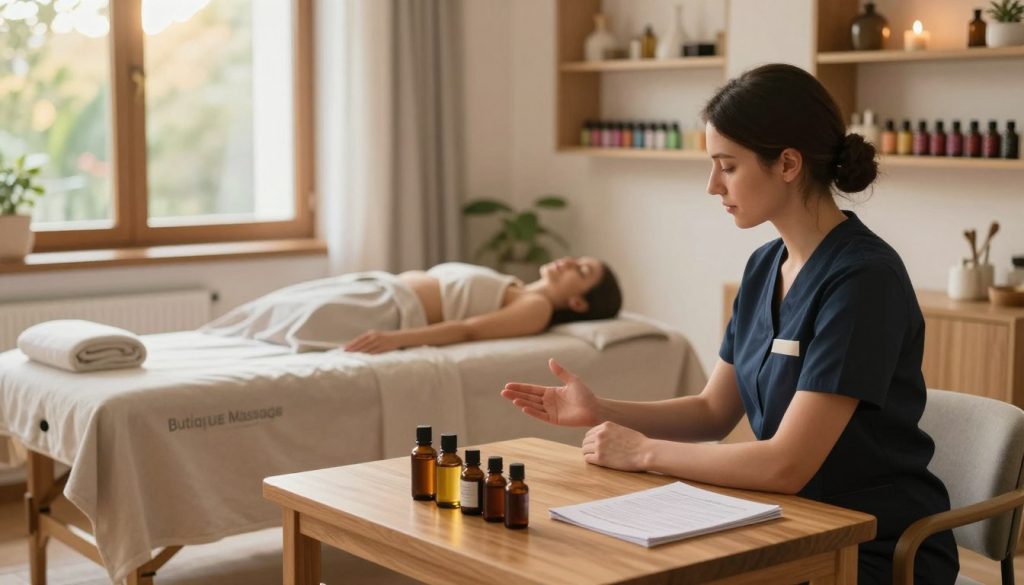
Cultural considerations matter in Istanbul wellness facilities. While Turkish culture often emphasizes politeness, you must speak up if something feels uncomfortable. Professional massage therapists expect and welcome feedback during your session.
Inform your therapist right away if the pressure feels too intense. Speak up if you experience pain rather than therapeutic discomfort. Most facilities follow same-gender therapist practices, but mention preferences during booking.
Discuss focus areas and time allocation before your session begins. Let your therapist know whether you want full-body treatment or concentrated work. Mention any regions to avoid due to injury, sensitivity, or personal preference.
Essential Items and Appropriate Attire
Unlike traditional hammam experiences, therapeutic massage requires you to undress to your comfort level. Undergarments are optional depending on treatment areas and personal preference. Professional draping maintains modesty throughout your entire deep tissue massage Istanbul session.
Istanbul wellness facilities provide essential items including fresh towels, comfortable slippers, and secure lockers. However, you should bring several personal items to enhance your experience. These items ensure comfort after treatment.
| Item Category | What to Bring | Purpose | Priority Level |
|---|---|---|---|
| Hydration | Water bottle (16-20 oz) | Maintain hydration before and after treatment | Essential |
| Clothing | Loose-fitting, comfortable outfit | Post-session comfort as muscles relax | Essential |
| Documentation | ID, payment method, medical records | Check-in process and relevant health history | Required |
| Personal Care | Hair ties, preferred skincare products | Post-treatment grooming and skin preferences | Optional |
Remove all jewelry before your treatment begins. Most facilities offer secure storage, but leaving valuables at home reduces worry. If you have long hair, bring a hair tie to keep it secured.
Schedule your appointment thoughtfully. Avoid booking your session immediately before important activities or strenuous exercise. Deep-tissue work commonly causes temporary muscle soreness similar to post-workout discomfort.
Afternoon or evening appointments work best because they allow you time to rest afterward. Many Istanbul spas provide amenities such as Turkish tea and water. Comfortable rest areas let you relax for 15-20 minutes following your treatment.
Aftercare Tips Following Your Treatment
Your massage doesn’t end when you leave the treatment table. What you do afterward determines your results. The post-treatment period significantly impacts how your body responds to the therapeutic work.
Istanbul wellness facilities understand this connection. They typically provide comfortable rest areas. You can transition gradually back to your daily routine.
Many spas offer complimentary water, Turkish tea, or herbal beverages immediately after your session. Take advantage of these cooling-down spaces before heading out. Your body needs time to adjust, especially after intensive muscle work.
You may feel unusually relaxed, sleepy, or slower than normal following your treatment. This response is completely natural. Plan your schedule accordingly and avoid rushing to your next commitment.
Maximizing the Benefits of Your Session
Hydration stands as the most critical factor in your recovery process. Deep-tissue work releases metabolic waste products from muscle tissue into your bloodstream. Your body needs adequate fluid to flush these toxins effectively.
Drink at least 8 to 10 glasses of water over the 24 hours following your therapeutic deep tissue massage Istanbul session. This practice reduces post-massage soreness and supports your body’s natural healing processes. Keep a water bottle nearby as a reminder.
Avoid alcohol and caffeine immediately after treatment. Both substances can interfere with rehydration and your body’s recovery mechanisms. Heavy meals also place unnecessary stress on your digestive system.
Physical activity requires careful consideration during the first 24 hours. Skip strenuous exercise, heavy lifting, or intense workouts. Your muscles need time to integrate the therapeutic work without additional stress.
Light walking is beneficial and encouraged. Gentle movement maintains circulation without overwhelming treated tissues. Similar principles apply to post-procedure recovery, where gradual movement supports healing.
Temperature therapy can enhance your results when applied correctly. Use ice packs for acute soreness or inflammation during the first 24 hours. Apply for 15-minute intervals with breaks in between.
After the initial day, gentle heat promotes continued relaxation and circulation. Warm showers or heating pads work well. Just avoid extreme temperatures that might stress your tissues.
Epsom salt baths offer excellent support 24 to 48 hours post-treatment. Add two cups of Epsom salt to warm bathwater and soak for 20 minutes. This practice reduces muscle soreness and promotes deep relaxation.
Sleep quality often improves dramatically after deep-tissue work. Many clients report deeper, more restorative rest. Honor this response by allowing adequate sleep time.
Scheduling consistency matters for optimal outcomes. Chronic conditions typically respond best to sessions spaced one to two weeks apart. This frequency allows cumulative benefits to build while addressing ongoing issues.
Maintenance sessions work well on a monthly basis. Regular therapeutic deep tissue massage Istanbul treatments provide better results than occasional one-time sessions. Discuss your specific goals with your therapist to create an appropriate schedule.
Recognizing Normal Responses and Warning Signs
Understanding what to expect helps you distinguish between normal healing responses and symptoms requiring attention. Most post-treatment sensations indicate your body is responding appropriately to the therapeutic work.
Mild to moderate muscle soreness resembles the feeling after a good workout. This sensation typically lasts 24 to 48 hours. This temporary discomfort signals positive change.
Positive signs include increased flexibility and improved range of motion. You might notice reduced pain levels in areas that previously bothered you. Better sleep quality and an overall sense of relaxation are common beneficial responses.
However, certain symptoms warrant immediate attention. Trust your instincts about your body’s signals. Individual responses can vary.
| Normal Post-Treatment Response | Duration | Warning Signs Requiring Attention | Action Needed |
|---|---|---|---|
| Mild muscle soreness similar to workout fatigue | 24-48 hours | Severe pain that worsens instead of improving | Contact therapist or seek medical evaluation |
| Increased flexibility and range of motion | Immediate and ongoing | Sharp or shooting pains in treated areas | Consult healthcare provider promptly |
| Feeling relaxed, sleepy, or slower than usual | Several hours post-session | Numbness or tingling lasting beyond few hours | Contact therapist for assessment |
| Reduced pain in previously problematic areas | Progressive improvement | Significant swelling or unusual bruising | Seek medical attention if severe |
| Deeper, more restorative sleep patterns | First few nights after treatment | Persistent headache or nausea | Contact therapist or doctor immediately |
Contact your therapist if you experience severe pain, sharp sensations, or persistent numbness. Significant swelling beyond minor redness also deserves attention. Headaches or nausea that don’t resolve quickly should be reported.
Any symptom that feels abnormal or concerning merits a conversation with your practitioner. Qualified therapists welcome these communications and can provide guidance. Your safety and comfort remain the top priorities throughout your wellness journey.
Frequently Asked Questions About Deep-Tissue Massage
Many people considering deep tissue massage Istanbul treatments have similar concerns. Understanding these common questions helps you approach your appointment with confidence.
How Often Should You Schedule Sessions?
Your ideal frequency depends on your specific needs and goals. Weekly sessions for four to six weeks work best for acute injury recovery. You can then reduce to bi-weekly sessions as symptoms improve.
Bi-weekly to monthly appointments maintain benefits for ongoing tension management or postural issues. Athletes seeking sports deep tissue massage Istanbul services often schedule weekly sessions during intense training. This helps with performance optimization and faster recovery between workouts.
Monthly sessions usually prevent tension buildup effectively for general wellness and stress relief. Your therapist at any wellness facility can create a personalized schedule. This schedule will be based on how your body responds to treatment.
Will the Treatment Be Painful?
Deep-tissue work involves firm pressure but should never feel unbearable. You’ll experience what therapists call “therapeutic discomfort.” This feels intense and may make you breathe more consciously.
Your therapist will use a pain scale from one to ten. Communicate immediately if pressure exceeds your tolerance. Excessive pain causes muscles to guard defensively, which reduces treatment effectiveness.
You might feel temporary soreness afterward, similar to post-workout muscle fatigue. Most Istanbul facilities offer sessions ranging from 45 minutes to over two hours. Flexible booking options require 12 to 24 hours cancellation notice.