Your body sometimes retains fluid or feels swollen after surgery, injury, or a long flight. The answer often lies in your lymphatic system. This hidden network works tirelessly to keep you healthy.
Your lymphatic system functions as your body’s natural defense and waste removal mechanism. It collects excess fluid from your tissues. It also filters out toxins and harmful substances.
This system can become sluggish due to medical conditions, surgery, or lifestyle factors. Fluid accumulation can occur, leading to discomfort and swelling.
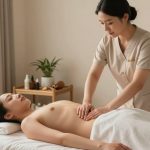
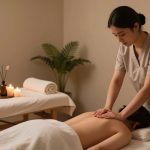
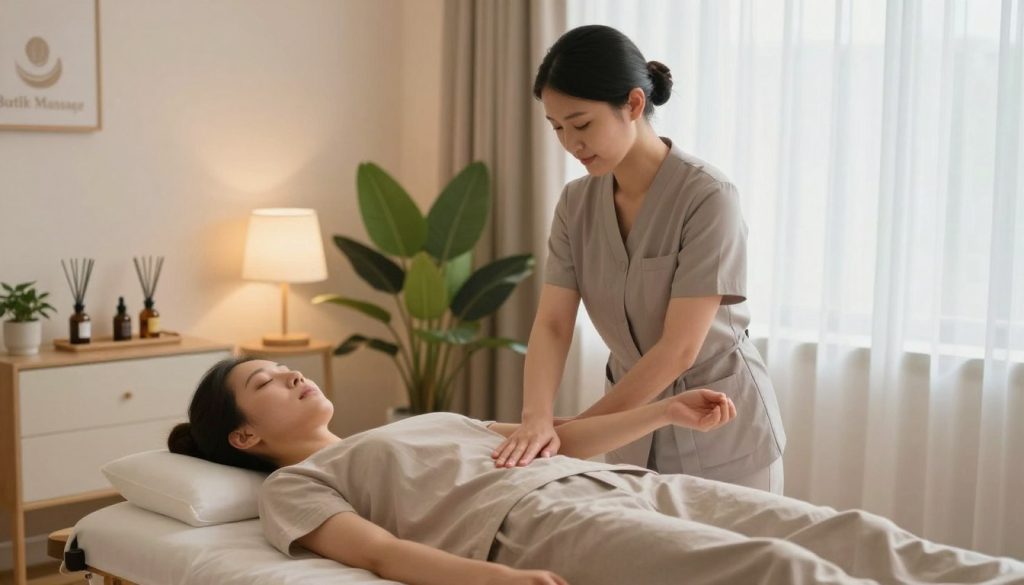
Lymphatic drainage massage represents a specialized therapeutic approach. It supports your body’s natural cleansing process. Unlike traditional deep tissue techniques, this therapy employs gentle, rhythmic strokes.
These strokes follow the natural pathways of your lymph vessels. Trained practitioners can perform it manually. Device-assisted methods are also available in clinical settings.
This treatment stands out as a valuable tool for managing edema. It supports post-surgical recovery. It also provides complementary care for various chronic health conditions.
Many people experience benefits from this therapy. Your results may vary based on your individual health status. The specific condition being addressed also affects outcomes.
Key Takeaways
- Your lymphatic system serves as your body’s defense and waste removal network, collecting tissue fluid and filtering harmful substances
- Lymph drainage therapy uses gentle, specialized techniques that differ significantly from traditional deep tissue approaches
- This treatment is particularly effective for managing swelling, supporting post-operative recovery, and addressing lymphedema
- Both manual techniques by trained therapists and device-assisted methods are available depending on your specific needs
- Lymphatic drainage massage benefits extend beyond cosmetics to legitimate therapeutic applications in medical and wellness contexts
- Individual results depend on your health condition, adherence to professional recommendations, and the underlying issue being treated
What is Lymph Drainage Massage?
Lymph drainage massage uses your body’s natural healing through precise, gentle movements. This specialized treatment focuses on your lymphatic system. It’s a critical part of your immune defense and waste removal processes.
Unlike traditional massage that targets muscles and deep tissues, this therapy works differently. It focuses on the delicate network of lymphatic vessels just beneath your skin’s surface.
Your lymphatic system operates quietly throughout your body, performing essential functions that keep you healthy. It collects excess fluid from your tissues and transports immune cells to fight infections. It also carries away metabolic waste products.
The Core Elements and Foundation
The manual lymphatic drainage technique employs remarkably light pressure. It feels distinctly different from what you might expect from massage therapy. Practitioners use a touch that weighs no more than a nickel resting on your skin.
This feather-light approach makes sense. Lymphatic vessels sit very close to your skin’s surface. They respond best to gentle stimulation rather than deep pressure.
The technique relies on specific rhythmic patterns that follow the natural direction of lymph flow. Therapists perform circular, pumping motions that create a wave-like effect across your skin. These movements must follow precise sequences, always working toward major lymph node clusters.
A trained physiotherapist or specialized healthcare professional administers these treatments. They complete extensive certification programs first. The practitioner must understand anatomy, physiology, and the intricate pathways of your lymphatic system.
This knowledge ensures that gentle lymphatic massage strokes follow correct patterns to achieve therapeutic benefits.
| Characteristic | Lymph Drainage Massage | Traditional Massage |
|---|---|---|
| Pressure Applied | Extremely light (5-15 mmHg) | Moderate to deep (20-40+ mmHg) |
| Primary Target | Lymphatic vessels and nodes | Muscles and connective tissue |
| Movement Type | Rhythmic, circular, directional | Kneading, pressing, friction |
| Depth of Work | Superficial skin layer | Deep tissue layers |
Evolution Through Medical Discovery
The modern understanding of lymphatic therapy emerged through decades of clinical observation and scientific research. Early medical practitioners recognized that the lymphatic system played a crucial role in health. However, systematic treatment approaches took time to develop.
European researchers pioneered much of the foundational work during the mid-20th century. They developed protocols that remain relevant today.
Dr. Emil Vodder and his wife Estrid introduced a systematic approach to lymphatic drainage in the 1930s. They worked on the French Riviera at the time. They observed that many patients with chronic colds and sinusitis had swollen lymph nodes.
Their gentle manipulations of these areas led to remarkable improvements in patient symptoms. This sparked interest in lymphatic therapy as a distinct medical intervention.
Medical understanding continued to evolve as researchers mapped the complete lymphatic network. They identified how disruptions in lymph flow contributed to various health conditions. This knowledge transformed lymph drainage from an experimental technique into an evidence-based therapeutic modality.
Today, healthcare systems worldwide recognize its value. It’s particularly useful for conditions involving fluid retention, immune dysfunction, and post-surgical recovery.
The lymphatic system is one of the most overlooked yet vital systems in the human body, and learning to support it therapeutically opens new possibilities for healing.
Physiological Mechanisms and Treatment Flow
Your lymphatic system lacks a central pump like your heart. This means lymph fluid moves through alternative mechanisms. Muscle contractions during daily movement, respiratory motion from breathing, and inherent contractions of lymphatic vessel walls all contribute.
The manual lymphatic drainage technique enhances these natural processes by providing external mechanical stimulation.
Practitioners perform gentle lymphatic massage strokes using rhythmic pressure. This creates a pumping effect within your lymphatic vessels. The stimulation mimics and amplifies the natural pulsation of these vessels.
It accelerates the movement of lymph fluid toward lymph nodes. The increased flow rate helps your body process immune responses more efficiently. It also removes accumulated waste products faster.
Treatment always follows a specific directional pattern based on anatomical understanding. Your practitioner begins by clearing central lymph node clusters. This creates space for fluid from peripheral areas to drain effectively.
This sequence ensures that lymph fluid has clear pathways to travel. It prevents congestion and maximizes therapeutic outcomes.
The therapy activates your parasympathetic nervous system, which governs rest and recovery functions. This activation explains why many people experience deep relaxation during treatment sessions. Your heart rate may slow, breathing deepens, and stress hormones decrease.
These physiological changes complement the physical benefits of improved lymph drainage. They create a holistic therapeutic effect.
Modern clinical practice also incorporates technologically supported methods alongside manual techniques. Pneumatic compression devices use controlled air pressure to stimulate lymphatic flow. They’re particularly useful for treating specific conditions like lymphedema.
These devices don’t replace skilled manual therapy but offer complementary benefits in comprehensive treatment programs.
Lymph drainage massage works with your body’s existing systems rather than imposing external forces. The therapy supports and enhances what your lymphatic system already does naturally. This makes it a gentle yet powerful tool for maintaining optimal health.
Benefits of Lymph Drainage Massage
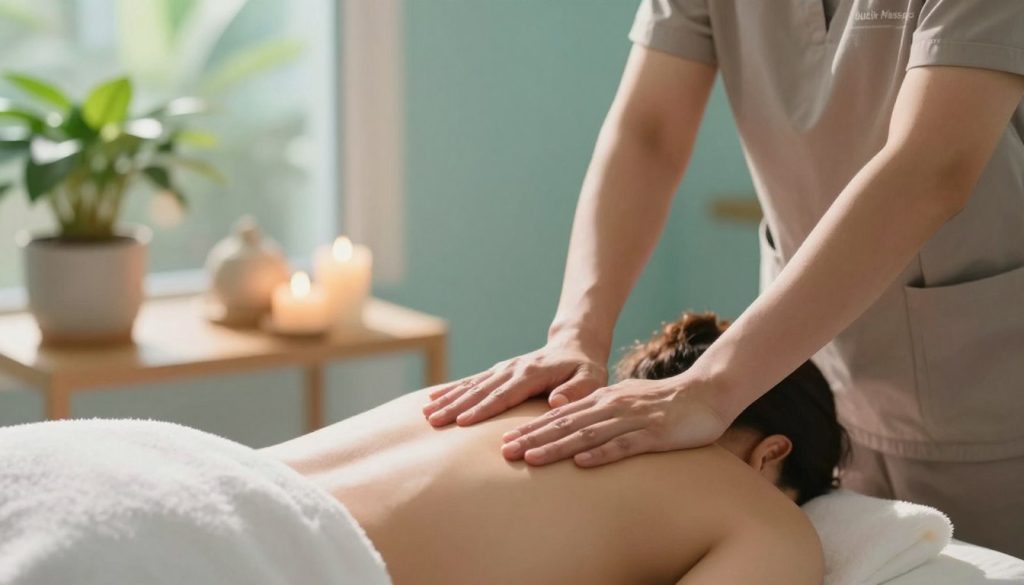
Lymph drainage massage supports your body’s natural processes through gentle manipulation. This therapeutic approach offers both immediate relief and long-term health support. The advantages range from everyday wellness improvements to specific medical applications.
Your experience with detox lymph drainage therapy depends on your health status and goals. Many people report noticeable changes after just a few sessions. The comprehensive benefits touch multiple aspects of physical and mental wellbeing.
Health and Wellness Advantages
Your body experiences numerous positive changes when lymphatic flow improves through regular massage. The detox lymph drainage therapy process enhances your natural ability to eliminate waste and toxins. This improved waste removal often translates into increased energy levels throughout your day.
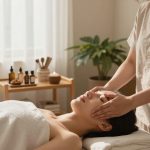
You may notice improvements in your skin appearance as the therapy progresses. Better lymphatic drainage reduces puffiness, particularly around your face and eyes. The removal of excess fluid contributes to a healthier, more radiant complexion.
The gentle, rhythmic techniques used during sessions activate your parasympathetic nervous system. This activation promotes deep relaxation and helps counteract chronic stress effects. You might experience better sleep quality and reduced muscle tension.
Your digestive system may also benefit from improved lymphatic function. Proper lymph flow helps your body process nutrients more efficiently. These changes can contribute to reduced bloating and improved digestive comfort.
Treatment for Specific Conditions
Lymph drainage massage serves as an effective therapeutic tool for various medical conditions. The technique to reduce swelling with lymphatic massage proves valuable for managing lymphedema. This chronic condition involves persistent fluid accumulation, typically affecting your arms or legs.
For lymphedema patients, specialized drainage techniques form a cornerstone of comprehensive management programs. The therapy helps your body route lymph fluid around damaged or removed nodes. Combined with compression garments and exercise, lymphatic massage addresses swelling effectively.
Your post-surgical recovery may accelerate with appropriate lymph drainage applications. Surgery often causes temporary lymphatic impairment, leading to edema that slows healing. The ability to reduce swelling with lymphatic massage supports faster tissue repair.
| Condition | Primary Benefit | Expected Outcome |
|---|---|---|
| Lymphedema | Fluid reduction and rerouting | Decreased limb circumference and improved mobility |
| Post-surgical edema | Enhanced healing environment | Faster recovery and reduced discomfort |
| Chronic venous insufficiency | Improved fluid return | Reduced leg swelling and heaviness |
| Fibromyalgia | Pain reduction and relaxation | Decreased muscle tenderness and better sleep |
Applications extend to conditions like fibromyalgia, rheumatoid arthritis, and chronic venous insufficiency. These conditions involve fluid retention and impaired circulation that contribute to your symptoms. The therapy addresses underlying lymphatic congestion while providing symptomatic relief.
Enhancing Circulation and Immunity
Your immune system functions more effectively when lymphatic flow operates optimally. The immune system lymph massage benefits become clear with improved circulation. Lymph fluid transports white blood cells and antibodies throughout your body.
Lymph nodes work better when fluid moves properly through them. These small structures serve as coordination centers for immune responses. Immune system lymph massage reduces congestion, allowing your lymph nodes to perform critical functions.
The connection between lymphatic and blood circulation creates additional benefits for your cardiovascular system. Improved lymphatic flow positively influences venous return. This enhanced circulation delivers oxygen and nutrients to your tissues more effectively.
Your body’s recovery from illness may improve with regular immune system lymph massage sessions. Enhanced lymphatic function supports faster clearance of pathogens and cellular debris. The therapy works best as part of a comprehensive health approach.
Techniques Used in Lymph Drainage Massage
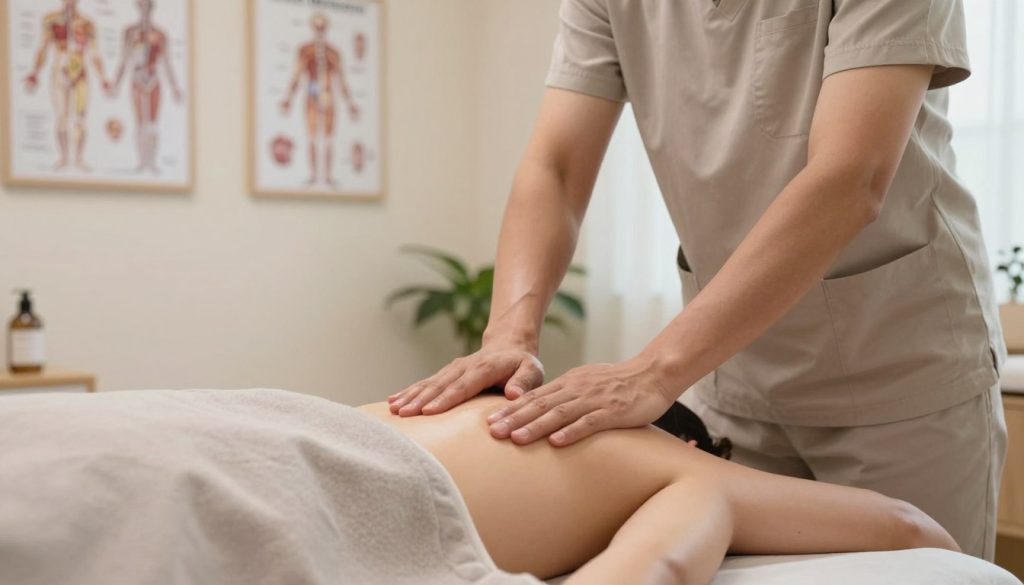
Lymph drainage massage uses various methods to support your lymphatic system. These range from hands-on approaches to modern technology options. Your practitioner chooses techniques based on your condition and treatment goals.
Each technique encourages lymphatic fluid movement throughout your body. The application requires specialized training in lymphatic anatomy. Your practitioner adapts their approach during each session for best results.
Hands-On Approaches
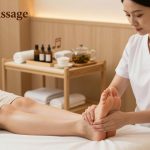
Manual lymphatic drainage forms the foundation of most treatments. Your trained practitioner uses precise, rhythmic movements across your skin. These specialized motions focus on stimulating superficial lymphatic vessels.
Your practitioner uses several distinct stroke types during sessions. Stationary circles involve gentle rotational movements while hands stay on your skin. These circles stretch your skin in the direction of lymph flow.
Pump techniques use gentle pressure and release in a specific rhythm. This pumping action encourages fluid movement through your lymphatic channels. Your practitioner applies light compression and then releases it.
Scoop techniques use slightly cupped hand positions to guide fluid. Your therapist directs accumulated fluid toward functioning drainage points. Rotary techniques combine rotation with directional movement for larger body areas.
The gentle lymphatic massage strokes used in professional treatment apply pressure of only 30-40 mmHg, which is lighter than the pressure used in Swedish massage but precisely calibrated to stimulate lymphatic vessels without collapsing them.
Your practitioner always follows specific anatomical pathways during treatment. Sessions typically begin at your neck region. Lymph nodes there serve as primary entry points for circulation.
The treatment protocol clears central areas of your body first. Your therapist addresses your neck and trunk before moving to limbs. This approach prepares receiving areas to accept fluid from congested regions.
Technology-Supported Options
Equipment-assisted methods provide valuable alternatives to hands-on techniques. Pneumatic compression devices use inflatable sleeves that apply controlled pressure. These devices mechanically encourage lymph fluid movement through programmed patterns.
The technology proves useful for managing lymphedema in legs or arms. These systems deliver consistent treatment over longer durations than manual therapy. You may use certain devices at home under professional guidance.
Your treatment program typically integrates equipment-assisted methods with other approaches. Manual techniques, exercise, compression garments, and skin care work together. The combination provides more effective results than any single approach.
| Treatment Method | Primary Application | Session Duration | Key Advantage |
|---|---|---|---|
| Manual Techniques | Full-body lymphatic stimulation | 45-90 minutes | Highly personalized and adaptive |
| Pneumatic Compression | Limb-focused lymphedema management | 30-60 minutes | Consistent pressure delivery |
| Combined Protocol | Complex or chronic conditions | 60-120 minutes | Comprehensive therapeutic approach |
Standards for Quality Treatment
Effective lymph drainage massage begins with thorough assessment of your health history. Your practitioner designs a protocol tailored to your specific needs. This personalized approach ensures you receive the most beneficial treatment.
Your sessions should occur in a comfortable, relaxed environment. Proper positioning during treatment facilitates natural lymph drainage patterns. Your therapist maintains appropriate pressure throughout the session.
Following correct directional patterns is essential for treatment effectiveness. Your practitioner must understand lymphatic anatomy thoroughly. Adequate session duration allows complete treatment of all necessary areas.
The frequency and duration of sessions depend on your specific situation. Acute post-surgical swelling might require sessions several times per week. Chronic lymphedema typically involves weekly or biweekly maintenance sessions.
Wellness-oriented applications might involve less frequent appointments, perhaps monthly. Your practitioner adjusts your treatment schedule based on your progress. This flexibility ensures you receive appropriate care throughout your healing journey.
- Initial comprehensive health assessment and goal setting
- Comfortable treatment environment with proper temperature and lighting
- Strategic positioning to optimize lymphatic drainage pathways
- Consistent application of appropriate pressure levels
- Integration with compression therapy and self-care education
Receiving treatment from properly trained practitioners is essential for your safety. Lymph drainage requires specialized knowledge beyond basic massage training. Your practitioner should have completed recognized certification programs.
Quality practitioners also educate you about self-care techniques for home practice. They may teach you simple self-massage methods and recommend exercises. This comprehensive approach empowers you to participate in your lymphatic health maintenance.
When to Consider Lymph Drainage Massage
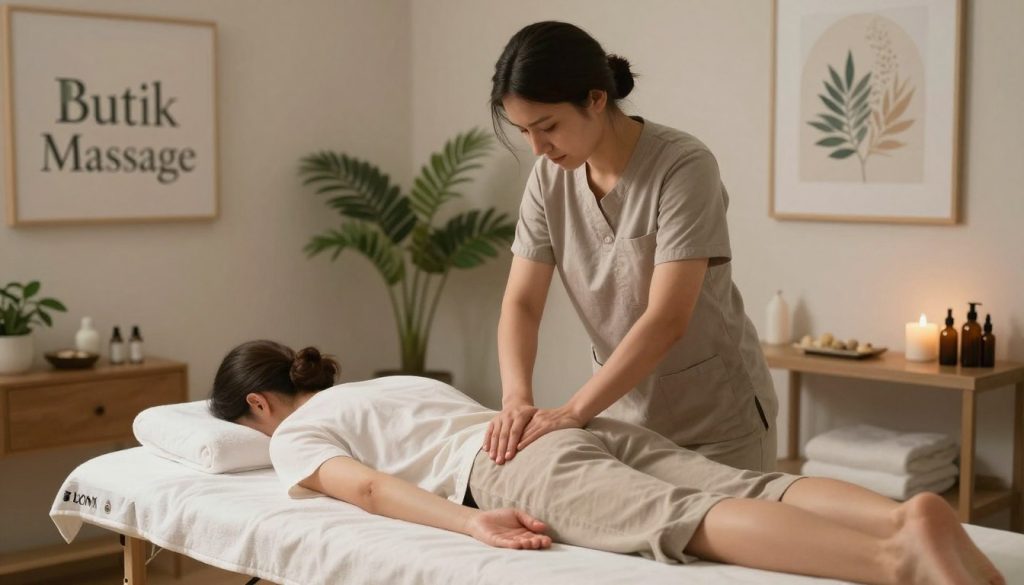
Knowing when to pursue lymph drainage massage depends on identifying your specific needs. It also means recognizing situations that require caution. Understanding the commitment involved in treatment matters too.
This therapy serves different purposes for different people. Some seek relief from diagnosed medical conditions. Others want preventive wellness support.
Your decision should involve careful evaluation of your health status and goals. Working with qualified healthcare providers ensures appropriate guidance. This collaborative approach helps determine whether lymph drainage therapy fits your situation.
Ideal Candidates for the Treatment
You may be an excellent candidate for lymph drainage massage if you have lymphedema. This condition often develops after cancer treatment involving lymph node removal. Radiation therapy can also cause this problem.
Congenital lymphatic insufficiency also creates the need for ongoing lymphatic support. Specialized lymphedema treatment massage techniques form an essential part of comprehensive management programs. These approaches help reduce swelling, improve comfort, and maintain mobility.
Your treatment team may include certified lymphedema therapists. They coordinate with your physicians to create personalized care plans.
Post-surgery lymph massage represents another primary application of this therapy. You might benefit significantly following cosmetic procedures like liposuction or facelifts. Orthopedic surgeries and mastectomies also warrant consideration.
Surgical intervention creates natural tissue trauma that triggers inflammatory responses. Strategic lymphatic therapy accelerates your recovery by supporting your body’s natural healing processes. Many surgeons now recommend this approach as standard post-operative care.
Chronic edema or swelling in your legs, ankles, or arms makes you a strong candidate. Venous insufficiency and prolonged standing contribute to persistent fluid retention. Regular lymphatic support helps manage these ongoing challenges effectively.
Beyond medical applications, you might seek lymph drainage for several wellness-related reasons:
- Chronic fatigue and low energy levels that impact daily functioning
- Sluggish immune system with frequent minor illnesses or slow recovery
- Persistent sinus congestion or chronic headaches potentially related to lymphatic congestion
- Fibromyalgia or conditions involving chronic pain and inflammation
- Support for your body’s natural detoxification as part of comprehensive wellness approaches
Athletes sometimes incorporate lymph drainage to support recovery after intense training sessions. The therapy may help reduce muscle soreness and prepare your body for subsequent workouts. Pregnancy-related fluid retention also responds well to appropriately modified lymphatic techniques.
Situations Requiring Caution
Certain health conditions represent absolute contraindications where lymph drainage should not be performed. Your safety requires understanding these critical limitations before beginning any treatment program.
You must avoid lymph drainage massage if you currently have acute infections or fever. Enhancing lymph flow could potentially spread infection throughout your system. Active deep vein thrombosis poses serious risks because massage might dislodge blood clots.
Uncontrolled congestive heart failure creates another absolute contraindication. Increased fluid return to your circulatory system could strain your heart beyond its capacity. Severe kidney disease impairs your body’s ability to process the additional fluid.
Active, untreated cancer remains a controversial area in lymphatic therapy. Theoretical concerns exist about potentially affecting cancer cell movement. Always obtain oncologist clearance before proceeding with any bodywork during cancer treatment.
Relative contraindications require careful evaluation and possibly modified treatment approaches. Your practitioner must assess these situations individually to determine appropriate protocols.
| Condition | Contraindication Type | Required Action | Possible Modification |
|---|---|---|---|
| Acute infection or fever | Absolute | Postpone treatment until resolved | None until cleared |
| Active deep vein thrombosis | Absolute | Medical treatment first | Possible after physician clearance |
| Uncontrolled heart failure | Absolute | Stabilize condition medically | Gentle protocol if cleared |
| Asthma during acute episodes | Relative | Wait for symptom control | Proceed when stable |
| First trimester pregnancy | Relative | Obtain obstetrician approval | Modified techniques available |
Asthma or bronchitis during acute episodes may make lymph drainage uncomfortable or risky. Low blood pressure increases your risk of lightheadedness. Thyroid conditions, particularly hyperthyroidism, warrant special consideration and medical consultation.
Pregnancy requires individualized assessment, especially during the first trimester or in high-risk situations. Many practitioners offer modified techniques specifically designed for expectant mothers. However, your obstetrician’s approval remains essential before beginning any massage therapy.
You must disclose your complete medical history to practitioners before starting treatment. Transparency about medications, supplements, and recent surgeries enables proper safety assessment. Obtain clearance from your physician if you have any significant health concerns.
Frequency and Duration of Sessions
Session frequency varies considerably based on your specific situation and treatment goals. Your practitioner will develop a customized schedule that balances therapeutic effectiveness with practical considerations. Understanding typical patterns helps you plan appropriately.
Acute post-surgical swelling typically requires intensive initial intervention. You might receive post-surgery lymph massage several times weekly during the first few weeks. Session frequency gradually decreases as swelling resolves and your healing progresses.
Chronic lymphedema management often follows a two-phase approach. The intensive phase involves daily or near-daily sessions for approximately two to four weeks. This concentrated treatment reduces accumulated fluid and establishes improved lymphatic flow patterns.
The maintenance phase follows intensive treatment and focuses on preserving your progress. Session frequency during this phase ranges from weekly to monthly. Your self-care routine between professional sessions significantly influences maintenance requirements.
Wellness and prevention purposes typically require less frequent intervention. Monthly or quarterly sessions may sufficiently support your immune function and overall vitality. Some people schedule treatments seasonally or during particularly stressful life periods.
Individual session duration generally ranges from 45 to 90 minutes for comprehensive treatment. Full-body approaches require more time than regional focus areas. Targeted treatments addressing specific problem areas might be completed in 30 to 45 minutes.
Your practitioner conducts initial assessments to establish baseline measurements and identify treatment priorities. These evaluations inform your personalized treatment plan. Regular reassessments help adjust your protocol as your condition evolves.
Several factors influence your optimal treatment schedule:
- Severity and chronicity of your condition or symptoms
- Your body’s response to initial treatment sessions
- Compliance with home care recommendations and compression garment use
- Practical considerations including schedule availability and budget constraints
- Coordination with other therapies or medical treatments you receive
Your treatment plan should remain flexible and responsive to your changing needs. What works during active symptom management may differ from maintenance requirements. Open communication with your practitioner ensures that your protocol evolves appropriately.
Tips and Precautions for Lymph Drainage Massage
Understanding how to select the right professional helps you get better results. Learning proper aftercare ensures your lymphatic therapy works effectively. These practical steps help you avoid common mistakes.
Choosing a Qualified Practitioner
Your results depend on working with a properly trained professional. A certified lymphatic drainage therapist should have specialized education in manual techniques. These methods include Vodder, Leduc, or Földi techniques.
Basic massage certification alone does not provide adequate preparation for lymphatic work. Ask potential practitioners about their specific training hours in lymph drainage. Find out about their experience treating conditions similar to yours.
Check whether they maintain continuing education in this specialty. For lymphedema management, seek therapists with CLT (Certified Lymphedema Therapist) credentials. Similar principles apply when selecting any professional massage therapist, where verification of credentials ensures safety.
Aftercare and Lifestyle Recommendations
What you do after sessions significantly impacts your results. Drink plenty of water in the 24 hours following treatment. This helps your body eliminate mobilized waste materials.
Allow yourself time to rest, as some fatigue is normal. Your system needs time to process the session’s effects. Avoid restrictive clothing that might impede lymph flow for several hours.
Stay away from excessive heat sources like saunas or hot baths. Wait at least 24 hours before using these heat sources. If you have lymphedema, use compression garments as recommended by your specialist.
Monitor your body’s response after each session. Contact your healthcare professional if you notice unexpected swelling or redness. Also reach out if you experience unusual discomfort.
Common Myths and Misconceptions
Several misunderstandings surround lymphatic therapy. This treatment is not primarily for weight loss. Any reduction you see reflects decreased fluid retention, not fat loss.
The characteristically gentle pressure is therapeutically necessary. More forceful techniques can actually collapse lymphatic vessels. This reduces the treatment’s effectiveness.
Results vary by individual and condition. Some people notice immediate changes while others experience gradual improvement. Lymph drainage is a complementary therapy that supports medical treatment but does not replace it.