
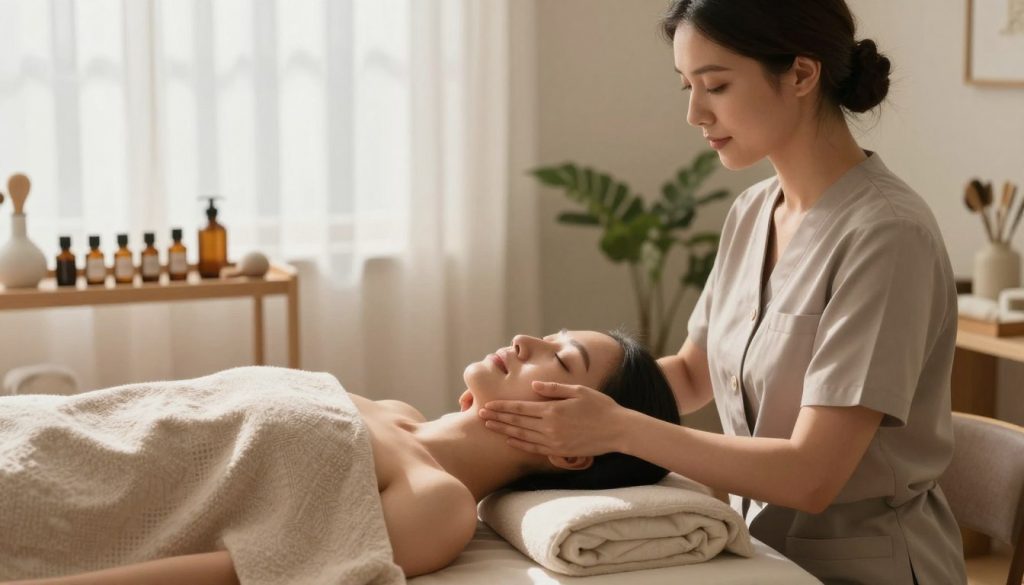
Does your jaw pain continue even after trying standard treatments? A specialized therapy might target the real cause of your discomfort.
Orofacial massage focuses on the mouth, jaws, face, and neck. This approach addresses weakness, tightness, and problems in these connected areas. Traditional massage works on general body tension, but this therapy targets your facial structures.
This treatment combines several techniques to create custom plans. Manual lymphatic drainage, scar tissue release, and clinical oral facial massage work together. These methods restore strength, reduce pain, and boost overall health.
Millions experience jaw pain, facial tension, and temporomandibular disorders. Therapeutic facial massage offers real relief for these conditions. More people recognize this treatment because it delivers lasting results with proper breathing and functional therapy.
Key Takeaways
- Orofacial massage is a specialized therapy targeting the mouth, jaw, face, and neck as an integrated system
- This approach differs from traditional massage by focusing on the unique anatomy and function of facial structures
- Treatment combines manual therapy techniques including lymphatic drainage and intraoral work
- The therapy effectively addresses jaw pain, facial tension, and temporomandibular disorders
- Personalized treatment plans promote strength, improve functionality, and reduce discomfort
- Best results occur when combined with breathing exercises and myofunctional therapy
Understanding Orofacial Massage
More than 10 million Americans experience jaw pain each year. This makes orofacial massage an increasingly vital therapeutic option. This specialized therapy addresses muscles, joints, and soft tissues in your face, mouth, jaw, and neck.
Unlike traditional massage, it requires specific training to work safely. The unique structures of the orofacial region need expert care. Practitioners must understand the complex anatomy of this area.
The therapy integrates multiple treatment approaches to help you achieve relief. Many people in Turkey are discovering how this method can transform their lives. Your orofacial structures perform essential daily functions like speaking, eating, and expressing emotions.
What This Therapy Means for You
Orofacial massage targets muscles and connective tissues surrounding your mouth, jaws, face, and neck. This specialized approach combines external work on facial muscles with intraoral massage therapy. The combination allows practitioners to reach muscles that conventional massage cannot access.
Your jaw moves thousands of times each day during eating, speaking, and swallowing. These repetitive movements can create significant muscle tension and dysfunction. Stress and poor posture make the problem worse.
Trained therapists use facial muscle massage techniques to release trigger points. The therapy works by improving blood circulation and reducing inflammation. You benefit from both immediate relief and long-term improvements in muscle coordination.
Your orofacial health affects your ability to communicate and enjoy food. It also helps you maintain social connections. Dysfunction in this area can impact your professional performance and personal relationships.
How Your Health Improves
The benefits of orofacial massage extend throughout your body. Your jaw muscles connect to your neck, shoulders, and head. Addressing tension in one area often improves related regions.
Pain relief stands as the most immediate benefit you will notice. Many clients report significant reductions in facial pain and jaw discomfort. The therapy targets both the symptoms you feel and the underlying muscle dysfunction.
Improved jaw mobility transforms your daily activities. You may find it easier to open your mouth wide and chew food comfortably. These functional improvements enhance your ability to enjoy meals and participate in conversations.
Stress reduction represents another powerful benefit of this therapeutic approach. Your jaw often holds tension related to emotional stress and anxiety. Releasing this tension helps decrease stress-related symptoms throughout your body.
The holistic nature of intraoral massage therapy means you experience widespread benefits. Better sleep, reduced muscle tension, and improved posture all contribute to your well-being. These cumulative effects make the therapy valuable for both specific conditions and general health.
Conditions That Respond to Treatment
Temporomandibular joint disorders, commonly known as TMJ disorders, respond well to orofacial massage. These disorders affect the temporomandibular joint and surrounding muscles that control jaw movement. You may experience clicking sounds, limited mouth opening, or pain when chewing.
Chronic jaw clenching and teeth grinding, medically termed bruxism, responds exceptionally well to treatment. Many people unconsciously clench their jaws during sleep or periods of concentration. This habit creates significant muscle fatigue and can damage your teeth over time.
Facial pain syndromes that resist conventional treatments often improve with specialized massage techniques. Your therapist can address trigger points and muscle imbalances that contribute to ongoing discomfort. The targeted approach helps identify and treat the specific sources of your pain.
| Condition | Primary Symptoms | Treatment Benefits | Expected Timeline |
|---|---|---|---|
| TMJ Disorders | Jaw clicking, pain when chewing, limited mouth opening | Reduced pain, improved joint mobility, restored function | 4-8 sessions |
| Bruxism | Teeth grinding, jaw clenching, morning headaches | Decreased muscle tension, reduced grinding frequency | 6-10 sessions |
| Tension Headaches | Head pain originating from jaw area, facial tightness | Headache relief, muscle relaxation, stress reduction | 3-6 sessions |
| Post-Surgical Recovery | Scar tissue, limited mobility, residual pain | Improved tissue healing, enhanced range of motion | 8-12 sessions |
Tension headaches that originate from jaw dysfunction find relief through targeted massage work. Your jaw muscles can refer pain to your temples, forehead, and back of your head. Addressing the source muscle tension often eliminates headaches that have persisted for months.
Post-surgical rehabilitation following oral or facial surgery benefits significantly from gentle massage techniques. The therapy helps reduce scar tissue formation and improve tissue healing. Your recovery process accelerates when proper soft tissue work supports surgical interventions.
Lymphatic congestion in the facial region creates puffiness, discomfort, and heaviness in your face. Specialized drainage techniques help move accumulated fluid and reduce swelling