
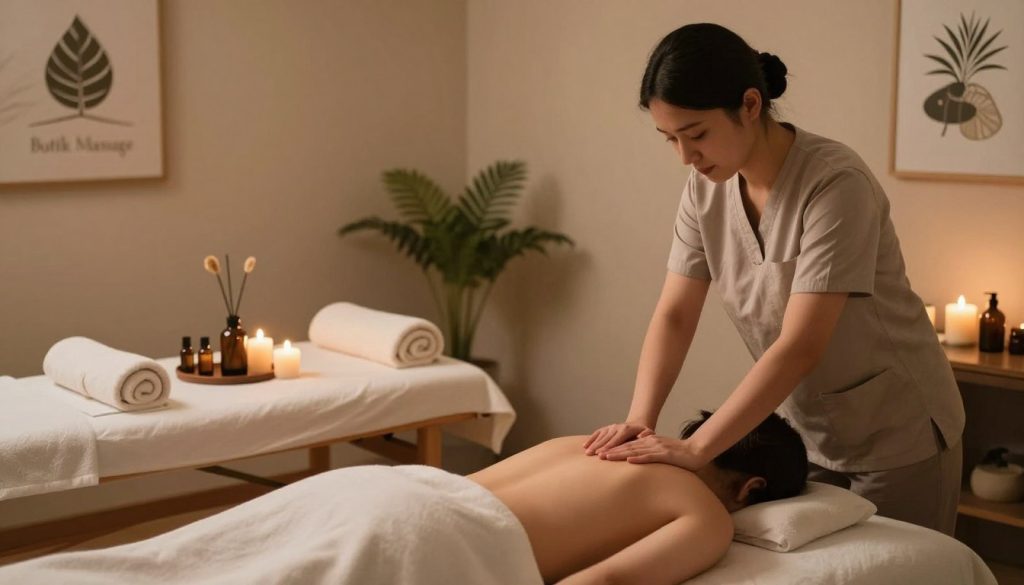
Have you noticed your shoulders tighten when deadlines approach? Does your heart race during challenging moments? These physical reactions show how your body responds to tension.
Your body contracts muscles and accelerates your heartbeat under pressure. This creates persistent discomfort. Therapeutic touch helps reverse these effects by encouraging deep body relaxation.
About 77% of people experience physical symptoms from daily pressures. These include muscle pain, fatigue, and persistent headaches. Scientific research shows remarkable results from therapeutic touch.
A single 60-minute session reduces cortisol levels by up to 30%. Your body also increases production of serotonin and dopamine. These hormones promote well-being and improve your mood.
Therapeutic massage for stress activates your parasympathetic nervous system. This shifts you into “rest and digest” mode. It even improves melatonin production for better sleep quality.
The techniques you choose influence your outcomes. Pressure levels you prefer matter too. Duration of your sessions also affects results.
This guide will help you navigate these choices. You’ll learn how to maximize your relaxation benefits.
Key Takeaways
- Physical tension manifests through tightened muscles, elevated heart rate, and persistent body discomfort affecting 77% of people
- A single 60-minute therapeutic session can reduce cortisol by 30% while boosting feel-good hormones
- Proper technique selection directly impacts your body’s ability to activate natural relaxation responses
- The parasympathetic nervous system engages during treatment, shifting your body into recovery mode
- Choosing appropriate pressure levels and session duration enhances hormonal balance and sleep quality
Understanding Stress-Relief Massage Techniques
Specific massage techniques can release tension and restore natural relaxation. Relaxation massage therapy targets physical stress in muscles, tissues, and the nervous system. These methods address how your body holds psychological tension.
Modern massage therapy combines ancient healing with current physiology knowledge. Stress creates changes in muscle tension, blood flow, and hormone levels. Therapists use this understanding to design treatments that promote lasting wellness.
What is Stress-Relief Massage?
Stress-relief massage reverses the physical effects of chronic tension and anxiety. This approach addresses muscle tightness, restricted circulation, and nervous system hyperactivity. The practice triggers your body’s natural relaxation responses.
Relaxation massage therapy involves several interconnected systems. Pressure on tense muscles sends signals that activate the parasympathetic response. This “rest and digest” mode counteracts the stress-induced “fight or flight” state.
Your muscles respond through mechanical transduction. Gentle movements lengthen muscle fibers shortened by tension. Fresh oxygen and nutrients flow in through improved circulation.
Massage therapy effectively reduces cortisol levels by an average of 31% while simultaneously increasing serotonin and dopamine levels by approximately 28%, creating measurable biochemical changes that support stress reduction.
Benefits of Stress-Relief Massage
Tension relief massage benefits extend beyond temporary relaxation. Your cardiovascular system improves as massage stimulates blood flow and oxygen delivery. Enhanced circulation helps repair tissue damage from chronic muscle tension.
Hormone regulation is one of the most significant benefits. Regular sessions actively lower cortisol levels elevated during sustained stress. Lower cortisol means reduced inflammation, better immunity, and improved sleep quality.
Massage triggers endorphin release throughout your system. These natural chemicals relieve pain and elevate mood. The effects support both physical and emotional well-being.
Your mental health improves through the mind-body connection massage strengthens. Focused attention on physical sensations promotes mindfulness during treatment. This grounding effect helps maintain emotional balance in daily life.
Long-term benefits accumulate with consistent relaxation massage therapy. Your nervous system gradually resets its baseline tension levels. Muscle memory improves as your body learns to release tension readily.
Popular Techniques Used
Different massage modalities offer distinct approaches to stress relief. Each technique has specific advantages for addressing tension and promoting relaxation. Understanding these methods helps you select what matches your needs.
| Technique | Primary Method | Best For | Session Duration |
|---|---|---|---|
| Swedish Massage | Long flowing strokes with gentle kneading | General relaxation and mild tension | 60-90 minutes |
| Deep Tissue | Firm pressure targeting deeper muscle layers | Chronic tension and stubborn knots | 60-75 minutes |
| Hot Stone | Heated stones placed on body with massage strokes | Deep muscle relaxation and circulation | 75-90 minutes |
| Aromatherapy | Essential oils combined with massage techniques | Emotional stress and anxiety relief | 60-90 minutes |
Swedish massage serves as the foundation for most relaxation massage therapy. Your therapist uses five basic stroke types: effleurage, petrissage, tapotement, friction, and vibration. These movements increase circulation, release muscle tension, and create overall calm.
Deep tissue massage addresses stubborn tension in deeper muscle layers and fascia. Therapists apply slower, more deliberate pressure using fingers, knuckles, and forearms. This technique works well for chronic stress patterns in your neck, shoulders, and back.
Hot stone therapy combines heat with massage technique to melt away tension. Smooth, heated basalt stones are placed on specific body points. The warmth penetrates deeply, allowing muscles to release more fully.
Your therapist also uses the stones as tools to apply pressure. The heat enhances the effectiveness of massage strokes. This combination provides deeper relaxation than massage alone.
Aromatherapy massage incorporates therapeutic essential oils with touch therapy. These concentrated plant extracts enter your body through skin and inhalation. Lavender, chamomile, and bergamot oils directly influence your emotional responses.
Reflexology applies targeted pressure to specif