
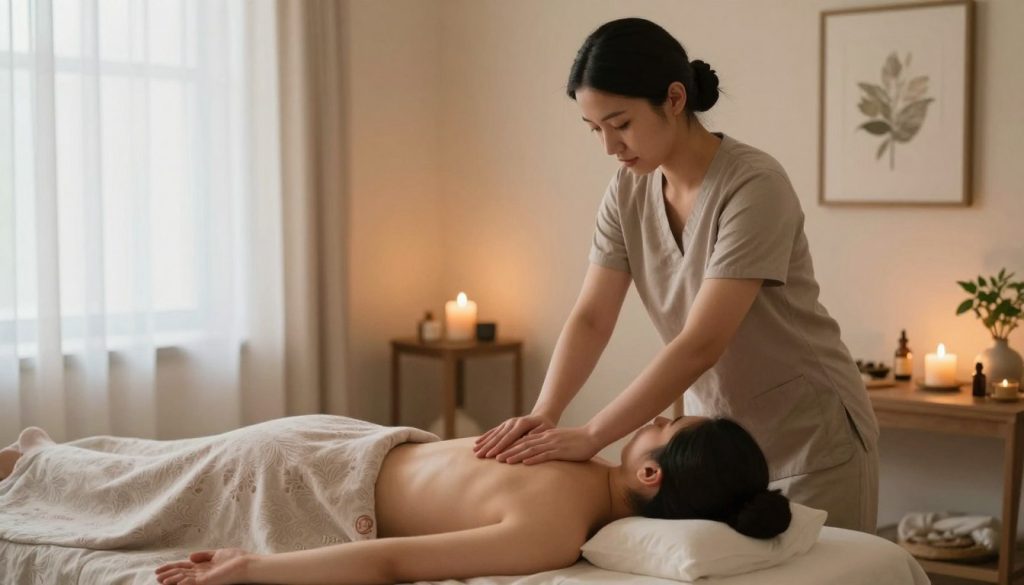
Why do some people find lasting relief from chronic pain while others don’t? The answer lies in understanding evidence-based treatment approaches delivered by qualified professionals.
This guide explores how licensed practitioners manipulate soft tissues, muscles, and tendons. You’ll discover methods that address your specific health concerns beyond simple relaxation.
Research shows professional treatment improves blood flow, reduces stress, and enhances sleep quality. These massage therapy benefits help manage anxiety, chronic pain, and fatigue with other wellness strategies.
You need accurate information for pain relief or health enhancement in Turkey’s wellness landscape. This guide helps you understand different modalities and set realistic treatment goals. You’ll learn how to select qualified practitioners who tailor sessions to your needs.
Discover what distinguishes professional practice from casual sessions. Make informed decisions about incorporating these techniques into your health routine.
Key Takeaways
- Professional treatment uses evidence-based techniques by licensed practitioners, not just relaxation sessions
- Research shows measurable improvements in mental health, physical symptoms, and overall quality of life
- Qualified practitioners use hands, forearms, elbows, and specialized tools to manipulate soft tissues
- Benefits include improved blood circulation, reduced muscle tension, lowered stress hormones, and better sleep
- Sessions address chronic pain, anxiety, posture issues, and fatigue when integrated with other treatments
- Selecting practitioners requires understanding their education, experience, and ability to build treatment relationships
- Turkey’s wellness landscape recognizes these techniques as valuable healthcare partners for comprehensive health management
Understanding Therapeutic Massage Therapy
Modern therapeutic bodywork blends ancient healing wisdom with contemporary clinical research. This combination delivers measurable health outcomes. Today’s massage therapy is a healthcare profession that has evolved significantly over two decades.
This evolution transformed massage from informal practice into a structured discipline. It now has scientific evidence and standardized training backing it. The profession enjoys recognition within healthcare systems worldwide, including throughout Turkey and Mediterranean regions.
Therapeutic massage operates through specific mechanisms designed to create lasting changes in your body. It differs from casual touch or relaxation techniques. Professional practice emphasizes systematic approaches and specific therapeutic goals.
The Professional Definition and Historical Development
Massage therapy is formally defined as patterned and purposeful soft-tissue manipulation for therapeutic change. This definition separates professional practice from untrained touch. Qualified practitioners use carefully designed techniques rather than random rubbing.
The field has grown substantially over recent decades. Research evidence now supports its clinical applications. Studies conducted across eight countries demonstrate massage therapy’s effectiveness in treating various health conditions.
This research includes qualitative analysis of patient experiences. It also uses mixed-methods designs that examine both measurable outcomes and subjective experiences.
For Turkish readers, this professional evolution holds particular relevance. Massage traditions have deep cultural roots across Mediterranean and Middle Eastern civilizations. Modern clinical massage techniques now enhance these traditional practices with evidence-based protocols.
The profession has established regulatory frameworks and certification standards to ensure quality care. Practitioners now complete formal education programs covering anatomy, physiology, and specific therapeutic interventions. This professionalization protects your safety while improving treatment outcomes.
Scientific Mechanisms Behind Therapeutic Effects
Therapeutic bodywork produces benefits through multiple physiological and psychological pathways. Understanding these mechanisms helps you appreciate why massage creates effects beyond temporary relaxation. Your body responds to clinical massage techniques at cellular levels.
The scientific foundations of massage therapy operate through four primary mechanisms:
- Mechanical effects: Physical manipulation releases adhesions and improves tissue quality. It restores normal movement patterns in your muscles and connective tissues.
- Neurological responses: Therapeutic touch modulates pain signals through your nervous system. It promotes relaxation and reduces your perception of discomfort.
- Circulatory improvements: Massage enhances blood and lymph flow throughout your body. It delivers oxygen and nutrients while removing metabolic waste products.
- Psychosocial benefits: The therapeutic relationship and healing touch provide emotional support. They reduce stress beyond purely physical effects.
Research demonstrates that massage influences your body at cellular levels. Studies show reduced inflammatory markers and stress hormones following treatment sessions. Your tissues respond with increased circulation and accelerated healing processes.
This evidence-based understanding establishes therapeutic massage therapy as a credible healthcare intervention. You receive treatments backed by scientific investigation rather than anecdotal claims alone. The research involves diverse populations and conditions, demonstrating effectiveness across various health challenges.