Have you ever wondered how pressing specific points on your feet could influence your health? This ancient practice, known as reflexology massage, offers a fascinating approach to wellness. It goes far beyond ordinary foot care.
Reflexology is a type of massage that applies targeted pressure to specific areas. These areas include your feet, hands, and ears. They correspond to different organs and body systems throughout your body.
A practitioner stimulates these reflex points during treatment. Your body may begin to restore balance. It can also activate its natural healing abilities.
This guide will help you understand what happens during a session. You’ll learn how this holistic healing massage fits into your wellness journey. You’ll discover the therapeutic benefits and what to expect during your first visit.
You’ll also learn how to prepare for treatment. Whether you’re seeking natural pain relief or exploring complementary therapies, you’ll gain practical knowledge. This knowledge helps you make informed decisions about incorporating this gentle practice into your life.
Key Takeaways
Reflexology applies pressure to specific points on your feet, hands, and ears that connect to organs and body systems
This therapeutic treatment promotes whole-body balance and supports your natural healing processes
Sessions are non-invasive, comfortable, and accessible to most people seeking wellness solutions
Benefits may include reduced stress, pain relief, improved mood, and enhanced overall well-being
The practice is generally safe but requires consultation with your doctor if you have certain health conditions
Reflexology serves as an effective complementary therapy alongside conventional medical care
What is Reflexology Massage?
This ancient healing art maps your entire body onto reflex zones in your feet, hands, and ears. Unlike traditional massage, reflexology targets specific points that correspond to your internal organs and body systems. You’re tapping into a practice that has helped people maintain balance and health for thousands of years.
The technique works on a simple yet profound principle. Your body contains natural pathways that connect surface points to deeper systems. By applying targeted pressure to these areas, reflexologists aim to promote healing throughout your entire body.
Core Principles and How They Work
Pressure point therapy rests on the foundation that your extremities serve as mirrors of your entire body. Each area on your feet, hands, and ears links to specific organs, glands, and body systems. Trained practitioners apply precise pressure to these points to influence the corresponding areas and restore balance.
The concept of qi, or vital energy, forms the cornerstone of this practice. In traditional Chinese medicine, qi flows through your body along specific channels called meridians. Stress, illness, or emotional turmoil can block these energy pathways.
Reflexology aims to clear these blockages and restore the natural flow of energy. This restoration process supports your body’s innate ability to heal itself and maintain equilibrium.
According to traditional Chinese medicine, when qi flows freely through the body, health flourishes; when blocked, illness takes root.
Zone theory divides your body into 10 vertical zones that run from head to toe. Each finger and toe represents one of these zones. During reflex zone massage, practitioners work through these zones systematically to address imbalances throughout your entire body.
Roots in Ancient Wisdom
The practice traces its origins back thousands of years to ancient Chinese medicine. Historical records show that similar techniques appeared in Egyptian tomb paintings dating to 2330 BCE. These early civilizations recognized the therapeutic value of applying pressure to specific body points.
The modern form of reflexology developed through contributions from various cultures. In the early 1900s, Dr. William Fitzgerald introduced zone therapy to the Western world. He mapped the body into zones and demonstrated how pressure on one part could affect other areas.
Eunice Ingham later refined these concepts in the 1930s and 1940s. She created detailed maps of reflex points on the feet that correspond to specific body parts. Her work established the foundation for contemporary foot reflexology treatment practiced worldwide today, including in Turkey’s growing wellness community.
Health Advantages You Can Experience
Regular sessions offer a wide range of benefits that support your physical and emotional well-being. Research suggests that this complementary therapy can enhance various aspects of your health. Integrating it into your wellness routine provides multiple advantages.
The primary advantages include:
Significant reduction in stress and anxiety levels through deep relaxation
Natural pain relief without pharmaceutical interventions
Enhanced mood and emotional stability
Improved overall sense of well-being and vitality
Strengthened immune system function
Better circulation and lymphatic drainage
Release of accumulated physical and emotional tension
Greater mental clarity and focus
Restoration of emotional balance during challenging times
Your body responds to reflex zone massage by triggering its natural healing mechanisms. Many people in Turkey report feeling immediate relaxation during sessions. This response occurs because the therapy activates your parasympathetic nervous system, which controls rest-and-digest functions.
Improved circulation stands out as one of the most measurable benefits. Practitioners apply pressure to specific reflex points, increasing blood flow to the corresponding organs and body areas. This enhanced circulation delivers more oxygen and nutrients while removing metabolic waste products more efficiently.
Benefit Category
Immediate Effects
Long-Term Results
Best For
Stress Relief
Deep relaxation, calm mind
Better stress management, resilience
Busy professionals, students
Pain Management
Reduced discomfort, tension release
Decreased chronic pain intensity
Headache sufferers, joint pain
Circulation
Warmer extremities, energy boost
Improved organ function, vitality
Sedentary workers, elderly
Emotional Balance
Mood elevation, mental clarity
Emotional stability, better sleep
Anxiety, emotional challenges
The lymphatic system also benefits significantly from foot reflexology treatment. Your lymphatic system removes toxins and supports immune function. By stimulating reflex points, practitioners help facilitate lymph flow, which strengthens your body’s natural defense mechanisms.
You don’t need to have a specific health condition to benefit from these sessions. Many people incorporate reflexology into their preventive health strategies. The practice supports your body’s natural balance and helps you maintain optimal wellness before problems develop.
Reflexology complements medical care but should not replace conventional treatments prescribed by your healthcare provider. Think of it as a valuable addition to your overall health approach. It works alongside other therapies you may be receiving in Turkey’s healthcare system.
How Reflexology Targets Your Body
Your body contains a remarkable map of healing points that reflexology practitioners use to promote wellness. These points create connections between specific areas on your feet, hands, and ears to every organ. Practitioners apply pressure to these locations, activating responses that travel through established pathways to reach distant body parts.
The concept relies on the principle that your extremities mirror your entire body in miniature form. This mapping system allows practitioners to address health concerns without directly touching the affected area. Zone therapy techniques provide the framework that makes this targeted approach possible.
Reflex Points and Their Corresponding Areas
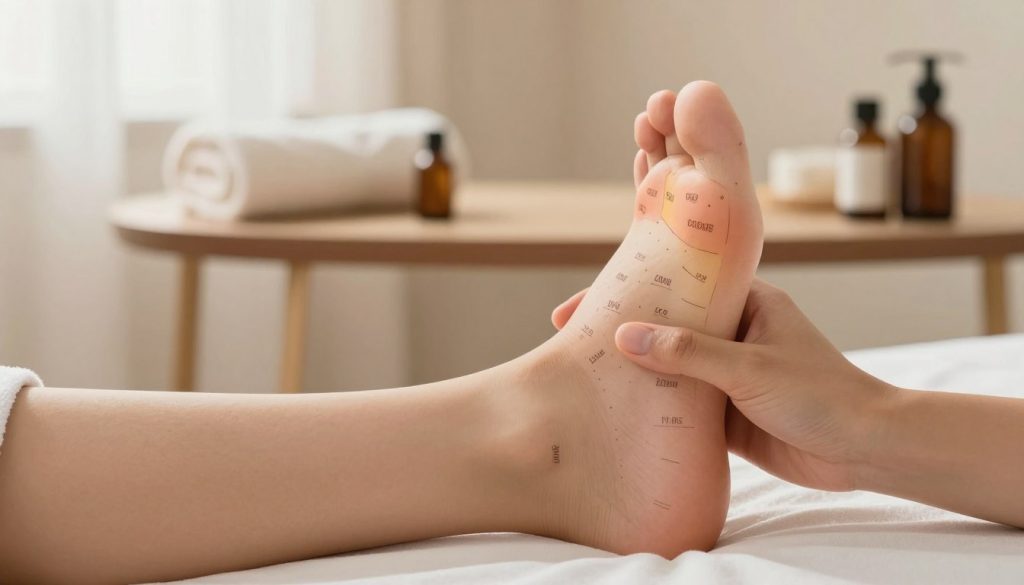
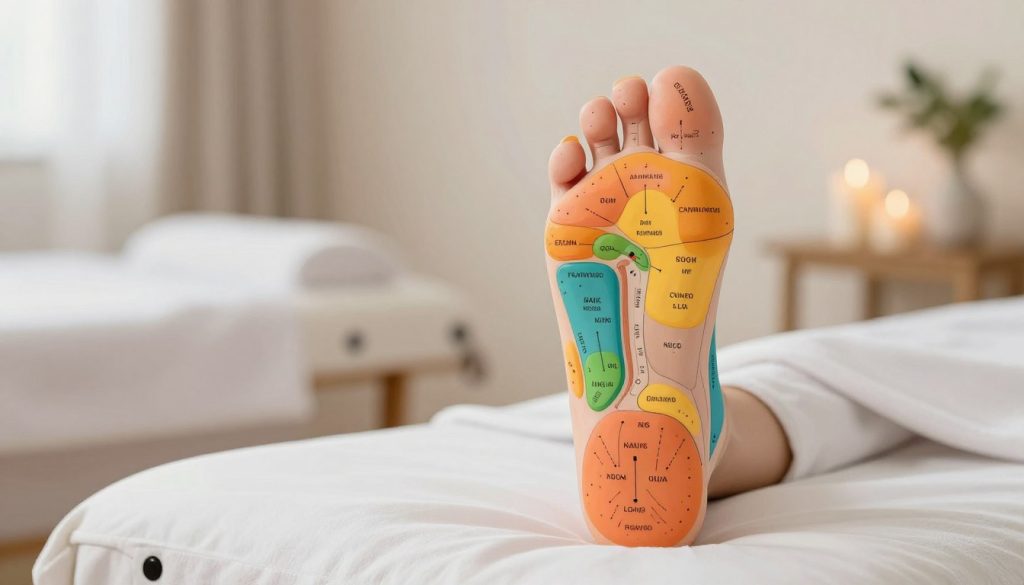
Reflexology practitioners work with detailed maps that chart therapeutic foot pressure points across your feet. Your toes correspond to your head and neck region, making them the primary focus for headaches. The ball of your foot connects directly to your chest area, including your heart and lungs.
Your arch serves as the reflection point for your digestive system. This area represents your stomach, liver, pancreas, and intestines. The heel and lower foot correspond to your pelvic region, reproductive organs, and lower back structures.
The body divides into 10 vertical zones according to traditional reflexology theory. Each zone runs from your head down to your toes, creating pathways through which energy travels. Your fingers and toes serve as the endpoints for these zones:
Zone 1 runs through your thumb and big toe to the center of your body
Zones 2-5 extend through your remaining fingers and toes to corresponding body sections
Each zone contains specific organs, glands, and body systems
Pressure applied in one part of a zone affects all structures within that same zone
The Science Behind Reflexology
Chinese medicine provides one theoretical foundation for understanding reflexology’s mechanisms. According to this ancient system, vital energy called qi flows through meridians throughout your body. Blockages in these pathways cause illness and discomfort.
Energy pathway reflexology works to remove these blockages by stimulating specific points that connect to the meridian system. Practitioners apply pressure to therapeutic foot pressure points, which may stimulate your central nervous system. This stimulation triggers the release of endorphins, your body’s natural pain-relieving chemicals.
The vascular theory suggests that reflexology improves blood circulation throughout your body. Better circulation delivers more oxygen and nutrients to your tissues while removing waste products more efficiently. This enhanced blood flow supports healing and reduces inflammation in affected areas.
Your brain plays a central role in how reflexology creates relief. Pain exists as a subjective experience that your brain constructs from incoming signals. Calming touch and focused pressure may interrupt pain signals or change how your brain interprets these messages.
How Reflexology Relieves Pain and Stress
The gate control theory of pain explains one mechanism through which reflexology provides relief. Your nervous system can only process a limited amount of sensory information at once. Pressure and touch sensations from reflexology compete with pain signals for neural pathway access.
Your body responds to reflexology by releasing beneficial neurochemicals. Endorphins create natural pain relief and produce feelings of well-being. Serotonin levels increase, improving your mood and sleep quality.
Research supports reflexology’s effectiveness for various conditions. A 2021 study examined 25 people experiencing labor pain and found that foot reflexology led to significant reductions. The physical application of zone therapy techniques during this critical time provided measurable comfort.
A comprehensive 2022 review analyzed reflexology’s impact on multiple pain types. The findings suggest this therapy may help relieve:
Headache and migraine pain
Back pain and joint discomfort
Post-surgical pain
Pregnancy-related discomfort
Cancer-related pain symptoms
Stress and anxiety reduction represents another key benefit. A 2022 review indicates that reflexology may help moderate anxiety levels in various populations. The therapy activates your parasympathetic nervous system, which controls your rest-and-digest responses.
The combination of physical touch, focused attention, and systematic pressure application creates multiple pathways for healing. Reflexology engages your body’s natural healing capabilities through energy meridians, nerve responses, or circulatory improvements. This multi-system approach explains why so many people find relief through regular reflexology sessions.
Preparing for a Reflexology Session
Knowing what happens before your reflexology appointment removes uncertainty. You’ll arrive feeling confident and comfortable. A foot reflexology treatment asks very little of you beforehand.
Your main focus should be on communicating openly with your practitioner. Ensure your own comfort throughout the experience.
The preparation process sets the foundation for a successful session. You can relax and fully benefit from the therapeutic effects of reflexology.
What to Expect Before Your Session
You don’t need to follow complex protocols before your reflex zone massage. A few simple steps will enhance your experience. These steps help your reflexologist provide better care.
Arrive well-hydrated by drinking plenty of water throughout the day. Good hydration helps your body respond better to treatment. It supports the natural detoxification process that reflexology stimulates.
Avoid eating heavy meals immediately before your session. A light snack is fine. A full stomach can make you uncomfortable when lying back during treatment.
Clean feet are essential as a courtesy to your practitioner. A quick wash before you leave home demonstrates respect. You can also wash your feet upon arrival.
Communication forms the cornerstone of effective treatment. Share detailed information about your health history.
Current medications and supplements you’re taking
Recent injuries or surgeries, especially to feet or legs
Chronic conditions like diabetes, arthritis, or circulatory problems
Areas of pain, tension, or particular concern
Pregnancy status, as certain pressure points require special attention
Some conditions require special consideration before receiving reflexology. Talk with your doctor first if you have circulatory problems in your feet. Also discuss if you have blood clots or inflammation of leg veins.
Check with your doctor about foot ulcers, gout, or fungal infections. Discuss open wounds on hands or feet. Also mention low platelet count or other blood disorders.
Generally, reflexology is safe even for people with serious health conditions. However, your reflexologist needs complete information to get the most out of your reflexology. This ensures your safety during treatment.
Choosing the Right Practitioner
Finding a qualified reflexologist in Turkey requires some research. The effort pays off in treatment quality and results. Your practitioner’s training significantly impacts your session’s effectiveness.
Look for professionals who hold credentials from recognized reflexology associations. Accredited training programs ensure practitioners understand anatomy and proper techniques. Membership in professional organizations indicates commitment to ongoing education.
Ask important questions during your initial consultation:
What training and certifications do you hold?
How many years have you practiced reflexology?
What is your treatment approach and philosophy?
Do you have experience with my specific health concerns?
What should I expect during and after treatment?
A quality practitioner welcomes these questions and answers them thoroughly. They should demonstrate genuine interest in your wellbeing. They explain their methods clearly without using excessive jargon.
Assess the practice environment carefully. The treatment space should be clean, comfortable, and professional. Equipment should appear well-maintained, and the atmosphere should promote relaxation.
Trust your instincts about practitioner compatibility. The therapeutic relationship matters just as much as technical skill. You should feel heard, respected, and comfortable communicating openly.
Clothing and Comfort Considerations
One major advantage of reflexology is that you remain fully clothed. You’ll only remove your shoes and socks. This makes the therapy particularly accessible and comfortable.
Wear loose, comfortable pants or skirts that roll up easily. This allows your reflexologist full access to your lower legs and feet. Tight jeans can make positioning uncomfortable during treatment.
Choose breathable fabrics that help you maintain a comfortable temperature. Treatment rooms are typically kept warm. Natural fibers like cotton allow better air circulation than synthetic materials.
Consider bringing socks to wear after your reflex zone massage. Some people find their feet feel sensitive following treatment. Fresh, comfortable socks provide extra comfort as you transition back.
Remove jewelry from your ankles before your session. Bracelets, rings, and watches on your hands should also come off. This applies if your practitioner plans to work on your hands.
Your comfort directly affects your ability to relax and receive treatment benefits. Don’t hesitate to speak up during your session. A skilled reflexologist wants you to feel completely at ease.
The Reflexology Session Experience
Your reflexology appointment offers a thoughtfully designed experience addressing physical and emotional wellbeing. Each session follows a specific flow ensuring your comfort while delivering maximum therapeutic benefits. Your practitioner creates a personalized treatment plan based on your health profile and wellness goals.
Understanding Your Initial Health Assessment
Your reflexology experience begins with a conversation about your overall health and wellness needs. Your therapist will ask about your medical history, current health concerns, and pain areas. This consultation typically takes 5 to 10 minutes and helps identify which areas require focused attention.
You’ll discuss your stress levels, lifestyle factors, and specific goals for the treatment. This is your opportunity to mention any health conditions, recent injuries, or medications you’re taking. Your reflexologist uses this information to customize the session and determine appropriate pressure levels.
The practitioner will also ask about your previous massage experiences and comfort preferences. This dialogue establishes trust and helps your therapist understand how to make your session beneficial. Don’t hesitate to ask questions or express any concerns during this initial conversation.
Professional Pressure Methods and Approaches
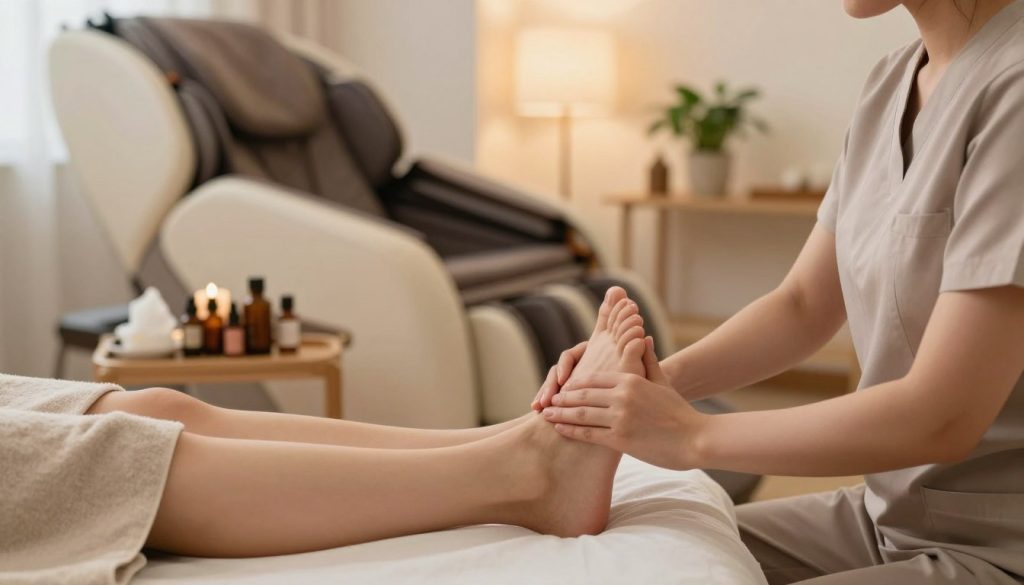
Your reflexologist employs several specialized techniques to stimulate reflex zones throughout both feet. The thumb walking method involves applying steady, caterpillar-like pressure along specific pathways. This technique allows precise control over pressure intensity and coverage of larger reflex areas.
Finger techniques provide more focused work on smaller reflex points that correspond to specific organs. Your practitioner may use rotation on a point, applying circular pressure to stimulate particular areas. These movements follow meridian point massage principles that trace energy pathways through your body.
During the session, your reflexologist systematically works through therapeutic foot pressure points on both feet. You may notice certain spots feel more tender or sensitive than others. These reactions often indicate areas where your body holds tension or experiences imbalance.
The practitioner adjusts pressure based on your feedback and observed responses. Some key techniques include:
Thumb walking across reflex zones for broad stimulation
Fingertip pressure for precise point work
Rotating movements to release blocked energy
Gentle holds to calm the nervous system
Stretching and flexing movements to enhance circulation
Session Length and Atmosphere Details
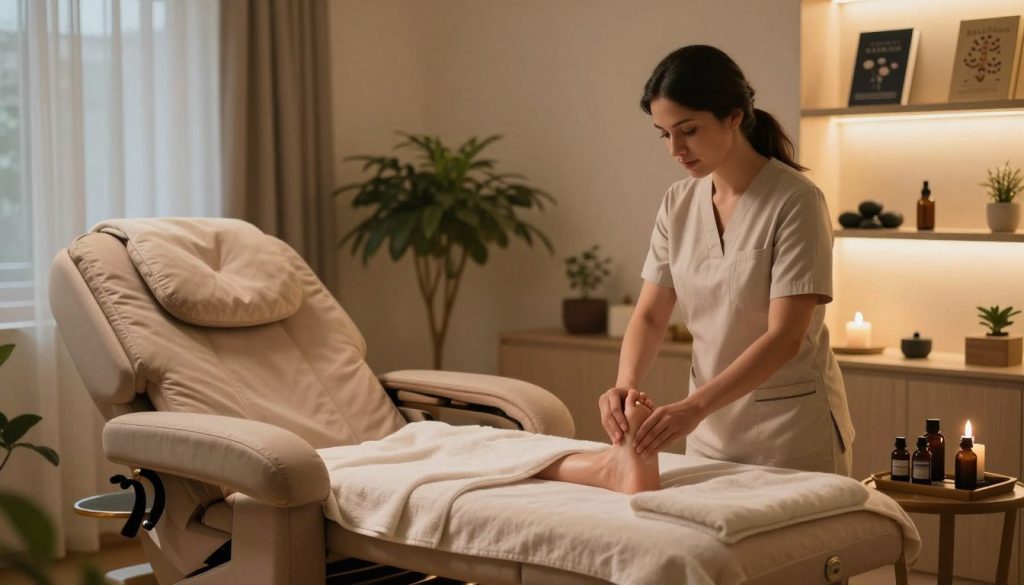
Most reflexology sessions last between 30 and 60 minutes, depending on your chosen treatment plan. The session takes place in a quiet, calming environment designed to promote deep relaxation. Soft lighting creates a peaceful ambiance while gentle background music helps quiet your mind.
You’ll recline in a comfortable chair or on a massage table where you can fully relax. The room temperature is kept comfortable, and blankets are available if needed. This soothing environment enhances the therapeutic benefits of the pressure work on your feet.
Many guests describe feeling progressively more relaxed as the session continues. The gentle pressure on therapeutic foot pressure points provides deep relaxation for both mind and body. People often report walking out feeling lighter, calmer, and more centered than before.
Aftercare Guidance for Optimal Results
After your reflexology session, your practitioner will provide specific recommendations to maximize treatment benefits. Following these guidelines helps your body process the session and maintain the positive effects longer. Your therapist may suggest scheduling follow-up appointments based on your individual needs.
Drinking plenty of water after treatment helps flush toxins released during the session. Your body continues processing the reflexology work for several hours after you leave. Staying hydrated supports this natural detoxification process and helps prevent any discomfort.
You might experience mild temporary reactions as your body rebalances itself. Some people report lightheadedness, tender feet, or emotional sensitivity shortly after treatment. These short-term side effects typically disappear within a few hours and indicate your body is responding.
To extend your session benefits, consider these post-treatment practices:
Avoid alcohol and caffeine for at least 3-4 hours after your session
Allow yourself time to rest if possible rather than rushing to activities
Pay attention to any bodily sensations or emotional shifts you notice
Wear comfortable shoes and avoid tight footwear immediately after treatment
Continue gentle self-care practices like stretching or meditation
Your reflexologist may recommend specific self-care techniques you can practice at home between sessions. These might include simple foot massages, breathing exercises, or lifestyle adjustments that support your wellness goals. Regular reflexology treatments combined with consistent self-care create lasting improvements in your overall wellbeing.
Common Questions About Reflexology Massage
Are you new to reflexology or thinking about regular sessions? Having accurate information about safety and treatment protocols is essential. This section addresses the most frequently asked questions about reflexology massage.
Is Reflexology Safe for Everyone?
Reflexology is generally very safe for most people. It’s a noninvasive treatment that feels comfortable and relaxing. The gentle nature makes it suitable even for individuals with chronic health conditions.
Certain situations require you to consult your healthcare provider first. You should talk with your doctor if you have circulatory problems in your feet. Blood clots or inflammation of your leg veins also require medical clearance.
Additional conditions that need attention include foot ulcers, gout, or fungal infections. Open wounds also require special consideration. If you have blood disorders, your physician should approve reflexology sessions beforehand.
Pregnancy requires special consideration during reflexology treatments. Tell your reflexologist before your session if you’re expecting. This is especially important during your first trimester.
These conditions don’t necessarily exclude you from receiving treatment. Your practitioner can make appropriate modifications based on your specific health situation. If you’re looking to enjoy a relaxing safe massage with these, communication with both your doctor and reflexologist ensures the best experience.
Some people report mild side effects after sessions. These may include lightheadedness, tender feet, or emotional sensitivity. These reactions are typically short-term and positive signs.
They indicate your body is responding to treatment. The effects will go away shortly after your session ends.
How Often Should You Get Reflexology?
The ideal treatment frequency depends on your individual goals and circumstances. Your body’s unique needs determine the most beneficial schedule. Many people incorporate reflexology into their wellness routine with monthly or bi-weekly visits.
This frequency works well for general stress management and maintaining balance. If you’re addressing specific acute issues, weekly sessions initially may provide better results. Your reflexologist can adjust the schedule as your condition improves.
Chronic conditions often respond well to consistent twice-monthly treatments. This frequency offers optimal support without overwhelming your system.
Wellness Goal
Recommended Frequency
Typical Duration
Expected Benefits
General Wellness
Monthly to Bi-weekly
Ongoing maintenance
Stress reduction, relaxation, prevention
Acute Issues
Weekly
4-6 weeks initially
Targeted relief, faster symptom improvement
Chronic Conditions
Twice monthly
3-6 months or longer
Sustained support, symptom management
Stress Management
Bi-weekly to Monthly
Seasonal or ongoing
Emotional balance, improved sleep quality
Your reflexologist will help you develop a personalized treatment plan. They’ll observe how your body responds and make adjustments accordingly. Some guests visit every few weeks as part of their self-care routine.
Others book sessions as needed during particularly stressful times.
Can Reflexology Replace Medical Treatments?
Reflexology is a complementary therapy, not an alternative to conventional medical care. This distinction is crucial for understanding how this natural pain relief massage fits into healthcare. It should not replace medications or professional healthcare advice.
It cannot cure diseases or treat serious medical conditions on its own. Reputable reflexologists never claim to cure illnesses. They won’t discourage you from seeking appropriate medical treatment for health concerns.
The true value of reflexology lies in enhancing your quality of life. It supports your body’s natural healing abilities and provides relief from various symptoms. This therapy works best when integrated into a comprehensive wellness approach.
Proper medical care remains the foundation. Reflexology serves as a beneficial complement. In Turkey’s healthcare landscape, many people successfully combine traditional medical treatments with reflexology sessions.
This integrative approach addresses both physical symptoms and overall wellness. Reflexology can’t cure or treat cancer. However, research shows it may help improve quality of life.
It offers comfort and stress reduction during challenging health journeys. Think of reflexology as one component of your self-care strategy. It enhances the effectiveness of medical treatments rather than competing with them.
Incorporating Reflexology into Your Wellness Routine
Making reflexology part of your regular schedule creates lasting benefits for your body and mind. Many guests in Turkey visit every few weeks as part of their wellness plan. Others book sessions when stress or fatigue feels overwhelming.
Making Time for Regular Sessions
Treat your reflexology appointments like medical visits. Book your next session before leaving each time. This creates consistency in your schedule.
Choose naturally quieter periods in your month for appointments. Shorter 30-minute sessions work better than skipping treatments when time feels tight. Schedule visits near other errands to save time.
Pairing with Other Wellness Practices
Holistic healing massage through reflexology works well with yoga and meditation. Both practices promote mind-body connection. Pressure point therapy complements acupuncture since both focus on energy pathways.
Physical therapy patients often add reflexology for pain management. Full-body massage and reflexology together provide complete relaxation benefits.
Building Your Self-Care Plan
Start by tracking how you feel before and after each session. Notice changes in sleep quality, stress levels, or pain relief. This helps you understand what your body needs.
Set realistic wellness goals based on your budget and schedule. Monthly sessions provide better results than occasional intensive periods. Combine reflexology with proper nutrition, adequate sleep, and regular movement for best results.
Reflexology supports balance and wellbeing during stressful times. It’s a natural complement to your self-care routine.