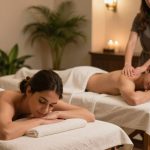
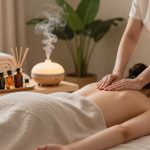
Have you walked out of a spa feeling disappointed despite paying premium rates? You’re not alone. Many people focus only on finding the lowest price or closest location.
This approach often leads to underwhelming results.
Exceptional therapeutic experiences depend on far more than cost. Most 60-minute sessions in Turkey range between $80 and $150. Price alone doesn’t guarantee satisfaction.
Seven critical factors determine whether you’ll receive transformative professional massage services. These include therapist credentials, specialized training, and treatment customization. Environment quality and products used also matter.
Understanding how these elements interact helps you make informed choices.
This guide will walk you through each factor in detail. You’ll discover how to evaluate quality beyond price tags. Find therapy that addresses your specific wellness goals effectively.
Key Takeaways
Price doesn’t determine quality – sessions ranging from $80-$150 vary significantly in value based on multiple factors
Therapist credentials and specialized training directly impact treatment effectiveness and safety
Treatment customization ensures your specific needs are addressed rather than receiving a generic session
Environmental factors including ambiance and cleanliness enhance therapeutic benefits and relaxation
Product quality affects skin health and overall experience during and after your session
Long-term wellness benefits should guide your choice more than one-time affordability
Evaluating all seven factors together helps you identify truly exceptional therapy providers
Understanding the Importance of Massage Quality
Recognizing the difference between adequate and outstanding massage experiences starts with understanding fundamental quality indicators. Quality determines whether your treatment provides temporary relief or lasting therapeutic benefits. Your investment in massage therapy deserves more than surface-level relaxation.
The massage industry in Turkey offers diverse options, making quality assessment essential for your wellness journey. You need specific knowledge to identify what separates exceptional treatments from mediocre sessions. This understanding protects your time, money, and health outcomes.
What Separates Standard from Exceptional Treatment
A standard massage temporarily eases surface tension without addressing underlying muscular problems. An exceptional massage identifies your specific conditions and provides targeted relief that lasts beyond the treatment session. You should notice improvements in mobility, pain reduction, and overall physical comfort.
Your therapist’s assessment skills determine treatment quality from the first moment. Great therapists evaluate your posture, movement patterns, and problem areas before beginning hands-on work. They adjust pressure throughout the session based on your body’s responses and verbal feedback.
The ability to customize treatment demonstrates genuine expertise. Exceptional therapists seamlessly blend multiple approaches to address your unique needs. They explain what they’re doing and why specific techniques benefit your particular condition.
How Different Approaches Serve Different Goals
Swedish massage establishes the foundation for most relaxation-focused treatments. This approach uses long, flowing strokes that promote circulation and general stress relief. You’ll find Swedish techniques ideal when seeking gentle muscle tension release and overall relaxation.
Deep tissue work targets deeper muscle layers and fascia using slower, more forceful strokes. This method proves more effective for chronic pain, injury recovery, and specific problem areas. The Swedish massage vs deep tissue comparison often determines which treatment style matches your current needs.
Understanding therapeutic massage techniques empowers you to select appropriate treatments. Deep tissue massage typically costs $10-$20 more than Swedish sessions due to the advanced skills required. Sports massage focuses specifically on athletic injury prevention and recovery needs.
Massage Type
Primary Purpose
Best Suited For
Skill Level Required
Swedish Massage
Relaxation and circulation
Stress relief, general wellness
Baseline training
Deep Tissue
Chronic pain relief
Injury recovery, persistent tension
Advanced technique
Sports Massage
Athletic performance
Athletes, injury prevention
Specialized training
Lymphatic Drainage
Fluid movement support
Post-surgery, immune support
Highly specialized
Several specialized approaches require additional training and expertise. Hot stone massage combines heat therapy with traditional techniques for enhanced muscle relaxation. Prenatal massage uses specialized positioning to safely address pregnancy-related discomfort.
Other therapeutic massage techniques include Thai massage with its stretching elements and aromatherapy massage incorporating essential oils. Reflexology focuses on pressure points. Each approach serves distinct therapeutic purposes and requires different skill levels from practitioners.
Your choice should align with specific health goals rather than price alone. Lymphatic drainage requires highly specialized training and equipment for proper execution. Couples massage offers shared experiences but doesn’t necessarily indicate therapeutic quality.
Location and Ambiance Matter
The location and atmosphere of your massage provider matter just as much as their qualifications. Your physical surroundings directly influence how deeply you can relax during treatment. The environment sets the foundation for your entire therapeutic experience.
Different types of massage businesses create distinctly different experiences. Day spas and resort facilities offer comprehensive wellness journeys with robes, relaxation lounges, and saunas. You pay for the complete ambiance as much as the massage itself.
Massage chains typically use membership models that deliver consistent service across multiple locations. Independent therapists offer varied pricing based on their experience and location overhead. These practitioners often provide more personalized experiences tailored to your specific needs.
Chiropractic offices and wellness clinics integrate massage into broader treatment plans. Geography plays a significant role in pricing structures. High-cost-of-living areas naturally charge more due to higher rent and operational expenses.
Selecting the Right Atmosphere
Your ideal massage setting depends on what enhances your relaxation most effectively. Luxury spa massage treatments in upscale facilities provide comprehensive sensory experiences. These venues feature calming music, aromatherapy diffusers, and temperature-controlled rooms that envelop you in comfort.
Post-treatment relaxation areas allow you to extend your state of tranquility. These environments justify higher prices through the holistic experience they deliver. You can escape completely from daily stressors in these carefully designed spaces.
Clinical settings in wellness centers offer focused therapeutic environments. These facilities emphasize treatment efficacy over luxury amenities. This approach may suit you better if you’re addressing specific medical concerns or injuries.
Highly recommended massage studios often balance both approaches successfully. They provide professional treatment spaces that feel welcoming without unnecessary frills. Consider several practical factors that affect your overall experience.
Proximity to your home or workplace matters for maintaining regular appointments. Parking availability reduces pre-treatment stress. Noise levels from surrounding areas can either support or undermine your relaxation efforts.
Understanding how to differentiate between high-quality and subpar massage helps you make informed decisions. Your personal comfort level in a particular setting directly impacts the therapeutic benefits you’ll receive.
Assessing Comfort and Cleanliness
Evaluating comfort and cleanliness represents a non-negotiable aspect of quality assessment. You should observe whether treatment rooms receive proper sanitization between clients. Fresh, high-quality linens indicate professional standards and attention to detail.
Spotless floors and surfaces demonstrate the facility’s commitment to hygiene. Appropriate temperature control and proper ventilation ensure your physical comfort throughout the session. Professional establishments display visible commitment to cleanliness in every area you encounter.
Clean restrooms, organized reception areas, and well-maintained equipment all signal operational excellence. The ambient elements should support rather than detract from your relaxation. Lighting quality affects your ability to unwind and enter a restful state.
Sound levels must remain conducive to mental quieting. Air quality impacts your breathing and overall sense of well-being. The overall aesthetic should create a calming visual environment that helps your mind release tension.
If you feel uncomfortable or notice cleanliness concerns, these factors will diminish your treatment’s effectiveness. Environmental shortcomings undermine even the most skilled therapist’s work.
Your choice among these facility types should align with your therapeutic goals and personal preferences. Each setting offers distinct advantages depending on what you value most. The right environment amplifies the benefits you receive from skilled therapeutic touch.
Therapist Credentials and Experience
Therapist qualifications form the foundation of safe and effective massage therapy. The person treating you determines whether your session delivers therapeutic benefits or causes harm. Understanding how to evaluate credentials protects you from practitioners who lack proper training.
Your therapist’s background directly influences both pricing and treatment outcomes. Someone with extensive experience and advanced certifications naturally charges more than recent graduates. This price difference reflects years of accumulated knowledge and refined skills.
In Turkey’s growing wellness industry, verifying therapist qualifications ensures you receive legitimate care. Not all practitioners maintain the same standards. Knowing what to look for helps you make informed decisions about your health.
Checking Training Background and Professional Standards
Before booking your appointment, investigate your therapist’s educational foundation. Top-rated massage therapists complete recognized training programs that meet industry standards. They hold current licensure through appropriate regulatory bodies and renew their credentials regularly.
Ask direct questions about their background. Where did they receive their training? How many hours of instruction did their program include?
Professional massage services employ therapists who answer these questions confidently. They provide verification when requested.
Legitimate practitioners maintain membership in professional associations that enforce ethical standards. These organizations require continuing education to keep skills current with evolving research. In Turkey, confirm your therapist participates in ongoing professional development.
Check whether they’ve completed their education through accredited institutions. Programs from established schools like those detailed at recognized medical colleges provide comprehensive training. This covers anatomy, physiology, and proper technique application.
Watch for red flags during your inquiry. Therapists who avoid discussing their credentials may lack proper qualifications. Professional practitioners readily share their background because they’re proud of their education.
Why Specialized Training Makes a Difference
Beyond basic certification, specialized skills distinguish exceptional therapists from average ones. Different conditions and client needs require additional training. This specialization directly impacts the quality of care you receive.
Consider your specific requirements when selecting a therapist. Pregnant clients need practitioners with prenatal massage certification. Standard techniques don’t transfer directly to pregnancy, making this specialized knowledge essential.
Athletes seeking sports massage benefit from therapists who understand biomechanics and injury patterns. These specialists know how to address athletic performance issues. Their targeted approach delivers better results for sports-related concerns.
Lymphatic drainage requires highly specialized training in gentle, precise techniques. This therapeutic approach demands specific knowledge about the lymphatic system. Practitioners offering this service should demonstrate certification in lymphatic therapy methods.
Deep tissue work represents another area requiring advanced skills. Effective treatment of adhesions and trigger points demands sophisticated technique knowledge. Inexperienced therapists attempting deep tissue massage may cause unnecessary discomfort or injury.
Experience level dramatically affects treatment quality. A therapist with 15 years of practice has encountered countless body types. This exposure develops intuition and refined skills that recent graduates haven’t acquired.
The following table illustrates how different specializations require distinct training investments:
Lymphatic system knowledge, precise pressure control, sequencing protocols
5+ years experience preferred
Deep Tissue Therapy
50-80 hours advanced technique training
Trigger point therapy, myofascial release, appropriate pressure application
3-7 years developing technique mastery
Newer therapists often offer lower rates while building their practices. This pricing strategy helps them attract initial clients and gain experience. However, seasoned professionals charging premium prices typically deliver superior results.
Their years of practice create pattern recognition abilities that enhance treatment effectiveness. They’ve seen similar conditions repeatedly and developed successful approaches. This expertise justifies higher rates and indicates quality service.
Experienced practitioners adapt their approach based on your unique needs. They draw from their extensive background with diverse clientele. This flexibility produces better outcomes than rigid, one-size-fits-all treatments.
The most skilled massage therapists combine technical expertise with intuitive understanding developed through years of hands-on practice with varied client populations.
Request information about continuing education. Top-rated massage therapists regularly attend workshops and advanced training courses. This ongoing learning keeps their skills sharp and exposes them to emerging techniques.
Professional credentials justify the pricing differences you encounter. While cost matters, the therapist’s qualifications should weigh heavily in your decision. Proper training and extensive experience create treatment quality that budget options rarely match.
Customization: Tailoring to Your Needs
Tailoring your massage session to match your specific conditions transforms a routine treatment into targeted therapy. The best massage professionals recognize that every client arrives with unique physical challenges. Generic approaches rarely deliver the comprehensive results that customized treatments provide.
Your body’s current state determines which massage modality will serve you most effectively. Someone experiencing workplace tension requires a completely different approach than an athlete recovering from training. Understanding the available options empowers you to make informed decisions about your therapeutic care.
Exploring Various Therapeutic Modalities
Different massage types serve distinct purposes, each offering specialized benefits for particular conditions. Swedish massage uses gentle, flowing strokes that promote deep relaxation and improved circulation. This approach works exceptionally well for addressing work-related stress and mental exhaustion.
Deep tissue massage benefits include breaking up scar tissue and releasing chronic muscle tension. This modality targets deeper muscle layers through slower strokes and more concentrated pressure. If you suffer from persistent lower back pain or shoulder tension, this technique delivers substantial value.
Sports massage focuses specifically on athletic performance and recovery. This specialized approach prevents injuries, improves flexibility, and accelerates healing between training sessions. Athletes benefit from techniques designed around their specific movement patterns and physical demands.
Hot stone massage incorporates heated stones to warm muscles deeply. Thai massage involves assisted stretching and movement along energy lines, providing flexibility benefits alongside relaxation. Aromatherapy massage combines physical therapy with psychological benefits through carefully selected essential oils.
Specialized modalities address specific health concerns with targeted approaches. Prenatal massage uses safe positioning and techniques appropriate for pregnant clients. Lymphatic drainage reduces swelling and supports immune function through gentle, rhythmic movements.
Massage Type
Primary Purpose
Ideal Session Length
Best For
Swedish Massage
Relaxation and circulation
60-90 minutes
Stress relief, general wellness
Deep Tissue
Chronic pain relief
60-90 minutes
Persistent tension, injury recovery
Sports Massage
Athletic performance
30-60 minutes
Athletes, active individuals
Hot Stone
Deep muscle warming
75-90 minutes
Muscle stiffness, cold weather relief
Session length customization significantly impacts treatment effectiveness. A 30-minute focused session works well for targeted work on specific problem areas. Standard 60-minute sessions provide comprehensive full-body treatment for most therapeutic needs.
Extended 90-minute sessions allow therapists to address multiple issues thoroughly or combine different techniques. Luxurious 120-minute sessions offer complex multi-modality treatments that provide both therapeutic and spa-like experiences.
Expressing Your Treatment Expectations
Communication between you and your therapist represents the critical bridge between your needs and effective treatment. Before your session begins, clearly articulate your primary concerns, pain locations, and overall wellness goals. Professional therapists need this information to customize their approach precisely to your requirements.
The best results in massage therapy come from open dialogue where clients feel comfortable expressing their needs and therapists actively listen to customize each session.
Share relevant medical information including injuries, chronic conditions, recent surgeries, or areas to avoid entirely. This transparency ensures your safety and allows therapists to modify techniques appropriately. If you have a shoulder injury, your therapist needs to know to adjust pressure.
During your session, provide ongoing feedback about pressure levels without hesitation. Speaking up when something feels uncomfortable or requesting more intensity helps therapists calibrate their touch. Professional practitioners welcome this communication because it enables them to deliver maximum therapeutic benefit.
Discuss your pressure preferences clearly using descriptive language. Terms like “gentle,” “moderate,” or “firm” mean different things to different people. Consider using a scale from one to ten for maximum tolerable pressure.
After your session, communicate how your body responded to the treatment. Mentioning which techniques felt most beneficial helps build an increasingly effective therapeutic relationship. This ongoing dialogue ensures each subsequent session builds upon previous work, creating cumulative benefits over time.
The Impact of Products Used
What touches your skin during a massage matters just as much as the therapist’s technique. The oils, lotions, and creams applied throughout your session directly influence your comfort and safety. Quality establishments recognize that products are essential tools that affect skin health and treatment effectiveness.
Professional therapists factor product costs into their pricing structure because premium supplies deliver superior outcomes. Aromatherapy massage incorporates essential oils that enhance relaxation and provide specific therapeutic benefits. Some providers include these oils in their base price, while others charge additional fees for specialized formulations.
Quality Oils Enhance Treatment Effectiveness
High-quality massage oils provide the appropriate glide that allows therapists to perform smooth strokes without causing friction. This proves essential for therapeutic massage techniques ranging from gentle Swedish movements to deeper pressure applications. The right product enables your therapist to work effectively without constantly reapplying or adjusting their approach.
Different oils serve distinct purposes based on your treatment goals. Lighter options like grapeseed or sweet almond absorb quickly and work well for general relaxation sessions. Heavier oils such as coconut provide substantial lubrication necessary for deep tissue work and pain relief massage therapy.
CBD-infused oils provide anti-inflammatory properties that support recovery and comfort.
The sensory qualities of massage products directly impact your relaxation level. Scent, texture, and absorption rate all contribute to your experience. Unpleasant smells, greasy textures, or skin irritation detract from treatment regardless of your therapist’s skill.
Natural Versus Synthetic Product Choices
Organic, natural products minimize your exposure to synthetic fragrances, parabens, and petroleum derivatives. These formulations prove essential if you have sensitive skin, allergies, or chemical sensitivities. While they typically cost more, they offer purity and significantly reduce the risk of adverse reactions.
Commercial products containing synthetic ingredients work perfectly well for many clients. However, others experience irritation, breakouts, or allergic responses to artificial components. The difference in product quality becomes especially noticeable during longer sessions.
Premium massage establishments invest in high-quality product lines because they understand this investment protects their reputation. Natural ingredients support better outcomes and higher client satisfaction. Professional therapists committed to excellence maintain diverse product options to accommodate different needs and preferences.
You should always inquire about the products your therapist uses, especially if you have known sensitivities. Request hypoallergenic or unscented options if fragrances trigger headaches or respiratory issues. Quality practitioners welcome these conversations and adjust their product selection accordingly.
The products applied during your massage session represent a significant investment by professional therapists. Quality supplies contribute to overhead costs that reflect in treatment pricing. Choosing a therapist who uses premium, natural products means investing in your skin health and therapeutic outcomes.
The Broader Benefits of Massage Therapy
Finding the best massage goes beyond a single session. Regular bodywork becomes a cornerstone of wellness when integrated into your lifestyle. Turkey’s wellness culture recognizes massage as essential self-care, not occasional luxury.
Physical and Mental Wellness Advantages
Pain relief massage therapy addresses chronic conditions like lower back discomfort and arthritis. It also helps with persistent headaches. Clinical research supports massage as an effective complement to medical treatment plans.
Your body responds with improved circulation. This delivers oxygen and nutrients to tissues while removing metabolic waste. Flexibility increases as therapists address muscle tightness and fascial restrictions.
Your immune system receives support through lymphatic drainage techniques. These techniques enhance natural detoxification processes.
Mental health benefits match physical improvements. Massage reduces cortisol while increasing serotonin and dopamine production. You’ll notice better sleep quality, reduced anxiety symptoms, and improved mood regulation.
This dedicated time provides essential stress relief in demanding schedules.
Creating Sustainable Wellness Practices
Building consistent routines transforms occasional treatments into lasting health investments. Establish relationships with skilled therapists who track your progress. They understand your body’s patterns.
Many Turkish wellness centers offer membership programs. These programs reduce costs while encouraging regular attendance.
Schedule sessions based on your needs. Try monthly for maintenance or weekly for specific therapeutic goals. Coordinate with your physician for chronic conditions.
Medically necessary treatments may qualify for insurance coverage. Track improvements in mobility, pain levels, and overall well-being. This measures your investment’s value over time.