Have you wondered if “medical” on Thai bodywork services means real clinical expertise? Or is it just a marketing term? Understanding this difference matters before you book your first session in Turkey.
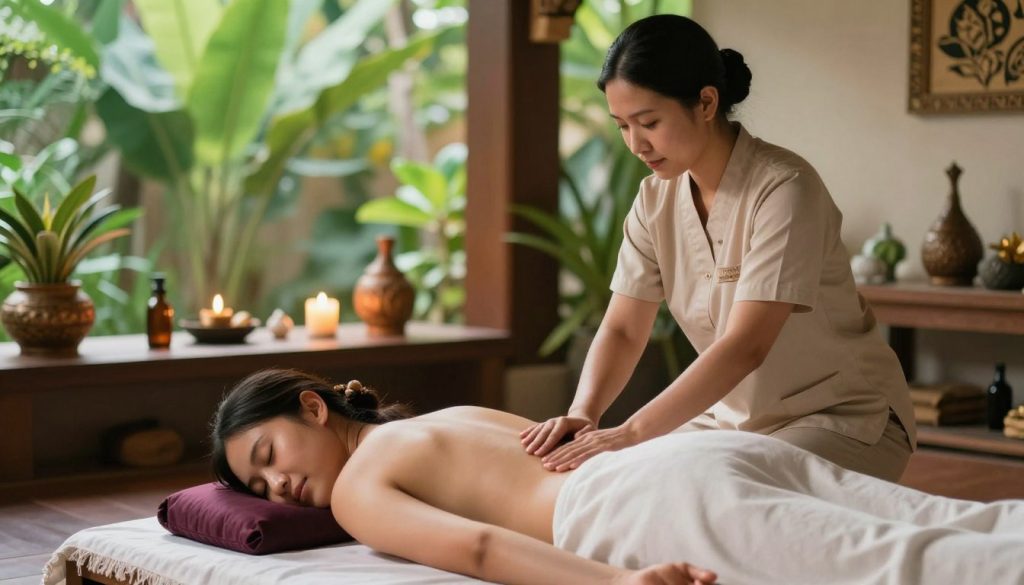
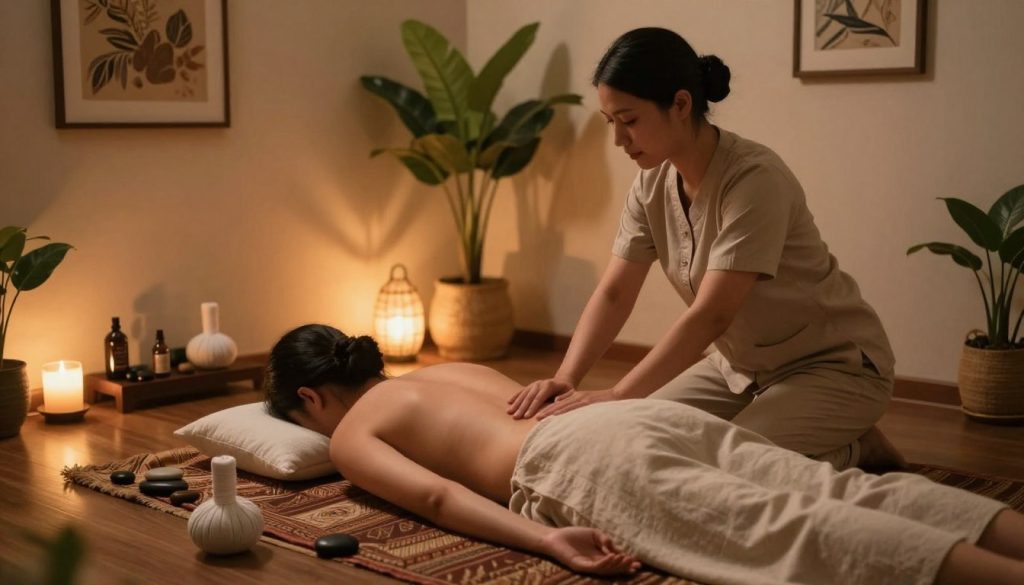
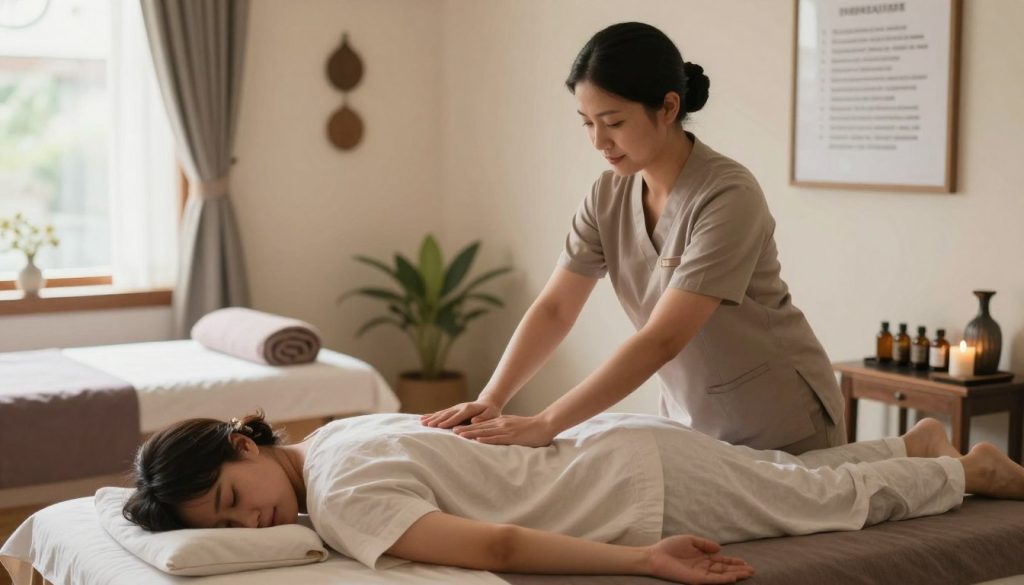
Medical thai massage uses rhythmic pressure, assisted stretching, and guided body positioning. This helps promote relaxation and flexibility. The traditional hands-on therapy applies deep tissue techniques and yoga-like poses to address muscle tightness.
However, recognize that this practice serves as a supportive wellness approach. It is not a regulated clinical treatment.
The term “medical” can be misleading. Authentic thai medical massage doesn’t diagnose or cure diseases. It supports your overall well-being.
You need to verify practitioner credentials. Ensure the therapy suits your health condition. Maintain realistic expectations about outcomes.
Before pursuing this therapy, distinguish between legitimate therapeutic practice and unsubstantiated health claims. Asking the right questions protects your safety. It ensures you receive genuine traditional bodywork.
Key Takeaways
Traditional Thai bodywork uses pressure, stretching, and body positioning to ease muscle tension and promote relaxation
The “medical” label describes a wellness practice, not a clinically regulated treatment or disease cure
Verification of practitioner training and credentials is essential before beginning any session
This therapy supports overall well-being but cannot replace proper diagnosis or treatment of health conditions
Understanding realistic outcomes helps you avoid misleading claims and ensures safe practice
Asking informed questions about credentials and methods protects your health and investment
Understanding Medical Thai Massage and Its Origins
Medical Thai massage has a rich cultural heritage and foundational principles that define this healing art. This bodywork combines rhythmic pressure, assisted stretching, and guided body positioning. It addresses both physical discomfort and energy imbalances.
Unlike Western massage modalities, healing thai massage techniques work with your body’s natural energy systems. The practice promotes flexibility and circulation throughout your body.
Practitioners use their hands, thumbs, elbows, forearms, and sometimes feet to apply controlled pressure. They work along specific pathways in your body. Sessions typically include passive stretches, gentle twisting motions, and movements that guide your joints.
The experience differs significantly from table-based massage. You remain fully clothed during the session. The work happens on a comfortable floor mat.
Ancient Roots and Cultural Development
Thai massage began more than 2,500 years ago in monasteries and healing centers. A physician named Jivaka Kumar Bhaccha served as the Buddha’s personal doctor. He brought these therapeutic practices from India to Thailand.
This connection to Buddhist tradition explains why temples served as primary learning centers. Monks practiced this healing art for centuries in these sacred spaces.
Traditional thai massage therapy evolved through a fusion of medical knowledge from multiple cultures. Indian Ayurvedic principles contributed concepts about body constitution and balance. Chinese medicine introduced theories about energy flow and pressure points.
Buddhist philosophy added emphasis on mindfulness, compassion, and spiritual aspects of healing. Monks and temple attendants preserved these techniques through oral tradition and hands-on training.
They viewed massage as a sacred practice that could restore harmony. This harmony connected body, mind, and spirit. The temple setting reinforced the connection between healing and spiritual well-being.
You can still see this heritage reflected in how experienced practitioners approach each session with mindfulness. The historical emphasis on careful observation continues today. Quality practitioners adapt to individual needs rather than applying generic techniques.
Core Therapeutic Principles
Medical Thai massage operates on the theory that energy flows through your body. This energy travels along invisible pathways called sen lines. Practitioners identify ten major sen lines that correspond to nerve pathways and fascial planes.
Blocked or stagnant energy flow along these lines may cause problems. You may experience pain, stiffness, or other health concerns.
The application of healing thai massage techniques follows specific principles. These principles restore proper energy flow and physical function. Practitioners use rhythmic compression that alternates between firm pressure and release.
This creates a pumping action that promotes circulation. The deliberate pacing helps your nervous system shift from stress response to relaxation mode.
Stretching represents another fundamental component of authentic practice. Your practitioner guides your body through yoga-like positions. These positions lengthen muscles, release joint restrictions, and improve overall flexibility.
Assisted stretches reach deeper than what you could achieve on your own. They remain safe because the practitioner controls the movement. The practitioner responds to your feedback throughout the session.
Principle
Purpose
Your Experience
Sen Line Work
Clear energy blockages and restore flow
Targeted pressure along specific body pathways
Rhythmic Compression
Improve circulation and calm nervous system
Wave-like pressure applied with steady rhythm
Assisted Stretching
Release tension and increase flexibility
Passive movements into yoga-inspired positions
Whole-Person Approach
Address root causes rather than symptoms
Comprehensive treatment adapted to your needs
The most important principle involves treating you as a whole person. Qualified practitioners assess your overall condition, medical history, and flexibility level. They evaluate your pain tolerance before beginning work.
Practitioners continuously adjust pressure and techniques based on your responses. This individualized approach means that two people receiving treatment for similar complaints might experience different sessions.
Your age, physical condition, and specific needs guide how your practitioner works. A skilled therapist never forces your body beyond comfortable limits. They don’t apply the same routine to every client.
Understanding these foundational principles helps you evaluate whether a practitioner follows authentic methods. You can make informed decisions about where to receive treatment. You’ll know what to expect from your sessions.
Benefits of Medical Thai Massage for Well-Being
Exploring the documented benefits of therapeutic Thai bodywork reveals a practice supporting multiple health dimensions. Evidence-based research provides realistic insights into what this ancient healing method offers. Understanding these advantages helps you make informed decisions about incorporating this therapy into your wellness routine.
The medicinal thai massage benefits range from temporary physical relief to meaningful emotional support. Your results depend on your current health status, practitioner skill, and commitment to complementary self-care practices. Setting appropriate expectations ensures you gain the most value from each session.
Physical Health Benefits
Research suggests that therapeutic Thai bodywork may provide short-term relief for people experiencing nonspecific musculoskeletal discomfort. This is particularly true when symptoms stem from postural stress, repetitive movements, or general tension. The manual pressure and assisted stretching techniques work together to address these common concerns.
Your muscles often hold tension from daily activities like sitting at a desk or carrying heavy bags. The applied pressure during a session can temporarily reduce this muscle guarding and help release built-up tightness. Many people notice improved comfort in their back, neck, and shoulders after treatment.
Flexibility and range of motion improvements represent another key advantage. The assisted stretching components gently move your joints through their natural ranges. This can be especially helpful if you have general stiffness from low activity levels.
The techniques may also enhance circulation in your soft tissues. Improved blood flow supports your body’s natural healing processes and contributes to better nutrient delivery. However, these effects are typically temporary without ongoing maintenance.
Consider these documented physical advantages:
Temporary relief from muscle tightness and tension in common problem areas
Short-term improvements in joint mobility and flexibility
Reduced muscle guarding that restricts normal movement
Enhanced body awareness regarding posture and movement patterns
Support for general mobility in daily activities
You should understand important limitations of these benefits. The relief you experience is often temporary unless you combine sessions with regular exercise and posture correction. If you have severe, persistent, or worsening pain, therapeutic bodywork should not replace proper medical evaluation.
Pain accompanied by numbness, tingling, weakness, or other concerning symptoms requires professional medical assessment. Medical Thai massage works best as part of a comprehensive approach to wellness.
Mental and Emotional Advantages
The mental and emotional medicinal thai massage benefits can be just as valuable as the physical effects. During your session, the combination of focused breathing, therapeutic touch, and calm environment helps activate your relaxation response. This physiological shift can provide meaningful stress relief.
Your nervous system responds to the mindful, deliberate pace of the treatment. The parasympathetic nervous system becomes more active, which counteracts the stress-driven fight-or-flight response. This may lead to reduced levels of stress hormones like cortisol.
Anxiety relief represents another potential advantage for people dealing with stress-related tension. The quiet, focused nature of a session creates space for your mind to settle. Many practitioners incorporate breathing techniques that further support emotional calm and mental clarity.
Body awareness improvement often develops over time with regular sessions. You learn to recognize where you hold tension and how your posture affects your comfort. This increased awareness can help you make better choices regarding movement, positioning, and stress management.
Mental and emotional benefits include:
Activation of the relaxation response to calm your nervous system
Potential reduction in stress hormone levels
Eased anxiety through mindful touch and breathing practices
Improved connection between your mind and body
Enhanced overall sense of well-being and emotional balance
Individual results vary significantly based on your unique circumstances and needs. The quality of scientific evidence differs depending on the specific condition being addressed. Honest practitioners will acknowledge these distinctions.
Your experience may also depend on factors like your stress levels, sleep quality, and overall health status. What works well for one person may produce different results for another. Approaching this practice with realistic expectations proves important for your satisfaction.
Safety Considerations and Contraindications
Not every person is suitable for medical Thai massage at all times. Knowing when treatment is safe protects you from potential complications. This knowledge helps you make informed decisions about your wellness care.
Certain health conditions create situations where treatment may cause harm rather than healing. Your safety depends on honest communication with your practitioner about your medical history. Transparency about current health issues ensures the treatment plan matches your body’s needs.
Absolute and Relative Contraindications
Some medical situations require you to postpone massage entirely until you receive proper care. Recent fractures, sprains, or dislocations need time to stabilize before any bodywork begins. Open wounds and active skin infections pose infection risks that make physical contact unsafe.
Fever and acute inflammation signal that your body is fighting an active health challenge. Professional thai massage therapy during these periods can interfere with your natural healing processes. Wait until these conditions resolve before scheduling your session.
Other health conditions require extra caution rather than complete avoidance. If you have osteoporosis, your bones are more fragile and susceptible to injury from pressure. Bleeding disorders or blood-thinning medications increase bruising risks during deep tissue work.
A history of deep vein thrombosis presents serious concerns. Massage could theoretically dislodge a clot, creating life-threatening complications. Always disclose this history to your practitioner before any session begins.
Cardiovascular conditions demand careful assessment before treatment. Uncontrolled high blood pressure or severe heart disease require medical clearance first. Your practitioner needs to know these conditions to modify techniques appropriately.
Condition Category
Specific Examples
Required Action
Acute Injuries
Recent fractures, sprains, dislocations, open wounds
Advanced diabetes with nerve damage presents unique challenges. You may not feel pain signals that normally warn of excessive pressure. Recent surgery requires healing time before massage can safely resume.
Pregnancy is not a contraindication but demands significant modifications. Only practitioners with specific prenatal training should work with pregnant clients. Certain pressure points and positions must be avoided to protect both mother and baby.
If you experience severe back pain with radiating leg pain, numbness, weakness, or bowel and bladder changes, seek medical evaluation before considering massage.
Warning signs indicate when massage should not be your first treatment choice. Severe back pain accompanied by leg pain, numbness, or muscle weakness may signal nerve compression. Bowel or bladder control changes require immediate medical attention.
Neck pain following trauma needs medical imaging to rule out serious injury. Pain that persists beyond a few weeks warrants professional medical assessment. These situations require diagnosis before therapeutic massage begins.
Essential Questions for Your Practitioner
Your safety depends on choosing a practitioner who prioritizes individualized care over standardized routines. Ask specific questions before committing to treatment. The answers reveal whether the practitioner follows international safety standards.
Start by inquiring about training and certification credentials. Ask where they studied, how many hours of training they completed, and whether they maintain continuing education. These details verify their professional foundation.
Question their experience with your specific health conditions. A practitioner familiar with your situation can better anticipate challenges and modify techniques. Generic experience is not the same as specialized knowledge.
What training have you completed in medical Thai massage and anatomy?
How many years have you practiced, and how many clients have you treated?
Have you worked with clients who have my specific health conditions?
How will you customize the session based on my medical history and comfort level?
What contraindications do you screen for before beginning treatment?
Understanding their customization approach is critical. Ask how they will adjust the session to your individual needs rather than using identical techniques. The answer should demonstrate flexibility and client-centered thinking.
Discuss their knowledge of contraindications directly. A qualified practitioner should readily explain conditions that require caution or medical clearance. Hesitation or vague answers suggest insufficient safety training.
Ask about pain management during the session. Professional thai massage therapy should never cause sharp or unbearable pain. Your practitioner should encourage communication and immediately adjust when you signal discomfort.
In Turkey, verifying that practitioners follow international safety standards is particularly important. The growing wellness industry includes varying levels of training and professionalism. Your questions help identify practitioners who prioritize your health above all other considerations.
Request information about how they handle situations where a technique causes unexpected pain. Their emergency protocols and problem-solving approach reveal their preparedness for complications. A confident, detailed answer demonstrates professional competence.
Finding a Qualified Medical Thai Massage Practitioner
A well-informed search for a medical Thai massage practitioner protects your health. It also maximizes therapeutic benefits. The quality of your treatment depends on the expertise of the person performing bodywork.
Taking time to verify credentials creates a foundation for safe, effective care. Ask the right questions during your search.
The process involves evaluating their professional background and communication approach. In Turkey, the massage therapy landscape includes practitioners with varying training levels. Your goal is to identify professionals who combine traditional knowledge with modern safety protocols.
Choosing a practitioner who takes a thorough health history makes remedial Thai massage sessions safer. One who explains techniques clearly improves outcomes. This investment in careful selection reduces risk of complications.
The right practitioner will respect your comfort limits. They will adjust techniques to your specific needs.
Credentials to Look For
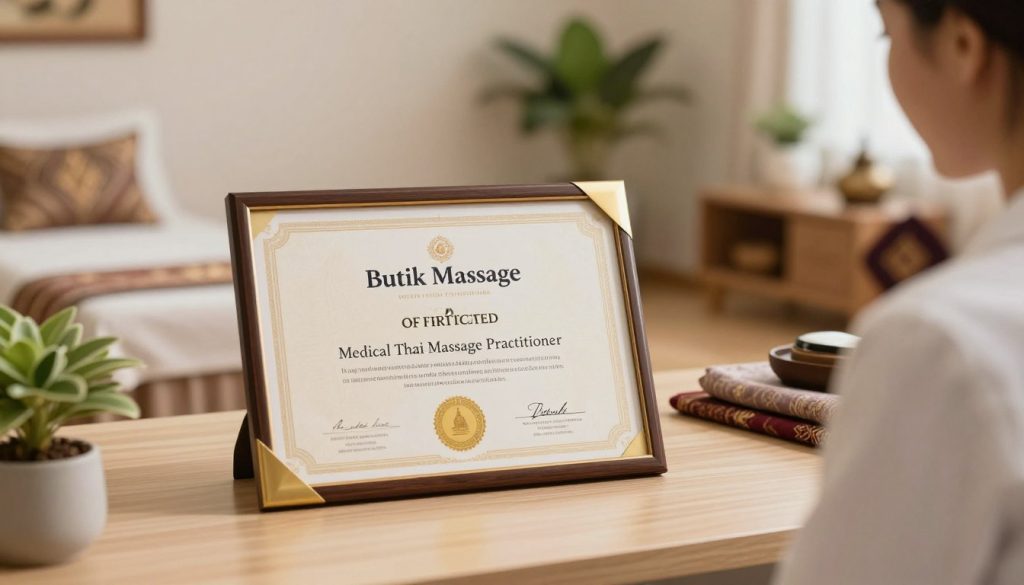
Legitimate training in medical Thai massage involves hundreds of hours of instruction. Quality programs cover anatomy, physiology, traditional techniques, and contraindications. Look for practitioners who completed recognized certification programs from established schools.
Professional credentials demonstrate a practitioner’s commitment to excellence. Qualified practitioners continue learning about new research and refined techniques. This continuous education ensures they remain current with best practices.
Several key indicators help you identify well-trained professionals. Verify whether practitioners carry professional liability insurance. Confirm that they work in licensed facilities meeting health regulations in Turkey.
Practitioners should understand both traditional approaches and modern medical safety considerations. Clear communication in your preferred language is essential. Ethical standards and hygiene protocols are non-negotiable requirements for any legitimate practice.
Credential Type
What to Verify
Why It Matters
Certification Program
Minimum 200-300 hours from recognized school
Ensures comprehensive training in techniques and safety
Continuing Education
Recent courses in past 12-24 months
Demonstrates commitment to current best practices
Professional Insurance
Valid liability coverage documentation
Protects you legally and signals professional standards
Facility Licensing
Current health department permits
Confirms compliance with hygiene and safety regulations
Questions to Include During Your Search
Your initial consultation provides an opportunity to assess a practitioner’s qualifications. Prepare a list of specific inquiries about their training and experience. Trustworthy practitioners welcome these questions rather than becoming defensive.
Ask about their specific training in medical Thai massage versus general techniques. Inquire about years of experience and familiarity with conditions similar to yours. Understanding their typical session structure helps you know what to expect.
Important questions should cover their approach to intake and health history assessment. Learn how they gauge your comfort during treatment. A qualified practitioner will explain how they customize remedial thai massage sessions for different body types.
The practitioner should explain their protocol if you experience sharp pain or need to stop a technique immediately during the session.
Essential areas to explore include their experience with specific medical conditions. Ask how they modify techniques for people with health concerns. Their answers reveal their understanding of therapeutic stretching massage principles and safety awareness.
What is your training background specifically in medical Thai massage?
How many years have you practiced, and what types of conditions do you commonly treat?
How do you assess my health history before beginning treatment?
What methods do you use to ensure I remain comfortable throughout the session?
How do you customize treatments for different flexibility levels and health concerns?
What is your protocol if I experience pain or need to stop a technique?
The practitioner’s responses to your questions provide valuable insights into their professionalism. They should take time to explain their approach clearly. Look for genuine interest in your health concerns.
Prioritizing a thorough health history before beginning bodywork signals responsible practice. Interviewing multiple practitioners before making your choice is perfectly appropriate. This process is an investment in your safety and treatment outcomes.
The right practitioner will adjust each session to your comfort and flexibility. They will consider your individual health conditions.
What to Expect During a Medical Thai Massage Session
Your first medical thai massage appointment starts with questions about your symptoms and medical history. The practitioner will ask about recent injuries. They will also check your comfort level with pressure and stretching to personalize treatment.
Preparing for Your Treatment
Wear comfortable, loose-fitting clothing that allows movement. Unlike oil-based treatments, professional thai massage therapy happens fully clothed on a mat. Eat lightly beforehand and avoid heavy meals within two hours.
Arrive a few minutes early to complete paperwork and relax. Communicate openly with your practitioner about health concerns. Mention any areas that need special attention.
Breathe steadily during the session to help your muscles release tension. The treatment may feel intense during deep pressure or stretching. It should never cause sharp or unbearable pain.
Speak up immediately if anything feels too strong.
After Your Session
Some people feel looser and calmer right away. Others may experience mild temporary soreness similar to light exercise. This typically resolves within a day or two.
Drink plenty of water to support circulation and tissue recovery. Walk gently and avoid intense physical activity for the rest of the day. Take a warm shower to extend the relaxation benefits.
Ongoing or significant pain, numbness, or swelling is not expected. Report any concerning symptoms to your practitioner. Seek medical evaluation if they persist.