Some ancient healing methods stay relevant for thousands of years while modern trends quickly fade. The answer lies in practices like ayurvedic massage. It combines time-tested wisdom with personalized therapeutic approaches.
In Sanskrit, the word ‘sneha’ holds a beautiful dual meaning. It represents both oil and love. This connection reveals the nurturing essence at the heart of traditional healing practices.
Unlike conventional relaxation techniques, this system addresses your unique constitution. It uses warm herbal oils and specific balancing methods. The practice considers your dosha, or energetic blueprint, to restore harmony.
Understanding the foundational elements is essential for experiencing genuine therapeutic benefits. This includes selecting appropriate oils and recognizing your individual needs. This holistic wellness therapy offers modern seekers in Turkey an accessible path to ancient wisdom.
It addresses discomfort, stress, and imbalance through intentional, nurturing touch.
Key Takeaways
Ayurvedic treatments use warm herbal oils selected based on your unique constitutional type
The practice balances your body’s energies rather than simply providing relaxation
Understanding your dosha helps determine the most effective therapeutic approach
Traditional techniques address physical discomfort, mental stress, and energetic imbalances simultaneously
The Sanskrit concept of ‘sneha’ reflects the nurturing, loving intention behind oil application
This ancient system remains relevant for modern wellness seekers valuing time-tested methods
What is Ayurvedic Massage?
Ayurvedic body treatments address your entire being rather than isolated symptoms. This therapeutic approach emerged from India’s ancient medical wisdom. It continues to offer profound benefits for modern wellness challenges.
Unlike conventional massage focused on muscle relaxation, Ayurvedic massage serves as complete healing intervention. It operates within a comprehensive medical framework. The practice involves applying specially prepared medicinal oils to your body.
Your treatment follows established principles that consider your unique constitutional makeup. Current health status and environmental factors also guide the approach. This personalized method distinguishes authentic Ayurvedic massage from standardized spa treatments.
Professional practitioners undergo extensive training to master these traditional techniques. Certification programs in Nepal require 25 hours of intensive study. This depth of education ensures therapists understand the underlying healing principles.
The Foundations of Ancient Healing Wisdom
Ayurveda translates directly as “science of life.” It represents one of humanity’s oldest documented medical systems. This holistic wellness system originated in India’s Vedic period over 5,000 years ago.
The traditional ayurvedic healing framework addresses health through integrated understanding. Body, mind, spirit, and environmental influences all play crucial roles. You benefit from a system that views health as dynamic balance.
Illness manifests when these elements fall out of harmony. The Ayurvedic approach seeks to identify and correct imbalances at their root causes. This differs from simply suppressing symptoms.
Each person receives individualized assessment and treatment recommendations based on their unique constitution. This personalized methodology contrasts with one-size-fits-all protocols. Your specific needs guide the selection of oils, techniques, and treatment duration.
Aspect
Ayurvedic Approach
Conventional Medicine
Key Difference
Treatment Focus
Root cause and constitutional balance
Symptom management
Prevention versus reaction
Patient View
Unique individual requiring customization
Standard protocols for conditions
Personalized versus standardized
Health Definition
Balance of body, mind, spirit, environment
Absence of measurable disease
Holistic versus reductionist
Time Perspective
5,000+ years of continuous practice
200-300 years of modern development
Ancient wisdom versus recent science
The holistic wellness system recognizes your physical health connects to your mental state. Emotional patterns and spiritual wellbeing also matter. This integrated perspective informs every aspect of Ayurvedic treatment, including massage therapy.
Therapeutic Principles of Medicinal Touch
Traditional ayurvedic healing positions massage, known as abhyanga, as central therapeutic intervention. The philosophy centers on applying medicated oils to nourish your body’s tissues. These oils calm your nervous system and facilitate toxin elimination.
Authentic Ayurvedic oils follow rigorous traditional preparation methods. The classical Taila Paka Vidhi process involves slow-cooking herbal paste, oil base, and herbal decoction. This extended preparation allows complete transfer of medicinal compounds from herbs into oil.
The oil is the vehicle that carries healing deep into the tissues, while the herbs provide the medicine, and the therapist’s hands direct the treatment to where balance must be restored.
Authentic ayurvedic body treatments operate on multiple levels simultaneously. The physical application improves circulation, lubricates joints, and softens tissues. The medicated oils deliver herbal compounds through your skin.
Rhythmic techniques calm your nervous system and promote deep relaxation. This multi-dimensional approach creates effects beyond temporary muscle relaxation. Your treatment aims to reset fundamental patterns of imbalance.
The systematic application of oil works to restore optimal function across all body systems. Understanding these foundational principles helps you appreciate why Ayurvedic massage requires trained practitioners. Therapeutic outcomes depend on proper oil preparation, constitutional assessment, and integration with broader principles.
Key Benefits of Ayurvedic Massage
Regular ayurvedic massage sessions unlock a complete healing system. This practice addresses your body, mind, and spirit at once. Ancient therapeutic bodywork creates deep changes that modern research validates.
Your body responds to these treatments on multiple levels. You experience benefits from immediate physical relief to lasting wellness changes. The effects depend on consistency and techniques that match your individual constitution.
Physical Benefits
Warm herbal oils penetrate deeply into your tissues during treatment. They nourish muscles, joints, and connective tissue while boosting circulation. Your lymphatic system gets stimulated, helping remove waste products and toxins.
Traditional applications address common physical complaints that affect daily comfort:
Joint stiffness and discomfort receive relief through warming oil formulations like Mahanarayana Thailam
Muscle tension dissolves under rhythmic massage strokes that release accumulated tightness
Physical recovery accelerates after exercise, travel, or periods of strain
Flexibility and ease of movement improve as tissues become more supple and hydrated
General strength and vitality increase with regular sessions
Active individuals gain major advantages from these physical improvements. Specialized oil blends support your body’s natural recovery processes. Fresh oxygen and nutrients reach fatigued muscles while massage strokes reduce inflammation.
Mental and Emotional Benefits
Rhythmic application of warm oil deeply affects your nervous system. Your stress response shifts from high alert to deep relaxation. The fight-or-flight response calms down while rest systems activate.
Shiroabhyanga treatment shows powerful effects on mental wellness. This technique combines full-body massage with gentle oil application to the third eye. Research documents multiple psychological benefits from this approach.
Shiroabhyanga treatment is documented to relieve tension, ease the mind, support mental clarity, alleviate stress, improve sleep, support hair health, and balance the nervous system.
Your experience during sessions often includes feeling deeply cared for. This emotional component enhances the physical benefits. Many people in Turkey seeking wellness massages for stress management find ayurvedic massage addresses anxiety effectively.
Treatments help you develop better sleep patterns. Racing thoughts calm down and physical restlessness decreases. Your emotional balance improves as sessions create nervous system resilience.
Long-term Health Improvements
Consistent ayurvedic massage creates cumulative benefits over time. These lasting improvements strengthen your body’s natural healing capacities. Your immune function enhances as stress hormones decrease and circulation improves.
Regular sessions deliver progressive improvements across multiple health dimensions:
Increased capacity to handle pressure, lower baseline anxiety
Energy Levels
Post-treatment vitality boost
Balanced energy throughout day, reduced fatigue patterns
Immune Function
Enhanced lymphatic drainage
Fewer illnesses, faster recovery from common ailments
Prevention represents one of the most valuable long-term advantages. Addressing stress before it becomes chronic protects your health. Your body maintains better balance when you provide consistent nurturing.
For individuals in Turkey incorporating ayurvedic massage into self-care routines, effects compound over time. You develop a deeper connection with your body’s signals. This preventive approach supports quality of life at every age.
Essential Oils Used in Ayurvedic Massage
Oil selection in Ayurvedic massage goes beyond simple carrier oils. It includes complex herbal formulations known as Thailams. These medicated oils represent the cornerstone of authentic herbal massage therapy.
They distinguish traditional practice from contemporary spa treatments. The preparation, composition, and application determine the therapeutic effectiveness. Understanding specific formulations helps you appreciate the sophistication behind abhyanga oil massage.
Each Thailam serves distinct purposes based on your individual constitution. They also address your specific health objectives.
Traditional Formulations and Their Applications
Mahanarayana Thailam stands as one of the most comprehensive formulations. This preparation contains over 50 herbs including Dashmoola (ten roots). It includes Bala for strength, Ashwagandha for adaptation, and Rasna for joint comfort.
Practitioners recommend this formulation for active individuals. It particularly helps those seeking joint support.
Dhanwantharam Thailam offers a revered formulation of 25-30+ herbs. This preparation holds special significance for postnatal care and pediatric applications. Traditional texts value this oil for gentle strengthening and restoration.
Ksheerabala Thailam provides a simpler three-ingredient approach. This formulation combines Bala herb, milk, and sesame oil. The gentle, cooling nature suits sensitive individuals and those experiencing heat-related imbalances.
The preparation of medicated oils is not merely mixing herbs with oil, but a sacred process that transforms simple ingredients into powerful therapeutic agents.
Ashwagandha Thailam delivers grounding and strengthening properties. You benefit from this formulation during demanding periods requiring physical resilience. It also supports mental resilience.
The adaptogenic qualities support your body’s stress response mechanisms.
Sahacharadi Thailam contains 15-20+ herbs specifically formulated for lower body concerns. Traditional practitioners recommend this preparation for lower back comfort and support. The warming nature addresses Vata imbalances affecting the lower spine and hips.
Thailam Type
Primary Herbs
Main Applications
Energy Quality
Mahanarayana
50+ herbs including Dashmoola, Bala, Ashwagandha
Joint support, active lifestyle
Warming, penetrating
Dhanwantharam
25-30+ herbs
Postnatal care, gentle strengthening
Moderately warming
Ksheerabala
Bala, milk, sesame oil
Sensitive individuals, cooling needs
Cooling, nourishing
Sahacharadi
15-20+ herbs
Lower back, lower body comfort
Warming, grounding
Therapeutic Properties of Prepared Herbal Oils
The benefits of these medicated oils differ from simple carrier oils. Authentic Ayurvedic preparations undergo Taila Paka Vidhi, a traditional cooking process. This method lasts 12-24 hours.
It transfers therapeutic properties of herbs into the oil base. The process combines three elements: herbal paste, oil base, and herbal decoction. Traditional ratios and cooking temperatures ensure complete extraction of medicinal compounds.
This sophisticated method creates synergistic effects unavailable through simple mixing.
Sesame oil serves as the primary base for most classical Thailams. Its warming energy supports deep tissue penetration and Vata pacification. The molecular structure allows it to carry herbal properties through skin layers effectively.
Coconut oil provides the base for cooling formulations. Milk-based preparations like Ksheerabala offer additional nourishing effects. The choice of base oil itself contributes therapeutic qualities.
You experience cumulative benefits with properly prepared Thailams during abhyanga oil massage. Regular application allows herbal constituents to accumulate in tissues. This provides sustained therapeutic effects that differ from aromatherapy approaches.
Choosing Appropriate Oils for Your Constitution
Selecting the right oil for herbal massage therapy requires matching formulation properties. Your constitution, current imbalances, and seasonal context influence optimal oil selection. Specific health concerns also play a role.
This represents a sophisticated matching process rather than simple fragrance preference.
Joint-focused concerns benefit most from Mahanarayana Thailam. The comprehensive herbal combination addresses multiple aspects of joint health. Active individuals and those with physically demanding lifestyles find this formulation particularly supportive.
Calming nervous system support calls for Ksheerabala preparations. The cooling, nourishing nature soothes excess heat and agitation. You experience gentle strength-building without overstimulation when using this formulation regularly.
Lower back discomfort traditionally responds well to Sahacharadi Thailam. The specific herb combination targets the lower body region. The warming properties address the cold, dry qualities underlying lower back challenges.
Seasonal considerations influence oil selection significantly. Warming oils suit cooler months and Vata-predominant seasons. Cooling preparations become more appropriate during hot weather or Pitta-aggravating conditions.
Your qualified therapist adjusts recommendations based on these temporal factors.
Understanding that oil selection represents personalized therapy proves essential. The sophisticated formulations available through authentic Ayurvedic practice offer targeted support. Your investment in quality medicated oils directly determines the therapeutic value.
Techniques in Ayurvedic Massage
Understanding specific methods used in Ayurvedic treatments helps you choose the best approach for your health goals. Each technique serves a distinct therapeutic purpose within Ayurvedic massage practices. These time-tested methods range from full-body oil applications to specialized treatments targeting mental clarity and energetic balance.
Three primary techniques form the foundation of traditional Ayurvedic bodywork. Your experience with these methods varies based on your constitutional needs and specific health concerns. Professional practitioners in Turkey increasingly offer these specialized treatments as Ayurvedic wellness awareness grows.
The Art of Full-Body Oil Application
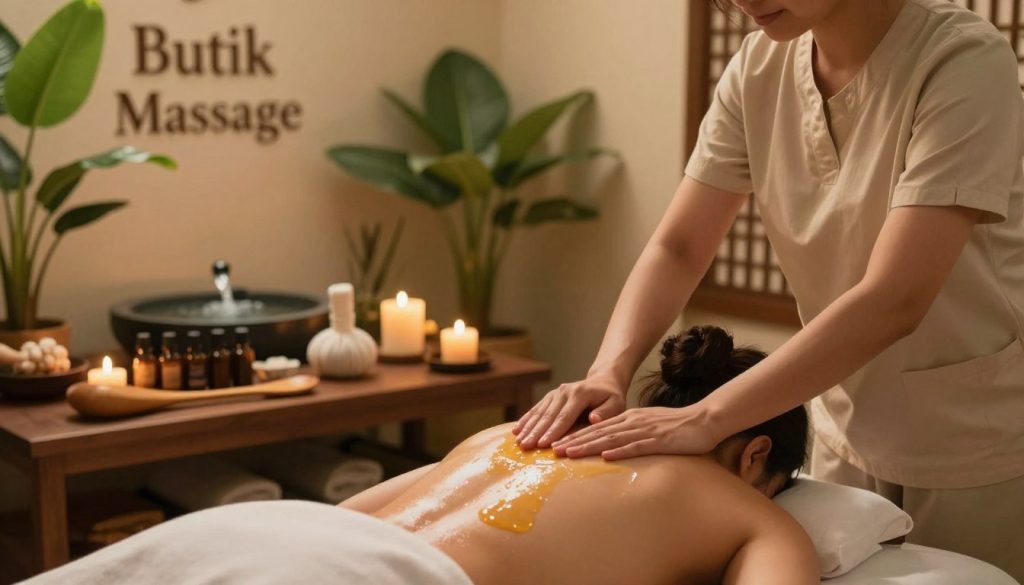
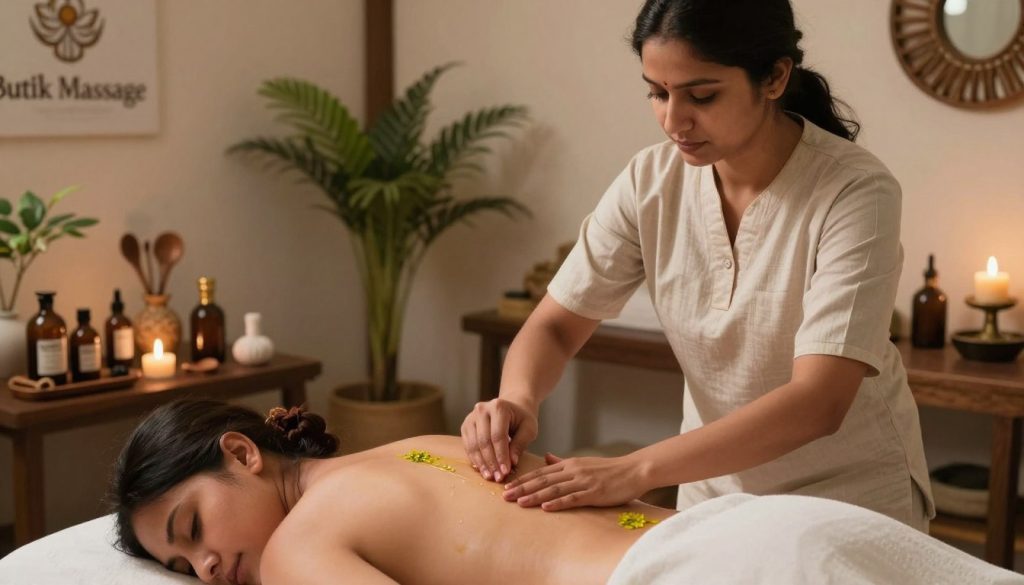
Abhyanga oil massage represents the cornerstone technique of Ayurvedic bodywork. This treatment involves systematic application of warm, medicated oil across your entire body using long, flowing strokes. The rhythmic movements follow the direction of your hair growth and natural energy channels.
Your therapist begins at your head and scalp, then progresses methodically through specific body regions. The treatment covers your neck, shoulders, arms, chest, abdomen, back, legs, and feet in that order. Each area receives appropriate attention based on your unique constitutional requirements.
The warm oil penetrates deep into your tissues during the 60-90 minute session. This nourishes your body while creating a meditative quality that calms your nervous system. After the oil application, you rest briefly to allow maximum absorption before taking a warm shower.
Traditional abhyanga oil massage creates profound effects through repetition and rhythm. The continuous strokes help you reconnect with your physical body. This gentle approach soothes tension while supporting your overall constitutional balance.
Continuous Oil Flow for Mental Clarity
Shirodhara head massage stands as one of the most distinctive Ayurvedic treatments available. During this technique, warm oil flows in an unbroken stream onto your forehead for 30-45 minutes. The oil targets the area between your eyebrows, known as the third eye center.
The technical precision required explains why specialized certification courses focus exclusively on this method. Your therapist must warm the oil to a specific temperature and pour it from the correct height. The stream oscillates gently across your forehead while maintaining continuous flow.
This treatment proves particularly valuable for addressing mental and emotional concerns. You may experience significant benefits if you struggle with stress, anxiety, or sleep difficulties. The gentle stimulation supports mental clarity while inducing deep states of relaxation.
Shiroabhyanga combines the shirodhara head massage with full-body warm oil treatment. This comprehensive approach uses organic herbal oils to nourish your scalp and relieve accumulated tension. The blended technique offers enhanced mind-body effects compared to standalone sessions.
Targeted Energy Point Stimulation
Marma point therapy focuses on 107 vital energy points distributed throughout your body. These locations represent intersections where consciousness, energy, and physical structure meet. The technique functions similarly to acupuncture in Traditional Chinese Medicine.
Your therapist applies specific massage techniques, pressure, or oil application to these critical points. This stimulation releases blocked energy that may contribute to various health concerns. The therapeutic effects extend beyond the immediate treatment area to support organ function and overall vitality.
Marma point therapy serves as a targeted energetic intervention within the Ayurvedic system. You might receive this treatment for addressing localized pain or supporting specific physiological processes. The precision required demands extensive training, with basic programs spanning 25 hours and comprehensive diploma courses extending to 27 nights.
The specialized nature of marma therapy makes it distinct from general massage approaches. Your practitioner must possess detailed anatomical knowledge and understanding of energy flow patterns. This expertise ensures safe and effective treatment of these sensitive vital points.
Technique
Primary Focus
Session Duration
Key Benefits
Ideal For
Abhyanga
Full-body oil application with flowing strokes
60-90 minutes
Constitutional balancing, nervous system support, tissue nourishment
Localized issues, energy blockages, targeted treatment
Each technique offers unique therapeutic advantages within the Ayurvedic framework. Your choice depends on whether you seek comprehensive constitutional balancing, mental-emotional support, or targeted energetic interventions. Many practitioners in Turkey now offer these treatments individually or in combination to address your specific wellness goals.
The Role of Doshas in Ayurvedic Massage
Understanding your body’s natural energy patterns transforms how you experience massage therapy. Traditional ayurvedic healing recognizes that each person possesses a unique biological blueprint. This blueprint determines which massage techniques, oils, and frequencies will deliver the best results.
This personalized approach sets authentic constitutional bodywork apart from standardized massage protocols. These protocols are commonly available in Turkey and worldwide.
The dosha system provides the foundation for customizing every aspect of your treatment. Your practitioner evaluates your constitution to select appropriate oils and determine ideal pressure levels. This individualized strategy ensures that your massage addresses your specific imbalances.
The Three Biological Energies
Ayurveda identifies three primary doshas that govern all physiological and psychological functions in your body. These biological energies combine different elements to create distinct patterns of activity.
Vata dosha combines air and space elements. It governs movement, circulation, and nervous system function throughout your body. Balanced Vata promotes creativity, enthusiasm, and mental flexibility.
Pitta dosha merges fire and water elements. This energy controls transformation, metabolism, and digestive processes. Balanced Pitta supports sharp intellect, strong digestion, and natural leadership qualities.
Kapha dosha blends earth and water elements. It provides structure, stability, and lubrication to your physical form. Harmonious Kapha creates strength, endurance, and emotional calmness.
Your prakriti represents your natural constitutional proportion of these doshas established at conception. Your current state, called vikriti, may show imbalances from this original blueprint. Symptoms and discomfort arise when your doshas move away from their natural balance.
Vata imbalance manifests through specific physical and mental signs:
Dry skin and joint cracking
Anxiety and racing thoughts
Irregular digestion and elimination
Disturbed sleep patterns
Cold hands and feet
Pitta imbalance appears differently in your body and mind:
Inflammation and skin sensitivity
Irritability and impatience
Acid reflux and heartburn
Excessive body heat
Critical or judgmental thinking
Kapha imbalance shows through distinct characteristics:
Congestion and excess mucus
Sluggishness and lethargy
Weight gain and fluid retention
Emotional heaviness or depression
Difficulty with motivation
Personalized Massage Approaches
Your dominant dosha determines which massage approach delivers optimal therapeutic benefits. This customization extends to oil selection, stroke quality, and session frequency.
Vata-predominant individuals benefit most from warming, grounding treatments. Your practitioner applies generous amounts of Mahanarayana or Ashwagandha oil using slow, steady strokes. Daily application or 5-6 sessions weekly provides ideal results.
The oil enters the body through massage and penetrates every cell, bringing strength, nourishment, and balance to the entire system.
Pitta-predominant individuals require cooling, soothing approaches for effective dosha balancing treatment. Ksheerabala oil applied with moderate pressure 3-4 times weekly maintains equilibrium. Your therapist avoids very warming oils, especially during summer months.
Kapha-predominant individuals benefit from stimulating constitutional bodywork. Lighter application of Sahacharadi oil combined with vigorous, energetic strokes 2-4 times weekly supports optimal balance. Reducing frequency during spring prevents Kapha accumulation.
Dosha Type
Recommended Oils
Massage Frequency
Stroke Quality
Vata
Mahanarayana, Ashwagandha
Daily or 5-6 times weekly
Slow, steady, grounding
Pitta
Ksheerabala, cooling blends
3-4 times weekly
Moderate, soothing
Kapha
Sahacharadi, stimulating blends
2-4 times weekly
Vigorous, energetic
Seasonal adjustments called Ritucharya further refine your treatment protocol. Autumn and winter emphasize warming oils with generous daily application. Spring treatments focus on stimulating, Kapha-reducing oils with energetic massage 3-5 times weekly.
Summer sessions feature cooling oils like Ksheerabala applied lightly 2-3 times weekly.
Restoring Balance Through Touch
Traditional ayurvedic healing addresses imbalances through specific therapeutic mechanisms. The oil’s qualities, massage techniques, and intentional touch work together to restore your natural equilibrium.
Vata imbalance responds to the moistening, warming, and grounding properties delivered through rhythmic touch. The oil penetrates dry tissues while nurturing strokes calm your nervous system. This combination addresses the cold, irregular, and anxious nature of Vata disturbance.
Pitta imbalance benefits from cooling oils and moderate pressure that reduce inflammation and intensity. The calming effect of intentional constitutional bodywork helps balance competitive or driven tendencies. Your body temperature regulates as irritability decreases through consistent treatment.
Kapha imbalance responds to stimulating massage with lighter oil application. Vigorous techniques mobilize stagnant energy and support healthy circulation. This approach counteracts the heavy, congested, and lethargic qualities of Kapha accumulation.
For individuals in Turkey seeking dosha balancing treatment, authentic Ayurvedic massage differs fundamentally from conventional techniques. Effective treatment matches every element to your unique constitutional needs. Your practitioner considers your prakriti, current vikriti, seasonal influences, and specific imbalances to create truly personalized therapy.
Finding a Qualified Ayurvedic Massage Therapist
Looking for ayurvedic massage services requires evaluating practitioner qualifications beyond basic spa credentials. Authentic ayurvedic body treatments depend on the therapist’s understanding of constitutional principles. They must know traditional oil formulations and proper technique sequences.
In Turkey, Ayurvedic practice is less established than in South Asian countries. Finding qualified practitioners requires careful research and informed questioning.
Your selection process should focus on verifying both theoretical knowledge and practical training. Authentic practitioners demonstrate competence through comprehensive education. This includes Ayurvedic philosophy, dosha assessment, and hands-on technique mastery.
Key Qualities of Competent Practitioners
You should look for several essential indicators when evaluating potential therapists. Constitutional assessment ability stands as the primary distinguishing feature of authentic practice. Your therapist should conduct a thorough initial consultation.
This consultation includes questions about your health history, digestion patterns, and sleep quality. They should ask about stress levels and current physical concerns.
This evaluation process allows qualified practitioners to identify your dominant dosha. They can spot any existing imbalances. Without this assessment, the treatment becomes generic massage rather than personalized Ayurvedic therapy.
Knowledge of traditional oil formulations represents another critical competency. Authentic therapists use properly prepared Thailams—herbal oils infused through traditional methods. The therapeutic effectiveness of ayurvedic massage depends significantly on these authentic preparations.
You should verify that practitioners understand proper massage sequences specific to Ayurveda. These differ substantially from Swedish, deep tissue, or other Western modalities. The direction of strokes, pressure application, and duration follow traditional principles.
Safety awareness demonstrates professional competence. Your therapist should recognize contraindications such as acute illness or skin infections. They must know about recent surgery or specific health conditions requiring treatment modifications.
Essential Questions for Therapist Evaluation
You can assess practitioner qualifications through specific inquiries that reveal training depth. These questions help you distinguish between comprehensively trained therapists and those with superficial exposure.
Training background: Ask where they received their ayurvedic massage education and the program duration. Certificate programs typically span 25+ hours minimum. Comprehensive training includes 100+ hours or diploma-level programs lasting several weeks.
Assessment methods: Inquire whether they conduct constitutional evaluations before recommending ayurvedic body treatments. This should be standard practice, not an optional add-on.
Oil preparation: Request information about the oils they use and preparation methods. Authentic practitioners should explain their sources and traditional infusion processes.
Technique knowledge: Ask them to explain differences between Abhyanga, Shirodhara, and Marma therapy. Understanding multiple techniques indicates depth of training rather than single-workshop exposure.
Safety protocols: Question what conditions would contraindicate treatment. Knowledge of when NOT to perform massage demonstrates professional responsibility.
Trust your intuition during consultations. Qualified practitioners answer questions confidently and explain their approach clearly. They create professional yet nurturing environments.
They should welcome your inquiries rather than dismissing concerns. Vague responses indicate insufficient training.
Professional Credentials and Training Standards
Certification systems vary internationally. Legitimate ayurvedic massage training combines theoretical knowledge with extensive practical application. You should understand the training requirements that produce qualified practitioners.
Comprehensive education includes Ayurvedic constitutional theory and properties of therapeutic oils. It covers traditional massage sequences and techniques. Anatomical knowledge relevant to treatment is essential, along with contraindications and safety considerations.
Programs range from introductory certificates to professional diplomas. These represent substantial time investment and supervised practice.
Training Program
Duration
Focus Areas
Qualification Level
Certificate in Ayurvedic Healing Massage
25 hours (4 nights/5 days)
Basic techniques, oil selection, fundamental principles
Traditional massage, detoxification therapies, clinical practice
Specialized therapeutic certification
The training duration indicates knowledge depth and practical skill development. Brief workshops provide introductory exposure. They cannot substitute for comprehensive programs that include supervised client treatments.
Specialized certifications demonstrate focused expertise. For example, Shirodhara certification requires specific training in equipment preparation. This includes oil temperature control, pouring technique, and client positioning.
In Turkey, you may find limited availability of extensively trained practitioners. This differs from India, Nepal, or Sri Lanka. However, you should maintain quality standards rather than accepting generic massage rebranded with Ayurvedic terminology.
Seek therapists with verifiable training credentials. They should demonstrate constitutional knowledge and have authentic oil sources.
Some qualified practitioners trained internationally now practice in major Turkish cities. Others offer services at dedicated Ayurvedic retreats that import authentic oils. Your research investment ensures you receive genuine therapeutic benefits.
Incorporating Ayurvedic Massage into Your Wellness Routine
Making Ayurvedic massage part of your daily life transforms it from occasional treatment into sustainable wellness integration. Your body responds best to consistent practice that aligns with your unique constitution. Seasonal rhythms also play an important role in your routine.
How Often Should You Practice
Your massage frequency depends on your dosha balancing treatment needs. Vata types gain maximum benefit from daily or five to six sessions weekly. Pitta individuals typically thrive with three to four weekly applications.
Kapha constitutions respond well to two to four vigorous sessions each week. Professional treatments lasting 60 to 90 minutes can be scheduled monthly. Brief 15-minute self-massage practiced daily delivers remarkable cumulative benefits.
Setting Up Your Space
Designate a warm, private area where you can practice uninterrupted. Warm your oil by placing the bottle in hot water for several minutes. Use a dedicated towel that can handle oil stains.
Ayurvedic massage achieves optimal results when combined with other traditional approaches. Intensive panchakarma detoxification protocols include specialized massage as preparatory therapy. Many wellness retreats integrate massage with yoga and meditation for comprehensive healing.
Your dietary choices, sleep patterns, and stress management practices all support constitutional balance. Regular massage enhances this balance throughout your wellness journey.