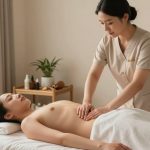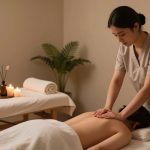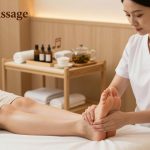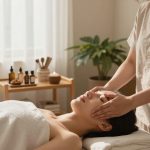
Some muscle pain persists despite rest and traditional treatments. The problem may lie beneath your skin. Misaligned tissue fibers and adhesions restrict movement and prolong discomfort.
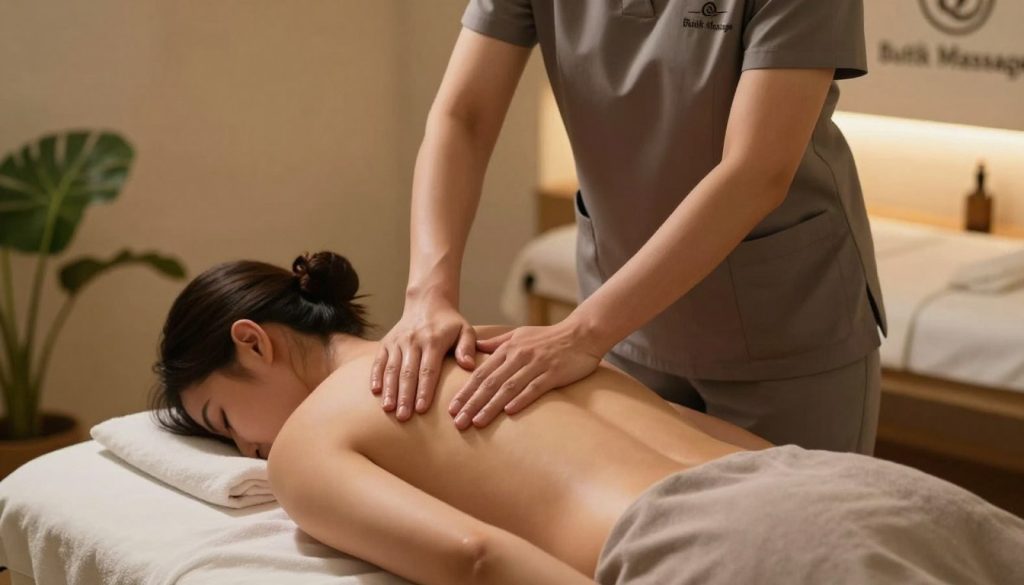
Friction massage is a specialized approach within therapeutic massage methods. It targets deeper structures in your body. Unlike surface-level rubbing, this technique applies controlled pressure to connective tissue, muscle fibers, and tendons.
Your body responds to this targeted intervention by increasing blood flow. Enhanced circulation promotes healing in the treated area. This helps tissue remodel in a stronger, more flexible way.
Cross-fiber techniques apply pressure across the grain of tissue structures. This method breaks up adhesions and scar tissue. These restrictions limit your range of motion.
Proper friction massage reduces stiffness and restores mobility. Effectiveness depends on proper technique and anatomical knowledge. Understanding important safety considerations is crucial.
You’ll find this approach valuable in clinical rehabilitation settings. It also works well for self-care applications. The key is learning when and how to apply these methods safely.
Key Takeaways
- This technique targets connective tissue, muscle fibers, and tendons beneath the skin to realign tissue structures and break down adhesions.
- Cross-fiber pressure application increases blood flow to treated areas, promoting faster healing and tissue remodeling.
- Proper technique can reduce stiffness, restore range of motion, and improve tissue flexibility when applied consistently.
- This approach requires knowledge of anatomy and correct pressure application to achieve optimal therapeutic results.
- Understanding contraindications and safety precautions is essential to prevent potential harm during treatment.
- The method is effective in both clinical rehabilitation programs and personal self-care routines.
Understanding Friction Massage
Friction massage stands out as a powerful method for addressing stubborn tissue problems. This technique reaches deeper structures that create lasting pain and movement limitations. Understanding this approach helps you recognize when it can benefit your recovery goals.
What This Technique Really Means
Friction massage applies deliberate pressure to muscles, tendons, and connective tissues. This creates controlled therapeutic stress in targeted areas. Unlike relaxation massage, this method targets specific problem areas where tissue has become dysfunctional.
The primary goal centers on breaking down adhesions. It reorganizes tissue fibers into healthier patterns. Cross-fiber massage represents the most common form of this technique.
Your therapist applies pressure perpendicular to muscle fiber direction. This creates a stretching effect on the tissue. This approach proves particularly effective for muscle adhesion treatment.
The origins trace back to physical therapy and sports medicine practices. Practitioners recognized certain tissue problems required more than gentle stroking. They developed friction techniques to address scar tissue, chronic tension, and adhesions.
The Mechanics Behind the Method
Your body responds to friction massage through a specific biomechanical process. Controlled pressure moving across tissue fibers creates microtrauma at a cellular level. This triggers your body’s natural healing response in a beneficial way.
- Firm pressure engages the deeper tissue layers beneath your skin
- Movement across fibers creates controlled stress on adhesions and scar tissue
- Blood flow increases to the treated area, bringing oxygen and nutrients
- Your body initiates a remodeling process where collagen fibers realign
- Tissue gradually becomes more flexible and functional over multiple sessions
Soft tissue mobilization requires sufficient pressure to reach target structures. Your therapist uses fingers or thumbs to move tissue under the skin. This depth of contact distinguishes effective treatment from surface massage.
The process addresses scar tissue from surgery and everyday activities. Overuse injuries, strains, and repetitive motion create microscopic damage. Your body repairs this damage with scar tissue that can limit movement.
What You Gain From This Approach
The advantages of friction massage extend across multiple aspects of physical health. Soft tissue mobilization provides both immediate and cumulative benefits. Understanding these benefits helps you set realistic treatment expectations.
Your body experiences these key improvements through regular cross-fiber massage sessions:
- Breaking down stubborn adhesions that restrict joint and muscle movement
- Increased blood circulation to chronically tight or injured areas
- Enhanced range of motion in affected joints and muscle groups
- Reduction in chronic pain patterns that have persisted for months or years
- Faster recovery from sports injuries and overuse conditions
- Prevention of injury recurrence by addressing underlying tissue dysfunction
- Improved athletic performance through better tissue flexibility
The timeline for experiencing benefits varies based on your condition’s severity. Acute issues may respond within several sessions. Chronic problems require consistent muscle adhesion treatment over weeks or months.
Your tissue gradually remodels in response to controlled stress. Each session builds on the previous one. This progressive approach creates lasting improvements in tissue health.
| Tissue Condition | Treatment Focus | Expected Timeframe | Primary Benefit |
|---|---|---|---|
| Fresh scar tissue | Preventing adhesion formation | 2-4 weeks | Improved tissue mobility |
| Chronic adhesions | Breaking down established restrictions | 6-12 weeks | Restored range of motion |
| Tendon inflammation | Promoting healing response | 4-8 weeks | Pain reduction |
| Muscle tension patterns | Releasing trigger points | 3-6 weeks | Decreased chronic pain |
Your commitment to consistent sessions produces the best results. The remodeling process continues between treatments as your body responds. This makes friction massage a progressive therapy that builds momentum with each application.
Techniques for Performing Friction Massage
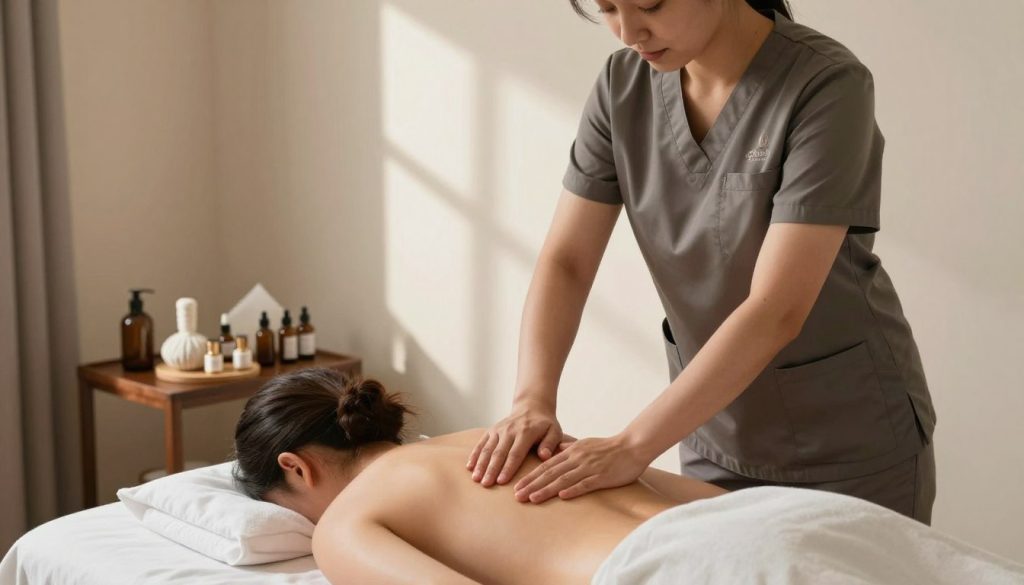
Successful friction massage combines anatomical knowledge with skilled hand techniques and the right equipment. Your ability to deliver effective treatment depends on understanding tissue structure and applying appropriate pressure. This comprehensive approach ensures you achieve therapeutic results while maintaining safety and comfort.
The key to successful friction massage lies in precision rather than force. You need to work methodically and purposefully, targeting specific tissues with controlled movements. This section will guide you through fundamental and advanced techniques that form the foundation of professional manual therapy.
Fundamental Application Methods
Before you begin any friction massage session, you must identify the specific structure you plan to address. Determine whether you’re working on a muscle, tendon, or ligament by palpating the area. This knowledge directly influences the direction and intensity of your strokes.
The direction of tissue fibers is critical to your technique. You should move perpendicular to the direction of muscle fibers, creating “cross-fiber” technique. This cross-directional movement distinguishes friction massage from other manual therapies and gives it therapeutic power.
However, certain anatomical areas require different approaches. The Achilles tendon responds better when you work up and down along the fiber direction. Understanding these exceptions comes with anatomical study and clinical experience.
Your hand positioning determines both effectiveness and sustainability during treatment. Use your fingertips, thumb pads, or the reinforced fingers technique where one hand supports the other. This reinforcement allows you to maintain sustained pressure without fatiguing your hands prematurely.
Apply firm pressure that engages deeper tissue layers beneath the skin surface. Your goal is to move the tissue itself, not simply rub the skin. This requires sufficient depth to reach the target structure while remaining within comfort tolerance.
The motion itself should consist of short, controlled strokes in a back-and-forth pattern. You work across a small, concentrated area rather than using long gliding strokes. This focused approach allows you to address specific adhesions or restrictions effectively.
“The essence of friction massage is not in the force applied, but in the precision of tissue engagement and the consistency of application over time.”
Duration and frequency significantly impact your results with friction massage. Aim for sessions lasting 2-5 minutes per treatment area, performed approximately 5 times per week. Small, consistent efforts produce better outcomes than occasional intensive sessions that may overwork the tissue.
Start every session with light pressure and gradually increase intensity as the tissue warms. The pressure should feel noticeable and therapeutic but never cross into painful territory. Communication with the recipient helps you calibrate appropriate pressure levels.
Advanced Application Strategies
Once you master basic friction techniques, you can incorporate advanced strategies used in deep tissue massage and sports massage techniques. These methods require greater anatomical understanding and clinical judgment to apply safely and effectively.
Circular friction expands your treatment options for broader areas. Instead of linear back-and-forth movements, you create small circular patterns while maintaining tissue engagement. This approach works particularly well for larger muscle groups and areas where precise fiber direction is difficult to determine.
Longitudinal friction involves working along the fiber direction rather than across it. This technique proves valuable for conditions like Achilles tendinopathy, where research suggests parallel fiber work may be more beneficial. The method requires careful assessment to determine appropriateness.
Combination approaches integrate friction with other therapeutic elements. You might apply friction massage while the recipient actively moves the affected limb, creating “friction with movement.” This integration can enhance tissue response and improve functional outcomes.
Modifying pressure and duration based on tissue response demonstrates advanced clinical reasoning. Some areas tolerate aggressive treatment immediately, while others require gradual desensitization. You learn to read tissue texture, temperature, and recipient feedback to adjust your approach dynamically.
Working around acutely sensitive areas rather than directly on them protects healing tissue. You can treat the periphery of an injury site, gradually moving closer as tolerance improves. This progressive approach respects tissue healing stages while maintaining therapeutic momentum.
Scar tissue treatment represents one of the most sophisticated applications of friction massage. Begin with desensitization work on the periphery, then progress to direct treatment as the scar matures. Deep tissue massage principles guide your progression from superficial to deeper layers.
| Technique Type | Application Method | Primary Uses | Session Duration |
|---|---|---|---|
| Cross-Fiber Friction | Perpendicular to fiber direction with fingertips or thumbs | Muscle strains, tendon injuries, breaking adhesions | 2-5 minutes per area |
| Circular Friction | Small circular motions over broader areas | Large muscle groups, general tissue mobilization | 3-6 minutes per area |
| Longitudinal Friction | Along fiber direction with sustained pressure | Achilles tendon, specific tendinopathies | 2-4 minutes per area |
| Friction with Movement | Combined friction and active movement | Functional rehabilitation, sports massage techniques | 5-8 minutes with movement cycles |
Equipment and Assistive Devices
While your hands provide the most direct feedback and control during friction massage, various tools can enhance your practice. These implements help you access difficult areas, maintain consistent pressure, and reduce hand fatigue. They prove especially valuable during extended treatment sessions.
Hand gloves designed for massage offer improved grip and help distribute pressure more evenly. Some practitioners prefer textured gloves that provide additional friction without requiring excessive force. These work particularly well when treating larger muscle groups.
Rolling balls come in various densities and sizes for different applications. Firmer balls provide deeper pressure suitable for dense muscle tissue, while softer options work better for sensitive areas. You can use these tools for self-treatment or incorporate them into professional sessions.
Massage canes feature curved designs that allow you to reach difficult areas like your upper back and neck. The leverage these tools provide makes self-treatment more accessible and less physically demanding. They’re especially valuable for maintaining treatment consistency between professional sessions.
Foam rollers serve as excellent tools for applying friction massage to large areas like legs, back, and glutes. You control pressure by adjusting your body weight and can target specific regions by changing your position. These implements make self-application of sports massage techniques more practical.
Specialized muscle scraping tools, often made from stainless steel or plastic, allow for precise tissue work. These instruments require proper training to use safely and effectively. Applied correctly, they can provide consistent pressure and reach depths that might fatigue unassisted hands.
Despite the availability of tools, remember that manual application offers irreplaceable benefits. Your hands detect subtle tissue changes, temperature variations, and resistance that instruments cannot sense. Tools should complement rather than replace skilled manual technique.
Selecting appropriate equipment depends on your specific needs and treatment goals. Consider the area you’re targeting, whether you’re performing self-treatment or treating others, and your physical capacity. Quality tools represent an investment in long-term treatment effectiveness.
Uses of Friction Massage in Therapy
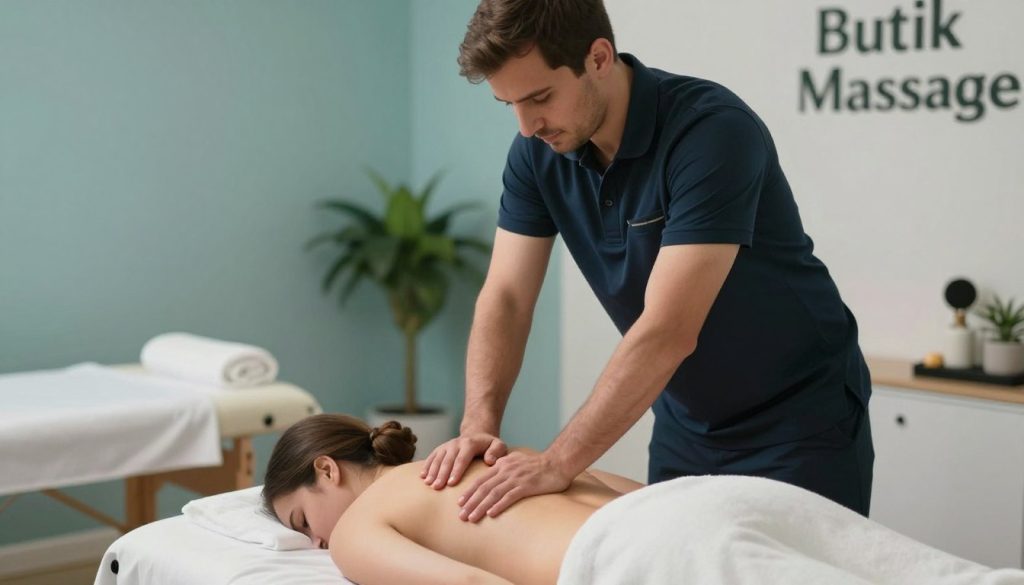
Friction massage addresses many conditions, from acute injuries to chronic pain syndromes. Healthcare professionals recognize this specialized technique for treating musculoskeletal disorders effectively. You’ll find it used in rehabilitation centers, sports medicine clinics, and wellness facilities.
This technique works well on tissues with adhesions or scar tissue formation. Your therapist applies precise pressure to break down restrictions and restore normal tissue function. This targeted approach complements other therapeutic interventions you may receive.
Athletic Performance and Injury Recovery
Sports massage techniques with friction methods help athletes at all competitive levels. Friction massage benefits you during competition prep, training recovery, or injury rehabilitation. The technique addresses muscle fatigue and reduces excessive tension from repetitive movements.
Professional athletes and weekend warriors see improved outcomes through strategic friction massage. Your muscles respond to targeted pressure by releasing tension and improving circulation. Enhanced blood flow delivers oxygen and nutrients while removing metabolic waste products.
Common athletic conditions that respond well to friction massage include:
- Tennis elbow (lateral epicondylitis) affecting forearm extensors
- Jumper’s knee (patellar tendinopathy) from repetitive jumping activities
- Achilles tendinopathy resulting from running and explosive movements
- Rotator cuff issues limiting shoulder mobility and strength
- IT band syndrome causing lateral knee and hip pain
During rehabilitation, friction massage promotes proper collagen alignment in healing tissues. Your body forms new tissue following an injury. Friction techniques guide this process toward functional patterns, preventing dysfunctional scar tissue.
Mental Wellness and Tension Release
Friction massage significantly reduces stress and promotes overall relaxation. You carry chronic muscle tension from postural stress, repetitive work, and emotional patterns. These tension areas accumulate over time and affect your daily quality of life.
The technique stimulates mechanoreceptors in your tissues, triggering pain-relieving responses throughout your nervous system. This neurological effect extends beyond the treated area, creating whole-body relaxation. Your muscle tension decreases as friction work releases long-held tightness patterns.
Increased local circulation from friction massage delivers warmth and comfort to tight areas. You may notice immediate relief as blood flow improves and waste products clear. This physiological response supports both physical recovery and mental relaxation.
Addressing Specific Medical Conditions
Friction massage provides targeted treatment for numerous musculoskeletal conditions requiring specialized intervention. Your therapist may recommend this approach for chronic tendinopathies, post-surgical scarring, or myofascial pain. Each condition benefits from the technique’s ability to address specific tissue dysfunctions.
Combining trigger point therapy and myofascial release with friction massage creates comprehensive treatment protocols. You receive layered interventions that address multiple aspects of your condition simultaneously. This combined approach often produces superior results compared to single-technique treatments.
| Condition Type | Friction Massage Application | Expected Outcomes |
|---|---|---|
| Chronic Tendinopathies | Remodeling degenerative tissue through controlled microtrauma | Improved tissue quality and pain reduction |
| Post-Surgical Scarring | Prevention of restrictive adhesions during healing phases | Enhanced mobility and reduced scar sensitivity |
| Myofascial Pain Syndromes | Complementary work with trigger point therapy and myofascial release | Decreased pain referral patterns and improved function |
| Joint Stiffness | Periarticular tissue mobilization around affected joints | Increased range of motion and reduced stiffness |
Conditions like fibromyalgia respond positively when friction massage targets localized tender points. Your chronic pain levels may decrease as the technique addresses specific sensitivity areas. This focused approach helps manage widespread pain through systematic treatment of individual problem areas.
Overuse injuries, strains, and sprains benefit from properly timed friction massage intervention. You achieve faster recovery when friction techniques support your body’s natural healing processes. The method works with stretching, strengthening, and movement re-education programs your therapist prescribes.
Friction massage serves as a bridge between passive treatment and active rehabilitation, helping patients transition from injury to full function more effectively.
Your treatment outcomes improve when friction massage integrates into a comprehensive therapeutic plan. The technique enhances the effectiveness of other interventions you receive. This collaborative approach addresses both immediate symptoms and underlying dysfunction for lasting results.
Precautions to Consider Before Friction Massage
Understanding contraindications prevents adverse reactions during soft tissue mobilization. Your safety depends on knowing when friction massage is appropriate. This knowledge helps you practice effectively or seek qualified help when needed.
Many factors influence whether friction massage suits your situation. Medical conditions, medications, and tissue health all play important roles. Assessing these elements protects you from complications and ensures optimal results.
When Friction Massage Should Be Avoided
Certain medical conditions make friction massage dangerous or inappropriate. Absolute contraindications require you to avoid this treatment entirely in specific areas. Deep vein thrombosis presents serious risk because massage could dislodge a clot.
Cancer bone metastases create fragile skeletal areas where pressure could cause fractures. Broken, irritated, or blistered skin lacks the integrity needed for massage strokes. Such damaged skin also faces infection risk.
Severe clotting disorders mean even minor tissue trauma could trigger excessive bleeding. Relative contraindications require careful evaluation and possible modification. Recent surgery demands at least four weeks of healing before starting friction massage.
This timeline applies even when incisions appear healed externally. Deeper tissue layers need adequate recovery time. Always follow your physician’s guidance regarding post-surgical treatment.
Low platelet counts and increased INR levels increase bruising and bleeding risks. Other clotting abnormalities also warrant caution. Neurological immaturity in developing tissues requires special care.
| Contraindication Type | Specific Conditions | Risk Level | Required Action |
|---|---|---|---|
| Absolute Contraindications | Active deep vein thrombosis, bone metastases, broken skin | High | Avoid completely in affected areas |
| Relative Contraindications | Recent surgery, acute inflammation, clotting disorders | Moderate | Modify technique or delay treatment |
| Medication Concerns | Blood thinners, chemotherapy, corticosteroids | Moderate | Reduce pressure and monitor responses |
| Precautionary Sites | Eyes, neck arteries, kidney region, groin | Variable | Avoid or use extreme caution |
Medications significantly impact your body’s tolerance for soft tissue mobilization. Blood thinners increase bruising susceptibility and bleeding risk. Blood pressure medications alter vascular responses to pressure and manipulation.
Chemotherapy and radiation treatments compromise tissue healing capacity and integrity. Corticosteroids thin skin and weaken connective tissue structures. Inform your therapist about all medications before beginning treatment.
Specific body areas require avoidance or extreme caution during friction massage:
- Around the eyes where delicate tissues damage easily
- Neck region below jaw and earlobe due to major blood vessels
- Armpits containing sensitive lymph nodes and nerves
- Inside bend and outside of elbow where nerves lie superficial
- Kidney region of lower back requiring protective consideration
- Belly button area with underlying organs
- Groin region with major vessels and lymph structures
- Behind the knee where nerves and vessels are vulnerable
Therapists must exercise additional caution with lymphedema and fluid overload conditions. Excessive edema complicates treatment planning. These situations require specialized assessment before applying friction massage techniques.
Recognizing Appropriate Tissue Responses
Understanding normal versus problematic skin reactions helps you apply friction massage safely. Mild temporary redness immediately after treatment indicates increased blood flow. This flush typically subsides within 30 to 60 minutes.
Persistent redness, welting, or brush-burn appearance signals excessive superficial friction. You should engage deep tissue without creating surface damage. Adjust your technique if these signs appear during or after treatment.
Some discomfort during friction massage is expected and normal. The sensation should feel like “good pain” that addresses tissue restriction. Sharp pain or burning sensations indicate inappropriate application.
Stop immediately if you notice swelling developing during treatment. Increased inflammation suggests too much tissue trauma. Redness that spreads beyond the treatment area also warrants cessation.
Sensitive areas require special strategies for safe massage application. Start with peripheral desensitization by treating surrounding tissues first. This approach gradually prepares sensitive areas for direct work.
Use shorter duration sessions initially when working with reactive tissues. Five to ten minutes may suffice for first treatments. Gradually increase time as tolerance improves.
Ensure adequate pressure to reach deep tissue without excessive superficial friction. Too light pressure creates skin irritation without therapeutic benefit. Too aggressive rubbing damages surface layers and increases muscle tension.
The key to effective friction massage lies in finding the balance between sufficient depth to mobilize restricted tissue and appropriate gentleness to avoid tissue damage.
Determining When to Seek Expert Help
Knowing when to consult qualified practitioners versus self-applying friction massage ensures optimal outcomes. Complex medical conditions involving multiple systems require professional assessment. Post-surgical cases benefit from therapist expertise in healing timelines and tissue tolerance.
Areas you cannot easily access yourself need professional attention. The upper back, posterior shoulder, and deep hip regions challenge self-treatment effectiveness. Proper positioning and angle application become difficult without assistance.
Home treatment that produces no improvement within four to six weeks suggests need for evaluation. Persistent symptoms may indicate incorrect technique or underlying issues requiring different approaches. Professional assessment identifies these factors and adjusts treatment accordingly.
Select practitioners with appropriate training and credentials. Massage therapists with additional education in medical massage bring valuable anatomical knowledge. Those certified in orthopedic assessment understand musculoskeletal conditions better.
Sports medicine specialists offer expertise in athletic injuries and performance optimization. They understand tissue demands specific to various activities. These qualifications enhance friction massage application for sports-related concerns.
Ask potential therapists about their specific training in soft tissue mobilization techniques. Experience with conditions similar to yours indicates relevant expertise. Request information about their approach to assessment and treatment planning.
Professional guidance becomes essential when contraindications exist but treatment might still benefit you. Qualified practitioners modify techniques to work safely around limitations. They monitor responses and adjust pressure, duration, and frequency appropriately.
Integration of Friction Massage in Your Routine
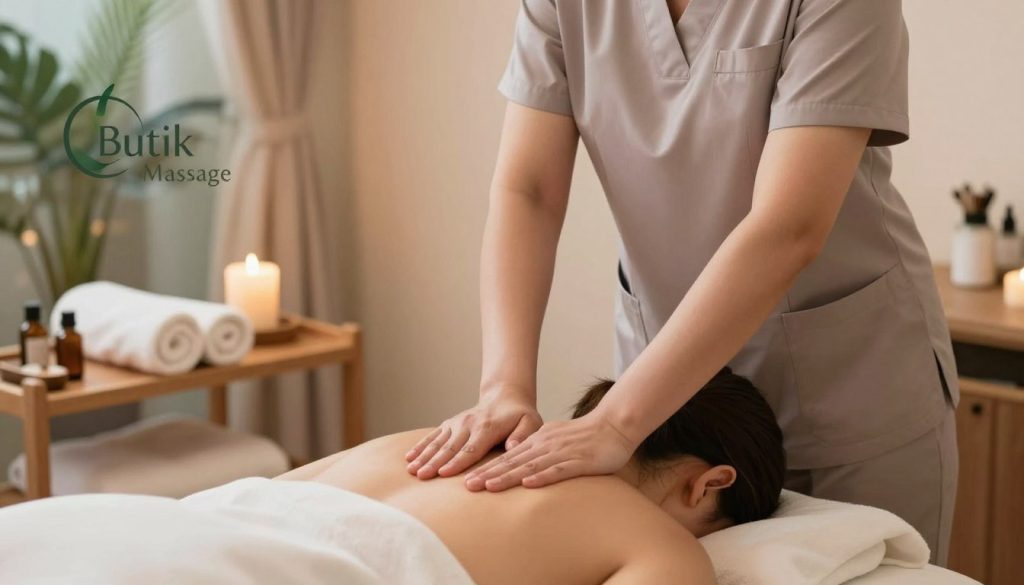
Making friction massage part of your routine transforms it into a powerful tool for tissue health. Success depends on smart planning, not random application. You need to schedule sessions and combine methods with other treatments.
The difference between temporary relief and real change lies in consistency. Your body responds to repeated stimulation by remodeling tissue. This process takes time and requires a thoughtful strategy that fits your lifestyle.
Optimal Session Timing and Duration
Friction massage works best in short, frequent sessions rather than occasional long treatments. Aim for 2-5 minutes per area, about five times per week. This creates consistent mechanical stimulus for tissue remodeling without causing excessive soreness.
Small consistent efforts produce the biggest changes over time. Your tissues need regular stimulation to break down adhesions effectively. Spacing sessions throughout the week maintains therapeutic pressure while allowing recovery.
Consistency in manual therapy application determines long-term outcomes more significantly than session intensity or duration.
Results follow a predictable timeline with regular practice. Initial sessions focus on tissue desensitization and improved mobility. Structural changes typically become noticeable after 4-6 weeks of consistent application.
The goal involves creating controlled stress so tissue can remodel gradually. Start slow and keep treatments consistent. Make sure your fingers move the tissue itself, not just slide over skin.
Adjust frequency based on how your body responds. Reduce treatment if soreness lasts more than 48 hours. Increase slightly if you’re tolerating sessions well without progress after six weeks.
| Treatment Phase | Session Frequency | Duration Per Area | Expected Outcomes |
|---|---|---|---|
| Initial Phase (Weeks 1-2) | 3-4 times weekly | 2-3 minutes | Tissue desensitization, initial mobility gains |
| Building Phase (Weeks 3-6) | 5 times weekly | 3-5 minutes | Adhesion breakdown, improved tissue quality |
| Maintenance Phase (Week 7+) | 3-4 times weekly | 2-4 minutes | Sustained improvements, prevention of recurrence |
Combining With Complementary Treatment Methods
Friction massage works best as part of a comprehensive approach. You can enhance results by sequencing it with other recovery techniques. The right combination addresses multiple aspects of tissue dysfunction simultaneously.
Perform friction massage before stretching to improve tissue mobility first. The mechanical breakdown of restrictions allows stretches to target muscle length more effectively. This sequence produces better flexibility gains than stretching alone.
Strengthening exercises benefit when friction massage addresses tissue restrictions limiting proper movement patterns. Treat areas of dysfunction before resistance training sessions. This allows muscles to work through fuller ranges with better biomechanics.
Heat and cold applications support friction massage at different stages. Use heat before treatment to increase tissue pliability and blood flow. Apply cold therapy after sessions if inflammation develops or soreness intensifies.
Other manual therapy techniques complement friction work effectively:
- Deep tissue massage releases broader muscle tension and improves circulation before targeted friction work
- Myofascial release addresses fascial restrictions that may limit friction massage effectiveness
- Joint mobilization restores movement capacity after friction massage improves surrounding tissue quality
- Trigger point therapy combines well with friction techniques for addressing localized muscle dysfunction
Mix up positioning throughout your day to distribute muscle workload. Alternate between rest periods and activation. Stretching and posture correction should complement massage work rather than replace it.
Address contributing factors like postural dysfunction and muscle imbalances. These underlying issues can maintain tissue problems even after successful treatment. A comprehensive approach produces lasting results.
Customizing Your Treatment Protocol
Your friction massage approach should reflect your specific needs and goals. Generic protocols provide starting points, but personalization determines ultimate success. Assess which areas require attention based on activity patterns and injury history.
Modify techniques based on your tissue characteristics and pain tolerance. Some areas respond better to circular friction while others need transverse strokes. Your response patterns guide these decisions more reliably than standardized recommendations.
Track progress through objective measures rather than subjective feelings alone. Monitor range of motion changes and pain levels during specific activities. These metrics reveal whether your approach is working or needs adjustment.
Communication between you and any therapist you work with is vital. Pressure must be effective yet comfortable to maintain consistency. You should feel therapeutic discomfort that remains tolerable rather than sharp pain.
Recognize when self-care is sufficient versus when professional guidance would help. Plateau in improvement after 6-8 weeks may signal need for technique modification. Complex conditions or sensitive areas often benefit from trained expertise.
Document your sessions with simple notes about areas treated and techniques used. This record helps you identify patterns and refine your protocol over time. Successful integration requires ongoing adjustment based on results.
Conclusion: Making the Most of Friction Massage
You now have the knowledge to start using this therapeutic technique. Your wellness routine can benefit from friction massage. Mastering this skill requires patience and regular practice.
Essential Principles Reviewed
Cross-fiber massage works by moving tissue rather than sliding over skin. Your fingers should engage deeper layers with controlled pressure. Sessions don’t need to be lengthy.
Five minutes of focused work beats hours of unfocused effort. Stop immediately if you notice swelling, redness, or sharp pain. These signs indicate excessive pressure or wrong application.
Patience brings results over weeks, not days.
Starting Your Practice
You can apply muscle adhesion treatment to various areas. The ankle, Achilles tendon, and patellar tendon are good starting points. Begin with accessible spots where you can easily control pressure.
Internal scar tissue requires different approaches than external adhesions. Understanding these distinctions helps you improve mobility more effectively. Start conservatively and build confidence through regular practice.
Expanding Your Knowledge
Video demonstrations show proper hand positioning for specific anatomical areas. Professional organizations maintain directories of qualified practitioners. These experts specialize in orthopedic massage techniques.
Anatomical resources deepen your understanding of tissue structure and fiber direction. This knowledge enhances your ability to apply cross-fiber massage precisely. Your growing expertise will maximize the therapeutic benefits you experience.