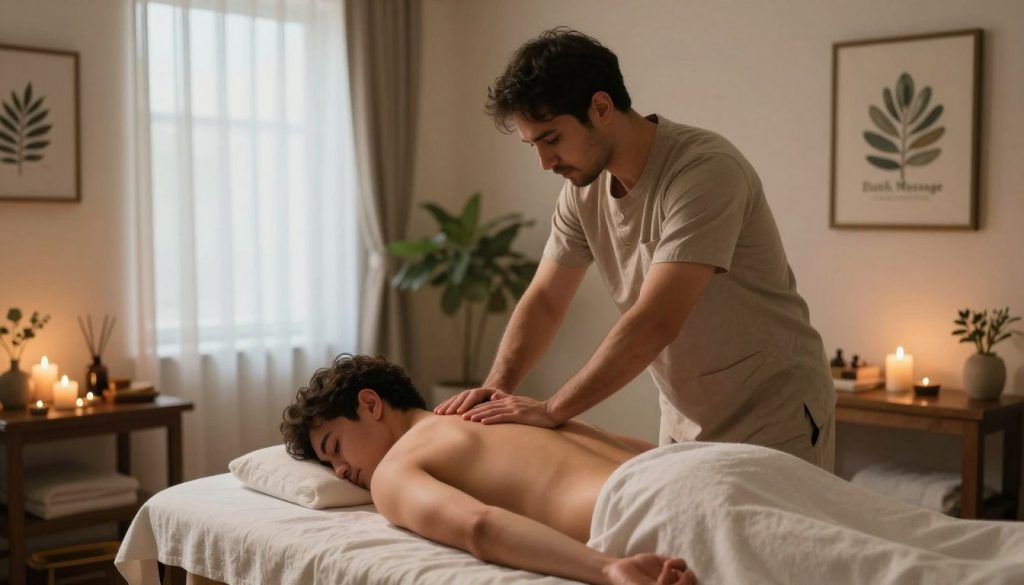
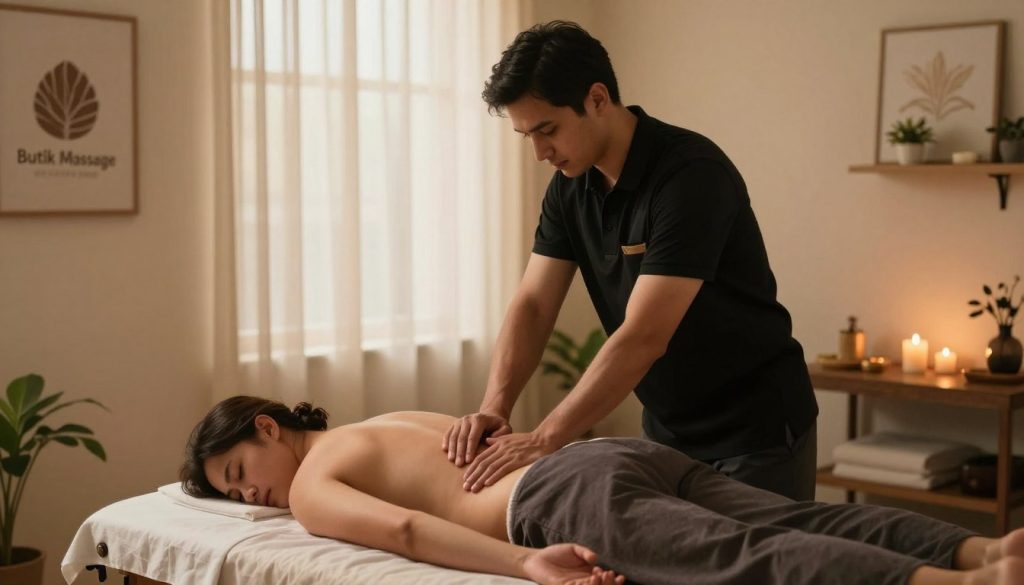
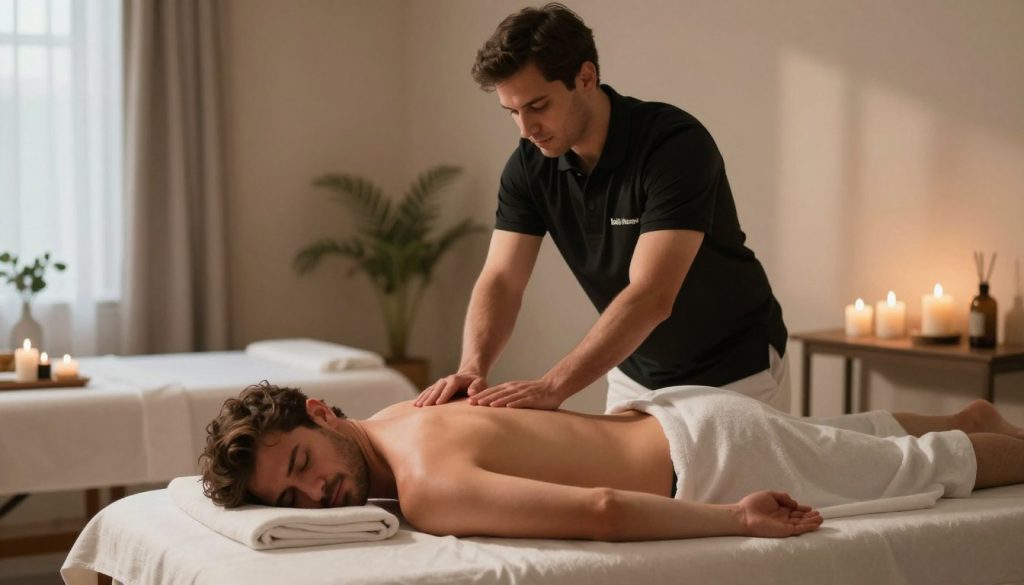
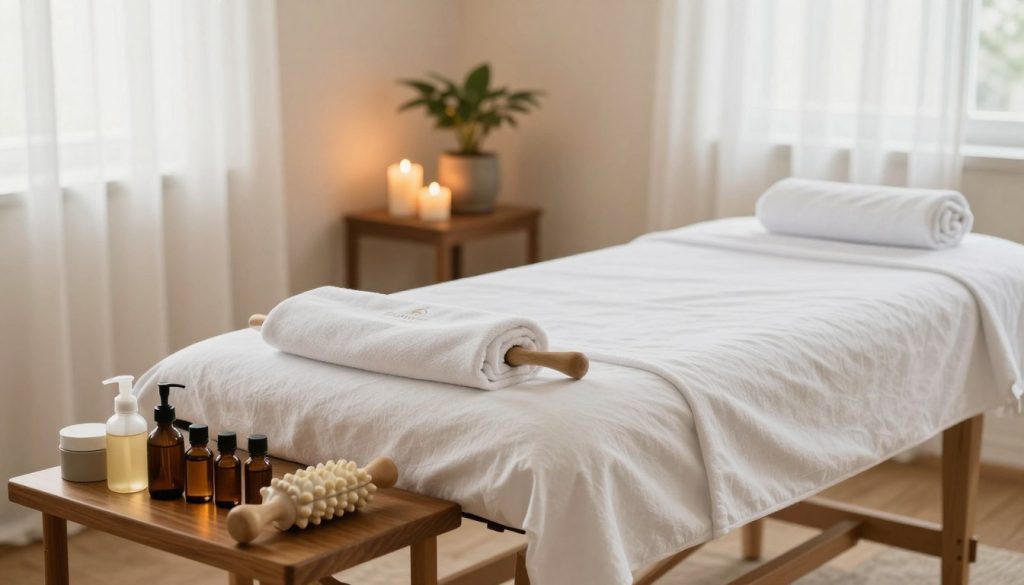
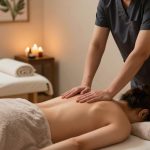
Have you wondered why some sessions leave you completely rejuvenated while others miss the mark? The answer lies in understanding that no single approach works for everyone.
The most common mistake people make is choosing pressure that doesn’t match their desired results. Your goals, preferred intensity, and current symptoms all play crucial roles. Whether you need assessment before treatment also determines the right approach.
Effective men’s massage therapy depends on understanding the relationship between your objectives and specific techniques available. Rather than accepting a one-size-fits-all solution, you deserve a personalized approach. This approach should consider your unique needs.
Men often have specific considerations when seeking male massage services. These include higher muscle mass, different stress patterns, and particular athletic or occupational demands. These factors influence which techniques, pressure levels, and session durations will deliver optimal results.
Your path to effective wellness care starts with informed choices rather than guesswork.
Key Takeaways
No single technique works for everyone; your choice should align with personal goals and physical needs
Pressure selection is the most common mistake in booking sessions and must match your desired outcomes
Men have unique considerations including higher muscle mass and specific athletic demands
Effective treatment requires understanding the relationship between your objectives and available approaches
Session duration, technique type, and intensity level should be personalized to your individual condition
Informed decision-making leads to better results than one-size-fits-all approaches
Understanding the Benefits of Massage for Men
Men face specific physical and mental challenges. Regular massage sessions can effectively address these issues. Your body endures daily stress from work, physical activity, and lifestyle factors.
Therapeutic massage for males offers targeted solutions to these concerns. It supports your overall wellness goals. You gain advantages from immediate physical relief to long-term mental benefits.
Understanding these benefits helps you choose the right approach. Each massage type serves different individual needs.
Physical Benefits of Massage
Your muscles experience constant tension from various sources throughout the day. Prolonged sitting, repetitive movements, or physical labor create muscle tightness. Massage addresses these issues by improving blood circulation and releasing built-up tension.
The physiological mechanisms of massage work on multiple levels. Pressure applied to your muscles stimulates blood flow. This helps remove metabolic waste products, reduces inflammation, and promotes tissue healing.
Men commonly experience musculoskeletal pain linked to daily activities. You might notice soreness in your neck, shoulders, or lower back. Massage provides relief while addressing underlying muscle restrictions.
Exercise-induced soreness responds particularly well to massage therapy. Your muscles develop micro-tears during strength training or intense workouts. Targeted massage techniques facilitate recovery and improve tissue elasticity.
Mental Health and Relaxation
Your mental well-being deserves the same attention as your physical health. Men’s wellness massage contributes significantly to stress reduction and psychological balance. Modern workplace and family responsibilities create unique pressures.
Massage triggers the release of endorphins. It reduces cortisol levels in your body. These biochemical changes directly impact your mood and anxiety levels.
Sleep quality improves with regular massage sessions. Many men struggle with sleep disturbances related to stress or physical discomfort. The relaxation response initiated during massage helps regulate your sleep patterns.
Massage therapy represents a legitimate self-care practice that supports your psychological health without compromising your commitment to other responsibilities.
Society often discourages men from prioritizing relaxation and self-care. However, maintaining your mental health enhances your effectiveness in all areas. Regular massage sessions provide structured time for mental recovery and stress management.
Improved Performance and Recovery
Your athletic performance benefits directly from consistent massage therapy. Whether you engage in competitive sports or physically demanding work, your body requires recovery time. Massage accelerates this recovery process and maintains your physical readiness.
Delayed-onset muscle soreness typically peaks 24 to 72 hours after intense exercise. Massage reduces the severity and duration of this soreness. You can return to training or work activities sooner.
Flexibility and range of motion improve through targeted massage techniques. Your joints and muscles maintain better mobility. This increased flexibility helps prevent injuries during physical activities.
Benefit Category
Primary Effects
Timeframe
Recommended Frequency
Muscle Recovery
Reduced soreness, improved circulation
24-48 hours post-session
Weekly for active individuals
Stress Reduction
Lower cortisol, increased relaxation
Immediate to 3 days
Bi-weekly for maintenance
Pain Relief
Decreased muscle tension, mobility improvement
Within hours to several days
Weekly for chronic conditions
Performance Enhancement
Better flexibility, injury prevention
Cumulative over weeks
2-3 times monthly for athletes
Injury prevention becomes more achievable with regular massage appointments. Your therapist identifies areas of excessive tension before they develop into serious problems. This proactive approach keeps you active and reduces downtime.
Your work performance also benefits from the physical improvements massage provides. Men in physically demanding occupations experience less fatigue. The combination of physical and mental benefits creates comprehensive support for your overall performance.
Popular Massage Techniques for Men
Your massage experience depends on choosing a technique that fits your body’s needs. Each massage type uses different methods, pressure levels, and therapeutic approaches. Understanding these differences helps you talk with your therapist and get better results.
The three most popular techniques among men include Swedish massage, deep tissue work, and sports therapy. Many therapists mix elements from different approaches during one session. This combination depends on your individual needs and how you respond to treatment.
Swedish Massage: A Gentle Approach
Swedish massage serves as the foundation of modern Western massage therapy. This technique uses five primary stroke types to promote full-body relaxation.
The therapist applies long, flowing movements called effleurage to warm your muscles. Kneading motions known as petrissage work deeper into soft tissue without causing pain. These gentle techniques make Swedish massage an ideal relaxation massage for men experiencing high stress levels.
This method works well when you need to reduce mental tension or improve sleep quality. The comfortable pressure allows your nervous system to shift into a healing state.
Swedish massage typically includes rhythmic tapping, friction techniques, and gentle stretching. Session pressure remains light to moderate throughout. This creates a soothing experience that calms both body and mind.
Deep Tissue Massage: Targeting Muscle Tension
Deep tissue massage addresses chronic muscle tightness and restricted movement patterns. This therapeutic approach reaches beneath surface muscle layers to target deeper connective tissue.
Your therapist applies slower, more focused pressure using fingertips, knuckles, forearms, and elbows. The term “deep” refers to the tissue layers being addressed. Effective deep tissue work requires precision and anatomical knowledge to access problem areas safely.
This technique proves valuable for persistent lower back discomfort or shoulder tension from desk work. The therapist works methodically through muscle fibers, releasing trigger points and breaking down scar tissue.
You may experience some discomfort during treatment as restricted areas release. However, the sensation should remain tolerable. Many men notice improved mobility and reduced pain within 24-48 hours following their session.
Deep tissue massage often includes myofascial release techniques and trigger point therapy. Your therapist may also use active release techniques. This involves moving specific joints while pressure is applied to affected muscles.
Sports Massage: Enhancing Athletic Performance
Sports massage for men focuses on muscles experiencing repetitive stress and intensive training demands. This specialized technique addresses the unique needs of active individuals. It works whether you’re a competitive athlete or recreational fitness enthusiast.
Pre-event sports massage uses stimulating strokes to prepare your muscles for upcoming activity. These sessions typically last 15-20 minutes. They emphasize increasing blood flow without creating deep relaxation that might reduce performance.
Post-event applications help your body recover from intense exertion. Your therapist employs techniques that flush waste products from fatigued muscles. These longer sessions support faster recovery between workout sessions.
Maintenance sports massage combines various methods to keep your body functioning optimally during training cycles. The therapist targets heavily loaded muscle groups and addresses developing tension patterns.
This method frequently incorporates stretching exercises and range-of-motion work. Your therapist may focus exclusively on specific body regions experiencing the greatest training stress.
Understanding these primary massage techniques helps you select the best approach for your needs. Your therapist can assess your specific situation during initial consultation. They will recommend the most appropriate method or combination of techniques.
Choosing the Right Pressure for Your Massage
Many men think firmer pressure automatically delivers better massage results. This common belief can actually work against your therapeutic goals. Effective treatment depends on matching pressure to your specific needs and sensitivity levels.
Your body responds differently to various pressure levels. Understanding these variables helps you make smart decisions during your session. The right pressure creates positive change without triggering defensive tension or discomfort.
Understanding What Influences Your Pressure Needs
Multiple factors determine which pressure level works best for you. The type of condition you’re addressing plays a primary role. Acute injuries typically respond better to lighter pressure.
Chronic tension that developed over months or years may require firmer application. This applies to specific areas where tightness has built up over time.
Your tissue sensitivity varies across different body regions. Areas with less muscle mass need gentler treatment. Recent injuries or inflammation also require a softer touch.
Larger muscle groups like your back or thighs often tolerate moderate pressure. These areas can handle firmer application more comfortably than sensitive zones.
Individual pain tolerance differs significantly among people. What feels therapeutic to one person might feel uncomfortable to another. Your personal threshold should guide pressure decisions rather than comparing to others.
Treatment goals fundamentally influence appropriate pressure selection. Lighter pressure promotes relaxation and activates your parasympathetic nervous system. This approach works best for stress reduction.
Moderate pressure typically proves most effective for addressing muscle tightness. It also helps improve your range of motion in stiff areas. This level works well for general therapeutic purposes.
Deep pressure serves specific purposes for stubborn adhesions or chronic trigger points. Your body must tolerate it without bracing for this to work effectively.
The timing of your massage relative to injury onset matters considerably. Fresh swelling and numbness require gentle lymphatic techniques. Muscle soreness persisting for several weeks responds well to medium pressure.
Years of unresolved tension might benefit from deeper work in targeted areas. This applies only if your body tolerates it without defensive tightening.
Chronic tension areas, specific adhesions, stubborn trigger points
Breaks down scar tissue, releases deep holding patterns, addresses structural issues
Long-standing problems, areas tolerating deep work, chronic pain management
Appropriate pressure creates therapeutic change without causing your body to guard defensively. Excessive pressure makes your muscles contract protectively. This counteracts the treatment’s intended benefits.
The goal is finding the sweet spot where you feel intensity without pain. You shouldn’t feel the need to brace or tense up during treatment.
Speaking Up During Your Session
Effective communication with your massage therapist ensures beneficial treatment. Professional therapists expect and welcome ongoing feedback throughout your session. This dialogue helps them adjust their technique to match your needs precisely.
Use descriptive language rather than simply saying “harder” or “softer.” Phrases like “that feels too sharp” give your therapist specific information. “I need less intensity there” or “that depth feels perfect” work well too.
Speak up immediately when pressure becomes uncomfortable. Discomfort differs from therapeutic intensity. You should feel pressure and maybe some tenderness, but never sharp pain.
If you find yourself holding your breath or clenching your jaw, speak up. Tensing other body parts signals the pressure has crossed into counterproductive territory.
The most effective massage happens when clients communicate openly about pressure. Your feedback allows me to customize treatment to your exact needs, which produces far better results than guessing.
Your pressure preferences may change during a single session. Your lower back might tolerate firm pressure while your neck requires gentler touch. Different muscle groups have varying densities and sensitivities.
Don’t hesitate to request adjustments as your therapist moves between body areas. This ensures each region receives the appropriate treatment level.
Your preferences can also shift across multiple sessions. As chronic tension releases over time, you might need less intense pressure. Conversely, as your body adapts to regular massage, you may tolerate deeper work.
Trust your body’s signals and communicate these changes to your therapist. This ongoing dialogue optimizes your treatment outcomes over time.
Professional massage therapists in Turkey receive training that emphasizes client-centered care. They understand your comfort and therapeutic benefit depend on finding the right pressure. Your therapist wants you to have the best possible experience and outcome.
Determining the Right Duration for Your Massage
How long should your massage session last to deliver the outcomes you’re seeking? The answer depends on several factors. These include your treatment goals, areas of concern, and schedule constraints.
Choosing the appropriate duration ensures you receive maximum benefit. It also respects your time and budget.
The frequency and length of your sessions should align with your specific symptoms. They should match your workload demands and how your body responds to treatment. Some men book occasional appointments for general relaxation.
Others schedule short treatment series during demanding training periods or recovery phases. Understanding your options helps you make informed decisions about your wellness routine.
Common Session Length Options
Massage sessions typically range from 30 minutes to two hours. Each duration serves different purposes. The timeframe you select determines how comprehensive your treatment can be.
A 30-minute session works well for focused work on one or two specific problem areas. This duration suits targeting neck and shoulders after desk work. It also addresses lower back tension effectively.
While brief, these appointments can provide meaningful relief for localized concerns.
The 60-minute appointment represents the most popular choice among clients. This timeframe allows for a full body massage men can receive while addressing primary concern areas. Your therapist can work through major muscle groups without rushing.
Ninety-minute sessions provide comprehensive coverage for those with multiple problem areas. They’re also ideal for those seeking deeper therapeutic work. This extended time permits thorough treatment of the entire body.
Many men find this duration ideal for recovery after intense physical activity. It also helps manage chronic tension effectively.
The right massage duration isn’t about longer being better—it’s about matching the session length to your current needs and treatment objectives.
Occasionally, 120-minute sessions accommodate intensive therapeutic work or combined modalities. These extended appointments suit comprehensive treatment plans incorporating multiple techniques. They address complex muscular issues requiring sustained attention.
Session Duration
Best Applications
Coverage Area
Ideal Frequency
30 Minutes
Targeted relief for specific areas
1-2 body regions
Weekly for acute issues
60 Minutes
Full body relaxation with focus areas
Complete body coverage
Bi-weekly to monthly
90 Minutes
Comprehensive therapeutic treatment
Extended full body work
Monthly or as needed
120 Minutes
Intensive therapy or combined techniques
Deep comprehensive treatment
Quarterly or special occasions
Factors Affecting Your Duration Choice
Your individual circumstances should guide your session length decisions. Consider whether your primary goal involves full-body relaxation or targeted therapeutic intervention. The number and complexity of areas requiring attention directly influence how much time your therapist needs.
First-time clients often prefer shorter sessions to acclimate to the massage experience. They also use shorter sessions to gauge their comfort level. As you become familiar with bodywork, you might extend duration to address deeper layers of tension.
Budget and schedule realities also play practical roles in your choices. Regular shorter sessions frequently prove more effective than infrequent longer appointments. A consistent 60-minute monthly massage may deliver better results than a 90-minute session every three months.
Your treatment plan can incorporate varying durations based on current needs. During high-stress periods or intensive training cycles, you might schedule longer sessions more frequently. During maintenance phases, shorter appointments at regular intervals keep tension from accumulating.
Pay attention to how your body responds after different session lengths. Some men feel energized after 60 minutes but overly relaxed after 90 minutes. Others require extended time to achieve meaningful muscle release.
Your personal response patterns provide valuable guidance for future bookings.
How to Prepare for Your Massage Session
The steps you take before your men’s massage therapy appointment can improve your comfort and results. Proper preparation helps you get the most therapeutic value from your session. This covers everything from what to wear to how you fuel your body.
Arriving a few minutes early gives you time to complete paperwork and settle in. Use this time to visit the restroom and take deep breaths. This transition helps shift your mindset from daily stress to relaxation.
Choosing Appropriate Attire
Your clothing choice for a men’s massage therapy appointment should prioritize comfort and ease. Wear loose-fitting clothes to your session, especially from work or the gym. This makes changing easier and helps you start relaxing before treatment begins.
During the massage session, you’ll undress to your personal comfort level. Some clients prefer to remove all clothing, while others keep underwear on. Your preference is completely acceptable and should align with what makes you comfortable.
Professional therapists use proper draping techniques to maintain your privacy throughout treatment. Only the area being worked on is exposed. If you have concerns about modesty or specific areas, communicate this to your therapist beforehand.
Bring a change of clothes if you’re heading from work and going somewhere afterward. Some massage techniques, particularly Thai massage, are performed with clothing on. Your therapist will inform you beforehand if this applies to your treatment.
“Preparation is the key to success. When clients arrive hydrated, relaxed, and ready to communicate their needs, the therapeutic benefits of massage increase significantly.”
Nutrition and Hydration Guidelines
Proper hydration plays an important role in maximizing your men’s massage therapy benefits. Drink plenty of water in the hours leading up to your appointment. Well-hydrated tissues respond better to massage techniques and support optimal recovery.
Avoid eating a heavy meal immediately before your treatment. Lying face-down on a massage table with a full stomach causes discomfort. However, arriving on an empty stomach may cause lightheadedness during or after the session.
The best approach is eating a light, nutritious meal about two hours beforehand. This gives your body enough time to digest while maintaining stable energy. Choose foods that are easy on your digestive system and won’t cause bloating.
Limit alcohol consumption before your massage session. Alcohol can dehydrate your body and affect how your muscles respond to treatment. It can also impair your ability to communicate about pressure preferences and comfort levels.
After your massage, continue drinking water to support your body’s natural recovery processes. This helps flush out toxins released during treatment and keeps your tissues hydrated. Aim for at least two to three glasses in the hours following.
Time Before Session
Preparation Activity
Purpose
Important Notes
24 Hours Before
Begin increasing water intake
Optimize tissue hydration
Drink 8-10 glasses throughout the day
2-3 Hours Before
Eat a light meal
Maintain energy without discomfort
Avoid heavy, greasy, or spicy foods
1 Hour Before
Avoid caffeine and alcohol
Prevent dehydration and muscle tension
Choose water or herbal tea instead
15 Minutes Before
Arrive at the clinic
Complete paperwork and settle in
Use restroom and begin relaxing
Before your treatment begins, communicate openly with your massage therapist about your health history. Mention any current symptoms, injuries, or medical conditions that might affect your session. This information helps your therapist tailor the treatment to your needs and ensure safety.
Share your specific concerns and goals for the session. Clear communication ensures targeted treatment for back pain relief, athletic recovery, or stress relief. Also indicate any areas you’d like the therapist to avoid or focus on.
Discuss your pressure preferences before the massage starts. Let your therapist know if you enjoyed deeper pressure previously or prefer gentler approaches. Remember that your preferences may change based on your current physical condition and stress levels.
Taking these preparation steps seriously demonstrates respect for the therapeutic process and your wellness journey. Your men’s massage therapy experience becomes more effective with proper preparation. This thoughtful approach helps you receive maximum benefit from each treatment session.
Finding a Qualified Massage Therapist in Turkey
Finding trustworthy male massage services in Turkey requires researching qualifications and verifying professional standards. Turkey’s wellness tourism sector has grown rapidly, creating opportunities and challenges for clients. Your experience depends on selecting a therapist with proper credentials and ethical practices.
Turkey offers diverse massage therapy options, from traditional hammam treatments to modern therapeutic methods. Understanding how to evaluate providers helps you make smart choices. The right therapist combines technical expertise with clear communication and cultural sensitivity.
Professional Credentials and Training Standards
Checking certification and licensing credentials protects your health and ensures quality treatment. Qualified massage therapists in Turkey should complete recognized training programs from accredited institutions. These programs typically cover anatomy, physiology, massage techniques, and client safety protocols.
Look for therapists with certifications from established professional organizations. Membership in associations like the Turkish Massage Therapy Association demonstrates commitment to professional standards. These organizations require continuing education to maintain membership.
Verify your chosen therapist has specialized training in the techniques you need. Deep tissue work, sports massage, and therapeutic methods require specific education beyond basic training. Ask about their experience treating your concerns, like chronic pain or stress management.
A qualified therapist should be able to explain their credentials clearly and provide evidence of their training and professional development.
Turkish health regulations require licensed facilities to meet specific safety and hygiene standards. Ensure your chosen establishment operates legally and maintains current permits. Professional massage centers should display licenses prominently and follow sanitization protocols.
Communication ability matters significantly for effective treatment. Your therapist should speak your preferred language well enough to understand your needs. This becomes important when discussing pressure preferences, areas of concern, and health conditions.
Focus on credentials, experience, and professional conduct questions to consider when choosing a massage therapist. These factors directly influence treatment quality and your satisfaction.
Gathering Information Through Multiple Sources
Finding reliable recommendations requires consulting various sources. Start by asking healthcare professionals for referrals. Physicians and physiotherapists often work with massage therapists they trust.
Personal recommendations from friends or colleagues provide valuable insights into therapist skills and professionalism. People with similar health concerns can offer particularly relevant perspectives. Ask specific questions about their experience, including communication quality and treatment effectiveness.
Online reviews help identify patterns in therapist performance and client satisfaction. Look beyond star ratings to read detailed comments about specific service aspects. Pay attention to mentions of professionalism, pressure adjustment responsiveness, and treatment outcomes.
Facility websites often provide therapist profiles listing credentials, specializations, and experience levels. Review this information carefully to match therapist expertise with your needs. Professional websites should include clear pricing, services offered, and contact information.
Information Source
Advantages
What to Look For
Medical Referrals
Professional vetting, clinical expertise
Experience with your specific condition, collaborative approach
Personal Recommendations
Honest feedback, similar needs
Consistency in professionalism, treatment effectiveness
Online Reviews
Multiple perspectives, detailed experiences
Patterns in comments, specific skill mentions, facility standards
Consider scheduling an initial consultation or shorter first session to assess compatibility. This approach lets you evaluate the facility and meet the therapist. Use this opportunity to ask about their approach and verify credentials.
Cultural considerations specific to Turkey should inform your selection process. Understanding local customs around massage therapy helps set appropriate expectations. Turkey offers both traditional Turkish massage practices and international methods like Swedish massage.
Professional boundaries and appropriate conduct remain essential regardless of cultural context. Reputable establishments maintain clear client-therapist boundaries and provide proper draping. Any facility that fails to maintain these standards should be avoided.
The growing wellness tourism sector in Turkey means variable quality standards across providers. Take time to research thoroughly rather than selecting based solely on convenience. Quality male massage services prioritize your health, safety, and therapeutic goals.
Maintaining Benefits Post-Massage
Your men’s wellness massage session doesn’t end when you leave the treatment room. The right aftercare practices help you maximize results. These practices extend the therapeutic effects for days or weeks.
Essential Post-Treatment Care
Drink plenty of water after your session to flush out metabolic waste. Proper hydration reduces muscle soreness significantly. Your body needs water to support the recovery process your massage initiated.
Avoid strenuous workouts for at least 24 hours after treatment. This gives your tissues time to adapt to the therapeutic work. Following proper relaxation techniques can enhance your results significantly.
Light stretching supports the flexibility gains from your treatment. Your therapist can recommend specific movements that complement the techniques used. Some soreness may occur after deeper work, which typically resolves within 48 hours.
Creating Your Treatment Schedule
Regular sessions deliver the most profound benefits for men’s wellness massage. Athletes or those managing chronic tension might benefit from weekly appointments. Biweekly or monthly visits work well for general stress management.
Start with more frequent sessions when addressing specific issues. Gradually space them as you improve over time. Work with your therapist to design a schedule that fits your needs.
Adjust your frequency during high-stress periods or intense training cycles. This helps maintain optimal physical wellness throughout the year. Seasonal activity changes may also require schedule modifications for best results.