Looking for lymphatic drainage massage near me can feel overwhelming. Turkey’s wellness industry offers countless options.
Your health depends on choosing a properly trained professional. You need more than someone offering general bodywork services.
This specialized technique requires specific certification and training. It goes far beyond standard massage practices.
A local lymphatic drainage practitioner must understand the body’s complex network. They need to know vessels and nodes to deliver safe, effective results.
This guide gives you essential knowledge to evaluate credentials. You’ll learn to ask informed questions and verify professional qualifications.
You’ll discover exactly what certifications matter. You’ll also learn which red flags to watch for during your search.
Understanding what separates qualified practitioners from unqualified ones helps you decide confidently. Your informed approach ensures safe, effective treatment that delivers genuine health benefits.
Key Takeaways
Proper certification and specialized training are essential for safe and effective treatment outcomes
Qualified practitioners should provide verifiable credentials and professional certifications upon request
Asking the right questions before booking helps you identify truly skilled therapists in Turkey
Understanding practitioner qualifications protects your health and ensures treatment effectiveness
Turkey’s wellness industry offers many options, making credential verification crucial for your safety
This guide provides actionable steps to evaluate and select the right professional for your needs
Understanding Lymphatic Drainage Massage
Lymphatic drainage massage is a specialized therapy that differs from conventional massage techniques. This unique approach stimulates your body’s lymphatic system instead of working deep muscle tissue. Finding qualified practitioners in Turkey requires understanding these fundamental differences.
Your lymphatic system functions as your body’s natural drainage network. It removes toxins and waste products while supporting immune function. Manual lymphatic drainage therapy works with this system using gentle, precise movements.
Traditional massage uses firm pressure on muscles. Lymphatic therapy requires specialized training and a completely different technique. Knowing these differences helps you identify properly trained therapists.
Understanding authentic lymphatic circulation massage protects you from inexperienced practitioners. The following information prepares you to recognize proper techniques. You’ll make informed decisions about your wellness care.
The Science Behind This Specialized Therapy
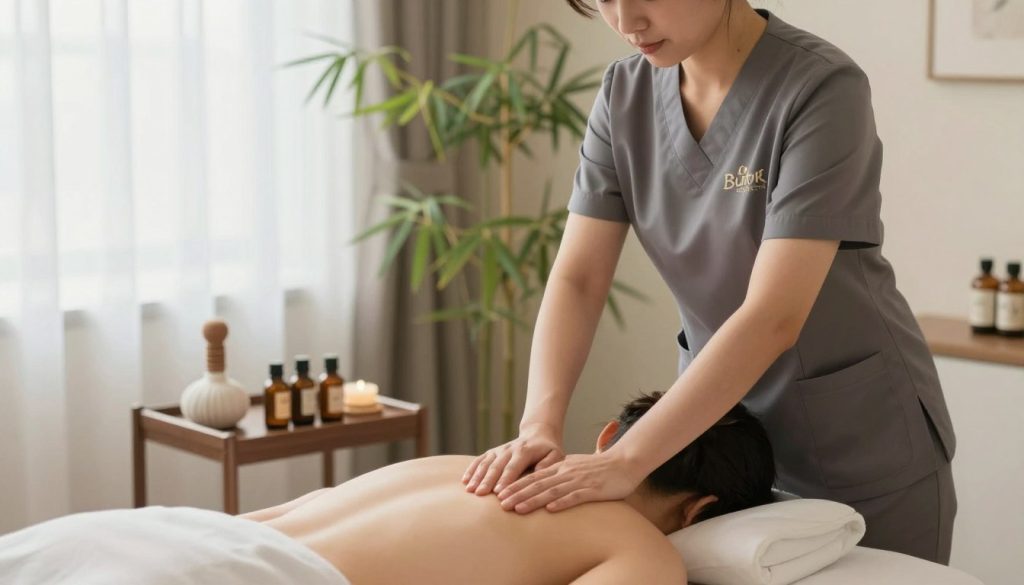
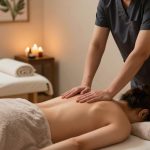
Manual lymphatic drainage therapy involves gentle, rhythmic movements. These movements encourage natural lymph fluid flow through your body. Your therapist applies light pressure in specific directions.
The pressure guides fluid toward lymph nodes. Your body processes and filters fluid at these nodes. This technique stimulates lymphatic vessels without damaging delicate tissue.
The lymphatic system differs from your circulatory system. It lacks a central pump like your heart. Instead, it relies on muscle movement, breathing, and external manipulation.
Therapeutic lymph drainage addresses this unique characteristic through specialized manual techniques. Your lymphatic vessels sit just beneath your skin’s surface. They require only light touch to activate them.
Practitioners trained in lymphatic circulation massage understand this anatomy. They apply appropriate pressure levels. Deep tissue work actually closes lymphatic vessels, making gentle technique essential.
Evidence-Based Health Advantages
Research supports numerous benefits from properly administered therapeutic lymph drainage. These advantages extend beyond cosmetic improvements to include significant therapeutic applications. Understanding these benefits helps you set realistic treatment expectations.
The therapy reduces swelling and water retention naturally. Your lymphatic system removes metabolic waste products. Stimulating this process supports overall detoxification.
Many patients in Turkey seek this treatment for post-surgical recovery. It also helps with chronic inflammation management. Your immune function receives a boost during treatment.
Lymphatic circulation massage enhances the movement of immune cells throughout your body. The relaxation response triggered during sessions reduces stress hormones. It also promotes mental clarity.
Improved circulation contributes to healthier skin tone. You’ll notice natural radiance. These effects develop with consistent treatment sessions.
Benefit Category
Primary Effects
Typical Applications
Expected Timeline
Physical Wellness
Reduces swelling, water retention, and inflammation
Facial treatments, body contouring support, complexion improvement
1-3 weeks for visible changes
Professional Methods and Approaches
Several established techniques exist for manual lymphatic drainage therapy. Each was developed by pioneering practitioners. The Vodder technique, created in the 1930s, remains the most widely taught method worldwide.
This approach uses four basic strokes. They include stationary circles, pump technique, rotary technique, and scoop technique. The Földi method combines manual drainage with compression therapy and specialized exercises.
This comprehensive approach particularly benefits patients managing lymphedema. It also helps with chronic swelling conditions. Practitioners in Turkey who specialize in medical applications often train in this method.
The Leduc technique emphasizes collecting fluid from tissues. It moves fluid toward functioning lymph nodes. This method uses rhythmic pressure and release patterns to stimulate lymphatic vessels.
All legitimate approaches share common principles. They use gentle pressure and specific directional movements. Rhythmic application is essential for all proper techniques.
Technique
Key Characteristics
Best Suited For
Pressure Level
Vodder Method
Four basic stroke patterns, circular movements, comprehensive body approach
General wellness, cosmetic applications, preventive care
Very light (25-30 mmHg)
Földi Method
Combines manual therapy with compression and exercise protocols
Medical lymphedema, post-surgical care, chronic conditions
Light to moderate (30-40 mmHg)
Leduc Technique
Focuses on collecting and evacuating fluid, rhythmic pressure patterns
Qualified practitioners understand that therapeutic lymph drainage requires precise hand positioning. They use specific directional strokes. Your therapist should work systematically, beginning at lymph nodes.
The session follows your body’s natural lymphatic pathways. It doesn’t use random massage patterns. Proper technique feels rhythmic and soothing.
You shouldn’t feel uncomfortable or painful sensations. Deep pressure or aggressive movements indicate improper training. Recognizing these technical details helps you evaluate practitioner qualifications during your search in Turkey.
Qualifications for Massage Therapists in Turkey
Professional qualifications separate certified lymphatic massage therapists from general massage practitioners in Turkey’s wellness industry. Understanding these credentials helps you identify experts with specialized knowledge for effective lymphatic drainage treatment. Requirements for practicing lymphatic drainage massage extend beyond basic massage training.
Look for specific markers of professional competence in potential therapists. These indicators separate qualified specialists from practitioners claiming expertise without proper training.
Required Certifications
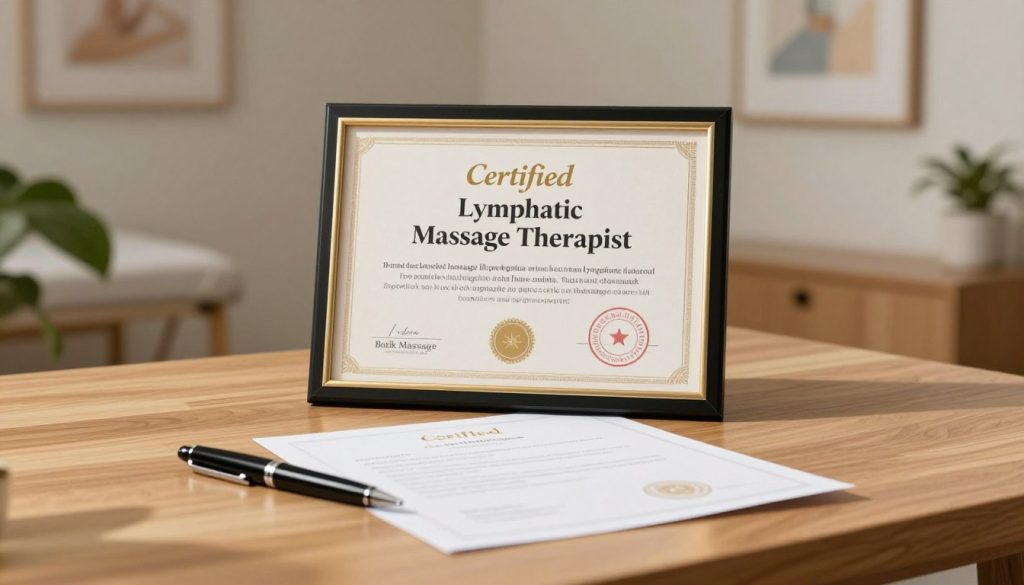
A certified lymphatic massage therapist must complete specialized training beyond standard massage education. In Turkey, legitimate practitioners typically undergo 130-160 hours of dedicated Manual Lymphatic Drainage training. This education comes from recognized institutions.
This comprehensive education covers the anatomy of the lymphatic system in detail. Students learn about lymphatic pathology, treatment contraindications, and hands-on technique practice. The curriculum emphasizes the gentle, rhythmic strokes that characterize proper lymphatic drainage.
Reputable certification programs include both theoretical knowledge and practical application. Your MLD massage specialist should hold certificates from internationally recognized training schools or Turkish health ministry-approved programs. Common certification providers include the Vodder School, the Dr. Vodder School International, and Casley-Smith International.
You have the right to ask your therapist about their specific training background. Don’t hesitate to request proof of certification before booking your appointment. Similar to choosing a professional masseur in Turkey, verifying credentials protects your health and investment.
Licensure Information
The regulatory framework governing massage therapy in Turkey involves standards from the Turkish Ministry of Health. These regulations establish minimum requirements for practice, though enforcement can vary across different regions.
Qualified practitioners should be able to provide several key documents:
Turkish practice license or work permit (for practicing therapists)
Professional liability insurance documentation
Continuing education records demonstrating ongoing skill development
Certification from recognized lymphatic drainage training programs
Turkey’s wellness industry is experiencing significant growth, which brings both opportunities and challenges. Regulatory standards can vary between establishments, making your personal due diligence essential. Some facilities operate under medical supervision, while others function as independent wellness centers.
Verify that your chosen practitioner complies with local health regulations. Ask about their professional memberships and whether they maintain current first aid certification. These details indicate a commitment to professional standards.
Importance of Experience
While certification provides the foundation, practical experience refines a therapist’s skills significantly. An experienced MLD massage specialist develops nuanced assessment abilities that come only through years of practice.
Ask about their years of practice specifically in lymphatic drainage. General massage experience doesn’t automatically translate to lymphatic drainage expertise. The techniques require specialized touch sensitivity and pressure control.
Inquire about the specific conditions your therapist has treated. Experienced practitioners work with diverse cases, including lymphedema management, post-surgical recovery, and immune system support. This breadth of experience enables them to adapt treatments to your individual needs.
Ongoing professional development is another hallmark of dedicated practitioners. The field of lymphatic drainage therapy continues to evolve with new research and techniques. Therapists who attend workshops, conferences, and advanced training courses stay current with best practices.
Qualification Level
Training Hours
Scope of Practice
Recommended For
Basic MLD Certification
130-160 hours
General lymphatic drainage, wellness applications
Relaxation, minor swelling, preventive care
Advanced MLD Specialist
200+ hours with specialized modules
Medical conditions, lymphedema, post-surgical care
Medical recovery, chronic conditions, therapeutic treatment
Master Therapist
300+ hours plus 5+ years experience
Complex cases, training other therapists, clinical settings
Severe lymphedema, complicated medical cases, specialized needs
Medical Lymphatic Specialist
Healthcare degree plus MLD certification
Clinical lymphatic therapy, medical team collaboration
Post-cancer treatment, vascular conditions, medical supervision required
The table above illustrates how qualifications correspond to treatment complexity. Your specific needs should guide your therapist selection. For general wellness and relaxation, a therapist with basic certification may suffice.
However, medical conditions require practitioners with advanced training and clinical experience. A certified lymphatic massage therapist invests significant time and resources into their education. This commitment reflects their dedication to providing safe, effective treatment.
Finding Lymphatic Drainage Massage Services
You have many resources to find qualified lymphatic drainage massage professionals in Turkey. Your search should combine digital tools with local healthcare networks. This helps you identify practitioners who specialize in this therapeutic technique.
Turkey’s major cities offer numerous specialized massage therapy options. Istanbul, Ankara, Izmir, and Antalya have the most wellness professionals trained in lymphatic drainage. Your location will influence which search methods work best for finding nearby practitioners.
Online Resources for Finding Massage Services
Digital platforms have changed how you locate specialized massage therapists nearby. Start with a simple massage services search on Google Maps. Use terms like “lymphatic drainage massage near me” for immediate results with locations and reviews.
Turkish health and wellness directories offer specialized search capabilities. Platforms like DoktorTakvimi, Hastane Randevu, and Sağlık Portalı maintain databases of healthcare providers. These directories let you filter results by specialization to find certified lymphatic drainage therapists.
International booking platforms like Booksy, Treatwell, and Wellness Turkey operate in major Turkish cities. These services provide English-language interfaces for easier research. You can filter searches by treatment type, practitioner certifications, and available appointment times.
Professional massage therapy associations maintain online directories of certified members. The Turkish Massage Therapists Association and Turkish Physiotherapy Association websites list qualified practitioners. These directories often show specific certifications, including Manual Lymphatic Drainage credentials.
Apply specific filters to narrow your online search results effectively. Look for options to sort by language capabilities if needed. Check for specialized training indicators like “MLD certified” or “lymphedema specialist.”
Social media platforms have become valuable resources for finding wellness practitioners in Turkey. Many qualified therapists maintain professional pages showcasing their credentials and client testimonials. Search hashtags like #lenfatikmassaji, #lenfdrenaji, or #lymphaticdrainageturkey to discover practitioners.
Reviews and Recommendations
Evaluating online reviews requires a critical approach to find genuine feedback. Focus on reviews that mention lymphatic drainage expertise specifically. Look for detailed descriptions from reviewers with conditions similar to yours.
Quality reviews discuss the therapist’s professionalism, anatomy knowledge, and pressure adjustment ability. Comments about gentle techniques and visible results indicate experienced practitioners. Be cautious of reviews focusing only on relaxation without mentioning therapeutic outcomes.
Pay attention to mentions of hygiene standards, appointment punctuality, and facility cleanliness. These factors reflect overall professionalism and care quality. Reviews discussing follow-up recommendations suggest practitioners who take comprehensive approaches to lymphatic health.
Healthcare provider recommendations carry significant weight for finding lymphedema treatment near me. Physicians specializing in vascular health, oncology, and plastic surgery frequently refer patients. Ask your doctor if they can recommend certified practitioners they trust.
Physiotherapists and physical rehabilitation specialists often collaborate with lymphatic drainage therapists. These professionals provide informed recommendations based on their knowledge of proper techniques. Cosmetic surgeons typically maintain referral networks of qualified drainage specialists for post-operative care.
Local Health Clinics and Wellness Centers
Specialized lymphedema clinics in Turkey provide focused treatment for fluid retention conditions. These facilities employ certified MLD therapists who understand lymphatic system disorders. Such clinics often work with vascular specialists and oncologists for coordinated care.
Post-surgical recovery centers have emerged in major Turkish cities. These facilities specifically offer lymphatic drainage as part of comprehensive recovery programs. The practitioners receive training in addressing post-operative swelling and promoting optimal healing.
High-end wellness spas with medical components bridge therapeutic and relaxation services. These establishments employ healthcare professionals including certified massage therapists. They offer advanced facilities and integrated wellness approaches combining lymphatic drainage with other therapies.
Physiotherapy clinics with certified MLD specialists provide medical-grade lymphatic drainage services. These practitioners often hold both physiotherapy and specialized lymphatic drainage certifications. Their clinical environment focuses on therapeutic outcomes rather than spa-like relaxation.
Hospital-affiliated wellness programs represent another valuable resource for finding qualified practitioners. Major Turkish hospitals in Istanbul and Ankara operate outpatient wellness departments. These programs benefit from medical oversight and strict hygiene protocols.
Understanding differences between clinic-based and spa-based services helps you choose appropriately. Medical clinics prioritize therapeutic outcomes and maintain detailed treatment records. Spa environments emphasize comfort but may lack medical infrastructure for complex conditions.
Consider proximity to your location for regular appointments. Lymphatic drainage often requires multiple sessions for optimal results. Choosing a conveniently located practitioner increases your likelihood of completing recommended treatments.
Questions to Ask Before Booking a Session
Protecting your health starts with asking the right questions. These questions show if a practitioner truly knows manual lymphatic drainage therapy. Your conversation before the first appointment determines your care quality.
Smart questions help you find properly trained professionals. They reveal who lacks adequate credentials or experience. Your inquiry should focus on three key areas.
Ask about certification status, technical methods, and treatment duration. Each question evaluates practitioner competence differently. The answers confirm their qualifications or reveal training concerns.
Certification Verification and Professional Credentials
Start by asking about their certification status directly. Ask: “Are you certified in lymphatic drainage?” Then ask which certification program they completed.
This question separates qualified practitioners from under-trained ones. A certified lymphatic massage therapist provides detailed credential information. They mention specific certifications like Vodder MLD or Földi programs.
Listen for concrete details about their training institution. Ask about the year they received certification. Find out if they maintain continuing education in this specialty.
Watch out for vague responses about being “self-taught.” This specialized technique requires formal, supervised training. Safe and effective performance demands proper certification.
Ask if they have experience with your specific concern. Cosmetic goals like reducing facial puffiness differ from medical needs. Post-surgical recovery requires different expertise than beauty treatments.
Qualified practitioners discuss their experience with different client types readily. Lymphedema management needs different skills than cosmetic applications. Their willingness to explain shows confidence and transparency.
Understanding Treatment Methodology and Techniques
Your second question explores their technical approach. Ask: “What techniques will you use during my session?” This reveals their expertise and treatment philosophy.
Expert practitioners identify their specific method clearly. They mention Vodder, Földi, Leduc, or integrated approaches. They describe the gentle, rhythmic strokes they employ.
You should hear explanations about directing lymph flow. They explain which body areas they address. They describe how they adapt techniques to your individual needs.
This question identifies practitioners who confuse different massage types. True manual lymphatic drainage uses light pressure and specific sequences. Firm pressure or vigorous manipulation indicates something else.
Professional therapists explain their assessment process too. They describe evaluating your lymphatic system before treatment. This shows individualized care instead of generic approaches.
Session Duration and Treatment Structure
Your final question addresses time commitment. Ask: “How long will the session last?” This simple question reveals treatment thoroughness.
Effective lymphatic drainage takes 60 to 90 minutes for full-body treatment. The technique must be performed slowly and systematically. Rushing compromises results.
Many experienced practitioners in Turkey offer 80-minute standard sessions. This duration allows completing the full drainage sequence properly. The gentle strokes need adequate time to stimulate your lymphatic system.
Shorter 30 to 45-minute sessions work only for targeted areas. Facial drainage or specific limb work fits brief appointments. Very brief full-body sessions raise concerns about authenticity.
Ask about treatment frequency recommendations too. Professional therapists explain that one session produces noticeable results. Optimal outcomes come from a series of treatments.
A typical protocol includes weekly or biweekly sessions initially. These jumpstart your lymphatic system effectively. Monthly maintenance appointments follow the initial series.
Question Category
Acceptable Response Indicators
Concerning Response Indicators
What This Reveals
Certification Status
Names specific program (Vodder, Földi), institution, year certified, mentions continuing education
Vague answers, claims self-taught status, cannot name certification program
Level of formal training and professional commitment
Mentions deep pressure, cannot explain technique, uses generic massage terminology
Understanding of authentic lymphatic drainage principles
Session Duration
Offers 60-90 minutes for full body, explains why time matters, discusses treatment series
Offers rushed sessions under 45 minutes, cannot explain timing rationale
Commitment to proper technique execution and client outcomes
Experience Specificity
Discusses relevant case experience, asks about your specific goals, explains outcome expectations
Claims to treat everything equally, makes unrealistic promises, dismisses your concerns
Practical experience and realistic treatment approach
These questions create a framework for evaluating any practitioner. Your careful vetting protects you from ineffective treatments. It ensures you receive genuine therapeutic benefits.
Trust your instincts when evaluating responses. Qualified professionals welcome informed questions. They provide transparent, detailed answers willingly.
Preparing for Your Lymphatic Drainage Massage
Proper preparation before your lymphatic system detox massage enhances therapeutic benefits significantly. Taking time to prepare physically and mentally helps your body respond optimally. The right preparation steps make sessions more effective.
Your therapist will appreciate your thoughtful preparation. Understanding what to expect helps reduce pre-treatment anxiety.
Appropriate Clothing and Accessories
Choosing the right attire ensures smooth treatment access while maintaining comfort. Wear loose, breathable clothing to the clinic. This allows easy removal and helps you feel relaxed.
You may lie face up, face down, or on your side during treatment. You will typically undress to your comfort level, often to underwear. Professional draping protects your privacy throughout.
For targeted treatments like facial drainage or arm therapy, you may remain more fully clothed.
Consider these clothing guidelines for your appointment:
Remove all jewelry before your session, especially pieces around your neck and wrists
Bring comfortable, non-restrictive clothing for after the session to support lymphatic flow
Wear slip-on shoes for easy removal and to avoid bending after treatment
Avoid tight waistbands, underwire bras, or restrictive elastic that may impede circulation
For post-surgery lymphatic massage, special considerations apply. You may need to accommodate compression garments, surgical sites, or mobility limitations. Communicate with your therapist beforehand about physical restrictions.
Treatment can also be performed seated if lying down causes discomfort. Your therapist will work with your specific needs.
Hydration and Dietary Tips
Your eating and drinking habits significantly impact treatment effectiveness. Proper hydration supports lymph fluid movement and helps process released toxins. Drink adequate water before your appointment.
Increase water intake throughout the day of your lymphatic system detox massage. Continue drinking extra water for 24-48 hours afterward. Your body needs this extra fluid to complete detoxification.
Follow these dietary recommendations for optimal results:
Avoid heavy meals immediately before your session, as digestion diverts bodily resources away from healing
Do not arrive on an empty stomach, which can cause lightheadedness during treatment
Reduce sodium intake in the days before treatment to minimize fluid retention
Avoid alcohol before and after sessions to support natural detoxification processes
Consider eating light, nutrient-dense foods like fruits and vegetables on treatment days
These dietary adjustments create an internal environment conducive to lymphatic drainage. Your therapist may provide additional personalized recommendations based on your health goals.
The treatment is safe during pregnancy in the second and third trimesters. It must be performed by a trained prenatal therapist. It can ease swelling and support gentle detoxification for expectant mothers.
Mental Preparation and Relaxation Tips
Your mental state influences treatment effectiveness because stress inhibits lymphatic function. Arriving calm and centered allows your body to fully receive therapeutic benefits. The mind-body connection plays a crucial role in healing.
Plan to arrive a few minutes early to transition from daily stress. This buffer time helps you shift gears mentally. Use this period to disconnect from outside worries.
Consider these mental preparation strategies:
Practice deep breathing exercises to activate your parasympathetic nervous system before and during treatment
Set clear intentions for your session, whether therapeutic healing, relaxation, or detoxification support
Communicate openly with your therapist about comfort levels, pressure preferences, and concerns
Leave your phone on silent or in your bag to minimize distractions
Visualize the lymphatic fluid moving freely through your system as you relax
Lymphatic drainage massage is inherently relaxing due to its gentle, rhythmic nature. Allowing yourself to mentally surrender enhances both physical and psychological benefits. Many clients report feeling deeply peaceful during treatment.
Your therapist creates a safe, professional environment for healing. Trust the process and give yourself permission to fully relax. This mental release often proves as therapeutic as the physical treatment itself.
What to Expect During the Massage Session
Understanding your therapeutic lymph drainage session helps you recognize proper technique and maximize benefits. This specialized treatment focuses on gentle stimulation of your lymphatic system. It differs significantly from traditional massage therapy that manipulates muscles.
Knowing the session structure, techniques, and recommended scheduling helps you prepare mentally and physically. Your therapist creates a calm, comfortable environment that promotes relaxation throughout treatment. The session follows systematic protocols designed to activate your lymphatic pathways in a specific sequence.
The Session Structure From Start to Finish
Your appointment begins with a consultation where your therapist reviews your health history. This discussion covers any contraindications such as active infections, blood clots, or cardiac conditions. Your therapist explains the procedure clearly and answers all your questions before obtaining consent.
The treatment follows a systematic approach that starts with activation of lymph nodes in your neck. This initial step prepares drainage pathways before your therapist addresses other body regions. The lymphatic circulation massage proceeds through specific zones designed to direct fluid toward functioning lymph nodes.
You may lie face up, face down, or on your side depending on treatment areas. Some practitioners perform certain techniques while you remain seated if medical conditions make lying down uncomfortable. Your therapist works directionally throughout the session, always moving lymph toward your body’s natural drainage points.
Full-body treatment addresses all major lymphatic regions even when you have concerns about a specific area. This comprehensive approach ensures proper drainage throughout your entire system. The session concludes with gentle closure techniques and a brief rest period.
Gentle Pressure and Specialized Strokes
Proper therapeutic lymph drainage employs remarkably light pressure that distinguishes it from other bodywork modalities. Your therapist applies only about five to seven ounces of pressure, roughly equivalent to a nickel’s weight. This gentle touch works because your lymph vessels lie close to your skin surface.
The strokes feel slow, rhythmic, and repetitive rather than vigorous or intense. Your therapist uses movements often described as gentle stretching of your skin in specific directions. The treatment should feel relaxing and soothing throughout, never painful or uncomfortable.
You will not experience the muscle soreness sometimes associated with deep tissue massage. Common stroke patterns include stationary circles, pump techniques, rotary movements, and scoop techniques. Each movement maintains the same gentle, precise quality designed to encourage lymph flow without causing tissue damage.
Many clients report feeling increasingly relaxed as treatment progresses. You might experience sensations of lightness or improved circulation during your session. These responses indicate your lymphatic system responding positively to the gentle stimulation.
Scheduling for Optimal Results
Individual session length typically ranges from sixty to ninety minutes for comprehensive treatment. Eighty-minute sessions represent a common standard that allows your therapist to complete full sequences without rushing. This duration ensures thorough coverage of all lymphatic regions while maintaining the gentle, unhurried pace.
Your treatment frequency depends on your specific goals and health conditions. For lymphedema management or post-surgical recovery, you may need sessions two to three times weekly initially. This intensive schedule typically tapers to weekly, then biweekly, then monthly maintenance as your condition improves.
General wellness, detoxification, or cosmetic purposes usually require weekly or biweekly sessions for four to six weeks. This establishes baseline benefits that you maintain with monthly sessions afterward. Consistency produces better results than sporadic treatment, so following your recommended schedule matters significantly.
Effective treatment for specific conditions is usually accomplished with eight to ten visits over twelve weeks. Your therapist should provide a personalized treatment plan based on your individual needs and response. Results often become noticeable after one session, but lasting benefits develop through a series of treatments.
Treatment Purpose
Initial Frequency
Maintenance Schedule
Typical Duration
Post-surgical recovery
2-3 times weekly
Monthly after 8-10 weeks
60-90 minutes
Lymphedema management
2-3 times weekly
Biweekly to monthly
80-90 minutes
General wellness
Weekly for 4-6 weeks
Monthly ongoing
60-80 minutes
Detoxification support
Biweekly for 6 weeks
Monthly as needed
60-80 minutes
Your therapist may combine lymphatic drainage with complementary strategies for best long-term results. These might include pain education, self-care techniques, exercises, or self-massage methods you can practice at home. Some practitioners recommend acupressure techniques or practices like yoga that support lymphatic health.
The treatment works most effectively as part of a holistic wellness approach. Proper hydration, appropriate exercise, and other lifestyle factors enhance your results significantly. Your therapist should provide guidance on these supportive practices during your post-treatment consultation.
Post-Massage Care and Tips
Your body keeps working long after you leave the massage table. It processes the benefits that started during your session. The actions you take afterward can boost or reduce your results.
Understanding proper aftercare turns a single session into a complete wellness plan. This supports your lymphatic system’s ongoing function.
Many clients feel lighter and more relaxed after just one session. However, getting even better results through ongoing treatments requires commitment. Your therapist provides guidance, but your daily choices determine how well your body maintains improvements.
Hydration and Movement Protocols
Drinking enough water is the most critical aftercare practice. Your therapist moved toxins and waste products during treatment. These substances need flushing from your system.
Not drinking enough water can lead to headaches or fatigue. Your body struggles to remove mobilized waste. This temporary discomfort doesn’t mean something went wrong with the massage.
It simply signals your detoxification systems need more water to work properly.
Gentle movement supports continued lymph circulation after treatment. Walking, stretching, or light yoga encourages fluid movement through your lymphatic vessels. However, avoid hard exercise right after your session.
Your body needs time to process and recover.
Timeframe
Recommended Practice
Purpose
Frequency
First 2 Hours
Drink 2-3 glasses of water
Begin toxin elimination
Immediate priority
First 24 Hours
Light walking (15-20 minutes)
Maintain lymph flow
2-3 times daily
24-48 Hours
Gentle stretching exercises
Support circulation
Morning and evening
48-72 Hours
Resume normal activity gradually
Return to routine safely
As tolerated
Specialized Care for Post-Surgical Clients
If you received post-surgery lymphatic massage, your aftercare needs coordination with surgical recovery protocols. Wear compression garments exactly as your surgeon prescribed. These garments work together with massage to control swelling and shape healing tissues.
Increase activity gradually according to your surgeon’s timeline, not your personal comfort level. Feeling better doesn’t mean your tissues have healed enough for full activity. Your massage therapist should provide specific guidance that matches your surgical team’s recommendations.
Rest and sleep play vital roles in recovery. Lymphatic system detox massage can be deeply relaxing. It triggers your body’s parasympathetic nervous system.
Honor any need for extra sleep. This rest period allows your immune system and repair mechanisms to work optimally.
Dietary Considerations for Enhanced Results
Your food choices after treatment impact how well your body processes mobilized waste. Anti-inflammatory foods support your lymphatic system’s detoxification work. Include leafy greens, berries, fatty fish, and foods rich in omega-3 fatty acids.
Reduce sodium intake to prevent fluid retention. This counteracts the drainage achieved during your session. Processed foods often contain too much sodium, so focus on whole, unprocessed options.
Your body worked hard to eliminate excess fluid during treatment. Don’t undo this progress with poor dietary choices.
Avoid alcohol for at least 24-48 hours after your session. Alcohol burdens your liver and kidneys. These are the primary organs responsible for processing and eliminating mobilized toxins.
Give your detoxification systems the best possible environment to complete their work.
Recognizing Effective Treatment Results
Understanding positive indicators helps you assess whether treatment is working properly. A feeling of lightness in previously swollen areas typically appears first. You may notice your clothing fits differently or jewelry slides on more easily.
Improved skin texture and tone develop as congested tissues receive better circulation. Reduced puffiness becomes particularly noticeable after facial treatments. Many clients report visible changes in under-eye bags or jawline definition within hours.
Increased urination represents your body eliminating mobilized fluids. This response is normal and desired. Some people experience temporary fatigue as their body processes released toxins, followed by enhanced energy levels.
This pattern shows your system is responding appropriately to treatment.
Improved sleep quality and deeper rest cycles
Reduction in pain or discomfort from previously congested areas
Sense of deep relaxation and mental clarity
Enhanced digestive function and regularity
Reduction in sinus congestion or allergy symptoms
The timeline for these effects varies by individual. Some benefits appear immediately during or after treatment. Others develop over 24-48 hours as your lymphatic system continues processing.
Visible reduction in swelling typically becomes apparent within hours to days. Deeper therapeutic effects develop over a course of treatments.
Understanding Temporary Responses
Mild fatigue immediately after treatment doesn’t indicate a problem. Your body entered a deeply relaxed state. This temporary tiredness supports healing.
A slight increase in urination or bowel movements signals successful mobilization of waste products.
Subtle detoxification symptoms like mild headache occur when hydration is inadequate. This discomfort resolves quickly once you increase water intake. Some clients feel slightly emotional or experience vivid dreams the night after treatment.
This reflects the deep relaxation and nervous system reset that occurred.
Knowing When Professional Follow-Up Is Needed
Contact your therapist if you experience unexpected pain during or after treatment. While lymphatic drainage should never hurt, individual responses vary. Your practitioner can adjust techniques or pressure for future sessions based on your feedback.
A significant increase in swelling rather than reduction requires evaluation. This response is uncommon but may indicate a contraindication that wasn’t initially apparent. Skin changes such as redness, heat, or rash in treated areas warrant professional assessment.
If your specific condition doesn’t show expected improvement after several sessions, discuss this with your therapist. Treatment plans may require modification, or additional medical evaluation may be appropriate. Reputable practitioners welcome these conversations and view them as essential to your care.
Medical Attention Red Flags
Certain symptoms require immediate medical attention rather than simply contacting your massage therapist. Fever accompanied by swelling suggests possible infection. Signs of infection including heat, redness, streaking, or pus demand urgent evaluation.
Sudden severe swelling, especially if accompanied by pain, requires emergency assessment. Chest pain or difficulty breathing should never be ignored. Signs of blood clots, such as deep pain, unusual warmth, or color changes in extremities, constitute medical emergencies.
Medical massage therapy provides best long-term results when combined with other strategies such as pain education and self-care between sessions, with providers potentially recommending exercises, self-massage, or complementary practices like yoga.
While lymphatic drainage is generally very safe, certain medical conditions require coordination between your massage therapist and physician. Active cancer treatment, congestive heart failure, kidney problems, or recent surgery all necessitate integrated care approaches.
Your therapist should have provided clear guidance on when to contact them versus when to seek medical care. Don’t hesitate to reach out with questions or concerns. Professional practitioners value communication and want to ensure your safety and optimal results throughout your treatment journey.
Common Myths About Lymphatic Drainage Massage
Learning the truth about lymphatic drainage massage helps you set realistic expectations. It also helps you make better choices in Turkey’s wellness market.
Separating Fact from Fiction
One common myth says deeper pressure gives better results. The opposite is actually true. An MLD massage specialist uses light, rhythmic movements instead.
Excessive pressure collapses superficial lymph vessels and reduces treatment effectiveness. You need gentle techniques that work with your body’s natural lymphatic flow.
Another misconception treats lymphatic drainage as a quick fix. Some think it only requires 15-20 minutes. Proper sessions last approximately 80 minutes to address the entire lymphatic system thoroughly.
Quick treatments might feel relaxing but won’t deliver therapeutic benefits.
Understanding Realistic Treatment Outcomes
Research shows that randomized clinical trials support lymphatic drainage benefits. However, only a minority reached moderate-certainty evidence levels. This means you should expect genuine but measured improvements rather than dramatic transformations.
Your local lymphatic drainage practitioner should explain both benefits and limitations honestly. Legitimate outcomes include reduced swelling and improved post-surgical healing. You may also experience enhanced immune function.
Be skeptical of promises involving rapid weight loss or permanent cellulite removal. Also question guaranteed cures for serious medical conditions.
Why Proper Training Matters
Professional expertise separates effective treatment from superficial imitation. Qualified practitioners complete specialized certification programs. These programs teach lymphatic anatomy, contraindication recognition, and technique adaptation for individual needs.
This training ensures your safety and treatment effectiveness. Choosing based solely on convenience or price puts your health at risk. Ask about certifications and experience before booking your session.