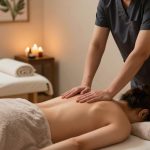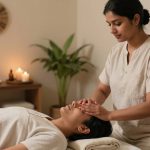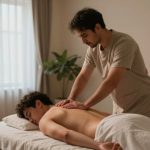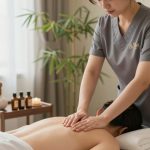
What if the key to an unforgettable Turkish bath lies not in the place, but in the person experiencing it?
The hammam is an ancient tradition you should try at least once on a trip to Turkey. Many travelers find this ritual a unique way to immerse yourself in local culture. It offers deep relaxation after a day of sightseeing.
Your personal journey inside a bathhouse can differ wildly from another’s. This is due to the diverse range of historic and modern facilities available across the city. When you plan your visit, you’ll discover levels of luxury and specific rituals that are not the same everywhere.
Every guest brings their own comfort level. This shapes how they perceive the steaming, scrubbing, and massage. Your choices, from a 570-year-old establishment to a contemporary hotel spa, define your encounter.
This guide explores the cultural nuances and offers practical tips. Our goal is to ensure your time in a Turkish bath is both authentic and perfectly suited to your needs.
Key Takeaways
- The hammam is a centuries-old tradition central to Turkish culture and relaxation.
- Personal encounters differ due to the vast choice between historic and modern venues.
- Your individual comfort level directly influences how you experience the treatment.
- The specific services you select, from basic to luxurious, shape your visit.
- Understanding these factors helps you choose an experience that matches your expectations.
- Proper preparation can turn a simple bath into a profound cultural immersion.
Understanding the Rich History of Turkish Baths in Istanbul
The walls of Istanbul’s historic bathhouses whisper tales of empires, rituals, and daily life from centuries ago. Your personal encounter with this tradition is deeply shaped by its remarkable evolution.
The Evolution from Byzantine Rituals to Modern-Day Hammams
The Turkish bath tradition dates back thousands of years, evolving from Byzantine cleansing rituals. These practices transformed into the iconic public bathhouse structures seen today. For a comprehensive guide to exploring Istanbul’s bath houses, understanding this historical context is essential.
Architectural Marvels and Historical Significance
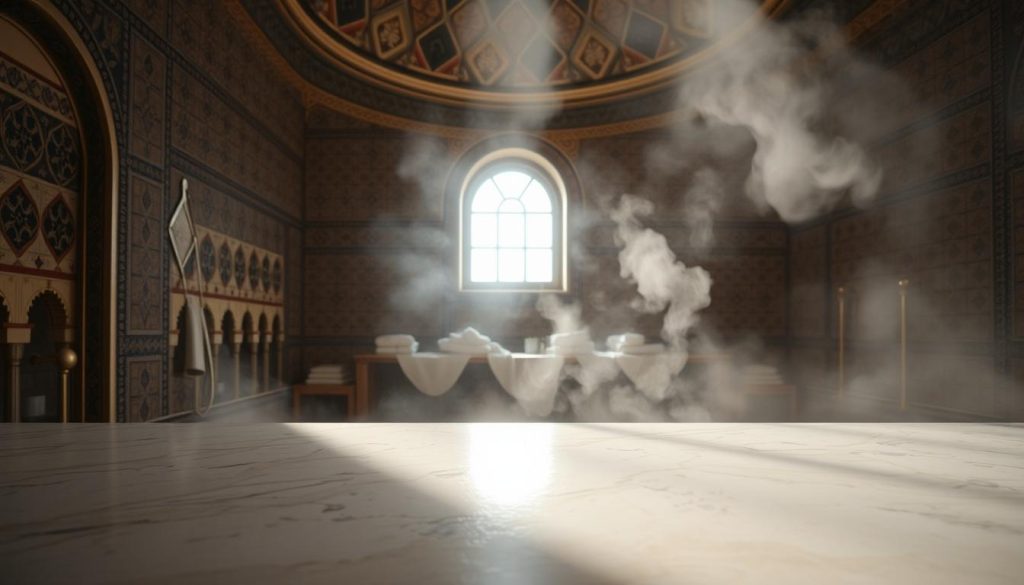
These spaces are architectural marvels featuring domed ceilings and heated marble platforms. The magnificent Aga Hamami, built in 1454, serves as a prime example. This 570-year-old establishment was originally a private hammam for Mehmed the Conqueror.
Many traditional hammams were commissioned by Ottoman rulers near significant sites like the Blue Mosque. People often find the atmosphere in these historic venues creates a profound connection to the past. The experience differs markedly from modern spa facilities.
The evolution from functional site to cultural landmark continues today. You can discover relaxation through classical massage services that honor these ancient traditions while incorporating contemporary comfort.
Why Does the Massage Experience in Istanbul Vary from Person to Person?
The personal nature of a bathhouse visit means no two experiences are identical. Your encounter is shaped by cultural customs and the specific techniques used.
These elements combine to create a unique journey for every guest.
The Impact of Cultural Traditions on Service Delivery
Cultural norms directly influence your service. Traditional hammams often maintain strict gender separation.
Men and women use different areas or visit at separate times. This practice upholds modesty and privacy.
Your comfort with the provided towel, or peshtemal, is key. Some visitors choose to wear a swimsuit underneath.
This personal choice affects how you relax in the steam room. It changes your perception of the entire ritual.
Variations in Massage Techniques and Bath Rituals
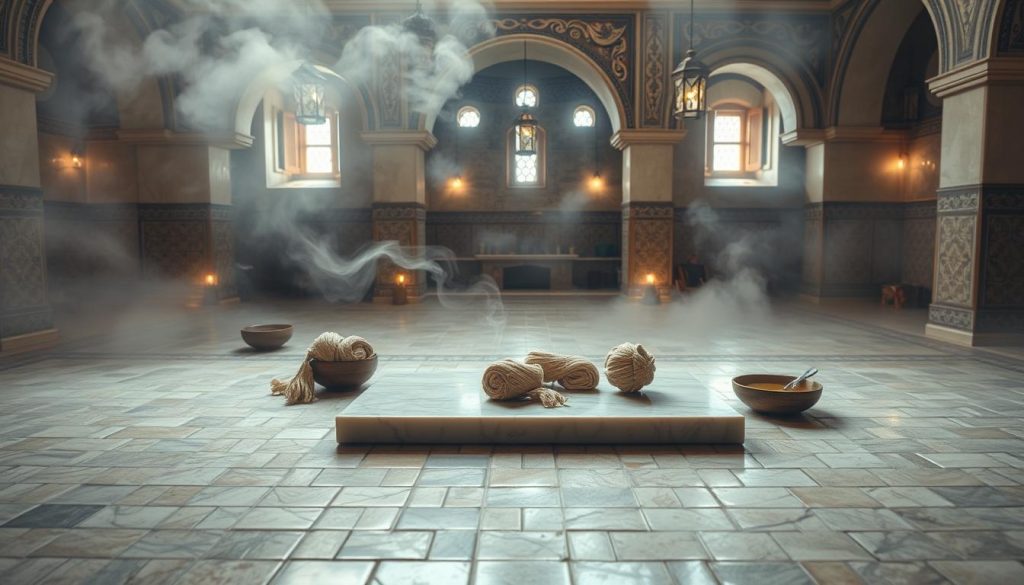
The core bath ritual includes a vigorous scrub with a kese mitt. This exfoliation removes dead skin cells.
It prepares your body for the subsequent massage. However, the style of that massage can differ greatly.
Some attendants practice firm, traditional strokes passed down for generations. Others blend in modern, oil-based techniques from contemporary spas.
The table below highlights key differences in approach.
| Aspect | Traditional Hammam Approach | Modern Spa Approach |
|---|---|---|
| Exfoliation Method | Rigorous scrub with a dry kese mitt | Gentler scrub with exfoliating soap or salt |
| Massage Style | Dry, rhythmic pressure on marble (göbek taşı) | Oil-based, flowing strokes on a cushioned table |
| Typical Attire | Peshtemal towel only | Disposable underwear or swimwear |
| Gender Areas | Completely separate sections or hours | Often mixed, with private treatment rooms |
Your selected venue and package determine which techniques you receive. This is why each person’s Turkish bath experience feels unique.
Navigating the Hammam Experience: From Changing Rooms to Steaming Rituals
Your journey through a Turkish bath unfolds in distinct stages, each designed to cleanse both body and mind. Knowing what to expect from start to finish enhances your comfort and enjoyment.
This process blends physical cleansing with social customs. Your hammam experience is shaped by both the ritual steps and the respectful etiquette you follow.
Steps Involved in a Traditional Turkish Bath
The classic ritual follows a set sequence. It begins in the private changing rooms.
You receive a towel (peshtemal) and slippers. After changing, you proceed to the warm steam room, or hararet.
Here, you relax and allow the steam to open your pores. An attendant then performs a vigorous scrub with a kese mitt to exfoliate dead skin cells.
This prepares your entire body for a soothing oil massage. The table below outlines this traditional sequence.
| Step | Location | Key Action | Purpose |
|---|---|---|---|
| 1. Preparation | Changing Room (Camekan) | Change into peshtemal and slippers | Ensure comfort and readiness for the heat |
| 2. Warm-Up | Steam Room (Hararet) | Relax on heated marble platform | Open pores and loosen muscles |
| 3. Cleansing | Main Platform (Göbek Taşı) | Full-body exfoliation with kese mitt | Remove impurities and dead skin |
| 4. Treatment | Washing Area | Soap wash followed by oil massage | Hydrate skin and induce deep relaxation |
The hammam is more than a bath; it is a social ritual that purifies the individual as part of the community.
Etiquette, Privacy, and Gender Segregation Guidelines
Respect for tradition is paramount. Most historic hammams maintain strict gender separation.
Men and women use entirely separate sections or have different visiting hours. This ensures privacy for all guests.
You must make sure to understand the attire options. The standard is to wear only the provided peshtemal.
Many modern venues allow a swimsuit underneath for added comfort. This choice is a personal part of your bath experience.
After your treatment, enjoying a cup of tea in the lounge is a cherished finale. It completes the cycle of cleansing and relaxation.
Modern Techniques Versus Historical Traditions in Istanbul Massage
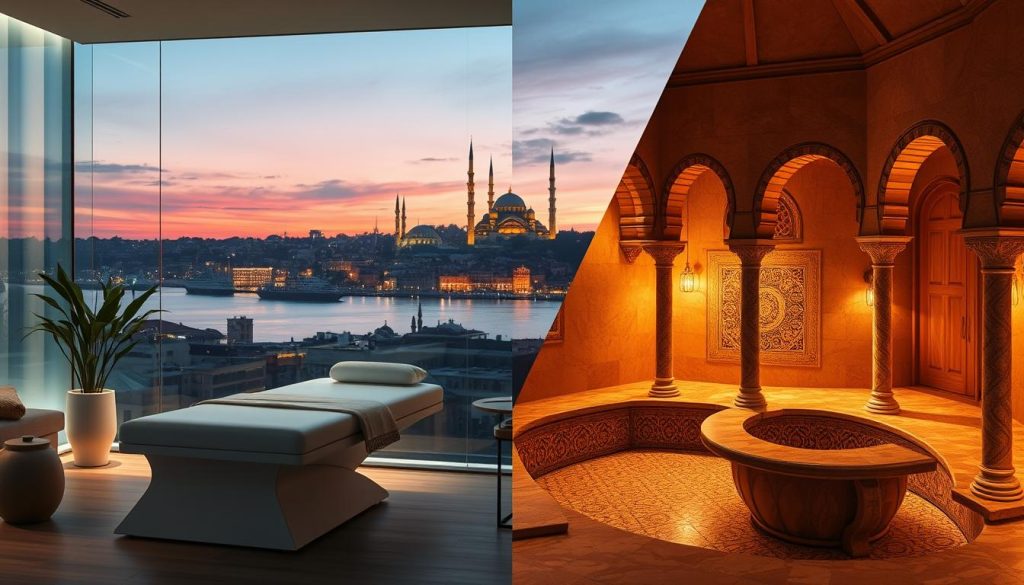
Today’s visitor encounters a fascinating fusion where traditional hammam rituals are enhanced by contemporary spa techniques. This blend creates a diverse menu for your relaxation.
Integrating Contemporary Spa Services
Many luxury hotels now combine classic bath elements with modern wellness. You might enjoy an aromatic oil massage after a traditional scrub.
This integration caters to global guests seeking comfort. A professional massage in such a setting often lasts 30 minutes. It uses firm pressure to relax your entire body.
Differences in Private vs. Public Hammam Settings
The setting defines your bath experience. Public baths offer a communal, cultural atmosphere.
Private rooms in upscale venues provide seclusion. Your choice between these options affects privacy and cost.
Communal areas involve shared steam room spaces. Private sessions ensure individual attention from your attendant.
Influence of Tourism on Service Standards
High tourist demand has encouraged standardization. Establishments now make sure hygiene and care levels are consistent.
This focus benefits every guest. It also preserves the authentic core of the Turkish bath ritual.
Whether you seek a historic scrub or a modern massage, Istanbul delivers. For detailed guidance on finding a centre massage Istanbul experience, explore our comprehensive resource.
Tips to Optimize Your Turkish Bath and Massage in Istanbul
A few simple preparations can transform your visit from good to exceptional. Knowing what to bring and how to communicate ensures your bath experience is both comfortable and authentic.
What to Wear and Bring for a Smooth Experience
Your attire choices set the tone. Most baths provide a towel (peshtemal). Many locals use only this.
If you prefer more coverage, a swimsuit is a good option. Bringing a spare set of underwear is also wise.
Pack your own mild soap if you have sensitive skin. Drink plenty of water before and after to counter the steam room heat.
How to Communicate Your Comfort Level and Preferences
Clear communication with your attendant is key. Traditional massage uses firm pressure on your entire body.
If this feels too intense, say so early. You can request a gentler touch. Don’t hesitate to speak up about any part of the ritual.
This ensures your Turkish bath is tailored to you. It makes the experience truly relaxing.
Planning Your Visit: Where, When, and How to Book an Authentic Hammam Experience
Securing an authentic hammam session requires careful consideration of location, timing, and budget. Your choices define the quality of your cultural immersion.
Choosing the Right Hammam Based on Your Needs and Budget
Your bath experience starts with selecting a venue. Historic sites like Cemberlitas Hamam near the Grand Bazaar offer traditional charm.
For architectural beauty, Cagaloglu Hamami near the Basilica Cistern is a top choice. A basic traditional Turkish bath typically costs between 300 and 400 TL.
Remember to budget for a tip of 10% to 20% for your attendant. Luxury hotels provide private rooms at a higher price.
Best Time of Year and Popular Locations in Istanbul
The ideal time to visit is during spring or autumn. Pleasant weather and fewer crowds enhance your day.
Many renowned baths are in the Fatih district, close to landmarks like Hagia Sophia. This area is rich in history.
Whether you arrive at Istanbul Airport or Sabiha Gökçen Airport, transport options are available. Plan your route to your chosen hammam experience for a relaxing visit.
Conclusion
Finding your perfect bath experience is the final step in a personalized cultural discovery. A visit to a Turkish bath connects you directly with centuries of local tradition.
Understanding the nuances, from the steam room ritual to a professional massage, lets you tailor the visit. This ensures deep relaxation for your body and mind.
Whether you choose a historic bathhouse or a modern facility, the benefits for your skin and overall well-being are significant. The time invested is truly rewarding.
Always respect the bath’s etiquette. Communicate your comfort level clearly. Enjoy the unique atmosphere that defines this ritual.
We hope this guide helps you navigate your next Turkish bath with confidence. May it be a memorable and rejuvenating part of your travels.