Stepping into a Turkish bathhouse feels completely different from visiting a Western spa. The atmosphere and traditions set these spaces apart.
Planning your visit to a traditional hammam requires understanding proper customs. These historic Ottoman bathhouses have served as social and wellness centers for centuries. The experience goes far beyond simple relaxation.
Turkish bath etiquette differs significantly from what you might expect at home. Gender-separated facilities, specific dress codes, and unique bathing rituals create an authentic cultural experience. Most traditional hammam sessions in Istanbul and Cappadocia cost between $80-150 for 60-90 minutes.
Proper protocols enhance your visit while showing respect for local traditions. From selecting the right establishment to navigating tipping practices, each aspect matters. Booking a 500-year-old bathhouse in Sultanahmet or a modern hotel spa requires preparation.
Knowing what to expect during your hammam helps you approach these wellness traditions with confidence. This comprehensive guide addresses everything you need to know about massage etiquette Turkey visitors should follow.
Key Takeaways
- Turkish hammams blend centuries-old Ottoman bathing traditions with modern wellness practices
- Traditional sessions typically cost $80-150 for 60-90 minute experiences in major cities
- Gender segregation is standard practice with separate facilities or designated times
- Proper dress codes and modest behavior demonstrate respect for local customs
- Understanding tipping protocols and communication expectations enhances your visit
- Cultural awareness helps you navigate differences from Western spa treatments
Understanding the Cultural Context of Massage in Turkey
To appreciate Turkish massage customs, you must understand the historical forces behind them. Simple bathing transformed into an elaborate social ritual over centuries. The hammam experience goes beyond physical relaxation.
It represents a cultural institution that has shaped Turkish society. These bathhouses preserve ancient traditions while adapting to modern expectations. Understanding this background helps you navigate traditional Turkish bath etiquette with confidence.
Historical Significance of Massage
Turkish hammams evolved from Roman thermae, Byzantine baths, and Islamic cleansing practices. The Ottoman Empire refined these influences during its golden age. The result was a distinctive bathing culture central to daily life.
These public bathhouses served purposes far beyond hygiene. They functioned as vital community gathering places where social bonds formed. Women would meet regularly to socialize and celebrate milestones.
The hammam held special significance for important life events. Brides attended elaborate pre-wedding ceremonies with female relatives. New mothers received special treatments after childbirth.
The architectural design reflected the hammam’s importance. Domed ceilings allowed steam to circulate properly. Marble platforms provided heated surfaces for relaxation.
Star-shaped openings in the ceiling created atmospheric lighting. This enhanced the mystical experience of the bathhouse.
Modern Interpretations and Practices
Today’s Turkish massage establishments range dramatically in style and luxury level. You’ll find authentic neighborhood bathhouses where locals still gather weekly. You’ll also discover beautifully restored historic buildings and polished hotel spas.
The fundamental ritual remains remarkably consistent across all types. Core elements include the warm marble platform called göbektaşı. The steam room, vigorous kese scrub, and foam massage complete the experience.
Modern facilities have adapted to accommodate international visitors. Many now offer English-speaking staff who explain procedures clearly. Online booking systems make reservations convenient.
Contemporary Turkish spas balance innovation with tradition carefully. They may add amenities like changing rooms and private treatment options. However, they preserve essential techniques that make Turkish massage customs distinctive.
The atmosphere varies between establishment types:
- Local neighborhood hammams maintain authentic, no-frills environments used by residents
- Tourist-oriented facilities provide more guidance and explanation for first-time visitors
- Luxury hotel spas combine traditional rituals with high-end amenities and services
- Historic hammams offer architectural beauty alongside authentic bathing experiences
Popular Techniques Used
The kese scrub forms the centerpiece of the traditional hammam ritual. Your attendant uses a coarse exfoliating mitt to remove dead skin cells. This treatment often produces visible rolls of shed skin.
The foam massage, known as köpük masajı, creates a uniquely Turkish experience. Your therapist fills a special cloth bag with olive oil soap. They manipulate it to produce clouds of luxurious bubbles.
These foam clouds are applied across your body in sweeping motions. The movements are relaxing and soothing. Traditional Turkish massage differs from Swedish or deep-tissue techniques.
The focus centers on improving circulation and promoting flexibility through stretching. It induces deep relaxation throughout your entire body. The approach addresses overall wellness rather than targeting specific muscle knots.
You’ll experience these core treatment elements:
- Steam room preparation that opens pores and softens skin
- Warm water rinses that regulate body temperature
- Full-body kese exfoliation performed on heated marble
- Foam massage application with aromatic soap bubbles
- Optional oil massage for enhanced muscle relaxation
Many establishments offer additional treatments to complement the basic ritual. Clay masks purify your skin using mineral-rich formulations. Facial treatments address specific skincare concerns.
Oil massages extend the relaxation benefits beyond the standard hammam experience. Understanding these techniques helps you set appropriate expectations. The scrubbing can feel intense, especially during your first visit.
Choosing the Right Massage Establishment
Turkey offers diverse massage establishments ranging from traditional neighborhood bathhouses to luxurious hotel spas. Your selection directly impacts your comfort level and ability to navigate proper etiquette throughout your visit. Understanding the distinct categories helps you make an informed decision matching your expectations.
The venue you choose determines everything from pricing to privacy levels. Different establishments cater to varying preferences for authentic local immersion or tourist-friendly convenience. Before booking, consider your comfort with language barriers, traditional protocols, and facility amenities.
Different Venue Categories for Your Massage Experience
Turkish hammam venues fall into three primary categories, each offering distinct advantages. Neighborhood hammams provide the most authentic local experience, frequented primarily by Turkish residents. These establishments typically feature simpler facilities with basic amenities and minimal English communication.
You’ll find these traditional bathhouses in residential districts rather than tourist areas. Staff members usually assume visitors already understand hammam procedures and cultural protocols. Most neighborhood venues operate on a cash-only basis and maintain strict gender segregation.
Historic restored hammams represent an ideal middle ground for international visitors. These establishments combine authentic Ottoman-era architecture with modern tourist-friendly services. The 570-year-old Aga Hamami in Istanbul’s Beyoglu district exemplifies this category perfectly.
Gedikpaşa Hamamı near the Grand Bazaar and Acemoglu Hammam blend historical authenticity with contemporary conveniences. These venues employ English-speaking staff trained specifically to guide international guests through traditional rituals. They accept credit cards, offer online booking systems, and provide transparent pricing menus.
Hotel spa hammams deliver the most contemporary wellness experience. Located within upscale hotels and resorts, these facilities feature state-of-the-art amenities and spa-like atmospheres. Many offer mixed-gender sessions for couples, something traditional venues rarely provide.
These modern establishments prioritize customer service orientation beyond traditional hammam treatments. The atmosphere feels more familiar to Western spa-goers. You may sacrifice some cultural authenticity for comfort and convenience.
| Venue Type | Language Support | Payment Options | Booking Method | Price Range |
|---|---|---|---|---|
| Neighborhood Hammam | Limited English | Cash only | Walk-in | Budget-friendly |
| Historic Restored | English-speaking staff | Cash and credit cards | Online and walk-in | Mid to premium |
| Hotel Spa Hammam | Multilingual staff | All payment methods | Online reservation | Premium pricing |
Evaluating Establishments Through Research
Reading detailed reviews before booking helps you understand what to expect regarding cleanliness standards. Platforms like TripAdvisor, Google Reviews, GetYourGuide, and Viator provide valuable insights from other international visitors. Focus on recent reviews that mention clear communication and respectful treatment.
Look for feedback addressing pressure levels during treatments and whether the establishment accommodates first-time visitors. Reviews mentioning transparent pricing without hidden fees indicate reputable venues. Comments about modest preferences reveal important cultural considerations.
Hotel concierges offer personalized recommendations based on your specific comfort requirements. They can arrange bookings, coordinate transfers, and sometimes negotiate better rates. Their local knowledge helps match you with appropriate venues that align with your expectations.
Plan your visit by asking specific questions about gender policies and treatment intensity. Establishments accustomed to tourists typically provide more detailed explanations of procedures and cultural expectations. This preparation proves essential for observing appropriate etiquette throughout your experience.
Pricing varies significantly across venue categories, with neighborhood hammams offering the most affordable options. Historic and hotel establishments command premium prices but deliver enhanced services and English-language support. Your budget should balance cost considerations with comfort level requirements.
Preparing for Your Massage Experience
Your hammam experience begins well before you step through the marble entrance. Understanding hammam bathing rules and preparation essentials helps you feel confident and comfortable. Knowing what to expect eliminates common anxieties that international visitors often face.
Upon arrival at your chosen establishment, you’ll check in at reception and select your service package. The staff will provide you with a locker or cabin key, a pestemal, and non-slip slippers. Most facilities offer separate changing areas or scheduled times for men and women.
The typical hammam visit lasts between 60 and 90 minutes from arrival to departure. The core treatment itself takes approximately 30 minutes. Plan your schedule accordingly to avoid rushing through this wellness ritual.
Standards for Cleanliness and Hygiene
Reputable Turkish bath establishments maintain rigorous hygiene protocols that reflect both traditional values and modern health standards. Marble surfaces receive thorough cleaning and sanitization between guest sessions. Fresh pestemals are provided for each visitor, and filtered water fills the marble basins.
Before your treatment begins, you’re expected to perform an initial self-wash at one of the marble basins. This practice demonstrates respect for shared spaces and follows traditional hammam bathing rules. Use the provided copper bowl to rinse yourself thoroughly before lying on the central heated platform.
Shower before your appointment if possible. Avoid wearing heavy perfumes, colognes, or body lotions that may interfere with the treatment oils. Arrive well-hydrated, as the steam environment increases perspiration.
Observe several key indicators to evaluate a hammam’s quality. Check whether surfaces appear genuinely clean rather than just wet. Fresh towels should smell neutral and feel crisp. The water in marble basins should run clear and clean.
What to Wear During Your Visit
The hamam dress code Turkey follows varies significantly depending on venue type and gender arrangements. Understanding these differences before arrival prevents uncomfortable situations and helps you pack appropriately.
In traditional neighborhood hammams with complete gender separation, many Turkish women wear only underwear beneath the pestemal. Men typically wear underwear or swim shorts throughout the experience. These venues maintain strict gender segregation, so modesty concerns are minimal.
Tourist-oriented historic hammams often feature mixed-gender steam rooms during the initial phase. Here, swimwear becomes more appropriate and commonly expected. You’ll receive direction to gender-separate areas for the actual scrub and massage treatments.
Hotel spa hammams most consistently require swimwear in all shared spaces. This hamam dress code Turkey standard reflects international guest expectations and facility policies.
The practical solution works for any setting: wear or bring swimwear you don’t mind getting wet. A swimsuit or bikini bottoms provide modesty while remaining appropriate in every venue type. You’ll wrap yourself in the provided pestemal before exiting the changing area.
During private scrubbing and massage sessions with same-gender attendants, practices vary. Some attendants remove the pestemal completely for thorough treatment. Others work around it strategically.
You can always indicate your preference to keep undergarments on. Professional attendants will accommodate your comfort level.
Remove all jewelry before entering the steam areas. Heat and moisture can damage pieces, causing tarnishing or loosening of settings. Leave phones, cameras, and valuables secured in your assigned locker.
The Importance of Punctuality
Arriving on time demonstrates respect for both your massage therapist and other guests with scheduled appointments. Hammams operate on precise schedules, particularly for scrub and massage services that require dedicated attendant time.
Plan to arrive 10 to 15 minutes before your scheduled appointment time. This buffer allows for check-in procedures, changing, and beginning your steam session without rushing. The gradual warmth prepares your skin and muscles for the treatments ahead.
Late arrival may result in shortened treatment time. Attendants have subsequent appointments scheduled and cannot extend your session without affecting other guests. If circumstances cause delays, call ahead to inform the establishment.
Allow 60 to 90 minutes total for a standard hammam experience. Book additional time if you’ve selected extra services like oil massage, facial treatments, or extended relaxation. Understanding these hammam bathing rules regarding timing ensures you receive the full benefit of your investment.
Consider traffic patterns and transportation time planning your visit. Istanbul traffic, in particular, can add unexpected delays. Building in extra travel time prevents the stress of rushing, allowing you to arrive calm.
Communication with Your Massage Therapist
Your hamam massage success depends on clear communication with your attendant. Good communication starts when you arrive and continues through your entire treatment. Sharing your needs ensures a personalized experience that respects your comfort and physical limits.
Turkish bath attendants are trained professionals who need your feedback. They expect questions and adjustments during your session. Speaking up directly improves your experience quality.
Voicing Your Needs and Health Concerns
Clear communication starts at check-in. Tell staff about any health conditions that might affect your treatment. Your honesty protects you and helps attendants adjust their techniques.
Inform the staff if you have any of the following conditions:
- Pregnancy or recent childbirth
- High blood pressure or cardiovascular conditions
- Skin conditions such as eczema, psoriasis, or severe sunburn
- Recent surgeries, fractures, or healing injuries
- Medications affecting circulation or skin sensitivity
Your attendant—called a tellak for men or natır for women—guides you through each stage. The traditional kese scrub removes layers of dead skin cells. You’ll see visible rolls of skin coming away, which is normal.
This exfoliation should never cause pain beyond mild tingling. If pressure feels too intense, say “yavaş” (slowly) or “çok sert” (too hard). You can also gesture with your hand to show discomfort.
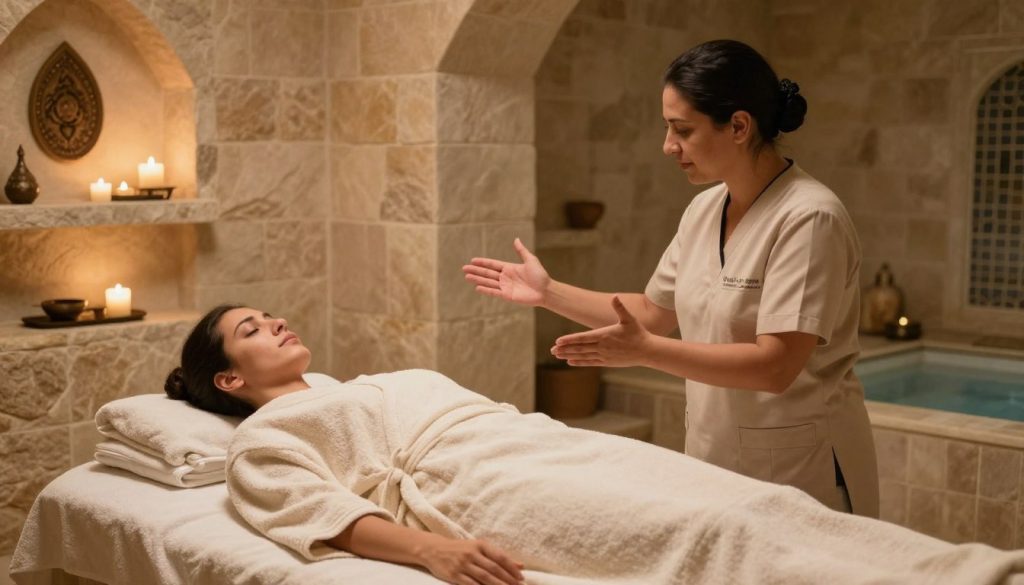
Professional attendants adjust pressure based on your skin’s response and feedback. Tell them if water temperature feels uncomfortable or you need a break. The foam and oil massage should feel deeply relaxing, not painful.
Understanding what questions should you ask a masseuse prepares you to advocate for yourself. Your attendant wants you to enjoy the experience and needs honest feedback.
Overcoming Language Differences
Tourist-oriented hammams in major cities typically employ staff with functional English. These establishments cater to international visitors and understand common requests. However, neighborhood hammams may have limited English capabilities.
Learn essential Turkish phrases before your visit. These simple expressions bridge communication gaps effectively:
| Turkish Phrase | Pronunciation | Meaning |
|---|---|---|
| Teşekkürler | teh-shek-kur-ler | Thank you |
| Yavaş lütfen | yah-vash loot-fen | Slowly please |
| Güzel | goo-zel | Good/beautiful |
| Çok sıcak | chok suh-jak | Too hot |
| Soğuk | so-uk | Cold |
Download a translation app on your phone before your visit. Google Translate’s offline mode works without data connection. This tool provides instant translations for complex requests.
Many hammams display visual service menus you can point to. Ask hotel concierge staff to write down special requests in Turkish. Show this note to hammam staff for accurate communication.
Understanding Body Language Signals
Non-verbal communication bridges language gaps effectively in hamam massage protocol. Turkish culture values direct eye contact as a sign of respect. Your attendant watches your facial expressions to gauge comfort levels.
A grimace or tensed muscles signals discomfort. Nodding indicates satisfaction, while shaking your head signals “no” or “stop.” These universal gestures create clear understanding between you and your therapist.
Simple hand gestures work universally in any hammam setting:
- Thumbs-up means the pressure and technique feel good
- Waving your hand means stop or you’ve had enough
- Pointing indicates where you need attention or are experiencing tension
- Rubbing a body part demonstrates where you’re experiencing discomfort
Your attendant also uses non-verbal cues to guide you. They might tap a bench to show where to sit. They may gesture for you to turn over or point to the next area.
Following their lead and responding with clear gestures creates effective communication. This silent dialogue ensures your treatment proceeds smoothly. Trust that your tellak or natır has guided countless guests using these intuitive signals.
Tipping and Payment Practices
Money matters shape your Turkish massage experience, from tips to payment methods. Understanding massage tipping Turkey customs ensures smooth transactions. This knowledge helps you budget and avoid awkward moments.
Proper financial etiquette goes beyond paying for services. It includes knowing how much to tip and when. These practices vary between neighborhood hammams and tourist venues.
Customary Gratuity Guidelines
Tipping is essential in hammam culture, not optional. Attendant wages depend significantly on gratuities. Plan to tip between 15-20% of your total service cost.
A complete hammam package costs between 80-150 USD. Your gratuity should range from approximately 34-51 USD. Basic scrub services costing 30-40 USD warrant a 5-10 USD tip.
Multiple attendants require adjusted tipping strategies. If different people performed your scrub, massage, and facial treatments, divide your tip. Alternatively, increase the total gratuity amount to acknowledge each person’s contribution.
Present tips directly to your attendant using hand-to-hand transfer. Fold the cash discreetly and place it in their hand. Offer a warm “Çok teşekkürler” (thank you very much).
Avoid leaving tips on counters, benches, or other surfaces. Some upscale establishments include a service charge on the bill. Ask whether additional tipping is expected or already incorporated.
Reception staff may also receive tips of 1-2 USD. This applies when staff arranged transportation or offered detailed guidance. Tip when they went above standard hospitality expectations.
Accepted Forms of Payment
Payment methods vary considerably based on establishment type and location. Understanding these differences helps you prepare appropriate funds before your appointment. Payment infrastructure differs between traditional neighborhood venues and modern tourist-oriented facilities.
| Venue Type | Service Payment | Tip Payment | Special Considerations |
|---|---|---|---|
| Neighborhood Hammams | Cash only (Turkish Lira) | Cash in Turkish Lira | No card processing available |
| Historic Tourist Hammams | Credit cards accepted | Cash preferred | Visa, MasterCard, American Express |
| Hotel Spa Hammams | Cards, room charges | Cash recommended | Most payment flexibility |
| Modern Urban Spas | Cards, contactless options | Cash or digital | Some accept mobile payments |
Neighborhood hammams predominantly operate on cash-only systems. They accept Turkish Lira exclusively for both services and tips. These establishments typically lack credit card processing infrastructure.
Historic restored hammams catering to international visitors usually accept major credit cards. However, tips should still be given in cash directly to attendants. Hotel spa hammams offer maximum payment flexibility, including credit cards and room charges.
Even establishments accepting electronic payments prefer cash tips. Cash goes directly to staff members without processing delays. Always carry Turkish Lira in appropriate denominations for tipping purposes.
Managing Currency Conversion
Exchange currency before your hammam appointment. Hammams function as treatment facilities, not currency exchange services. They typically won’t accept payment in USD, EUR, or other foreign currencies.
ATMs provide the best exchange rates compared to airport counters. Look for machines from major Turkish banks such as İş Bankası or Garanti. These ATMs offer clear English-language options and transparent fee structures.
Calculate your cash needs based on service costs plus 20% for gratuities. Services range from approximately 2,400-4,500 Turkish Lira for complete hammam packages. Exchange enough to cover these amounts while keeping smaller denomination bills.
Large 200 TL bills create challenges for neighborhood hammams with limited change. Stop at a shop or café beforehand to break them into smaller amounts. This preparation prevents awkward moments when tipping your attendant.
Secure your wallet in your locker during treatment sessions. Bring only the cash needed for payment and tips into the reception area. This approach protects your belongings while ensuring you have appropriate funds available.
Cultural Sensitivities to Keep in Mind
Navigating Turkish hammams requires awareness of personal boundaries and traditional gender protocols. Understanding proper Turkish spa behavior ensures you respect local customs while enjoying an authentic wellness experience. These cultural sensitivities form the foundation of appropriate conduct in traditional bathing settings.
Your comfort and respect for others depend on recognizing how Turkish hammam culture balances communal traditions with individual preferences. The hammam environment differs significantly from Western spa experiences in its approach to shared space and modesty. Mastering these cultural nuances enhances both your enjoyment and your acceptance within the hammam community.
Personal Boundaries and Comfort Levels
Turkish hammam culture evolved in contexts where same-gender communal bathing carried different meanings than in Western societies. The hammam historically served as a semi-public space where modesty was maintained through gender separation rather than complete covering. This traditional approach continues in authentic hammams today.
Modern hammams serving international visitors recognize diverse comfort levels regarding exposure and physical touch. You should never feel pressured to be more exposed than your comfort permits. Professional attendants will respect your boundaries when you communicate your preferences clearly.
The pestemal (traditional wrap) provides modesty coverage during your hammam experience. If an attendant removes your pestemal during treatment and you prefer keeping undergarments on, indicate this through gesture or words. Legitimate establishments accommodate various modesty preferences without judgment.
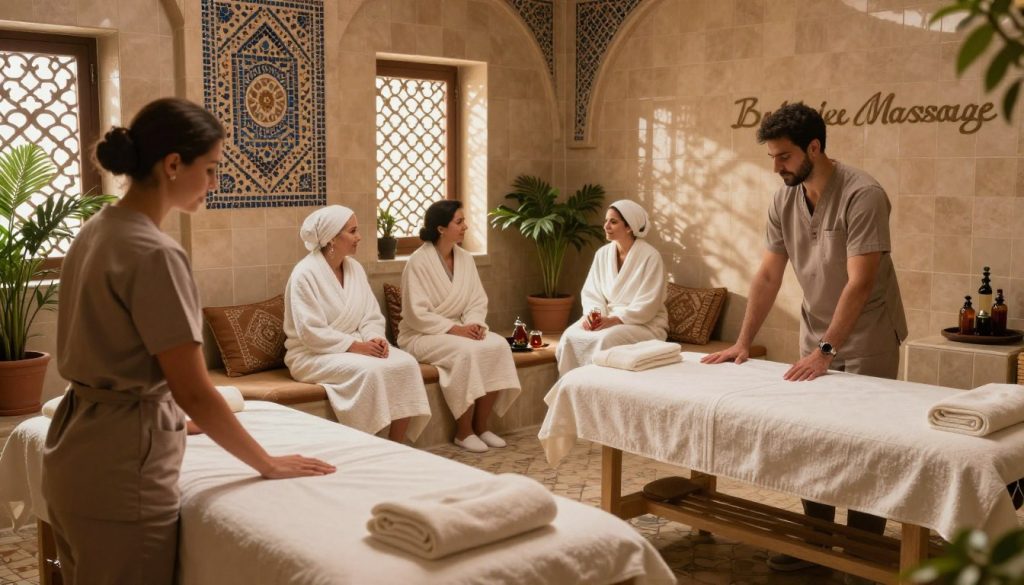
Personal space protocols differ from Western spa expectations in significant ways. The hammam environment is inherently more communal, featuring shared steam rooms, open washing areas, and sometimes multiple guests receiving treatments simultaneously. However, respectful distance remains important within this communal setting.
Proper hammam etiquette includes avoiding staring at others and giving people space at washing basins. Keep conversations quiet and limited to your immediate companions. The atmosphere should remain calm and contemplative rather than social and animated.
Photography represents a significant boundary issue that many international visitors misunderstand. Historic hammams feature stunning architecture with domed ceilings, intricate marble work, and colored glass. Despite this visual appeal, photography inside bathing areas is generally prohibited to protect everyone’s privacy.
Limit photos to reception areas, entrance courtyards, or external architecture. Always ask permission before photographing even these public spaces. If you observe other tourists taking photos inside, don’t assume acceptability—they may be violating protocols unknowingly.
The quiet, meditative atmosphere constitutes part of the hammam’s therapeutic value and cultural significance. Speak in hushed tones and avoid loud laughter or animated discussions. Turn off phone ringers before entering bathing areas and keep mobile devices in lockers.
Many people use the hammam as a contemplative, almost spiritual experience for mental clarity and stress relief. Turkish culture values collective consideration, meaning your behavior affects everyone’s experience. Understanding these Turkish bath etiquette principles demonstrates respect for local customs.
Gender Considerations in Massage Settings
Gender segregation is non-negotiable in traditional Turkish hammams, reflecting both Islamic cultural values and Ottoman social traditions. This separation ensures comfort, safety, and cultural appropriateness for all guests. Understanding these protocols prevents awkward situations and shows cultural respect.
Women always receive treatment from female natır attendants in women-only spaces. Men receive services from male tellak attendants in men-only areas. This same-gender protocol is absolute and never compromised in legitimate traditional establishments.
Gender separation occurs through three primary arrangements. Some hammams maintain entirely separate facilities with different entrances for women and men. Others use shared facilities at different times, with women’s hours and men’s hours clearly posted.
Still others feature architectural division within the same building, creating distinct women’s sections and men’s sections.
| Hammam Type | Gender Policy | Attendant Protocol | Privacy Level |
|---|---|---|---|
| Traditional Local Hammam | Strict segregation by time or facility | Same-gender only (natır for women, tellak for men) | Communal bathing areas with same-gender guests |
| Tourist-Oriented Hammam | May offer mixed steam room with separated treatment areas | Same-gender attendants for all treatments | Semi-private treatment spaces available |
| Hotel Spa Hammam | Often provides couples packages with mixed options | Same-gender attendants with possible couple accommodation | Private treatment rooms common |
| Historic Monument Hammam | Designated days or hours for each gender | Traditional same-gender staff only | Authentic communal experience |
Some tourist-oriented hammams have introduced mixed-gender steam rooms where couples can share the initial heating experience together. Even in these settings, the actual scrubbing, foam massage, and body treatments occur in gender-separated private or semi-private spaces. Same-gender attendants always perform these intimate services.
If you’re traveling as a couple and want to share portions of the experience, specifically seek hammams advertising couples packages or mixed sessions. Upscale hotel hammams often accommodate this request while maintaining cultural appropriateness. Always confirm arrangements when booking to avoid disappointment.
Single travelers should understand that traditional hammams provide same-gender environments. You’ll share space with Turkish locals and other travelers of your gender. This segregation creates safe, comfortable environments that protect personal dignity and cultural values.
Women traveling alone in Turkey consistently report feeling secure and respected in women’s hammam spaces. Female attendants are professional, experienced, and create a protective environment. The women-only setting eliminates concerns about unwanted attention or vulnerability.
Men should understand their experience will be attended exclusively by male staff. The atmosphere in men’s hammams typically feels more businesslike and less socially oriented than women’s spaces. The treatment remains thorough and relaxing despite this different social dynamic.
The gender of massage therapists never mixes with client gender in traditional Turkish settings. If an establishment suggests opposite-gender massage, it’s not operating as a legitimate traditional hammam. Avoid such venues as they don’t adhere to cultural norms and may present safety concerns.
Understanding these cultural sensitivities enhances your Turkish spa behavior and ensures a respectful, authentic experience. By honoring personal boundaries and gender protocols, you demonstrate cultural awareness while fully enjoying the therapeutic benefits of traditional hammam culture. These considerations protect both your comfort and the dignity of this ancient wellness tradition.
Post-Massage Practices to Follow
Your treatment doesn’t end when the scrubbing stops. Proper massage etiquette Turkey includes knowing what comes next. The cooling-down period and closing rituals complete your experience while maximizing health benefits.
Taking Time to Cool Down and Hydrate
After your final rinse, staff will wrap you in fresh towels. They will guide you to a relaxation area. Sit quietly for ten to fifteen minutes while your body temperature normalizes.
Most establishments serve complimentary apple tea and Turkish delight during this period. Accept these offerings and drink plenty of water over the next few hours. Your newly exfoliated skin needs gentle care, so avoid heavy lotions immediately.
Stay out of direct sunlight for several hours. Plan leisurely activities afterward rather than rushing to meetings or strenuous tours.
Sharing Your Experience Through Reviews
Staff at reception will ask about your visit as you prepare to leave. Provide honest verbal feedback about what worked well or what could improve. Later, consider posting detailed reviews on TripAdvisor or Google Reviews.
Future visitors rely on these assessments when choosing their own hammam destinations. Mention specific details like staff names, cleanliness standards, and pricing. These details help others make informed decisions.
Completing Your Visit with Proper Thanks
Before leaving, find your attendant near the reception area to deliver your tip directly. Offer a sincere “Çok teşekkürler” with eye contact as you hand over the gratuity. Your attendant may place their hand over their heart in acknowledgment.
Thank the reception staff as you settle final payments. Accept any small parting gifts graciously. These closing moments honor the centuries-old traditions central to massage etiquette Turkey.