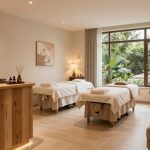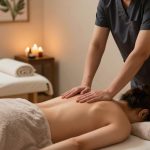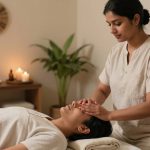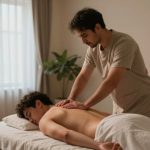
Travelers often rave about Turkish spa treatments. Yet many feel anxious before their first appointment. Proper preparation makes all the difference.
Getting ready for your wellness session requires more than showing up. This historic city offers ancient hammam traditions mixed with modern therapeutic practices. This guide removes the guesswork from your experience.
Istanbul’s bathhouses have welcomed visitors for centuries. Understanding cultural etiquette ensures you maximize every moment. Smart booking strategies help too.
You might visit a 570-year-old hammam or a modern spa. Either way, these essential tips will transform your visit.
Complete relaxation starts before you walk through the door. You’ll learn about communication with therapists and appropriate attire. This resource addresses every concern first-time visitors have.
Key Takeaways
- Istanbul combines traditional Turkish hammam rituals with modern spa treatments for unique therapeutic experiences
- Proper preparation significantly enhances your wellness appointment and helps you avoid common tourist mistakes
- Understanding cultural etiquette specific to Turkish bathhouses is essential before your visit
- Booking strategies and communication tips ensure you get the most suitable treatment for your needs
- Physical readiness and knowing what to bring contribute to a more comfortable session
- Post-treatment care extends the benefits of your massage or hammam experience
Understanding the Types of Massages Available
Knowing the different massage styles in Istanbul helps you choose the right treatment. The city offers a unique mix of ancient bathing rituals and modern techniques. Your first time massage Istanbul can range from traditional hammam to contemporary spa treatments.
Istanbul’s wellness centers serve many different preferences and needs. You’ll find authentic Ottoman bathhouses and luxurious modern spas with international treatments. Understanding these options helps you make the best choice for your needs.
Popular Techniques You Should Know
The traditional Turkish hammam is the heart of Istanbul’s massage culture. This ritual begins with relaxation on heated marble platforms called göbektaşı. The heat warms your body and opens your pores naturally.
Turkish hammam involves several stages that work together for complete renewal. A professional attendant uses a coarse kese mitt for vigorous exfoliation. This scrubbing removes layers of dead skin cells.
The foam wash is one of the most luxurious parts. Attendants create mountains of silky bubbles from cloth and olive oil soap. These soft suds cover your body while gentle massage motions cleanse your skin.
Many places offer optional oil massage as the final stage. This treatment uses aromatherapy oils and techniques similar to Swedish massage. Historical venues like Aga Hamami, dating back to 1454, blend modern touches with traditional methods.
Contemporary massage therapies provide different options for your wellness needs. Swedish massage uses long, flowing strokes to promote relaxation and improve circulation. Deep tissue therapy targets chronic muscle tension through focused pressure.
Aromatherapy massage combines gentle techniques with essential oils chosen for healing properties. Hot stone treatments place heated volcanic rocks on key points to release tension. Thai massage uses stretching and pressure point work on a floor mat.
| Massage Type | Duration | Primary Benefits | Best For |
|---|---|---|---|
| Traditional Hammam | 60-90 minutes | Deep cleansing, exfoliation, cultural experience | First-time visitors seeking authentic Turkish tradition |
| Swedish Massage | 60-75 minutes | Relaxation, stress relief, improved circulation | General wellness and gentle muscle tension relief |
| Deep Tissue | 60-90 minutes | Chronic pain relief, muscle knot release | Athletes and those with persistent muscle problems |
| Aromatherapy | 60-75 minutes | Mental relaxation, mood enhancement, skin nourishment | Stress reduction and emotional balance seekers |
| Hot Stone Therapy | 75-90 minutes | Deep muscle relaxation, energy flow improvement | Those seeking passive heat therapy and meditation |
Reflexology focuses on pressure points in your feet that connect to different body organs. This technique can address various health concerns through targeted foot massage. Each method offers distinct benefits depending on your condition and preferences.
Cultural Significance of Massage in Turkey
The hammam represents much more than a cleansing ritual in Turkish culture. For centuries, these bathhouses served as vital social hubs where communities gathered. Women traditionally met at hammams for pre-wedding celebrations and regular social gatherings.
Ottoman sultans built private bathhouses as early as the 15th century. These lavish facilities showed wealth and provided exclusive wellness spaces for royalty. The architectural beauty of historical hammams reflects their importance in Ottoman society.
Public bathhouses became democratic spaces where all social classes accessed cleanliness and wellness. The ritual went beyond simple hygiene to become a wellness practice. This holistic approach to wellbeing remains part of Turkish culture today.
Professional attendants play ceremonial roles in the hammam tradition. Male attendants called tellak and female attendants known as natir have specialized knowledge. Their expertise ensures proper technique and maintains the authentic experience.
Gender segregation in traditional places reflects cultural customs and religious considerations. Most historical hammams operate separate facilities or designated hours for men and women. This practice preserves modesty while allowing everyone to enjoy the therapeutic benefits.
Understanding this cultural context enriches your first time massage Istanbul experience. You’re not simply visiting a spa but joining a living tradition. This knowledge helps you appreciate the protocols, respect the customs, and fully enjoy the experience.
Choosing the Right Spa or Wellness Center
The venue you choose matters as much as the treatment itself. Istanbul offers impressive options from centuries-old hammams to contemporary hotel spas. Your selection shapes your entire experience, from atmosphere to service quality.
Understanding what to look for can save you from disappointment. Each establishment type brings distinct advantages and potential drawbacks. Your personal priorities should guide your decision.
What You Should Evaluate Before Booking
The type of establishment represents your first major consideration. Historic hammams like Aga Hamami, dating back to 1454, provide authentic cultural immersion. These venues transport you to another era with marble surfaces and domed ceilings.
Traditional spaces may have limited English-speaking staff and more basic facilities. Modern hotel spas like Ambassador Spa offer contemporary comfort with multilingual service. The trade-off comes in potentially less authentic cultural atmosphere.
Location plays a significant role in your overall experience. Sultanahmet places you near major tourist attractions, convenient for combining massage with sightseeing. Beyoğlu provides a trendy, modern atmosphere with vibrant neighborhood energy.
Gender policies require careful attention to ensure your comfort level. Some traditional hammams like Acemoglu Hammam maintain complete gender segregation throughout. Tourist-oriented facilities often feature mixed-gender steam rooms while keeping treatment areas separated.
Understanding what questions should you ask a masseuse before booking helps you evaluate facilities. Hygiene standards should be visible and maintained consistently. Language capabilities of staff affect your ability to communicate preferences effectively.
Treatment options vary widely between establishments. Some venues specialize in traditional Turkish massage and hammam rituals exclusively. Others offer fusion approaches combining Eastern and Western techniques.
Pricing transparency matters significantly—reputable establishments clearly outline what’s included versus additional charges. Customer reviews from verified platforms provide valuable insights into real experiences. Look for consistent feedback patterns rather than isolated comments.
| Establishment Type | Best For | Key Advantages | Potential Limitations |
|---|---|---|---|
| Historic Hammams | Cultural authenticity seekers | Traditional architecture, Ottoman rituals, unique atmosphere | Limited English, basic facilities, less privacy |
| Modern Hotel Spas | Comfort-focused visitors | Contemporary amenities, multilingual staff, diverse treatments | Higher prices, less cultural immersion |
| Boutique Wellness Centers | Personalized service preference | Intimate setting, customized approaches, professional therapists | Limited capacity, advance booking required |
| Tourist-Friendly Hammams | First-time visitors | English support, flexible gender policies, clear processes | Less authentic, crowded during peak times |
Highly-Rated Venues Worth Considering
Aga Hamami in Beyoğlu stands out for authentic historic experience within a bathhouse constructed in 1454. This venue offers mixed initial steaming areas with gender-separated treatment spaces. The architecture alone justifies a visit, with restored Ottoman details throughout.
Ambassador Spa provides professional service with clear protocols and diverse treatment options. This establishment caters specifically to international visitors with transparent pricing. The therapists receive ongoing training in both traditional and contemporary techniques.
Tulipa Spa Health Club Sirkeci delivers contemporary luxury within the DoubleTree by Hilton. This wellness center successfully fuses traditional hammam rituals with modern spa treatments. The facility maintains high hygiene standards and offers packages for various budgets.
Beethoven Senfoni Hotel’s hammam benefits from an Old Town location near Topkapi Palace. This venue provides convenient access for tourists exploring Sultanahmet’s historic sites. The intimate setting ensures personalized attention with less crowding.
Acemoglu Hammam showcases 15th-century architecture with public, semi-private, and private options. This flexibility allows you to choose your comfort level and budget. The venue preserves historical elements while incorporating modern comfort features.
Gedikpaşa Hamamı near the Grand Bazaar combines centuries-old atmosphere with updated facilities. The location makes it easy to include in your shopping itinerary. This hammam maintains strict cleanliness protocols while honoring traditional service methods.
Booking in advance is essential, especially during peak tourist seasons from April through October. Many popular establishments fill up weeks ahead. Reserve online or via email with your preferred appointment times.
Before finalizing your massage appointment Istanbul booking, verify exactly what’s included in quoted prices. Ask whether disposable underwear, towels, and basic treatments come standard. Clarify whether gratuities are expected separately or included in the service charge.
Online booking platforms offer customer reviews, secure payment processing, and cancellation flexibility. Booking directly with establishments sometimes provides better rates or package options. Compare both approaches to find the best value for your needs.
Preparing Physically and Mentally for Your Session
Proper preparation transforms an ordinary massage into an exceptional therapeutic experience. The steps you take before your appointment directly impact the quality of your treatment. Your body’s ability to receive full benefits depends on good preparation.
Your physical preparation should begin three to four hours before your scheduled time. Drink two to three glasses of water throughout the morning or afternoon. Proper hydration enhances massage techniques and helps your body flush toxins released during treatment.
Avoid heavy meals for two to three hours before your massage appointment. A full stomach causes discomfort when you lie face-down on the massage table. Arriving extremely hungry creates problems too, as low blood sugar can cause lightheadedness.
Eliminate alcohol consumption entirely on the day of your treatment. Alcohol dehydrates your tissues and can cause dizziness with steam rooms or deep tissue work. It also diminishes your ability to provide accurate feedback about pressure levels.
What to Wear and Bring Along
Understanding attire requirements depends on the type of treatment you’ve booked. Hammam experiences differ significantly from contemporary massage sessions. The table below clarifies what you need for each treatment type.
| Treatment Type | Recommended Attire | What’s Provided | What to Bring |
|---|---|---|---|
| Traditional Hammam | Bathing suit or bikini bottoms for women during mixed-gender steam time | Pestemal towel, disposable underwear, sandals | Swimsuit, hair tie, minimal valuables |
| Contemporary Massage | Disrobe to comfort level (oils stain clothing) | Draping sheets, disposable underwear, robes | Comfortable clothes for after, payment method |
| Combination Spa Package | Bathing suit under regular clothes | All towels, robes, sandals, shower facilities | Hair products if needed, light snack for after |
For hammam experiences, wear your bathing suit underneath your regular clothes. This saves changing time and ensures you’re prepared for mixed-gender steam room periods. Facilities provide pestemal towels for wrapping and disposable underwear for hygiene.
Contemporary massage treatments require you to undress to your comfort level. The massage oils and lotions used will permanently stain clothing. Your therapist will drape you with sheets, exposing only the area being worked on.
Bring minimal personal items to your spa appointment. Leave jewelry, watches, and valuables in your hotel room or secure lockers. Carry only essentials like your phone, payment method, and a hair tie.
Don’t wear makeup, heavy perfumes, or colognes to your appointment. These products interfere with aromatherapy treatments and are wasted when you shower. Most facilities request that guests arrive fresh-faced to maximize spa product benefits.
Tips for Relaxation Before Your Appointment
Arrive at the spa facility at least 15 minutes before your scheduled time. This buffer prevents rushing stress and gives you time to change and shower. Most Istanbul wellness centers offer complimentary shower facilities for massage guests.
Take a warm shower immediately before your treatment begins. The warm water loosens tight muscles and opens skin pores for better oil absorption. Use this shower time as a mental transition ritual.
Practice conscious breathing during your waiting period. Take five deep breaths, inhaling for four counts and exhaling for six counts. This simple technique activates your parasympathetic nervous system and prepares your body.
Turn your phone completely off before entering treatment rooms. The presence of a phone keeps part of your attention tethered to the outside world. Complete disconnection allows you to fully immerse yourself in the healing experience.
Set a clear intention for your massage session during your preparation time. Name your intention whether you seek pain relief, stress reduction, or self-care time. This mental preparation complements your physical readiness and creates optimal conditions for therapeutic benefit.
Communicating Your Preferences and Needs
Speaking up about your needs is essential for maximizing treatment benefits. Professional therapists in Istanbul genuinely want your feedback. Your comfort directly reflects their expertise and the establishment’s reputation.
Understanding how to communicate effectively eliminates anxiety. It transforms your massage from merely pleasant to truly therapeutic. Open communication before and during your session is key.
You should express your preferences clearly rather than suffering in silence. Most tourist-oriented wellness centers have English-speaking staff. Knowing a few Turkish phrases enhances your ability to provide real-time feedback.
Following pre-massage instructions Turkey establishments provide helps ensure aligned expectations. This preparation makes communication during treatment much smoother. It feels more natural for both you and your therapist.
Expressing Your Preferences Effectively
Your therapist needs specific information to tailor treatment to your body. Wellness goals matter too. Before your session begins, communicate several critical details that impact experience quality.
Start by discussing pressure preferences, which vary significantly among individuals. Some people prefer light, flowing strokes. Others need firm, deep tissue work.
You can request different pressure levels for various body areas. Perhaps lighter on sensitive areas works best. Firmer pressure on chronically tight muscles may help more.
Identify focus areas where you hold tension or experience pain. Common problem zones include the neck, shoulders, and lower back. Being specific allows your therapist to allocate time appropriately.
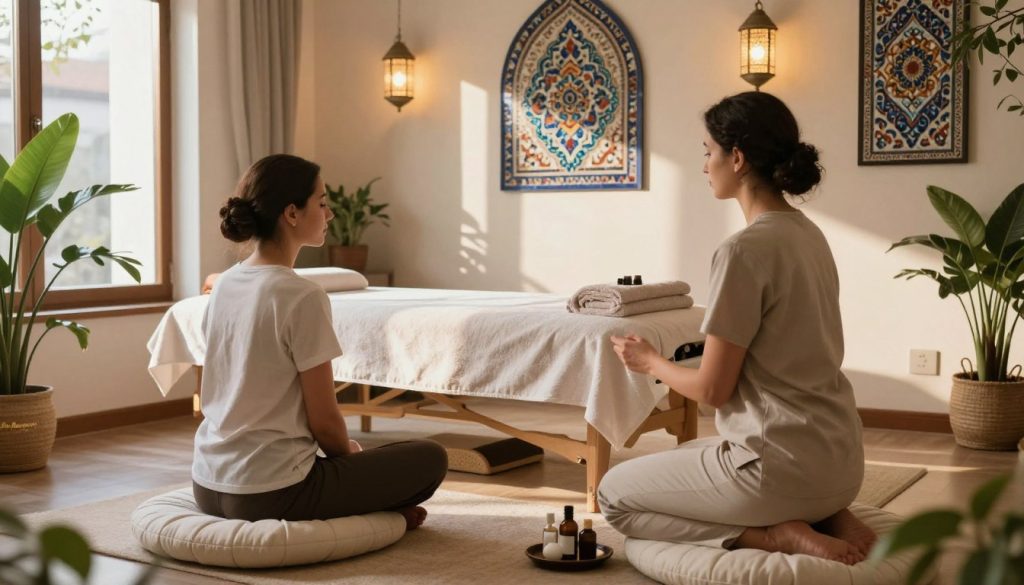
Mention areas to avoid—this is equally important. You might have injuries, surgical sites, or personal preferences. Professional therapists respect these boundaries completely.
Disclose any medical conditions that affect treatment suitability. Chronic pain conditions, recent surgeries, or ongoing health issues require modifications. This information protects your health and enhances treatment effectiveness.
Several practical solutions ensure effective communication despite language barriers:
- Learn basic Turkish phrases: “Daha hafif” means lighter pressure, “daha sert” means firmer, and “çok iyi” means very good
- Use hand gestures and demonstrations: Point to specific areas and use thumb pressure to show desired intensity
- Provide immediate feedback: Don’t wait until after the session—speak up when adjustments are needed
- Download translation apps: Keep your phone nearby for quick phrase lookups if necessary
During treatment, you have complete permission to request adjustments. If pressure feels too intense or too light, say so immediately. These aren’t complaints—they’re helpful guidance that professionals appreciate.
Establishing Clear Boundaries and Expectations
Understanding normal practice versus what requires special attention helps you navigate cultural differences. Turkish massage and hammam traditions have specific characteristics. These may differ from your previous experiences.
Traditional hammam scrubbing is notably vigorous and typically causes temporary redness. This skin response is completely normal. It indicates effective exfoliation, not damage or harm.
The vigorous scrubbing removes dead skin cells and stimulates circulation. Visible redness appears but fades within hours. This is an expected part of the process.
Draping protocols in Turkey generally maintain modesty, but standards vary between establishments. If you have specific concerns about coverage during treatment, establish preferences upfront. Professional therapists accommodate reasonable requests without judgment.
The following massage dos and donts Istanbul establishments enforce protect both clients and staff:
| Do These Things | Avoid These Actions | Why It Matters |
|---|---|---|
| Communicate pressure preferences clearly | Remain silent when uncomfortable | Immediate feedback allows therapists to adjust techniques for optimal results |
| Disclose medical conditions and allergies | Withhold health information | Certain conditions contraindicate specific treatments or require modifications |
| Respect professional boundaries | Make inappropriate advances or comments | Therapists provide healthcare services; violations result in immediate termination |
| Arrive without fever or active infections | Visit with contagious conditions | Illness spreads to staff and other guests; treatments may be cancelled |
Certain medical conditions require physician clearance before spa visits. High blood pressure means you should avoid hot environments like steam rooms. These heated spaces can cause dangerous blood pressure fluctuations.
Pregnancy typically contraindicates most spa treatments due to potential risks. Always inform staff if you’re pregnant. They’ll recommend appropriate alternatives or reschedule your appointment.
Recent post-operative wounds, fever, or serious medical issues prohibit spa use entirely. Facilities will cancel treatments for your safety. Full payment is required if you fail to disclose these conditions beforehand.
Turkish wellness centers typically use products based on natural active ingredients. They contain minimal chemical preservatives. However, allergies can still occur in sensitive individuals.
Essential oils and botanical ingredients trigger reactions in some people. Inform staff of any known allergies during booking. Mention them again before treatment begins.
Understanding behavioral boundaries prevents uncomfortable situations. Therapists are healthcare professionals providing medical services. They are not social companions.
Any inappropriate behavior results in immediate treatment termination with full charges applied. This includes sexual advances, inappropriate touching, or disrespectful comments. Potential legal consequences may follow.
Your therapist approaches work clinically and has seen countless bodies. Your nakedness during treatment doesn’t warrant self-consciousness. These professionals maintain matter-of-fact attitudes about nudity and bodily contact.
Post-Massage Care and Aftercare Tips
What you do after your massage matters. Your body changes during treatment. Proper massage aftercare Istanbul practices help you keep these benefits longer.
The shift from treatment table to daily life needs care. Pay attention to several key factors.
Many first-time spa visitors rush back to busy schedules right after their session. This hurts the work your body just received. Allow enough time for recovery instead.
Immediate Steps After Your Treatment
Stay in the relaxation area for 10 to 15 minutes after your massage. This time lets your blood pressure return to normal. It prevents dizziness when you stand up.
Most Istanbul wellness centers have comfortable lobby spaces for this transition.
Accept the free drinks your spa offers. Facilities usually serve warm Turkish apple tea, herbal teas, or filtered water. Sip these drinks slowly while your body adjusts.
Move gently during this period. Stand up slowly and gather your things without rushing. Take your time getting dressed.
Similar to post-treatment recovery protocols, your body needs gradual return to normal activity.
Don’t schedule appointments right after your massage session. Build in at least 30 minutes of free time. This simple post-treatment wellness tip greatly improves your experience.
Essential Hydration and Rest Guidelines
Drinking enough water after your massage is the most important thing you can do. Massage releases waste products from muscle tissue into your bloodstream. These substances include lactic acid, cellular debris, and stored toxins.
Drink at least two to three glasses of water within two hours of treatment. This helps your kidneys and liver remove released toxins efficiently. Without enough water, you may get headaches, fatigue, or mild nausea.
Hydration matters even more after hammam experiences that combine massage with intense steam. Heat causes extra fluid loss through sweating. Keep drinking more water for 24 hours after your appointment.
Keep your activity level low for the rest of the day. Skip strenuous exercise because your muscles need recovery time. Light walking is fine, but avoid gym sessions or intense activities.
Don’t drink alcohol for 24 hours after treatment. Alcoholic drinks dehydrate your body and burden your liver. This works against the wellness benefits you just received.
Your food choices matter during recovery too. Pick light, nutritious meals that digest easily. Your body is healing and needs nutrient-dense foods instead of heavy or processed options.
Sleep often improves greatly after massage therapy. Use this natural response by getting good rest that evening. Your body heals and processes the treatment during sleep.
Take a warm bath with Epsom salts on treatment evening. Magnesium absorbed through skin helps muscle relaxation and toxin removal. This practice extends the benefits you received at the spa.
Watch your body’s responses over the next 24 to 48 hours. Normal reactions include more urination, temporary muscle soreness, or mild emotional releases. These signs show your body is processing the treatment well.
Plan your next massage appointment based on your wellness goals. For chronic tension or injury recovery, weekly sessions work best. For general wellness, bi-weekly or monthly visits keep benefits building over time.
Frequently Asked Questions About Massages in Istanbul
Many visitors have similar questions before their first spa experience in Turkey. Understanding what to expect helps you feel confident and relaxed.
Common Worries and What You Should Know
The most frequent Istanbul massage FAQ concerns involve privacy and comfort. You don’t need to be completely naked during treatments. Hammam sessions traditionally use pestemal towels for coverage.
You can keep your underwear on if that makes you feel more comfortable. Modern massage treatments use sheet draping techniques. Only the area being worked on gets exposed.
Gender matching is standard practice in traditional Turkish establishments. Women receive treatments from female attendants, while men work with male therapists. Tourist-friendly spas maintain this cultural norm for hammam scrubbing and massage sessions.
Tipping follows Turkish customs. You should leave 10% gratuity for your therapist, either directly or at reception. If multiple attendants served you, consider tipping each person individually based on service quality.
Medical conditions require attention before booking your appointment. High blood pressure, pregnancy, fever, or recent surgery may prevent certain treatments. Disclose all health concerns when making reservations.
Handling Problems During Your Session
You have the right to speak up immediately if anything feels uncomfortable. Tell your therapist about pressure, temperature, or draping concerns. Professional establishments welcome feedback and will adjust treatment accordingly.
First-time spa concerns usually disappear once treatments begin. Most experiences prove professional and culturally enriching with proper preparation.