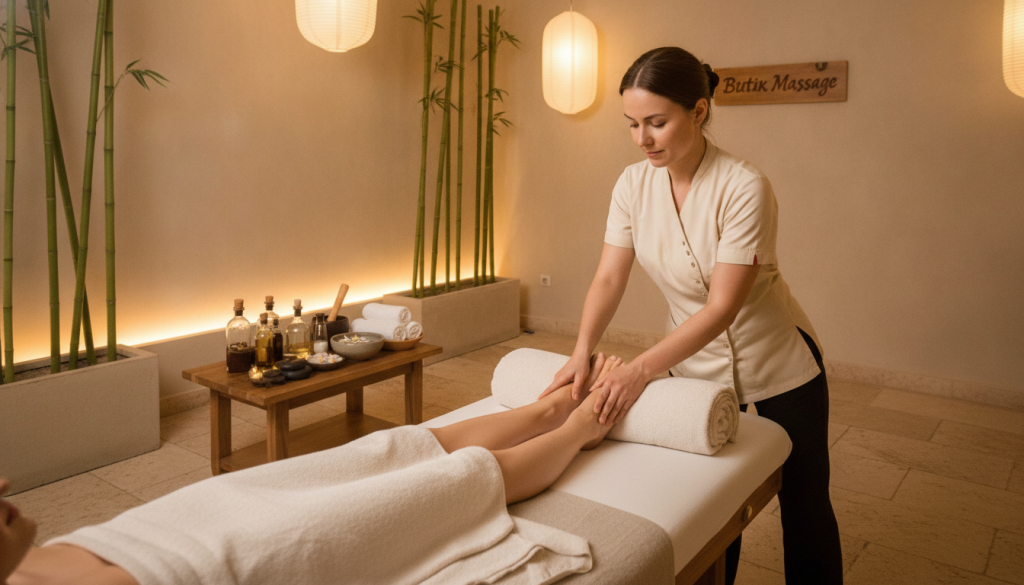
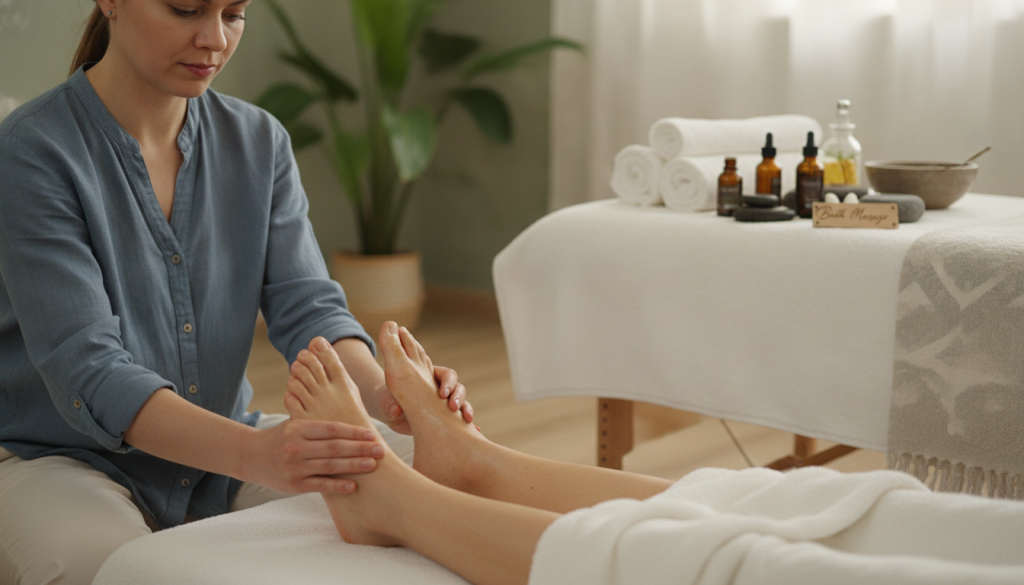
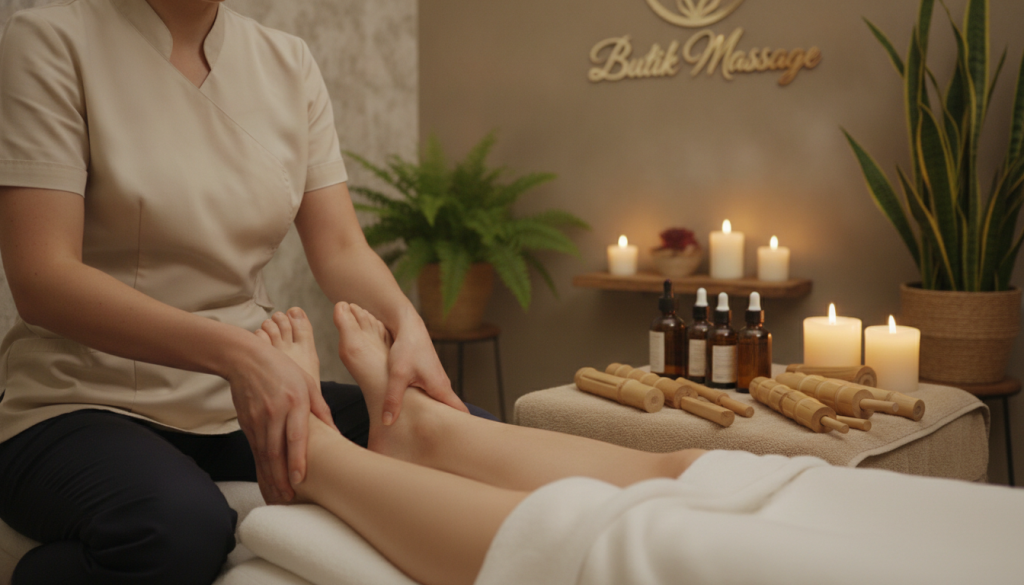
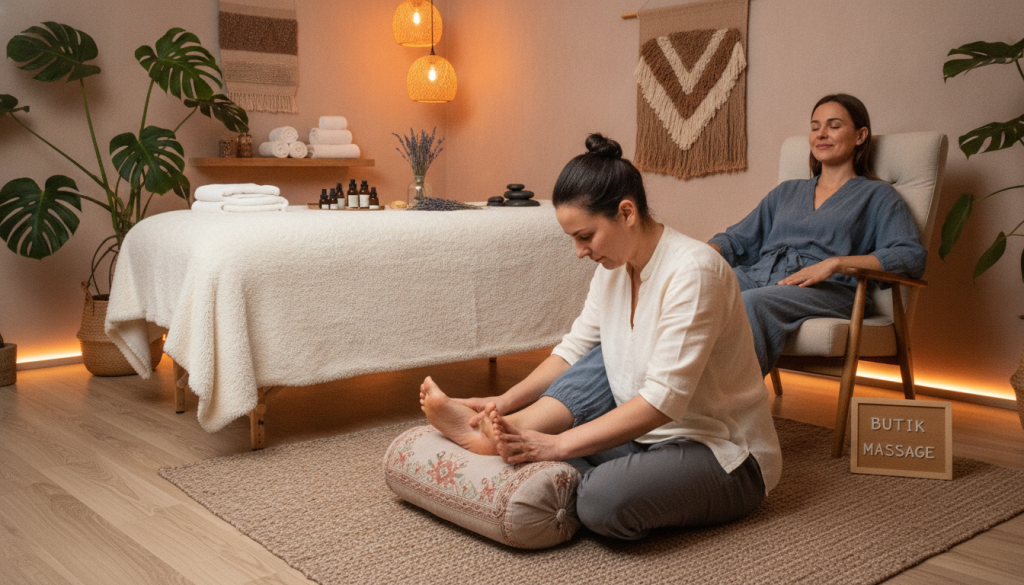
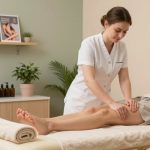
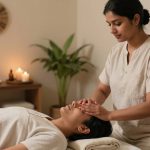
Your feet might hold the secret to better health. This ancient wellness practice has been trusted for thousands of years. It offers much more than simple relaxation.
Your feet have a complex network of pressure points. These points connect directly to your organs and body systems. Targeted touch activates your body’s natural healing responses.
Understanding how foot zones correspond to body parts empowers your wellness journey. You can seek professional treatment or learn self-care methods. This guide walks you through evidence-based techniques.
You’ll learn basic strokes and advanced pressure point work. This therapeutic practice can improve circulation and reduce stress. It may also relieve pain and enhance sleep quality.
Readers in Turkey can incorporate these proven wellness strategies into daily life. This guide provides practical, accessible information. You can apply it immediately.
Key Takeaways
Your feet contain pressure points that correspond to organs and systems throughout your body
This ancient practice offers therapeutic benefits beyond simple relaxation and stress relief
You can learn both professional techniques and self-care methods for home practice
Regular sessions may improve circulation, reduce pain, and enhance sleep quality
Understanding specific zones on your feet empowers you to target particular health concerns
This guide provides evidence-based information suitable for beginners and experienced practitioners
Understanding Foot Massage and Its Roots
Throughout history, civilizations discovered that feet hold remarkable connections to overall body health. Your feet contain thousands of nerve endings. They serve as focal points in multiple healing traditions worldwide.
Applying pressure to specific areas on your feet evolved from ancient therapeutic rituals. These practices became the structured wellness approaches you can access today.
Exploring massages focused on the feet connects you with wisdom accumulated over millennia. Different cultures developed unique methods for working with the feet. Each contributed valuable insights to modern therapeutic practices.
Understanding these historical foundations helps you appreciate contemporary foot massage techniques. Their depth and effectiveness come from thousands of years of practice.
Ancient Origins and Development
Reflexology massage traces back over 5,000 years to traditional Chinese medicine practices. Ancient Chinese healers recognized that your feet contain pathways for qi. Qi is the vital energy flowing throughout your body.
They believed that stimulating specific zones on your feet could influence corresponding organs. These organs and systems exist elsewhere in your body.
Traditional Chinese medicine views your feet as a detailed map of your entire physical structure. Each area corresponds to particular organs, glands, and muscle groups. Applying pressure to foot pressure points aimed to restore balance and promote natural healing.
The systematic approach to reflexology massage gained Western recognition during the early 20th century. Dr. William Fitzgerald introduced zone therapy to American audiences in 1913. He divided the body into vertical zones.
Physiotherapist Eunice Ingham later refined these concepts in the 1930s. She created detailed foot maps that identified specific reflex points. Her work established the foundation for modern reflexology practices you encounter today.
The evolution from ancient energy-based concepts to structured therapeutic protocols is remarkable. It demonstrates how traditional wisdom has been validated through systematic observation.
The part can never be well unless the whole is well.
Global Perspectives on Foot Therapy
Different cultures have developed distinct approaches to working with your feet. Each offers unique benefits and techniques. Understanding these varied traditions helps you choose methods that align with your wellness goals.
The Chinese approach emphasizes stimulating acupressure points to restore energy balance throughout your body. Practitioners apply firm pressure to specific foot pressure points. They often work along meridian lines that connect to internal organs.
This method focuses on unblocking qi and promoting harmonious energy flow.
Thai massage traditions incorporate foot work into comprehensive bodywork sessions. You experience rhythmic compression, stretching, and pressure applied along energy lines called sen. Thai practitioners often use wooden sticks or their feet to apply deeper pressure.
Western approaches, including Swedish massage techniques, emphasize improving circulation and relaxing muscles. These methods focus on physical tissue manipulation rather than energy pathways. You benefit from reduced muscle tension and enhanced blood flow through systematic pressure application.
Cultural Tradition
Primary Focus
Key Technique
Main Benefit
Traditional Chinese Medicine
Energy balance (qi)
Acupressure on meridian points
Organ function support
Thai Massage
Energy lines (sen)
Compression and stretching
Flexibility and energy flow
Western Reflexology
Reflex zones
Systematic pressure mapping
Nervous system stimulation
Swedish Techniques
Muscle relaxation
Kneading and stroking
Circulation improvement
Modern reflexology massage serves as a bridge between Eastern and Western traditions. It incorporates the concept of body mapping from traditional Chinese medicine. It also applies systematic, measurable techniques favored in Western therapeutic practices.
You receive benefits from both philosophical frameworks when working with trained reflexologists.
The practice identifies specific reflex zones on your feet that correspond to body systems. Applying pressure to these areas may help address tightness, tender spots, or trigger points. It also promotes overall balance.
This integrated approach allows you to experience energetic benefits emphasized in Eastern traditions. You also gain physiological improvements documented in Western studies.
In Turkey and throughout the Mediterranean region, wellness traditions have long recognized foot care’s therapeutic value. Historical practices in Turkish baths (hammams) included foot washing and massage as integral components. These regional traditions complement the global approaches to foot therapy.
Understanding these diverse cultural perspectives allows you to make informed choices. You can select which foot massage approach best suits your needs. Whether you’re drawn to energy-focused methods or muscle-oriented techniques, each tradition offers validated benefits for your wellbeing.
Benefits of Foot Massage for Your Health
A therapeutic foot rub activates healing responses that address physical discomfort and emotional stress. The practice supports your body’s natural ability to maintain balance and well-being. Understanding these benefits helps you incorporate this wellness practice into your life.
Your feet contain thousands of nerve endings that connect to various body systems. Stimulating these points triggers cascading effects throughout your entire body. The changes occur at cellular, muscular, circulatory, and neurological levels.
Research shows measurable improvements in multiple health markers following regular sessions. These range from reduced inflammation markers to improved heart rate variability. Your body responds predictably to consistent practice.
Physical Benefits: Pain Relief and Circulation
Applying pressure to specific foot reflex points stimulates the release of endorphins. These are your body’s natural painkillers that work without side effects. The technique triggers biochemical changes that reduce pain intensity across various conditions.
People experiencing chronic headaches find significant relief through targeted foot massage. The same applies to those dealing with migraines, neck tension, and lower back discomfort. The pain reduction often occurs within minutes of beginning the session.
Improved circulation represents one of the most immediate physical advantages you will notice. Massage techniques help move blood through congested areas in your lower extremities. This enhanced blood flow delivers oxygen and nutrients to cells while removing metabolic waste products.
The circulatory benefits produce several observable outcomes. You may notice reduced swelling in your feet and ankles, especially after long periods of standing. Your extremities feel warmer, which particularly helps if you frequently experience cold feet.
Healing from injuries or surgery accelerates with better nutrient delivery to affected tissues. Your legs feel lighter by day’s end. People who stand all day or maintain sedentary desk jobs report dramatic improvements.
Your digestive system also responds positively to foot massage. Reflex points along your foot’s arch correspond directly to your digestive tract. Stimulating these areas can alleviate several uncomfortable conditions.
The benefits of foot massage extend to digestive issues including bloating, gas, and constipation. Acid reflux and general digestive discomfort often improve as well. The mechanism works by encouraging relaxation in the smooth muscles of your digestive system.
Physical Benefit Category
Specific Improvements
Typical Timeframe
Best Techniques
Pain Management
Reduced headaches, migraines, neck and back tension
Less bloating, improved regularity, reduced acid reflux
Within 24-48 hours
Arch stimulation, clockwise abdominal reflexes
Sleep quality improves significantly with foot massage incorporated into your evening routine. The practice promotes deep relaxation and reduces stress hormones like cortisol. Focusing on the solar plexus point and pineal gland reflex encourages better sleep patterns.
Mental Benefits: Stress Relief and Relaxation
Relaxing foot therapy addresses your psychological and emotional well-being alongside physical health. The practice activates your parasympathetic nervous system. This is your body’s “rest and digest” mode that allows recovery and healing to occur.
Your heart rate lowers during a session. Blood pressure decreases measurably. Stress hormone levels drop as your body shifts from fight-or-flight mode to a calm state.
Many people enter a deeply meditative state during sessions, even without previous meditation experience. Your mind quiets naturally as physical tension releases. This mental stillness provides a valuable break from constant mental activity.
Anxiety and depression respond positively to regular foot massage as a complementary approach. The human touch involved releases oxytocin, often called the “bonding hormone.” This biochemical promotes feelings of calm, trust, and emotional connection.
The practice of foot reflexology creates a bridge between physical touch and emotional healing, allowing the body’s natural wisdom to restore balance in both domains.
People receiving regular sessions report several emotional benefits. These include reduced feelings of overwhelm even during challenging periods. Your mood and outlook typically improve within the first few sessions.
Mental clarity and focus sharpen as stress diminishes. You develop enhanced ability to cope with daily stressors. A general sense of emotional balance emerges that carries through your week.
For those managing the stresses of modern life, relaxing foot therapy offers a natural approach to wellness. The practice requires no medications or complex equipment. Your body already contains the mechanisms needed to heal and restore itself.
The combination of physical and mental benefits creates a comprehensive wellness experience. Your entire system recalibrates toward optimal functioning. Regular practice amplifies these effects, building resilience over time.
Techniques for Effective Foot Massage
Effective foot massage blends time-tested methods with modern innovations. It addresses pain, tension, and wellness needs with precision. The right techniques deliver therapeutic benefits that extend far beyond your feet.
Your journey into foot massage starts with foundational methods. These approaches require minimal training yet produce meaningful results. They form the building blocks for more advanced work later.
As you develop confidence and skill, you can incorporate sophisticated techniques. These address deeper muscular issues with greater effectiveness.
Simple Methods Anyone Can Learn
Thumb-walking stands as one of the most accessible starting points. You move your thumb along the foot in a gentle, stepping motion. This controlled approach targets specific points while maintaining a consistent rhythm.
The technique works by applying steady pressure as your thumb “walks” across different zones. You bend and straighten the thumb joint in small increments. This creates a caterpillar-like movement that covers the entire foot systematically.
This method proves particularly effective along the arch and heel areas. Tension commonly accumulates in these zones.
Circular motion provides another beginner-friendly approach that supports blood flow. You use your fingers or thumbs to apply rotating pressure over acupressure points. The circular movements should be smooth and deliberate, never rushed.
Proper hand positioning prevents fatigue while maximizing therapeutic benefit. Keep your wrists neutral and use your body weight rather than just arm strength. This positioning allows you to work longer without strain.
Stretching and pulling techniques complement pressure-based methods beautifully. You gently stretch the toes and arches to relieve tightness. Pull each toe individually, holding the stretch for several seconds.
Start with light pressure and gradually increase intensity based on comfort level. Never force pressure to the point of pain. Your goal is therapeutic pressure that feels intense but not unbearable.
Professional-Level Approaches
Deep tissue foot massage targets deeper layers of muscle and connective tissue. This advanced method requires greater anatomical knowledge and developed hand strength. Practitioners use sustained, focused pressure to break up adhesions.
Knuckle pressure techniques allow therapists to apply concentrated force to specific trigger points. You form a loose fist and use the flat surface of your knuckles. This approach conserves hand energy during longer sessions.
Experienced practitioners combine multiple techniques into cohesive sessions tailored to individual needs. A typical professional session might begin with gentle Swedish-style strokes to warm the tissues. It progresses to targeted reflexology work on specific points.
The session concludes with stretching movements. This layered approach addresses both immediate tension and underlying imbalances.
Professional therapists assess response during treatment to identify tender spots or sensitive areas. These reactions may indicate imbalances in corresponding body systems according to reflexology principles. Skilled practitioners adjust their approach accordingly, spending more time on reactive zones.
Technique Type
Skill Level
Primary Benefit
Time Required
Thumb-Walking
Beginner
General relaxation and point stimulation
10-15 minutes
Circular Motion
Beginner
Improved circulation and tension relief
5-10 minutes
Deep Tissue Work
Advanced
Chronic pain and adhesion breakdown
20-30 minutes
Reflexology Mapping
Intermediate to Advanced
Systemic balance and organ support
30-45 minutes
Equipment and Products That Amplify Results
Massage balls offer convenient self-treatment options that target specific points effectively. These small rubber or wooden spheres allow you to roll your foot over them. You control pressure through body weight while treating arch pain and plantar fasciitis symptoms.
Foot rollers feature cylindrical designs with textured surfaces that provide broader coverage than massage balls. You place the roller on the floor and move your foot back and forth. Many models include ridges or nodules that stimulate reflexology points during use.
Reflexology sticks enable precise pressure application without hand fatigue during longer sessions. These wooden tools typically feature rounded ends of varying sizes. They prove invaluable for practitioners who perform multiple sessions daily.
Electric foot massagers combine vibration, heat, and automated pressure in single devices. These machines offer convenience for those seeking regular treatment without manual effort. Quality models include adjustable intensity settings and targeted node placement.
Massage oils and lotions reduce friction while nourishing skin during treatment. Choose products that absorb well without leaving excessive residue. Oils with vitamin E or coconut base provide excellent glide and skin conditioning benefits.
Essential oils enhance the sensory experience and contribute therapeutic properties. Lavender promotes relaxation and stress reduction, while peppermint provides invigoration and cooling sensations. Always dilute essential oils properly in carrier oils before skin application.
Warming treatments increase circulation before massage sessions begin. You might use heated towels, warming lotions, or foot soaks to prepare tissues. Warm muscles respond more readily to pressure and release tension more effectively.
Select quality tools appropriate for your skill level and specific needs. Beginners should start with basic items like massage balls and simple oils. As you gain experience, expand your toolkit strategically.
Who Can Benefit from Foot Massage?
Foot massage offers targeted benefits for people dealing with chronic conditions, training for marathons, or caring for aging relatives. This therapeutic practice helps people across all age groups and activity levels. Understanding who gains the most significant advantages helps you decide if it suits your needs.
Reflexology works well for healthy individuals, though some medical conditions require consulting healthcare providers first. Many people seek treatment for one issue and discover unexpected improvements in other areas. Foot massage addresses multiple health concerns at once.
Addressing Chronic Conditions Through Therapeutic Touch
Foot massage serves as valuable complementary therapy for conditions that affect daily quality of life. People experiencing chronic pain find relief through regular reflexology sessions. Conditions like fibromyalgia, arthritis, and persistent back pain respond well to targeted foot work.
Sessions reduce pain intensity and frequency while decreasing dependence on over-the-counter medications. Relief comes from activating the body’s natural pain-blocking mechanisms. Your nervous system releases endorphins that provide natural pain relief.
Individuals with circulatory issues benefit significantly from improved blood flow throughout the body. Sedentary lifestyles and certain health conditions compromise circulation over time. Regular foot massage delivers more oxygen and nutrients to tissues and organs.
People with digestive disorders may experience symptom relief from irritable bowel syndrome, chronic constipation, and acid reflux. Targeting reflex points along the foot’s arch corresponds to the digestive tract. This focused work helps regulate digestive function and reduce uncomfortable symptoms.
Those managing anxiety disorders, depression, or chronic stress find foot massage particularly beneficial. The treatment activates the parasympathetic nervous system and releases calming hormones. Your body shifts from stress response to relaxation state during sessions.
Sleep disorders respond well to targeting specific points on the feet. The solar plexus point and pineal gland reflex help regulate sleep patterns. People fall asleep faster and enjoy more restorative rest after incorporating professional foot massage into their routines.
Certain conditions require medical guidance before beginning foot massage sessions. Individuals with deep vein thrombosis, severe circulatory disorders, foot infections, or recent injuries should consult healthcare providers. Those undergoing cancer treatment or managing diabetes benefit from professional therapists trained in these specific conditions.
Performance and Recovery for Active Lifestyles
Physically active people use foot massage as an essential recovery and performance tool. Athletes benefit from improved circulation that delivers nutrients to muscles and removes metabolic waste products. This accelerated recovery process helps you bounce back faster after intense training or competition.
Foot massage helps prevent and address common athletic injuries that sideline active individuals. Plantar fasciitis, Achilles tendinitis, and shin splints improve through reduced muscle tightness and improved flexibility. Regular professional foot massage sessions maintain optimal foot function and prevent overuse injuries.
Runners, dancers, and other athletes who place repetitive stress on their feet gain particular advantages. Your feet absorb tremendous impact during these activities. Therapeutic foot work addresses the cumulative stress and keeps your foundation strong and flexible.
People who work on their feet all day experience dramatic relief from professional foot massage. Healthcare workers, retail employees, teachers, and hospitality staff face fatigue, swelling, and discomfort from prolonged standing. Regular sessions counteract these occupational stresses and help you maintain energy throughout your workday.
Population Group
Primary Benefits
Key Focus Areas
Recommended Frequency
Chronic Pain Sufferers
Pain intensity reduction, decreased medication dependence, improved daily function
Reflex points corresponding to affected body areas, stress reduction zones
2-3 times per week initially, then weekly maintenance
1-2 times per week during symptom flare-ups, bi-weekly for maintenance
Supporting Aging and Mobility Challenges
Foot massage provides particular benefits for older adults and individuals with mobility limitations. Reduced circulation common in aging populations improves with regular sessions. This helps maintain warmth in extremities and supports overall cardiovascular function as you age.
Elderly individuals experiencing balance issues benefit from increased foot flexibility and body awareness. The sensory input from foot work enhances proprioception and spatial awareness. Your risk of falls decreases when your feet receive regular therapeutic attention.
People with limited mobility maintain connection with their bodies through professional foot massage. The therapeutic touch provides important sensory stimulation when movement is restricted. This connection supports mental wellbeing and physical awareness during challenging health periods.
Adaptations make foot massage accessible for this population regardless of physical limitations. Chair-based sessions accommodate those who cannot lie on traditional massage tables. Gentle techniques appropriate for fragile skin ensure comfort and safety throughout the session.
This practice offers reassurance about safety and appropriateness for elderly family members. The significant quality-of-life improvements make this an excellent addition to comprehensive care plans. Professional therapists trained in working with special populations ensure sessions meet your specific needs.
How to Incorporate Foot Massage into Your Routine
Making foot massage a regular wellness practice requires minimal preparation. It fits into even the busiest schedule. Your approach depends on your goals, available time, and budget.
Setting Up Your Space
A proper environment enhances your foot spa treatment experience. Choose a quiet room where you won’t be interrupted. Set the temperature to a comfortable warmth.
Dim the lights or light candles to create a calming atmosphere. Gather your supplies before starting. You’ll need massage oil or lotion, a towel, and a comfortable chair.
Some people enjoy a warm foot soak first to soften the skin. Silence your phone and let family members know you need uninterrupted time.
How Often Should You Practice
For general wellness, start with weekly sessions for four to six weeks. This allows your body to respond to treatment. After this initial period, transition to bi-weekly or monthly maintenance sessions.
Those addressing specific health concerns may benefit from twice-weekly sessions initially. Gradually reduce frequency as symptoms improve.
Consistency matters more than frequency. A monthly session you actually keep provides more value than weekly appointments you skip.
Self-Practice or Professional Sessions
Self-massage works well for maintenance and stress relief. Start with basic thumb-walking techniques. Apply firm but comfortable pressure.
Work through your entire foot systematically rather than focusing only on tender spots. Professional therapists bring expertise and deeper treatment.
Research certified practitioners in your area. Read client reviews before booking. Communicate clearly about your health concerns and pressure preferences during sessions.
Most professional sessions last 30 to 60 minutes. You remain fully clothed except for removing shoes and socks. Drink plenty of water afterward and take it easy following your first treatment.