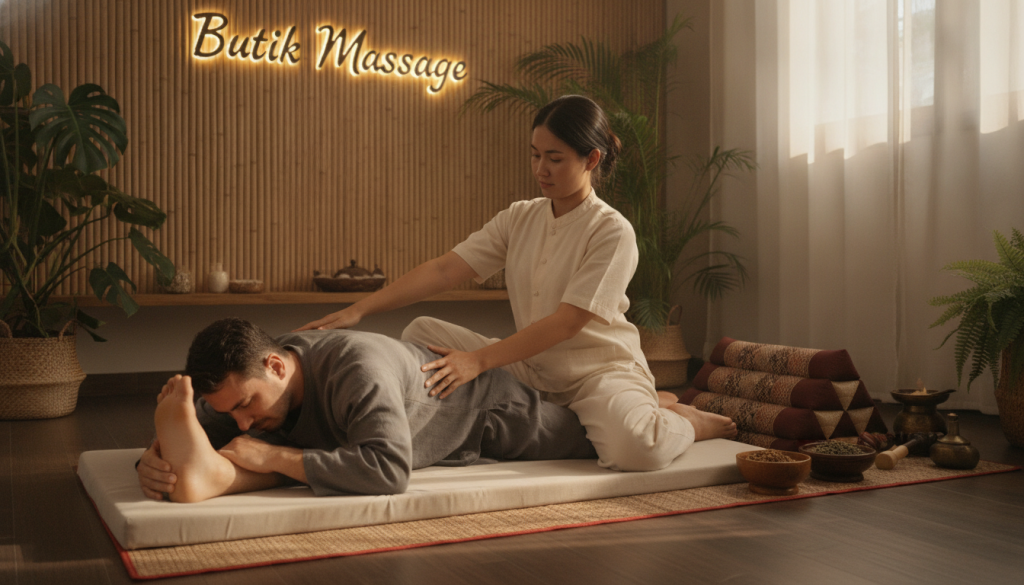
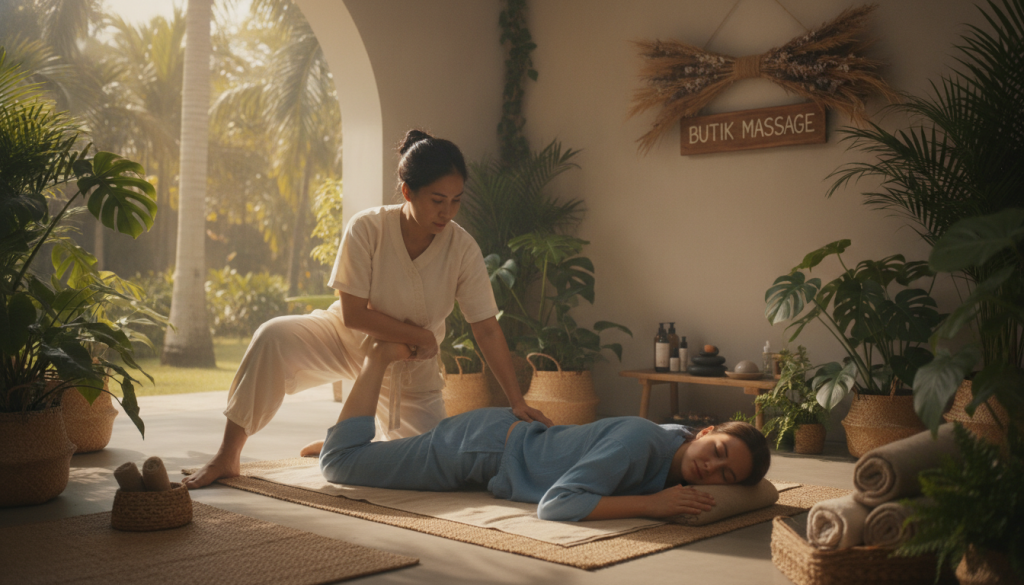
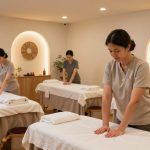
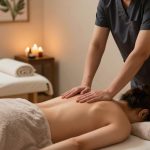
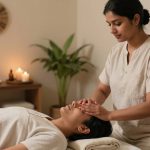
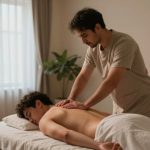
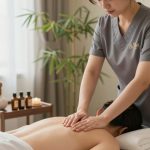
Have you ever wondered why some bodywork practices leave you feeling energized rather than drowsy? Unlike Western spa treatments where you passively lie under a sheet, thai massage offers a completely different experience. You remain fully clothed while your therapist guides you through assisted stretches on a floor mat.
This ancient practice combines 2,500 years of Buddhist temple healing with Ayurvedic medicine principles. Practitioners use their hands, thumbs, elbows, forearms, and even feet to apply rhythmic pressure. They work along energy pathways called sen lines.
Your active participation makes this therapeutic system unique. Through guided movements and passive stretching, you’ll experience joint mobilization and muscle tension release. Understanding what makes this practice distinctive helps you prepare for your first session.
Key Takeaways
You stay fully clothed during the session, wearing loose-fitting garments on a floor mat rather than a massage table
The practice combines assisted stretching, pressure techniques, and energy line work rooted in 2,500-year-old traditions
You actively participate through yoga-like movements instead of lying passively like in Western massage styles
Practitioners use hands, elbows, knees, and feet to guide your body and apply therapeutic pressure
Sessions address muscle tightness, flexibility, joint mobility, and energy flow along sen pathways
This evidence-based approach offers potential relief for headaches, back pain, and stress-related conditions
What is Thai Massage?
Thai massage bridges ancient healing wisdom with modern wellness needs. This distinctive bodywork combines rhythmic pressure, assisted stretching, and guided body positioning. Unlike table-based massage, Thai therapy actively engages your body through choreographed movements on a comfortable mat.
The practice works along specific energy pathways called sen lines. Practitioners believe these invisible channels govern vital energy flow through your body. You remain fully clothed during the session, typically wearing loose, comfortable garments.
Your therapist uses hands, thumbs, elbows, knees, and feet to apply pressure. They guide you through yoga-like stretches throughout the session.
Ancient Roots and Cultural Heritage
The origins of authentic thai massage trace back more than 2,500 years. Historical records credit legendary physician Jivaka Kumar Bhaccha as Buddha’s personal doctor. He developed healing techniques that integrated physical manipulation with spiritual principles.
During the Ayutthaya period spanning 1350 to 1767, these techniques became formalized. Thai healers documented their knowledge through oral tradition and temple manuscripts. The practice flourished in Buddhist monasteries, where monks used these techniques for healing.
King Rama III made a crucial contribution to preserving this knowledge. He commissioned detailed diagrams illustrating sen lines and therapeutic pressure points. Artists inscribed 60 of these diagrams onto Wat Pho temple walls in Bangkok.
Today, Wat Pho stands as a UNESCO World Heritage site. The temple school has trained over 200,000 practitioners from 145 countries. This rich heritage ensures that authentic thai massage uses techniques refined across centuries.
Foundational Philosophy and Energy Systems
Thai massage therapy rests on principles different from Western massage approaches. The practice views your body as an interconnected system. Physical, energetic, and emotional dimensions cannot be separated.
Central to this system are the sen lines. These 10 major energy pathways govern vital life force flow throughout your body. They represent a uniquely Thai understanding of human energy systems.
Blocked or imbalanced pathways may cause pain, stiffness, or illness. The therapeutic approach targets these sen lines through specific pressure techniques. Stretching sequences help clear blockages and restore proper energy flow.
Core Principle
Practical Application
Therapeutic Purpose
Sen Line Theory
Pressure applied along 10 major energy pathways
Restore energy flow and remove blockages
Metta (Loving Kindness)
Mindful, compassionate presence during treatment
Create healing environment and therapeutic connection
Holistic Integration
Treat whole person rather than isolated symptoms
Address physical, energetic, and emotional balance
Ayurvedic Elements
Balance earth, water, fire, and air within the body
Harmonize constitutional energies for optimal health
Buddhist principles deeply influence the practice philosophy. The concept of metta, or loving kindness, guides how therapists approach their work. Practitioners cultivate mindful presence and compassionate intention throughout each session.
Ayurvedic medicine contributes another layer to Thai massage therapy foundations. The practice incorporates concepts of elemental balance and constitutional types. Therapists consider your individual constitution when selecting techniques and adjusting pressure levels.
The core principles emphasize adaptation over standardization. Skilled practitioners assess your specific needs and customize their approach. This individualized method recognizes that your body’s requirements differ from anyone else’s.
Understanding these foundational concepts helps you appreciate authentic thai massage fully. The practice represents a complete therapeutic system with philosophical depth. It promotes healing across physical, energetic, and spiritual dimensions of your being.
Key Techniques Used in Thai Massage
Thai massage uses specialized techniques that restore balance and vitality. Your therapist combines rhythmic pressure, assisted movement, and energy work. These methods address your entire body systematically.
Each session follows a sequence starting at your feet and moving upward. Your practitioner uses hands, thumbs, elbows, forearms, and sometimes feet. The methods adapt to your age, flexibility, pain level, and medical history.
Assisted Stretching Methods
Thai massage stretching earns its reputation as “lazy person’s yoga” through passive movements. Your therapist guides your body through yoga-like positions without requiring effort. The stretches target major muscle groups throughout your legs, hips, spine, shoulders, and arms.
Your therapist carefully reads your body’s responses during each stretch. The movements should feel like a supported release rather than a strain. Adjustments happen continuously based on your flexibility level and comfort.
Hip openers that release tension in your lower back and pelvis
Spinal twists that improve flexibility throughout your torso
Shoulder rotations addressing upper body tightness
Leg extensions stretching hamstrings and calves
Supine stretches you couldn’t achieve independently
Joint mobilization provides gentle manipulation that enhances your range of motion. Your therapist guides your joints through supported movements that increase mobility. This approach addresses areas of restriction while respecting your body’s natural limitations.
Compression and Acupressure Application
Pressure point work incorporates focused compression along specific locations throughout your body. Your therapist uses thumbs, palms, elbows, and sometimes knees. This differs from Swedish massage through its deliberate, focused quality.
Each pressure application holds for several seconds to release tension. The compression follows a systematic pattern, typically beginning at your feet. Palm pressing delivers rhythmic compression that addresses broader muscle areas with controlled force.
Foot pressure involves your therapist using their feet for deeper compression. This technique allows controlled distribution of body weight across larger muscle groups. The pressure remains steady and gradual, never sudden or jarring.
Those seeking to experience traditional Thai massage in Istanbul will encounter these authentic pressure techniques. Synchronized breathing between you and your therapist enhances the energy work. This coordinated rhythm creates a meditative quality that calms your nervous system.
Sen Line Energy Work
Sen line work represents the cornerstone of traditional Thai massage philosophy. Your therapist applies pressure along 10 major energy pathways throughout your body. These sen lines carry vital life force and connect different body systems.
The systematic approach addresses your entire body rather than just areas of discomfort. Clearing blockages along these energy pathways restores balanced flow and promotes wellness. Your therapist traces each line with rhythmic, deliberate pressure.
This energy line activation goes beyond physical manipulation. The focused attention on sen lines creates profound effects on your nervous system. Many people enter a deeply relaxed state, experiencing mental clarity alongside physical release.
The meditative quality of sen line work benefits both receiver and practitioner. Your therapist maintains mindful presence throughout the session. This energetic exchange distinguishes Thai massage from purely mechanical bodywork approaches.
The true art of Thai massage lies not just in technique mastery, but in the therapist’s ability to read the body’s subtle responses and adjust pressure, rhythm, and depth moment by moment.
Your practitioner adapts these fundamental techniques based on your specific needs. Younger, flexible clients might receive deeper stretches and stronger pressure. Those with limited mobility or chronic pain conditions receive gentler modifications.
Benefits of Thai Massage for Your Health
Your body responds to Thai massage in ways that promote healing and reduce discomfort. This ancient therapy delivers measurable improvements across multiple body systems. Thai massage helps people dealing with back, neck, or shoulder tightness from posture or stress.
The combination of techniques creates changes you can feel during and after your session. These effects address physical restrictions, mental tension, and circulatory efficiency simultaneously.
Greater Range of Motion Through Assisted Stretching
Thai yoga massage increases your range of motion through passive stretching techniques. Your therapist provides support during each stretch so your body doesn’t work to hold position. This approach enables your muscles to relax more completely.
Over multiple sessions, movements previously restricted become easier. Reaching overhead, bending forward, or rotating your spine all improve as joint mobility increases.
The benefits prove valuable if you spend long hours at a desk. Age-related stiffness also responds well to regular sessions. Athletes use Thai massage to maintain flexibility between training periods.
Joint mobilization techniques address restrictions throughout your body:
Ankles and feet receive rotations that improve walking mechanics
Knee and hip joints gain freedom of movement for daily activities
Shoulder girdle mobilization reduces upper body tension
Spinal articulation improves posture and reduces back discomfort
Wrist and finger work benefits those who type or perform detailed tasks
The compression techniques work through the full depth of muscle tissue. They follow fascial lines and reach joint connections. This approach provides relief from back pain, neck pain, and tension headaches.
Nervous System Calm and Hormonal Balance
Thai massage creates a profound effect on your nervous system through its rhythmic quality. The steady compression, controlled breathing, and deliberate movements activate your parasympathetic nervous system. This rest-and-digest mode counters the stress response many people carry throughout their day.
Your body decreases stress hormones like cortisol during a session. Feel-good neurotransmitters including serotonin and dopamine increase. This hormonal shift contributes to the balanced state clients describe after treatment.
Most people leave feeling both energized and deeply calm. This differs from the heavy grogginess that sometimes follows Western massage styles. The balanced energy state typically extends for several days after your session.
Regular sessions train your nervous system to access calm states more readily. You develop greater body awareness and can recognize tension patterns early.
Cardiovascular and Lymphatic System Support
Your circulatory systems receive significant support through compression techniques and stretching movements. Blood flow increases to your muscles and organs, delivering oxygen and nutrients. Enhanced circulation contributes to faster recovery from physical exertion.
The systematic pressure applied during energy line work stimulates lymphatic drainage. Your lymphatic system relies on movement and external pressure rather than a pump. Thai massage provides the mechanical stimulus needed for lymph fluid to move efficiently.
Improved lymphatic flow supports several vital functions:
Immune system efficiency increases as lymph nodes filter cellular debris
Inflammation decreases when excess fluid drains from tissues
Toxin removal accelerates through enhanced filtration
Tissue healing improves with better nutrient delivery
Many clients notice renewed vitality following sessions. Your body functions more efficiently when energy and fluids flow freely. This improved circulation creates the sense of lightness and clarity after treatment.
The cardiovascular benefits accumulate over time with regular practice. Your tissues receive better nourishment and waste removal improves.
What to Expect During Your First Session
Knowing what happens during a Thai massage session removes anxiety and helps you enjoy the benefits. Booking your appointment with confidence allows you to relax completely from the start. Your first session introduces you to a unique healing tradition.
The experience differs significantly from oil-based massage styles you may have tried before. You actively participate in a flowing series of stretches and movements. This collaborative approach creates deeper therapeutic results and a more engaging wellness experience.
Most sessions last between 60 and 90 minutes. The pacing feels deliberate and meditative rather than rushed. This creates space for your body to respond and release tension gradually.
Getting Ready Before You Arrive
Your Thai massage session actually begins before you walk through the door. Proper preparation ensures you receive maximum benefit from your treatment. The intake process protects your health throughout the session.
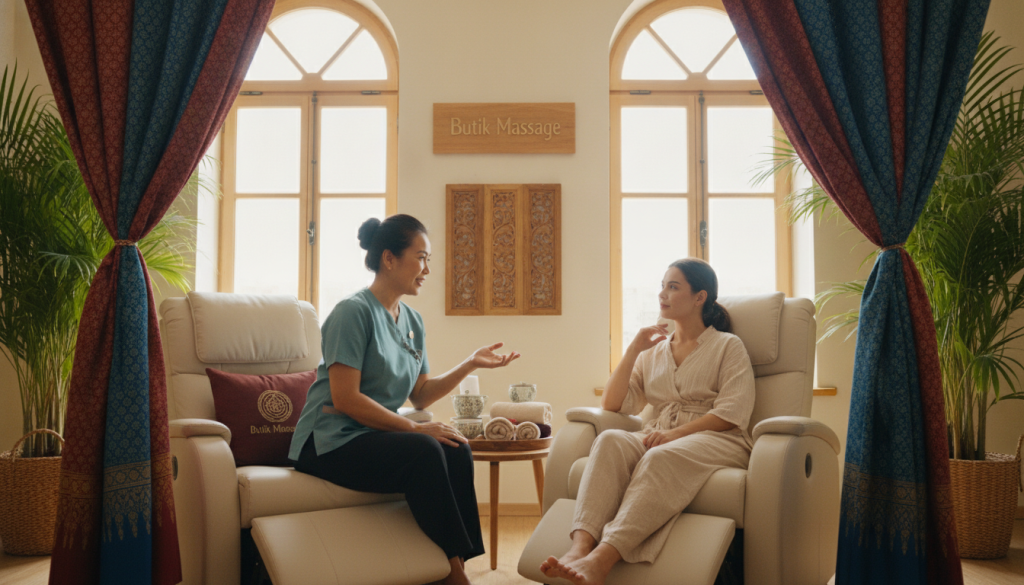
Your massage therapist will ask about your medical history and current symptoms. They’ll inquire about recent injuries and areas of particular concern. Be completely honest during this conversation about chronic conditions and medications.
If you have osteoporosis, heart disease, or high blood pressure, mention them specifically. Your therapist can modify techniques to work safely within your limitations. This customization distinguishes professional Thai massage from generic treatments.
Before your appointment time, take a few practical steps to optimize your experience:
Avoid eating a heavy meal within two hours of your session
Stay well-hydrated by drinking plenty of water throughout the day
Arrive 10-15 minutes early to complete intake forms without rushing
Use the restroom before your session begins
Communicate any last-minute changes in how you feel
Choosing Appropriate Clothing
Thai massage requires you to remain fully clothed throughout your session. Your clothing becomes part of the therapeutic experience. Selecting the right garments ensures comfort and full range of motion.
Wear loose, comfortable clothing made from breathable fabrics like cotton or bamboo. Yoga pants or loose cotton pants work perfectly with a comfortable t-shirt. Your clothes should allow you to stretch freely without restriction.
Avoid clothing with zippers, metal buttons, or restrictive waistbands. Also remove jewelry, watches, belts, and glasses before beginning. Many Thai massage providers in Turkey offer traditional Thai massage clothing if you prefer.
The Session Flow and Techniques
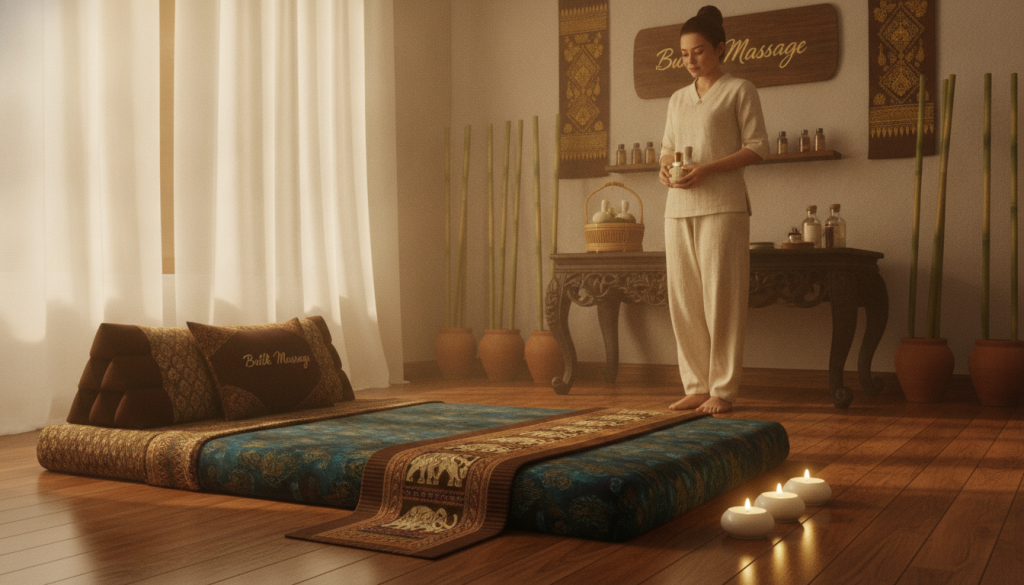
Your massage therapist will guide you to a padded mat on the floor. This floor-based approach allows your therapist to use body weight effectively. Additional cushions or bolsters may be positioned for your comfort.
Many practitioners begin with a brief centering moment. This transition helps you shift from your busy day into a receptive state. The actual bodywork typically follows a systematic sequence.
A typical Thai massage session progresses through distinct phases and positions:
Session Phase
Body Position
Primary Techniques
Duration
Opening sequence
Lying on your back
Foot reflexology, leg compression, hip stretches
15-20 minutes
Side-lying work
Lying on your side
Shoulder opening, spine stretching, hip mobilization
10-15 minutes
Prone sequence
Lying on your stomach
Back compression, leg stretches, glute pressure
15-20 minutes
Seated work
Sitting upright
Neck stretches, shoulder compression, arm mobilization
10-15 minutes
Final integration
Lying on your back
Gentle rocking, head massage, closing breath
5-10 minutes
Your therapist applies rhythmic compression along your energy lines using thumbs and palms. The pressure should feel firm and sustained but never painful. You’ll experience assisted yoga stretching that you couldn’t achieve alone.
Joint mobilization moves your ankles, knees, hips, and shoulders through their natural range. This releases stiffness and improves flexibility. The overall rhythm creates a meditative quality with movements flowing smoothly.
Many people find themselves entering a deeply relaxed state that feels almost dreamlike. Communication remains essential throughout your session. You should always feel comfortable speaking up if a movement feels too intense.
Professional massage therapists welcome this feedback and adjust their approach immediately. The phrase “good pressure” versus “too much pressure” helps your therapist calibrate techniques. After your session ends, take a few moments to reorient yourself before standing.
Some people feel noticeably looser and calmer immediately. Others experience mild temporary soreness similar to the feeling after stretching. Both responses are completely normal.
Drink plenty of water for the rest of the day. Walk gently and avoid intense physical activity for at least a few hours. This allows the therapeutic benefits to integrate fully into your muscles and nervous system.
How to Choose the Right Thai Massage Provider
Choosing a professional thai massage therapist involves evaluating multiple factors beyond price and location. Treatment quality depends on finding a provider with authentic training and proper credentials. Making an informed decision protects your safety while ensuring therapeutic benefits.
In Turkey, the growing popularity of Thai massage means you have many options. Not all providers offer the same level of expertise or authenticity. Taking time to research and ask questions leads to better outcomes.
Key Evaluation Criteria
Several important factors distinguish exceptional Thai massage providers from average ones. Start by observing how the practitioner conducts their initial assessment. A qualified thai massage therapist will ask detailed questions about your health history.
This intake process should cover current symptoms, medications, previous injuries, and treatment goals. Providers who skip this step may not prioritize your individual needs. A thorough health assessment indicates a professional approach to therapeutic bodywork.
The facility environment also reveals important information about quality standards. Look for these characteristics:
Clean, well-maintained treatment spaces with proper hygiene practices
Calm atmosphere that promotes relaxation and healing
Clear communication about techniques and session expectations
Willingness to answer questions about modifications and adjustments
Transparent pricing with no hidden fees or surprise charges
Flexible scheduling options including 60, 90, or 120-minute sessions
Pay attention to how the provider explains their approach to Thai massage. They should articulate the difference between traditional therapeutic methods and spa-style treatments. Specialists focusing exclusively on Thai massage often possess deeper knowledge.
Cultural authenticity markers can indicate genuine training and respect for traditions. Some practitioners begin sessions with a wai, the traditional Thai greeting gesture. Others incorporate a brief meditation or moment of intention-setting before starting bodywork.
These practices reflect authentic training and deeper understanding of the therapy’s spiritual foundations. While not mandatory, they often correlate with more comprehensive education in traditional techniques.
Verifying Qualifications and Reputation
Checking credentials protects you from inexperienced or poorly trained practitioners. Ask potential providers about their educational background and training hours. Traditional certification programs typically require 150 to 200 hours of dedicated instruction.
The most respected training comes from established institutions like Wat Pho temple in Bangkok. This historic center has trained over 200,000 practitioners from 145 countries. Providers who studied at Wat Pho demonstrate serious commitment to their craft.
In Turkey, verify whether the practitioner holds licenses or registrations with relevant health associations. Certifications in complementary fields like yoga or physical therapy can enhance their expertise. These additional qualifications show broader understanding of body mechanics and therapeutic approaches.
Online reviews provide valuable insights into real client experiences. Look for consistent patterns in feedback rather than focusing on individual opinions. Reviews mentioning specific health improvements carry more weight than generic praise.
Consider these indicators:
References to the therapist’s technical skill and knowledge of traditional techniques
Comments about professional communication and respect for comfort boundaries
Descriptions of successful pressure adjustments and session customization
Mentions of long-term therapeutic results rather than just temporary relaxation
Comparisons to Thai massage experiences received in Thailand itself
Don’t hesitate to contact providers before booking your appointment. Schedule a brief phone consultation or send questions via email. A qualified practitioner welcomes the opportunity to discuss their background.
Ask about their experience working with conditions similar to yours. Whether you’re seeking help with chronic pain, limited mobility, or stress reduction, they should explain modifications. Their responses reveal both expertise and commitment to patient-centered care.
Trust your instincts during initial interactions. You should feel heard, respected, and confident in the provider’s abilities. If communication feels rushed or dismissive, continue your search.
Tips for Maximizing Your Thai Massage Experience
Your Thai massage experience becomes truly transformative with specific strategies before, during, and after each session. These practical approaches help you receive greater therapeutic value from every appointment. Understanding how to communicate effectively creates lasting results that extend beyond the treatment table.
Speaking Clearly Throughout Your Appointment
Open dialogue with your therapist forms the foundation of an effective thai massage session. Before your appointment begins, share your primary goals clearly. Your therapist needs this information to customize techniques for shoulder tension, athletic performance, or stress reduction.
During your thai massage session, voice concerns immediately when something feels wrong. Sharp pain, shooting sensations, numbness, dizziness, or shortness of breath signal the need to stop. These symptoms indicate that a technique has exceeded your body’s current tolerance.
Use simple, direct language to guide pressure intensity. Phrases like “that’s too intense” or “more pressure please” give your therapist needed feedback. Your therapist cannot read your mind and relies completely on your verbal cues.
Don’t try to endure discomfort silently or assume pain equals progress. The most beneficial work happens at the edge of your comfort zone, never beyond it. Breathing steadily during stretches makes treatment more comfortable and allows deeper tissue release.
Feel free to request adjustments for any reason. If you need a bathroom break or feel too warm, speak up. These requests aren’t interruptions but necessary elements of creating the optimal therapeutic environment.
Bringing Focus to Your Treatment
Mental preparation significantly enhances physical outcomes. Before your session starts, take a quiet moment to identify your intention. This might be releasing specific tension, improving range of motion, or calming anxiety.
Your intention doesn’t require complexity. A simple mental acknowledgment like “I’m here to restore balance” creates a focused state. This brief pause shifts your nervous system toward the parasympathetic mode that facilitates relaxation.
During treatment, practice staying present with bodily sensations rather than mentally reviewing your schedule. Notice how breath moves through your body and how pressure releases tight areas. This mindful awareness activates deeper relaxation responses.
Many people find that silently repeating a calming phrase like “release” helps them surrender tension. This technique combines breath awareness with gentle mental direction. It creates a powerful tool for maximizing therapeutic effects.
Extending Benefits Between Sessions
Post-session care determines how long improvements last. Immediately after your appointment, drink plenty of water to flush metabolic waste products. Take a gentle walk rather than rushing into intense activity.
That evening, a warm bath with Epsom salts can soothe mild muscle tenderness. This minor discomfort typically resolves within 24 hours. It indicates that your body is adapting to increased flexibility.
In the following days, incorporate simple practices that support your gains. Regular stretching and movement breaks during work hours prevent tension from returning quickly. Warm showers, breathing exercises, and short walks prove especially helpful for stress-related tightness.
Regular movement breaks, stress management, adequate sleep
Monthly
General wellness, prevention
Sustained health, tension prevention
Active lifestyle, good posture, balanced nutrition
As needed
Occasional stress relief, special events
Temporary relaxation, mild flexibility boost
Self-massage techniques, home stretching routine
Thai massage works best as part of a comprehensive musculoskeletal health strategy. Long-term improvement depends on addressing contributing factors like weak muscles and poor ergonomics. Consider your sessions as one component of a larger wellness plan.
Combine treatments with appropriate strengthening exercises, workstation adjustments, adequate sleep, and proper nutrition. This integrated approach creates lasting changes rather than temporary relief. Simple self-care habits multiply the value you receive from professional sessions.
Walking regularly and maintaining good sleep hygiene help prevent tension from accumulating between appointments. These foundational practices allow each session to build on previous progress. You’ll address new improvements rather than constantly tackling the same recurring issues.
Frequently Asked Questions About Thai Massage
Many people considering Thai massage have similar questions about what to expect. These answers will help you approach your first session with confidence.
Does Thai Massage Cause Discomfort?
Thai massage should never cause sharp or burning pain. You will feel pressure and stretching that may seem intense, especially in tense areas.
The sensation differs from thai massage vs deep tissue approaches. Thai massage uses broader contact surfaces through clothing. Skilled practitioners adjust their techniques to your comfort level.
Speak up immediately if anything feels too strong.
How Often Should You Schedule Sessions?
Your ideal frequency depends on your goals and health status. People addressing specific issues often benefit from weekly sessions for four to six weeks.
For general wellness and stress management, monthly appointments work well. Athletes may schedule around training cycles.
Thai massage produces better long-term results when combined with regular exercise. Self-care practices between sessions also help.
Can Thai Massage Address Specific Health Concerns?
Many people find thai massage pain relief helpful for desk-related tension. It also eases general stiffness and stress-induced muscle tightness.
The technique may ease nonspecific back discomfort, especially from posture or stress. Thai massage is not appropriate for severe pain, numbness, or recent injuries.
Always consult your doctor first if you have serious medical conditions. Also seek medical advice for symptoms that persist beyond mild, occasional discomfort.