Have you ever felt puffy, tired, or sluggish despite getting enough rest? Your body’s natural cleanup system might need support.
Your lymphatic system works around the clock to remove waste. It supports your immune function and moves fluid throughout your body. Unlike your circulatory system, it lacks a pump to keep things flowing.
Modern life can slow this vital system down. Sitting for long hours, chronic stress, and tight clothing all hurt circulation. Processed foods add to the burden your body must clear.
Manual lymphatic drainage uses gentle, rhythmic techniques to restore your body’s natural flow. This therapeutic approach follows your lymphatic pathways to encourage detoxification. Professional therapists in Istanbul now offer specialized treatments, including post-surgery recovery sessions for wellness seekers.
The treatment differs significantly from traditional bodywork. It employs light, specific movements designed to work with your system.
Key Takeaways
- Your lymphatic system removes toxins and supports immune health but lacks a natural pump
- Sedentary lifestyles, stress, and dietary choices can compromise lymphatic circulation and cause uncomfortable symptoms
- Gentle, rhythmic techniques stimulate your body’s drainage pathways to restore optimal function
- This therapeutic approach differs from conventional bodywork by using specialized, light-pressure movements
- Professional treatments support detoxification, reduce fluid retention, and enhance overall wellness
Understanding Lymphatic System Basics
Your body has interconnected systems that quietly maintain your health. The lymphatic system is one of the most vital networks. This system protects you from disease and manages fluid levels in your tissues.
Learning how it works helps you see its importance. Specialized massage techniques can boost your overall wellness significantly.
Components and Structure of Your Lymphatic Network
The lymphatic system has vessels, nodes, and organs throughout your body. These parts work together as a team. They move lymph fluid where it needs to go.
Lymph vessels run alongside your blood vessels. They create pathways from your arms and legs to your heart. These thin tubes collect extra fluid between your cells.
Along these paths, you’ll find lymph nodes. These small structures act as filtering stations. They contain immune cells that check the passing fluid.
Your lymph nodes group in specific areas. These include your neck, armpits, groin, and belly. Major organs also help this system work properly.
The spleen, thymus, tonsils, and bone marrow all contribute. The fluid itself is called lymph. It appears clear or slightly yellow in color.
Lymph carries proteins, waste products, and immune cells. Unlike blood, your heart doesn’t pump lymph directly. Lymph moves through gentler mechanisms instead.
Your muscle movements create pressure to push lymph forward. Breathing and arterial pulses also help move the fluid. These forces work together to keep lymph flowing.
Essential Functions Supporting Your Health
Your lymphatic system performs three critical jobs. Each role connects with the others. Together they create complete body protection and maintenance.
First, the system serves as your immune defense center. It makes and moves white blood cells called lymphocytes. These cells search your body for threats constantly.
The cells trigger immune responses against invaders. This protection fights infections effectively. Such surveillance is especially important in crowded cities.
Second, the system maintains fluid balance in your body. It returns excess fluid to your bloodstream. Blood vessels naturally leak small amounts of liquid.
Without the lymphatic system, your tissues would swell. This swelling causes uncomfortable edema. It also interferes with how your cells work.
Third, special lymph vessels absorb dietary fats. These vessels are in your small intestine. They also absorb fat-soluble vitamins from food.
These nutrients are too large for blood vessels. The lymphatic system transports them through your body. Eventually they rejoin your bloodstream.
| System Component | Primary Function | Key Characteristics | Impact on Health |
|---|---|---|---|
| Lymph Vessels | Transport lymph fluid throughout body | Thin-walled, parallel to blood vessels, one-way valves | Prevents fluid accumulation and tissue swelling |
| Lymph Nodes | Filter harmful substances and produce immune cells | Bean-shaped, clustered in neck, armpits, groin | Identifies and destroys pathogens and abnormal cells |
| Lymph Fluid | Carries waste, proteins, and immune cells | Clear liquid, moves via muscle contractions | Removes cellular waste and supports immunity |
| Lymphoid Organs | Produce and mature immune cells | Includes spleen, thymus, tonsils, bone marrow | Generates white blood cells for immune response |
Your circulatory and lymphatic systems differ in how they move. Your heart pumps blood through arteries and veins with force. The lymphatic system lacks a central pump.
It depends on external forces to move fluid. This explains why sitting too much impairs lymphatic function. Muscle contractions during activity provide the main force.
This is common in office environments across Istanbul and Ankara. Your lymph flow slows when you sit for hours. Physical movement keeps the system working well.
Immune system support massage techniques can help compensate. They work when natural movement is limited. This happens after surgery, injury, or due to lifestyle.
These basics show why lymphatic stimulation offers real health benefits. Trained practitioners apply gentle, rhythmic pressure in specific patterns. This enhances lymph flow even when natural movement is restricted.
What is Lymph Drainage Massage?
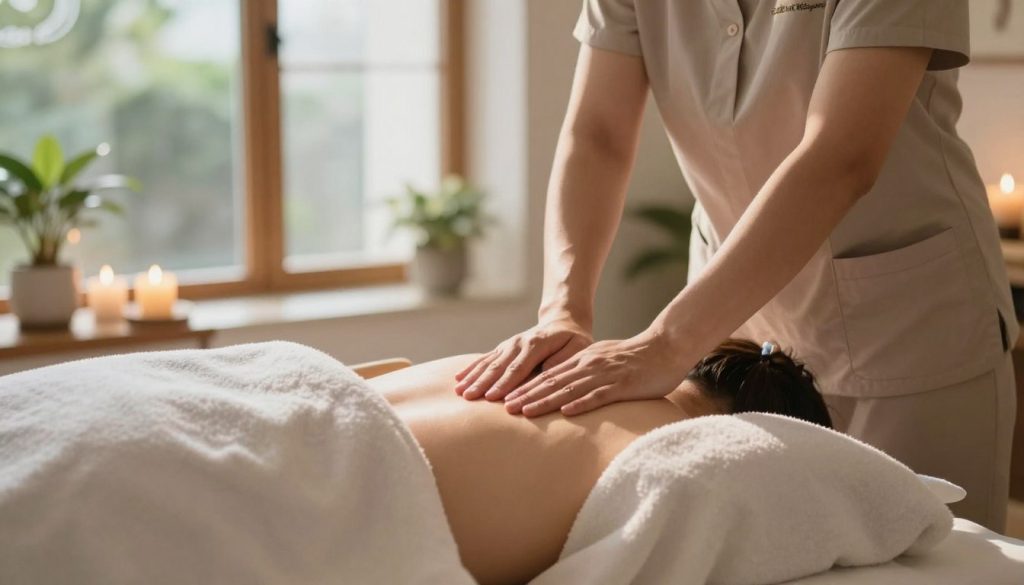
Lymph drainage massage uses gentle, rhythmic techniques to encourage natural lymphatic fluid movement throughout your body. This specialized treatment works at the skin level to stimulate your lymphatic system. The technique involves light pressure and purposeful strokes designed to support your body’s natural drainage processes.
Medical Technique for Lymphedema Treatment
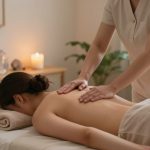
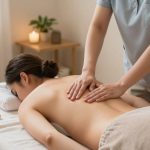
Manual lymphatic drainage is a specialized medical technique developed to treat conditions like lymphedema. Therapists use extremely light touch to stretch the skin gently. This creates a pumping effect that moves fluid through your lymphatic vessels.
The pressure applied during treatment is remarkably gentle. It is often compared to the weight of a nickel resting on your skin.
Technology-Assisted Treatment Options
Modern advancements have introduced technology-assisted options alongside traditional hands-on methods. The Ballancer® Pro system is an FDA-cleared device. It uses 24 overlapping chambers in specially designed garments.
These chambers create wave-like movements that replicate the natural rhythm of your lymphatic system. The system offers consistent graduated compression throughout the treatment.
The Historical Development of This Therapeutic Technique
The story of manual lymphatic drainage begins in 1930s France with Danish physicians Emil and Estrid Vodder. They observed patients suffering from chronic colds and persistently swollen lymph nodes. Their careful attention to these symptoms led to a groundbreaking discovery in therapeutic massage.
The Vodders developed gentle, circular massage movements specifically designed to stimulate lymph flow. Their pioneering work challenged conventional medical thinking of the time. They documented how light, rhythmic strokes could reduce swelling and improve patient outcomes.
Growing Medical Recognition
Medical recognition of the technique grew steadily as practitioners observed its effectiveness for lymphedema treatment. By the mid-20th century, hospitals began incorporating manual lymphatic drainage into their therapeutic protocols. The technique gained particular prominence in post-surgical care and cancer treatment settings.
The applications of lymph drainage massage expanded beyond purely medical contexts over subsequent decades. Wellness centers and spas began offering treatments for detoxification, immune support, and cosmetic benefits. This evolution transformed a specialized medical intervention into a widely accessible wellness practice.
Modern Development and Standards
Today, the technique continues to develop with enhanced training standards and technological innovations. Certified practitioners in Turkey and worldwide combine traditional Vodder methods with modern equipment. This integration ensures you receive treatments backed by decades of clinical experience and contemporary scientific understanding.
Distinguishing Characteristics from Conventional Massage Methods
The fundamental difference between lymph drainage massage and other bodywork lies in the pressure applied during treatment. Deep tissue, Swedish, and sports massage use firm pressure to manipulate muscles and connective tissue. In contrast, lymphatic drainage employs extremely light, skin-level touch that you might barely feel at first.
The directional nature of the strokes sets this technique apart from conventional massage approaches. Therapists follow specific lymphatic pathways that lead toward lymph node clusters in your neck, armpits, and groin. These purposeful movements differ significantly from the muscle-fiber-following strokes used in traditional massage.
Here are the key differences you should understand:
- Pressure intensity: Lymphatic massage uses gentle touch equivalent to 5-10 grams of pressure, while deep tissue massage can apply several pounds of force
- Treatment focus: Targets lymphatic vessels and fluid movement rather than muscle tension or knots
- Stroke direction: Follows lymphatic pathways toward drainage points instead of working along muscle groups
- Movement quality: Uses rhythmic, pumping motions that mimic natural lymphatic contractions
- Treatment scope: Addresses the entire lymphatic network systematically rather than focusing on isolated problem areas
Unique Rhythmic Quality
The rhythmic, pumping quality of manual lymphatic drainage movements replicates the natural contractions that move lymph through your vessels. This unique characteristic makes the technique ideally suited to stimulating lymphatic circulation. Unlike deeper pressure methods, it avoids triggering inflammatory responses that can actually hinder drainage.
Comprehensive Treatment Approach
Sessions focus on comprehensive treatment of your entire lymphatic system rather than spot-treating specific areas. Your therapist begins at central lymph nodes and works systematically across body regions. This approach ensures effective drainage by clearing the pathways before moving fluid from peripheral areas.
Treatment Sensations
The sensations you experience during lymph drainage massage differ markedly from traditional massage. Most people describe the treatment as deeply relaxing, with a gentle, wave-like sensation. The Ballancer® Pro system creates rhythmic squeezing that moves progressively from your feet toward your torso.
Finding Qualified Practitioners
For those seeking lymph drainage massage in Turkey, recognizing these distinctions helps you identify qualified practitioners. Medical conditions like lymphedema require treatment in clinical environments with certified specialists. General wellness goals can be addressed in professional wellness centers that employ trained therapists using appropriate techniques.
Benefits of Lymph Drainage Massage
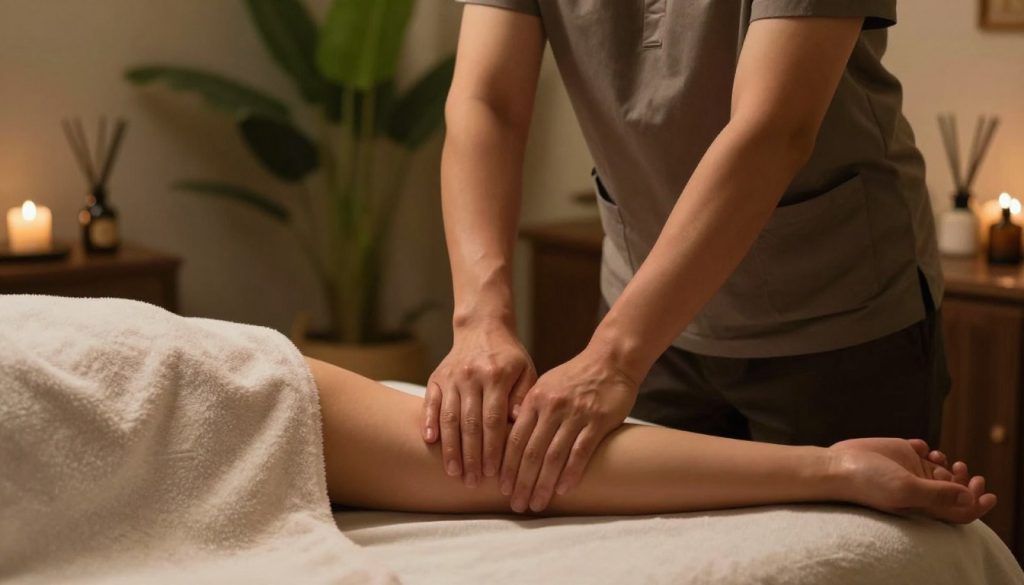
Lymph drainage massage offers therapeutic advantages that touch nearly every body system. This gentle technique has gained widespread recognition in Turkey’s medical and wellness communities. It addresses specific health concerns while promoting overall well-being.
You might seek recovery support after surgery or natural stress management. This specialized massage offers evidence-based benefits that complement modern healthcare approaches.
Your body responds to lymphatic massage in multiple ways simultaneously. The treatment works with your natural biological systems rather than against them. This creates improvements that build upon each other for comprehensive health support.
Physical Health Benefits
Post-surgical recovery represents one of the most documented advantages of this treatment approach. You might undergo cosmetic procedures such as liposuction, abdominoplasty, or facial surgeries at Turkey’s advanced medical facilities. Lymph drainage massage significantly reduces swelling and accelerates your healing timeline.
The technique helps move trapped fluid and cellular debris away from surgical sites. This improves both comfort and aesthetic outcomes.
The lymphatic system functions as your body’s natural cleanup crew. This network removes metabolic waste, environmental toxins, and cellular debris more effectively when operating efficiently. Detoxification massage therapy gently encourages this natural waste removal process.
For individuals managing lymphedema, regular sessions provide measurable relief. This condition causes persistent fluid accumulation, typically in arms or legs. Light compression techniques help reduce fluid retention naturally.
The cosmetic benefits extend beyond post-surgical care. Improved lymphatic drainage helps flush out excess fluid from adipose tissue. This reduces the appearance of cellulite and promotes smoother skin texture.
Many people notice decreased puffiness in their face and body. This contributes to a more refreshed appearance.
Your immune system receives significant support through enhanced lymphatic circulation. The lymphatic network transports white blood cells and antibodies throughout your body. Your immune cells reach their destinations more effectively when fluid moves efficiently.
Pain relief occurs through gentle stimulation that interrupts pain signal transmission. The light pressure triggers your body’s natural pain-relieving responses without pharmaceutical intervention. This offers comfort for various chronic conditions.
Key physical benefits include:
- Reduced swelling and inflammation after surgical procedures
- Enhanced removal of metabolic waste and toxins
- Decreased limb circumference in lymphedema patients
- Improved skin texture and reduced cellulite appearance
- Stronger immune system function through better cell distribution
- Natural pain management without medication
- Faster healing timelines for injuries and surgeries
Emotional and Mental Well-being
The benefits of lymph drainage massage extend far beyond physical improvements. The rhythmic, gentle nature of the treatment activates your parasympathetic nervous system. This system governs your body’s rest-and-digest responses.
This activation produces measurable relaxation effects that counter chronic stress. Many people experience these calming benefits during their first session.
Research demonstrates specific physiological changes during treatment. Practitioners perform manual lymphatic drainage on your neck area. Your heart rate may temporarily slow and blood pressure can decrease.
These cardiovascular responses indicate genuine relaxation rather than simply subjective feelings of calm.
Abdominal lymphatic massage produces particularly strong stress-reduction effects. Studies show that people under psychological stress experience increased relaxation markers. The combination of gentle touch and focused breathing creates a meditative state.
Sleep quality often improves following regular sessions. The deeply relaxing nature of the treatment helps quiet your nervous system. This makes it easier to fall asleep and maintain restful sleep throughout the night.
Many clients in Turkey’s wellness centers report better sleep patterns as a continuing benefit.
Breathing techniques incorporated during your session enhance the calming effects. Practitioners guide you through coordinated breathing that maximizes lymphatic flow while deepening your relaxation response. This mindful breathing component provides skills you can use independently for stress management.
The treatment creates a sanctuary from daily pressures. External demands fade as you focus on gentle sensations and rhythmic movements. This mental break allows your nervous system to reset.
Mental and emotional benefits include:
- Activation of parasympathetic nervous system for deep relaxation
- Measurable reduction in heart rate and blood pressure
- Decreased psychological stress markers
- Improved sleep quality and duration
- Enhanced mood and emotional stability
- Natural anxiety reduction without medication
- Mindfulness skills through coordinated breathing
| Benefit Category | Primary Effects | Timeline for Results |
|---|---|---|
| Post-Surgical Recovery | Reduced swelling, faster healing, improved outcomes | Immediate to 2 weeks |
| Chronic Condition Management | Decreased lymphedema symptoms, pain relief | 2-4 weeks with regular sessions |
| Stress and Mental Health | Lower heart rate, better sleep, reduced anxiety | Immediate relaxation, cumulative benefits over weeks |
| Immune Support | Enhanced white blood cell circulation, better defense | Gradual improvement over 4-6 weeks |
These comprehensive benefits explain why lymph drainage massage has become increasingly popular throughout Turkey’s healthcare and wellness sectors. The technique offers natural, non-invasive support for diverse health goals. This makes it accessible to people seeking evidence-based therapeutic options.
Who Can Benefit from Lymph Drainage Massage?
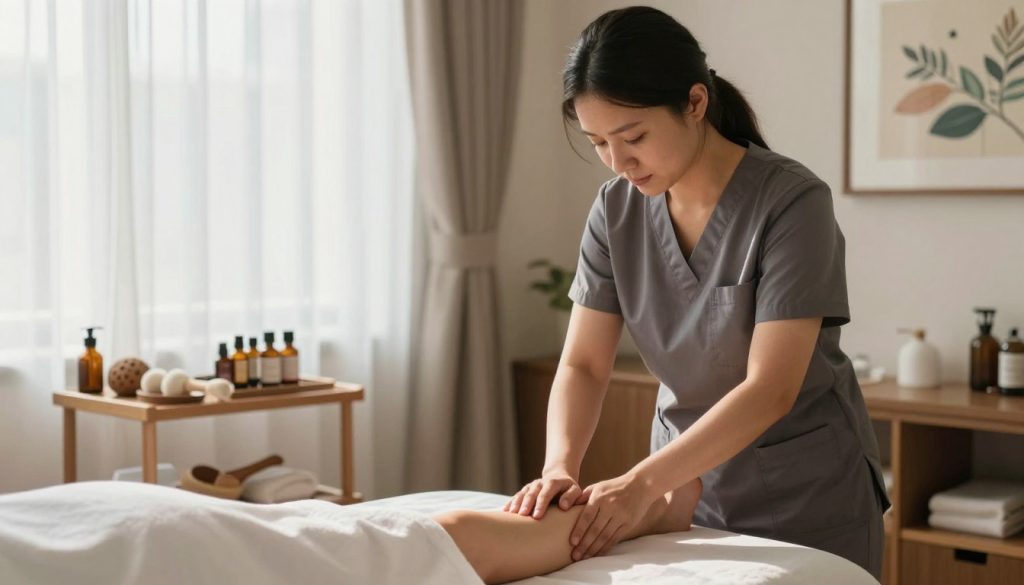
Lymph drainage massage helps many different people. It works for those recovering from surgery and people wanting better health. Your health needs and goals matter when choosing this therapy.
Knowing who benefits most helps you decide if it’s right for you.
Ideal Candidates for the Treatment
People healing from surgery are perfect candidates for lymph drainage massage. Surgery disrupts your lymphatic pathways, causing swelling. This massage speeds up healing and improves results.
Cosmetic surgeries like rhinoplasty and liposuction respond well to this treatment. Medical procedures including cancer operations also benefit from lymph drainage. Your body heals faster with proper lymphatic support.
Turkey’s medical tourism industry brings thousands of patients each year. Many clinics now include lymph drainage in their post-surgery care. They recognize its value for achieving the best results.
Athletes find great recovery benefits from regular treatments. Intense training creates waste products in your muscles. Lymph drainage clears these wastes quickly.
This reduction in inflammation helps you return to peak performance faster. Your muscles recover better between training sessions.
You might benefit if you feel tired all the time. Unexplained fluid retention is another sign. Feeling puffy or bloated often means sluggish lymphatic flow.
People preparing for weddings or photo shoots sometimes seek this treatment. It reduces bloating and creates a more refined appearance.
The following groups typically experience notable improvements:
- Individuals with chronic swelling in limbs or specific body areas
- Those experiencing persistent fatigue despite adequate rest
- People dealing with water retention unrelated to dietary factors
- Wellness-focused individuals seeking to support natural detoxification
- Anyone wanting to enhance circulation and immune function
Conditions Treated with Lymph Drainage Massage
Lymphedema is the most common medical reason for this therapy. You might have primary lymphedema from birth. Or secondary lymphedema from cancer treatment or surgery.
Lymphedema treatment through massage is a key part of complete care. This approach combines massage with compression garments and skin care. It also includes exercise and patient education.
Research shows lymphedema treatment improves recovery from cosmetic procedures. Studies examined outcomes after liposuction and breast surgery. Patients reported less swelling and better results.
Eyelid procedures and facelifts also show promising outcomes. Body contouring surgeries benefit from this treatment too.
Several chronic conditions respond well to regular lymph drainage sessions. Chronic venous insufficiency improves with enhanced lymphatic function. Fibromyalgia and rheumatoid arthritis symptoms may decrease.
The therapy addresses sinus congestion and migraine headaches. Digestive problems sometimes improve with treatment. Skin conditions like acne and rosacea respond when lymphatic congestion contributes.
Post-surgery swelling reduction extends beyond cosmetic applications to include:
- Dental surgeries involving the jaw and facial structures
- Joint replacement operations including knee and hip procedures
- Trauma recovery following accidents or injuries
- Reconstructive surgeries of various types
- Oncological procedures affecting lymphatic pathways
Special Populations and Considerations
Some people need special attention before getting lymph drainage massage. Pregnant women can benefit during their second and third trimesters. But treatment requires a specially trained therapist and doctor approval.
The gentle technique is generally safe during pregnancy. Proper positioning and modified pressure remain essential for safety.
Cancer patients and survivors need careful evaluation before treatment. Lymphedema from cancer therapy responds well to massage. However, active cancer may make treatment unsafe.
Increasing lymphatic flow could theoretically spread cancer cells. You must get approval from your oncologist first.
You should avoid lymph drainage massage or proceed only under strict medical supervision if you have any of these conditions:
- Congestive heart failure or severe cardiac conditions
- Acute kidney disease or renal insufficiency
- Active infections or fever
- Blood clots or deep vein thrombosis
- Untreated thyroid disorders
People with diabetes should exercise caution during treatment. The massage may affect your blood sugar levels. Monitor your glucose carefully and tell your therapist about your condition.
Understanding who benefits from lymph drainage helps you make smart choices. Consult qualified medical professionals in Turkey’s healthcare system. Certified therapists will assess your situation and provide safe treatment.
How Lymph Drainage Massage is Performed
Your therapist uses gentle, deliberate movements that work with your body’s natural drainage pathways. The treatment encourages fluid movement through lymphatic vessels using specialized techniques. These methods differ significantly from traditional massage approaches.
Understanding these procedures helps you recognize qualified practitioners. It also maximizes the therapeutic benefits of lymphatic system stimulation.
The pressure applied during treatment remains remarkably light compared to other bodywork modalities. Your therapist uses just enough force to stretch the skin and influence superficial lymphatic channels. This gentle approach creates optimal conditions for fluid to move efficiently through your system.
Techniques Used in Lymph Drainage Massage
Manual lymphatic drainage incorporates four primary hand movements that certified therapists master through specialized training. The stationary circle technique involves your therapist placing hands on your skin and gently stretching it. This movement activates lymphatic vessels in the treated area.
The pump technique uses rhythmic pressure variations to encourage fluid flow toward nearby lymph nodes. Your therapist applies and releases gentle pressure in a wavelike pattern. This mimics the natural contractions of lymphatic vessels.
The rotary technique combines circular hand movements with directional guidance. It steers lymph fluid along specific pathways.
The scoop technique employs a gentle scooping hand motion that lifts and guides tissue. Throughout these movements, therapeutic pressure remains between 30-40 mmHg. This light touch distinguishes manual lymphatic drainage from conventional massage approaches.
All strokes follow the directional flow of your lymphatic system. They move toward the nearest lymph node clusters. Your therapist works systematically toward collection points in your neck, armpits, groin, and abdomen.
This anatomical precision ensures effective drainage rather than simply moving fluid randomly beneath the skin.
The lymphatic system requires gentle persuasion rather than forceful manipulation—light, rhythmic movements create the ideal environment for natural drainage to occur.
Advanced clinics in Turkey now offer device-assisted approaches like the Ballancer® Pro system. This technology uses 24 overlapping chambers within specialized garments to create peristaltic wave-like movements. The sequential inflation and deflation of chambers systematically pushes lymph fluid through vessels.
The Ballancer® Pro provides consistent graduated pressure across large body areas such as your legs or arms. You simply wear specially designed garments that gently inflate and deflate in rhythmic cycles. This approach offers particular advantages for treating extensive areas efficiently while maintaining precise control.
Some practitioners combine manual and device-assisted techniques in comprehensive treatment protocols. This integrated approach allows therapists to address specific problem areas with hands-on precision. The combination often produces enhanced therapeutic outcomes for complex conditions.
Typical Session Structure
Your lymph drainage massage session typically lasts 40-60 minutes for manual treatments. Device-assisted compression therapy takes 30-45 minutes. Initial consultations may extend longer to include a thorough health history assessment.
Your therapist will discuss your specific concerns and goals before beginning.
Sessions begin with preparation that includes light breathing exercises. These activate your diaphragm and central lymphatic channels. Deep, controlled breathing stimulates the thoracic duct—the main collection vessel of your lymphatic system.
Your therapist then performs gentle clearance of neck and supraclavicular nodes to open drainage pathways. Think of this as preparing the exit routes before encouraging fluid to move. This initial step prevents congestion and ensures lymph has clear channels.
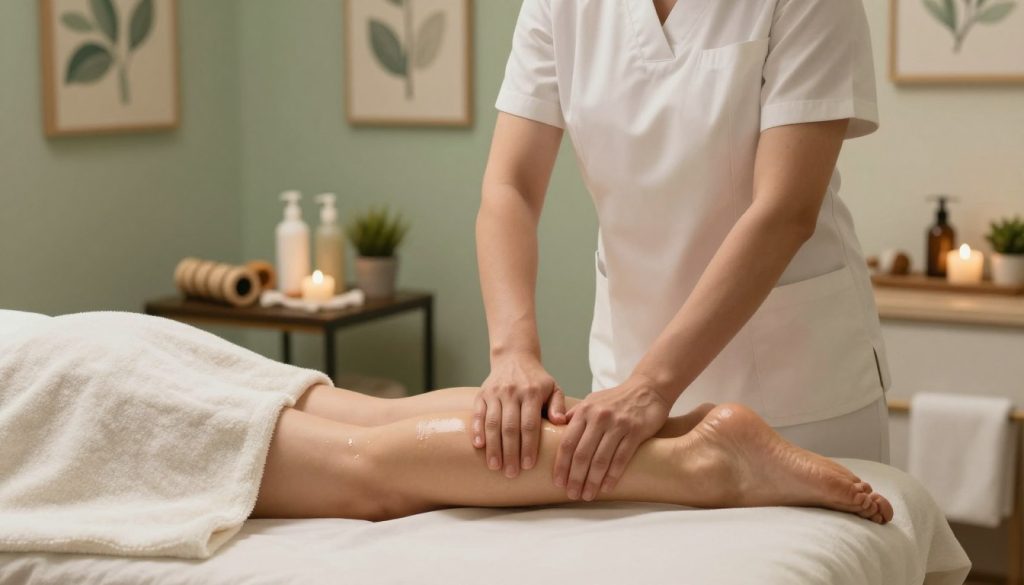
Treatment progresses systematically based on your specific needs. For lower body concerns such as leg swelling, your therapist begins at your trunk. Gentle strokes then guide fluid back toward your torso in segments.
Upper body treatment follows similar principles, starting at your neck and chest before addressing your arms.
| Treatment Aspect | Manual Approach | Device-Assisted Method |
|---|---|---|
| Session Duration | 40-60 minutes | 30-45 minutes |
| Pressure Application | Therapist hand movements (30-40 mmHg) | Sequential chamber inflation (graduated compression) |
| Coverage Area | Targeted specific regions | Broader body areas simultaneously |
| Primary Advantage | Precise control and customization | Consistency across large areas |
Sessions conclude with gentle breathing exercises and a brief rest period before you stand. This transition time allows your body to adjust and prevents lightheadedness. You may feel deeply relaxed or energized immediately after treatment.
Increased urination following your session signals that lymphatic system stimulation has successfully encouraged fluid processing. Your kidneys filter and eliminate the mobilized fluid. Drinking plenty of water before and after treatment supports this natural detoxification process.
There is no downtime required after lymph drainage massage. You can resume normal activities immediately. Most practitioners recommend avoiding strenuous exercise for several hours to allow your lymphatic system to continue processing.
Understanding these technical aspects empowers you to identify qualified practitioners who follow proper protocols. Look for therapists with certified training in manual lymphatic drainage techniques. Your informed participation in the treatment process maximizes therapeutic outcomes.
Frequency and Duration of Treatments
The success of lymph drainage massage depends on treatment frequency and session duration. Many people see improvements after just one session. Chronic issues and post-surgery conditions typically need a series of treatments for best results.
Understanding recommended schedules helps you commit to a plan. This plan should match your health goals and lifestyle.
Recommended Treatment Schedules
Your treatment schedule varies based on your specific condition. Post-surgical swelling responds best to frequent initial sessions. Typically, you need 3-5 sessions per week during the first 1-2 weeks.
As your healing progresses and swelling decreases, you can reduce frequency. Most people move to 1-2 times weekly.
For lymphedema treatment, complete decongestive therapy requires a more intensive approach. The initial phase involves daily sessions for 2-4 weeks. This intensive period combines manual lymphatic drainage with compression bandaging and skin care.
After completing the intensive phase, you transition to a maintenance schedule. Weekly or bi-weekly treatments help preserve your improvements. You will also continue using compression garments and performing self-care exercises.
General wellness and preventive care require less frequent sessions. If you seek detoxification support or stress reduction, monthly appointments typically work well. These regular sessions complement your healthy lifestyle practices effectively.
Athletes often schedule treatments strategically around their training cycles. Weekly sessions during intense training periods support recovery and reduce inflammation. After competitions, additional treatments help clear metabolic waste products.
Chronic conditions may respond best to consistent weekly sessions over extended periods. The cumulative benefits develop gradually as your lymphatic system function improves. Some people notice significant changes within 4-6 weeks of regular treatment.
| Condition Type | Initial Phase Frequency | Maintenance Phase | Typical Duration |
|---|---|---|---|
| Post-Surgical Swelling | 3-5 times weekly | 1-2 times weekly | 4-8 weeks total |
| Lymphedema Treatment (CDT) | Daily sessions | Weekly or bi-weekly | 2-4 weeks intensive, ongoing maintenance |
| General Wellness | Weekly or bi-weekly | Monthly or bi-monthly | Ongoing as desired |
| Athletic Recovery | Weekly during training | Bi-weekly or monthly | Season-dependent |
| Chronic Conditions | Weekly sessions | Bi-weekly or monthly | Minimum 8-12 weeks, often ongoing |
Treatment response varies significantly among individuals. Some people experience substantial benefits from occasional sessions. Others require consistent frequent treatments to maintain results.
Several factors influence your optimal frequency. These include the severity of your condition and overall health status. Adherence to complementary therapies also plays a role.
In Turkey, qualified practitioners assess your progress regularly. They adjust treatment schedules based on seasonal factors and health changes. Open communication with your therapist ensures your schedule remains appropriate.
How Long Each Session Typically Lasts
Standard manual lymphatic drainage sessions range from 40-60 minutes for full-body treatment. This duration includes consultation time and preparation. Your therapist addresses all major lymphatic pathways systematically.
Focused treatments targeting specific areas require less time. Facial lymphatic drainage typically lasts 20-30 minutes. These shorter sessions concentrate on cervical lymph nodes and facial contours.
Device-assisted treatments like the Ballancer® Pro often run 30-45 minutes. Specialized garments determine whether sessions address your legs, arms, or abdomen. These treatments provide comfortable and relaxing experiences.
For lymphedema treatment within comprehensive programs, sessions may extend to 60-90 minutes. This extended time accommodates manual drainage combined with bandaging instruction. Your therapist ensures you understand all components of your home care routine.
Initial consultation appointments typically last longer than subsequent sessions. Expect 60-90 minutes for your first visit. Practitioners conduct thorough health assessments and explain treatment approaches.
Session length may be adjusted based on your tolerance. Practitioners sometimes start with shorter 30-40 minute sessions. This gradual approach prevents overwhelming your lymphatic system.
Efficiency and technique quality matter more than duration alone. A skilled therapist can achieve significant results in 45 minutes. This emphasizes the importance of choosing qualified professionals.
Understanding these frequency and duration parameters helps you set realistic expectations. You can design treatment plans that fit your health needs and lifestyle constraints. This knowledge enables effective collaboration with practitioners in Turkey.
What to Expect During a Session
Knowing what happens during your lymph drainage massage helps you feel confident. Many people have questions about preparation and what sensations they’ll experience. Understanding the complete process removes uncertainty and maximizes therapeutic benefits.
Treatment environments in Turkish wellness facilities emphasize calm and relaxation. You’ll enter a quiet, softly lit space designed to activate natural healing responses. This peaceful atmosphere supports gentle lymphatic work and helps your nervous system relax.
Preparing for Your Appointment
Proper preparation ensures your body responds optimally to lymph drainage techniques. The most important step is maintaining excellent hydration 24 hours before your session. Drinking plenty of water prepares your lymphatic system to process fluid efficiently.
Your practitioner will appreciate clean skin free from lotions or heavy fragrances. These products can interfere with the therapist’s ability to assess tissue quality. If you’re scheduling treatment for post-surgery swelling reduction, bring any medical documentation.
- Drink 8-10 glasses of water in the 24 hours before treatment
- Avoid heavy meals within 2 hours of your session
- Wear comfortable, loose-fitting clothing you can easily remove
- Arrive with clean skin without lotions, oils, or perfumes
- Avoid alcohol and excessive caffeine before your appointment
- Use the restroom immediately before treatment begins
- Communicate any recent health changes to your practitioner
Light, nutritious food consumed 1-2 hours before your session is appropriate. However, avoid eating heavily, as digestion can interfere with abdominal treatments. A full stomach diverts resources away from lymphatic processing.
Most sessions require you to undress to your comfort level. You’ll be draped with sheets that expose only the area being treated. For device-assisted treatments, you may wear provided compression garments.
Arriving 10-15 minutes early allows you to complete necessary paperwork. This buffer time prevents rushed feelings and helps you settle in. Turkish medical facilities may have specific protocols, so inquire when booking.
Experience and Sensations During Treatment
The physical sensations during lymph drainage massage differ significantly from other bodywork. The touch is remarkably gentle—far lighter than traditional massage pressure. Many describe it as feeling like gentle waves or soft, rhythmic pressing.
Manual techniques create a unique stretching sensation on your skin. This feels distinctly different from muscle manipulation. The light, rhythmic movements follow specific pathways that correspond to lymphatic vessel locations.
Device-assisted treatments offer a different but equally pleasant experience. The Ballancer® Pro uses specialized garments that inflate and deflate in sequential chambers. This creates graduated compression that feels like gentle, rolling pressure.
Common sensations you may notice during your session include:
- Warmth in treated areas as circulation increases
- Occasional gurgling sounds from your abdomen as digestive activity responds
- Deep relaxation that may lead to drowsiness or actual sleep
- Subtle tingling sensations as stagnant fluid begins moving
- Naturally deepening breath as your parasympathetic nervous system activates
- Progressive release of muscular tension throughout your body
These sensations indicate your lymphatic system is responding appropriately to treatment. Some people experience unexpected emotional releases—tears or feelings of relief. Practitioners recognize these as normal responses to deep relaxation.
The treatment room typically remains very quiet with minimal conversation. This creates a meditative atmosphere enhanced by soft lighting and sometimes gentle music. You may notice your heart rate slowing and your mind becoming calmer.
For those seeking to reduce fluid retention naturally, the gentle pressure produces noticeable effects. Unlike vigorous massage that can leave you sore, lymph drainage respects tissue sensitivity. The light touch works with your body’s natural rhythms.
Immediately after your session ends, you’ll likely notice several changes. A common response is an increased need to urinate as mobilized lymph fluid moves. This indicates the treatment is working effectively.
Post-treatment responses vary among individuals but fall into predictable patterns:
| Response Type | Common Experiences | What It Indicates |
|---|---|---|
| Energetic Response | Feeling clear-headed, alert, and energized | Successful fluid mobilization and circulation improvement |
| Relaxation Response | Feeling deeply relaxed, sleepy, ready to rest | Parasympathetic nervous system activation and healing mode |
| Physical Changes | Reduced swelling, decreased puffiness, lighter feeling | Effective lymphatic drainage and fluid movement |
| Sensory Changes | Improved skin texture, enhanced body awareness | Tissue decongestion and improved cellular environment |
Both energized and relaxed responses are beneficial and normal. Your body’s specific response depends on your individual physiology and current health status. Some effects appear immediately, while others continue developing over 24-48 hours.
There’s no downtime required after lymph drainage massage. You can resume normal activities immediately. Many people prefer to extend relaxation by avoiding strenuous exercise for a few hours.
Understanding these experiential aspects helps you approach lymph drainage massage with appropriate expectations. You’ll recognize normal therapeutic responses and distinguish expected sensations from anything unusual. This knowledge allows you to fully relax and receive maximum benefit.
Conclusion: Is Lymph Drainage Massage Right for You?
Your decision to pursue lymph drainage massage should start with an honest health evaluation. A healthy lymphatic system functions effectively without therapeutic help. Regular exercise, balanced nutrition, and proper hydration support natural lymph flow best.
Assessing Your Need
Medical evaluation provides the clearest path if you experience persistent swelling or chronic edema. Post-surgical complications also warrant professional assessment. People with diagnosed lymphedema receive the greatest benefits from this specialized therapy.
Your healthcare provider can determine whether detoxification massage therapy aligns with your treatment goals. Realistic expectations matter significantly. This technique won’t produce dramatic weight loss or boost immunity beyond normal function.
You may notice secondary benefits like relaxation and reduced puffiness. Improved digestive movement can occur even without medical necessity.
Finding Qualified Practitioners
Training credentials separate effective treatment from ineffective attempts. Look for certified lymphedema therapists (CLT) who completed recognized training programs. Physical therapists with specialized lymphedema certification represent appropriate providers.
Massage therapists trained in Vodder or Földi methods also qualify. In Istanbul, Ankara, and Izmir, medical tourism infrastructure offers internationally trained practitioners. Ask about specific certification and experience with your condition.
Request realistic treatment expectations from potential providers. Avoid those making exaggerated claims about toxin removal or miracle outcomes. Always consult your healthcare provider before beginning any new treatment approach.