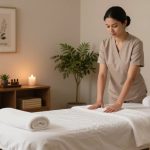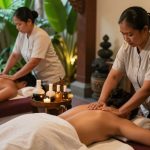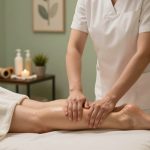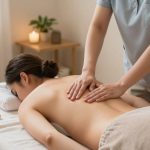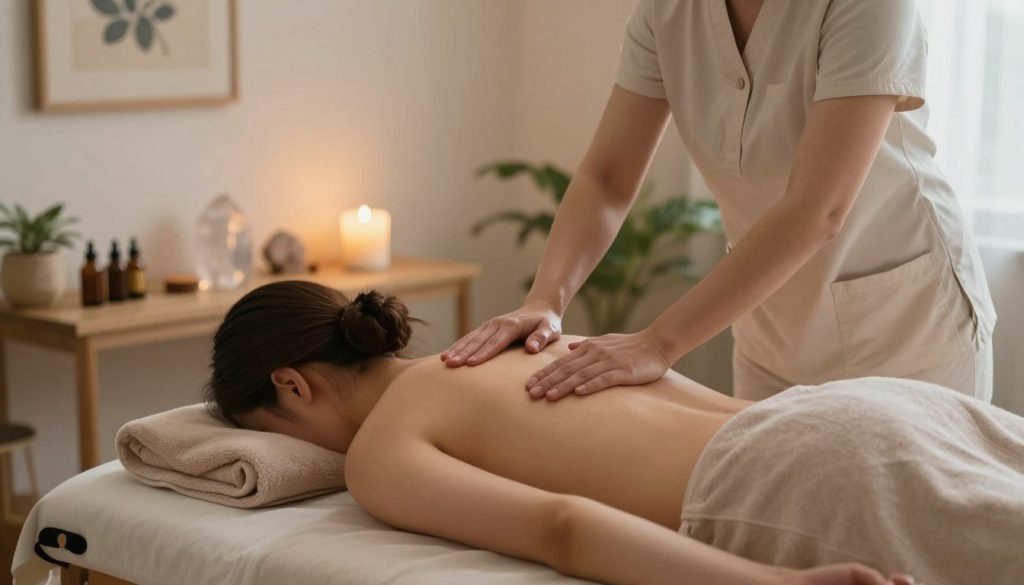
Ever notice how some bodywork sessions create lasting change? Others only bring short-term relief. The difference comes from understanding what happens during your treatment.
Massage therapy promotes relaxation and reduces stress effectively. It supports physical recovery and addresses ongoing discomfort. Knowing what to expect helps you maximize each session’s benefits.
Therapeutic bodywork manipulates muscle layers, fascia, and connective structures. It addresses specific physical concerns directly. This approach targets deeper layers where chronic tension builds up.
Understanding pressure levels and session expectations improves therapist communication. Clear communication leads to better results.
Learning about specialized therapeutic protocols helps you make informed treatment choices. You’ll understand how techniques work on different muscle layers. This knowledge builds confidence and improves outcomes.
Key Takeaways
- Understanding treatment techniques helps you communicate effectively with your therapist and optimize results
- Different pressure levels serve specific purposes, from gentle relaxation to deep tension relief
- Professional bodywork targets muscle layers, fascia, and connective structures to address chronic concerns
- Knowing what to expect during sessions increases your confidence and treatment satisfaction
- Informed clients experience better outcomes by actively participating in their wellness journey
- Preparation and post-session care significantly enhance the therapeutic benefits you receive
What is Tissue Massage and Its Benefits?
Your body’s soft tissues respond well to targeted massage techniques designed for therapeutic healing. This specialized bodywork addresses the complex network of muscles, fascia, and connective structures supporting your daily movement. It goes beyond surface-level relaxation to help with chronic pain, recovery, or preventive care.
How Tissue Manipulation Works
Tissue massage involves systematic manipulation of your muscle tissue through carefully applied hand techniques. Unlike standard relaxation massage, this therapeutic approach targets deeper layers of your muscular and fascial systems. Your therapist works to release accumulated tension and break up adhesions that restrict movement.
The process addresses specific musculoskeletal issues that may cause discomfort or limit your range of motion. Your therapist assesses your individual needs and adjusts their approach accordingly. This personalized method ensures the treatment remains both effective and comfortable throughout your session.
The intensity of connective tissue work can vary significantly based on your therapeutic goals. Some sessions emphasize gentler soft tissue massage techniques to promote circulation and relaxation. Others incorporate deeper connective tissue work to address chronic patterns of tension or injury-related restrictions.
Physical and Mental Advantages
The tissue therapy benefits extend across both physical and psychological dimensions of your health. Regular sessions contribute to reduced muscle tension and enhanced circulation throughout your body. You may also experience improved flexibility in joints and soft tissues.
Significant pain relief is common, along with faster recovery from injuries or intense physical activity. Better postural alignment and increased range of motion directly impact your daily activities. These improvements enhance your overall quality of life.
| Physical Benefits | Mental Benefits | Long-Term Impact |
|---|---|---|
| Reduced muscle tension | Decreased stress levels | Prevention of chronic conditions |
| Enhanced circulation | Improved sleep quality | Sustained wellness maintenance |
| Better flexibility | Lower anxiety levels | Enhanced body awareness |
| Pain relief | Elevated mood | Improved stress management |
The mental and emotional tissue therapy benefits prove equally valuable. You’ll likely notice decreased stress and anxiety as your body releases physical tension. This physical release often manifests as reduced psychological unease.
Many people report improved sleep quality following regular sessions. This enhanced rest contributes to better mood regulation and an overall sense of well-being. The benefits extend well beyond the massage table.
This holistic approach addresses both physical manifestations of stress and psychological components contributing to tension patterns. For individuals in Turkey seeking comprehensive therapeutic approaches, tissue massage offers an integrated pathway to maintain vitality. Regular sessions contribute to long-term wellness strategies that prevent chronic conditions from developing.
Common Techniques Used in Tissue Massage
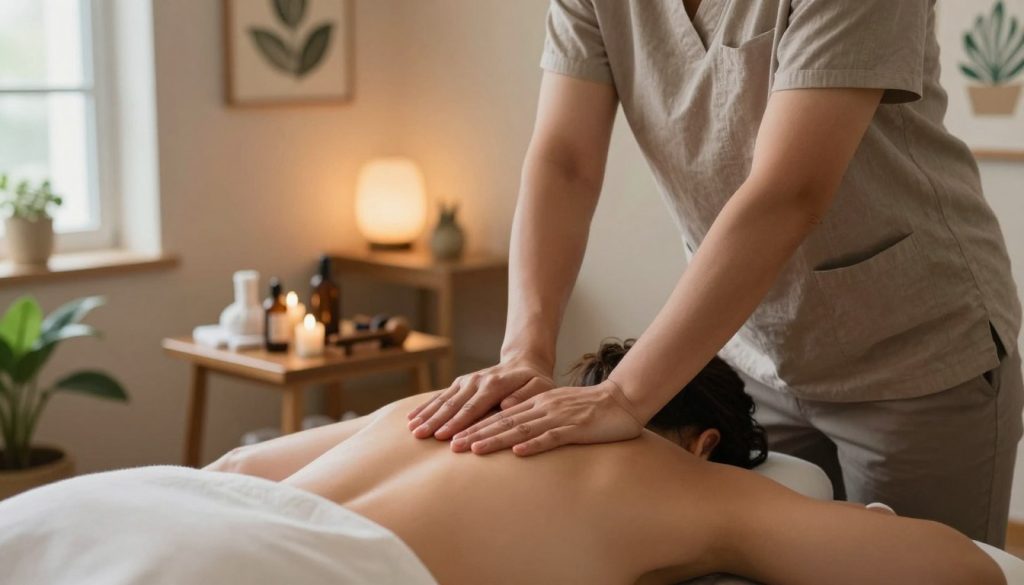
Professional massage therapists utilize various specialized techniques to target different tissue layers. Each method serves a distinct therapeutic purpose, from promoting relaxation to releasing chronic tension patterns. Understanding these approaches helps you communicate effectively with your therapist and set realistic expectations.
The selection of specific techniques depends on your individual needs, pain tolerance, and therapeutic goals. Your therapist may combine multiple methods during a single session to achieve optimal results. This integrated approach addresses both surface-level tension and deeper muscular issues.
Foundational Swedish Methods
Swedish massage forms the cornerstone of most therapeutic massage techniques practiced in Turkey and worldwide. This gentle approach uses five primary movements to warm tissues and increase blood circulation. The techniques prepare your body for deeper work while providing significant relaxation benefits.
Effleurage involves long, gliding strokes that follow the contours of your body. These smooth movements help your therapist assess tissue quality and identify areas requiring focused attention. The rhythmic nature of effleurage also promotes mental relaxation and reduces stress hormones.
Petrissage consists of kneading movements that lift and compress muscle tissue. This technique works particularly well for releasing superficial muscle tension in areas like the shoulders and thighs. The kneading action enhances nutrient delivery to tissues while removing metabolic waste products.
Friction techniques apply circular pressure to specific points, generating heat within muscle fibers. This targeted approach breaks down adhesions and improves tissue pliability. Therapists often use friction to address localized tension spots before transitioning to broader strokes.
Tapotement incorporates rhythmic tapping movements using cupped hands, fingertips, or the edges of the hands. This percussive technique stimulates nerve endings and invigorates tired muscles. The energizing effect makes tapotement particularly useful toward the end of a session.
Vibration involves rapid shaking or trembling movements that penetrate deep into soft tissues. This technique helps release muscle spasms and promotes neurological relaxation. The oscillating pressure creates a soothing effect that complements other Swedish methods.
Advanced Deep Tissue Methods
Deep tissue massage targets the deeper layers of muscle and connective tissue using sustained, focused pressure. Unlike Swedish techniques, these methods address chronic tension patterns and structural imbalances. The approach proves particularly beneficial for individuals recovering from injuries or managing persistent muscular discomfort.
Compression methods form the foundation of deep tissue work, applying perpendicular pressure that gradually sinks into tissue layers. Your therapist uses body weight rather than muscle strength to achieve the necessary depth. This technique allows for sustained pressure without causing excessive discomfort or tissue damage.
The stripping technique involves slow, deliberate strokes along the length of muscle fibers. Therapists typically use their knuckles, thumbs, or elbows to create a spreading effect that separates adhered fibers. This method releases chronic holding patterns and restores normal muscle function over multiple sessions.
Trigger point therapy addresses hyperirritable spots within muscles that create referred pain patterns. Your therapist applies sustained compression for 30 to 90 seconds to reduce tissue hypoxia and break pain cycles. You may experience temporary discomfort during this process, followed by significant relief as the trigger point releases.
Cross-fiber friction works perpendicular to muscle fiber direction to break up scar tissue and adhesions. This technique proves especially effective for treating old injuries that have healed with restricted movement. The mechanical action reorganizes collagen fibers and improves tissue flexibility.
Fascial Release Approaches
Myofascial release focuses on the fascia, the connective tissue web that surrounds and supports every muscle in your body. Restrictions in this tissue contribute to pain, limited mobility, and postural imbalances. Addressing fascial limitations often produces dramatic improvements in movement quality and comfort.
This approach requires patient, sustained pressure that allows fascia to slowly release and reorganize naturally. Unlike forcing through restrictions, myofascial release respects tissue resistance and works with your body’s inherent healing capabilities. Sessions may feel gentle compared to deep tissue massage, yet they produce profound structural changes.
Effective myofascial work demands sensitivity to tissue response and the ability to follow fascial planes as they release. Your therapist may hold positions for several minutes until characteristic softening occurs. This waiting process allows collagen bonds to break down and reform in healthier patterns.
The technique addresses restrictions across multiple body regions rather than focusing solely on symptomatic areas. Fascial connections mean that shoulder pain might originate from pelvic restrictions or vice versa. Comprehensive assessment ensures treatment targets the root cause rather than just symptoms.
| Technique Category | Primary Purpose | Pressure Level | Typical Duration |
|---|---|---|---|
| Swedish Massage | Relaxation and circulation improvement | Light to moderate | 60-90 minutes |
| Deep Tissue Methods | Chronic tension and injury recovery | Moderate to deep | 60-75 minutes |
| Myofascial Release | Fascial restrictions and structural balance | Light to moderate sustained | 45-60 minutes |
| Trigger Point Therapy | Referred pain pattern relief | Deep concentrated | 30-45 minutes |
Understanding these distinct approaches empowers you to request specific techniques that align with your therapeutic needs. Many therapists in Turkey combine multiple methods to create customized treatment plans. Open communication about your preferences and responses ensures you receive the most beneficial session possible.
The Role of Pressure in Tissue Massage
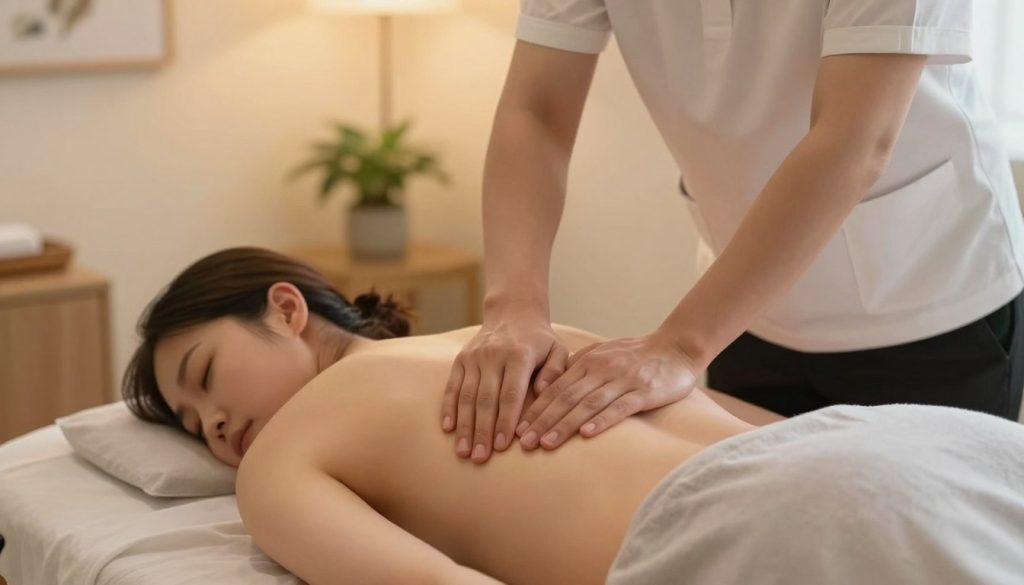
The force applied during tissue massage directly influences your treatment results and overall experience. Pressure serves as the primary tool for therapists to access different tissue layers. Understanding various pressure levels helps you communicate effectively with your practitioner.
Different pressure intensities serve distinct therapeutic purposes in muscle tissue manipulation. Your body contains multiple tissue layers, from superficial skin to deep muscles. Each layer responds differently to varying amounts of force.
Light vs. Deep Pressure
Light pressure works primarily with surface tissues to create relaxation. This gentle approach activates your parasympathetic nervous system, which controls rest and recovery. Your practitioner applies light pressure using flat contact surfaces like palms or forearms.
This superficial technique improves circulation near the skin’s surface and warms tissues gradually. Light pressure rarely causes discomfort and helps you feel safe and relaxed. Many sessions in Turkey begin with lighter techniques to establish trust.
Deep pressure penetrates through superficial layers to reach underlying muscles and connective tissue structures. This focused application uses smaller contact surfaces like thumbs, knuckles, or elbows. The goal involves releasing chronic tension patterns and adhesions within deeper tissue layers.
Deep pressure doesn’t necessarily mean painful pressure. Effective deep work applies sustained, gradual force that allows tissues to release naturally. Your muscles should soften rather than tighten during properly applied therapeutic pressure techniques.
| Pressure Type | Target Tissues | Primary Benefits | Typical Sensation |
|---|---|---|---|
| Light Pressure | Skin, superficial fascia, lymphatic system | Relaxation, circulation improvement, nervous system calming | Gentle, soothing, completely comfortable |
| Moderate Pressure | Intermediate muscle layers, surface adhesions | Tension relief, increased flexibility, stress reduction | Firm but pleasant, mildly intense at times |
| Deep Pressure | Deep muscles, chronic adhesions, dense connective tissue | Chronic pain relief, structural change, mobility restoration | Intense but tolerable, therapeutic discomfort |
| Variable Pressure | Multiple tissue layers throughout session | Comprehensive treatment, customized approach | Changes throughout session based on area |
Adjusting Pressure for Individual Comfort
Your ideal pressure level exists within what therapists call the “therapeutic window.” This concept describes the optimal force range where tissues begin changing without triggering protective muscle guarding. Finding this window requires constant communication between you and your practitioner.
The therapeutic window varies significantly between individuals and even between different body areas. Your shoulders might tolerate deeper pressure application than your lower back, for example. Factors like tissue density, hydration levels, and stress all influence your tolerance.
Graduated pressure represents the gold standard approach in professional muscle tissue manipulation. Your therapist starts with lighter contact to assess tissue quality and your comfort level. As your tissues warm and become more receptive, pressure gradually increases.
This progressive approach respects your body’s protective mechanisms rather than forcing through resistance. Too much force too quickly causes your muscles to contract defensively. Working with your tissue responses creates lasting change without causing bruising or excessive soreness.
Communication remains essential throughout your tissue massage session in Turkey. You should always feel empowered to request more or less pressure as needed. Many clients mistakenly believe that tolerating pain demonstrates strength or produces better results.
Therapeutic discomfort differs fundamentally from harmful pain. Productive pressure might feel intense or create a “good hurt” sensation. However, it should never feel sharp, burning, or unbearable.
Effective massage therapy works with the body’s natural responses, not against them. The right pressure allows tissues to release and change while maintaining your sense of safety and relaxation.
More pressure doesn’t automatically mean better results in therapeutic pressure work. Appropriate, skillfully applied force targeted to your tissue readiness produces optimal outcomes. Your practitioner’s expertise lies in reading tissue responses and adjusting techniques to match your body’s needs.
Preparing for Your Tissue Massage Session
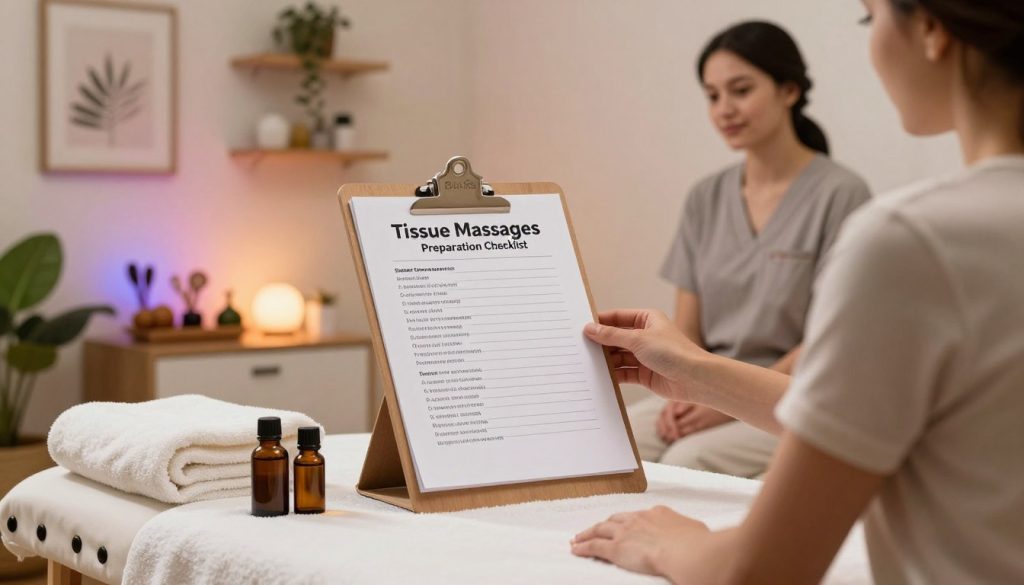
Your tissue massage experience begins well before you arrive at the clinic. Taking time to prepare properly ensures you receive maximum therapeutic benefits. The right preparation creates a foundation for effective treatment.
Arriving at your appointment 10 to 15 minutes early allows you to settle in. This buffer time gives you the opportunity to complete any necessary paperwork. Starting your session feeling calm rather than stressed enhances the overall therapeutic effect.
What to Wear and Bring
Choosing the right clothing for your tissue massage appointment contributes significantly to your comfort. Loose, comfortable clothing makes it easy to change and helps you maintain relaxation. Avoid tight jeans, restrictive waistbands, or complicated outfits that require extra time.
During the actual massage, you will undress to your personal comfort level. Your therapist will provide draping to ensure privacy and warmth throughout the session. The key is selecting clothing that transitions easily without causing stress or discomfort.
Hydration plays a critical role in preparation and recovery. Bring a water bottle to your appointment and drink water before your massage begins. Proper hydration keeps your muscles supple and helps flush out metabolic waste products.
Remove all jewelry, watches, and accessories before your session starts. These items can interfere with massage techniques and create uncomfortable pressure points. Leaving valuables at home or securing them safely eliminates worry during your treatment.
Avoid wearing heavy perfumes, colognes, or scented lotions before your appointment. Your therapist will use specific massage oils or lotions formulated for therapeutic purposes. Strong fragrances can become overwhelming in the enclosed treatment room.
| Item Category | What to Bring | What to Avoid | Purpose |
|---|---|---|---|
| Clothing | Loose, comfortable attire | Tight jeans, restrictive garments | Easy changing and post-session comfort |
| Hydration | Water bottle | Caffeinated or alcoholic beverages | Muscle hydration and toxin elimination |
| Accessories | Minimal personal items | Jewelry, watches, heavy bags | Prevent interference with treatment |
| Personal Care | Clean skin, tied-back hair | Heavy perfumes, makeup | Allow effective oil application |
| Documentation | Health history, medication list | Incomplete information | Enable personalized treatment planning |
If this is your first visit to a massage therapy clinic in Turkey, bring important information. A list of current medications and any relevant health conditions helps your therapist customize treatment. This information ensures you receive care appropriate for your health status.
Communicating Your Needs
Effective communication forms the cornerstone of successful tissue massage outcomes. Your therapist relies on the information you provide to create a tailored treatment plan. Open, honest dialogue during client consultation ensures you receive care that addresses your specific concerns.
Share your complete health history with your therapist. Include past injuries, surgeries, chronic conditions, and any medications you currently take. Mentioning areas of particular pain or tension helps direct treatment to the regions needing attention.
Discuss your previous massage experiences during the client consultation. Explaining what techniques worked well in the past guides your therapist in selecting appropriate methods. Your feedback creates a roadmap for personalized treatment.
Communication is not just about speaking; it’s about creating a partnership between client and therapist that leads to optimal healing outcomes.
Be specific about your therapeutic goals for the session. Whether you seek pain relief, stress reduction, injury recovery, or general maintenance, clearly state your objectives. Different goals require different approaches to massage therapy.
Pressure preference is a crucial topic to address before treatment begins. Some people prefer lighter pressure, while others benefit from deeper work. Let your therapist know your general preference and understand that pressure may need adjustment.
During the massage, continue communicating about your comfort level. Use a simple pain scale from 1 to 10 to describe pressure intensity. A rating of 5 to 7 typically represents therapeutic discomfort that creates beneficial change.
Learn to distinguish between productive therapeutic discomfort and harmful pain. Therapeutic discomfort feels like pressure or stretching that makes you breathe deeply but remains tolerable. Harmful pain feels sharp, burning, or overwhelming and signals your body to protect itself.
Inform your therapist immediately if any area feels too sensitive. Your practitioner can adjust pressure, change techniques, or avoid certain areas entirely. This ongoing dialogue throughout your treatment ensures optimal results.
Remember that effective preparation extends beyond physical items to include mental readiness. Approaching your tissue massage with clear intentions creates the ideal conditions for healing.
What to Expect During a Tissue Massage Session
Your tissue massage unfolds in distinct stages. Each stage maximizes therapeutic benefits and ensures your complete comfort. The treatment session follows a professional structure that addresses your specific needs.
Understanding this process helps you relax fully. You can participate actively in your healing journey. Most facilities in Turkey create soothing atmospheres with dim lighting and calming music.
These elements shift your nervous system from stress mode to healing mode. This happens before the massage therapy even begins.
The Initial Consultation
Your therapist conducts a comprehensive intake conversation before any hands-on work begins. This discussion forms the foundation of your entire treatment session. The therapist asks detailed questions about your medical history and current health conditions.
You’ll discuss specific areas of pain, tension, or discomfort that need attention. The therapist wants to know about your occupation and physical activities. This information reveals patterns that contribute to muscle tension.
Your previous experiences with massage therapy also matter during this consultation. Share what worked well and what didn’t if you’ve had tissue massage before. First-time clients receive extra explanation about what to expect.
The therapist uses all this information to identify any contraindications. Certain health conditions necessitate avoiding specific techniques or body regions. This careful assessment protects your safety and optimizes treatment effectiveness.
This consultation period also gives you the opportunity to ask questions. Building comfort and trust with your therapist enhances the entire therapeutic process. Don’t hesitate to discuss your comfort preferences regarding pressure or draping.
The Massage Process
Your therapist steps out while you prepare for the treatment session. You undress to your comfort level—most people remove clothing down to underwear. You then position yourself on the padded massage table under a clean sheet.
The therapist returns and begins with broader, warming strokes. These initial techniques allow assessment of tissue quality and tension levels. The systematic approach starts with superficial layers before progressing to deeper structures.
Tissue massage follows a logical progression through tissue layers. Your therapist works gradually from surface to depth. This allows each layer to release before accessing what lies beneath.
Throughout the session, continuous palpation guides technical decisions. Your therapist’s trained hands detect subtle changes in tissue texture and temperature. These observations determine which techniques to apply and how much pressure to use.
Various oils or lotions reduce friction and enhance the massage therapy experience. The products used are typically hypoallergenic and suited to different skin types. Mention any allergies or sensitivities during your consultation.
Your feedback remains essential throughout the treatment session. The therapist may ask you to rate pressure intensity or report sensations. Open communication allows real-time adjustments that optimize your experience.
Sometimes the therapist asks you to take deep breaths or adjust your position. These requests enhance treatment effectiveness by engaging the nervous system differently. Following these instructions maximizes the benefits you receive.
This hands-on work naturally complements other wellness practices, including scientifically proven ways to reduce stress with professional that support your overall health goals.
Aftercare Recommendations
As the hands-on portion concludes, your therapist transitions to integration techniques. Gentle rocking or light strokes help your nervous system process the therapeutic process. This integration reduces post-treatment soreness and enhances lasting benefits.
The therapist leaves the room to allow private dressing time. Take your time getting up, as you may feel slightly disoriented. Many facilities offer water immediately after your treatment session to begin hydration.
Proper aftercare significantly enhances your tissue massage benefits and minimizes temporary discomfort. Following these recommendations supports your body’s integration of the changes achieved during treatment:
- Hydration: Drink extra water for 24-48 hours following your session to flush released metabolic waste products from tissues.
- Rest: Allow time for your body to integrate changes rather than immediately engaging in strenuous physical activity.
- Gentle Movement: Light walking or stretching maintains the increased mobility achieved during treatment without overwhelming recovering tissues.
- Temperature Therapy: Apply heat or cold depending on the work performed and your individual response—ask your therapist for specific guidance.
- Mindful Observation: Notice how your body responds over the following days, as benefits often continue developing after the session ends.
Some temporary soreness 24-48 hours post-treatment is completely normal. This sensation resembles post-exercise muscle soreness as tissues adapt to changes. The discomfort typically indicates effective work rather than injury.
Your therapist may offer insights into patterns discovered during treatment. These observations might include areas of particular tension or postural imbalances. Understanding these patterns empowers you to make beneficial adjustments in daily activities.
Many therapists suggest follow-up sessions or at-home practices that extend treatment benefits. Self-care recommendations might include specific stretches or posture corrections. Implementing these suggestions maximizes the value of your massage therapy investment.
By understanding what happens during each phase of your tissue massage experience, you can approach treatment with confidence. This knowledge transforms your treatment session from a passive experience into an empowering partnership. You work with your therapist toward better health.
Finding a Qualified Therapist in Turkey
Finding a qualified massage therapy professional in Turkey requires careful consideration of credentials, experience, and specialized training. Your choice of therapist directly affects the safety and effectiveness of your tissue massage treatment. Taking time to research potential practitioners ensures you receive care from someone with proper qualifications.
The landscape of massage therapy in Turkey includes practitioners with varying levels of training and specialization. Understanding what credentials to look for helps you identify therapists who can provide professional, effective treatment. This knowledge empowers you to make informed decisions about your healthcare.
Credentials to Look For
Professional certification serves as your first indicator of a therapist’s qualifications. Look for practitioners who have completed accredited massage therapy programs with substantial training hours. Most reputable programs require between 500 and 1,000 hours of comprehensive education.
Educational background should include thorough knowledge of human anatomy and physiology. Qualified practitioners understand muscle structure, nervous system function, and how different techniques affect body tissues. This foundational knowledge allows therapists to work safely and effectively.
Specialized training in tissue massage techniques distinguishes experienced practitioners from general massage providers. Deep tissue work and myofascial release require additional education beyond basic massage training. Ask about specific coursework in these modalities.
The competence of a healthcare practitioner is measured not just by their initial training, but by their commitment to continuous learning and adherence to professional standards.
Professional memberships indicate a therapist’s commitment to ethical practice and ongoing education. Membership in recognized massage therapy associations demonstrates dedication to maintaining current knowledge. These organizations often require members to complete continuing education credits annually.
Insurance and safety protocols matter significantly for your protection. Qualified practitioners maintain professional liability insurance and follow strict hygiene standards. Their practice environment should be clean, well-maintained, and equipped with proper massage tables.
| Qualification Category | What to Verify | Why It Matters |
|---|---|---|
| Educational Training | 500-1,000 hours from accredited program | Ensures comprehensive knowledge of anatomy and techniques |
| Specialized Certification | Advanced training in tissue massage and deep tissue methods | Confirms expertise in specific therapeutic approaches |
| Professional Membership | Active standing with recognized massage therapy associations | Demonstrates commitment to ethical standards and continuing education |
| Practical Experience | Minimum 2-3 years treating various conditions | Provides confidence in handling diverse client needs |
| Insurance Coverage | Current professional liability insurance | Protects both client and practitioner in case of complications |
Questions to Ask Before Booking
Asking the right questions helps you assess whether a therapist meets your needs. A confident, qualified practitioner welcomes inquiries about their background and approach. These conversations establish whether you’ll work well together during treatment.
Start by inquiring about training and certification background. Ask specifically about the length and type of their educational program. Request information about any specialized training in deep tissue or myofascial techniques.
Experience level provides insight into a therapist’s capability. Find out how long they’ve been practicing massage therapy and what conditions they commonly treat. Practitioners with several years of experience typically handle a wider range of issues more effectively.
Understanding their treatment approach helps set appropriate expectations. Ask about their philosophy regarding pressure application and client comfort. Inquire how they modify treatments for different individual needs.
Consider these essential questions when evaluating potential practitioners:
- What is your specific training in tissue massage techniques?
- How many years have you been practicing professionally?
- Do you have experience treating my particular condition or concern?
- What is your approach to adjusting pressure during sessions?
- How do you communicate with clients about comfort levels?
- What should I expect during my first session with you?
- Do you collaborate with other healthcare providers when necessary?
- What is your cancellation and rescheduling policy?
- Can you provide references or testimonials from previous clients?
Language preferences matter, especially in Turkey’s diverse cultural landscape. If you’re more comfortable communicating in Turkish or another language, confirm the therapist’s fluency. Clear communication ensures you can accurately describe your needs.
Cultural sensitivity enhances your comfort during treatment. Some practitioners offer same-gender therapist options or accommodate specific cultural preferences. Discussing these considerations upfront prevents potential discomfort during your session.
Professional policies deserve attention before you commit. Understand their cancellation requirements, payment methods, and session pricing. Ask whether they offer package rates for multiple sessions if you’re planning ongoing treatment.
The therapist’s willingness to answer questions thoroughly reflects their professionalism. Practitioners who provide detailed, patient responses demonstrate respect for informed client decision-making. This initial interaction often predicts the quality of care you’ll receive.
Finding qualified practitioners in Turkey becomes easier when you know what credentials matter. This careful selection process ensures you receive safe, effective tissue massage from professionals committed to your success.
Frequency and Duration of Tissue Massage Sessions
Finding the right length and frequency for tissue massage appointments is crucial. Your treatment plan should match your specific condition and goals. Understanding session duration and treatment frequency helps maximize massage therapy benefits.
Choosing the Right Session Length
Standard tissue massage sessions range from 30 to 120 minutes. Each duration serves different therapeutic purposes. The most common option is 60 minutes for multiple areas.
Shorter 30-minute sessions focus on specific problem areas. These targeted appointments deliver concentrated relief with time constraints. Deep tissue work needs sufficient time to penetrate muscle layers gradually.
Extended sessions of 90 to 120 minutes allow comprehensive work. These longer appointments prove beneficial for complex conditions. Your first session may require additional time for consultation and assessment.
| Session Duration | Best Applications | Treatment Coverage | Cost Considerations |
|---|---|---|---|
| 30 Minutes | Focused area work, maintenance between longer sessions | Single specific area | Most budget-friendly option |
| 60 Minutes | Multiple areas, full-body relaxation, standard treatment | Full body or 2-3 problem areas | Best value for comprehensive care |
| 90 Minutes | Intensive work, chronic conditions, athletic recovery | Extended full body or multiple problem areas | Higher investment with deeper results |
| 120 Minutes | Complex conditions, combined techniques, therapeutic programs | Comprehensive treatment with multiple modalities | Premium sessions for serious conditions |
Several factors influence the appropriate session duration for your needs. Consider the number and size of areas requiring attention. Larger treatment areas naturally require more time for proper work.
The depth of work matters significantly for session planning. Working through fascial layers gradually takes more time than surface techniques. Your treatment goals also guide duration choices for best results.
Individual tolerance for table time and deep pressure varies greatly. Some people prefer shorter, more frequent sessions over extended appointments. Quality matters more than quantity for achieving lasting therapeutic results.
Establishing Your Treatment Schedule
Optimal treatment frequency depends on your specific condition and goals. Most people benefit from different scheduling approaches over time. Understanding general guidelines helps you develop an effective plan.
For acute injury recovery, start with one to two sessions weekly. This intensive approach allows your body to respond to treatment effectively. As improvement occurs, you can gradually reduce treatment frequency.
Chronic tension typically responds well to weekly or bi-weekly sessions. This moderate frequency maintains therapeutic momentum without overwhelming your schedule. Many people find this rhythm sustainable for long-term management.
Consider these frequency guidelines based on common goals:
- Stress management and general wellness: Every 2-4 weeks for maintenance and prevention
- Athletic performance and recovery: Weekly sessions or as needed around training and competition schedules
- Prevention and health maintenance: Monthly appointments to address developing tension before problems escalate
- Post-surgery rehabilitation: Follow your healthcare provider’s recommendations, typically starting weekly
Treatment frequency typically decreases as your condition improves. You begin with more frequent sessions to create initial change. Eventually, you transition to maintenance scheduling that fits your lifestyle.
Consistency produces better long-term results than sporadic intensive treatment periods. Regular sessions maintain therapeutic progress more effectively. Your body responds better to steady, predictable input.
Strategic, less frequent sessions combined with self-care practices can still provide significant benefits when budget considerations limit appointment frequency.
Budget-realistic planning matters for sustainable treatment success. Discuss your financial parameters openly with your therapist. Many practitioners in Turkey offer package pricing for regular appointments.
These guidelines represent starting points rather than rigid rules. Your individual needs vary based on condition severity and health status. Activity levels, daily stress, and body response influence optimal frequency.
Working closely with your massage therapist ensures proper alignment with goals. Your practitioner can adjust recommendations based on assessment findings. This collaborative approach creates sustainable treatment plans that deliver meaningful improvements.
Conclusion: Enhancing Your Experience with Tissue Massage
Your journey with tissue massage extends beyond the treatment table. Understanding how to maximize each session creates lasting therapeutic outcomes. Daily practices help maintain results for your body and mind.
Practical Strategies for Better Results
Stay hydrated before and after your appointments. Water helps flush metabolic waste released during connective tissue massage. It also keeps muscles receptive to treatment.
Communicate openly with your therapist about pressure levels and areas of concern. Your feedback guides the session effectively. This ensures trigger point therapy addresses your specific needs.
Arrive early to relax before your session starts. Rushing increases tension in your body. This reduces the tissue massage benefits you’ll experience.
Keep a simple log of your symptoms and improvements. This tracking helps you notice patterns over time. Discuss progress with your therapist during future visits.
Building Consistent Self-Care Habits
Practice gentle stretching between professional sessions. Your therapist can recommend specific movements for you. These complement your treatment plan perfectly.
Pay attention to your posture throughout the day. Small adjustments in how you sit matter. Proper standing position prevents tension from building up again.
Use foam rollers or massage balls for maintenance work at home. These tools extend your professional care between appointments. They help maintain the benefits you’ve gained.
Schedule regular sessions rather than waiting until pain becomes severe. Consistency produces better long-term results. This approach works better than sporadic treatment.
Your active participation in care determines your success. Combining professional tissue massage with mindful daily practices creates positive change. This foundation improves movement, reduces discomfort, and enhances quality of life.