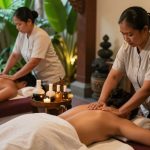
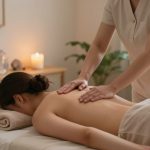
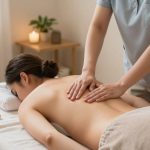
Have you recently canceled a wellness appointment because your schedule was too packed? Many people face this same challenge daily.
Professional massage therapy has changed to fit modern life better. In-home massage services now help busy professionals, executives, and parents get care without losing time or privacy.
Moving from spa visits to massage homes means more than just convenience. Turkish residents in Istanbul, Ankara, and Izmir now value both quality and flexibility in their wellness routines.
This guide covers three important areas for home massage success. You’ll learn how to prepare your space, keep proper boundaries, and get spa-quality service at home.
Maybe you’re a busy CEO managing tight schedules. Perhaps you’re a parent juggling household tasks. Or you might simply want regular therapeutic care without the hassle.
Choosing in-home massage services doesn’t mean lowering your standards. It means making your wellness routine work better while keeping things professional, clean, and effective.
Key Takeaways
Home massage services have grown significantly in Turkish metropolitan areas over the past decade
Proper preparation ensures your space meets professional standards for therapeutic treatment
Privacy boundaries protect both clients and therapists during in-home sessions
Service quality can match or exceed traditional spa experiences when providers are properly vetted
Time savings and convenience make home-based therapy ideal for busy professionals and parents
Understanding preparation, privacy, and quality standards empowers you to make informed decisions
Understanding the Benefits of Massage at Home
Bringing professional massage therapy into your home offers advantages that extend far beyond simple convenience. The decision to choose home wellness services represents a strategic approach to personal wellness. From eliminating stressful commutes through Istanbul traffic to creating a fully personalized therapeutic environment, these services transform your experience.
Turkish professionals and families increasingly recognize that where you receive treatment matters as much as the treatment itself. Your home environment provides unique opportunities for deeper relaxation and better therapeutic outcomes. Understanding these specific benefits and types of in-home massage helps you make informed decisions about your wellness routine.
Convenience and Comfort
The time savings from at-home spa treatments dramatically change your massage experience. A typical spa visit in Ankara or Istanbul requires 90 minutes to 2 hours of total time investment. You drive through traffic, search for parking, wait in reception areas, and then reverse the entire process.
Home sessions eliminate every minute of this wasted time. Your 60-minute massage requires exactly 60 minutes of your day.
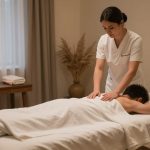
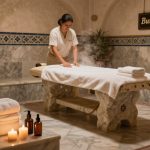
Your therapist arrives with all necessary equipment and transforms your chosen space into a professional treatment area. You remain in your comfortable clothing until the moment your session begins. There’s no exposure to unfamiliar changing rooms or shared facilities.
The post-massage period offers perhaps the greatest advantage. What you do immediately after treatment significantly affects the therapeutic benefits you receive. In your own home, you can:
Go directly to bed for a restorative nap
Use your own bathroom facilities steps away
Remain in your robe without time pressure
Continue relaxation without disruption
Avoid re-engaging with stressful traffic or crowds
This immediate access to rest extends the therapeutic value of your treatment. Many clients report better sleep quality when they can transition seamlessly from massage to rest.
Personalization of Services
Home wellness services provide unprecedented control over your treatment environment. Commercial spas operate on standardized settings that accommodate broad customer preferences. Your home allows complete customization.
You select the ambient temperature that makes you most comfortable. Turkish homes vary in climate control preferences, and your therapist adapts to your setting. You choose your preferred background music or complete silence.
Aromatherapy selections become truly personal rather than limited to spa inventory. If you have sensitivities to certain scents or strong preferences for specific essential oils, you provide these yourself. The lighting adjusts to your comfort level, whether you prefer natural daylight, soft lamp glow, or complete darkness.
Privacy during consultation proves invaluable for discussing sensitive health concerns. Without other clients in waiting areas or staff interruptions, you communicate freely about your specific needs. This detailed conversation leads to more targeted, effective treatment.
Cost-Effectiveness
At-home spa treatments present compelling financial advantages when you calculate total costs honestly. While per-session rates may appear similar to commercial spa pricing, your complete investment changes dramatically.
Consider these hidden costs of spa visits:
Transportation expenses (fuel, parking fees, or taxi fares)
Time value (your hourly professional rate multiplied by travel time)
Potential childcare arrangements
Meals or snacks purchased during extended outings
For Istanbul professionals whose time carries significant value, two hours of commuting and waiting represents substantial opportunity cost. Home sessions eliminate this entirely. Your productivity or rest time remains uninterrupted except for your chosen treatment duration.
Turkish families gain additional value when multiple household members receive treatment during a single therapist visit. Both partners can schedule back-to-back sessions without arranging childcare or leaving home unattended. This consolidation maximizes the service call value while maintaining your family’s routine and security.
The absence of gratuity pressure and incidental spa purchases further reduces total expenditure. You pay for professional massage therapy without the peripheral costs that accumulate during commercial spa experiences.
Preparing Your Space for a Home Massage
Your home has everything you need for a successful house call massage. You just need to make a few simple adjustments. The transformation process takes minutes, not hours.
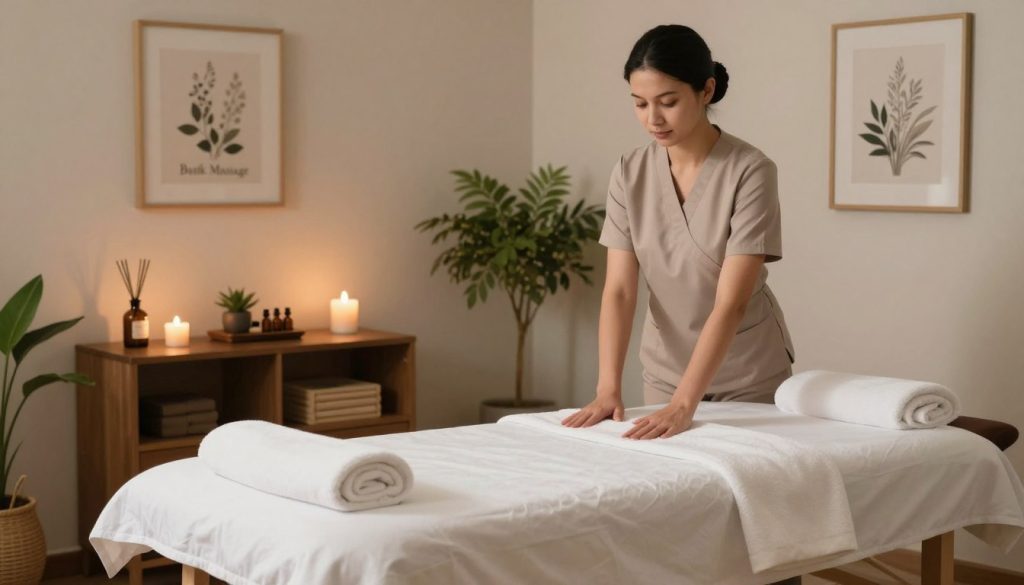
Professional therapists bring portable equipment, fresh linens, and all necessary supplies. Your role is creating an environment that enhances relaxation. Any room in your home can become a temporary wellness sanctuary.
Creating the Right Atmosphere
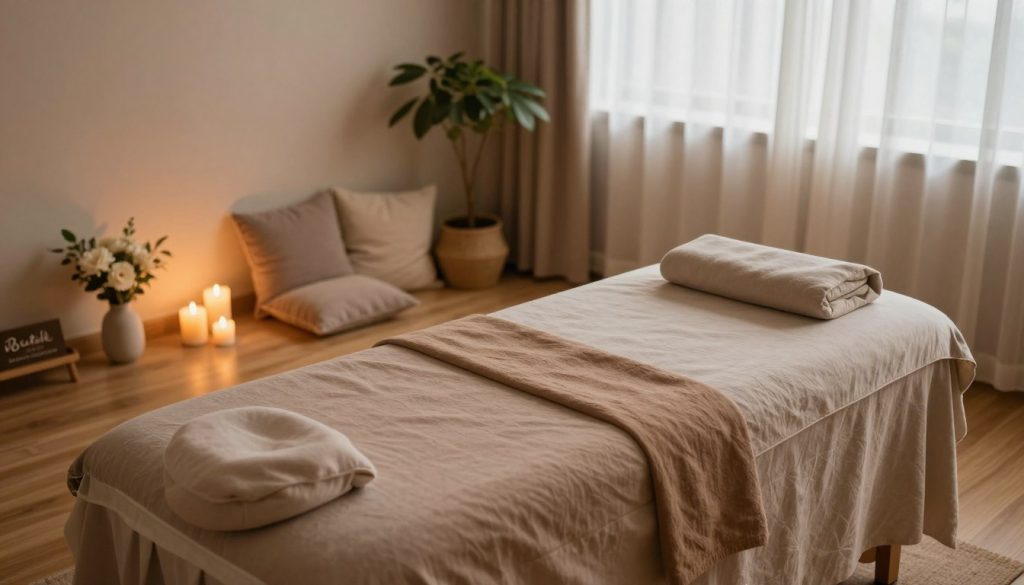
Selecting the right room makes a big difference in your massage experience. Bedrooms offer natural privacy and convenient access to rest afterward. Living rooms provide more floor space and easier furniture rearrangement.
The space requirements are surprisingly modest. A standard massage table needs about 6 feet by 3 feet of floor space. Adding room for the therapist brings the total to 8 feet by 6 feet.
Lighting plays a crucial role in establishing a calming environment. Soft, dimmable lights help your body transition into relaxation mode naturally. Table lamps or drawn curtains create similar effects during daytime sessions.
Temperature control deserves careful attention. Most people prefer rooms slightly warmer than usual since you’ll remain stationary with minimal clothing. A temperature range of 72-76°F works well for most clients.
Minimizing external noise completes the atmospheric preparation. Silence mobile phones and inform household members of your scheduled session time. Close windows if street noise intrudes.
Essential Items to Have on Hand
Professional therapists bring their own supplies, but having certain items available demonstrates hospitality. The following checklist ensures you’re fully prepared for your session.
Fresh towels available as backups, though therapists provide their own linens
Drinking water at room temperature for post-massage hydration needs
Cleared floor space measuring at least 8 feet by 6 feet
Tissue boxes placed within easy reach
Clear, unobstructed bathroom access for therapist hand-washing and client use
Removable rugs or floor mats if the massage space has hard flooring
Optional aromatherapy diffuser if you have scent preferences (coordinate with therapist first)
Furniture removal should happen before the therapist arrives. Coffee tables, floor lamps, and decorative items need temporary relocation. This preparation saves time and allows your session to begin promptly.
For clients who wear contact lenses or glasses, have a safe storage spot nearby. A small side table serves this purpose perfectly.
Room Type
Advantages
Considerations
Best For
Bedroom
Maximum privacy, immediate rest access, familiar environment
May require moving furniture, personal items visible
Separate from daily activities, neutral space, minimal furniture
May lack personal comfort items, temperature control varies
Regular sessions, professional boundaries
Home Office
Quiet location, usually has door for privacy, limited distractions
Smaller space constraints, work associations may hinder relaxation
Short sessions, quick stress relief
Safety and Hygiene Considerations
Reputable residential massage therapy services maintain hygiene standards that often exceed traditional spa facilities. Professional therapists arrive with sanitized portable tables and sealed fresh linens. Each item remains packaged until your session begins.
The hygiene advantage of home massage becomes clear with shared facilities. Unlike spas where multiple strangers use the same rooms throughout the day, your home stays under your control. You know exactly who has been in your space.
Before booking any service, verify that your provider conducts thorough background checks. Licensed professionals should carry liability insurance that protects both parties. Request proof of credentials and insurance certificates if not automatically provided.
Pet owners should secure animals in separate rooms unless you’ve confirmed your therapist’s comfort level. Even friendly pets can disrupt the relaxation process or cause allergies.
Normal household cleanliness suffices—you don’t need hospital-grade sterilization. A tidy, vacuumed room with clean surfaces meets all requirements. The therapist brings all equipment that contacts your skin.
For clients in Turkish homes, particularly those in traditional settings, additional cultural considerations may apply. Some families prefer preparing a separate entrance route for service providers. Others may want to ensure that certain areas remain off-limits during the appointment.
Modesty considerations deserve open communication with your therapist before the session begins. Professional therapists respect cultural preferences regarding draping techniques and room privacy. Discussing these preferences during booking prevents any discomfort during your massage.
Professional home massage therapists follow strict protocols that include bringing fresh linens for each appointment and sanitizing equipment between clients, creating a hygienic environment that rivals or exceeds commercial spa standards.
Emergency preparedness adds another safety layer. Keep your phone nearby on silent in case unexpected situations arise. Ensure that another household member knows you have an appointment scheduled.
Finally, trust your instincts. If anything feels uncomfortable or unprofessional, you have every right to pause or end the appointment. Reputable services support client autonomy and prioritize your comfort above all else.
Choosing a Professional Massage Therapist
Selecting on-site massage professionals involves more than booking an appointment. It requires thorough vetting of their training, certification, and practical skills. Your safety and comfort depend on hiring qualified mobile massage therapists.
In Turkey, the home massage industry continues to grow. Distinguishing between legitimate professionals and unqualified practitioners becomes essential. This protects you and ensures a therapeutic experience.
The right therapist brings technical expertise and professional equipment. They also maintain hygiene protocols and liability coverage. Reputable providers conduct background checks before allowing therapists onto their platforms.
This screening process protects you from potential risks. It ensures you receive genuine therapeutic value from your investment.
Qualifications and Experience
Professional massage therapy requires extensive training beyond basic technique. Look for therapists who completed comprehensive certification programs. These programs typically require a minimum of 500 training hours.
Verify that your therapist holds current certification from reputable organizations. In Turkey, international certifications carry significant weight. Credentials from established local training institutions also matter.
Many excellent mobile massage therapists previously worked at high-end spas. They also gained experience at wellness centers or medical facilities. This background prepared them before transitioning to private practice.
Ask about their practical experience beyond initial training. A therapist who practiced for several years develops refined skills. They gain professional judgment and adapt techniques to individual client needs.
Insurance coverage demonstrates professionalism and protects both you and the therapist. Legitimate practitioners carry liability insurance that covers potential accidents. Request proof of insurance before your first appointment.
Check whether the therapist maintains required business permits or local licenses. Professional therapists comply with all applicable requirements. This attention to legal details reflects their commitment to accountability.
Questions to Ask Before Hiring
Conducting a brief interview before booking helps assess professional standards. Start by inquiring about their training background and specific certifications. Ask them to describe their education and continuing education pursuits.
Request information about their practical experience. How long have they been practicing? Full-time practitioners typically have more refined skills and stay current.
Ask whether they have institutional experience at spas or wellness centers. This background indicates they met rigorous professional standards.
Clarify what equipment and supplies they bring versus what you provide. Professional on-site massage professionals arrive with everything necessary. This includes a portable massage table, fresh linens, and quality massage oils.
You should only need to provide space. You may also adjust lighting or temperature.
Discuss your specific needs, health concerns, or therapeutic goals. Ask whether they have experience addressing similar issues. A qualified therapist will ask detailed questions about your health history.
They should clearly communicate if your needs fall outside their expertise.
Confirm their rates, travel fees, and cancellation policy. Transparent pricing indicates professionalism. Suspiciously low rates often signal inadequate training or experience.
Ask about their scheduling flexibility. Find out whether you can request them specifically for future appointments.
For clients in Turkey, inquire about language fluency. This ensures comfortable communication throughout your session. Ask whether they have experience serving clients with specific cultural preferences.
Understanding Specializations
Massage therapy encompasses numerous techniques designed for different purposes. Understanding these specializations helps match your specific needs with the right therapist. Not all massage therapists practice all modalities.
Swedish massage focuses on relaxation through gentle, flowing strokes. This approach reduces stress and promotes overall wellness. It suits clients seeking general relaxation or stress relief.
Deep tissue massage applies stronger pressure to address chronic muscle tension. It targets pain and restricted movement patterns.
Sports massage serves athletes and physically active individuals. It enhances performance, prevents injuries, and supports recovery. Therapists specializing in sports massage understand biomechanics and target specific muscle groups.
Prenatal massage offers safe, comfortable treatment for expecting mothers. It addresses the unique physical changes and discomforts of pregnancy.
Therapeutic massage encompasses techniques designed to address specific medical conditions. These therapists work under healthcare provider guidance. They can provide targeted treatment that complements your overall healthcare plan.
Clients with diagnosed conditions or rehabilitation needs
Treatment protocols, collaboration with healthcare providers
Many skilled therapists offer multiple modalities. They customize each session based on your immediate needs. However, therapists often develop particular expertise in one or two areas.
Matching your primary objectives with their core specializations ensures effective treatment.
Ask potential therapists to describe their specialization areas. Find out what percentage of their practice focuses on each modality. A therapist who dedicates most of their practice to your need brings deeper knowledge.
Ensuring Your Privacy During the Massage
Home massage offers complete privacy, but you must set clear expectations from the start. Unlike spas, your home gives you total control over who enters and when. This privacy means no check-ins, no waiting room conversations, and no worries about being seen.
For many professionals in Turkey’s business communities, anonymity matters greatly. You don’t need to look “spa-ready” during private massage sessions. Your comfort comes from controlling your environment completely.
Your wellness practices remain entirely confidential in your own space.
Communicating Clear Boundaries Before and During Treatment
Setting boundaries with your massage therapist starts before the appointment day. Clear communication prevents misunderstandings between both parties. Everyone understands expectations completely this way.
Professional therapists appreciate when clients state their preferences directly. This openness creates better therapeutic relationships. It also leads to more effective treatment outcomes.
Professional boundaries protect both the client and the therapist, creating a safe environment where healing can occur without concern or discomfort.
Before your massage therapist arrives, communicate these essential boundary points:
Specify who will be present in your home during the session
Indicate your preference regarding conversation—silence for meditation or light discussion
Clarify your comfort level with draping and exposure
Confirm that you’ll speak immediately if pressure feels wrong
Understand that you can end the session anytime
During the session, reputable therapists maintain strict professional conduct automatically. They focus exclusively on therapeutic work. They avoid personal questions beyond health-relevant information.
Professional demeanor and appropriate language remain constant throughout. These questions to ask each potential therapist help them understand your needs while respecting boundaries.
Remember that this is your home and your session. You have complete authority to enforce your boundaries. No explanation or apology needed.
Protecting Personal Information and Health Data
Confidentiality represents a cornerstone of professional massage practice. Reputable massage services treat your personal information like medical professionals do. Your health information, service details, address, and personal details remain completely private.
No information gets shared without your explicit consent.
Privacy Aspect
What’s Protected
Your Rights
Health Information
Medical conditions, injuries, treatment history, medications
Request how data is stored and who accesses it
Personal Identity
Name, address, contact details, appointment records
Ask about data retention policies and deletion options
Service Details
Frequency of visits, types of massage received, payment information
Confirm no third-party sharing without consent
Conversations
Personal discussions during consultations or treatment
Expect professional discretion and confidentiality
If you have specific privacy concerns, discuss them before booking. Public figures and professionals who value discretion should communicate these needs upfront. Ask what information the service stores and how they protect it.
Legitimate businesses will answer these questions transparently. They demonstrate robust privacy practices.
For clients in Turkey, cultural considerations around privacy carry particular significance. If you prefer a specific gender therapist, communicate this when scheduling. If certain body areas must remain untouched, state this clearly.
Reputable services accommodate reasonable requests and match you with appropriate therapists. These therapists respect both professional standards and your personal values. Your cultural and religious practices deserve complete respect during private massage sessions.
Professional therapists understand that privacy concerns are legitimate and expected. They build their practices on trust and discretion. Respect for client confidentiality guides every interaction.
Questions About Service Quality
Quality assurance in personalized home massage care starts with knowing what to expect from your therapist. You deserve the same professional excellence at home that you’d receive at a premium spa. Understanding how to evaluate your service helps you make informed decisions.
Home massage therapists receive the same training as spa-based professionals. Many practitioners offering mobile massage services previously worked at high-end wellness centers. Your home experience should match spa quality in every way.
Assessing Technique Effectiveness
You don’t need massage expertise to recognize effective technique. The most important indicator is whether you’re experiencing the results you requested. If you sought relaxation, you should feel noticeably calmer and less tense afterward.
Pay attention to how your therapist responds to your feedback. Skilled practitioners adjust pressure based on what you tell them. This responsive modification demonstrates both technical ability and attentiveness to your unique needs.
Quality massage technique involves smooth, confident strokes rather than hesitant movements. Your therapist should transition seamlessly between body areas without awkward pauses. They should demonstrate anatomical knowledge by accurately locating the muscle groups you’ve mentioned.
Professional therapists check in periodically about your comfort level. These check-ins shouldn’t interrupt your relaxation excessively. A simple “Is this pressure okay?” at key moments shows proper technique assessment.
After your session, quality massage should leave you feeling relaxed but not bruised, loose but not injured, and energized rather than depleted.
If you experience unusual pain, extensive bruising, or feel worse after massage, this indicates problems. Either the technique was inappropriate, or deep tissue work was too aggressive for your condition. Your body’s response tells you everything about service quality.
Professional Conduct Indicators
Professionalism in personalized home massage care extends beyond technical skill to overall conduct. Your therapist should arrive punctually, within a few minutes of your scheduled time. Professional equipment in good condition is non-negotiable.
Appropriate attire matters significantly. Your therapist should wear clean, professional clothing that reflects their role. Clear communication about what to expect during your session establishes trust from the start.
Proper draping and boundary maintenance throughout your massage demonstrates professional training. Your therapist should respect your time by starting and ending as scheduled. Payment handling should be professional, with clear invoicing if applicable.
Knowledge demonstration is another key indicator. Professional therapists ask relevant health history questions before beginning. They explain what they’re doing if you ask.
Post-massage care recommendations show they’re invested in your ongoing wellness.
Quality Indicator
Professional Standard
Red Flag
Arrival Time
Within 5 minutes of scheduled time with advance notice if delayed
Significantly late without communication or explanation
Equipment Condition
Professional portable table, clean linens, quality oils in good condition
Worn or dirty equipment, missing essential supplies
Communication Style
Clear explanations, appropriate check-ins, professional boundaries
Inappropriate personal comments, excessive conversation, boundary violations
Health Assessment
Asks relevant medical history questions, notes contraindications
Skips health screening, seems unfamiliar with basic precautions
Session Management
Starts and ends on time, follows agreed treatment plan
Rushes through session or extends unnecessarily, pressures for future bookings
Background-checked therapists with verified credentials provide an additional safety layer. Reputable platforms ensure their practitioners meet professional standards. This verification process protects your wellbeing and guarantees service quality.
Addressing Concerns Constructively
Speaking up during your session is completely appropriate when something feels uncomfortable. Professional therapists welcome this feedback and will adjust immediately. Your comfort and satisfaction are their primary concerns.
If you’re dissatisfied after your session, contact the service platform or therapist directly. Provide specific, factual feedback about what didn’t meet your expectations. Saying “the pressure was too light” is more helpful than “I didn’t like it.”
Reputable services take complaints seriously and typically offer remedies. These might include partial refunds, complimentary future sessions, or matching you with a different therapist. Quality-focused platforms view feedback as an opportunity to improve.
Document any serious concerns, especially boundary violations. Report these issues to both the platform and relevant professional organizations. Your report protects other clients and maintains industry standards.
For Turkish clients using local services, don’t hesitate to provide feedback in your preferred language. You should expect responsive customer service that takes your concerns seriously. Cultural sensitivity and language accessibility are marks of quality service providers.
Clear cancellation policies protect both you and your therapist. Understanding these policies before booking prevents misunderstandings. Professional services outline their policies transparently during the booking process.
Quality varies significantly between providers. Choosing platforms that verify therapist credentials, provide ratings and reviews, and maintain clear standards ensures better experiences. Avoid unverified listings or suspiciously cheap options that may compromise your safety and satisfaction.
Scheduling and Timing for Optimal Relaxation
Strategic in-home massage scheduling transforms a simple appointment into a powerful wellness practice. The flexibility of receiving massage therapy at home removes constraints that traditional spa hours impose. You gain control over when and how you integrate therapeutic touch into your day.
Timing your session properly amplifies the benefits you receive. Your body needs specific conditions after treatment to maximize recovery and stress relief. Home massage appointments provide the ideal environment to maintain that peaceful state.
Best Windows Throughout Your Day
The time you choose for your massage session directly influences its therapeutic benefits. Different windows throughout your day offer unique advantages depending on your goals. Understanding these options helps you select timing that aligns with your wellness objectives.
Early morning sessions before your workday begins set a positive tone for everything that follows. You start centered and focused, particularly valuable before important meetings or high-pressure days. Your muscles are fresh, and the relaxation carries forward through your morning activities.
Mid-morning appointments work exceptionally well for professionals with flexible schedules or those who work from home. These sessions provide a rejuvenating break that enhances afternoon productivity. Home massage appointments during this window become practical when the therapist comes to you.
Lunch-hour sessions offer a true midday reset without travel time eating into your break. You can receive treatment, refresh yourself, and return to work feeling renewed. This timing proves especially valuable for managing stress that accumulates during the first half of your workday.
Late afternoon or early evening sessions help you transition from professional to personal time. Receiving massage between 5 PM and 7 PM releases tension accumulated throughout the day. You shed work stress and prepare mentally for quality evening time.
Evening sessions between 7 PM and 9 PM may deliver the greatest overall benefits. You can move directly into your nighttime routine afterward, potentially improving sleep quality significantly. Your body enters rest mode naturally, and you avoid any post-massage stimulation or stress.
Weekend mornings offer luxury without time pressure, while weekend evenings prepare you for the week ahead. Consider your personal tension patterns when scheduling. If you carry the most stress in evenings, book appointments then to address accumulated tension directly.
For Turkish professionals managing demanding schedules in cities like Istanbul, home massage appointments provide genuine relief. Traffic creates unpredictable delays that make spa visits difficult. Very early or quite late sessions become practical options that traditional spas cannot accommodate.
Choosing the Right Session Length
The duration you select for your massage treatment determines how comprehensively the therapist can address your needs. Different session lengths serve different purposes and therapeutic goals. Matching duration to your specific situation ensures you receive appropriate treatment without overpaying.
Standard 60-minute sessions provide sufficient time for general relaxation or focusing on two to three problem areas. Your therapist can thoroughly address your neck, shoulders, and back in this timeframe. This duration works well for regular maintenance appointments and fits most schedules comfortably.
Sessions lasting 75 minutes allow more thorough full-body treatment with extra attention to problem areas. You receive comprehensive coverage without the therapist rushing through any region. This length strikes an excellent balance between thoroughness and time commitment.
The 90-minute session delivers complete full-body massage with adequate time to address multiple concerns using varied techniques. Your therapist can incorporate aromatherapy elements or spend extended time on chronic tension areas. This duration proves ideal when you carry stress in many locations.
Luxury 120-minute sessions provide space for combining multiple massage modalities and deep therapeutic work. These extended appointments suit special occasions, recovery from significant physical events, or times when you need comprehensive restoration. The per-minute cost often becomes more economical at this length despite the higher total price.
Session Length
Best Used For
Coverage Area
Ideal Frequency
60 Minutes
Regular maintenance, targeted relief
2-3 specific body regions
Weekly or bi-weekly
75 Minutes
Full-body relaxation with focus areas
Complete body with emphasis zones
Bi-weekly or monthly
90 Minutes
Comprehensive treatment, multiple concerns
Full body plus detailed work
Monthly or as needed
120 Minutes
Deep therapeutic work, special recovery
Complete body with multiple modalities
Quarterly or special occasions
First-time clients benefit from starting with 60-minute sessions to gauge their personal response to massage therapy. You can always extend future appointments once you understand how your body reacts. This approach builds comfort gradually without overcommitting to longer, more intensive sessions initially.
Factor in your post-massage schedule when selecting duration for in-home massage scheduling. If you can truly rest afterward with no obligations, longer sessions deliver compounding benefits as relaxation deepens. If you must immediately resume activities, shorter focused sessions prove more practical.
The period following your massage matters as much as the session itself for maximizing therapeutic benefits. Your body needs rest, hydration, warmth, and ideally sleep within a few hours to optimize recovery. Home massage provides the perfect environment to honor these needs.
Block time to rest after your massage appointment rather than scheduling immediate activities. This practice transforms treatment from an isolated event into an integrated wellness ritual that delivers lasting benefits.
Turkish clients should also consider cultural factors when planning session length. If you prefer building rapport with your therapist gradually, shorter initial sessions allow comfort to develop naturally. Once trust establishes itself, you can confidently commit to longer, more comprehensive appointments.
Exploring Different Types of Home Massages
Understanding various massage therapy types helps you select the right treatment. Each modality offers unique benefits and techniques. Your choice depends on your wellness goals and physical condition.
Swedish vs. Deep Tissue
Swedish massage uses long, flowing strokes with light to medium pressure. This technique promotes relaxation and stress relief. It works well for first-time clients or those seeking gentle therapy.
Deep tissue massage targets deeper muscle layers with focused pressure. Therapists apply slower strokes to address chronic pain and tension. You might experience some discomfort during treatment, but it should never feel painful.
Aromatherapy and Other Modalities
Aromatherapy combines essential oils with massage techniques. Lavender promotes relaxation, while peppermint energizes your body. Hot stone massage uses heated stones to release muscle tension deeply.
Prenatal massage addresses pregnancy-related discomfort with specialized positioning. Sports massage supports athletic performance and recovery. These home massage modalities can be combined based on your preferences.
Choosing What’s Best for You
Start with Swedish massage if you’re new to bodywork. Select deep tissue for specific pain issues or chronic tension. Communicate your goals clearly with your therapist before each session.
Try different approaches over time to discover what works best. Your needs change based on stress levels and physical activity. Professional therapists will recommend appropriate techniques for your stated objectives.