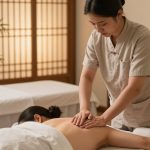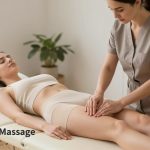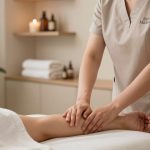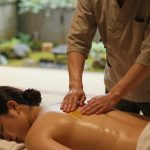
Have you ever wondered why warmth feels so soothing when your muscles ache? This natural instinct to apply heat for relief forms the foundation of therapeutic practices. These practices combine temperature with skilled touch.
Heat therapy massage represents a comprehensive approach to wellness that goes beyond traditional bodywork. It encompasses various methods designed to use warmth as a catalyst for deeper muscle relaxation. These methods also enhance therapeutic results.
You’ll find that this practice isn’t just one technique. It includes heated stones, warm oils, and specialized applications tailored to your specific needs. Each method works to prepare your muscles for deeper work while improving circulation throughout your body.
For centuries, cultures worldwide have trusted warmth as a healing modality. Modern wellness practices in Turkey have evolved these time-honored traditions into targeted treatments. These treatments address muscle tension, chronic discomfort, and stress.
Throughout this guide, you’ll explore how strategic heat application creates a more profound relaxation experience. You’ll discover options for both physical relief and luxurious stress reduction. Understanding these warm-therapy techniques will help you choose the right treatment for your wellness goals.
Key Takeaways
- Warmth-based treatments combine heat with traditional bodywork techniques to enhance muscle relaxation and therapeutic benefits
- Multiple methods exist including heated stones, warm oils, and specialized thermal applications tailored to individual needs
- Heat preparation allows muscles to receive deeper therapeutic work while improving blood circulation throughout the body
- These practices have centuries of historical use across cultures and have evolved into modern targeted wellness treatments
- Strategic temperature application offers relief from muscle tension, chronic discomfort, and stress-related conditions
- Turkey’s growing wellness industry provides diverse options for those seeking both therapeutic relief and luxurious relaxation experiences
What Is Hot Massage and Its Origins?
Heat-based massage techniques blend traditional healing wisdom with modern therapy. This approach uses warmth through various methods to boost your body’s natural healing. Learning about hot massage origins helps you understand its powerful wellness benefits.
Core Principles of Heat Therapy
Hot massage uses heat with manual touch to improve your physical health. The warmth comes from heated stones, warm oils, hot towels, or infrared tools.
The main idea focuses on using controlled heat to boost blood flow. This warmth relaxes your muscles and prepares your body for deeper work.
Heat serves three key functions during your session. First, it relaxes muscles and releases stubborn tension. Second, it increases circulation to deliver oxygen and nutrients to stressed tissues.
Third, it creates comfort that lets your therapist work more effectively. A heated stone massage uses smooth basalt stones warmed to specific temperatures. Your therapist places these stones on key body points while using them as massage tools.
The heat goes deep into your muscles, helping them relax faster than regular massage. Therapeutic hot oil massage uses specially warmed oils before application. These oils stay warm longer, providing sustained heat throughout your session.
Ancient Roots of Heat-Based Healing
Combining heat with bodywork dates back thousands of years across many cultures. Traditional Chinese medicine used warm stones and heated compresses as early as 2000 BCE.
Native American communities used heated stones in sweat lodge ceremonies for healing. These practices showed that warmth combined with touch produces better results.
Ayurvedic practitioners in ancient India developed hot oil massage techniques called Abhyanga. These treatments used herb-infused oils warmed to body temperature for deep relaxation.
Hawaiian lomi lomi traditions included warm volcanic stones in healing rituals. Egyptian cultures applied heated stones to relieve muscle pain and improve circulation.
These diverse approaches shared one understanding: heat boosts the benefits of therapeutic touch. Each tradition developed techniques suited to their materials and healing philosophies.
Contemporary Applications and Innovations
Modern hot massage has evolved from its ancient roots while keeping core principles. Today’s practitioners use temperature-controlled equipment that ensures consistent, safe heat levels.
Contemporary therapists choose specific stones based on their heat retention. Smooth basalt stones remain popular because they hold warmth well and feel comfortable.
Modern oil blends now include essential oils designed to maintain warmth longer. These formulations provide benefits beyond heat, including aromatherapy effects and skin nourishment.
Current applications address conditions common in today’s lifestyle. Tech-related neck tension responds well to targeted heat with manual work. Sedentary work posture problems benefit from the circulation boost hot massage provides.
Stress-induced muscle tightness releases better when warmth prepares your tissues first. Many wellness centers in Turkey now offer specialized hot massage treatments.
Infrared technology represents another modern advancement. This method delivers deep heat without direct contact, warming tissues before hands-on work.
Scientific research now confirms what ancient practitioners knew intuitively. Studies show that heat therapy increases tissue flexibility and reduces muscle spasms. For a complete guide to body healing through various massage types, understanding heat-based approaches provides valuable wellness options.
Modern hot massage bridges traditional wisdom with current scientific knowledge. This combination makes it effective for your wellness needs, whether seeking chronic tension relief or deep relaxation.
Benefits of Hot Massage for Your Body
Hot massage offers specific benefits that improve your physical health and emotional well-being. The combination of therapeutic heat and skilled manual techniques creates measurable improvements. Heat therapy massage addresses multiple body systems at once, making it efficient for busy professionals.
Improved Blood Circulation
Heat from stones or warm oils causes your blood vessels to expand through vasodilation. This expansion increases blood flow throughout your body. Enhanced circulation delivers more oxygen and nutrients to your muscles and organs.
Better blood flow removes waste products like lactic acid that cause muscle soreness. Your body heals injured tissues more efficiently with optimal circulation. The circulation benefits continue long after your massage session ends.
Improved circulation from heat therapy massage counteracts negative effects of prolonged sitting. Poor posture and limited movement restrict blood flow to your lower body and back. Regular sessions restore healthy circulation patterns and reduce inflammation.
Muscle Relaxation and Pain Relief
Heat penetrates deeply into your muscle tissue, allowing tight muscles to release and relax. This warmth reduces muscle spasms and loosens the fascia surrounding your muscles. Muscle tension relief massage works more effectively when heat prepares your tissues.
Warm muscles are more pliable and responsive to manual manipulation than cold tissue. Your therapist can work on chronic tension areas without causing discomfort. The heat acts as a warm-up, similar to athletic preparation.
Hot massage provides relief from various chronic pain conditions, including:
- Arthritis and joint stiffness that worsens during Turkey’s cooler months
- Fibromyalgia and widespread muscle pain
- Lower back pain from poor posture or physical strain
- Sports-related injuries and muscle overuse
- Tension headaches originating from neck and shoulder tightness
The therapeutic effects last well beyond your appointment. Many clients experience pain reduction for several days following treatment. Inflammation decreases and muscles maintain their relaxed state.
Stress Reduction and Mental Health
Soothing warmth and therapeutic touch trigger your parasympathetic nervous system. This system is responsible for relaxation and recovery. Deep tissue massage therapy combined with heat creates this transition effectively.
Your body chemistry changes during a hot massage session in measurable ways. The treatment reduces cortisol, your primary stress hormone. Your brain increases production of serotonin and dopamine, which improve your mood.
The psychological benefits include:
- Reduced anxiety and racing thoughts
- Improved sleep quality and duration
- Better emotional regulation and resilience
- Decreased symptoms of depression
- Enhanced overall sense of calm and centeredness
The sensory experience of warmth carries inherent psychological comfort. Heat reminds your nervous system of safety and care. Regular hot massage sessions provide valuable emotional support alongside physical benefits.
Popular Techniques in Hot Massage
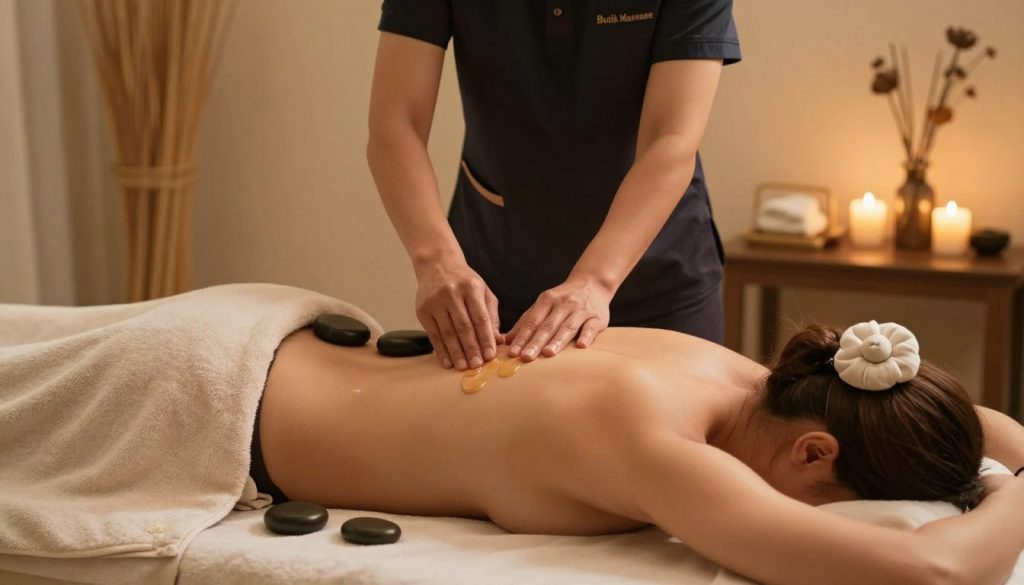
Understanding popular hot massage techniques helps you choose the right approach for your wellness goals. Professional therapists use three primary methods that deliver therapeutic heat in different ways. Each technique offers unique benefits and creates distinct sensory experiences during your session.
Your choice depends on your specific needs and comfort with various temperature applications. Some techniques focus on localized deep-tissue work. Others provide full-body relaxation through continuous warmth.
Heated Stone Application Methods
Your therapist heats smooth basalt stones to temperatures between 110-130°F (43-54°C). These volcanic rocks retain heat exceptionally well. The stones are warmed in water until they reach the perfect temperature.
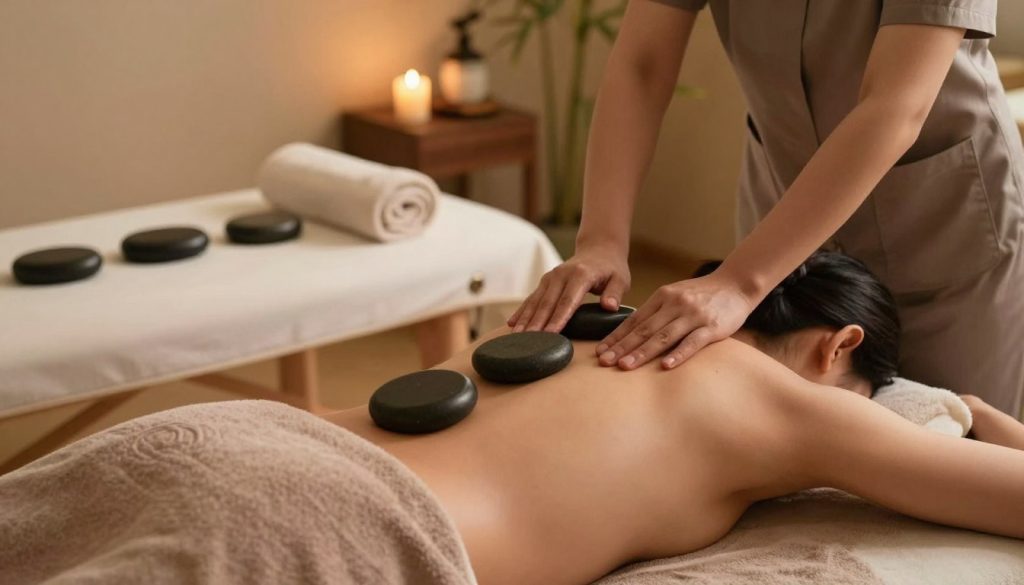
During your session, the therapist places heated stones along your spine, palms, between toes, or on your abdomen. These placement points correspond to energy centers and major muscle groups. The stationary stones serve as constant heat sources that warm deep muscle layers.
Your practitioner also uses oiled stones as active massage tools. They glide them along your muscles with varying pressure. The weight of the stones creates a grounding effect that many clients find deeply meditative.
The sensation differs significantly from hand massage because heat penetrates deeper than manual pressure alone. This makes heated stone massage particularly effective for chronic muscle tightness and deep-seated tension. You’ll experience both the therapeutic benefits of heat and sustained pressure.
Modern Infrared Heat Applications
Infrared therapy uses specialized lamps and infrared light to warm your tissues from within. This technology penetrates up to 1.5 inches below your skin surface. The deep warmth reaches muscles, joints, and even internal organs effectively.
Your therapist typically positions infrared lamps above the treatment area while performing traditional massage strokes. The combination enhances circulation and prepares tissues for deeper manual work. This method proves particularly beneficial for arthritis, deep muscle pain, or circulation concerns.
The infrared wavelengths create gentle, consistent warmth that feels different from direct heat contact. You won’t experience the pressure of stones or oils. Many clients appreciate this non-contact heat delivery for sensitive areas.
Warm Oil and Towel Techniques
Therapeutic hot oil massage involves specially heated oils applied generously throughout your session. Your therapist often infuses these oils with essential oils or herbal extracts. The oil remains warm as the practitioner continuously applies fresh amounts from a heated container.
This continuous application creates smooth, flowing strokes that cover large muscle groups without friction. The warmth allows for deeper pressure without discomfort. You’ll notice how the oil’s heat helps your muscles release tension more quickly.
Many treatments incorporate hot towel massage treatment as a preparatory step. Your therapist places heated, moist towels on specific muscle groups before beginning manual work. These towels open pores, increase blood flow, and prepare tissues for deeper manipulation.
The combination of warm oil and hot towels creates a multi-sensory experience. The aromatherapy component adds another dimension to your treatment. This approach suits those who enjoy the sensory richness of combined heat, touch, and scent therapies.
| Technique | Heat Source | Penetration Depth | Best Suited For | Duration Effect |
|---|---|---|---|---|
| Heated Stone Massage | Basalt stones (110-130°F) | Deep muscle layers | Chronic tension, stress relief | 60-90 minutes, lasting warmth |
| Infrared Therapy | Infrared lamps and light | Up to 1.5 inches deep | Arthritis, circulation issues | 45-75 minutes, internal warming |
| Therapeutic Hot Oil Massage | Heated oils and towels | Surface to medium depth | Full-body relaxation, aromatherapy | 60-90 minutes, moisturizing effect |
| Hot Towel Treatment | Heated moist towels | Surface tissue preparation | Muscle preparation, pore opening | 10-20 minutes, quick warmth |
Each technique offers distinct advantages depending on your therapeutic needs and personal preferences. Some spas combine multiple methods within a single session to maximize benefits. Your therapist can recommend the most appropriate approach based on your consultation and treatment goals.
The choice between techniques often depends on whether you prefer direct contact heat or sustained pressure. Consider your comfort level with different temperature applications. This helps you select your preferred method.
Essential Tools for a Hot Massage Experience
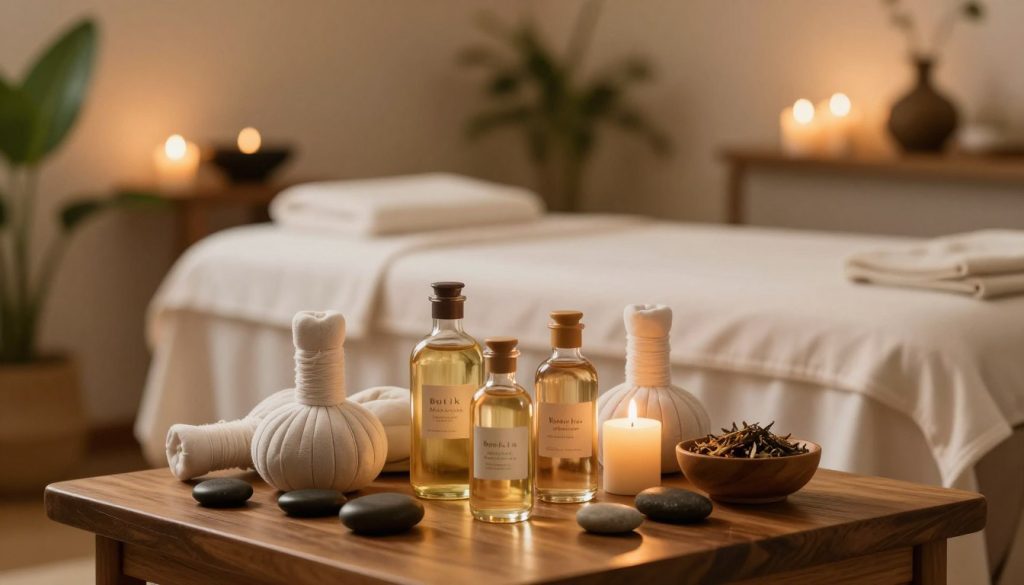
Your therapeutic hot oil massage depends on precise equipment and quality materials. Professional spas in Turkey use specialized tools that maintain consistent temperatures. These facilities follow rigorous safety protocols to deliver therapeutic benefits safely.
Understanding these essential components helps you identify quality treatment facilities. You’ll know what standards to expect during your session. Trained therapists combine heated oils, maintained stones, and strict safety guidelines for your comfort.
Your therapist heats smooth stones to the ideal temperature. The stones ease muscle tension without overwhelming your senses. Stone warming equipment heats stones safely for your treatment.
Types of Heated Oils
Professional therapists select specific oils based on heat retention and therapeutic benefits. Carrier oils form the foundation of most treatments. Each type offers distinct characteristics that affect your experience.
Sweet almond oil remains the most popular choice. It absorbs slowly into skin and maintains warmth throughout your session. This oil provides consistent heat for effective treatment.
Jojoba oil closely resembles your skin’s natural oils. This makes it ideal for sensitive skin types. Coconut oil provides excellent glide and offers antimicrobial properties.
Grapeseed oil works well for those preferring lighter textures. Therapists often enhance carrier oils with therapeutic essential oils. These create customized blends for your specific needs.
Lavender promotes relaxation and reduces anxiety during treatment. Eucalyptus opens respiratory passages and provides refreshing sensations. Rosemary targets muscle tension and improves circulation in treated areas.
Professional oil warmers maintain consistent temperatures throughout your session. These typically stay between 100-105°F (38-40°C). Specialized devices prevent overheating and ensure comfortable warmth against your skin.
Quality facilities use cold-pressed, organic oils. These offer superior therapeutic value compared to refined alternatives.
| Carrier Oil Type | Heat Retention | Absorption Rate | Best For |
|---|---|---|---|
| Sweet Almond | Excellent | Moderate | General massage |
| Jojoba | Very Good | Slow | Sensitive skin |
| Coconut | Good | Fast | Deep tissue work |
| Grapeseed | Moderate | Very Fast | Light pressure techniques |
Equipment Used in Hot Stone Massage
Stone heating units represent the most critical equipment for heated stone treatments. Professional-grade water baths feature precise temperature controls. These ensure stones reach optimal therapeutic warmth.
Devices maintain steady temperatures between 120-145°F (49-63°C). Temperature varies depending on stone size and intended placement areas.
Therapists use three distinct stone sizes for different treatment applications. Large stones rest on your back or abdomen. These deliver sustained warmth to broad muscle groups.
Medium stones target specific areas like shoulders, palms, or spine. Small stones fit between toes or on facial points. These work for detailed treatment areas.
Basalt stones are chosen for their smooth texture and dense composition. These volcanic rocks retain heat longer than other stone types. Their naturally smooth surfaces glide comfortably across your skin without irritation.
Quality facilities maintain strict sanitization protocols between clients. Stone holders keep heated stones organized and accessible during sessions. Professional therapists prepare specific arrangements based on your treatment goals.
Safety Measures and Precautions
Understanding contraindications protects your health and ensures appropriate treatment. Certain conditions make hot massage inappropriate. Some require special modifications before you can safely receive treatment.
Avoid heated stone massage if you are pregnant or have cardiovascular conditions. Diabetes with neuropathy also requires caution. Open wounds, skin infections, or recent surgeries require postponing treatment until healing.
Always disclose your complete medical history to your therapist. This information helps them customize your treatment safely.
Professional therapists follow strict temperature testing protocols for your protection. They test stones on their own skin first. Barrier layers like towels provide additional protection when needed.
Communication during your session is essential—always tell your therapist immediately if anything feels too hot or uncomfortable.
Hygiene standards at reputable spas include proper stone sanitization between clients. You should observe fresh linens for each session. Notice therapists washing their hands before and during treatments.
These visible practices indicate professional facility management. Verify that your therapist holds proper certification in hot massage techniques. Trained practitioners understand therapeutic applications and safety considerations.
Licensed professionals in Turkey complete specialized training programs. These cover temperature management, client assessment, and emergency response protocols.
How to Choose the Right Hot Massage for You
Finding the perfect warm relaxation massage starts with understanding what your body truly needs. Hot massage techniques offer solutions for different health concerns, from chronic pain to stress management. The right choice ensures maximum therapeutic benefits while providing a comfortable, safe experience.
Different thermal therapy approaches serve distinct purposes. Understanding which technique aligns with your wellness goals helps you invest wisely. Your physical condition, lifestyle habits, and personal preferences all play important roles in this decision.
Identifying Your Wellness Priorities
Start by examining why you’re seeking hot massage therapy. Your primary objective might be relieving physical discomfort, reducing stress, or supporting athletic performance. Each goal points toward different treatment approaches that deliver optimal results.
Hot stone massage therapy is ideal if you experience chronic muscle tension or stiffness. The sustained heat from smooth, heated stones penetrates deeply into stubborn muscle knots. This approach works particularly well for tension in your shoulders, back, or legs.
If you have arthritis or joint pain, heat therapy combined with gentle massage provides significant relief. The warmth increases synovial fluid production in your joints without aggravating sensitive areas. This makes warm relaxation massage excellent for managing inflammatory conditions.
Athletes and active individuals benefit from sports massage enhanced with thermal elements. Heat application before deep tissue work prepares muscles for more intensive manipulation. This combination accelerates recovery time and helps prevent future injuries.
Your lifestyle factors also influence which hot massage type serves you best. Consider these common scenarios:
- Desk workers who sit for extended periods typically need techniques targeting postural muscles
- Individuals managing stress-related tension respond well to approaches that calm the nervous system
- People seeking purely sensory pleasure might prefer warm oil massage with aromatherapy elements
- Those with circulation issues benefit most from techniques that promote blood flow through targeted heat
Use this comparison table to match your primary concern with the most suitable hot massage approach:
| Primary Health Concern | Recommended Hot Massage Type | Key Benefits | Treatment Frequency |
|---|---|---|---|
| Chronic muscle tension and stiffness | Hot stone massage | Deep penetrating heat, long-lasting muscle relaxation, releases stubborn knots | Bi-weekly to monthly |
| Arthritis and joint inflammation | Warm oil massage with gentle techniques | Reduces inflammation, improves joint mobility, non-aggravating approach | Weekly sessions recommended |
| Athletic recovery and performance | Sports massage with heat therapy | Accelerates muscle recovery, prevents injury, improves flexibility | 2-3 times weekly during training |
| Stress and mental tension | Aromatherapy warm relaxation massage | Calms nervous system, promotes mental clarity, sensory relaxation | Weekly or as needed |
Working with Qualified Therapists
A thorough intake consultation before your first hot massage session establishes the foundation for safe treatment. Professional massage therapists need comprehensive information about your health status to customize their approach properly. This initial conversation protects your wellbeing and ensures the techniques match your specific needs.
Come prepared to share detailed information during your consultation. Your massage therapist will ask about your complete medical history, including past surgeries and chronic conditions. Be honest about areas of pain or discomfort, even if they seem unrelated.
Discuss any previous massage experiences, both positive and negative. This helps your therapist understand what techniques worked well for you and what to avoid. Mention specific health conditions such as hypertension, diabetes, skin sensitivities, or pregnancy.
The consultation process is your opportunity to establish clear communication with your therapist about pressure preferences, temperature comfort levels, and any areas requiring special attention or complete avoidance.
Professional therapists will adjust their hot massage approach based on contraindications you reveal. They might modify stone temperatures, avoid certain body areas, or recommend alternative techniques. This personalized adaptation ensures your safety throughout treatment.
Express your preferences clearly during the consultation. Let your therapist know if you prefer firm or gentle pressure. Share what room temperature feels comfortable and whether you enjoy conversation during sessions.
Ask these essential questions during your consultation with potential massage therapists:
- What specific experience do you have with hot massage techniques, particularly hot stone therapy?
- Which approach do you recommend for my specific health concerns and wellness goals?
- What should I expect to feel during the session and in the hours afterward?
- How frequently should I schedule treatments to achieve optimal results for my condition?
- What contraindications or safety concerns apply to my particular health profile?
Locating Certified Massage Professionals
Finding qualified hot massage practitioners in Turkey requires attention to credentials, professional standards, and facility quality. The right therapist possesses both technical skills and proper certification from recognized training institutions. Verifying these qualifications protects you from ineffective or potentially harmful treatments.
Look for therapists who have graduated from accredited massage therapy programs with specialized thermal therapy training. In Turkey, reputable practitioners often hold certifications from international massage therapy associations. Current licensing or registration with professional organizations indicates ongoing commitment to industry standards.
Research potential practitioners through multiple channels. Online reviews on platforms like Google and social media provide insight into other clients’ experiences. Professional directories maintained by massage therapy associations list certified members in your area.
Major Turkish cities including Istanbul, Ankara, and Izmir host numerous wellness centers employing licensed therapists. These established facilities typically maintain professional standards and invest in proper staff training. However, you should still verify individual therapist qualifications even when visiting reputable establishments.
Watch for these red flags that suggest unprofessional or inadequately trained practitioners:
- Inability or unwillingness to discuss credentials, certifications, or training background when asked
- No formal intake procedure or health assessment before beginning treatment
- Facilities that lack basic cleanliness, proper equipment sanitization, or appropriate privacy measures
- Pressure to purchase packages or products before experiencing a single session
- Unclear pricing structures or hidden fees not disclosed upfront
Consider practical factors beyond credentials when selecting your warm relaxation massage provider. Location convenience affects whether you’ll maintain regular appointments for ongoing therapeutic benefit. Transparent pricing helps you budget appropriately without unexpected costs.
Schedule compatibility matters significantly. The best-qualified therapist won’t benefit you if their availability never matches your free time. Ask about evening or weekend appointments if you work standard business hours.
Request a facility tour before booking your first appointment. Professional massage spaces maintain clean, comfortable treatment rooms with proper temperature control and quality linens. The reception area should feel welcoming and organized.
Don’t hesitate to try sessions with different therapists until you find the right match. The therapeutic relationship between you and your massage therapist significantly impacts treatment effectiveness. Finding someone whose communication style and technique approach align with your preferences creates the foundation for success.
What to Expect During Your Session
Understanding the step-by-step process helps you fully embrace the experience without uncertainty. Your session follows a carefully planned sequence from arrival to departure. Each phase maximizes therapeutic value and promotes complete relaxation.
Most sessions last between 60 and 90 minutes. Your therapist balances deep muscle work with profound relaxation. The structured approach ensures every element supports your wellness goals.
Preparing for Your Treatment
Arrive 10 to 15 minutes before your scheduled appointment. This buffer time allows you to complete paperwork and shift mentally. The transition period proves essential for maximizing session benefits.
The treatment room features several prepared elements upon entering. Fresh linens cover the massage table with a heating pad underneath. Your therapist has equipment ready: smooth stones warming in a specialized unit.
Steam rises from the water bath as oils reach proper temperature. Soft background music establishes a calming atmosphere. Everything is positioned to support your comfort throughout the session.
Your therapist explains privacy procedures before stepping out. You undress to your comfort level—most clients remove all clothing. You may keep undergarments on if preferred.
Position yourself on the table under a sheet or blanket. Professional therapists use proper draping techniques throughout. Only the specific body area being worked receives exposure.
The room environment supports your relaxation through several controlled elements:
- Dimmed lighting that reduces visual stimulation
- Comfortable temperature slightly warmer than standard massage rooms
- Aromatherapy diffusers creating pleasant, therapeutic scents
- Quiet atmosphere with minimal external noise
Methods Your Therapist Applies
Your heat therapy massage typically begins with you lying face-down. Your therapist places heated stones on key points along your spine. These stationary stones warm your back muscles deeply.
The therapist uses oiled, warmed stones as massage tools. They glide the smooth stones along your muscle groups with flowing strokes. For areas with tension, they apply deeper pressure using concentrated heat.
You will feel unique sensations as warm stones move across your skin. The combination of heat and weight penetrates deeper muscle layers effectively. Your therapist may alternate between using stones and their hands.
The session typically follows this sequence:
- Back and shoulders while you lie face-down
- Legs and feet with focused attention on tension points
- Arms and hands using smaller heated stones
- Front-of-body work including neck, shoulders, and chest areas after you turn face-up
Normal sensations include comfortable warmth and pressure. You might feel temporary intensity when therapist addresses particularly tight areas. However, you should never experience burning pain or extreme discomfort.
Communication remains essential throughout your hot massage. Speak up immediately if stones feel too hot. Tell your therapist if pressure needs adjustment or anything requires changing.
After-Session Care Guidelines
Your therapist leaves the room to allow private time to dress slowly. Many people feel slightly disoriented or deeply relaxed after their session. Moving mindfully prevents dizziness and maintains your peaceful state.
You might experience several immediate effects following your treatment. Your muscles will feel loose and relaxed, sometimes almost liquid. Some clients notice light-headedness, especially when sitting up too quickly.
A sense of mental calm or sleepiness commonly occurs. Increased thirst also happens as your body processes released toxins. These responses indicate your nervous system has shifted into parasympathetic mode.
Hydration becomes critically important after your session. The combination of heat and therapeutic bodywork accelerates metabolic processes. Drinking plenty of water helps flush metabolic waste products from your system.
Follow these specific recommendations for optimal after-care:
| Time Frame | Recommended Action | Purpose |
|---|---|---|
| Immediately after | Drink 2-3 glasses of water | Supports toxin elimination and hydration |
| Rest of the day | Avoid alcohol and caffeine | Prevents dehydration and maintains relaxation |
| Next meal | Choose light foods over heavy meals | Allows body to focus on healing processes |
| Following hours | Continue resting rather than exercising | Maximizes therapeutic benefits |
Some people experience mild muscle soreness 24 to 48 hours after treatment. This response mirrors post-workout soreness and indicates meaningful deep muscle work occurred. The sensation typically resolves within one or two days.
Understanding the complete session flow helps you approach your first treatment with confidence. You can now focus entirely on the therapeutic experience. Worry less about what comes next and embrace the healing process.
Hot Massage vs. Traditional Massage
Choosing between hot massage and traditional massage depends on your health goals and comfort preferences. Both methods offer proven wellness benefits. Skilled practitioners who understand anatomy make all the difference.
Comparing these approaches helps you pick the right treatment for your needs.
Hot stone massage and aromatherapy massage both help you relax. However, they work in different ways. Hot stone massage uses heated elements to ease physical tension.
Aromatherapy focuses on emotional and mental well-being. Many Turkish spas now blend techniques from both methods.
Shared Therapeutic Foundations
Hot massage and traditional massage share common wellness goals. Both reduce muscle tension and improve circulation. They also promote deep relaxation and support natural healing.
You’ll experience similar benefits with either choice.
Both treatments use massage strokes developed over centuries. Effleurage creates long gliding movements. Petrissage kneads tight muscles, while friction targets specific problem areas.
Licensed therapists apply these techniques whether they use heat or not.
Professional standards stay consistent across both methods. Your therapist must complete proper training and understand human anatomy. They also maintain current licensing and follow safety protocols.
Both approaches require thorough intake consultations. Your therapist will discuss pressure preferences and ensure appropriate draping for privacy.
Session structure follows similar patterns in both cases. You’ll complete health history forms and discuss specific concerns. Your therapist will provide post-treatment recommendations.
Both methods work on similar muscle groups. Open communication about comfort levels matters throughout your session.
Distinctive Characteristics
The main difference lies in how heat works within each treatment. Traditional massage creates warmth only through the therapist’s hands and heated table. Hot massage uses external heat sources like stones, oils, towels, or infrared devices.
This intentional heat achieves specific therapeutic effects beyond standard bodywork.
Heat application helps therapists work more effectively on tight muscles. Pre-heated tissues become more pliable and responsive. You can receive deeper tissue work with less discomfort.
The heat softens muscles before the therapist begins manual work.
Session duration typically differs between these approaches. Traditional Swedish hot massage sessions commonly run 90 minutes. Standard treatments usually last 60 minutes.
Extended time allows for heat application, stone placement, and removal.
| Feature | Hot Massage | Traditional Massage |
|---|---|---|
| Heat Application | External heat sources (stones, oils, infrared) | Therapist’s hands and heated table only |
| Typical Duration | 90 minutes standard | 60 minutes standard |
| Average Cost | 20-30% higher than traditional | Standard baseline pricing |
| Pressure Intensity | Moderate pressure with heat for depth | Varies from light to very deep |
| Best Applications | Chronic tension, arthritis, deep relaxation | Specific injuries, active recovery, general wellness |
Cost differences reflect additional resources required for hot massage treatments. You’ll typically pay 20-30% more for hot massage. This covers specialized equipment, longer sessions, and extra therapist training.
Technique flow varies between these methods as well. Hot stone massage follows a rhythm dictated by stone application and removal timing. Warm oil massage requires continuous oil warming throughout your session.
Traditional massage offers more flexibility in technique sequencing based on your responses.
Making Your Decision
Hot massage works well if you have chronic muscle tension. The combination of heat and manual techniques breaks through stubborn tension patterns. You’ll appreciate this method if standard massage feels too aggressive.
Arthritis, fibromyalgia, and chronic lower back pain respond well to heat-based treatments. If warmth feels comforting and relaxing, hot massage provides physical and emotional relief. Hot stones offer a grounding, meditative quality beyond physical benefits.
Traditional massage may suit you better in certain situations. It works well if you prefer varying pressure levels throughout your session. Athletes often benefit from targeted deep tissue massage therapy without full-body heat.
Some medical conditions make heat unsafe, so traditional massage becomes your better option. If you’re budget-conscious and standard massage meets your needs, there’s no need to upgrade. Discuss your health conditions with qualified therapists before deciding.
Many people benefit from alternating between both approaches. You might schedule Swedish hot massage monthly for deep relaxation. Traditional sessions in between can address specific problem areas.
This strategy maximizes therapeutic benefits while managing your wellness budget.
Turkish spas increasingly offer hybrid treatments blending multiple methods. Sports massage with heat combines hot towel applications before focused deep tissue work. These customized approaches let you experience benefits from both styles in one session.
Aftercare Tips for Hot Massage
Your warm relaxation massage provides immediate benefits. Proper aftercare helps you maintain these positive effects longer. The right post-treatment routine supports better sleep quality and extends the therapeutic impact.
Hydration and Nutrition
Drink 8-10 glasses of water within 24 hours after your session. Your muscle tension relief massage accelerates metabolic processes and releases toxins from muscle tissues. Water helps flush these waste products through your kidneys and lymphatic system.
Avoid alcohol and excessive caffeine for 12-24 hours, as these dehydrate your body. Choose herbal teas, coconut water, or lemon-infused water instead. Eat light, nutritious meals rather than heavy foods.
Your digestive system works slower during deep relaxation. Soups, salads, and lean proteins digest easier than rich meals.
Gentle Stretching and Rest
Your warm muscles are perfect for gentle stretching immediately after treatment. Try neck rolls, shoulder shrugs, or light yoga poses held for 30-60 seconds. These movements maintain the flexibility your therapist created.
Rest for several hours if possible. Your body is in healing mode, especially after muscle tension relief massage. Avoid intense workouts for 24 hours.
Light walking is fine, but save gym sessions for the next day.
Scheduling Follow-Up Sessions
Regular treatments create lasting benefits that single sessions cannot achieve. For chronic pain management, book weekly or bi-weekly appointments initially. For general wellness and stress relief, monthly sessions maintain results.
Returning tension or decreased sleep quality signals it’s time for your next appointment.