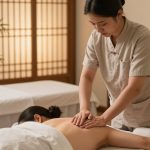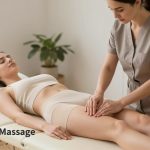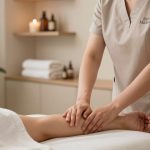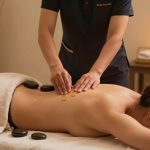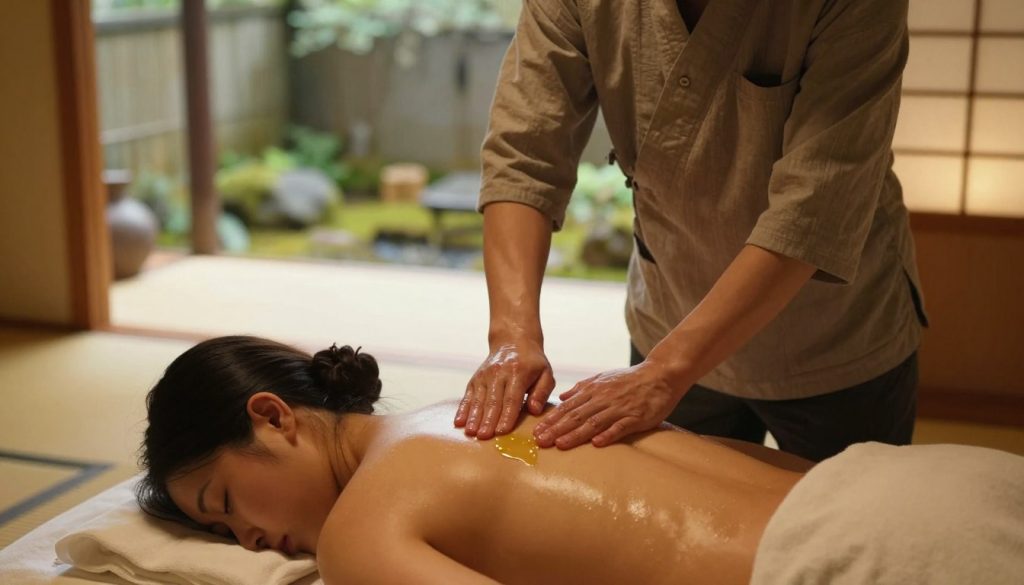
Some wellness practices leave you feeling truly transformed. Others provide only temporary relief. Traditional Japanese massage therapy combines centuries-old bodywork wisdom with carefully selected botanical extracts.
This ancient healing art restores your body’s natural energy balance, known as Ki. The practice uses specialized hand techniques and strategic pressure application. Rhythmic movements promote circulation and relieve muscular tension.
This approach integrates premium natural ingredients sourced from Japan’s rich landscape. Camellia (Tsubaki), cherry blossom (Sakura), hinoki cypress, and ginger infuse each session. These ingredients provide deep hydration and sensory experiences that enhance relaxation.
You’ll discover practical knowledge about applying various techniques. Learn to select appropriate pressure levels for different wellness goals. Find the right botanical blends for your skin type.
This guide provides essential understanding of therapeutic oil massage benefits. Whether you’re a therapy professional, spa owner, or seeking self-care methods, you’ll find modern applications here.
Key Takeaways
- Traditional Japanese bodywork combines ancient techniques with natural botanical extracts for holistic wellness
- The practice focuses on restoring Ki (energy balance) through specialized pressure and rhythmic movements
- Premium ingredients like camellia, hinoki, and cherry blossom provide therapeutic skin benefits
- Different pressure levels and techniques address specific wellness goals and physical needs
- Natural formulations are typically 98% botanical-based and free from harmful chemicals
- Both professionals and individuals can apply these principles for enhanced relaxation and healing
Understanding Japanese Oil Massage Benefits
Authentic Japanese oil massage offers health improvements backed by clinical research. This traditional practice combines skilled techniques with botanical oils. It creates therapeutic effects for physical comfort, mental clarity, and skin health.
Japanese massage activates your body’s natural healing through intentional pressure and rhythmic movements. Premium oils enhance these effects with physical lubrication and aromatherapeutic properties. Professional practitioners optimize these elements for maximum wellness during each session.
Relaxation and Stress Relief
Your nervous system responds powerfully to relaxation massage with oil. This activates the parasympathetic response. The biological mechanism counteracts chronic stress by reducing cortisol levels and promoting calm.
The flowing, deliberate strokes create a meditative quality. This quiets racing thoughts and releases accumulated tension. Japanese techniques focus on smooth, rhythmic movements for deep relaxation.
Aromatherapeutic oils infused with Hinoki and Cherry Blossom provide additional stress relief. These traditional Japanese botanicals create tranquil atmospheres. The fragrant compounds interact with your limbic system, reducing anxiety and improving mood.
Clinical studies demonstrate measurable stress reduction from Japanese massage approaches. Research on Shiatsu massage shows significant decreases in anxiety scores. Professional massage services use these evidence-based techniques to improve sleep quality and emotional well-being.
Japanese massage techniques are effective for relieving pain, reducing stress, promoting relaxation, and improving mobility.
Improved Blood Circulation
Strategic pressure application during Japanese oil massage stimulates peripheral blood flow. The gliding strokes and compression techniques enhance oxygen delivery to tissues. This improved circulation supports cardiovascular function and reduces muscle soreness.
Warming oils containing ginger and peppermint amplify circulatory benefits. These botanical ingredients create gentle heat that opens blood vessels. You’ll notice reduced stiffness and faster recovery with these specialized oils.
Enhanced blood flow delivers multiple systemic advantages beyond immediate comfort. Better circulation supports tissue repair and maintains healthy blood pressure. Regular sessions help maintain optimal circulatory function as part of preventive wellness.
| Circulatory Benefit | Mechanism | Physical Effect | Recommended Oil |
|---|---|---|---|
| Increased Blood Flow | Pressure stimulation | Enhanced oxygen delivery | Ginger-infused oil |
| Reduced Muscle Tension | Waste removal acceleration | Decreased soreness | Peppermint oil |
| Cardiovascular Support | Improved vessel function | Better nutrient transport | Warming botanical blends |
| Faster Recovery | Enhanced circulation | Reduced inflammation | Essential oil combinations |
Enhanced Skin Health
Premium Japanese massage oils deliver intensive dermatological benefits. They contain rich concentrations of antioxidants and essential fatty acids. Camellia and Sakura oils provide deep hydration that strengthens your skin’s protective barrier.
The therapeutic oil massage benefits for skin include enhanced moisture retention. Traditional Japanese oils contain vitamins that neutralize free radicals and stimulate collagen synthesis. Rice bran and macadamia oils offer anti-aging effects without clogging pores.
Your skin absorbs these nutrient-dense oils during massage. This creates lasting improvements beyond the session itself. The non-comedogenic properties ensure compatibility with sensitive complexions while delivering maximum moisturization.
Japanese spa massage services increasingly feature these specialized oil formulations. The combination of manual techniques and botanical ingredients creates synergistic effects. You’ll appreciate how these traditional formulations support your skin’s natural renewal processes.
Essential Techniques in Japanese Oil Massage
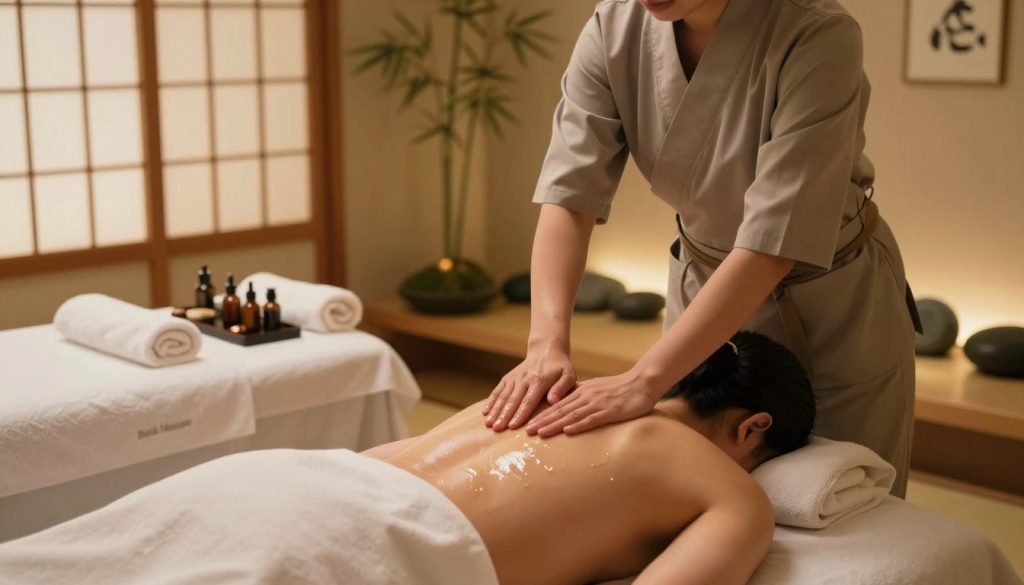
The art of Japanese oil massage uses precise strokes, rhythmic pressure, and breath coordination. These techniques create profound healing for your body and mind. Centuries of refinement have perfected methods that address physical tension and energetic imbalances.
Skilled practitioners blend multiple therapeutic approaches during Asian body to body massage sessions. Traditional Japanese healing philosophies guide every movement. The result is a seamless, deeply restorative experience.
Your massage session draws upon various Japanese modalities including Shiatsu, Ashiatsu, Kobido, and Seitai. Each contributes unique elements that enhance oil-based treatments. The combination creates comprehensive healing while promoting overall wellness.
Foundational Strokes and Movement Patterns
Your practitioner employs four primary stroke categories during Japanese oil massage sessions. Effleurage involves long, gliding movements that warm your tissues. These flowing strokes evenly distribute oil and prepare your body for deeper work.
Petrissage techniques use kneading motions that penetrate deeper muscle layers. Your practitioner applies these slippery massage techniques with rhythmic compression and lifting movements. The oil allows hands to move smoothly without uncomfortable friction.
Friction methods concentrate on specific tight areas through circular motions with focused pressure. These targeted techniques address localized knots in your muscle tissue. Tapotement consists of rhythmic percussion movements that stimulate nerve endings and energize tissues.
The speed and direction of these strokes significantly affect your therapeutic outcomes. Slow, flowing movements promote deep relaxation and activate your parasympathetic nervous system. Brisker techniques invigorate your body and stimulate circulation for energizing effects.
| Stroke Type | Primary Technique | Therapeutic Effect | Typical Application |
|---|---|---|---|
| Effleurage | Long gliding strokes | Warming tissues and relaxation | Beginning and ending sessions |
| Petrissage | Kneading and compression | Deep muscle tension release | Major muscle groups |
| Friction | Concentrated circular pressure | Addressing specific tight spots | Localized problem areas |
| Tapotement | Rhythmic percussion | Nerve stimulation and energizing | Concluding sequences |
Ashiatsu techniques incorporate broad foot pressure that conforms naturally to your muscle groups. This approach provides very deep therapeutic pressure while maintaining comfort. The practitioner uses overhead bars for balance while delivering controlled compression.
Kobido facial massage utilizes fast, rhythmic movements to stimulate and sculpt your face. These specialized sensual body massage techniques enhance circulation and promote youthful appearance. The rapid sequences create unique energizing sensations distinct from body-focused work.
Applying Pressure with Rhythm and Precision
Japanese massage philosophy emphasizes responsive pressure that adapts to your body’s feedback signals. Your practitioner uses tactile sensitivity to gauge your comfort level. This individualized approach ensures pressure remains therapeutic rather than painful.
Several pressure methods characterize these slippery massage techniques during your session. Standard direct pressure involves sustained contact on specific acupressure points derived from Shiatsu principles. These points, called Tsubos, lie along energy meridians throughout your body.
Interrupted pressure applies and releases contact in rhythmic patterns to stimulate energy flow. Suction pressure creates gentle pulling sensations that mobilize superficial tissues. Vibrational pressure transmits oscillating movements that penetrate deep into muscle layers.
Broad compression techniques use palms or feet to distribute pressure across larger surface areas. Gentle manipulations encourage joint mobility and fluid movement through your tissues. The oil’s lubricating properties allow techniques to glide smoothly without resistance.
The concept of “ma” represents meaningful pauses or intervals in Japanese aesthetics. During your massage, these moments allow pressure to be held while healing responses activate. The practitioner maintains contact without movement, creating space for deep release.
Rhythm plays a crucial role in creating meditative states during your session. Consistent, flowing cadences help quiet your mind and enhance therapeutic effects. Your practitioner establishes patterns that feel affirming and responsive to your needs.
Seitai techniques integrate pressure points with gentle manipulation and Japanese taiso stretches. These movements promote proper skeletal alignment and energetic balance. The work should feel natural and supportive as your body releases restrictions.
Synchronizing Breath for Enhanced Benefits
Coordinated breathing between you and your practitioner amplifies the benefits of sensual body massage techniques. Japanese massage philosophy recognizes breath as a vehicle for energy movement, called Ki or Qi. This energetic principle underlies the therapeutic effectiveness of synchronized breathing patterns.
Your practitioner may guide you to inhale deeply as pressure is applied. Exhalation often coincides with the release of tension or deepening of stretches. This coordination creates natural rhythm that enhances tissue release and promotes mind-body integration.
Conscious breathing helps you remain present during your Asian body to body massage experience. Your nervous system shifts into a relaxed state more readily. This mental centering allows deeper physical release and greater therapeutic benefit.
The practitioner uses their own breath awareness to maintain centered energy throughout your session. Their calm, rhythmic breathing creates a peaceful atmosphere that influences your physiological state. This subtle energetic exchange contributes to the holistic healing experience.
Breathing techniques also help you manage any temporary discomfort during deeper pressure work. Slow, steady breaths prevent muscle guarding and allow tissues to accept therapeutic touch. Your practitioner adjusts their approach based on your breathing patterns and feedback.
The body benefits from movement, and the mind benefits from stillness. In Japanese massage, breath serves as the bridge between these two states, creating harmony within.
Your practitioner uses their senses to determine the exact healthy changes your body needs. This responsive approach honors your unique constitution and current state. The integration of breath, pressure, and movement creates complete therapeutic experience.
Selecting the Right Oils for Your Massage
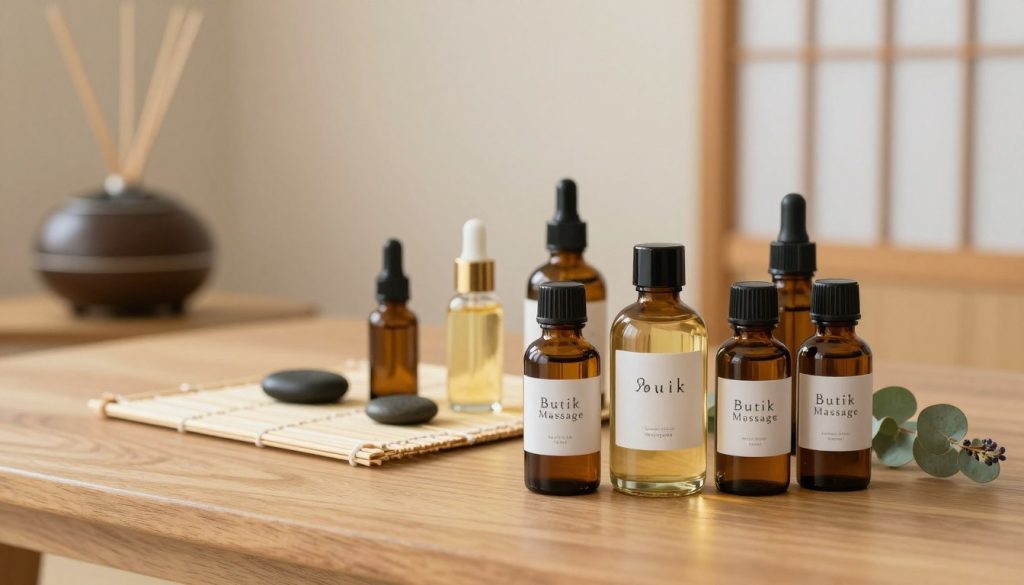
The foundation of an effective nuru massage oil treatment lies in choosing oils that complement both your skin and therapeutic goals. Your selection determines how smoothly the massage flows. Quality oils enhance the entire experience while providing nourishment that lasts well beyond your session.
Japanese massage traditions emphasize natural botanical ingredients that have been refined over centuries. These time-tested formulations combine therapeutic properties with luxurious textures. Understanding the characteristics of different oils empowers you to make informed choices for your wellness journey.
Traditional Botanical Oils in Japanese Wellness
Tsubaki oil, extracted from Camellia japonica seeds, represents the cornerstone of japanese oil massage practices. This luxurious oil contains approximately 80% oleic acid alongside powerful antioxidants. Its molecular structure allows deep penetration into your skin layers without leaving a greasy residue.
The oil protects against environmental damage while maintaining elasticity. Your skin absorbs it readily, making it ideal for extended massage sessions. Traditional Japanese beauty rituals have celebrated Tsubaki for generations due to its exceptional hydrating properties.
Hinoki essential oil comes from Japanese cypress trees and offers distinctive woody aromatherapy. The scent evokes traditional bathhouses and temple environments throughout Japan. This oil reduces stress while promoting a grounded, centered feeling during your massage.
Yuzu oil provides bright citrus notes that invigorate your senses. Its vitamin C content supports skin brightening while refreshing your mood. The uplifting aroma creates an energizing atmosphere that complements the physical benefits of massage.
Ginger oil generates warming sensations that stimulate blood flow. This makes it particularly valuable for therapeutic applications targeting muscle tension. The heat it produces enhances circulation, supporting faster recovery from physical strain.
The best massage oils work in harmony with your body’s natural chemistry, enhancing rather than overwhelming your skin’s own protective mechanisms.
Rice Bran oil delivers remarkable nutritional value from brown rice outer coatings. It contains gamma-oryzanol, which strengthens your skin’s lipid barrier. The tocopherols provide antioxidant protection while balanced fatty acids maintain optimal moisture levels.
Macadamia oil stands out for its high palmitoleic acid content. This omega-7 fatty acid mimics youthful skin composition. Your skin recognizes it as similar to natural sebum, promoting exceptional absorption and compatibility.
Jojoba oil technically functions as a liquid wax ester rather than a traditional oil. Its structure closely resembles human sebum. This similarity allows deep nourishment without clogging your pores, making it suitable for various skin types.
Aromatherapy and Essential Oil Benefits
Essential oils extracted from Japanese botanicals enhance the erotic oil massage Japan experience through powerful aromatherapy effects. Concentrated aromatic compounds from Cherry Blossom, Osmanthus, and Lychee Blossom create sensory experiences beyond physical touch. These essences influence your limbic system, the brain region governing emotions and memory.
The connection between scent and emotional response creates psychophysiological effects. Your nervous system responds to specific aromatic profiles with relaxation or invigoration. This mental component amplifies the physical benefits you receive from massage techniques.
Proper dilution ratios ensure safety and effectiveness. For body massage applications, maintain 2-3% essential oil concentration in carrier oils. This balance provides therapeutic benefits without causing skin irritation or overwhelming your senses.
Safety considerations include patch testing and understanding contraindications. Some essential oils interact with medications or medical conditions. Always research individual oils before incorporating them into your massage routine.
| Oil Type | Key Components | Primary Benefits | Best For |
|---|---|---|---|
| Tsubaki (Camellia) | 80% oleic acid, antioxidants | Deep hydration, elasticity | All skin types |
| Rice Bran | Gamma-oryzanol, tocopherols | Barrier protection, moisture | Mature, dry skin |
| Macadamia | Palmitoleic acid (omega-7) | Collagen synthesis | Aging, depleted skin |
| Jojoba | Liquid wax esters | Sebum-like nourishment | Oily, combination skin |
Matching Oils to Your Skin Characteristics
Your skin type determines which oils provide optimal benefits during japanese oil massage sessions. Dry or mature skin requires deeply nourishing formulations like Camellia and Macadamia oils. These oils replenish lipids and support structural proteins that diminish with age.
Oily or acne-prone skin benefits from lighter, non-comedogenic options. Jojoba and properly diluted Rice Bran oil balance sebum production without blocking pores. These selections provide necessary moisture without exacerbating oiliness.
Sensitive skin demands hypoallergenic formulations with minimal fragrance. Organic certification indicates fewer potential irritants. Choose oils that have undergone rigorous purity testing to minimize adverse reactions.
Quality indicators help you identify superior products. Look for ISO 16128 certification confirming natural or organic content standards. GMP manufacturing certification ensures consistent production quality and contamination control.
Check that oils maintain skin-neutral pH levels between 5.5 and 6.5. This range matches your skin’s natural acidity, preventing disruption of protective barriers. Avoid products containing parabens, sulfates, or mineral oils that may interfere with skin health.
GC-MS test reports verify chemical composition and purity. These laboratory analyses confirm the absence of contaminants and validate ingredient claims. Reputable manufacturers provide this documentation upon request.
Patch testing remains essential before full application. Apply a small amount to your inner forearm 24 hours before your massage session. This simple precaution identifies potential sensitivities before they affect larger skin areas.
Natural oil formulations should contain at least 98% botanical ingredients. This high percentage ensures you receive authentic therapeutic benefits. Synthetic additives dilute effectiveness and may introduce unnecessary chemicals to your body.
Understanding Pressure Levels in Massage
Japanese massage uses carefully measured pressure that responds to your body’s unique needs. Different pressure levels serve distinct therapeutic purposes and create varied responses in your tissues. Understanding these variations helps you communicate effectively with your practitioner.
Traditional Japanese massage therapy employs a sophisticated approach to pressure application. Practitioners use refined sensory perception to determine the appropriate intensity for your specific condition. This responsive calibration ensures the massage works with your body rather than forcing change.
The pressure applied during your session can range from barely noticeable touches to deep compressions. Each level activates different tissue layers and nervous system responses. Your practitioner may vary pressure throughout the session based on your body’s feedback.
Light Pressure Techniques
Light pressure techniques exert less than 1-2 pounds of force on your body. This gentle approach primarily affects superficial tissues and your nervous system. These feather-light strokes work beautifully with aromatic oils to create profound relaxation.
Your parasympathetic nervous system activates when receiving light pressure. This creates a natural calming response that reduces stress hormones and promotes healing. The gentle contact proves particularly effective for those with sensitive skin or recent injuries.
Sensual body massage techniques at this pressure level include barely-there effleurage strokes and soft circular movements. Practitioners may hold acupressure points with minimal pressure or perform gentle stretches. Zen Shiatsu specifically employs extremely light contact for clients with heightened sensitivity.
Lymphatic drainage particularly benefits from light pressure applications. The delicate lymphatic vessels respond best to gentle encouragement rather than compression. This technique helps reduce swelling and supports your immune system function.
Seitai methods utilize gentle manipulation within this pressure range. The practitioner listens to your body’s subtle responses and adjusts accordingly. This approach proves ideal when you need pure stress relief without intensive tissue work.
Medium Pressure Techniques
Medium pressure techniques apply approximately 3-6 pounds of force to your tissues. This represents the most commonly used pressure range in Japanese oil massage sessions. The balanced intensity addresses general muscle tension while maintaining comfort throughout your treatment.
This pressure level penetrates beyond superficial fascia to influence muscle belly tissue. Your practitioner can release common tension patterns in areas like shoulders, back, and legs. The therapeutic oil massage benefits at this intensity include improved circulation and enhanced tissue flexibility.
Japanese massage traditions emphasize responsive calibration within this range. Practitioners use tactile perception to sense when your tissues “meet” the pressure and begin releasing. If your muscles resist, the pressure adjusts to prevent discomfort or protective guarding.
Medium pressure incorporates several sensual body massage techniques for effective treatment:
- Firmer effleurage strokes that follow muscle fiber direction
- Moderate petrissage movements that knead and lift tissue
- Sustained compression on specific acupressure points
- Circular friction techniques around joints and attachments
The oil’s lubricating properties allow smooth transitions between different techniques. Your practitioner maintains consistent contact while varying the depth of pressure. This creates a flowing, rhythmic experience that promotes deep relaxation.
Deep Tissue Techniques
Deep tissue techniques apply 7 or more pounds of pressure to access deeper muscle layers. This intensive approach targets fascial restrictions and chronic tension patterns that lighter pressure cannot reach. The controlled mechanical stress stimulates tissue remodeling and releases stubborn adhesions.
Ashiatsu exemplifies deep pressure work in traditional Japanese massage therapy. Practitioners use their feet to deliver broad compression that conforms to your muscle groups. This method proves particularly beneficial if you’re an athlete or maintain an active lifestyle.
However, deep pressure requires careful consideration of contraindications. Your safety remains paramount when receiving intensive tissue work. Certain conditions and body areas require modified approaches or alternative techniques.
Important contraindications for deep pressure include:
- Advanced age without medical clearance from your physician
- Pregnancy at any trimester stage
- Osteoporotic conditions or compromised bone density
- Blood clotting disorders or anticoagulant medication use
- Specific vulnerable areas like armpits and popliteal spaces
Japanese massage philosophy maintains that even deep pressure should never force change. The intensity must meet your body’s readiness rather than overwhelming protective responses. This patient approach yields better therapeutic oil massage benefits than aggressive techniques.
Communication with your practitioner ensures pressure remains therapeutic rather than traumatic. You should feel intensity without sharp pain during the session. Some tenderness in areas of chronic tension is normal, but you control the experience.
| Pressure Level | Force Applied | Target Tissues | Best Applications | Key Techniques |
|---|---|---|---|---|
| Light Pressure | 1-2 pounds | Superficial tissues, nervous system | Stress relief, lymphatic drainage, sensitive conditions | Gentle effleurage, soft holding, Zen Shiatsu |
| Medium Pressure | 3-6 pounds | Muscle belly, general fascia | General tension, circulation, full-body sessions | Firm strokes, petrissage, sustained compression |
| Deep Pressure | 7+ pounds | Deep muscles, chronic adhesions | Athletic recovery, chronic patterns, intensive work | Ashiatsu, deep compression, targeted release |
Various pressure types enhance treatment effectiveness beyond simple force measurement. Standard direct pressure applies perpendicular to your tissue surface. Interrupted pressure alternates between contact and release to prevent tissue adaptation.
Suction pressure uses cupping or specialized movements to lift tissue. Vibrational pressure employs rapid oscillations to stimulate nervous system responses. Fluid pressure works with the natural hydraulic properties of your soft tissues.
Your body’s response guides pressure selection throughout the session. Practitioners trained in traditional Japanese massage therapy develop sensitivity to tissue feedback. This allows them to adjust intensity moment by moment based on what your body communicates.
Preparing for Your Japanese Oil Massage
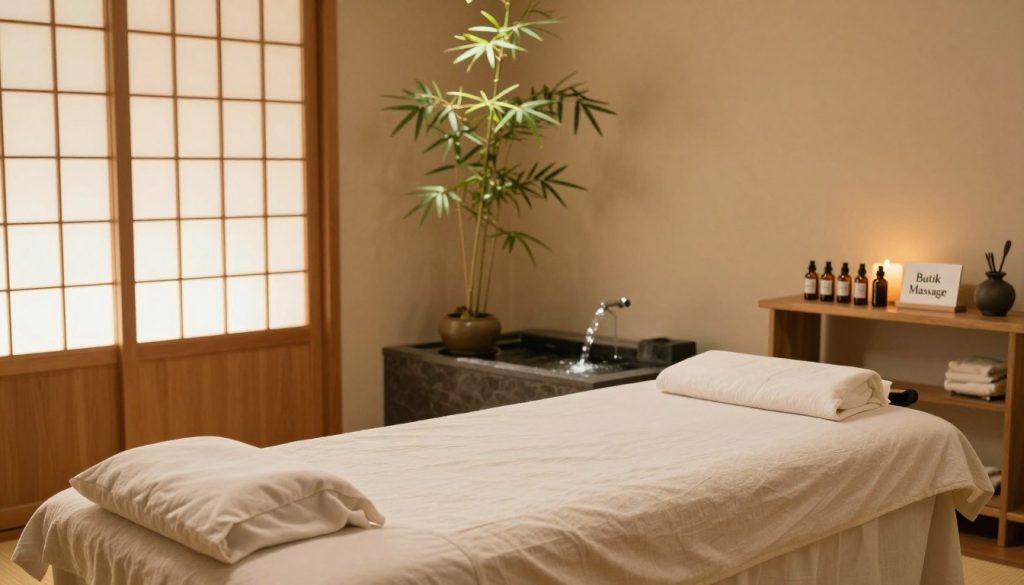
Proper preparation transforms your Japanese oil massage into a deeply restorative healing experience. The steps you take before your session directly influence how your body receives therapeutic benefits. Understanding what creates optimal conditions helps you maximize relaxation and healing outcomes.
Thoughtful preparation sets the foundation for success during professional or at-home sessions. Your environment, physical state, and mental readiness all contribute to overall effectiveness.
Creating the Right Environment
The space where you receive your massage profoundly affects your ability to relax completely. Your nervous system responds to environmental cues, either supporting deep relaxation or maintaining alertness. Creating the ideal setting involves attention to multiple sensory elements.
Temperature control ranks among the most critical factors for comfort during relaxation massage with oil. Your treatment room should maintain warmth between 72-76°F to prevent chilling when oils touch exposed skin. Cold environments trigger muscle tension, counteracting the massage’s relaxing effects.
Lighting should support relaxation rather than stimulate alertness. Soft, dimmed lighting signals your brain that it’s safe to release vigilance. Consider these lighting options:
- Natural light filtered through curtains or shades
- Warm-toned lamps positioned away from direct eye contact
- Candles placed safely for gentle, flickering ambiance
- Himalayan salt lamps that emit calming orange-pink hues
Sound environment requires equal consideration. Silence works well for some people, while others prefer gentle background music. Japanese-inspired sounds like shakuhachi flute melodies or traditional koto music enhance the cultural experience.
Ensure external noise is minimized by closing windows and doors.
Japanese aesthetic principles emphasize simplicity and natural elements. Incorporate clean lines, uncluttered spaces, and natural materials like bamboo or wood. Subtle aromatherapy using Hinoki cypress or Yuzu citrus essential oils creates an authentically calming atmosphere.
Privacy and security form essential foundations. You must feel completely comfortable knowing you won’t be interrupted. For home sessions, silence phones and inform household members to respect your massage time.
Pre-Massage Self-Care Tips
Physical preparation begins with cleansing your body before your Japanese oil massage session. Showering or bathing removes surface dirt and opens pores, enhancing oil absorption and therapeutic benefits. Warm water also begins the relaxation process, preparing your muscles for treatment.
For optimal results, many practitioners recommend applying oils to damp skin immediately after showering. This technique creates an emulsion that prevents overdrying and enhances penetration of beneficial nutrients. Your skin becomes more receptive when slightly moist.
Timing your meals appropriately prevents discomfort during your session. Avoid heavy foods 1-2 hours before massage, as active digestion interferes with deep relaxation. A full stomach can make certain positions uncomfortable, particularly when lying face-down.
Hydration status significantly affects tissue responsiveness. Well-hydrated tissues receive massage techniques more favorably and release tension more easily. Drink adequate water throughout the day leading up to your appointment.
Remove jewelry, watches, and contact lenses before your session begins. These items can interfere with techniques or become uncomfortable during treatment. Wear loose, comfortable clothing if you’ll receive traditional Shiatsu over clothes.
Mental preparation enhances your therapeutic experience. Set clear intentions for your session:
- Identify specific areas requiring attention or relief
- Define your primary goal (stress reduction, pain relief, general wellness)
- Cultivate openness to receiving care and releasing tension
- Practice letting go of mental chatter and to-do lists
Arrive 10-15 minutes early for professional appointments. This transition time helps you shift from your busy day into a receptive, relaxed state. Rushing directly from stressful activities diminishes your ability to fully benefit from treatment.
What to Expect During the Session
Understanding the typical flow of a Japanese oil massage session reduces anxiety and helps you relax. Sessions typically begin with a comprehensive intake discussion where you communicate essential information to your practitioner.
During intake, you’ll share your health history, current concerns, and areas requiring special attention or avoidance. This information allows practitioners to customize techniques appropriately for your unique needs. Honest communication establishes the foundation for effective treatment.
| Session Phase | Duration | What Happens | Your Role |
|---|---|---|---|
| Intake Discussion | 5-10 minutes | Health history review and goal setting | Share concerns and preferences openly |
| Preparation | 3-5 minutes | Undressing and positioning on table | Get comfortable under draping |
| Active Massage | 30-75 minutes | Oil application and therapeutic techniques | Relax, breathe, communicate needs |
| Conclusion | 5-10 minutes | Gentle closing strokes and transition | Integrate experience, dress slowly |
For oil massage, you’ll receive privacy to undress to your comfort level. Most clients remove all clothing, though you control your comfort boundaries. You’ll position yourself on the massage table under a sheet or towel that maintains modesty.
The practitioner warms oils before application, either in their hands or using a gentle warmer. Oils should reach body temperature before touching your skin. Cold oil creates an unpleasant shock that triggers defensive muscle tension.
Sessions flow with intentional rhythm and progression. Expect broader, gentler strokes initially that warm and prepare tissues. As your body relaxes, the practitioner addresses specific areas with appropriate pressure techniques.
Communication remains important throughout your session. You should feel empowered to request pressure adjustments, express discomfort, or ask questions. Quality practitioners welcome feedback that helps them serve you better.
Sessions conclude with gradual, gentle techniques that signal completion. These closing strokes allow your nervous system to integrate the therapeutic work. You’ll receive privacy to dress and may get post-massage recommendations for continuing self-care at home.
Professional Japanese spa massage services typically offer sessions ranging from 30 to 90 minutes. Your first session may include additional time for comprehensive intake discussion and orientation to the process.
Post-Massage Care and Recommendations
Your wellness journey extends beyond the massage table. Proper aftercare helps maximize the therapeutic benefits you received. Supporting your body’s healing process ensures you get the most from your session.
Hydration and Rest
Drinking water after your massage supports natural detoxification. Aim for 16-24 ounces within a few hours of your session. Your lymphatic system eliminates waste released during massage, and water helps this process.
Rest allows your nervous system to integrate the therapeutic work. Avoid intense physical activities right after your massage. Take time for a relaxing evening and prioritize quality sleep.
Learning what to do after a massage helps you avoid common mistakes.
Stretching and Relaxation Practices
Japanese taiso stretches complement your massage sessions beautifully. These gentle movements maintain flexibility gains between professional treatments. Practice mindful breathing exercises for 5-10 minutes daily to sustain relaxation.
Simple self-massage on areas like forearms and feet extends your therapeutic experience.
Frequency of Massage for Best Results
Consistency creates cumulative benefits with Japanese spa massage services. For stress management and general wellness, schedule sessions bi-weekly or monthly. Acute pain management may require weekly appointments initially.
Studies confirm that regular massage therapy produces more sustained improvements. Benefits include better sleep quality, pain reduction, and higher energy levels. Regular sessions work better than occasional visits.
View traditional Japanese massage therapy as an essential wellness component rather than occasional indulgence.