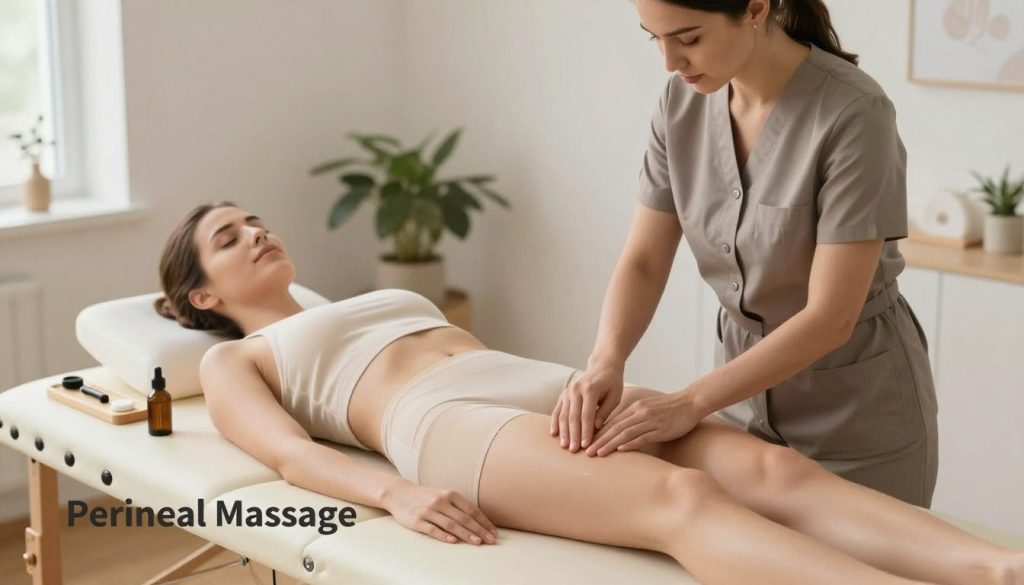
Can a simple stretching technique help prepare your body for childbirth? Could it reduce your risk of tearing during delivery? Many expectant mothers ask these important questions.
Understanding this specific preparation method can make a real difference. It has gained attention in recent years for good reasons.
Perineal massage during pregnancy isn’t actually a traditional massage. It’s a controlled tissue stretching technique you practice before labor. The goal is simple and focused.
This method gently prepares the area between your vaginal opening and anus. It helps this tissue handle the pressure during delivery. You practice it for just minutes each week.
Research shows this practice offers real benefits for first-time mothers. Studies indicate it reduces trauma requiring stitches. It also decreases the need for episiotomy.
This guide covers everything you need to know about this birth preparation technique. You’ll learn when to start and how to perform it safely. You’ll also discover whether it’s right for your situation.
Key Takeaways
- This technique involves tissue stretching rather than traditional massage to prepare for childbirth
- The practice targets the area between the vaginal opening and anus during the final weeks before delivery
- Research demonstrates particular benefits for first-time mothers in reducing perineal trauma
- Starting this preparation method in late pregnancy can decrease the need for episiotomy during labor
- Proper technique and timing are essential for safety and effectiveness
- Not all expectant mothers will find this method comfortable or appropriate for their situation
What Is Perineal Massage?
Perineal massage has become popular during pregnancy. It helps prepare your body for vaginal birth. Learning about this practice helps you decide if it’s right for you.
The name “perineal massage” doesn’t fully describe what happens. You’re actually stretching perineal tissue with sustained pressure. This isn’t like a regular massage at all.
Understanding the Technique
Perineal tissue stretching uses gentle, steady pressure on your perineum. This is the area between your vaginal opening and anus. The stretching prepares tissue for the expansion needed during delivery.
Your perineum must stretch significantly during vaginal birth. This allows your baby to pass through safely. Practicing this technique helps your tissues adapt gradually before delivery.
The process uses intentional, steady stretching movements. You apply pressure with your thumbs or fingers. This sustained pressure makes the tissue more elastic over time.
Historical Development
Midwives have used perineal preparation techniques for generations. These practices varied across different cultures. Experienced practitioners passed this knowledge down through teaching.
Scientific research on perineal massage started in the 1990s. Researchers wanted evidence to support traditional practices. Studies began showing real benefits from this technique.
Today, this practice combines traditional wisdom with modern research. Healthcare providers recommend it based on solid evidence. This has helped it gain acceptance in prenatal care.
Research-Supported Advantages
Perineal massage benefits include both physical and mental advantages. Research shows several specific positive outcomes. Understanding these helps you make informed decisions about practicing.
A major study by Beckmann and Garrett found important results. Women who practiced starting at 34 weeks had less perineal trauma. First-time mothers saw the biggest benefits.
Regular practice may reduce your need for episiotomy. This surgical cut can extend recovery time. Research shows episiotomy rates drop with consistent practice.
The technique may reduce severe perineal tears. Evidence shows fewer third- and fourth-degree tears with practice. These serious tears involve anal sphincters and affect recovery significantly.
| Benefit Category | Specific Outcome | Supporting Evidence | Primary Beneficiaries |
|---|---|---|---|
| Reduced Surgical Intervention | Lower episiotomy rates | Cochrane systematic review | All pregnant women, especially first-time mothers |
| Decreased Trauma Severity | Fewer grade 3-4 perineal tears | Multiple clinical studies | Women at higher risk for severe tearing |
| Postpartum Comfort | Reduced perineal pain after delivery | Patient-reported outcomes research | Women seeking faster recovery |
| Long-term Health | Lower risk of postpartum anal incontinence | Follow-up studies tracking pelvic floor function | Women concerned about long-term pelvic health |
| Psychological Preparation | Improved body awareness and birth confidence | Qualitative research and surveys | Women seeking empowerment in birth experience |
Many women report psychological benefits from this practice. These include better body awareness and understanding of pelvic floor relaxation. This knowledge helps during the pushing stage of labor.
The practice reduces fear of crowning sensations during birth. Knowing what stretching feels like helps you stay calm. This mental preparation builds confidence in your body’s abilities.
Some women heal faster postpartum after practicing regularly. Reduced trauma naturally supports quicker tissue recovery. Understanding realistic expectations helps you approach this practice with balanced perspective.
When to Use Perineal Massage
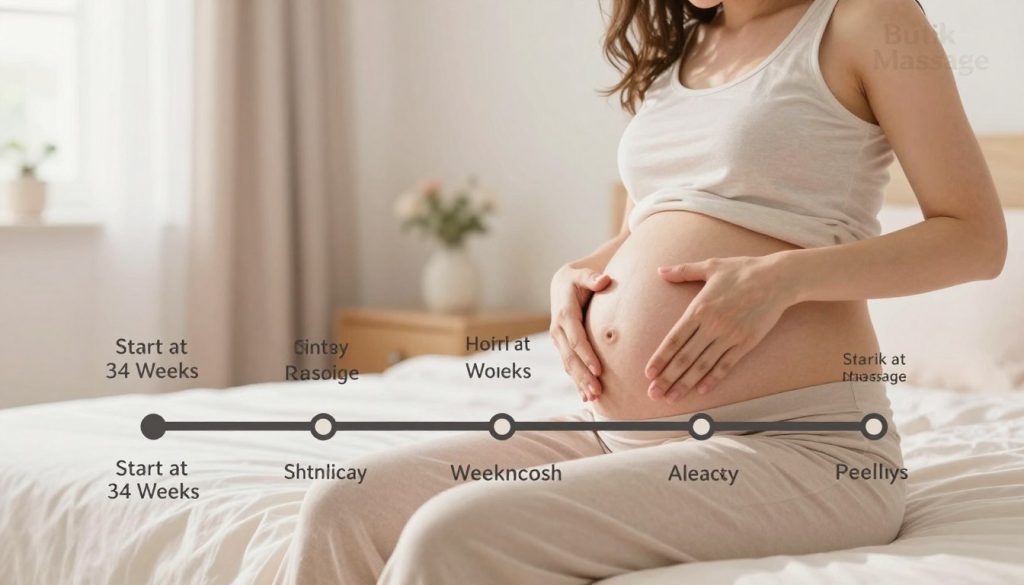
Timing matters when it comes to perineal massage effectiveness. Research shows clear guidance about the best time to begin this practice. Proper timing helps you focus your energy when it counts most.
Different life stages need different approaches to perineal tissue work. Pregnancy is the most common and well-studied application. Modified techniques may also help with postpartum healing or surgical preparation.
Starting Your Practice in Late Pregnancy
Strong evidence supports starting perineal massage at 34 to 35 weeks of pregnancy. This marks your entry into the final pregnancy phase. Starting before 34 weeks shows no extra benefits in studies.
Your first birth affects when you should start perineal massage. Research shows the strongest results for first-time mothers. They face higher risk of perineal trauma during delivery.
Severe tears affect about 4 to 5 percent of first births. This low risk still motivates many women to try preventive practices. Your personal situation helps determine if this technique helps you.
Certain groups benefit most from perineal massage based on risk factors. Consider this practice if you match these descriptions:
- This represents your first vaginal birth, as research evidence is strongest for this group
- You experience difficulty relaxing your pelvic floor muscles during examinations or intimate activities
- You feel pelvic pain or significant discomfort during vaginal exams
- You have a history of painful intercourse or vaginismus
- A pelvic floor assessment identified muscle guarding or overactivity in your perineal region
- You experience considerable anxiety about perineal trauma during the birth process
Practice perineal massage every other day or two to four times weekly. Daily practice shows no better outcomes than this schedule. Your tissues need recovery time between sessions to adapt properly.
Studies consistently show that perineal massage may reduce the risk of third-degree or fourth-degree tears during a first vaginal birth, though the overall incidence of severe trauma remains low even without intervention.
A consistent routine helps maintain your practice through final pregnancy weeks. Many women link this activity to another regular routine. Gentle, regular practice works better than sporadic intensive sessions.
| Timing Phase | Recommended Start | Frequency | Primary Benefit |
|---|---|---|---|
| Early Pregnancy | Not recommended before 34 weeks | Not applicable | No demonstrated benefit |
| Third Trimester | 34-35 weeks gestation | 2-4 times per week | Tissue preparation for birth |
| Final Weeks | Continue from 34 weeks until delivery | Every other day | Maintained tissue flexibility |
| Postpartum Period | Only with provider guidance | As directed individually | Gentle healing support |
Supporting Recovery After Birth
Postpartum perineal work differs greatly from prenatal massage techniques. Gentle tissue awareness exercises help you reconnect with your pelvic floor. This application needs specific guidance from your healthcare provider.
Never try vigorous stretching or massage right after delivery. Modified techniques focus on gentle external awareness and breathing coordination. These practices support the natural healing timeline.
The timing for perineal tissue work after birth depends on your recovery. Your provider considers whether you had tearing or an episiotomy. They assess your healing before recommending any hands-on techniques.
Most postpartum care emphasizes rest, proper hygiene, and natural healing. Active tissue work typically begins after initial healing completes. The focus shifts to gentle mobilization and scar tissue management.
Preparation Before Surgical Procedures
Perineal massage might be recommended before certain pelvic surgeries. This specialized application requires direct guidance from your surgical team. The goal involves familiarizing you with the area before intervention.
Pre-surgical work might help before vaginal reconstruction or prolapse repair. The techniques differ from pregnancy-related massage. They target specific surgical considerations.
Your surgeon provides detailed instructions about timing and technique if needed. This guidance fits your specific procedure and treatment plan. Never start perineal massage before surgery without medical direction.
Evidence for pre-surgical perineal massage remains less developed than pregnancy applications. Your healthcare team weighs potential benefits against your circumstances. They determine whether this preparation offers value for your situation.
How to Perform Perineal Massage
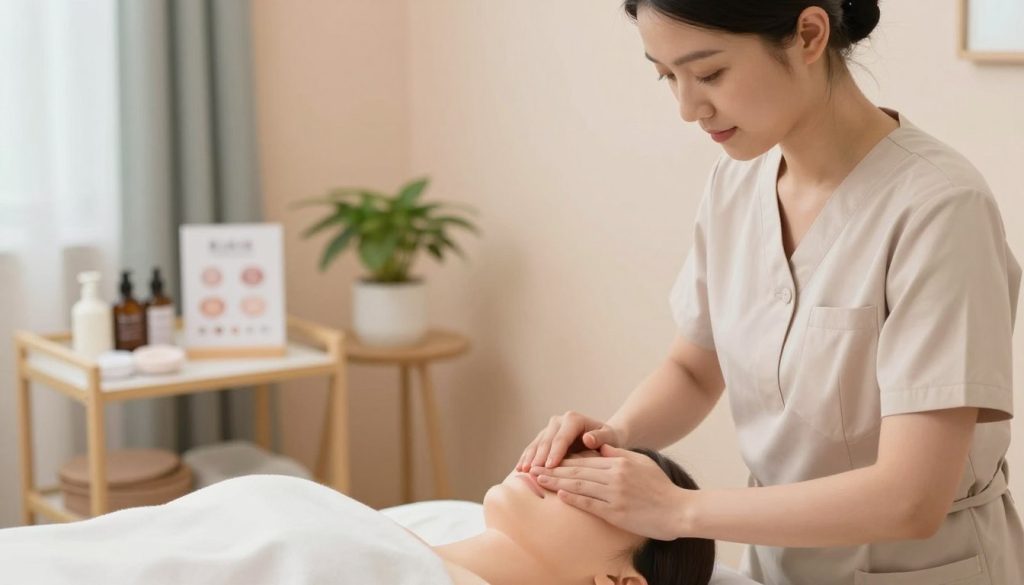
Performing perineal massage at home requires proper preparation, the right technique, and a gentle approach. This hands-on practice helps you become familiar with the stretching sensations you will experience during childbirth. By following clear instructions and using appropriate products, you can confidently incorporate this preparation into your prenatal routine.
Understanding how to do perineal massage correctly makes the process comfortable and effective. The technique involves both physical preparation and mental relaxation. Your body responds best when you approach the practice with patience and consistency.
Preparation and Positioning
Before beginning your massage session, wash your hands thoroughly with soap and warm water. Trim your nails short and file any rough edges to prevent scratches or discomfort. These simple hygiene steps reduce the risk of introducing bacteria into sensitive areas.
Choose a comfortable position that allows you to reach your perineum easily. Many women prefer semi-reclining against pillows with knees bent and legs apart. Others find success standing with one foot elevated on a stool or bathtub edge.
Some women feel most comfortable sitting on the toilet. Experiment with different positions to discover what works best for your body and stage of pregnancy. The right position should feel relaxed and sustainable for 5-10 minutes.
Step-by-Step Instructions
Apply a generous amount of lubricant to your thumbs or index fingers. Natural oils work excellently for this purpose and help your fingers glide smoothly. Warm the oil between your hands before application to make the experience more comfortable.
Gently insert one or two thumbs approximately 2-3 centimeters into your vagina. If you are performing the massage yourself, thumbs typically work best. If your partner assists, they should use their index fingers instead.
Apply steady, gentle pressure downward toward your anus and then sideways in a U-shaped sweeping motion. Hold the stretch for several seconds, then release. You should feel a stretching or tingling sensation similar to when you smile widely.
Repeat this rhythmic stretching motion for approximately 5-10 minutes. Focus on maintaining steady, gentle pressure rather than forceful stretching. The goal is gradual tissue elasticity, not immediate results.
Stop immediately if you experience sharp pain, burning, or significant discomfort. A mild stretching sensation is normal and expected. However, pain signals that you need to adjust your technique or reduce pressure.
Recommended Techniques
Several perineal massage techniques exist to accommodate different comfort levels and preferences. The standard internal stretching method described above remains the most researched approach. However, alternative methods may suit your individual needs better.
External-only massage involves applying perineal massage oil to the outer perineal skin and massaging with gentle circular motions. This approach requires no internal penetration. Some women find this method more comfortable, especially when beginning their massage practice.
External massage helps soften tissues, increase blood circulation, and improve elasticity. Some women find this method more comfortable than internal techniques. The gentle touch helps you connect with this area of your body.
Mental preparation represents an equally important component of effective perineal massage techniques. Practice deep breathing as you perform the massage. Consciously relax your pelvic floor muscles rather than tensing against the stretching sensation.
This practice of “softening” into the stretch translates directly to managing crowning sensations during birth. Your body learns to release tension in response to pressure. This conditioning helps during labor when similar sensations occur.
Partner-assisted techniques work well if you have difficulty reaching comfortably due to limited mobility or belly size. Clear communication ensures comfort and safety throughout the process. Guide your partner regarding pressure, speed, and positioning.
Your partner should follow your verbal cues exactly. Only you can determine the appropriate pressure level and stretching intensity. This collaborative approach can strengthen your connection while preparing for childbirth together.
Tools and Products
Selecting the right perineal massage oil significantly impacts your comfort and results. Natural, unscented options work best for sensitive perineal tissues. These products minimize the risk of irritation or allergic reactions.
Sweet almond oil offers excellent glide and absorbs slowly into skin. Wheat germ oil provides vitamin E naturally and supports tissue health. Pure vitamin E oil delivers concentrated nourishment but may feel thicker than other options.
Organic coconut oil remains a popular choice due to its natural antimicrobial properties and pleasant consistency. It solidifies at cooler temperatures but melts quickly with body heat. Many women appreciate its natural composition and availability.
Commercially available perineal massage oils are specifically formulated for this purpose. These products often combine multiple beneficial oils and may include ingredients that support tissue elasticity. Look for formulations with natural ingredients and no artificial fragrances.
| Oil Type | Key Benefits | Texture | Considerations |
|---|---|---|---|
| Sweet Almond Oil | Excellent glide, gentle on skin, widely available | Light, absorbs moderately | Avoid if nut allergies present |
| Vitamin E Oil | Concentrated nourishment, supports tissue repair | Thick, slow absorption | May be too heavy for some preferences |
| Organic Coconut Oil | Antimicrobial properties, natural composition | Solid below 76°F, melts with warmth | Temperature-dependent consistency |
| Wheat Germ Oil | Natural vitamin E source, nutrient-rich | Medium weight, good glide | Distinct aroma some find strong |
Avoid petroleum-based products like mineral oil or petroleum jelly. These substances do not absorb into tissues and may interfere with natural skin processes. Heavily scented oils or products containing potential allergens should also be avoided.
Read ingredient labels carefully before purchasing any massage product. Your perineal tissues are delicate and absorbent. Only use products you would feel comfortable using on other sensitive areas of your body.
Pelvic floor wands represent specialized tools designed to assist with internal tissue stretching. These devices prove particularly helpful if you experience difficulty reaching comfortably or hand fatigue during massage. The ergonomic design allows for controlled, consistent pressure.
However, proper instruction is essential before using pelvic floor wands. Seek guidance from a qualified pelvic floor physiotherapist to ensure safe, appropriate use. These professionals can demonstrate correct positioning, pressure, and technique specific to your body.
Practices like Bien Australia and similar specialized clinics offer expert instruction on pelvic floor wand use. Professional guidance ensures you gain maximum benefit while avoiding potential discomfort or improper technique. Investment in proper training protects your safety and optimizes results.
The key to effective perineal massage is consistency and gentleness. Your body responds to regular, patient practice rather than aggressive stretching.
Establish a regular massage schedule that fits your routine. Most women benefit from performing perineal massage 3-4 times weekly starting around 34-35 weeks of pregnancy. Consistency matters more than session length.
Track your progress and comfort level over time. You may notice increased flexibility and reduced sensitivity to stretching sensations. These changes indicate your tissues are responding positively to the preparation.
Safety Considerations for Perineal Massage
Perineal massage can help prepare your body for birth. Recognizing potential risks ensures you approach this practice responsibly. Understanding safety guidelines protects both your physical comfort and emotional wellbeing.
This section provides transparent information about what can go wrong. You’ll learn when to seek professional guidance. Knowing contraindications and warning signs helps you make informed decisions.
Your individual circumstances determine whether this practice suits your needs. Safety always takes priority over any potential benefit.
Understanding the Risks
Tissue trauma represents the primary concern with incorrect perineal massage. Overly aggressive stretching can cause bruising, microtears, or irritation. The perineal area contains sensitive structures requiring gentle, progressive stretching.
Using inadequate lubrication creates friction that damages skin. Applying too much pressure causes soreness rather than flexibility. Performing the massage too frequently prevents tissues from recovering between sessions.
Infection risk increases without proper hygiene practices. You must wash your hands thoroughly before each session. Trim your nails short and file any rough edges.
Active infections require you to pause this practice. These include yeast infections, bacterial vaginosis, or herpes outbreaks. Introducing bacteria into the vaginal canal can disrupt your microbiome.
Perineal massage does not guarantee prevention of perineal tearing. Multiple factors influence your perineal outcomes during birth. Your baby’s size and position matter significantly.
The speed of delivery affects tissue stretching. Your birthing position changes how pressure distributes across the perineum. Your healthcare provider’s approach during crowning plays an important role.
Emotional safety deserves equal consideration with physical safety. Survivors of sexual trauma may find internal perineal stretching distressing. Body-based trauma can make this practice feel invasive.
Protective muscle guarding occurs when pelvic floor muscles tighten involuntarily. This response happens when your nervous system perceives threat. Forcing massage when your body resists counteracts the relaxation you seek.
Specific Situations Requiring Caution
Your healthcare provider may place you on pelvic rest for medical reasons. This restriction means you should avoid perineal massage entirely. Conditions warranting pelvic rest include placenta previa.
Risk of preterm labor requires careful monitoring and activity restrictions. An incompetent cervix that opens prematurely contraindicates internal pelvic work. Unexplained vaginal bleeding signals the need for complete pelvic rest.
Current vaginal or perineal infections require treatment before attempting massage. Active thrush creates an environment where massage spreads fungal organisms. Bacterial vaginosis disrupts your natural protective bacteria.
| Contraindication | Reason to Avoid | Alternative Action |
|---|---|---|
| Placenta previa | Risk of bleeding and complications | Follow pelvic rest guidelines completely |
| Active infections | May spread bacteria or worsen condition | Complete treatment before resuming practice |
| Preterm labor risk | Could stimulate uterine activity | Wait for medical clearance from provider |
| History of trauma | May trigger emotional distress | Work with specialized pelvic floor therapist |
Significant pelvic pain or vaginismus indicates underlying dysfunction. These conditions require professional assessment before attempting stretching. Severe anxiety about vaginal touch suggests you need specialized support.
Your emotional response provides valid guidance. If internal perineal massage feels wrong, you have permission to stop. Your sense of safety matters more than following any technique.
Some women experience increased anxiety rather than relaxation during this practice. Honoring your intuition protects your mental health. Alternative birth preparation methods may suit you better.
Professional Guidance and Support
Pelvic floor physiotherapists specialize in assessing your individual pelvic floor function. These professionals identify whether you have muscle overactivity or difficulty with relaxation. Their evaluation determines if perineal massage addresses your specific needs.
A qualified therapist provides personalized instruction on proper technique. They teach you how much pressure to apply. This individualized guidance helps you prevent perineal tearing safely and effectively.
Discussing perineal massage with your midwife or obstetrician ensures coordinated care. Your birth team needs to know your preparation strategies. They can identify any contraindications specific to your pregnancy.
Professional consultation becomes especially valuable in certain circumstances. Previous perineal trauma changes your tissue characteristics and healing patterns. Ongoing pelvic pain may indicate underlying conditions requiring treatment.
A history of pelvic floor dysfunction benefits from expert assessment. Uncertainty about whether this practice suits your situation warrants professional input. You deserve clear, evidence-based guidance tailored to your body.
If you feel unsure about any aspect of perineal massage technique or safety, seeking guidance from a pelvic floor physiotherapist ensures you practice this method correctly and confidently.
Your healthcare providers can also recommend alternatives if perineal massage proves inappropriate. They understand your complete medical history and current pregnancy status. This comprehensive knowledge helps them suggest the safest birth preparation strategies.
Choosing not to perform perineal massage remains a valid decision. Many women have positive birth outcomes without this practice. Your comfort and confidence matter most as you prepare for your baby’s arrival.
Myths and Misconceptions About Perineal Massage
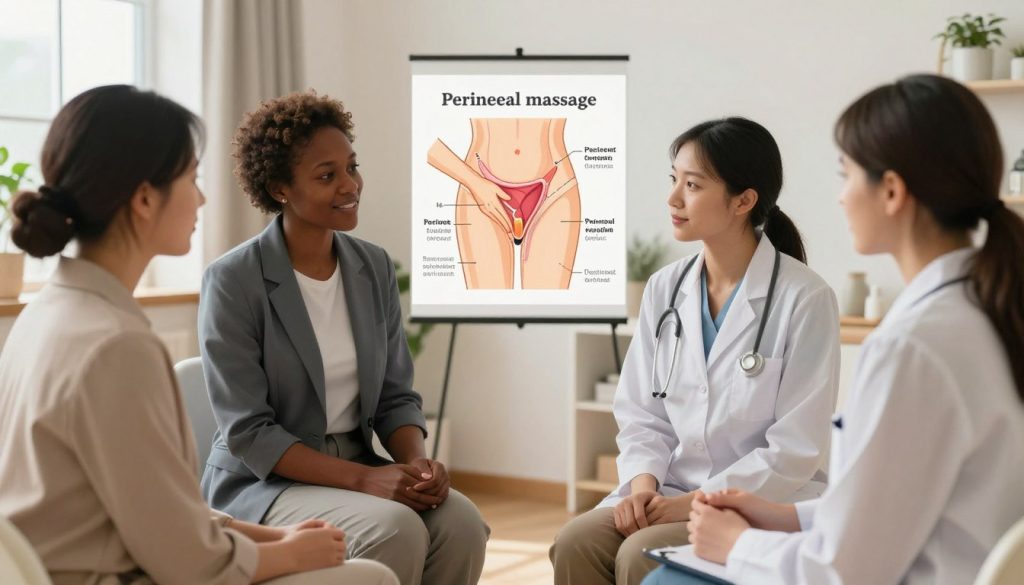
Perineal massage is often misunderstood, leading to unrealistic expectations about what this practice can achieve. You may have encountered conflicting information about its effectiveness or heard exaggerated claims about guaranteed results. Separating fact from fiction helps you make informed decisions about incorporating this technique into your birth preparation.
Research shows mixed but generally supportive findings. Your understanding of what perineal massage can and cannot do directly impacts whether this practice will serve your needs. This knowledge helps align the technique with your birth planning goals.
Widespread Misunderstandings
One common myth suggests that perineal massage guarantees prevention of all tearing during childbirth. This misconception creates unrealistic expectations and potential disappointment. The practice may reduce your risk of severe third- or fourth-degree tears.
However, it does not prevent minor first- and second-degree tears that commonly occur during vaginal birth.
Many people believe the massage must be painful to work effectively. This misunderstanding can actually harm your progress. You should feel a stretching sensation during the massage, but significant pain causes muscle tension.
Pain prevents the relaxation needed for tissue elasticity.
Another prevalent myth states that practicing daily or multiple times per day improves outcomes. Your tissue actually needs recovery time between sessions. Research supports practicing every other day or several times weekly, making this a more sustainable approach.
Some believe perineal massage is solely about physical tissue stretching. However, the mental preparation component provides equal importance. Body awareness, conscious relaxation practice, and reducing anxiety about vaginal birth represent significant benefits.
These advantages extend beyond physical tissue changes.
You might have heard that skipping perineal massage means you are unprepared or destined to tear severely. This fear-based message ignores the multiple factors influencing perineal outcomes. Your baby’s position, birth speed, birthing position, and your provider’s approach all play substantial roles.
The belief that perineal massage is a modern medical invention overlooks its historical roots. Traditional midwifery practices across many cultures have included gentle perineal support for generations. Systematic research examining these practices is what’s relatively recent.
Research-Supported Facts
Understanding what research actually demonstrates helps you set appropriate expectations. The Cochrane review findings show approximately 10-15% reduction in perineal trauma requiring stitches. This applies to first-time mothers who practiced perineal massage.
This represents meaningful but modest benefit rather than the dramatic transformation some sources claim.
The overall risk of severe tears remains relatively low at around 4-5% for first births. This means perineal massage is not addressing a common problem. Rather, it reduces an already uncommon outcome.
Your individual risk factors and birth circumstances matter significantly.
Evidence clearly shows that the truth about perineal massage effectiveness varies based on your birth history. First-time mothers see the most pronounced benefits. Research shows less clear advantages for women having second or subsequent births.
| Myth | Research Reality | Your Takeaway |
|---|---|---|
| Prevents all tearing | May reduce severe tears by 10-15% in first births | Helpful but not guaranteed protection |
| Must be painful to work | Stretching sensation expected; pain counterproductive | Comfort indicates proper technique |
| Daily practice required | Every other day or several times weekly sufficient | Sustainable frequency works well |
| Works equally for all births | Most effective for first-time mothers | Set expectations based on birth history |
| Shortens labor duration | No evidence for reduced second stage | Focus on realistic outcomes |
Your provider’s philosophy significantly influences episiotomy outcomes. Perineal massage is associated with decreased episiotomy rates. However, this benefit connects closely to whether your healthcare provider generally uses restrictive or routine episiotomy approaches.
Research on postpartum outcomes presents mixed findings. Some studies indicate reduced reports of ongoing perineal pain at three months postpartum. These results apply to women who practiced the technique.
However, other research has not found significant differences in long-term pelvic floor function or sexual function.
Understanding what research does not support proves equally important. Studies have not demonstrated that perineal massage significantly reduces the need for instrumental delivery. The practice does not shorten your second stage of labor or prevent all forms of perineal trauma.
Timing matters according to evidence. Starting at 34-35 weeks gestation is supported by research. Earlier initiation has not demonstrated additional benefits.
This timing allows adequate practice while avoiding unnecessary early intervention.
For some expectant mothers, the confidence boost and sense of control represent valuable benefits. These advantages exist regardless of physical outcomes. Reducing anxiety about birth and increasing body awareness contribute to your overall birth preparation.
A range of factors ultimately determines your perineal outcomes. These include your baby’s position during delivery, the speed of birth progression, and your chosen birthing position. Your provider’s supportive approach also matters.
Perineal massage represents one tool among many rather than a singular determining factor.
Your decision to practice or skip perineal massage should be based on accurate information and personal preference. Choosing not to perform this technique represents a valid decision. It does not reflect poor preparation or guarantee negative outcomes.
Understanding these evidence-based clarifications empowers you to make choices aligned with your values and comfort level.
Additional Resources and Support
Learning about perineal massage techniques helps you make smart choices for birth preparation. Many resources can guide you through this practice with confidence. You’ll find support from books, professionals, and online communities.
Educational Materials and Reading
Research-based books offer helpful insights into birth preparation methods. The Cochrane review on antenatal perineal massage provides solid information through medical databases. Books about pelvic floor health during pregnancy include detailed guidance on preparation and recovery.
Professional Guidance Options
Pelvic floor physiotherapists provide personalized assessment for your specific needs. At Proactive Pelvic Health, specialists evaluate pelvic floor function before introducing perineal massage. This ensures the practice fits your situation.
Bien Australia offers consultations where professionals like Georgia demonstrate proper techniques using specialized tools. Booking a pelvic floor assessment represents an excellent first step. You’ll understand whether this practice suits your needs.
Community Connections and Digital Demonstrations
Online platforms connect you with shared experiences and visual learning opportunities. Sophie Kirkham from Calm Hypnobirthing provides video demonstrations of perineum stretching methods. Your midwife, obstetrician, or doula can integrate these techniques into your birth plan.
Joining evidence-based pregnancy forums and local birth networks offers supportive environments. You can discuss preparation methods with others on similar journeys. These connections provide valuable encouragement and practical advice.