Have you noticed your body feeling swollen or sluggish lately? This happens even when you eat well and exercise regularly.
Your lymphatic system might hold the answer to this mystery. This crucial network removes waste and supports your immune function silently. Lymphatic drainage massage helps this system work better through gentle, rhythmic techniques.
This therapeutic approach has gained attention in wellness circles and medical facilities. Social media influencers often promote it for detoxification and weight loss. The reality requires a more careful examination.
Your lymphatic system operates differently from your circulatory system. It lacks a pump like your heart. Instead, it relies on movement and muscle activity to keep fluids flowing.
This guide provides evidence-based information about this therapy. You’ll discover proper techniques and legitimate medical applications. You’ll also learn about realistic benefits and essential safety precautions.
Key Takeaways
- Lymph massage uses gentle, rhythmic pressure to move fluid through your body’s lymphatic vessels
- Your lymphatic system supports immune function and fluid balance but lacks a natural pump to circulate fluids
- The treatment has legitimate medical uses, particularly for lymphedema and post-surgical recovery
- Many popular claims about detoxification and weight loss are exaggerated or misunderstood
- Understanding proper techniques and safety precautions is essential before pursuing this therapy
- Professional, evidence-based information helps you make informed decisions about this treatment option
What is Lymph Massage?
A gentle massage technique supports your lymphatic system in maintaining fluid balance and immune function. This specialized treatment has gained recognition in Turkey and worldwide for its therapeutic benefits. Understanding lymph massage helps you decide if this approach suits your wellness goals.
Definition and Purpose
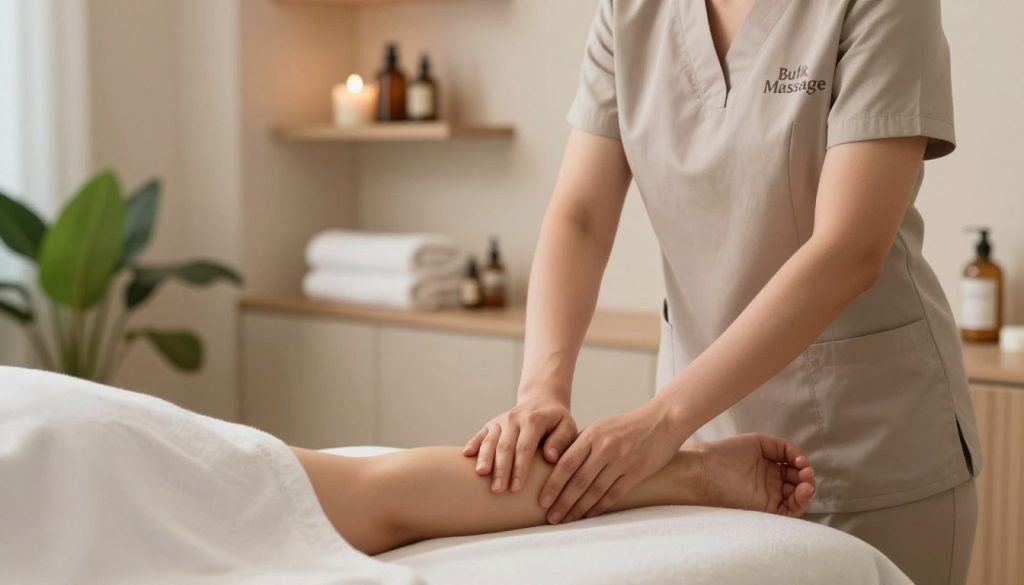
Lymphatic drainage massage uses light pressure to stimulate lymph fluid movement throughout your body. Unlike deep tissue massage targeting muscles, this treatment focuses on your lymphatic vessels. The pressure applied during sessions remains deliberately soft and methodical.
Your lymphatic system serves as your body’s natural drainage and defense network. It carries lymph fluid through vessels, supporting immune function and balancing fluid levels. The system also removes waste and excess fluid from your tissues.
This massage technique serves several important purposes:
- Supporting your immune system by promoting healthy lymph circulation
- Maintaining proper fluid balance throughout your body
- Removing metabolic waste products from your tissues
- Reducing swelling and fluid retention in affected areas
- Addressing specific medical conditions related to lymphatic function
Manual lymph drainage (MLD) represents a specialized medical version of this treatment. Certified therapists use MLD to treat lymphedema and other lymphatic system disorders. This technique involves precisely stretching the skin to redirect lymph fluid flow.
General lymphatic system massage differs from MLD in its application setting. Wellness centers and spas offer the general version for relaxation and preventive care. Medical facilities provide MLD as a therapeutic intervention for diagnosed conditions.
How It Works
Your lymphatic system operates differently from your circulatory system. While your heart pumps blood through arteries and veins, your lymphatic system lacks a central pump. Movement depends on muscle contractions, breathing motions, and external stimulation.
Lymphatic massage works by applying gentle pressure in specific directions. The technique encourages lymph fluid to move from congested areas toward functioning lymph nodes. Your lymph nodes process the fluid before it returns to your bloodstream.
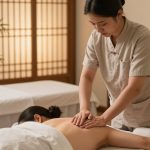
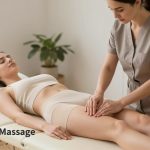
Professional therapists use wave-like, rhythmic motions during treatment sessions. These movements mimic your body’s natural lymphatic flow patterns. The strokes follow established pathways connecting to major lymph node clusters.
Each massage stroke serves a specific purpose in the drainage sequence:
- Clearing strokes prepare your lymph nodes to receive fluid
- Reabsorption strokes move fluid from congested tissues into lymphatic vessels
- Directional strokes guide fluid toward your nearest functioning lymph nodes
- Stimulation strokes encourage continued flow after treatment ends
The gentle nature of this treatment makes it accessible for most people. Your therapist adjusts pressure based on your comfort level and treatment goals. Sessions typically last between 30 and 60 minutes, depending on the areas addressed.
Manual lymph drainage requires specialized training to perform correctly. Therapists learn precise hand positions, stroke directions, and pressure levels. This education ensures treatments effectively stimulate your lymphatic system without causing discomfort.
Benefits of Lymph Massage
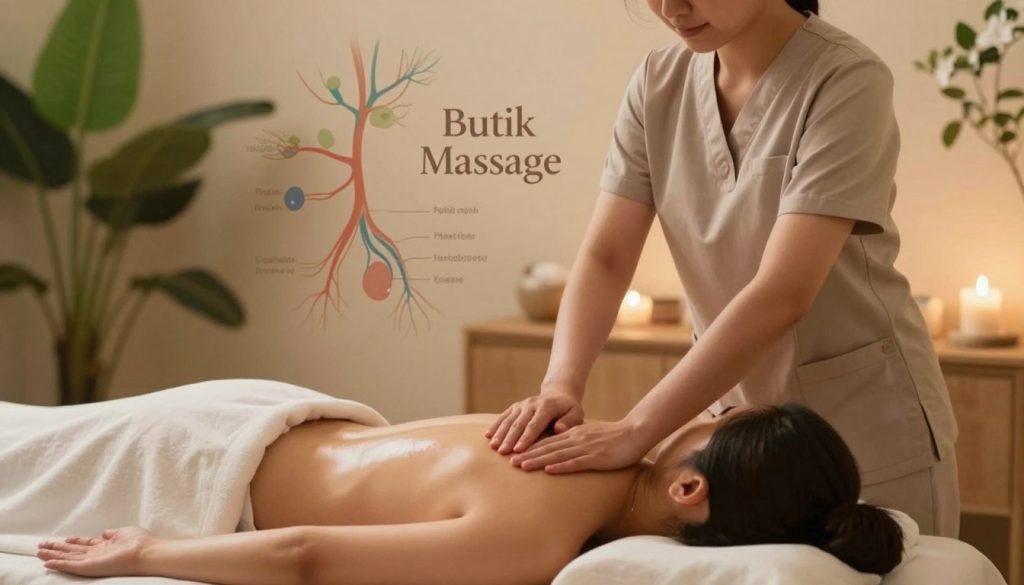
Understanding the specific advantages of lymph massage helps you make informed decisions about this treatment. Therapeutic lymphatic massage provides multiple health benefits that affect your circulatory system. It also impacts waste removal processes and mental wellbeing.
Your body responds differently to treatment based on your individual health condition. People with lymphedema or post-surgical swelling typically notice more dramatic improvements. Those seeking general wellness support may experience subtler changes.
Setting realistic expectations ensures you appreciate the genuine benefits this therapy offers.
Enhanced Blood and Lymph Flow
Lymph massage stimulates fluid movement throughout your circulatory and lymphatic systems simultaneously. The gentle, rhythmic strokes encourage lymph vessels to contract more efficiently. This process moves fluid from your tissues back into circulation.
This process reduces swelling, heaviness, and tightness in areas where excess fluid has accumulated. Better circulation means your tissues receive nutrients more effectively. It also removes metabolic waste products faster.
Your body delivers oxygen and essential compounds to cells through improved blood flow. At the same time, the lymphatic system carries away toxins and cellular debris. It also removes excess proteins that would otherwise cause inflammation.
The degree of improvement varies based on your baseline lymphatic function. Compromised lymphatic drainage due to surgery or injury creates more noticeable changes. Healthy individuals may feel lighter and less puffy.
| Benefit Category | How It Works | Expected Results | Timeline |
|---|---|---|---|
| Circulation Enhancement | Stimulates lymph vessel contractions and blood flow | Reduced swelling, better nutrient delivery | 1-3 sessions |
| Waste Removal Support | Moves stagnant fluid through natural drainage pathways | Less inflammation, decreased fluid retention | 2-4 sessions |
| Immune System Support | Improves lymphocyte circulation throughout the body | Enhanced immune response capability | Ongoing with regular treatment |
| Pain Reduction | Light pressure triggers pain-relieving neural responses | Decreased discomfort in affected areas | Immediate to 24 hours |
Natural Waste Processing Support
Detoxification claims surrounding lymphatic massage often create unrealistic expectations about dramatic toxin removal. Your lymphatic system already functions as your body’s built-in waste management network. Therapeutic lymphatic massage simply supports this natural process.
The treatment helps move accumulated fluid through your lymph nodes. Immune cells filter out bacteria, damaged cells, and waste products there. This enhancement works with your body’s existing filtration system.
Healthy kidneys, liver, and lymphatic organs already handle detoxification continuously. After treatment, you may notice increased urination or more frequent bowel movements. This occurs because your body processes and eliminates the mobilized fluid and waste materials.
Lymph massage reduces inflammation by preventing fluid buildup that compresses tissues. By maintaining proper fluid balance, you feel clearer, lighter, and more balanced. This is the realistic benefit you should expect.
Mental Relaxation and Nervous System Balance
The psychological benefits of lymph massage extend beyond physical fluid movement. Research demonstrates that manual lymphatic drainage performed on your neck can temporarily slow your heart rate. It also reduces blood pressure.
These physiological changes indicate activation of your parasympathetic nervous system. This system controls your rest and recovery functions. Studies show that performing MLD on the abdomen increases relaxation in people experiencing psychological stress.
The gentle, rhythmic nature of the treatment creates a meditative experience similar to yoga practice. Combined with focused breathing techniques that stimulate your diaphragm, this approach helps you feel calmer. It also helps you feel more centered.
The light pressure and rhythmic movements characteristic of lymphatic drainage massage trigger your body’s natural relaxation response, helping reduce cortisol levels and promote a sense of wellbeing.
Your nervous system responds to the predictable, soothing patterns of therapeutic lymphatic massage. This differs from deep tissue work that can cause discomfort or trigger stress responses. The breathwork component teaches you techniques for managing anxiety outside of treatment sessions.
Pain relief represents another significant benefit you may experience. Light pressure during lymph massage triggers pain-relieving neural pathways. This provides comfort without aggressive manipulation.
The comprehensive benefits of lymphatic massage create improvements across multiple body systems. Your results depend on your individual health status and treatment consistency. Working with qualified practitioners in Turkey ensures you receive proper technique application for optimal outcomes.
Techniques Used in Lymph Massage
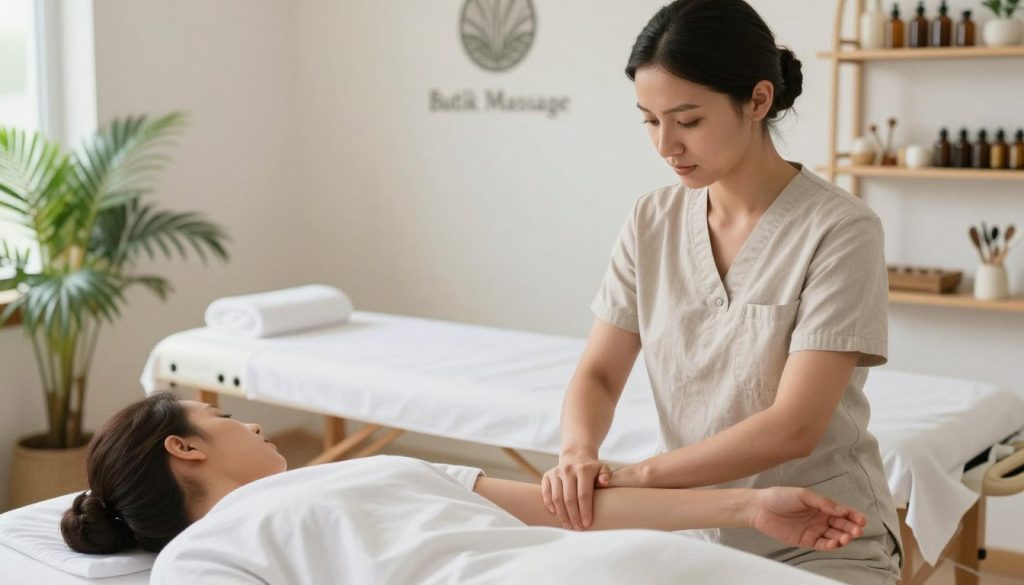
Lymph massage methods vary greatly in complexity, training needs, and therapeutic uses. Specialized medical procedures require certified professionals, while supportive practices work for home care. Each technique serves a distinct purpose in promoting lymphatic health.
Understanding these different approaches helps you identify the best method. Consider your specific needs and health goals carefully.
Professional Medical Approach
Manual lymphatic drainage stands as the gold standard for therapeutic lymphatic treatment. This specialized medical technique uses precise, gentle hand movements. The movements lightly stretch your skin in specific directions.
The movements follow natural pathways of your lymphatic vessels toward functioning lymph nodes. A certified lymph drainage therapist applies very light pressure. The pressure often feels like a coin resting on your skin.
This gentle approach differs dramatically from standard massage techniques. The direction and rhythm of strokes follow your body’s lymphatic anatomy. Standard massage focuses on muscle groups instead.
Training and certification are essential for effective manual lymph drainage. Many people claim to offer lymphatic massage without proper education or credentials. Look for specific credentials after a therapist’s name, such as CLT.
CLT stands for certified lymphedema therapist.
Manual lymphatic drainage requires understanding of lymphatic anatomy and physiology that goes far beyond basic massage training.
Professional MLD sessions follow a systematic approach. Your therapist typically starts from central lymph nodes and works outward. Sessions usually last between 45 to 60 minutes.
The duration depends on the treatment area and your specific condition. The best practitioners include certified lymphedema therapists and physical therapists. Massage therapists with specialized MLD training also qualify.
These professionals understand how to adapt techniques for different conditions. They also account for individual anatomical variations.
Home Care Methods
Self-massage techniques offer you a way to support your lymphatic system. Use these methods between professional sessions for best results. Learn these techniques from a certified lymph drainage therapist.
They can ensure you’re using correct techniques. Improper self-massage can be ineffective or potentially unsafe. This is especially true if you have underlying health conditions.
Basic principles of self-lymphatic massage include several important guidelines:
- Always work in the direction of lymph flow, moving toward your heart and functioning lymph nodes
- Use gentle pressure similar to stroking a cat or smoothing lotion on your skin
- Maintain slow, rhythmic movements rather than quick or vigorous strokes
- Start with stimulating central nodes near your neck and collarbone before working on limbs
- Practice consistency with daily sessions of 10-15 minutes rather than occasional long sessions
Self-massage works best as maintenance between professional treatments. It should not replace medical care. Managing lymphedema or recovering from surgery requires professional guidance.
Your therapist can teach you specific sequences tailored to your condition. They will also monitor your progress.
Equipment and Devices
Various devices and tools are used in lymphatic massage. They range from professional medical equipment to consumer wellness products. Understanding the differences helps you set realistic expectations.
Professional medical devices like the Ballancer® Pro represent FDA-cleared pneumatic compression systems. This equipment uses specially designed garments with 24 overlapping chambers. The chambers create wave-like compression patterns.
The sequential compression mimics the natural rhythm of your lymphatic system. During a Ballancer® Pro session, you’ll feel a gentle, rhythmic squeeze. The squeeze moves from your feet up to your torso.
It can also move from your hands up to your shoulders. The treatment feels relaxing and comfortable while providing therapeutic benefits. These professional systems are available in specialized clinics throughout Turkey.
Consumer tools present a different category with important limitations to understand:
| Tool Type | Primary Purpose | Medical Application | Best Used For |
|---|---|---|---|
| Gua Sha Stones | Cosmetic and relaxation | Not a medical treatment | Facial appearance and stress relief |
| Facial Rollers | Temporary cosmetic effects | Not a medical treatment | Skin care routine enhancement |
| Compression Boots | Athletic recovery and comfort | Not for lymphedema management | Post-workout muscle recovery |
| Manual Massage Tools | Self-care and wellness | Not medical grade | General relaxation purposes |
These consumer tools may provide comfort, relaxation, or temporary cosmetic benefits. However, they should not be relied upon for managing lymphatic system disorders. They are also not suitable for medical conditions.
The distinction between wellness products and medical treatments is crucial. This understanding is important for your safety and treatment expectations.
Discuss your options with a healthcare provider before considering any equipment. They can help you understand which devices might complement your treatment plan. They will also identify which are inappropriate for your specific situation.
Indications for Lymph Massage
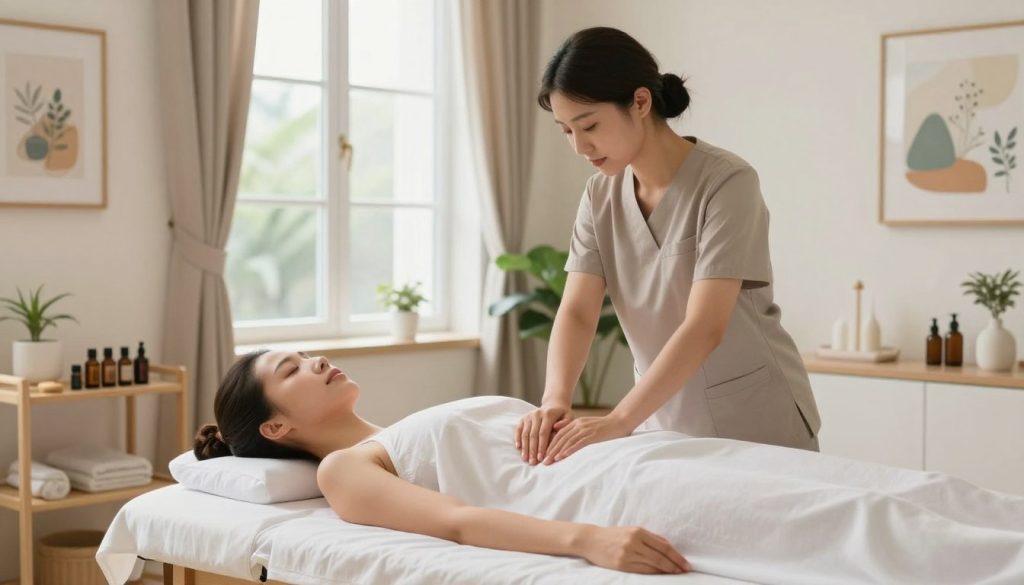
Lymph massage serves specific medical and wellness purposes beyond general relaxation. Healthcare providers recommend this therapy when your lymphatic system needs targeted support. Understanding these situations helps you make informed care decisions.
Your body accumulates excess fluid during various conditions or experiences lymphatic dysfunction. These situations create ideal opportunities for therapeutic lymphatic massage. The following scenarios represent the most common and well-documented indications.
Supporting Your Healing After Surgery
Post-surgery lymph massage plays a valuable role in recovery, particularly after cosmetic procedures. Your body naturally responds to surgery with inflammation and fluid buildup. This swelling represents normal healing but can cause discomfort.
Lymphatic massage helps move trapped fluid into your lymphatic system for processing. Many patients report feeling lighter and experiencing reduced soreness within days. This approach particularly benefits liposuction, tummy tuck, breast surgeries, facelifts, and body contouring.
Timing matters significantly for post-surgery lymph massage in your recovery plan. Most surgeons recommend waiting until they provide clearance, typically within the first week. Session frequency depends on your specific surgery and healing progress.
Patients in Turkey who undergo cosmetic surgery often include lymphatic massage in their recovery. Your surgeon can provide guidance about when to begin treatment. This coordinated approach creates the best environment for healing.
Living Well with Lymphedema
Lymphedema massage therapy represents a cornerstone treatment for managing this chronic disorder. This condition occurs when your lymphatic system cannot adequately drain lymph fluid. Lymph node removal during cancer treatment commonly causes this persistent swelling.
Lymphatic massage does not cure lymphedema but serves as essential Complete Decongestive Therapy (CDT). This gold standard treatment combines several elements for comprehensive management. Understanding these components helps you maintain quality of life.
CDT integrates five key elements into your care routine:
- Manual lymphatic drainage performed by trained therapists
- Compression therapy using specialized garments or bandaging
- Meticulous skin care to prevent infections
- Specific exercises designed to support lymphatic flow
- Patient education about self-management techniques
Your expectations for lymphedema massage therapy should focus on symptom management. Regular treatment can reduce swelling, improve mobility, and decrease discomfort. Ongoing maintenance preserves these benefits over time.
Many people with lymphedema in Turkey establish relationships with qualified therapists. Your therapist can adjust your treatment plan as needs change. This partnership helps you navigate chronic lymphatic condition challenges.
Optimizing Performance and Recovery for Athletes
Athletes increasingly turn to lymphatic massage to enhance recovery between training sessions. Intense exercise creates metabolic waste products while causing muscle inflammation. Your lymphatic system naturally clears these byproducts.
Encouraging lymphatic flow removes exercise-induced waste products more efficiently from tissues. This enhanced clearance may reduce muscle soreness and speed recovery. Many athletes report feeling less fatigued with regular lymphatic sessions.
The connection between lymphatic massage and athletic performance continues being studied. Preliminary results suggest potential benefits for recovery time and perceived exertion. Athletes who train intensively may find this therapy valuable during peak periods.
Your individual response to lymphatic massage varies based on training intensity. Consulting with your coach and therapist helps determine optimal session frequency. This integrated approach ensures lymphatic therapy supports your training goals.
Precautions to Consider
Understanding contraindications and precautions for lymphatic drainage massage helps you make informed decisions. Certain medical conditions require special attention or complete avoidance. Your safety depends on recognizing these situations before beginning therapy.
Communicating openly with your healthcare provider and massage therapist creates the foundation for safe treatment. This collaboration ensures that your specific health needs are addressed properly. Taking time to understand potential risks protects you from complications.
Medical Conditions That Require Caution
You should not have lymphatic drainage massage if you have active infections. Skin infections like cellulitis can spread throughout your body via the lymphatic system. This makes your condition significantly worse rather than providing relief.
Blood clots and clotting disorders represent serious contraindications for this therapy. Active deep vein thrombosis (DVT) makes massage dangerous because increased circulation can dislodge a clot. This clot could then travel to your lungs or brain, creating life-threatening emergencies.
Certain heart conditions, particularly congestive heart failure, make lymphatic drainage massage unsafe. The therapy mobilizes fluid that your compromised heart may not process effectively. This can worsen your heart failure symptoms and create additional complications.
Kidney disease or kidney failure requires avoiding this treatment entirely. The additional fluid that massage moves may overwhelm your kidneys’ limited filtering capacity. Your body cannot eliminate this excess fluid properly.
Cancer-related situations need careful evaluation before proceeding with lymphatic drainage massage. While beneficial for cancer-related lymphedema, avoid treatment during active, untreated cancer phases. Always obtain your oncologist’s approval first.
Diabetes requires special caution with this therapy. Lymphatic drainage massage may affect your blood sugar regulation patterns. You need to monitor your levels closely and possibly adjust your diabetes management plan.
| Medical Condition | Risk Level | Primary Concern | Required Action |
|---|---|---|---|
| Active Infections | Absolute Contraindication | Infection spread through lymphatic system | Avoid treatment until infection clears |
| Blood Clots/DVT | Absolute Contraindication | Clot dislodgement causing embolism | Complete avoidance without exception |
| Congestive Heart Failure | Absolute Contraindication | Fluid overload on compromised heart | Requires cardiologist approval |
| Kidney Failure | Absolute Contraindication | Inability to process mobilized fluid | Avoid treatment completely |
| Diabetes | Requires Monitoring | Blood sugar regulation changes | Close monitoring and doctor consultation |
Expected Responses and Warning Signs
Lymphatic drainage massage generally produces very few side effects when performed correctly. Your body may respond in several normal, benign ways. Recognizing these helps you distinguish expected responses from concerning symptoms.
Increased urination is a common response as your kidneys process mobilized lymph fluid. You may also experience increased bowel movements as your digestive system eliminates waste. These signs indicate your body is working properly to remove toxins.
Temporary tiredness or fatigue often occurs as your body processes and eliminates accumulated waste products. Some people feel energized after treatment while others feel ready to rest. Both responses are completely normal and depend on your individual physiology.
Feeling thirsty during or after your session is another common occurrence. Your body seeks to maintain proper hydration during the elimination process. Drinking water supports this natural detoxification.
Always talk with a healthcare provider before starting a new treatment regimen, particularly one that affects your circulatory and lymphatic systems.
Warning signs that require immediate medical attention include sudden swelling in one specific area. Pain or redness developing after treatment also warrants concern. Contact your healthcare provider immediately if you experience these symptoms.
Fever or signs of infection following massage require prompt medical evaluation. Worsening of pre-existing symptoms should never be ignored. These situations indicate potential complications that need professional assessment.
Essential Topics for Your Therapy Consultation
Providing your complete medical history ensures safe, effective treatment planning. Share all current health conditions, medications, and supplements with your therapist. These factors significantly affect whether lymphatic drainage massage is appropriate for you.
Ask specific questions about your therapist’s qualifications and experience. Their responses help you evaluate their expertise for your needs. This conversation builds confidence in your treatment plan.
- Verify their training credentials, particularly CLT (Certified Lymphedema Therapist) certification
- Ask about their experience treating your specific condition or treatment goal
- Discuss what to expect during and after each session
- Determine how many sessions they recommend for your situation
- Learn what self-care practices you should follow between appointments
Communicate your treatment goals clearly with your therapist. Whether you seek post-surgical recovery, lymphedema management, or general wellness, clarity helps. Your therapist can then tailor the approach to match your specific objectives.
Obtain your doctor’s clearance before beginning lymphatic drainage massage. This step is particularly important if you have any medical conditions or are recovering from surgery. Your physician understands your complete health picture and can identify potential risks.
Discuss your expectations and concerns openly during your initial consultation. This dialogue creates a foundation for successful treatment outcomes. Your therapist can address your questions and modify techniques as needed for your comfort and safety.
Finding a Qualified Therapist in Turkey
Understanding professional qualifications ensures you receive safe and effective lymphatic massage treatment. Not all massage therapists have specialized training for therapeutic lymphatic work. Credential verification is essential for your safety.
Turkey’s major cities like Istanbul, Ankara, and Izmir offer access to qualified lymphatic massage practitioners. Medical tourism destinations along the Mediterranean and Aegean coasts provide these services. However, availability varies widely, and thorough research protects your health investment.
Professional Qualifications That Matter
The most important credential is CLT, which stands for Certified Lymphedema Therapist. This designation shows your practitioner completed specialized training beyond basic massage therapy education. A certified lymph drainage therapist undergoes extensive education about lymphatic system anatomy and physiology.
In Turkey, qualified lymphatic massage practitioners include several professional categories. Physical therapists (fizyoterapist) with additional lymphatic drainage certification offer medical-grade treatment. Specialized massage therapists who completed CLT programs provide another option.
Training requirements for a certified lymphedema therapist include detailed coursework in lymphatic system function. Practitioners learn specific pressure techniques, directional strokes, and contraindication identification. Many programs require continuing education to maintain certification.
Look for therapists who openly display their certifications and explain their training background. Qualified professionals typically work within or consult with medical facilities. This connection adds an extra layer of safety for medical conditions.
| Professional Type | Typical Credentials | Best For | Training Duration |
|---|---|---|---|
| Certified Lymphedema Therapist | CLT certification, specialized MLD training | Medical conditions, lymphedema management, post-surgical recovery | 135+ hours specialized training |
| Physical Therapist with MLD Training | Physical therapy degree plus MLD certification | Rehabilitation, sports recovery, medical integration | 4-year degree plus 45-135 hours MLD |
| Specialized Massage Therapist | Massage license plus manual lymphatic drainage training | Wellness applications, stress relief, mild swelling | Massage certification plus 30+ hours MLD |
| Medical Professional (Doctor/Nurse) | Medical degree with lymphatic drainage specialization | Complex medical cases, supervised treatment plans | Medical degree plus specialized training |
Essential Questions Before Your First Session
Asking the right questions helps you evaluate whether a practitioner meets your needs. Start by inquiring about their training in manual lymphatic drainage. Ask where they received certification and how long they have practiced.
Understanding their experience with your particular condition is crucial. Therapists often develop expertise in specific applications. Their familiarity with cases similar to yours indicates their ability to deliver appropriate care.
Important logistical questions include:
- What is the typical session duration for your treatment approach (therapeutic sessions usually last 45-60 minutes)?
- How frequently should you schedule appointments for your specific needs?
- How many sessions are typically required to achieve your treatment goals?
- What is the pricing structure, and are packages available?
- Do you coordinate with medical professionals, especially for medical conditions?
Ask about their treatment approach and techniques. A qualified certified lymph drainage therapist will explain their methodology clearly. They should discuss whether they offer education in self-massage for home maintenance.
Inquire about preparation requirements and post-session care recommendations. Understanding what you should do before appointments maximizes treatment effectiveness. This guidance demonstrates a practitioner’s comprehensive approach to your care.
If language is a consideration, ask about their experience with English-speaking patients. Clear communication about your medical history and treatment goals is essential. A language barrier can compromise treatment quality and safety.
Trust your instincts throughout this process. A qualified, professional therapist welcomes your questions and provides clear answers. Hesitation to answer questions or vague responses are red flags.
Conclusion
Understanding lymph massage helps you make smart health choices. This specialized technique offers real benefits when done right. Knowing its limits is just as important.
Summary of Key Points
Lymph massage is a gentle technique that supports your lymphatic system. It offers real benefits for specific health issues. These include post-surgery recovery, lymphedema management, and reduced swelling.
These benefits are proven when done by certified professionals. Many wellness claims about detox and weight loss are exaggerated. Scientific evidence doesn’t support most of these popular claims.
Your healthy lymphatic system usually works well on its own. The best support comes from regular exercise and proper hydration. Balanced nutrition also helps your system function properly.
Avoid lymphatic massage if you have active infections or blood clots. Certain heart conditions and kidney disease are also reasons to skip it. Always check your therapist’s credentials, especially CLT certification.
Moving Forward with Confidence
Consult your healthcare provider before trying lymph massage. This step matters if you have medical conditions or take medications. It’s also important if you recently had surgery.
Your provider can decide if this treatment fits your needs. In Turkey, lymphatic massage services vary in quality and training. Research carefully before choosing a therapist.
View lymph massage as one part of your health plan. It shouldn’t be your only solution. If you have unexplained swelling, get medical help first.
Proper diagnosis ensures you get the right treatment. This approach protects your health and safety.