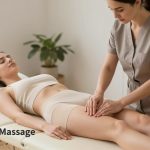
Chronic pain relief might come from balancing your body’s vital energy, not just treating symptoms. This ancient approach forms the foundation of chinese massage. The therapeutic practice has transformed wellness for thousands of years.
Known as Tui Na in its country of origin, this healing art restores Qi flow. Qi is your body’s life force. Practitioners use rhythmic movements, kneading, and pressure techniques along meridian pathways.
Western approaches primarily target muscle relaxation. Traditional chinese massage therapy takes a holistic view instead. It addresses physical ailments, emotional imbalances, and preventive care simultaneously.
You might deal with tension, digestive concerns, or seek better wellness. This guide helps you understand what makes Tui Na unique. You’ll discover how this time-tested practice gains recognition in Turkey’s wellness community.
Key Takeaways
- Tui Na is an ancient therapeutic practice rooted in Traditional Chinese Medicine principles
- The technique focuses on restoring Qi flow through your body’s meridian pathways
- Practitioners use manual methods including acupressure, kneading, and stretching movements
- This approach treats root causes rather than just relieving surface symptoms
- Benefits include reduced tension, improved circulation, and better overall energy balance
- The practice addresses physical conditions alongside emotional and preventive wellness needs
Understanding Chinese Massage Types
Oriental bodywork techniques include many massage styles. Each has its own philosophy and healing methods. Understanding these approaches helps you pick the right treatment for your health needs.
All Chinese massage forms share a common goal. They balance your body’s energy and promote wellness. However, they differ in how they work.
Some focus on deep tissue work. Others emphasize gentle pressure on specific points. Knowing these differences helps you make smart choices about your treatment.
The Foundation of Tui Na Therapy
Tui na massage is the most popular Chinese therapeutic bodywork. The name means “push and grasp.” This describes the hand movements practitioners use during treatment.
This ancient healing art combines targeted pressure with rhythmic manipulation. It addresses physical problems and energy imbalances. Practitioners use fingers, knuckles, palms, and elbows along your body’s meridian lines.
These energy pathways connect to specific organs and systems. This follows Traditional Chinese Medicine theory. The techniques focus on breaking up blockages and improving joint movement.
A qualified tui na massage therapist trains for years. They learn manual skills and TCM diagnosis. They study meridian pathways and energy patterns.
Masters can identify imbalances through pulse reading and observation. Then they apply the right techniques to restore harmony.
The skilled hands of a Tui Na practitioner can feel what the eyes cannot see, detecting subtle energy disturbances that manifest as physical discomfort.
The treatment helps with many conditions. These range from muscle pain to digestive problems. Unlike Western massage, tui na massage uses focused movements to stimulate healing.
Sessions can be quite strong. Practitioners apply force to reach deep tissue layers. This activates stagnant Qi throughout your system.
Japanese Shiatsu Methodology
Shiatsu grew from Chinese massage principles in Japan. This oriental bodywork technique applies finger and palm pressure to acupoints. It includes passive stretching and joint manipulation.
The word “shiatsu” means “finger pressure.” This reflects its main therapeutic method. Practitioners work along meridian lines in rhythmic sequences.
They apply sustained pressure to specific points. Each position is held for several seconds. This differs from the flowing movements of Chinese massage styles.
Shiatsu shares philosophical foundations with Chinese massage about energy flow. It emphasizes balance and prevention. Sessions happen on a floor mat rather than a table.
This allows therapists to use their body weight effectively. The practice includes stretching techniques that boost flexibility. It promotes energy circulation throughout your system.
Additional Chinese Massage Modalities
Several specialized techniques complement traditional Chinese therapeutic bodywork:
- Acupressure: This acupressure massage technique targets the same points as acupuncture without needles. Therapists apply firm pressure to specific acupoints. This influences Qi flow to address headaches, digestive issues, and anxiety.
- Reflexology: Your feet, hands, and ears contain reflex points. These connect to every organ and system. Practitioners apply pressure to these zones to promote whole-body healing.
- Cupping Therapy: Glass or silicone cups create suction on your skin. This draws blood to the surface and promotes circulation. The technique releases deep muscle tension and removes toxins.
- Gua Sha: A scraping technique uses a smooth-edged tool. It improves circulation and breaks up stagnant energy. This often leaves temporary red marks as part of healing.
Each acupressure massage variation offers unique benefits. They suit different wellness goals. Some people prefer gentle reflexology.
Others benefit from intense cupping or Gua Sha. Your health concerns guide which oriental bodywork techniques work best. Your pain tolerance and goals also matter.
| Massage Type | Primary Technique | Best For | Intensity Level |
|---|---|---|---|
| Tui Na | Push, grasp, knead along meridians | Musculoskeletal pain, joint problems | Moderate to vigorous |
| Shiatsu | Finger pressure with stretching | Stress relief, preventive wellness | Gentle to moderate |
| Acupressure | Targeted point stimulation | Headaches, digestive issues, anxiety | Light to moderate |
| Reflexology | Foot, hand, ear pressure | Overall balance, organ support | Gentle to moderate |
Understanding these differences helps you talk with practitioners. You can explain your expectations clearly. Many therapists combine elements from multiple modalities.
They create customized treatment plans for you. These address your unique constitution and health goals.
Benefits of Chinese Massage
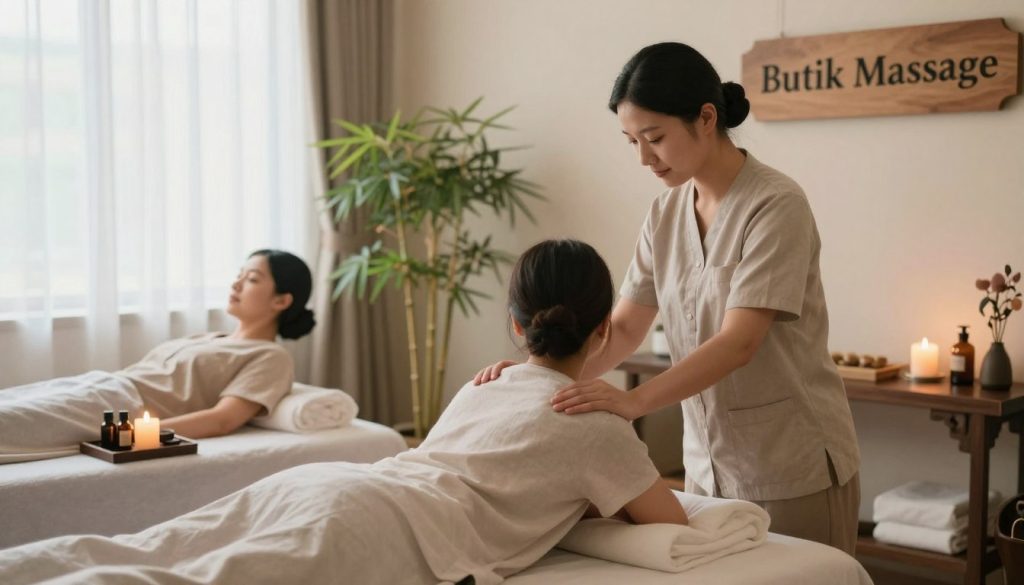
Exploring chinese therapeutic massage reveals benefits that address body, mind, and energy. This ancient healing practice offers a holistic approach focused on relaxation and disease prevention. The techniques work through multiple pathways to improve your overall health.
Chinese massage addresses the root causes of discomfort, not just muscle relaxation. The practice views your body as an interconnected system. Physical symptoms often reflect deeper imbalances that need correction.
By restoring harmony to this system, you experience improvements throughout your entire being.
Alleviating Pain and Tension Throughout Your Body
Chinese therapeutic massage provides targeted relief for various types of pain. The techniques improve Qi circulation through your body’s meridian pathways. This reduces muscle stiffness and addresses inflammation at its source.
Regular sessions bring relief for numerous persistent health challenges. Arthritis, fibromyalgia, and lower back pain respond well to these techniques. Neck tension, knee problems, and joint issues also show significant improvement.
The vigorous kneading and stroking methods stimulate blood circulation throughout your body. Enhanced blood flow delivers oxygen and nutrients to your tissues more efficiently. This process speeds up muscle recovery and supports cardiovascular health.
Your joint mobility improves as the massage releases restrictions in connective tissue. The techniques address both acute injuries and long-standing pain patterns. You’ll notice increased flexibility and reduced physical limitations after treatment.
Abdominal kneading techniques offer additional benefits for your digestive system:
- Enhanced gastrointestinal efficiency and improved nutrient absorption
- Relief from common digestive complaints like constipation and bloating
- Stimulation of internal organs to support overall digestive function
- Reduction of abdominal tension that interferes with proper digestion
Reducing Stress and Achieving Mental Balance
Chinese massage serves as a powerful tool for managing mental and emotional challenges. The practice works on your body’s meridians and pressure points. This restoration of balanced energy flow creates relief from anxiety and mental strain.
Your stress hormone levels, particularly cortisol, decrease with regular massage sessions. The techniques activate your parasympathetic nervous system, which promotes rest and digestion. This shift helps your body move from stress response to healing.
Sleep quality improves dramatically when physical tension and mental stress diminish. The massage helps regulate your sleep cycles and provides relief for insomnia. You’ll find it easier to fall asleep and experience more restorative rest.
The meditative, rhythmic nature of Chinese massage techniques promotes mental clarity and emotional equilibrium that extends well beyond the treatment session.
Your emotional well-being benefits from the calming effects of focused touch and pressure. The practice creates space for mental clarity by quieting daily concerns. This mental reset helps you approach challenges with greater balance.
Restoring Your Body’s Vital Energy Balance
The concept of Qi balancing stands at the center of chinese therapeutic massage philosophy. Health problems arise when Qi becomes blocked or imbalanced in your meridian pathways. The massage techniques work specifically to restore proper energy flow.
Practitioners believe this improved circulation influences multiple aspects of your health. Your hormonal balance benefits from restored energy flow. Immune system function receives support from the enhanced movement of Qi.
The detoxification benefits of balanced energy flow support your body’s natural cleansing processes:
- Stimulation of the lymphatic system to remove waste products and toxins
- Enhanced blood cleansing through improved circulation to lymph nodes
- Boosted immune response from better lymphatic drainage
- Reduced inflammation throughout your body’s tissues and organs
Your organ function improves when Qi flows freely through the associated meridian pathways. Each organ system benefits from the restored balance. This creates improvements in metabolism, digestion, and other vital processes.
The overall vitality you experience extends beyond simple physical relaxation. You may notice increased energy levels throughout your day. Mental focus often sharpens with regular chinese therapeutic massage sessions.
| Benefit Category | Primary Effects | Long-term Impact |
|---|---|---|
| Physical Wellness | Pain relief, improved circulation, enhanced mobility | Management of chronic conditions, injury prevention |
| Mental Clarity | Stress reduction, better sleep, emotional balance | Improved mental health, enhanced coping abilities |
| Energy Flow | Qi balance, detoxification, immune support | Increased vitality, optimal organ function |
Traditional Techniques of Chinese Massage
Ancient healing practices form the foundation of meridian massage therapy. Each technique offers distinct therapeutic benefits. These methods have been refined over centuries to address specific health concerns.
Understanding these traditional techniques helps you appreciate Chinese therapeutic bodywork. Each method works with your body’s energy pathways. Practitioners combine these techniques based on your individual needs.
Targeting Specific Points for Natural Healing
Acupressure applies the same principles as acupuncture but without needles. Therapists use firm manual pressure to stimulate specific acupoints along your meridian pathways. This needle-free approach makes it accessible for those who prefer non-invasive treatments.
Your practitioner identifies key acupoints based on your specific health concerns. They apply sustained pressure to these points to influence Qi flow. The technique effectively treats headaches, digestive problems, anxiety, and chronic pain.
Commonly used acupoints include several strategic locations on your body:
- The webbing between your thumb and index finger for stress relief and headache reduction
- Points on your temples and the base of your skull for migraine management
- Specific spots on your abdomen and legs for digestive support and regularity
- Areas along your spine for back pain and tension release
- Points on your wrists and ankles for emotional balance and sleep improvement
Acupressure integrates seamlessly into meridian massage therapy sessions. It also works as a standalone treatment. If you’re exploring traditional techniques in Turkey, you can discover the art of Turkish Chinese to experience how these methods blend with local traditions.
Using Suction for Deep Muscle Relief
Cupping therapy creates suction on your skin to promote healing blood flow. Practitioners place special cups on targeted areas of your body. They create vacuum pressure through heat or manual pumping.
This distinctive technique addresses multiple health concerns effectively. Cupping commonly alleviates:
- Back and neck pain from poor posture or muscle strain
- Stiff muscles caused by overexertion or chronic tension
- Anxiety and fatigue related to stress accumulation
- Migraines and tension headaches
- Rheumatism and joint discomfort
- Skin conditions including cellulite and poor circulation
During a cupping session, you’ll experience a unique pulling sensation. The suction draws stagnant blood to your skin’s surface. Temporary circular marks may appear afterward—these aren’t bruises but indicators of improved circulation.
The marks typically fade within three to seven days. Most people find cupping comfortable and deeply relaxing. The technique provides muscle relief that complements chinese deep tissue massage methods.
The Scraping Method for Circulation and Detoxification
Gua Sha involves scraping your skin with a smooth-edged tool. This improves circulation and supports detoxification. Practitioners traditionally use tools made of jade, rose quartz, or buffalo horn.
They apply pressured strokes along your skin, typically on your back, neck, or shoulders. The scraping motion brings stagnant blood to your skin’s surface. This process improves circulation throughout the treated area.
Enhanced blood flow delivers fresh oxygen and nutrients to your tissues. It also removes metabolic waste products. Gua Sha proves particularly effective for addressing chronic pain and stubborn muscle tension.
The technique feels like firm stroking pressure—intense but not painful. You’ll notice temporary skin discoloration called “sha” that appears during treatment. This redness or purple coloring indicates the release of stagnant blood.
The discoloration typically fades within two to four days. The intensity often correlates with the degree of stagnation in your tissues. Subsequent treatments usually produce less dramatic skin responses as your circulation improves.
| Technique | Primary Method | Main Benefits | Typical Duration |
|---|---|---|---|
| Acupressure | Manual pressure on specific points | Pain relief, stress reduction, energy balance | 5-10 minutes per point |
| Cupping | Suction therapy with specialized cups | Muscle tension, circulation, deep tissue relief | 10-20 minutes per session |
| Gua Sha | Scraping with smooth-edged tool | Detoxification, chronic pain, circulation improvement | 15-25 minutes per area |
These traditional techniques work together within comprehensive chinese deep tissue massage treatment plans. Rhythmic manual methods support blood flow throughout your body. Your practitioner may combine multiple techniques during a single session.
The therapeutic power of these methods lies in their natural approach. Rather than forcing change, they facilitate your innate capacity for self-repair. They work with your body’s natural healing processes to restore balance.
What to Expect During a Session
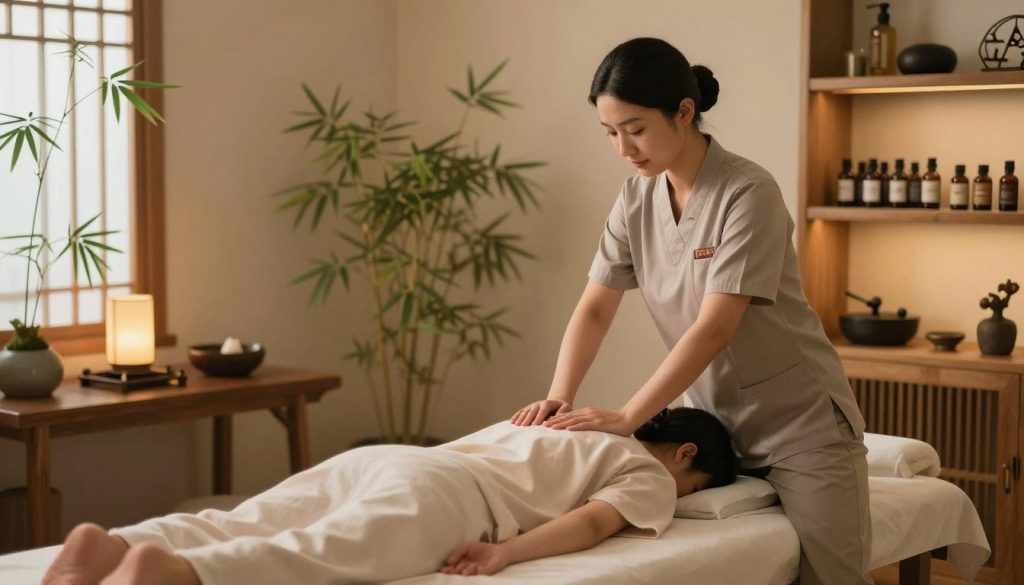
A Chinese massage session restores balance and promotes healing throughout your body. Knowing what happens helps you feel comfortable during your first visit. Each session addresses your immediate concerns and underlying health patterns.
Initial Consultation: Discussing Your Needs
Your practitioner starts with a thorough assessment beyond asking where you feel pain. This reflects the holistic philosophy of traditional chinese massage therapy. Your body is viewed as an interconnected system rather than isolated parts.
You’ll answer detailed questions about your symptoms, lifestyle habits, and stress levels. The therapist will also ask about sleep quality, digestive patterns, and emotional wellbeing. This helps identify energy excess, deficiency, or stagnation in your body.
Your practitioner may examine your tongue and check your pulse at your wrists. They will also observe your posture and movement patterns. These assessment methods come directly from Traditional Chinese Medicine principles.
Don’t be surprised if questions seem unrelated to your main complaint. Everything connects in this healing system. This evaluation addresses root causes rather than just surface symptoms.
Come prepared to discuss your medical history, current medications, and recent injuries. Ask about your practitioner’s training background and years of experience. The more information you share, the better your customized treatment.
The Massage Environment: Setting the Right Mood
The treatment room creates an atmosphere for relaxation and healing. You’ll find calming colors, soft lighting, and gentle music. These elements help quiet your mind and prepare your body.
For many oriental bodywork techniques like Tui Na, you’ll wear loose, comfortable clothing. Most facilities provide suitable garments. You can also bring your own baggy pants and soft shirt.
Some styles that use oils may require partial undressing. Your practitioner will use professional draping techniques for privacy. Always check requirements before your appointment.
The treatment surface varies depending on the techniques being used. Some practitioners work on a standard massage table. Others prefer floor mats for greater leverage.
Your therapist will encourage open communication about pressure preferences and comfort levels. Some techniques may feel intense. Speak up immediately if something doesn’t feel right.
Duration and Pricing: What You Should Know
Sessions typically last between 60 and 90 minutes. A 60-minute appointment often focuses on specific problem areas. Your practitioner will use acupressure points to release tension.
Initial sessions frequently run longer for comprehensive consultation and assessment. This ensures your therapist fully understands your health patterns. Subsequent visits move more quickly into treatment.
Pricing at wellness centers throughout Turkey varies based on several factors. Practitioner experience, clinic location, and session length all influence cost. Additional services like cupping may increase the price.
| Session Type | Duration | Typical Price Range (TL) | Best For |
|---|---|---|---|
| Focused Treatment | 60 minutes | 500-800 | Specific pain areas, neck and shoulder tension |
| Full Body Session | 90 minutes | 750-1,200 | Overall wellness, stress relief, complete balance |
| Initial Consultation | 90-120 minutes | 900-1,500 | First-time clients, comprehensive assessment |
| Package of 5 Sessions | 60 minutes each | 2,200-3,500 | Regular maintenance, chronic conditions |
Many facilities offer package options and membership programs for regular sessions. Purchasing multiple sessions upfront typically provides a 10-20% discount. These packages work well for ongoing wellness routines.
Tipping customs in Turkish wellness settings follow hospitality industry standards. Gratuities are appreciated but not mandatory. A tip of 10-15% is considered generous for exceptional service.
Consider your budget and health goals when deciding on session frequency. Your practitioner can recommend an ideal schedule. Some people benefit from weekly sessions, then transition to monthly maintenance appointments.
How to Choose the Right Practitioner
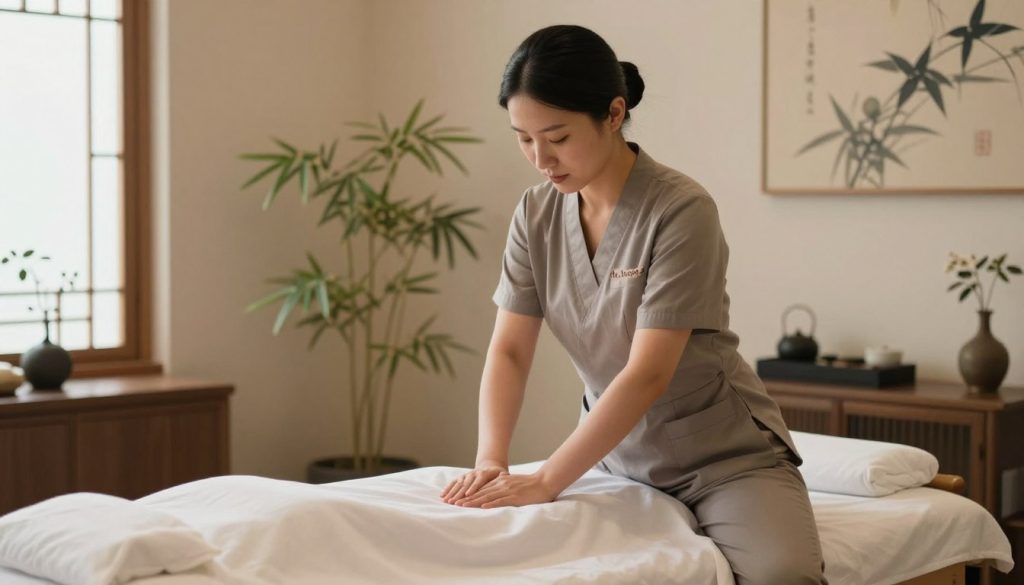
Selecting the right Chinese massage therapist involves more than just booking the nearest available appointment. Your choice of practitioner directly impacts the safety, effectiveness, and overall quality of your therapeutic experience. A genuine TCM practitioner doesn’t just work muscles—they assess your overall health, identify blockages in your Qi (energy flow), and customize techniques to target your unique needs.
Finding a qualified professional in Turkey requires attention to credentials, patient feedback, and your personal comfort level. The investment you make in researching practitioners pays dividends in better health outcomes and a more satisfying treatment journey.
Qualifications and Certifications to Look For
A qualified tui na massage therapist typically undergoes years of comprehensive education covering meridian theory, Qi dynamics, diagnostic methods, and the integration of massage with broader TCM principles. This extensive training distinguishes authentic practitioners from those with only superficial knowledge of Chinese-style massage techniques.
Evaluating potential practitioners requires looking for specific educational credentials. Diplomas from recognized TCM institutions demonstrate formal training in massage Traditional Chinese Medicine theory, not just manual techniques. Professional association memberships indicate commitment to ethical standards and ongoing professional development.
Continuing education credentials are equally important. They show that your practitioner stays current with evolving techniques and research in acupressure massage and related modalities.
Searching for practitioners in Turkey means prioritizing massage clinics or wellness centers that clearly display their credentials and training background. Quality facilities will openly share information about their therapists’ qualifications, years of experience, and areas of specialization.
Consider asking potential practitioners these essential questions:
- What formal TCM training have you completed, and from which institutions?
- How many years have you practiced tui na massage professionally?
- Do you specialize in treating specific conditions or patient populations?
- What continuing education have you pursued in the past two years?
- Are you a member of any professional TCM or massage therapy associations?
Understanding the regulatory landscape in Turkey helps you verify credentials appropriately. While certification requirements may vary, reputable practitioners will transparently discuss their qualifications and provide verification when requested.
Remember that certification should be combined with practical experience and a holistic treatment approach. A practitioner with deep TCM knowledge can identify energy blockages, assess your constitutional type, and customize acupressure massage techniques. This approach addresses your specific health concerns rather than applying generic protocols.
Reviews and Recommendations from Others
Patient reviews and personal recommendations provide valuable insights into a practitioner’s actual therapeutic effectiveness. Research Chinese massage providers in Turkey using online platforms, social media, and wellness community forums to gather comprehensive feedback.
Reading reviews requires looking beyond general satisfaction comments. The most valuable feedback mentions specific therapeutic benefits such as reduced pain, improved mobility, better sleep quality, or measurable stress relief. Reviews describing how therapists explained treatment approaches, tailored sessions to individual needs, or integrated multiple techniques indicate quality care.
Evaluate the consistency of feedback across multiple platforms. Patterns in reviews—whether positive or concerning—reveal more than isolated comments. Learn to distinguish genuine patient experiences from promotional content by looking for specific details and authentic language.
Personal recommendations from friends, family, or healthcare providers who understand your specific health concerns carry particular weight. These trusted sources can share firsthand experiences relevant to your situation.
Seeking recommendations means asking targeted questions:
- Did the practitioner work on conditions similar to yours?
- How many sessions were needed before you noticed results?
- Did you feel comfortable and respected throughout treatment?
- Would you return to this practitioner for future care?
Beyond individual reviews, assess the overall professionalism of massage clinics. Quality facilities clearly list credentials, offer a range of modalities showing comprehensive TCM knowledge, and maintain clean and welcoming environments. They also provide transparent service menus with clear pricing information.
Similar to how to choose a therapist for mental health services, selecting a massage practitioner benefits from thorough research. Careful consideration of multiple factors beyond convenience alone makes a significant difference.
Trust and Comfort: A Key to Your Experience
Even the most qualified practitioner won’t be effective for you if you don’t feel comfortable and safe during treatment. The therapeutic relationship forms the foundation for successful outcomes in Chinese massage therapy.
Tui na massage often involves close physical contact, work on sensitive areas, and discussions of personal health information. All of these require a foundation of trust between you and your practitioner. Traditional Chinese Massage is generally safe when performed by a trained therapist, but your sense of security significantly impacts your ability to relax.
Assess your comfort level during initial consultations. Pay attention to whether the practitioner listens attentively to your concerns and explains their treatment approach clearly. Notice if they respect your boundaries and create an environment where you feel safe asking questions.
Cultural considerations in Turkey may influence your practitioner preferences. Many patients have specific needs regarding modesty, gender of the therapist, and treatment approach based on personal, cultural, or religious values. Finding practitioners who are sensitive to these preferences ensures a more comfortable experience.
| Comfort Factor | What to Observe | Red Flags |
|---|---|---|
| Communication Style | Clear explanations, active listening, welcomes questions | Dismissive attitude, rushing, medical jargon without explanation |
| Boundary Respect | Asks permission, explains what will happen, adjusts pressure as requested | Proceeding without consent, ignoring discomfort signals, defensive reactions |
| Environment | Clean, private, professional setting with appropriate draping | Unprofessional atmosphere, lack of privacy, unclear policies |
| Cultural Sensitivity | Respects preferences, offers options, acknowledges individual needs | Inflexible approach, dismissal of concerns, one-size-fits-all mentality |
You have every right to request a same-gender practitioner and ask for detailed explanations of techniques before they’re performed. You can discontinue treatment if you feel uncomfortable. Reputable practitioners will accommodate reasonable requests and respect your autonomy.
The best therapeutic outcomes occur when you feel relaxed, respected, and confident in your practitioner’s abilities. This makes trust and comfort just as important as technical qualifications in your selection process. Your intuition about whether a practitioner is the right fit deserves serious consideration alongside their credentials and experience.
Aftercare Tips for Maximum Benefits
Your experience doesn’t end when you leave the treatment room. Proper aftercare extends the therapeutic effects of your session. Understanding how to support your body’s response helps you enjoy lasting relief.
Hydration: Importance of Water Post-Massage
Drinking plenty of water after chinese massage helps flush released toxins from your system. Your tissues release metabolic waste during treatment. Proper hydration supports natural detoxification.
Aim for 8-10 glasses within 24 hours following your session. Skip caffeinated or alcoholic beverages, as these can lead to dehydration. Adequate water intake reduces mild soreness and speeds recovery.
Stretching: Keeping the Benefits Alive
Gentle movement preserves the flexibility gained during your treatment. Light stretching supports Qi flow along meridian pathways. Focus on neck rotations, shoulder rolls, and gentle back extensions.
Avoid intense physical activity for at least 24 hours. This lets your body integrate the therapeutic effects. For guidance on managing any post-massage discomfort, consider complementary practices that support recovery.
Regular Sessions: Making It a Part of Your Lifestyle
Consistent chinese deep tissue massage delivers the most profound benefits. Common side effects like mild soreness typically diminish with regular treatments. Therapeutic results strengthen over time.
Weekly sessions address acute conditions, while monthly visits maintain wellness. Integrate your treatments with proper nutrition and adequate sleep. Add stress management for comprehensive health support throughout Turkey.