Have you ever wondered why your body feels so drained after sitting for hours? Long-haul travel takes a serious physical toll on your system. Your muscles tighten from limited movement.
Your circulation slows in cramped seating. Dehydration and pressurized cabin air leave you feeling foggy and stiff.
Therapeutic bodywork offers a proven solution to accelerate your recovery. Research on traveler wellness shows the first 48 hours are critical. A well-timed spa treatment focused on jet lag can dramatically improve how you feel.
The city’s airport provides convenient wellness options through premium services like iGA Pass lounge access. Many facilities offer complimentary therapeutic sessions for arriving passengers. You’ll find practical guidance on timing your airport wellness helps you maximize the benefits.
This guide delivers authoritative advice on choosing the right bodywork type. You’ll learn about finding reputable therapists and understanding costs. Discover complementary recovery strategies for optimal restoration.
Key Takeaways
- The first 48 hours upon landing are crucial for physical recovery from long-haul travel
- Therapeutic bodywork accelerates circulation restoration and relieves muscle tension caused by extended sitting
- Airport premium lounges through iGA Pass offer convenient complimentary wellness services for arriving travelers
- Proper timing of your recovery session—immediately upon arrival versus later—significantly impacts effectiveness
- Specialized jet lag treatments combine targeted techniques to address dehydration, stiffness, and fatigue simultaneously
- Understanding available service types, costs, and booking protocols ensures you select the optimal recovery approach
Why You Need a Massage After Flying to Istanbul
After hours in an aircraft seat, your body needs help to restore normal function. Long flights create physical challenges that last well beyond landing. Addressing these issues within 48 hours significantly improves your Istanbul experience.
Aircraft cabins force your body into unnatural positions for extended periods. Your muscles compress against seats while joints remain locked in limited positions. Your circulatory system struggles against gravity and inactivity.
These conditions create stress that requires active recovery strategies. Passive rest alone won’t solve the problem.
Physical Benefits of Post-Flight Massage
Your lower back, hips, and legs bear the greatest burden during flights. Prolonged sitting compresses muscles and connective tissues, reducing blood flow and oxygen delivery. This compression creates trigger points and adhesions that cause stiffness lasting several days.
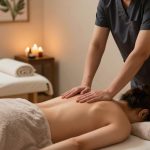
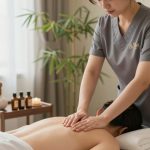
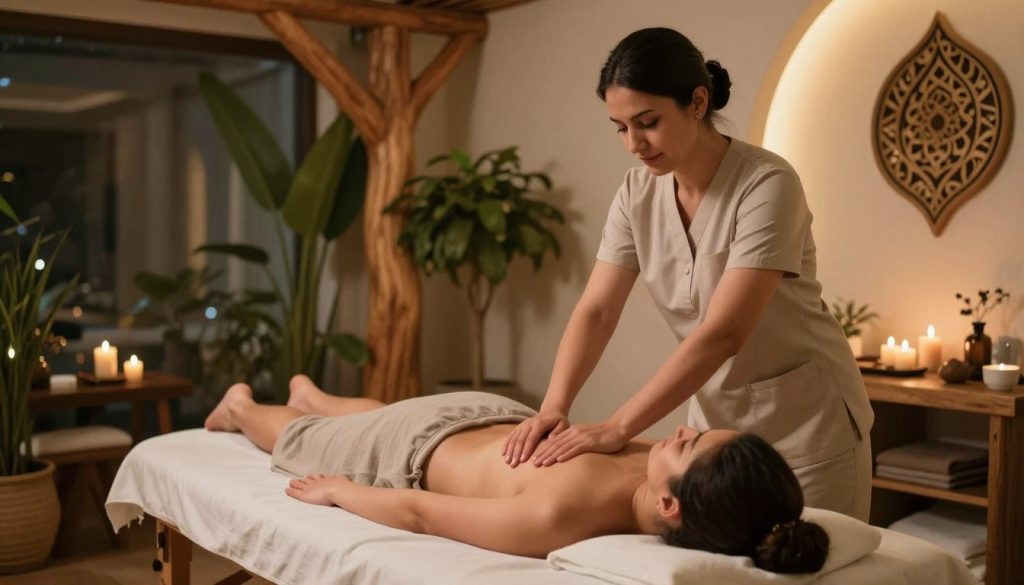
Massage therapy directly addresses these compressed tissues through manual manipulation. Skilled therapists apply pressure that releases tension and breaks up adhesions. The physical manipulation increases blood flow to deprived tissues.
Exploring a centre massage Istanbul experience helps you find professional therapists who understand post-travel recovery needs. The right practitioner recognizes flight-specific issues and applies targeted techniques. They understand your unique recovery requirements.
Flight recovery massage Istanbul services specifically address biomechanical challenges from air travel. These specialized treatments focus on areas most affected by cabin conditions. You get targeted relief where you need it most.
Emotional and Mental Rejuvenation
Travel stress extends far beyond physical discomfort. Airport navigation, security procedures, and flight delays create mental fatigue. This psychological burden often proves more draining than physical aspects of travel.
Massage therapy activates your parasympathetic nervous system, which governs relaxation responses. This activation counteracts stress hormones released during travel. The therapeutic environment provides a mental reset after hours of stimulation overload.
The benefits of post-flight massage include:
- Reduction in cortisol levels that accumulated during travel stress
- Increased production of serotonin and dopamine, improving mood and mental clarity
- Enhanced sleep quality, crucial for jet lag adjustment
- Decreased anxiety about being in an unfamiliar environment
- Improved mental focus for exploring Istanbul with full awareness
Improving Circulation and Reducing Fatigue
Circulatory stagnation represents one of the most serious challenges of air travel. Prolonged sitting causes blood to pool in your lower extremities. Cabin pressure changes affect your entire vascular system.
This combination creates the heavy, swollen feeling in your legs after landing. Many travelers experience this uncomfortable sensation.
Jet lag relief massage Istanbul treatments employ specific techniques that move stagnant blood and lymph fluid. Therapists use compression, kneading, and drainage techniques that encourage fluid movement. This manual assistance helps your circulatory system return to normal function faster.
| Recovery Method | Circulation Impact | Time to Effect | Duration of Benefit |
|---|---|---|---|
| Post-Flight Massage | Direct mechanical fluid movement | Immediate during session | 24-48 hours sustained |
| Passive Rest | Gradual natural restoration | 6-12 hours | Variable, often incomplete |
| Light Walking | Moderate circulation boost | 2-4 hours | While active only |
| Compression Garments | Preventive support | During flight only | Limited post-flight value |
The fatigue you experience after flying results from multiple factors working together. Muscle tension restricts movement and drains energy. Poor circulation deprives tissues of oxygen needed for cellular function.
Mental stress exhausts your nervous system reserves. Massage addresses all these root causes simultaneously rather than treating surface symptoms.
This comprehensive approach makes it essential for effective recovery in Istanbul. You transition from exhausted traveler to energized explorer within hours rather than days.
Best Time to Schedule Your Massage
Your massage timing should match your body’s natural recovery after landing. The first 48 hours after arrival are critical for adjustment. Your body works hardest during this time to adapt to new time zones.
Research shows recovery treatments during this period deliver maximum therapeutic benefit. Understanding your flight duration helps determine optimal timing. Your personal recovery patterns and schedule also influence when to book.
Istanbul offers flexible options for both immediate and delayed massage scheduling.
Immediate Relief or Strategic Delay
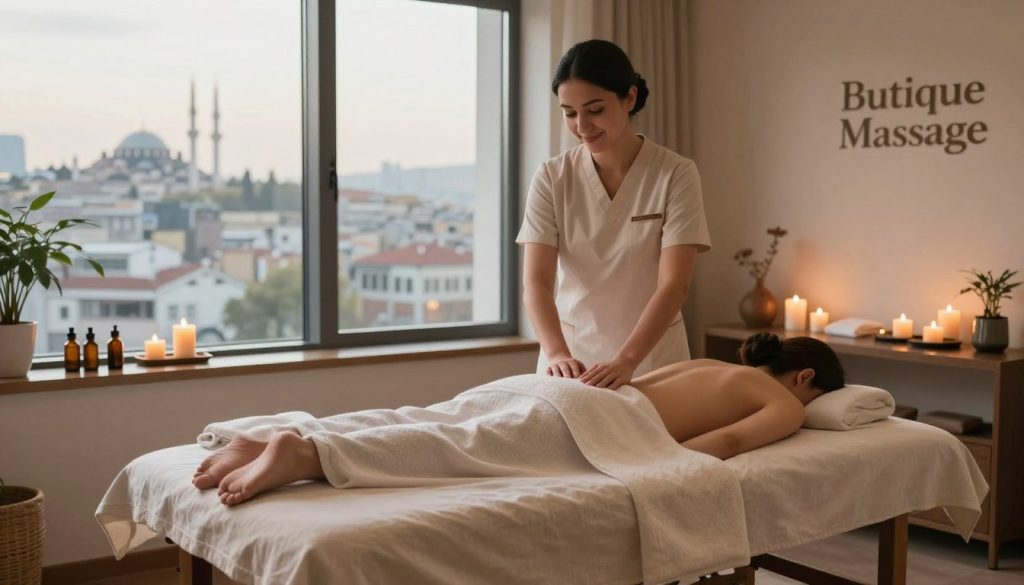
Booking your massage after flight Istanbul session right upon arrival addresses acute physical discomfort. Your muscles reach peak compression immediately after landing. Your circulation faces maximum compromise at this time.
Istanbul Airport provides convenient access to massage services through iGA Pass premium packages. Lounge facilities offer complimentary massage options. This immediate approach works well if you have a layover before checking in.
You address tension at its highest point. This potentially prevents it from settling deeper into muscle tissue. The convenience factor matters when services are steps from your arrival gate.
Scheduling your travel massage therapy Istanbul session later presents strategic benefits. After you shower and hydrate properly, your body starts natural recovery. A massage delivered 6-8 hours after arrival targets remaining tension effectively.
This delayed timing allows you to expose yourself to natural light first. Experts identify this as a primary recovery strategy. You can anchor yourself to local meal times before introducing therapeutic intervention.
The massage then enhances recovery rather than initiating it.
Flight Length Determines Recovery Protocol
Short flights lasting 3-5 hours create minimal physical stress for most travelers. You may only need a massage later in your Istanbul visit. Your body usually recovers naturally from these shorter journeys.
Medium-haul flights spanning 6-10 hours represent a middle ground in recovery planning. These journeys create sufficient muscle compression and circulation challenges. Massage within 12-24 hours of arrival provides meaningful benefit.
Long-haul flights exceeding 10 hours demand more strategic recovery planning. Travelers from North America, East Asia, or Australia endure substantial physical stress. Massage within the first few hours provides immediate relief from severe compression.
Consider scheduling two sessions for ultra-long flights. An initial session addresses acute symptoms upon arrival. A second session 24-48 hours later optimizes your ongoing recovery.
| Flight Duration | Recommended Timing | Session Frequency | Primary Benefits |
|---|---|---|---|
| 3-5 hours | 24-72 hours after arrival | Single session optional | Addresses minor stiffness, promotes relaxation |
| 6-10 hours | 12-24 hours after arrival | One session recommended | Relieves moderate compression, improves circulation |
| 10+ hours | Within 6 hours, plus second at 24-48 hours | Two sessions optimal | Combats severe fatigue, accelerates full recovery |
Listen to Your Personal Recovery Signals
Your individual response to air travel should guide your massage after flight Istanbul scheduling decision. Some travelers bounce back quickly while others require extended recovery periods. Understanding your patterns empowers better planning.
Assess whether you managed to sleep during the flight. Quality rest during travel significantly reduces physical stress. This may allow you to delay your massage session.
If you remained awake throughout a long flight, your body experiences amplified fatigue. This benefits from immediate therapeutic attention.
Your hydration status plays a crucial role in determining optimal timing. Dehydration intensifies muscle tension and reduces massage effectiveness. If you arrive severely dehydrated, prioritize fluid intake for 2-3 hours first.
This maximizes therapeutic results from your travel massage therapy Istanbul session.
Consider any pre-existing muscle tension or injuries that flying may have aggravated. Chronic back pain, neck stiffness, or joint issues typically worsen during flights. Booking an earlier session prevents minor aggravation from developing into significant discomfort.
Your immediate schedule after landing also influences practical timing decisions. If you have business meetings or important activities scheduled, an immediate massage might refresh you. If you can rest freely, delaying your session allows for more comprehensive recovery preparation.
Trust your body’s signals and adjust your plans based on how you actually feel. Istanbul’s abundant spa and massage options provide flexibility for last-minute scheduling changes.
Types of Massages Available in Istanbul
Istanbul offers many massage options to help ease your post-flight discomfort. The city welcomes millions of international travelers each year. Travel massage therapy Istanbul facilities understand exactly what tired visitors need after long flights.
You’ll discover both traditional wellness methods and modern therapeutic techniques throughout the city. Each massage type provides unique benefits for your recovery. Your choice depends on your specific needs after travel.
Swedish Massage for Relaxation
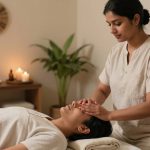
Swedish massage uses long, flowing strokes with light to medium pressure. This classic technique works perfectly for relaxation rather than intensive muscle work. The rhythmic movements improve circulation and promote lymphatic drainage in your body.
This massage style helps reduce fluid retention in your legs and feet after flights. It activates your parasympathetic nervous system effectively. Your body shifts from stress response into recovery mode during treatment.
Swedish massage suits first-time visitors or those sensitive to pressure. It works well if you feel anxious or mentally exhausted after travel. The gentle approach won’t overwhelm your already-fatigued system.
Deep Tissue Massage for Muscle Relief
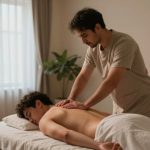
Deep tissue massage addresses specific physical challenges that travelers face after long flights. This technique uses slower strokes and direct pressure to reach deeper muscle layers. The focused approach targets muscle compression from hours of restricted movement in aircraft seats.
Your lower back, hip flexors, shoulders, and neck benefit most from this treatment. These areas experience the most strain from prolonged sitting in confined spaces. The therapist applies concentrated pressure to release adhesions and break up tension patterns.
You should expect some discomfort during the treatment itself. However, deep tissue work provides substantial and longer-lasting relief from flight-related muscle tension. The temporary discomfort translates into improved mobility and reduced pain afterward.
Many spa facilities in Istanbul offer deep tissue specialists for international travelers. You might also explore an Istanbul hammam experience that incorporates therapeutic massage elements. This combines traditional Turkish wellness with modern massage therapy.
Reflexology Focused on Feet
Reflexology applies targeted pressure to specific points on your feet. These points correspond to different body systems and organs. This foot-focused treatment proves exceptionally relevant for post-flight recovery.
Your feet bear particular stress during air travel. Swelling, restricted movement, and pressure from prolonged sitting all concentrate in your lower extremities. The technique improves circulation in your legs and feet more directly than full-body massage.
You’ll notice reduced swelling and heaviness in your ankles and feet. Reflexology also stimulates nerve pathways that support your overall recovery. This option works well if you have limited time or prefer less invasive treatment.
You remain clothed except for removing your shoes and socks. Sessions typically last 30 to 60 minutes. Reflexology offers therapeutic benefits without committing to a lengthy full-body session.
| Massage Type | Primary Benefit | Best For | Typical Duration |
|---|---|---|---|
| Swedish Massage | Stress reduction and relaxation | Mental recovery and gentle physical relief | 60-90 minutes |
| Deep Tissue Massage | Muscle tension relief | Significant physical discomfort and stiffness | 60-90 minutes |
| Reflexology | Circulation improvement and foot relief | Lower body swelling and time-limited sessions | 30-60 minutes |
Your selection should align with your most pressing post-flight symptoms. Consider whether muscle pain, mental stress, or circulation issues dominate your discomfort. This helps you make the best choice for your recovery.
Finding the Right Spa or Massage Therapist
After landing in Istanbul, selecting an appropriate spa becomes essential for effective recovery. The city offers numerous wellness facilities from airport services to neighborhood spas. Your choice depends on proximity, service quality, and specific therapeutic techniques you need.
Finding a qualified practitioner requires more than choosing the nearest location. You need to evaluate credentials and read authentic reviews. Understanding what separates professional therapeutic massage from basic relaxation treatments matters.
Researching Locations Near Your Accommodation
Start your search before leaving the airport by using the Istanbul Airport mobile app. This application helps you discover Istanbul Airport spa services including lounge facilities with massage amenities. The app provides navigation assistance and supports multiple languages.
If you hold an iGA Pass for premium services, you gain access to lounges. These lounges offer complimentary massage treatments. This option works perfectly for immediate relief before heading to your hotel.
The airport massage Istanbul facilities cater specifically to international travelers. They provide quick recovery solutions for jet lag and travel fatigue.
Once you reach your accommodation, identify massage centers within your neighborhood. Popular tourist areas like Sultanahmet, Taksim, and Beşiktaş feature numerous wellness centers. Use Google Maps to search for “massage center Istanbul” combined with your district name.
Your hotel concierge provides valuable local knowledge about reputable establishments nearby. They often have partnerships with quality facilities. Proximity matters significantly when you’re fatigued and want minimal travel time.
Checking Reviews and Recommendations
Evaluating online reviews requires a strategic approach to filter genuine feedback. Look for recent reviews from international travelers mentioning post-flight or therapeutic massage. These reviews provide insights into whether the facility addresses your recovery needs.
Check multiple platforms including Google Reviews, TripAdvisor, and specialized travel forums. Pay attention to patterns rather than individual opinions. Consistent mentions of skilled therapists and effective treatment outcomes indicate reliable quality.
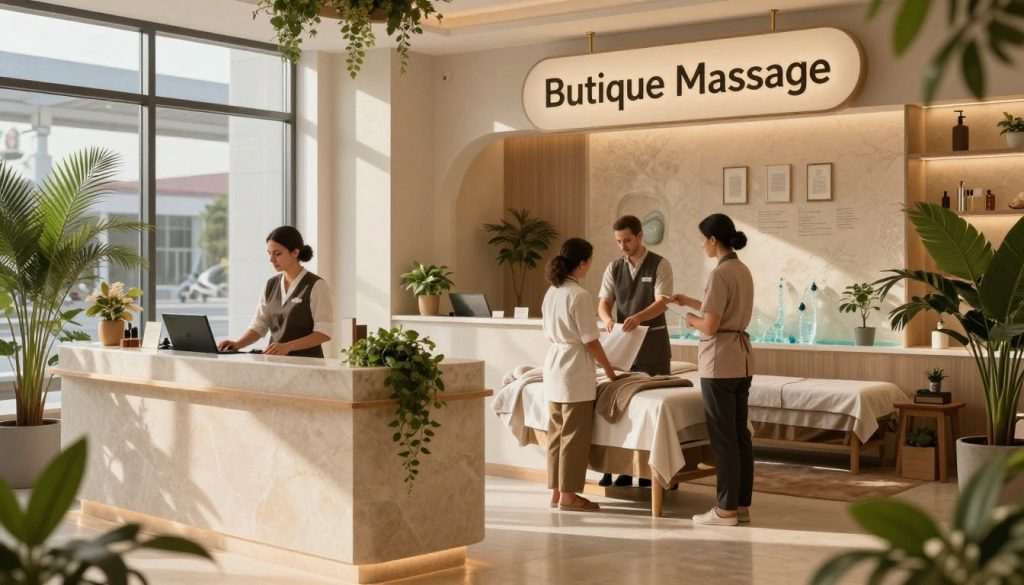
Reviews mentioning language capabilities matter for communicating specific pain points. Facilities serving international clientele typically employ English-speaking staff. This makes your session more comfortable and effective.
| Review Platform | Best For | Key Features | What to Check |
|---|---|---|---|
| Google Reviews | Local businesses and recent feedback | Real-time updates, response from owners | Recent reviews within 3 months, owner responses to complaints |
| TripAdvisor | Tourist-oriented services | Traveler rankings, certificate of excellence | Reviews from your home country, specific treatment mentions |
| Travel Forums | Detailed personal experiences | In-depth discussions, multiple perspectives | Threads about post-flight recovery, therapeutic massage quality |
| Hotel Concierge | Vetted local recommendations | Personal knowledge, direct booking assistance | Ask about their personal experience, frequency of guest satisfaction |
What to Look for in a Certified Practitioner
Professional massage therapists in Turkey complete formal training programs and hold relevant certifications. Ask about your therapist’s educational background and years of experience before booking. This information helps you gauge their expertise level and specialization areas.
Inquire whether therapists have training in sports or therapeutic massage. Post-flight recovery requires understanding of circulation issues and muscle tension patterns. Therapists with medical or sports massage backgrounds provide more effective treatment.
Reputable establishments display practitioner credentials openly and answer questions about training programs. They should explain their approach to assessment and customization. A certified practitioner conducts a brief health consultation before beginning treatment.
Look for therapists who ask detailed questions about your flight duration and pain points. This consultation demonstrates their commitment to personalized care. Quality practitioners also provide aftercare advice about hydration, stretching, and follow-up sessions.
What to Expect During Your Massage Session
Knowing the typical flow of a massage session removes uncertainty. It allows you to fully relax during your treatment. Professional massage centers in Istanbul follow established protocols that prioritize your safety and comfort.
Understanding these standard procedures helps you prepare mentally and physically. This preparation enhances your post-flight massage Istanbul experience.
Your therapist will guide you through each step of the process. Most facilities serving international travelers employ staff who speak English. They understand the specific needs of people recovering from long flights.
This ensures clear communication throughout your session.
Initial Assessment and Health Information
Your massage session begins with a brief consultation. This happens even if you book a walk-in appointment. The therapist asks specific questions to understand your current condition.
They also ask about any health concerns that might affect treatment. This intake process typically takes five to ten minutes. It provides critical information for safe and effective therapy.
You’ll be asked about your flight duration and arrival time. The therapist needs this information to assess your condition. They want to know how long your body has been in a compressed position.
Longer flights require different treatment approaches than shorter journeys.
The consultation covers areas of particular discomfort or tension. You should mention specific problems like lower back pain or neck stiffness. Also mention shoulder tension, leg swelling, or overall fatigue.
Being specific helps the therapist prioritize treatment areas during your session.
Health screening questions address medical conditions and recent injuries. They also cover areas where you prefer not to be touched. This information ensures your safety during treatment.
Common contraindications include recent surgery and certain skin conditions. They also include deep vein thrombosis risk or pregnancy.
Your pressure preference matters significantly. Some people prefer gentle, relaxing pressure. Others need deeper work to release muscle tension.
The therapist will ask about your preference. You can always request adjustments during the session.
Language barriers are minimal in tourist areas and airport facilities. Therapists serving international clients understand basic English and massage-related terminology. Visual communication and gentle demonstrations help bridge any remaining gaps.
Techniques Applied During Treatment
Istanbul massage centers offer both traditional Turkish methods and contemporary international modalities. Modern travel massage therapy Istanbul facilities provide the full range of techniques. This includes Swedish massage, deep tissue work, sports massage, and aromatherapy treatments.
Some facilities integrate elements of Turkish massage traditions into their sessions. These traditional approaches often emphasize more vigorous manipulation than typical Western spa massage. The techniques focus on muscle groups rather than surface relaxation alone.
Turkish massage commonly includes joint mobilization and assisted stretching. These methods prove particularly beneficial for the stiffness that develops during long flights. Your therapist may gently rotate your shoulders or move your legs through range-of-motion exercises.
They may also stretch your spine to restore flexibility.
The pressure and technique intensity depend on your stated preferences. It also depends on the therapist’s assessment of your tissue condition. Flight-related muscle tension often requires firmer pressure than general relaxation massage.
However, the therapist will always work within your comfort level.
Communication during treatment is encouraged. You should speak up if pressure feels too intense or too light. Professional therapists appreciate feedback because it helps them deliver the therapeutic benefit you’re seeking.
Session Duration and Personal Customization
Standard massage sessions in Istanbul run 60, 75, or 90 minutes. Your choice depends on your recovery needs, available time, and budget. Each duration offers different benefits for post-flight recovery.
| Session Length | Coverage Area | Best For | Typical Price Range |
|---|---|---|---|
| 60 Minutes | Focused treatment on 2-3 major areas | Targeted relief for back, shoulders, or legs | 500-800 Turkish Lira |
| 75 Minutes | Extended focus with additional areas | Balanced approach to multiple problem zones | 650-1000 Turkish Lira |
| 90 Minutes | Comprehensive full-body treatment | Complete recovery addressing all flight-related tension | 800-1300 Turkish Lira |
A 60-minute session provides sufficient time for focused work on major problem areas. If your primary concerns are lower back pain and leg swelling, this duration works well. The therapist concentrates effort where you need it most.
The 90-minute option allows comprehensive full-body treatment. It addresses all flight-related tension. This extended session includes time for neck, shoulders, back, arms, legs, and feet.
It’s ideal if you’ve completed a particularly long international flight. It also works well if you carry tension throughout your entire body.
You can request specific focus areas regardless of session length. For example, you might ask the therapist to spend extra time on your lower back. Professional therapists adjust their treatment plan based on your stated priorities.
Customization extends to technique selection as well. If you prefer Swedish massage for relaxation, you can specify this preference. If you need deep tissue work for chronic tension, you can request that too.
Many therapists combine multiple modalities within a single session. This achieves optimal results for your particular needs.
The therapist will typically check in with you midway through the session. This provides an opportunity to request more or less pressure. You can also ask for additional focus on a particular area.
Your feedback shapes the remainder of the treatment.
Tips for Maximizing Your Massage Experience
Simple preparation steps can transform your massage into a powerful recovery tool after your long flight. The difference between good and exceptional treatment often comes down to preparation. Understanding what enhances massage effectiveness gives you practical control over your recovery process.
The first 48 hours after landing represent a critical window for recovery interventions. Your body responds better to therapeutic touch during this period. Inflammation and muscle tension haven’t yet become deeply established.
Hydration: Why It Matters After a Flight
Water consumption directly impacts how well your muscles respond to massage therapy. Cabin air during long-haul flights contains extremely low humidity, often dropping below 20 percent. This environment pulls moisture from your body throughout the journey.
Dehydrated muscle tissue becomes less pliable and more resistant to manipulation techniques. Your muscles can’t release tension as readily when they lack adequate hydration. Drinking at least 500ml of water two hours before your appointment prepares your body.
The metabolic processes triggered during your jet lag relief massage Istanbul session require substantial hydration. Massage releases accumulated waste products from your muscle tissue into your bloodstream. Your body needs sufficient water to process and eliminate these metabolic byproducts efficiently.
Experienced travelers recommend carrying a water bottle and drinking consistently after landing. Thirst signals lag behind your actual hydration needs, especially during time zone changes. Deliberate hydration remains one of the simplest yet most underused recovery strategies available.
Arriving Early and Preparing Your Mindset
Arriving 10 to 15 minutes before your scheduled appointment creates space for a better experience. This buffer time allows you to complete intake paperwork without rushing. These extra minutes help you transition mentally from alertness to a receptive state.
Many facilities offer tea or water in quiet waiting areas. Use these minutes to focus on your breathing rather than checking your phone. Notice the sensations in your body and identify which areas feel most tense.
Your nervous system needs time to shift from alert to relaxed state. Rushing directly from the street into treatment doesn’t give your body this transition time. The few minutes you spend settling in can dramatically improve your relaxation.
Communicating Your Needs and Preferences
Clear communication with your therapist makes the difference between generic and tailored massage. Start by explicitly mentioning your travel circumstances. Say something like “I arrived on a long flight and my back is tight.”
Establish your pressure preferences at the beginning of the session. Use simple, clear language like “lighter pressure please” or “you can go deeper there.” Professional massage therapists appreciate feedback because it allows them to customize treatment precisely.
Don’t hesitate to mention specific problem areas or sensations you’re experiencing. If your shoulders feel locked or your feet are swollen, say so. The more specific information you provide, the more effectively your therapist can help.
If something feels uncomfortable or painful during treatment, speak up immediately. Therapeutic massage should produce a sensation of “good pain” where tissues release. Your feedback creates a collaborative process that maximizes the therapeutic value of every minute.
Cost of Massages in Istanbul
The investment you make in a massage after arriving in Istanbul depends on several factors. Understanding the cost structure helps you make informed decisions about where to book. Prices vary widely based on location, facility type, and specific massage techniques.
Your budget for post-flight recovery should account for Istanbul’s diverse massage market. Premium airport facilities charge more for convenience, while neighborhood centers offer excellent value. Knowing what to expect prevents surprises and helps you find quality services at fair prices.
Price Range by Type of Massage
Different massage styles come with different price tags in Istanbul. Swedish and aromatherapy treatments typically cost less than specialized therapeutic options. The duration of your session also affects the final price you pay.
Airport massage Istanbul services at Istanbul Airport command premium rates due to their convenient location. You can expect to pay between 600 and 1,200 Turkish Lira for a 60-minute session. This translates to approximately $22 to $45 USD at current exchange rates.
Massage centers in tourist areas like Sultanahmet, Taksim, and Beyoğlu charge moderate prices. These facilities typically offer 60-minute sessions for 500 to 1,000 TL ($18 to $37 USD). Quality remains high while costs stay reasonable compared to airport options.
Neighborhood facilities away from tourist centers provide the best value. You’ll find excellent massage services for 300 to 600 TL ($11 to $22 USD) per hour. These centers serve local residents and offer authentic experiences at affordable rates.
| Location Type | Massage Type | Duration | Price Range (TL) | Price Range (USD) |
|---|---|---|---|---|
| Airport Facilities | Swedish/Aromatherapy | 60 minutes | 600-900 | $22-$33 |
| Airport Facilities | Deep Tissue/Therapeutic | 60 minutes | 900-1,200 | $33-$45 |
| Tourist District Centers | Full Body Massage | 60 minutes | 500-1,000 | $18-$37 |
| Neighborhood Centers | Full Body Massage | 60 minutes | 300-600 | $11-$22 |
| Luxury Hotel Spas | Premium Treatments | 60 minutes | 1,500-3,000 | $55-$110 |
| Any Location | Reflexology/Foot Massage | 30-45 minutes | 250-500 | $9-$18 |
High-end hotel spas represent the luxury segment of Istanbul’s massage market. These facilities charge 1,500 to 3,000 TL or more for 60-minute sessions. Premium pricing reflects exceptional amenities, highly experienced therapists, and comprehensive wellness facilities.
Reflexology and foot-focused treatments cost less than full-body massage. You’ll pay 250 to 500 TL for 30 to 45-minute sessions. These shorter treatments work well for quick relief without a major time commitment.
What Factors Influence Cost
Several variables determine what you’ll pay for massage services in Istanbul. Understanding these factors helps you evaluate whether pricing reflects genuine value. Location stands out as the primary influence on cost structure.
Airport and tourist-center facilities charge premium rates for convenience and accessibility. You pay extra for the ability to book immediately after your flight arrives. Neighborhood locations offer better value because they serve primarily local clientele.
Therapist experience level significantly affects pricing at most facilities. Practitioners with advanced certifications and years of experience command higher rates. Junior therapists or those in training typically work at lower price points.
Facility amenities add to the overall cost of your massage session. Consider these factors when evaluating prices:
- Private treatment rooms with enhanced privacy and comfort
- Shower facilities and changing areas for freshening up
- Relaxation lounges where you can unwind before or after treatment
- Premium products like specialized aromatherapy oils or heated stones
- Additional services such as steam rooms or saunas
Session length directly impacts what you pay for massage services. Standard 60-minute treatments represent the baseline pricing. Extended 90-minute or 120-minute sessions cost proportionally more but often include package discounts.
Hotel spa services include overhead costs for maintaining luxury facilities. Independent massage centers operate with lower expenses and pass savings to customers. You receive comparable therapy quality at significantly different price points based on facility type.
Packages and Promotions You Might Find
Smart travelers discover numerous ways to reduce massage costs in Istanbul. Package deals and promotional offers provide excellent value for post-flight massage Istanbul services. Knowing where to look helps you save money without sacrificing quality.
The iGA Pass premium packages at Istanbul Airport include complimentary lounge massage services. This option provides exceptional value if you’re already purchasing lounge access. You receive massage therapy along with other premium amenities in one convenient package.
Many spas throughout Istanbul offer multi-session packages at discounted rates. Common deals include three sessions for the price of two. These packages work well if you’re staying in Istanbul for an extended period.
Combined service promotions pair massage with traditional Turkish hammam experiences. You’ll find these packages at facilities offering both services under one roof. The bundled price typically costs less than booking each treatment separately.
Hotel concierge services sometimes provide access to spa partnerships with preferred rates. Ask your hotel staff about special arrangements they maintain with local wellness centers. These relationships often yield discounts not advertised to walk-in customers.
First-visit discounts attract new customers to massage centers throughout the city. Many facilities offer 10 to 20 percent off your initial session. Look for these promotions on facility websites or booking platforms.
Slower business periods trigger promotional pricing at some massage centers. Weekday mornings and early afternoons often feature reduced rates. Booking during off-peak hours helps you access quality services at lower prices.
Exercise caution with extremely low pricing that seems too good to be true. Rates below 200 TL for 60-minute sessions may indicate inexperienced therapists or questionable facilities. Mid-range pricing offers your best balance of quality and affordability.
Booking platforms and apps occasionally feature flash sales on massage services. Download popular reservation apps used in Turkey to receive notifications about limited-time offers. These digital promotions can reduce your costs by 20 to 40 percent.
Other Ways to Recover After a Long Flight
Your flight recovery massage Istanbul experience works best with other recovery strategies. Your body responds well to a complete approach during the first 48 hours.
Movement That Supports Your Recovery
Gentle stretching releases muscle tension that builds during long sitting periods. Focus on hip flexors, hamstrings, and lower back areas. Simple yoga poses work well in your hotel room.
Walking is the best post-flight exercise. It activates leg muscles and promotes circulation. Walking also provides natural light that resets your body clock.
Fuel Your Body Properly
Drink 2-3 liters of water throughout your arrival day. Good hydration helps muscles recover faster. It also helps your body remove travel-related toxins.
Choose whole foods, fresh produce, and adequate protein. Istanbul’s traditional breakfast spreads provide ideal recovery nutrition. Avoid alcohol and heavy processed foods that slow your body’s repair.
Discover Istanbul While Staying Active
The Bosphorus waterfront offers perfect conditions for recovery walks. You get scenic views, fresh air, and needed movement.
Explore Balat or Fener neighborhoods on foot. Walk between historical sites rather than taking taxis for short distances. Visit Gülhane Park or Emirgan Park to combine tourism with sunlight exposure.