Have you ever considered that the true success of a therapeutic session lies not just in the hands of the therapist, but in your own preparation?
Embarking on a journey for profound relaxation in Istanbul requires more than booking an appointment. Understanding how to ready your physique and mind is the key to unlocking the best possible results. This historic city offers a unique backdrop for healing, but the experience starts with you.
This guide explores essential steps to ensure your time is both deeply relaxing and genuinely therapeutic. We provide expert advice to maximize the benefits for your physical and mental well-being. Following simple, professional guidelines can transform a routine treat into a cornerstone for long-term health.
Whether you are a local resident or a visitor, knowing how to optimize your session is crucial. It helps you achieve lasting relief from daily stress and tension. By integrating these practices, every treatment you receive contributes to a more vibrant, balanced life.
Key Takeaways
- Proper preparation significantly enhances the therapeutic outcomes of your session.
- Hydrating and eating lightly beforehand optimizes your body’s response.
- Clear communication with your therapist ensures personalized and effective care.
- Allowing quiet time to rest afterward helps your system integrate the benefits.
- Avoiding strenuous activity post-treatment prolongs muscle relief and relaxation.
- Selecting the right type of massage for your specific needs is a critical step.
- These practices turn a simple indulgence into a valuable investment in your health.
Preparing for Your İstanbul Massage Session
Effective preparation transforms a standard relaxation period into a deeply personalized healing experience. Your thoughtful actions ensure the therapist can focus entirely on your well-being. This approach maximizes every minute of your scheduled treatment.
Hydration and Light Meals for Optimal Relaxation
Drink plenty of water in the hours leading up to your appointment. Proper hydration helps your body release tension and flush out toxins. Experts like the Kaizen Health Group emphasize this step for relieving sore muscles.
Eat a light meal at least ninety minutes beforehand. A full stomach can cause discomfort while you are on the table. This simple tip prevents distractions during your session.
Choosing Comfortable Clothing and Maintaining Hygiene
Select loose, comfortable clothing for your visit. This allows easy movement and access for the massage therapist to target specific areas. Fresh, clean skin is also a sign of respect for the professional environment.
Your attire should not restrict the therapist’s work. Simple, breathable fabrics are ideal. For more practical tips for booking, explore our dedicated guide.
Arriving Early to Settle In
Plan to arrive five to ten minutes early. This gives you time to complete any paperwork calmly. You can mentally transition from the busy city to a state of calm.
Rushing creates stress, which tightens muscles. Settling in allows you to fully embrace the experience. Your massage then begins from a place of true relaxation.
Essential Do’s and Don’ts Before Your Massage Session
A successful therapeutic outcome is often determined by the choices you make before you even arrive. Following key guidelines ensures your body is primed for the work ahead. This maximizes the benefits of your treatment.
Do: Communicate Your Needs to Your Therapist
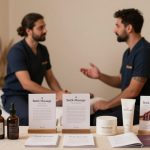
Clear dialogue with your massage therapist is non-negotiable. Hall of Fame member Jimmy Gialelis, LMT, BCTMB, stresses this point.
You must be open about your health conditions and injuries so your therapist can adjust their techniques.
Mention any sports injuries or chronic muscle pain. This allows for a safe, effective deep tissue massage. Your therapist can then focus on specific areas.
Don’t: Eat a Heavy Meal or Rush Before Your Appointment
Avoid a normal-sized meal within 60 minutes of your appointment. A full stomach disrupts digestion and blood flow. This can make lying on the table uncomfortable.
Rushing to your session creates stress. Arriving flustered tightens muscles. It can negate the relaxing effects of the experience. Plan your time to arrive calmly.
Hygiene is one of the most important things. Showering beforehand shows respect. For broader etiquette guidance, consider these Turkish bath etiquette dos & don’ts.
| Action | Do’s | Don’ts | Key Reason |
|---|---|---|---|
| Communication | Discuss health conditions & pain points | Withhold injury details | Enables personalized, safe techniques |
| Meal Timing | Eat a light snack 90+ minutes prior | Consume a heavy meal within 60 minutes | Prevents discomfort & balances blood flow |
| Arrival Mindset | Arrive 5-10 minutes early to settle | Rush in at the last moment | Reduces stress, allows mental transition |
| Attire & Hygiene | Wear loose clothing & shower before | Wear restrictive outfits or skip showering | Ensures comfort & respects the professional space |
What to Do Before and After a Massage in İstanbul
Maximizing the value of your therapeutic appointment relies on a clear plan for both preparation and recovery. Your actions frame the entire experience, influencing how your body responds and retains benefits.
Before Your Massage: Setting the Stage for a Calm Experience
Start by pinpointing specific areas of discomfort. Tell your massage therapist about any chronic pain or tight muscles. This guides their techniques for your unique conditions.
Choosing the proper therapy is crucial. For deep-seated knots, a deep tissue massage targets sore muscles. If reducing stress is your goal, a Swedish massage promotes calm. Athletes often choose sports massage for muscle tension.
After Your Massage: Steps for Recovery and Continued Wellness
Post-session, your body needs gentle care. Drink plenty of water to help flush released toxins. Avoid strenuous activity for the rest of the day.
Light stretching can maintain muscle flexibility. Listen to your body and rest if needed. These steps help prolong the effects of your treatment.
| Phase | Key Action | Primary Benefit |
|---|---|---|
| Before Session | Communicate pain points & choose massage type | Personalizes the treatment for targeted relief |
| During Session | Relax and breathe deeply | Enhances the therapist’s work and your comfort |
| After Session | Hydrate and engage in gentle movement | Supports recovery and extends muscle relaxation |
Maximizing the Benefits of Your Massage Therapy
To fully harness the healing power of massage therapy, a proactive approach to aftercare is essential. The positive effects on your body and mind can be significantly prolonged with simple, consistent practices.
Enhancing Circulation and Relieving Muscle Tension
Regular therapy improves blood flow throughout your system. This enhanced circulation helps speed up injury recovery.
It also promotes better oxygen delivery to your tired muscles. For athletes, a sports massage is ideal.
It treats specific issues like muscle tension and foot pain caused by physical activity. Targeted techniques address deep tissue concerns effectively.
Incorporating Self-Care Practices Post-Session
Incorporate self-care steps like gentle stretching into your daily routine. This maintains the positive effects of your session on physical health.
It also supports muscle flexibility and relaxation. Drinking plenty of water after your appointment is crucial.
Hydration flushes out toxins and supports the healing process within your body. Listen to your body’s signals and allow time for rest.
A professional massage therapist can provide tips on managing chronic pain. Consistent, personalized treatment plans reduce tension over time.
By focusing on your overall well-being, you maximize the benefits this therapy offers for lasting relief from daily stress.
Post-Massage Care and Recovery Guidelines
Your journey toward wellness doesn’t end when you leave the massage table; it continues with mindful aftercare. Implementing proper recovery guidelines helps your body integrate the therapy’s positive effects. This phase is crucial for extending relief from muscle tension and enhancing overall health.
Hydrate, Rest, and Stretch Gently
Drinking water after your session is crucial. It helps your body flush out toxins released during the treatment. Proper hydration supports circulation and aids muscle recovery.
Allow yourself time to rest. Your system needs to absorb the benefits massage therapy offers. Avoid strenuous activities for the remainder of the day.
Gentle stretching maintains muscle flexibility. It prolongs the relaxing effects your massage provides. Incorporate light movements to keep deep tissue supple.
Schedule Follow-Up Appointments and Provide Feedback
Discuss future sessions with your massage therapist. Scheduling follow-up care is key for chronic pain or sports injuries. Regular treatments sustain progress over time.
Provide clear feedback about your experience. This allows your therapist to tailor techniques to your specific conditions. Open communication improves each subsequent session.
Conclusion
Making massage therapy a consistent part of your self-care regimen is a powerful commitment to long-term health. Regular sessions help manage physical tension that builds up in your body and mind.
Following the simple guidelines ensures each session provides maximum relief. It supports your ongoing healing journey from daily stress and pain.
Open communication with your therapist remains key. It allows for a fully customized treatment that targets your sore muscles effectively.
The positive effects of a massage can be extended through dedicated self-care. Scheduling regular appointments locks in these benefits.
Prioritizing your well-being through professional massage is a wise investment. It pays dividends for your overall health and happiness.