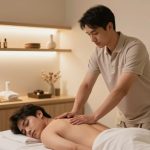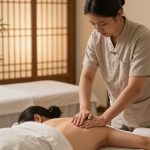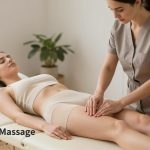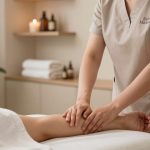
Can a single session in this city reset your body and mind, blending ancient ritual with modern care?
Open this guide with one clear promise: you can turn the city’s energy into a personal reset by picking a turkish massage experience that matches your body, schedule, and comfort.
Think of this as a trusted lens. Independent therapists and luxury spas sit side by side here, so you choose between classic hamam rituals and contemporary spa menus without guesswork.
This is more than relaxation. Expect improved circulation, eased muscles, clearer skin, and calmer thoughts — all framed by the city’s rich history and modern wellness scene.
We also walk you through timing, etiquette, pricing, safety, and simple booking tips. If you want a quick look at professional options and how to pick a therapist, check a short video overview.
Key Takeaways
- Choose between traditional hamam and modern spa styles to match your needs.
- Independent therapists offer direct communication and flexible scheduling.
- Turkish massage experiences support recovery, circulation, and skin health.
- Luxury centers set a service benchmark, but many smaller studios excel at personalization.
- Practical tips on etiquette, pricing, and booking make the process simple and safe.
Why Istanbul Is a Must-Experience City for Massage and Wellness Right Now
Centuries-old bathhouses and modern spas now share the same streets, offering a living link between past rituals and present-day wellness.
How a rich history shaped today’s massage culture: Ottoman-era hammams created a pattern of communal bathing, heat, and touch that still guides local routines. That lineage is visible in techniques, room design, and service flow.
What wellness looks like now: turkish baths and traditional turkish hamam settings sit beside modern spa facilities and compact neighborhood massage centers. Each option changes the pace and purpose of your experience.
“The bath was never just cleansing; it was a social pause, a ritual that reset the body and mood.”
Picture warm marble, steam, foam, quiet rooms, and a small cup of tea after treatment. These sensory cues help you pick the right scene.
- Connect culture to choice: know when to book a hamam ritual or a focused recovery session at a massage center.
- Services are widely available across historic districts, so sightseeing and self-care fit the same day.
Next: we’ll translate this culture into clear choices—what to book, where to go, how long to plan, and how to stay comfortable during your experience.
How to Choose the Right Experience for Your Body, Time, and Mood
Deciding between a ritual bath and a focused treatment starts with what you want your body to feel afterward.
When you’ll love a traditional turkish bath: choose this if you want a slow, cultural bath experience that includes warm steam, scrubbing, and foam. It’s ideal when you have extra time and seek deep cleansing, a full reset, and gentle circulation benefits.
When a modern spa session fits better
If your schedule is tight or you need targeted relief, a modern spa session wins. Book a focused treatment for tight necks, shoulders, or muscle knots. Modern services often include deep tissue, aromatherapy, or precision work in a quiet treatment room.
How to decide by muscle tension, relaxation, and skin goals
Match goals to outcomes. For muscle tension and corrective work, pick a firmer turkish massage modern style or deep tissue session. For relaxation and sleep improvement, select a calming, gentle approach.
Skin renewal pairs well with a traditional turkish bath and a proper kese scrub followed by foam. If your goal is performance recovery, choose a targeted spa service instead.
- Quick checklist: Want culture and cleanse? Pick a turkish bath. Need precision? Book a spa session.
- Decide by how you want to feel after—lighter, looser, or deeply relaxed.
For a practical comparison and booking tips, see this short resource: bath and spa options. Clear durations and real service matches follow in the next sections.
İstanbul Massage Guide For You Offered by Butik Masaj İstanbul
Start by naming what you want to feel after the session, then match services to that goal. This makes choices simple and meaningful.
How to match your goal to the right service options
Butik Masaj İstanbul acts as a practical filter. Pick one outcome: relaxation, tension relief, skin refresh, or a cultural turkish massage experience.
Then choose technique and setting that support that outcome. Independent providers often offer direct communication and flexible scheduling so you can customize pressure and focus areas.
How to build your ideal session length in minutes, not guesses
Decide by scope: 30–40 minutes for targeted work (neck, shoulders), 60–90 minutes for full-body decompression.
Plan time for arrival, consultation, and five to ten minutes of cool-down. Communicate clearly with your massage therapist about pressure and boundaries; clear directions create the most enjoyable massage experience.
- Quick checklist: Set a goal, pick services that match, choose minutes that fit the body work needed.
- Think of booking massage as creating a short wellness itinerary—it improves the result.
Understanding Traditional Turkish Massage and the Hamam Ritual
A proper hamam session unfolds like a short ceremony: heat, cleansing, exfoliation, foam, and a slow finish that calms the whole body.
What happens inside a traditional turkish bath (hamam): you begin by warming up in a heated room or sauna to open pores and invite gentle sweating. Next comes cleansing and the signature kese scrub that removes dead surface cells.
What each step does for your skin
Kese scrub: purposeful exfoliation that leaves your skin smoother and brighter after a rinse.
Köpük foam: more than play—foam softens, cleanses, and creates a weightless calm before or alongside a massage.
How long you should plan
Plan at least 1 to 1.5 hours to move slowly through heat, steam, scrub, and rest. Rushing shortchanges both physical and mental benefits.
Spotting authentic turkish experiences vs tourist shortcuts
Look for consistent hygiene, transparent pricing, respectful staff, and a ritual flow that feels unhurried. Authentic turkish and traditional turkish bath venues keep a clear sequence—warm, steam rooms, kese, köpük, then optional massage.
- Timing and cost: a basic kese-köpük session at a neighborhood hamam often runs around 600–700 TL; add-on services can double the total.
- Variety matters: some traditional turkish baths are historic showpieces while others are neighborhood staples—pick by atmosphere or practicality.
“After a full hamam flow, your skin feels renewed, muscles soften, and a quiet calm stays with you long after the steam.”
For a closer look at classic options and bookings, see a recommended resource: discover relaxation.
Traditional Turkish Massage vs Modern Techniques in Istanbul
In this city, touch ranges from ritual steam rooms to focused clinic-style therapies.
Traditional turkish massage is a cultural immersion. It uses heat, cleansing scrubs, and a steady rhythm that helps your whole system downshift. Expect warmth, foam, and a slow flow that calms both skin and nerves.
Modern options focus on results. You can book Swedish for gentle relaxation, deep tissue for chronic knots, aromatherapy to ease stress and improve sleep, or reflexology for circulation and nervous system balance.
- Why pick traditional: full-body reset, ritual depth, and a sensory pause.
- Why pick modern: targeted relief, clinical precision, and repeatable outcomes.
Many turkish massage modern choices appear in modern spas and high-end massage centers. Luxury venues—like Raffles Spa with expansive facilities—offer saunas, lounges, and highly customized services that blend both worlds.
You don’t need to choose one path exclusively. Do a hamam-style session to unwind, then schedule a deep tissue visit later for recovery. The best experience comes when you match method to intention and listen to what your body asks for.
Independent Massage Therapist or Massage Center: How to Pick with Confidence
Picking a provider is less about prestige and more about clear expectations and direct communication.
Why direct communication can create a more enjoyable massage experience
Direct talk changes the session. When you tell a massage therapist your pressure preference, sensitivities, or target areas, the session becomes personal instead of generic.
Ask before you arrive: confirm language, duration, and any medical notes so the first touch fits your needs.
Flexible scheduling options when you book with an independent masseuse
Independent pros often offer flexible hours and quick adjustments. You can confirm details by phone or a simple message on their website.
This makes booking massage easier when your itinerary shifts or you need a short, focused visit.
When a spa brand and facilities matter more than flexibility
Large spa and massage centers provide steady facilities—saunas, steam rooms, and a polished environment. If luxury or group amenities matter, choose a branded spa.
“If you celebrate a special day, the facility often sets the tone; if you need targeted relief, direct contact wins.”
Decision shortcut: pick a spa for celebration, pick an independent therapist for tight timeframes or corrective work. Keep mind what matters most—luxury or personalization—before you book.
| Feature | Independent Therapist | Spa / Massage Centers |
|---|---|---|
| Direct communication | High (phone/website confirmations) | Moderate (front desk mediates) |
| Scheduling flexibility | Very flexible | Fixed slots, advance booking |
| Facilities and amenities | Basic or mobile setup | Extensive (sauna, steam, lounges) |
| Best use | Targeted therapy, tight timetables | Celebrations, full wellness days |
For a quick planning resource and booking ideas, see this short tutorial: your planning resource. Clear choices give you confidence and a better massage experience.
Where to Book in Istanbul: Top Districts Known for Quality Services
Where you book shapes the pace, price, and personality of every massage istanbul or spa session. Think of neighborhoods as booking zones—each one sets a different tone for your visit.
Sultanahmet — historic hamams and classic bath experience
Choose Sultanahmet when you want traditional turkish baths and a memorable cultural ritual.
Historic spots like Cağaloğlu Hammam, Hürrem Sultan Hammam, and Ağa Hamamı deliver full hamam flows and a true traditional turkish bath atmosphere.
Taksim — modern spas and widest range of options
Taksim is the flexible hub for modern spas, quick transport links, and many service options.
Pick this area if you want variety, late hours, and easy connections to nightlife or hotels.
Şişli — neighborhood hamams and practical pricing
Şişli offers local hamam energy with practical rates. Authentic Turkish bath experiences can start near $41.26 per person in some listings.
It’s a smart place when you want tradition without the tourist premium.
Asian side — calmer pace for slower relaxation
The Asian side is ideal if you prefer fewer crowds and a gentler rhythm for your bath experience.
Private Turkish bath packages often start around $52.09 per person and suit quieter, longer visits.
- Quick pick: Sultanahmet for heritage, Taksim for choice, Şişli for value, Asian side for calm.
- Remember: location affects travel time, crowd levels, and how long you can comfortably linger after your experience.
How to Find Verified, Trustworthy Pros Before You Book
Start with a short checklist to move from choice overload to a trusted shortlist in minutes. A quick, focused search saves time and protects your comfort.
Using platforms, maps, and reviews to shortlist
Open a maps app to find nearby options, then read recent reviews to confirm consistency and cleanliness. Look for treatment photos, clear pricing, and multiple reviews that praise professionalism.
Credentials and what “verified” should mean
Verified means visible certificates, licensing details, and a clear contact path via phone or website. If a place lists a certification, confirm it in the profile or ask before booking massage.
Service quality indicators you can scan in minutes
Scan for transparent service lists, clear cancellation rules, and reviews that mention boundaries and comfort. Notice how they describe techniques; honest descriptions often signal authentic turkish massage options without hidden upsells.
- Use maps + reviews to create a short, local list fast.
- Require visible credentials and steady client feedback before you commit.
- Keep mind non-negotiables: hygiene, respect, and clear pricing.
“Trustworthy pros make verification simple: clear policies, real reviews, and open lines of communication.”
| Quick Check | What to Expect | Action |
|---|---|---|
| Profile details | Certificates, service list | Verify on website or ask via phone |
| Reviews | Consistency, comfort notes | Favor repeated praise over single five-star posts |
| Policies | Pricing, cancellations | Confirm before booking massage |
Pricing Guide: What You’ll Pay, What’s Included, and How Costs Add Up
Understand what’s included so you can match cost to the outcome you want. A simple budget plan stops surprises and helps you pick the best option for calm, recovery, or skin renewal.
Neighborhood benchmark: a basic kese-köpük package at a local hamam typically runs 600–700 TL. That price usually covers scrub, foam, and time in heated areas.
Why totals often rise
Add-on services—longer massage time, private rooms, specialty oils, or sauna access—can easily double the final price. Decide which extras matter before booking so you avoid paying for minutes or features you won’t use.
Package ranges and per person comparisons
Entry-level packages often start near $41.26 per person, while private packages can be around $52.09 per person. Many listings show durations from 50–100 minutes; plan at least 1–1.5 hours for a full turkish bath flow.
- How to compare: check duration, inclusions, privacy, and whether sauna or steam access is included.
- Budget tip: anchor your decision to the baseline 600–700 TL, then add expected extras to your estimate.
“Pick the package that delivers the outcome you want—calm, skin renewal, or deeper recovery—rather than the lowest price.”
For cost-saving options and practical booking ideas, see a short resource on affordable choices: affordable turkish bath options.
Payment Methods and Practical Booking Details
Before you confirm a booking, small payment choices and cancellation rules decide how smooth your visit will feel. Take two minutes to lock down logistics so your wellness day starts calm and ends calm.
Cash, cards, and mobile payments
Cash is common and often accepted at neighborhood spots. Cards are widely used at larger spa locations and most massage centers. Some local providers also accept mobile payments as a convenient option.
Confirm cancellation rules before you commit
Ask about fees and required notice to avoid full charges. Busy districts and premium spas may require 24–48 hours’ notice for a refund or partial credit. Smaller independent venues sometimes keep stricter or looser policies—confirm each site’s rule.
- Use a quick phone call to confirm arrival time, address, and what to bring.
- Save a booking confirmation from the website so you have documentation of the appointment.
- Choose the booking option that matches your schedule: call for clarity or online for speed and record-keeping.
- Protect your budget by checking cancellation windows before you pay any deposit.
“Clear payment and cancellation details clear your mind—then the turkish massage can do the rest.”
Best Times to Visit: Hours, Crowds, and the Calm You’re Chasing
Early morning slots and late-afternoon lulls change how steam rooms and saunas feel during your visit.
Pick your hours to match the energy you want. Off-peak times bring quieter rooms, shorter waits, and a smoother relaxation flow.
Peak vs off-peak: how timing changes your steam, sauna, and relaxation flow
Weekends and holidays are lively. If you prefer social energy, choose those busy slots.
If you want privacy and long rests between steps, select weekday mornings or late afternoons. The same hamam can feel very different depending on the time of day.
Seasonal demand and when you should book ahead
High tourist seasons and long holiday periods swell crowd levels. On those days, booking massage in advance secures your preferred slot and package.
Keep mind that planning a day around your session protects your calm. When you lock a time, you protect the quiet that helps your nervous system let go.
- Timing shapes the visit: fewer people means emptier steam rooms and a gentler flow.
- Compare energies: peak = lively; off-peak = private and restorative.
- Plan ahead: during busy seasons, book early to get the exact hours and services you want.
| Feature | Peak | Off-peak |
|---|---|---|
| Crowd level | High — full steam rooms | Low — quiet and spacious |
| Wait times | Longer, possible delays | Short, smooth transitions |
| Atmosphere | Social and lively | Calm and private |
| Booking advice | Reserve early for popular hours | Walk-ins often accepted |
“Treat timing as part of your self-care plan—protecting your hours often doubles the benefit of the experience.”
Safety Tips and Best Practices for a Comfortable, Respectful Session
Safety starts long before the door opens—small checks protect your calm and comfort.
Red flags you should watch for include unclear pricing, pressure to add services, visible hygiene issues, or missing credentials. If answers feel evasive, walk away and choose another option.
Red flags to watch for before your appointment day
Check reviews, verify certificates, and confirm pricing on the provider’s website. Avoid listings that refuse simple questions about what the service includes.
Communication protocols that protect your comfort and boundaries
Set expectations by phone before arrival. Tell the massage therapist about injuries, areas to avoid, and your pressure preference. Keep mind that a professional welcomes clear direction.
Security and privacy basics for studios, hotels, and hammams
Pick reputable locations or verified mobile options. For hotel visits, confirm who will arrive and never share unnecessary personal details. Good venues protect your privacy and provide visible security measures.
“A respectful experience is standard — you may end or adjust a session anytime.”
- Scan for hygiene and clear pricing.
- Confirm identity and arrival details by phone or website.
- Choose places with private rooms and obvious security steps.
Essential Etiquette for Turkish Baths and Massage Centers
Knowing a few simple customs removes awkwardness and helps your bath experience flow from start to finish.
What to wear (and what not to stress about)
In many traditional turkish baths guests use a pestemal wrap. Wear what feels modest and comfortable: a wrap or a swimsuit is usually fine.
Don’t worry if you are unsure—staff will show you how the wrap and towel work. A short, calm approach is better than perfect gear.
Tipping expectations and how to handle it gracefully
Tipping is common and often appreciated. A general rule is around 20% in settings where service and personal attention are strong.
Carry small bills so you can thank attendants directly. Offer the tip discreetly after service to avoid awkward moments.
Gender-separated areas and planning your visit respectfully
Many hamam venues have gender-separated times or rooms. Check schedules before you book so you arrive at the right hour.
Respect the flow: follow staff directions, keep modesty levels as requested, and listen to instructions for the best, calm experience.
“A respectful visit often leads to a smoother, more restorative experience for everyone.”
Language and Communication Tips That Instantly Improve Your Experience
A few clear phrases and gestures can change a session from awkward to effortless. Learn a handful of words and basic signals to build trust fast and shape a better outcome.
Essential Turkish phrases for booking massage and giving feedback
Key words make bookings and feedback smoother. Use simple phrases like merhaba (hello), teşekkür (thanks), and ne zaman? (what time?).
When you call or use a phone, say your time, location, and pressure preference. This helps avoid surprises and confirms the exact services you expect.
- “Daha yumuşak” — softer.
- “Daha sert” — stronger.
- “Buraya” — here (pointing to an area).
- “Lütfen dur” — please stop.
Non-verbal cues to keep in mind during your session
Words help, but gestures matter. A single nod, a small hand raise, or shifting position signals comfort and pressure clearly.
Keep mind that early feedback is best. Tell your massage therapist quickly if something is too firm or too light. They can adjust the touch in real time.
“Short, kind corrections often turn a routine treatment into a deeply personal turkish massage experience.”
Practice a few essential turkish phrases before you go and bring confidence to the booking. If you want vetted options, check top therapists for immediate bookings: top therapists.
Mobile Services vs Studio Sessions: Choosing the Best Option for Your Day
Decide whether a portable session or a dedicated studio best suits the rhythm of your day. Each option shapes how much rest you actually get after treatment and how deep the overall experience will feel.
Hotel visit options when you want relaxation without transportation
Mobile services bring a massage therapist to your hotel room, saving travel time and letting you recover immediately in privacy. This is ideal after a long trip or when your schedule is tight.
Private studio benefits like sauna and steam rooms
Studio sessions offer facilities a hotel room cannot: saunas, steam rooms, quiet lounges, and focused spa amenities. If you want an immersive, facility-rich reset, a studio often delivers more depth.
- Compare convenience vs environment: hotel visits save time; studios create a full wellness space.
- Ask before booking: setup time, linens and oils, noise level, and how privacy is protected in a hotel.
- Pick based on your desired outcome: effortless and convenient, or immersive and facility-rich.
“Plan enough time to rest after the session so the benefit lasts beyond the massage table.”
What to Expect During Your Session, Step by Step
Your session begins the moment you step through the door; what follows is a clear, staged flow designed to calm and restore.
Your arrival, consultation, and setting intention
On arrival you’ll have a short consultation. Share sensitivities, goals, and the exact outcome you want from this massage experience.
Set one clear intention—relaxation or recovery—so pressure and pacing match your body’s needs.
During the massage: pressure, techniques, and adjustments
The practitioner selects techniques that match your intention. Expect early pressure checks and real-time adjustments so you never feel stuck.
If the booking includes a traditional turkish massage or a hamam element, plan time for warming on heated surfaces and a gentle scrub before hands-on work.
After the session: rest, hydration, and lasting benefits
The final minutes help your nervous system land softly. Rest for at least a few minutes, drink water, and let the full-body effects settle.
“Think of the session as a short ritual—start with clear intent, follow the flow, and give your body time to absorb the benefits.”
Conclusion
The best result comes when your booking matches a clear intention: recovery, calm, or cultural immersion.
turkish massage options are not one-size-fits-all. Traditional flows and modern techniques deliver different outcomes. Choose a traditional turkish ritual when you want cleansing and ritual. Pick focused work when you need targeted relief.
Plan smart: allow 1–1.5 hours for a full run, confirm pricing and policies, and verify credentials. Shortlist, compare inclusions, confirm cancellation terms, then book the spot that fits your needs for a reliable experience in this rich wellness scene.
When you treat your body with care, a thoughtful session becomes more than rest—it helps you return to your best self. Let this method guide your next turkish massage or experience.