Are you looking for the right bodywork experience? Do you feel overwhelmed by countless options?
Picking the perfect wellness session takes more than just booking an appointment. You need three key elements. First, find a qualified professional therapist. Second, understand which technique fits your needs. Third, select the right session format.
Men’s massage therapy has changed a lot in recent years. Professional services across Turkey now focus on your specific needs. They address your physiology, stress patterns, and wellness goals.
Here’s a key fact: no single treatment works for everyone. Your best choice depends on several factors. Consider your main goal and preferred pressure level. Think about your current symptoms and assessment needs.
This guide helps you make smart decisions about your wellness. You’ll learn to check therapist credentials and compare different techniques. You’ll discover how to prepare for sessions and boost results afterward. Finding your ideal approach is a personal journey based on comfort and health needs.
Key Takeaways
- Selecting the right therapy involves three critical decisions: therapist qualifications, technique type, and session format
- Professional wellness services in Turkey now specifically address your unique physiological needs and stress patterns
- No universal treatment method exists – your choice should match your goals, comfort preferences, and current symptoms
- Pressure intensity and technique style must align with your specific wellness objectives
- Proper therapist evaluation and session preparation significantly enhance treatment outcomes
Understanding the Benefits of Male Massage
Massage offers men many health benefits for both body and mind. It helps with workout recovery, chronic stress, and overall health. Research shows massage provides relief for muscle pain and reduces stress-related tension.
Men today face unique physical and mental challenges. Long work hours and demanding responsibilities create tension throughout the body. Regular massage sessions offer a practical solution to these modern health concerns.
Physical Benefits
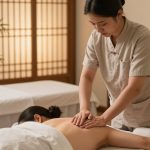
Male body massage delivers powerful physical improvements that impact daily performance. Men typically carry tension in specific areas due to their physiology. The shoulders, lower back, neck, and legs often bear physical stress.
Therapeutic massage targets these problem areas with precision. Improved circulation brings oxygen and nutrients to tired muscles. This process speeds up recovery after workouts and reduces soreness.
The physical advantages extend beyond immediate relief:
- Reduced chronic muscle tension from weight training or physical labor
- Enhanced athletic performance through better muscle flexibility
- Improved posture by correcting imbalances from prolonged sitting
- Relief from musculoskeletal discomfort linked to repetitive movements
- Increased range of motion in joints and connective tissues
Men in physically demanding careers benefit significantly from regular sessions. Construction workers, athletes, and manual laborers experience faster recovery. Even office workers notice improvements in posture-related discomfort after consistent treatment.
Mental Benefits
The mental advantages of massage are equally impressive and often underestimated. Stress hormones like cortisol decrease during massage sessions. Feel-good chemicals like serotonin increase, creating measurable improvements in mental state.
Sleep quality often improves after regular massage therapy. Many men struggle with racing thoughts and tension that prevent restful sleep. Monthly massage sessions can establish a pattern of deeper, more restorative rest.
Enhanced focus and mental clarity represent another significant benefit. Dedicated time away from work allows your mind to reset. You return to daily tasks with improved concentration and problem-solving abilities.
Emotional Benefits
Male body massage addresses aspects of wellness that men often neglect. Cultural expectations sometimes discourage men from prioritizing self-care. Professional massage therapy creates a safe, judgment-free environment for relaxation.
Regular sessions improve body awareness and connection to physical sensations. This mindfulness reduces anxiety and promotes emotional balance. Many men report feeling more grounded and centered after their appointments.
These emotional benefits contribute to overall life satisfaction. Reduced anxiety levels help you manage challenges more effectively. Better emotional regulation improves relationships with family, colleagues, and friends.
Selecting the Right Male Massage Therapist
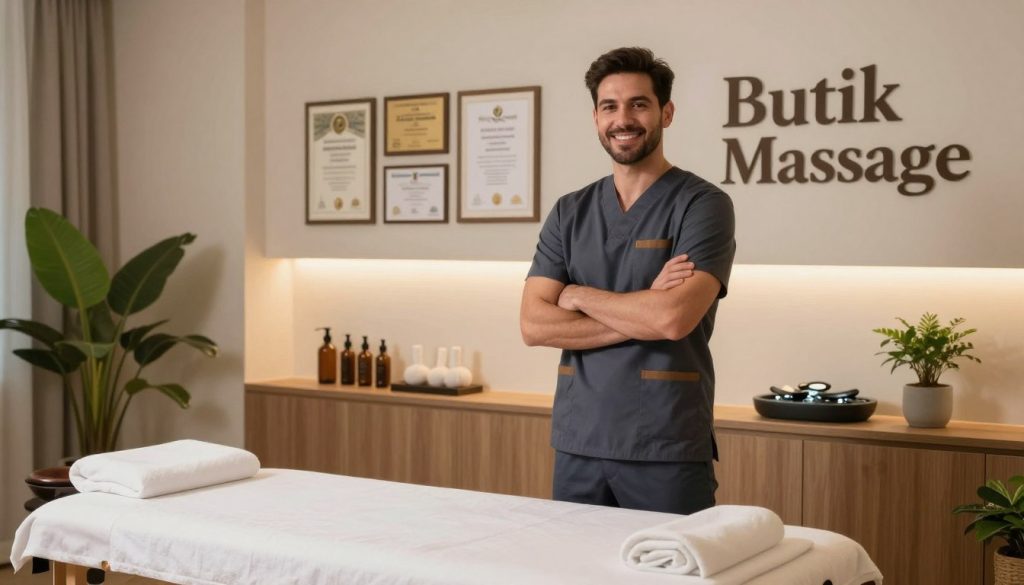
Finding professional male massage services requires knowing what credentials to verify. The right massage therapist brings technical skills and professionalism. This decision impacts both safety and treatment effectiveness.
Turkey’s massage therapy industry has grown significantly in recent years. However, standards can vary between establishments. Research protects your health and ensures quality care.
Qualifications to Look For
A qualified massage therapist should hold credentials that demonstrate their training. These qualifications assure you’re working with a legitimate professional.
Look for therapists who completed accredited massage therapy programs. Reputable Turkish training institutions offer certification courses covering anatomy and physiology. Your therapist should provide proof of completion from recognized schools.
Professional licensing is another critical factor. Legitimate practitioners maintain current certifications and comply with local health requirements. Ask to see their license before booking your first session.
| Credential Type | What It Indicates | How to Verify |
|---|---|---|
| Massage Therapy Certificate | Completed formal training program | Request copy of certificate from accredited institution |
| Professional License | Meets local regulatory standards | Check with local health department or licensing board |
| Specialized Certifications | Advanced training in specific techniques | Verify with issuing organization or association |
| Liability Insurance | Professional coverage and accountability | Ask for proof of current insurance policy |
Additional credentials that enhance men’s massage therapy services include:
- Specialized training in sports massage or deep tissue techniques
- Certifications in injury rehabilitation or therapeutic massage
- Membership in professional associations like massage therapy guilds
- Continuing education credits showing ongoing skill development
- First aid and CPR certification for emergency situations
A professional massage therapist should always use proper intake procedures, including detailed health history forms and consultation protocols, to ensure safe and effective treatment.
Importance of Experience
A therapist’s experience significantly impacts your massage quality. Experienced practitioners develop refined skills beyond classroom learning.
Therapists who work extensively with male clients understand men’s massage therapy aspects. They recognize tension patterns from workplace stress or athletic training. This familiarity allows them to adjust pressure appropriately.
Experience also means better judgment. Seasoned therapists identify when symptoms suggest medical conditions. They know when to recommend consulting a physician first.
Ask potential therapists about their background with male clients. How many years have they practiced? Do they have experience addressing concerns like yours?
An experienced professional adapts their approach based on your body’s responses. They read subtle cues about pressure tolerance. This skill comes only from treating numerous clients.
How to Check Reviews and References
Reviews and references provide real-world evidence of a therapist’s abilities. This research reveals important information about what to expect.
Start by searching online review platforms popular in Turkey. Look for patterns rather than focusing on single reviews. Multiple clients mentioning professionalism suggests a reliable practitioner.
Pay attention to reviews from other male clients. These comments may address aspects relevant to men’s massage therapy. They might discuss appropriate pressure or comfort level.
Consider these strategies for evaluating potential therapists:
- Read reviews across multiple platforms to get a comprehensive picture
- Contact the therapist directly to ask for references from current clients
- Schedule a brief consultation call to assess communication style and professionalism
- Visit the facility beforehand to evaluate cleanliness and privacy standards
- Verify that the therapist uses proper documentation, including health intake forms
Professional therapists request a detailed consultation form before your first session. This form covers health history, current conditions, and treatment goals. Missing documentation is a red flag.
For specialized treatments, expect additional consent forms. This practice demonstrates professionalism and respect for boundaries. Proper documentation protects both you and the therapist.
Trust your instincts during initial interactions. A qualified therapist answers questions clearly and explains their approach. If something feels off, continue looking for professional male massage services elsewhere.
Different Techniques Used in Male Massage
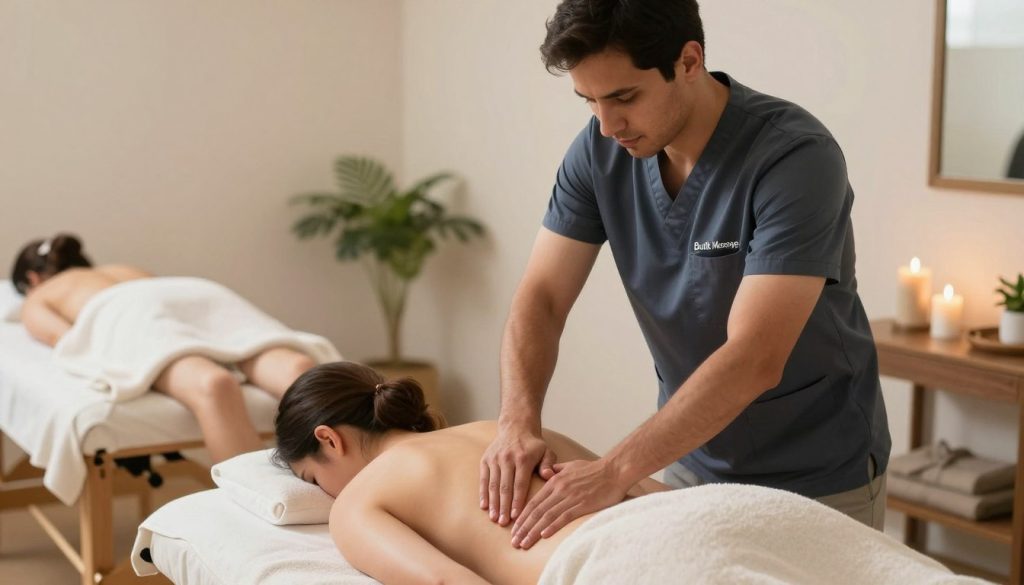
Each massage technique offers unique benefits tailored to different physical conditions and wellness goals. Understanding various approaches helps you select therapeutic massage that addresses your specific concerns. Your therapist may use one primary technique or combine several methods during a session.
The technique your therapist chooses depends on your current physical condition and comfort with pressure. Some men prefer gentle, relaxing approaches while others need more intensive work on problem areas. Communicating your preferences ensures your therapist selects the most appropriate method.
| Technique | Pressure Level | Primary Benefits | Best For |
|---|---|---|---|
| Swedish Massage | Light to Moderate | Relaxation, circulation improvement, stress reduction | First-time clients, general wellness, stress relief |
| Deep Tissue Massage | Firm to Intense | Chronic tension relief, injury recovery, connective tissue work | Chronic pain, muscle stiffness, physical labor recovery |
| Sports Massage | Moderate to Firm | Performance enhancement, injury prevention, faster recovery | Athletes, active individuals, training support |
| Aromatherapy Massage | Light to Moderate | Emotional balance, enhanced relaxation, holistic wellness | Stress management, mood improvement, sensory experience |
Swedish Massage
Swedish massage serves as the foundation for many other massage techniques. This approach uses five basic stroke types: long gliding movements, kneading motions, and circular patterns. It also includes gentle tapping and vibration.
The therapist applies light to moderate pressure using oil or lotion to reduce friction. This allows smooth, continuous strokes that cover large muscle groups. The rhythm and flow create a calming effect that reduces physical tension and mental stress.
This technique proves ideal for men new to massage therapy or those seeking relaxation. It helps reduce general muscle tension without the intensity of deeper work. Many men find Swedish massage an excellent starting point before exploring more specialized techniques.
Deep Tissue Massage
Deep tissue massage male therapy targets the deeper layers of muscle and connective tissue beneath the surface. Your therapist uses slower, more deliberate strokes with concentrated pressure on specific tension areas. This method reaches chronic knots that lighter techniques cannot address effectively.
The pressure applied during deep tissue massage male sessions should feel intense but never cause sharp pain. Your therapist works gradually into deeper layers, allowing muscles to relax and accept the pressure. Communication during the session ensures the intensity remains within your comfort zone.
This approach benefits men experiencing chronic muscle tightness or those recovering from injuries. Deep tissue massage male treatments may include trigger point therapy, where sustained pressure releases sensitive spots. You might experience some soreness after your session, but this typically subsides within two days.
Sports Massage
Sports massage for men addresses the specific needs of active individuals and athletes. This specialized technique focuses on muscle groups stressed by particular sports or physical activities. The approach varies based on timing: pre-event sessions prepare muscles, while post-event sessions aid recovery.
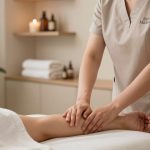
Your therapist may incorporate compression techniques, targeted stretching, friction movements, and trigger point work. Sports massage for men often concentrates on areas like legs for runners or shoulders for swimmers. The pressure and techniques adapt to your training schedule and performance goals.
This method proves valuable for weekend athletes as well as competitive sports participants. Sports massage for men helps reduce muscle soreness and improves flexibility. Regular sessions can enhance your athletic performance while decreasing your risk of injury.
Aromatherapy Massage
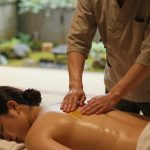
Aromatherapy massage combines traditional massage techniques with therapeutic essential oils. Your therapist selects specific oils based on your wellness goals and preferences. These concentrated plant extracts enhance both the physical and psychological benefits of your session.
Different essential oils serve distinct purposes during your massage. Lavender promotes relaxation and stress relief, while eucalyptus eases muscle discomfort and respiratory issues. Peppermint energizes while reducing tension headaches.
This technique works well for men seeking emotional balance alongside physical relief. The combination of touch therapy and aromatherapy addresses both body and mind. Your therapist typically uses lighter pressure with aromatherapy massage, making it suitable for stress management.
Many experienced therapists blend multiple techniques within a single session to address your complete range of needs. Your initial consultation helps determine which approaches will serve you best. As you gain experience, you can request specific techniques that produce optimal results for your body.
Choosing the Right Session Type for Your Needs
Understanding session variables helps you design a male relaxation massage that meets your health goals. The practical aspects of your appointment significantly influence the therapeutic outcomes you achieve. These aspects include duration, scheduling frequency, and environmental setting.
Making informed choices about these elements ensures your investment delivers maximum benefit. Each component of your session works together to create a comprehensive wellness experience. Your personal objectives should guide every decision you make.
These objectives might focus on stress relief, athletic recovery, or addressing chronic tension. Aligning session parameters with your needs transforms a standard appointment into targeted therapy.
Duration Options for Maximum Effectiveness
Session length represents one of the most important factors in planning your male body massage. Most facilities offer appointments ranging from 30 minutes to 90 minutes. Each duration serves distinct purposes based on your therapeutic goals.
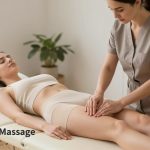
Shorter 30-minute sessions work effectively for targeted relief of specific problem zones. These focused appointments typically concentrate on high-tension areas like neck, shoulders, or lower back. They suit busy schedules while still providing meaningful therapeutic benefit.
Standard 60-minute appointments represent the most popular choice for comprehensive care. This duration allows your therapist to perform full-body work or address multiple problem areas. First-time clients particularly benefit from this length for intake discussion and gradual acclimation.
Extended sessions of 75 to 90 minutes offer the most thorough therapeutic experience. These appointments accommodate combination approaches that integrate multiple modalities. The additional time enables your therapist to address complex issues methodically without rushing.
| Session Length | Best Suited For | Coverage Area | Ideal Frequency |
|---|---|---|---|
| 30 minutes | Targeted relief, maintenance between longer sessions | 1-2 specific body regions | Weekly for focused issues |
| 60 minutes | Full-body relaxation, general wellness | Complete body or 3-4 regions | Bi-weekly to monthly |
| 75-90 minutes | Complex issues, multiple techniques, deep relaxation | Comprehensive full-body treatment | Monthly or as needed |
Establishing Your Treatment Schedule
The frequency of your professional male massage services depends on several factors. These include your wellness objectives, activity level, and body’s response to treatment. Consistency typically produces superior cumulative benefits compared to sporadic sessions.
Your therapist can help develop a realistic schedule that balances therapeutic goals with practical considerations. Active individuals engaged in regular training often benefit from weekly or bi-weekly appointments. This frequency helps manage muscle soreness, prevents injury, and maintains optimal performance.
Athletes preparing for competitions may temporarily increase session frequency during peak training periods. Those managing chronic tension or recovering from injury similarly benefit from more frequent sessions. Weekly appointments during intensive treatment phases allow progressive addressing of deep-seated issues.
As symptoms improve, you can transition to maintenance schedules. Monthly sessions serve general wellness and stress management effectively for most people. This interval provides regular therapeutic input without overwhelming your schedule or budget.
Many clients find monthly appointments sufficient for maintaining muscle health once acute issues resolve. Occasional sessions work well for periodic relaxation or addressing temporary discomfort. Enjoying a relaxing massage during stressful periods provides valuable relief without requiring long-term commitment.
Environmental Factors That Enhance Your Experience
The ambiance and setting of your massage appointment significantly influence your comfort. Professional facilities in Turkey offer diverse environments ranging from clinical centers to luxurious spas. Understanding your preferences helps you select the most suitable location.
Temperature control plays a crucial role in your comfort throughout the session. Most facilities maintain rooms between 72-76°F (22-24°C). Your therapist can adjust settings based on your preference to prevent muscle tension.
Lighting levels affect your psychological response to the session. Dimmed lighting promotes relaxation and stress reduction for male relaxation massage focused on wellness. Brighter clinical lighting suits therapeutic sessions addressing specific injuries or movement restrictions.
- Music selection or silence based on personal preference for auditory environment
- Privacy measures including secure changing areas and appropriate draping techniques
- Cleanliness standards covering linens, surfaces, and overall facility hygiene
- Massage table comfort including padding quality and face cradle adjustability
- Aromatherapy options when scents enhance rather than overwhelm your experience
Professional boundaries and comfort level with your therapist form essential components of the setting. Reputable professional male massage services maintain clear communication protocols throughout each appointment. Your ability to communicate openly about pressure and positioning directly impacts the session’s success.
The overall atmosphere should align with your therapeutic intentions. Clinical settings may feel appropriate when addressing injuries. Spa-like environments with soft textures better suit relaxation-focused sessions.
Visit potential facilities beforehand when possible to assess the environment. This helps ensure the setting meets your expectations and comfort requirements.
Preparing for Your Male Massage Session
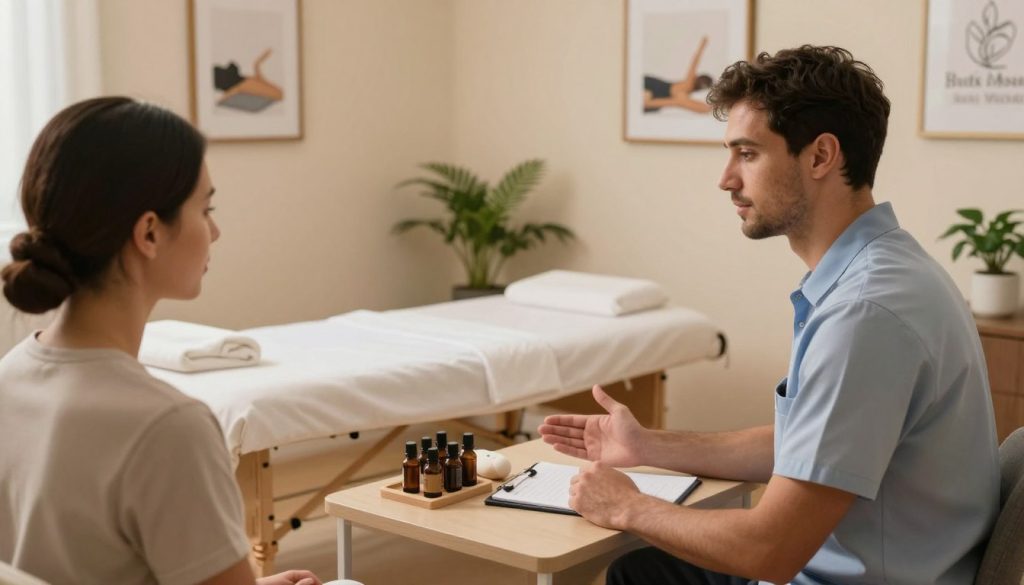
A successful therapeutic massage for men begins before you enter the treatment room. Proper preparation helps you maximize benefits while feeling comfortable and confident. Understanding the appointment process eliminates anxiety and lets you focus on healing.
First-time clients often feel uncertain about the process and expectations. This uncertainty creates tension that works against relaxation goals. Taking time to prepare mentally and physically transforms your experience into something genuinely therapeutic.
What to Expect on Your First Visit
Your first appointment typically begins 10 to 15 minutes before the scheduled massage time. This buffer allows you to complete paperwork and discuss your needs. Arriving early prevents rushing and helps you transition into a relaxed state.
Professional massage practices require clients to complete a health history and consultation form. This documentation covers medical conditions, current symptoms, medications, previous injuries, and your massage goals. Any therapist who skips this intake form raises serious concerns about professional standards.
The consultation form serves multiple essential purposes. It alerts your therapist to conditions that require technique modifications. Your therapist needs to know about recent surgeries, chronic pain, cardiovascular issues, or other health concerns.
Clients should inform the therapist if they brace, hold their breath, or feel sharp pain so adjustments can be made.
After completing paperwork, you will have a brief conversation with your therapist. This discussion clarifies your primary concerns and establishes treatment goals. Your therapist will explain the techniques they plan to use.
The therapist will then show you to a private treatment room and step out. You will have complete privacy to undress to your comfort level. Professional massage for men always maintains appropriate covering throughout the session.
During the therapeutic massage for men, your therapist will check in regularly about pressure levels. These check-ins are normal and expected. After the session concludes, your therapist will leave while you dress, then return for recommendations.
Recommended Attire
Many clients wonder what to wear during their massage session. The answer depends on the techniques being used and your personal comfort preferences. Most massage techniques work best with direct skin contact.
Clients typically undress completely or down to underwear for full-body sessions. You will be properly draped with sheets throughout the entire massage. Professional draping protocols ensure your privacy and dignity remain protected.
Some techniques accommodate clients who prefer to remain clothed. Loose, comfortable clothing like shorts and a t-shirt works for these situations. Thai massage and some sports massage techniques can be performed through clothing.
You should never feel pressured about your level of undress. Your comfort is paramount, and professional therapists respect personal boundaries without question. Communicate your preferences openly, and know that your choices will be honored.
| Attire Option | Best For | Technique Effectiveness | Comfort Considerations |
|---|---|---|---|
| Completely Undressed | Swedish, deep tissue, aromatherapy massage | Maximum effectiveness for oil-based techniques | Full draping provides privacy and warmth |
| Underwear Only | Most massage types except certain specialized work | Excellent for most techniques | Provides personal comfort boundary |
| Loose Clothing | Thai massage, chair massage, some sports techniques | Effective for compression and stretching methods | Ideal for those preferring to stay clothed |
| Athletic Wear | Sports massage, injury assessment | Good for targeted muscle work | Familiar and comfortable for active clients |
Communication with Your Therapist
Effective communication forms the foundation of a successful men’s massage therapy experience. Your therapist depends on your feedback to provide safe, effective treatment. Open dialogue ensures the session addresses your specific concerns while respecting your boundaries.
Before the session begins, clearly state your primary goals and concerns. Your therapist needs to understand your priorities for pain relief, stress reduction, or general wellness. This information guides their technique selection and treatment focus.
Mention any areas that are particularly sensitive or should be avoided entirely. Old injuries, recent surgeries, skin conditions, or areas of discomfort deserve attention. Your therapist will appreciate this information and adjust their approach accordingly.
During the massage for men, communicate honestly about pressure levels. Speak up immediately if pressure feels too light or too intense. The ideal pressure level varies significantly between individuals and even between different body areas.
Report any discomfort, pain, tingling, or unusual sensations as soon as they occur. These symptoms might indicate the need for technique adjustment. Your therapist cannot address issues they do not know about.
- State your treatment goals and primary concerns clearly at the beginning
- Inform your therapist about sensitive areas or regions to avoid
- Provide immediate feedback about pressure levels throughout the session
- Report unusual sensations like tingling, numbness, or sharp pain
- Ask questions about techniques being used or recommendations made
- Discuss symptom changes between sessions if you become a regular client
Ask questions about techniques being used or recommendations your therapist makes. Understanding the reasoning behind specific approaches helps you participate actively in your treatment. Professional therapists welcome questions and provide clear explanations.
If you become a regular client, discuss any changes in symptoms between sessions. This ongoing communication helps your therapist track progress and adjust treatment plans. Effective therapeutic massage for men requires partnership built on transparent communication and mutual respect.
Aftercare Tips for Maximizing Massage Benefits
Your experience with male massage extends beyond the treatment table. Proper aftercare helps your body integrate the therapeutic work. This approach maintains results longer.
Hydration and Rest
Drink plenty of water in the hours following your session. Male body massage releases metabolic waste products from muscles. These waste products need flushing from your system.
Avoid alcohol for at least 12-24 hours after treatment. Alcohol interferes with healing processes and counteracts hydration efforts. Allow time for rest if possible.
Some mild soreness may appear 24-48 hours after deep tissue work. This resembles post-exercise soreness and typically resolves quickly. Light activity generally works better than complete immobility during recovery.
Stretching and Movement
Perform gentle stretching exercises that complement your massage work. Focus on areas that received concentrated attention during your session.
Skip intense exercise or heavy lifting for 24 hours after deep tissue treatments. Your muscles need time to recover and adapt. Walking, gentle yoga, or swimming promote circulation without overloading treated tissues.
Scheduling Follow-Up Sessions
Book your next appointment before leaving to maintain consistency. Your therapist can adjust technique as your body responds to treatment.
Frequency depends on your goals, symptoms, and response. Some people schedule occasional sessions while others use short treatment series. Professional male massage services deliver cumulative benefits over multiple appointments.