Ever notice how some bodywork sessions feel amazing while others don’t? The secret is warmth mixed with skilled touch.
A hot oil massage uses heated oils and firm pressure. It relaxes tight muscles and feeds your skin. The heat boosts blood flow and eases tension.
Wellness centers in Turkey heat oils to 38-42°C. That’s just above your body’s natural temperature. This range keeps you safe and comfortable.
The warmth helps the oil glide smoothly. It also softens stiff muscles. Therapists check each batch with digital thermometers and wrist tests.
They never go above 43-45°C to avoid burns. Many add essential oils like lavender or eucalyptus. These bring extra aromatherapy perks.
This guide gives you the facts about temperatures and oils. You’ll learn how to prepare and talk with your therapist. Discover how to get the most from your warm oil massage therapy.
Key Takeaways
Professional therapists heat oils to 38-42°C for optimal comfort and therapeutic effect
Temperature verification with thermometers and wrist tests prevents burns and ensures safety
Essential oils like lavender and eucalyptus add aromatherapy benefits to your session
Proper preparation and clear communication with your therapist maximize treatment outcomes
Understanding temperature science and oil selection helps you set appropriate expectations
Understanding Hot Oil Massage and Its Benefits
Before your first therapeutic hot oil treatment, understand the science behind this practice. This ancient wellness technique addresses your physical and mental health needs. Learning the mechanisms helps you maximize each session’s value.
The Fundamentals of Warmed Oil Therapy
A therapeutic hot oil treatment uses carefully warmed botanical oils on your body. Professional therapists heat these oils to 38-42°C, slightly above your body temperature. This controlled warmth ensures comfort while activating the oils’ therapeutic properties.
The warming process changes the oil’s physical characteristics. Heat makes oil molecules more fluid and active. This allows them to move freely across your skin surface.
Increased molecular activity enables deeper skin penetration than room-temperature applications. Your skin responds to warmth in ways that enhance oil absorption. Heat causes hair cuticles to lift slightly, creating microscopic openings.
Your pores dilate in response to warmth. This facilitates delivery of nourishing compounds into deeper tissue layers.
Documented Health Advantages
The benefits from an aromatherapy hot oil massage extend across multiple body systems. Each advantage builds upon the others to create comprehensive wellness. Understanding these benefits helps you recognize changes during and after treatment.
Improved blood circulation stands as one of the most immediate effects. The warmth causes your blood vessels to dilate, expanding their diameter. This expansion allows enhanced oxygen and nutrient delivery to your muscle tissues.
Deep muscle relaxation occurs as heat penetrates beyond your skin’s surface layers. The warmth reaches your muscle fibers, releasing chronic tension and stiffness. This heat-induced relaxation can persist for days after your session.
“The combination of therapeutic touch, comforting warmth, and botanical essences creates a synergistic effect that addresses both physical discomfort and emotional tension simultaneously.”
Skin nourishment represents another significant benefit of this treatment approach. Quality carrier oils contain fatty acids and vitamins that your skin readily absorbs. The warming process accelerates this absorption, delivering hydration more efficiently.
Stress relief manifests through multiple pathways during your session. The therapeutic touch stimulates your parasympathetic nervous system, which governs relaxation responses. The comforting warmth reduces cortisol levels in your bloodstream.
Aromatherapy hot oil massage with essential oils enhances this calming effect. Their aromatic compounds further promote relaxation.
Detoxification support occurs as enhanced circulation promotes your body’s natural toxin elimination. Improved blood flow carries metabolic waste products more efficiently to elimination organs. This cleansing effect contributes to the renewed energy many clients report.
Benefit Category
Mechanism of Action
Observable Effects
Duration
Circulation Enhancement
Heat dilates blood vessels
Warmer skin, reduced swelling
2-4 hours
Muscle Relaxation
Deep tissue heat penetration
Decreased stiffness, improved range of motion
3-5 days
Skin Nourishment
Enhanced oil absorption through pores
Softer texture, improved hydration
1-2 weeks
Stress Reduction
Cortisol decrease, nervous system calming
Mental clarity, emotional balance
2-7 days
Distinctions from Conventional Massage Methods
Traditional massage techniques rely primarily on manual manipulation to achieve therapeutic results. Your therapist uses varying pressure levels and movement patterns to address muscle tension. This approach works mainly through mechanical means.
Hot oil massage introduces temperature as an additional therapeutic variable. The controlled heat softens your tissues before your therapist applies manual techniques. This pre-softening allows your therapist to work more deeply with less pressure.
The sensory experience differs substantially between these modalities. Conventional massage provides tactile stimulation and pressure relief. An aromatherapy hot oil massage adds layers of warmth perception and olfactory stimulation.
Your body’s physiological response varies between approaches. Standard massage triggers mechanical responses in your muscles and connective tissues. The addition of warmth creates vascular responses and alters tissue viscosity.
Many clients in Turkish spas find the hot oil approach more luxurious. The enveloping warmth creates a cocoon-like sensation that deepens relaxation. The lingering fragrance and skin softness extend benefits beyond your session time.
Choosing the Right Oils for Your Massage
Selecting the right carrier and essential oils elevates your spa hot oil body massage. Your oil selection influences skin absorption, moisturization, and therapeutic benefits. Understanding different oil properties helps you customize your session for optimal results.
Professional massage therapists blend carrier oils with carefully measured essential oils. The carrier oil provides the base for smooth gliding movements across your skin. Essential oils contribute specific therapeutic and aromatic properties for your wellness goals.
Popular Oils Used in Hot Oil Massages
Coconut oil stands as one of the most popular massage therapy choices. This saturated oil delivers intensive moisturization that penetrates deeply into skin layers. Its natural properties make it exceptionally beneficial for very dry skin conditions.
Sweet almond oil offers a lighter alternative that absorbs readily. This lightweight carrier oil suits normal to slightly dry skin types. Many therapists prefer it for its neutral scent and smooth application.
Olive oil provides deep nourishment with its heavier consistency and vitamin-rich composition. This traditional Mediterranean oil addresses chronic dryness and benefits mature skin particularly well. Its penetrating qualities deliver nutrients to deeper skin layers.
Jojoba oil closely mimics your skin’s natural sebum, creating exceptional compatibility. This unique characteristic makes it suitable even for oily or acne-prone skin. Its balancing properties help regulate your skin’s natural oil production.
Grapeseed oil brings lightweight hydration combined with powerful antioxidant benefits. Its thin consistency makes it ideal for sensitive skin. The light texture allows quick absorption without clogging pores.
Avocado oil delivers rich vitamins and deep penetration for intensive treatment sessions. This nourishing oil contains vitamins A, D, and E along with essential fatty acids. Therapists recommend it for addressing severely dry or damaged skin.
Sesame oil carries traditional warming qualities valued throughout Ayurvedic massage practices. This amber-colored oil generates natural heat that enhances circulation. Its grounding properties complement therapeutic bodywork techniques effectively.
Carrier Oil
Texture Profile
Best Skin Type
Key Benefits
Coconut Oil
Rich, solid at room temperature
Very dry skin
Intensive moisturization, fatty acids
Sweet Almond Oil
Lightweight, fluid
Normal to dry skin
Fast absorption, neutral scent
Jojoba Oil
Lightweight, silky
All skin types
Mimics natural sebum, balancing
Grapeseed Oil
Very light, thin
Sensitive or oily skin
Antioxidants, non-comedogenic
Sesame Oil
Medium viscosity, warming
Normal to dry skin
Traditional Ayurvedic, circulation boost
Characteristics of Essential Oils
Essential oils function as concentrated botanical extracts that provide aromatherapy benefits. These volatile compounds become more aromatic when warmed, intensifying the sensory experience. However, heat also increases the potential for skin irritation.
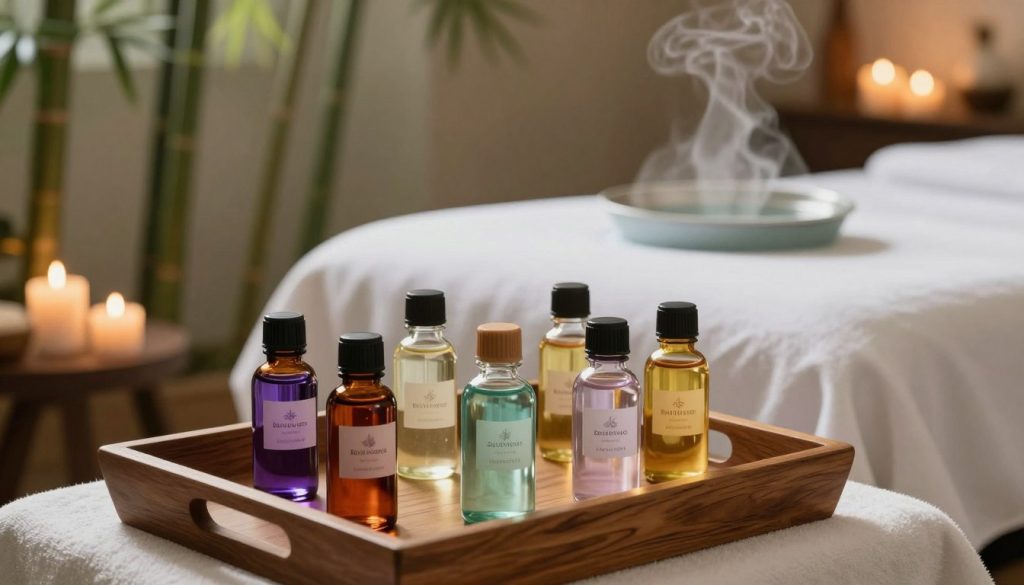
Lavender essential oil promotes relaxation and stress reduction through its calming aromatic profile. This versatile oil suits most massage applications and blends well with carrier oils. Its soothing properties support both mental relaxation and physical tension release.
Eucalyptus oil supports respiratory clarity while providing muscle relief. The mentholated aroma opens airways and enhances breathing during your session. Therapists often incorporate it for treating muscle soreness or congestion.
Peppermint oil energizes and cools simultaneously, creating an invigorating massage experience. Its stimulating properties combat mental fatigue and physical sluggishness. The cooling sensation provides relief for overworked muscles.
Rosemary oil stimulates circulation and enhances mental clarity during therapeutic sessions. This herbaceous oil promotes blood flow to surface tissues. Its cognitive benefits complement physical relaxation effectively.
Professional therapists maintain essential oil dilutions between 1-2% for most adults. This translates to approximately 6-12 drops per ounce of carrier oil. Lower concentrations suit sensitive skin or first-time aromatherapy massage recipients.
The appropriate dilution of essential oils ensures therapeutic benefits without overwhelming your senses or irritating your skin during heated massage applications.
Carrier oils serve as stable lipids with higher heat tolerance. They prevent concentrated essential oils from contacting skin directly. This dispersion method maximizes therapeutic benefits while minimizing irritation risks.
Tips for Selecting Oils
Your primary therapeutic goal should guide your oil selection process. Different objectives require different oil properties and combinations. Consider whether you seek relaxation, pain relief, skin nourishment, or invigoration.
Identify any skin sensitivities or allergies before your appointment to avoid adverse reactions. Common allergens include tree nut oils like almond or certain essential oils. Communicating these concerns ensures your therapist selects appropriate alternatives.
Your scent preferences significantly impact the aromatherapy component of your experience. Some people prefer floral notes while others favor earthy or citrus aromas. Discussing these preferences helps create a more enjoyable sensory environment.
Climate conditions in Turkey influence which oil formulations work best. Lighter oils such as grapeseed or jojoba suit warm coastal regions. Richer formulations with coconut or avocado oil complement cooler areas and winter seasons.
Your skin type determines which carrier oils provide optimal absorption and benefits. Oily skin responds well to lightweight jojoba or grapeseed oils. Dry or mature skin benefits from richer options like avocado or olive oil.
Communicate your therapeutic goals clearly to your massage therapist
Disclose any known allergies or skin sensitivities before oil selection
Request a patch test if you have concerns about specific oils
Consider seasonal factors when choosing oil viscosity
Ask about the dilution ratios used for essential oils
Inquire about organic or cold-pressed oil options if preferred
Professional therapists can customize oil blends to optimize your individual experience. Their expertise allows them to combine carrier and essential oils in proportions matching your needs. This personalization distinguishes professional treatments from standard applications.
Preparing for Your Hot Oil Massage Session
The quality of your relaxing heated oil massage depends on how well you prepare. Taking the right steps before your spa visit enhances comfort and results. Your body responds better to treatment when properly prepared.
Start your preparation several hours before your appointment. Drink plenty of water throughout the day to hydrate your tissues. This helps your body flush out toxins that massage releases.
Avoid eating heavy meals within 90 minutes of your session. A full stomach can cause discomfort on the massage table. Light snacks are fine, but save larger meals for after treatment.
Creating the Perfect Environment
The ambiance of your massage space plays a crucial role in deep relaxation. Professional spas in Turkey carefully design treatment rooms to engage all senses. Understanding these elements helps you appreciate the experience fully.
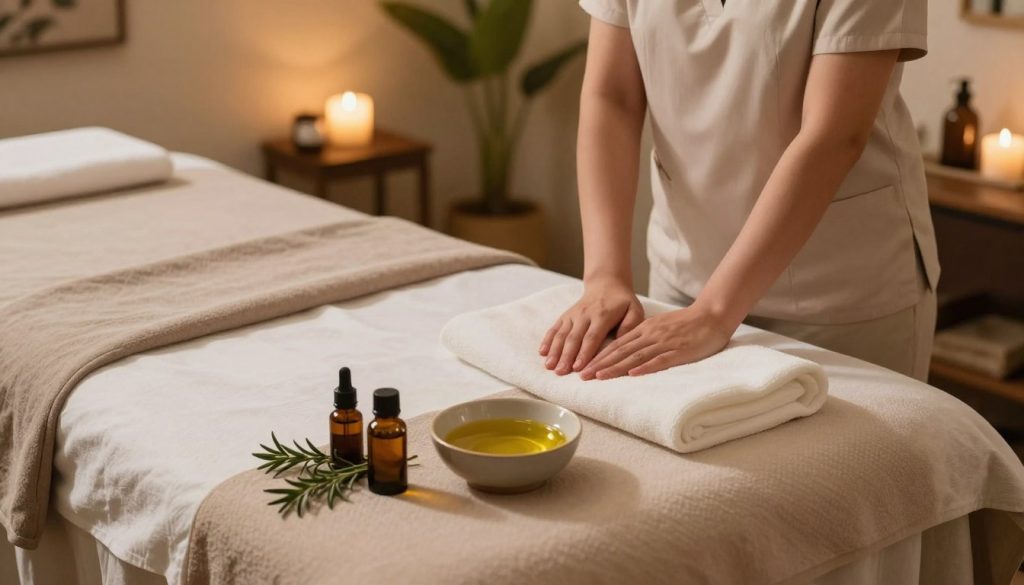
Lighting sets the foundation for relaxation. Most massage rooms use dim, warm-toned lights that reduce visual stimulation. Some facilities use candles or salt lamps for a soft glow.
Temperature control matters more than many people realize. The ideal room temperature ranges from 22 to 25 degrees Celsius. This prevents chilling when oil touches your skin.
Sound creates an auditory cocoon that blocks outside distractions. Expect soft instrumental music, nature sounds, or traditional Turkish melodies. These sounds mask street noise and help quiet your mind.
Aromatherapy begins working before the massage oils touch your skin. Diffused essential oils like lavender, eucalyptus, or chamomile fill the air. These scents signal your nervous system to shift into relaxation mode.
Choosing Appropriate Attire
What you wear to your appointment affects your comfort level significantly. Most Turkish spas provide specific garments for the treatment itself. Knowing what to expect removes uncertainty.
Arrive wearing loose, comfortable clothing that removes easily. Tight jeans or restrictive garments create unnecessary hassle in the changing area. Choose soft fabrics like cotton that feel pleasant against your skin.
Professional facilities typically provide disposable undergarments and robes. Some traditional Turkish baths offer wraps called pestemals instead. Confirm these details when booking your appointment.
Consider what you will wear after your session ends. Your skin may retain some oil despite toweling off. Bring loose, comfortable clothes in dark colors that hide any remaining oil.
Long hair needs special attention during oil treatments. Bring a hair tie or clip to keep hair away. Some spas offer shower caps if you want to protect your hair.
Establishing Clear Communication
Open dialogue with your massage therapist ensures a safe, customized experience. Professional therapists need specific information to adapt their techniques to your body. Never hesitate to share important health details.
Disclose all allergies before your treatment begins. Many massage oils contain nut bases like almond or coconut. Your therapist can select alternative products that work safely for you.
Describe any skin conditions accurately. Eczema, psoriasis, recent sunburn, or open wounds require special care. Your therapist can adjust oil selection and avoid affected areas.
Identify areas needing focused attention or avoidance. Tell your therapist about chronic pain spots, recent injuries, or surgical sites. They can concentrate on problem areas while protecting vulnerable spots.
Share relevant medical conditions openly. Pregnancy, high blood pressure, diabetes, or circulatory issues affect massage safety. Your therapist can work effectively within your health parameters when informed.
Establish communication signals for during the session. Agree on how you will indicate if pressure feels too intense. Knowing you can adjust the treatment anytime helps you relax completely.
Express your temperature preferences clearly. If you tend to feel chilled easily, request warmer oils or additional towel coverage. Those who overheat quickly can ask for moderate temperatures and lighter draping.
Preparation Element
Timing
Purpose
Practical Tips
Hydration
Throughout the day before
Supports detoxification and tissue response
Drink 8-10 glasses of water; avoid caffeine
Meal Planning
90 minutes before session
Prevents discomfort in prone position
Choose light snacks; save heavy meals for after
Clothing Selection
Day of appointment
Ensures comfort and protects garments
Wear loose clothes; bring dark-colored change
Therapist Consultation
Before treatment starts
Customizes session to your needs
Disclose allergies, conditions, and preferences
Early Arrival
10-15 minutes before
Allows mental transition and paperwork
Complete forms; begin breathing exercises
Arriving early gives you transition time between daily stress and therapeutic relaxation. Plan to reach the spa 10 to 15 minutes before your scheduled appointment. This buffer allows you to complete any necessary paperwork without rushing.
Use this extra time to begin unwinding mentally. Practice slow, deep breathing in the waiting area. Let go of work concerns and daily responsibilities.
Your therapist will guide you through final preparations once you enter the treatment room. They will explain the session flow and confirm your preferences one last time. This professional approach ensures your relaxing heated oil massage delivers optimal therapeutic value.
Techniques and Methods in Hot Oil Massage
Understanding technical methods behind hot oil massage helps you work better with your therapist. Professional practitioners combine specific manual techniques with carefully controlled warmth. This delivers therapeutic results that address your individual needs.
Whether you seek stress relief or muscle recovery, knowing your treatment helps. You can communicate preferences better. This helps you maximize benefits from each session.
The application of warmed oil transforms traditional massage methods. It reduces friction and allows deeper tissue access. Your therapist strategically selects techniques based on your goals and body areas being treated.
This adaptive approach ensures your comfort. It delivers optimal therapeutic outcomes. Your feedback throughout the session guides the entire treatment.
Common Massage Techniques Explained
Therapists employ several foundational techniques during hot oil treatments. Each technique serves distinct therapeutic purposes. Effleurage forms the cornerstone of most sessions.
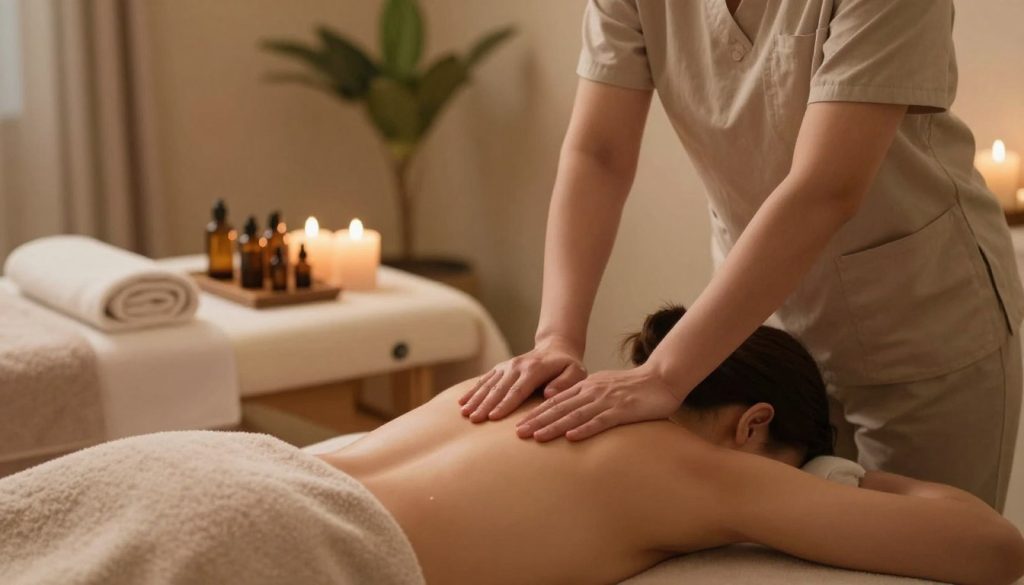
These long, gliding strokes are performed with full palms. They spread the warmed oil across your skin. The continuous, flowing motions create immediate relaxation.
Petrissage techniques involve kneading movements. These lift, roll, and squeeze muscle tissue to release deeper tension. The oil’s lubrication allows your therapist to grasp tissue without causing discomfort.
This method proves particularly effective for deep tissue hot oil massage applications. Chronic muscle tightness requires sustained attention. The technique addresses these problem areas effectively.
Friction represents another essential technique. Therapists apply targeted circular or cross-fiber movements to specific adhesions. The warmth helps soften resistant tissue.
These focused interventions become more comfortable and effective. You may feel concentrated pressure during friction work. However, it should never cause sharp pain.
Tapotement adds stimulating percussion through rhythmic movements. Therapists use cupped hands or fingertips. This technique invigorates tissues and enhances circulation.
Finally, passive stretching incorporates gentle limb mobilization. The oil’s slip facilitates this without uncomfortable skin drag. This improves your range of motion.
Technique
Primary Purpose
Typical Application Area
Sensation You’ll Feel
Effleurage
Oil distribution and initial relaxation
Full body, broad surfaces
Smooth, flowing warmth
Petrissage
Deep muscle tension release
Shoulders, thighs, calves
Kneading, lifting pressure
Friction
Adhesion breakdown, trigger points
Neck, lower back, specific knots
Focused, circular pressure
Tapotement
Circulation stimulation
Large muscle groups
Rhythmic, energizing tapping
The Role of Temperature in Techniques
Temperature plays a sophisticated and intentional role during your massage session. The warmth level directly influences tissue responsiveness and nerve sensitivity. Professional practitioners adjust oil temperature based on the specific body region.
For large muscle groups, therapists typically apply slightly warmer oil. This includes your back, shoulders, glutes, and thighs. These areas contain greater tissue mass that can absorb increased warmth.
The higher temperature helps ease guarded tissue. It allows deeper pressure application during techniques like petrissage. This makes the treatment more effective for muscle recovery.
Sensitive areas require more moderate temperatures between 37-39°C. Your neck, face, abdomen, inner arms, and feet have thinner skin. These areas also have higher nerve density.
The reduced temperature protects sensation while still delivering therapeutic warmth. This careful temperature calibration ensures your entire treatment remains comfortable. All body areas receive appropriate attention regardless of sensitivity.
Stroke speed interacts with how you perceive temperature during the session. Slow, deliberate movements allow sustained contact. This transfers more warmth into deeper tissue layers.
These unhurried strokes also promote parasympathetic nervous system activation. This triggers your relaxation response. Conversely, quicker strokes feel cooler and more stimulating.
The warmth naturally softens your tissues over the first 10-15 minutes, allowing progressively deeper work as your session continues.
Adjusting Pressure and Movement
Pressure adjustment represents a collaborative process between you and your massage therapist. Your feedback guides how practitioners modify their approach. Open communication ensures you receive maximum benefit without unnecessary discomfort.
Understanding how oil affects pressure perception helps you provide accurate feedback. The oil’s lubrication allows therapists to apply deeper pressure with less surface friction. What seems like moderate pressure at the skin surface can effectively reach deeper muscle layers.
Several factors influence how you perceive pressure and temperature during your session:
Your hydration status affects tissue pliability and warmth absorption
Circulation patterns determine how quickly warmth penetrates different body areas
Individual skin sensitivity varies considerably between clients
Ambient temperature in the Turkish spa treatment room influences your baseline comfort
Previous massage experience shapes your expectations and tolerance
Communicate immediately if pressure feels too intense or insufficient. Your therapist can adjust hand positioning, stroke speed, or oil volume. Remember that tissues naturally soften as warmth penetrates.
Pressure that feels appropriate at the session’s start may need modification. This happens as your muscles relax. Your therapist monitors these changes throughout your treatment.
For stress release sessions, therapists maintain consistent, cozy warmth. They combine this with slower strokes that support calm breathing patterns. Muscle recovery treatments typically involve incremental warmth increases.
These pair with progressively deeper strokes that soften muscle tone. Your therapist tailors these variables based on your stated goals. Real-time responses help create an optimally effective session.
Aftercare Following Your Massage
Proper aftercare turns a single massage into lasting wellness benefits. These benefits can extend for days beyond your appointment. Your body stays receptive to healing right after treatment.
Your nervous system remains relaxed. Your tissues keep absorbing nutrients from the oils. Understanding this process helps you maximize your self-care investment.
Your choices in the next several hours matter. They directly influence how your body integrates the therapeutic work.
How to Extend the Benefits of Your Massage
Smart practices after your warm oil massage therapy can prolong its positive effects. Allow the thin oil layer on your skin to absorb completely. Wait two to four hours before showering.
This extended contact delivers nutrients into your skin’s deeper layers. The moisturizing compounds continue working long after your session ends.
Pay attention to your body in the hours following treatment. Notice which areas feel more relaxed. Observe which tension patterns have released.
Avoid positions or activities that recreate problematic patterns. Your therapist worked hard to address these issues. Don’t undo their efforts immediately.
Schedule your session with rest time afterward. Don’t rush back to demanding activities. Your nervous system remains in a receptive, calm state.
Rushing back to stress undermines your relaxation. Give yourself permission to continue feeling peaceful.
Consider your treatment as part of broader self-care. Combine it with adequate sleep and stress management techniques. Add body-positive activities to your routine.
This holistic approach reinforces the relaxation from your session. It supports the healing that has begun.
Recommended Aftercare Practices
Specific actions after your warm oil massage therapy optimize your body’s response. These practices support your lymphatic system. They protect your skin barrier and help muscles stabilize.
Practice
Recommendation
Duration
Purpose
Hydration
Drink 300-500ml water within first hour, continue throughout day
Ongoing
Supports lymphatic toxin elimination and prevents dehydration
Temperature Management
Cool gradually with tepid rinse or cool compress on pulse points
As needed
Restores thermal balance without shocking system
Activity Restriction
Avoid vigorous exercise, hot yoga, saunas, steam rooms
6-8 hours
Allows muscle tissues to stabilize without new stress
Alcohol Avoidance
Limit or eliminate alcohol consumption
12-24 hours
Reduces burden on liver processing metabolic wastes
Hydration is your top priority. Drink water steadily throughout the day. This supports your lymphatic system’s natural detoxification process.
Deep tissue work releases metabolic wastes. Your body needs to flush these out efficiently.
Use lukewarm water if you need to shower. Hot showers can cause dizziness. They may undo some thermal work from your session.
Gently blot excess oil instead of scrubbing. Your skin remains sensitive after treatment.
Choose light, nutritious meals during recovery. These provide building blocks for tissue repair. Heavy or processed foods create unnecessary digestive stress.
The body’s ability to heal and regenerate reaches its peak when we provide optimal conditions for recovery through mindful aftercare practices.
Apply fragrance-free moisturizer if your skin feels dry. Wait several hours after your session. Choose products without synthetic ingredients.
Your skin barrier remains more permeable than usual. It becomes sensitive to harsh chemicals.
Practice relaxation techniques like meditation or deep breathing. These activities complement your massage. They maintain the calm nervous system state from treatment.
Even five minutes of conscious breathing extends therapeutic benefits.
Signs You Might Need Further Help
Mild soreness and relaxation are normal after warm oil massage therapy. However, certain symptoms warrant professional attention. Recognizing these signs helps you know when to seek care.
Persistent redness or rash requires attention. Contact your therapist if skin reactions don’t resolve quickly. They can help identify which ingredient caused the problem.
Significant dizziness or nausea lasting over thirty minutes needs evaluation. This may indicate excessive toxin release or blood pressure changes. Sit or lie down and sip water slowly.
Seek medical advice if symptoms persist beyond an hour.
Unusual pain beyond normal tenderness potentially indicates too much pressure. Some discomfort is expected after deep work. Sharp pain or severe aching requires assessment.
Tell your therapist about adjusting pressure in future sessions.
Emotional releases sometimes occur after bodywork. Unexpected crying, anxiety, or irritability can emerge. Your body liberates stored emotional tension this way.
These reactions are valid but may feel overwhelming. Consider reaching out to a counselor if needed.
Trust your instincts about your body’s signals. Any symptom that concerns you deserves attention. Your massage therapist can provide guidance about normal responses.
They have experience helping clients with post-treatment questions.
Document your experience for future reference. Note which oils were used and how you felt. This information helps customize future sessions to your needs.
It also provides valuable data for other healthcare providers.
Frequently Asked Questions About Hot Oil Massage
Many people considering hot oil massage have questions about safety and frequency. These answers will help you make informed decisions about your wellness journey.
Is This Treatment Safe for Everyone?
Hot oil massage works well for most people. Pregnant women need special care with milder temperatures between 37-39°C. Your therapist will avoid certain essential oils during pregnancy.
People with sensitive skin should request a patch test 24-48 hours early. Choose hypoallergenic oils like jojoba if your skin reacts easily.
Those with heart conditions or varicose veins require medical clearance first. Your therapist will use cooler oils and lighter pressure. People with diabetes should inform their therapist to monitor skin temperature regularly.
How Often Should You Schedule Sessions?
Your session frequency depends on your goals. For stress relief, book every 1-2 weeks. Athletes recovering from training benefit from weekly visits.
Skin health improves with sessions every 2-3 weeks. Monthly treatments support detoxification as part of your wellness routine. Hot stone and oil massage combinations may require different timing.
What Happens During Your First Visit?
Your therapist will discuss your health history and preferences. You’ll undress to your comfort level and lie on the massage table. The warm oil creates a soothing sensation as it touches your skin.
Your therapist focuses on areas you mentioned during intake. The room features soft music and dim lighting. Most first sessions last 60-90 minutes.