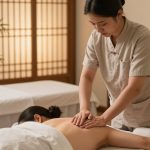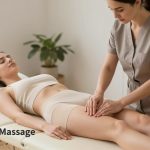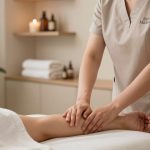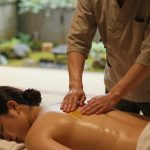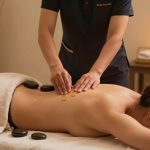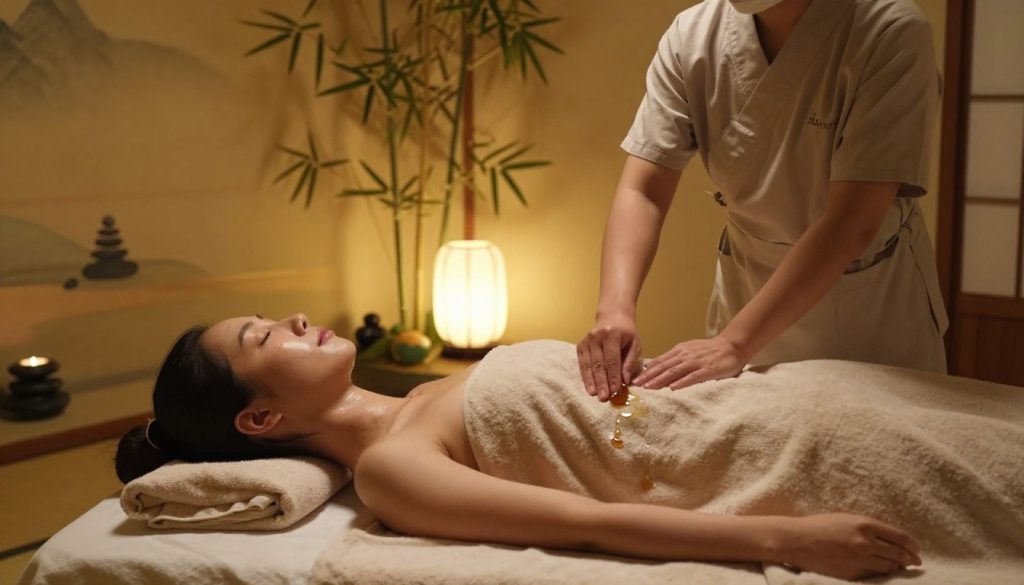
Have you wondered why some treatments leave you refreshed for days? Others only offer temporary relief.
The answer lies in holistic approaches that address both body and mind. This ancient wellness practice combines warm herbal applications with traditional Japanese bodywork principles to create lasting results. Unlike standard relaxation methods, this therapy penetrates deep into your muscle tissue through heated botanical blends.
The treatment works by increasing blood flow and oxygen delivery to tired muscles. It stimulates natural endorphin release while improving lymphatic drainage to flush toxins from your system. Your skin receives deep nourishment and hydration throughout the process.
Sessions typically last between 60 to 120 minutes. During this time, you’ll experience rhythmic techniques designed to release stored tension and restore balance.
For those in Turkey seeking natural solutions to stress and fatigue, this comprehensive guide covers everything. It includes preparation to aftercare, helping you make informed decisions about your wellness journey.
Key Takeaways
- Warm herbal applications combine thermal therapy, aromatherapy, and bodywork for comprehensive wellness benefits
- The treatment increases circulation, releases endorphins, and improves lymphatic drainage to eliminate toxins
- Sessions range from 60 to 120 minutes and use specialized rhythmic techniques to release deep muscle tension
- This holistic approach addresses both physical discomfort and mental stress simultaneously
- Proper preparation and aftercare enhance the therapeutic effects and extend relaxation benefits
- The practice differs from standard treatments by using heated botanical blends that penetrate deeper into tissue
Understanding Japanese Hot Oil Massage
This therapeutic body massage method blends thermal therapy, aromatherapy, and traditional Asian massage techniques. Carefully warmed botanical oils work with specialized bodywork to address tension and deeper wellness needs. The approach creates a multi-sensory healing experience that engages your body’s natural restorative mechanisms.
The Foundation of Hot Oil Therapy
Hot oil massage uses temperature-controlled herbal oils applied across your entire body. Skilled therapists employ rhythmic strokes and targeted pressure techniques during the session. The warmth prepares your muscles for deeper work while botanical oils penetrate multiple skin layers.
This combination creates ideal conditions for releasing chronic tension and promoting cellular renewal. The Japanese approach stands out through precision and intentionality. Practitioners carefully monitor oil temperature to ensure optimal comfort while maximizing therapeutic benefits.
Your body responds to the warmth by naturally relaxing muscle fibers. This allows therapists to work more effectively on areas holding stress or restriction.
This practice deliberately blends shiatsu principles with Western-style oil massage techniques. Therapists apply gentle yet precise pressure to specific acupressure points. They follow the body’s energy meridians to release blockages and restore balance to your Qi.
These targeted applications combine seamlessly with slow, flowing lymphatic movements. The movements encourage circulation and support your body’s natural detoxification processes.
Historical Roots and Cultural Evolution
Japanese hot oil massage traces back centuries to traditional wellness practices. Ancient practitioners viewed the body as an interconnected system of energy pathways. They developed sophisticated understanding of how physical touch could influence bodily functions and mental states.
As Japanese bodywork evolved, practitioners incorporated elements from other healing traditions. The introduction of oil-based massage techniques from Western practices created opportunities for innovation. These new approaches merged with existing knowledge to create something uniquely effective.
Today’s Japanese massage techniques represent this cultural synthesis. You benefit from the precision of Asian massage techniques focused on energy balance. This combines with the flowing, circulatory-enhancing movements characteristic of European massage traditions.
This fusion creates a treatment protocol that addresses multiple dimensions of wellness simultaneously.
Comprehensive Benefits for Total Wellness
The advantages you experience extend far beyond simple relaxation. Your cardiovascular system responds positively as warm oils cause blood vessels to dilate. This enables improved circulation throughout your body.
Enhanced blood flow delivers oxygen and nutrients more efficiently. It also helps reduce inflammation and joint stiffness.
Your mental well-being receives equal attention through this therapeutic body massage approach. The treatment stimulates your body’s production of endorphins—natural compounds that promote calm and contentment. The combination of aromatherapy, gentle pressure, and rhythmic movements activates your parasympathetic nervous system.
This shifts you from stress response into restorative mode.
| Benefit Category | Mechanism | Primary Effects | Long-term Impact |
|---|---|---|---|
| Circulation Enhancement | Warm oil dilates blood vessels | Improved blood flow, reduced pain | Better joint flexibility, tissue health |
| Stress Management | Endorphin stimulation | Immediate relaxation, mood elevation | Reduced anxiety, emotional balance |
| Detoxification Support | Opens pores, stimulates lymphatic system | Toxin elimination, reduced swelling | Clearer skin, improved immune function |
| Skin Nourishment | Oil penetrates dermal layers | Deep hydration, softness | Enhanced skin elasticity, healing |
| Muscle Recovery | Anti-inflammatory properties, tension release | Pain reduction, flexibility | Decreased chronic stiffness, mobility |
Your skin benefits substantially from the nourishing oils that penetrate beyond surface layers. These botanical formulations deliver vitamins, antioxidants, and fatty acids that support cellular repair. They also maintain moisture balance.
The result is skin that feels supple and appears more radiant after your session.
Physical discomfort responds particularly well to this treatment modality. The anti-inflammatory properties in many massage oils work alongside manual techniques. They reduce muscle soreness and chronic tension.
If you struggle with sleep quality, you’ll appreciate the nervous system calming effects. These effects extend well beyond your appointment, often improving rest patterns for several nights.
This holistic therapeutic body massage approach recognizes that your physical condition connects to your mental state. It simultaneously addresses muscle tension, energy flow, skin health, and stress levels. Japanese hot oil massage provides comprehensive wellness support that few other treatments can match.
Essential Oils Used in Japanese Hot Oil Massage
The selection of essential oils transforms your Japanese hot oil massage into a personalized healing experience. Each oil brings unique therapeutic properties that address different skin concerns and wellness goals. Understanding these options empowers you to collaborate with your therapist for optimal results.
Aromatic oil therapy combines physical touch with the healing power of plant extracts. The warmth enhances oil absorption into your skin while releasing aromatic compounds. This dual action creates both physical and emotional benefits during your session.
Popular Oils and Their Effects
Different massage oils provide specific advantages based on their natural composition. Your therapist will recommend options suited to your skin type and therapeutic objectives. Here are the most commonly used oils in Japanese hot oil massage:
- Jojoba Oil: Perfect for acne-prone, oily, or combination skin types. It balances sebum production without clogging pores and leaves your skin feeling soft and supple.
- Chamomile Oil: Ideal for irritated or sensitive skin conditions. This gentle option soothes inflammation and encourages deep relaxation throughout your session.
- Coconut Oil: Suitable for sensitive skin requiring extra nourishment. It provides deep hydration while creating a comforting tropical aroma that enhances heated oil relaxation.
- Almond Oil: Best for dry or itchy skin that needs intensive care. Rich in vitamin E, it penetrates deeply to hydrate and nourish your skin barrier.
- Lavender Oil: Works well with all skin types, especially dry and sensitive varieties. It promotes relaxation and significantly improves sleep quality after your massage.
- Peppermint Oil: Recommended for acne-prone and oily skin. The cooling sensation alleviates tight muscles and helps relieve headaches effectively.
- Olive Oil: Excellent for dry skin needing moisture and antioxidant protection. It softens and nourishes while providing natural anti-aging benefits.
- Sesame Oil: Traditional in Asian practices with anti-inflammatory properties. It effectively addresses muscle pain and reduces soreness in targeted areas.
Each oil penetrates your skin at different rates. Lighter oils like jojoba absorb quickly. Heavier options like olive oil provide longer-lasting surface protection.
Your therapist adjusts massage techniques based on the oil’s viscosity and absorption characteristics.
Sesame oil deserves special attention for its therapeutic compounds. The natural anti-inflammatory properties make it particularly effective for sore muscles. Many therapists blend it with other oils to create customized therapeutic formulas.
Choosing the Right Essential Oil for You
Selecting the appropriate oil maximizes the effectiveness of your heated oil relaxation session. Your choice should reflect three key considerations: skin type, treatment goals, and personal preferences. These factors work together to create your ideal massage experience.
Start by identifying your primary skin concern. If you experience dryness, oils like almond or lavender provide intensive hydration. For oily or acne-prone skin, lighter options such as jojoba or peppermint balance sebum production.
Consider your therapeutic objectives beyond skin care. If you seek pain relief, sesame or peppermint oils target muscle tension effectively. For stress reduction and better sleep, chamomile or lavender offer superior calming properties.
Your scent preferences play a crucial role in relaxation. The aromatic compounds influence your emotional state throughout the session. Discuss any scent sensitivities or favorites with your therapist before beginning.
| Skin Type | Recommended Oils | Primary Benefits | Best For |
|---|---|---|---|
| Oily/Acne-Prone | Jojoba, Peppermint | Balances sebum, cooling effect | Skin clarity and muscle relief |
| Dry/Itchy | Almond, Olive, Lavender | Deep hydration, nourishment | Moisture retention and softness |
| Sensitive | Chamomile, Coconut | Soothing, anti-inflammatory | Calming irritation and redness |
| Combination | Jojoba, Lavender | Balanced care, versatile | Multiple concerns simultaneously |
Always inform your therapist about any allergies or skin sensitivities. Some people react to specific botanical extracts even in diluted forms. A patch test can prevent adverse reactions during your full session.
Many therapists create custom blends combining multiple oils. This approach addresses several concerns simultaneously while creating a unique aromatic profile. The blending expertise enhances both therapeutic outcomes and sensory enjoyment.
Your oil selection can change with seasons and life circumstances. Winter months may require more moisturizing options, while summer calls for lighter formulas. Regular communication with your therapist ensures your treatment evolves with your changing needs.
Techniques Involved in Hot Oil Massage
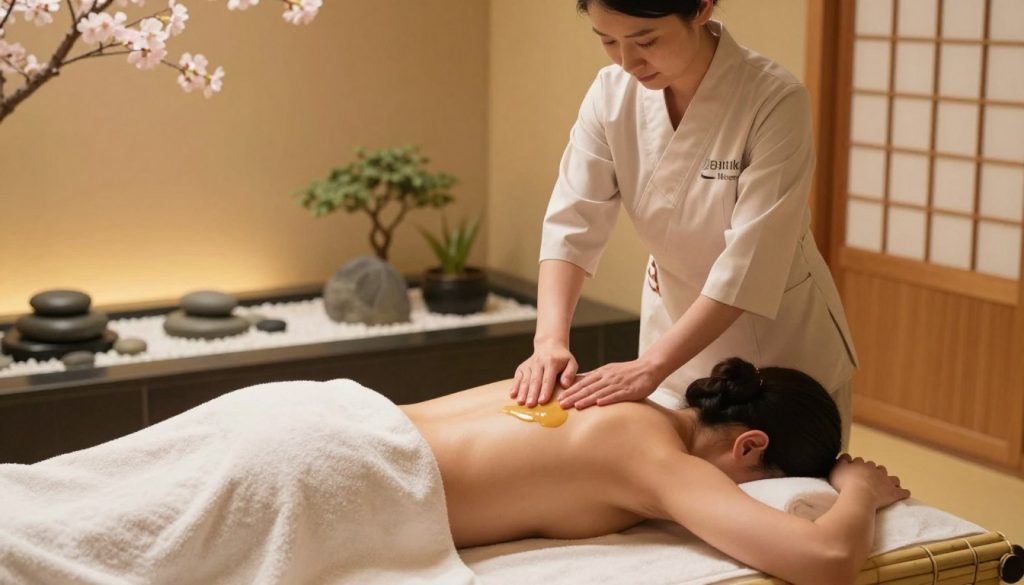
Japanese hot oil massage blends traditional and modern techniques for complete healing. Your therapist combines ancient wisdom with contemporary methods. This approach addresses both physical tension and energetic imbalances.
Understanding these techniques helps you appreciate the precision involved. Each movement serves a specific purpose in your wellness journey.
Time-Honored Japanese Bodywork Methods
Traditional hot oil massage draws from shiatsu principles used for centuries. Shiatsu means “finger pressure” and forms the foundation of this approach. Your therapist applies controlled pressure to specific points along your body’s energy meridians.
These pressure points correspond to various organs and body systems. Stimulating them helps release blockages that prevent proper Qi flow. The result goes beyond muscle relaxation to address your overall energetic balance.
Traditional Japanese bodywork emphasizes working with your body’s natural rhythms rather than forcing change, creating gentle yet profoundly effective healing.
The traditional techniques include several distinct methods:
- Sustained pressure applied with fingers, thumbs, and palms to stimulate energy pathways
- Gentle stretching movements that enhance flexibility and release trapped tension
- Rhythmic pressing sequences that follow natural energy flow through your body
- Palm and forearm compression on larger muscle groups to distribute warmth evenly
Unlike Western massage that targets muscles, these methods address your entire energy system. This holistic approach promotes mental and emotional well-being alongside physical relief. Your therapist works with your body’s innate healing capacity.
Integrated Approach for Enhanced Results
Modern Japanese hot oil massage integrates traditional shiatsu with Western techniques. This fusion includes lymphatic drainage and deep tissue oil massage methods. Your session begins with long, flowing strokes that distribute warm oil.
These initial movements prepare your muscles for deeper work. The even oil coverage ensures consistent heat penetration throughout treatment. Your therapist establishes a rhythm that helps your nervous system relax.
The technique then progresses through several phases:
- Circular petrissage motions on larger muscle groups and joint areas
- Gentle rotating movements that help heated oil penetrate tissue layers
- Targeted deep tissue oil massage work on areas of concentrated tension
- Sustained pressure application to release stubborn muscle knots and adhesions
- Lymphatic drainage strokes that support your body’s natural detoxification process
Your therapist customizes pressure levels based on your individual needs. Some areas may require firmer pressure while others respond better to lighter touch. This personalized approach addresses specific concerns while maintaining balanced Japanese spa rituals philosophy.
The combination creates synergistic effects where each technique enhances the others. You receive energetic balancing benefits from traditional methods and physical muscle relief from Western approaches. This integration delivers results that exceed what any single method could achieve.
| Technique Type | Primary Benefit | Application Method | Best For |
|---|---|---|---|
| Shiatsu Pressure Points | Energy balance and Qi flow | Sustained finger and thumb pressure | Stress relief and holistic wellness |
| Effleurage Strokes | Oil distribution and warming | Long, flowing palm movements | Relaxation and preparation |
| Petrissage Motions | Deep tissue penetration | Circular kneading movements | Muscle tension and joint stiffness |
| Lymphatic Drainage | Detoxification support | Gentle rhythmic pumping | Circulation and toxin removal |
Your therapist’s expertise lies in knowing which techniques to apply and when. They read your body’s responses and adjust their approach accordingly. This dynamic treatment style ensures optimal outcomes tailored to your current condition.
Preparing for Your Session
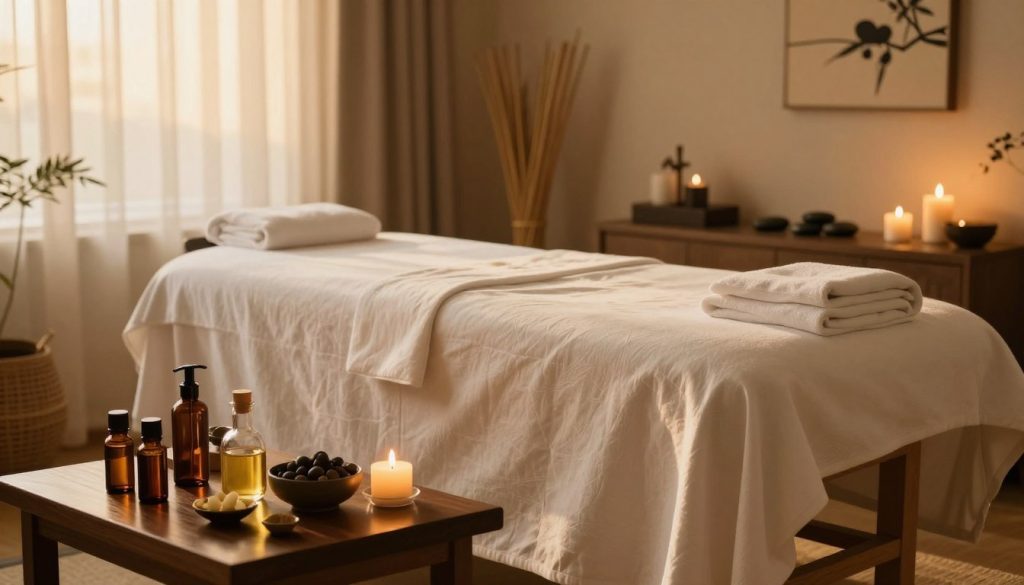
Understanding the appointment timeline helps you arrive confident and ready. Proper preparation removes uncertainty and lets you focus on relaxation. This section covers everything you need to know before your visit.
The process is designed to make you feel welcomed and safe. You’ll feel completely at ease throughout your experience.
Step-by-Step Session Timeline
Your appointment starts with a brief consultation about your health history. This conversation takes just a few minutes but ensures personalized treatment. Your therapist asks about tension areas, pain levels, and health conditions.
You’ll discuss pressure preferences during this consultation phase. Some clients prefer gentle strokes while others need deeper work. Your therapist adjusts the approach based on your feedback.
After the consultation, you receive disposable paper shorts and private changing space. You’ll have complete privacy to change at your own pace. No shower is required before your session.
The treatment room features soft lighting and calming music. Fresh linens cover the comfortable massage table. Your therapist steps out while you undress and position yourself.
The massage begins with warmed oil and gentle, flowing strokes. Pressure gradually increases as your muscles warm and relax. Your therapist works systematically, focusing on areas holding tension.
Your therapist checks in to ensure comfortable pressure levels. Communication is encouraged at any point during your session. Simply speak up if something feels uncomfortable or needs more attention.
The session concludes with a hot towel treatment. Your therapist gently removes excess oil using warm, damp towels. This provides a refreshing finish without requiring an immediate shower.
The remaining oil continues nourishing your skin afterward. This gradual return helps you maintain therapeutic benefits longer. You’ll transition smoothly from deep relaxation back to normal awareness.
| Session Duration | Price | Best For | Coverage Areas |
|---|---|---|---|
| 60 Minutes | ¥11,000 | Focused treatment on specific problem areas | Upper body or lower body concentration |
| 90 Minutes | ¥14,000 | Comprehensive full-body therapeutic work | Complete body coverage with moderate focus time |
| 120 Minutes | ¥19,000 | Extended therapeutic experience with extra attention | Full body plus extended work on multiple tension areas |
Comfort and Attire Guidelines
Arriving in loose, comfortable clothing makes changing easier and more relaxed. Sweatpants and a t-shirt work perfectly for your visit. The disposable paper shorts provided ensure hygiene while offering appropriate coverage.
Professional draping protocols maintain your privacy throughout the session. You remain covered by towels or sheets at all times. Only the area currently being massaged is exposed.
Temperature control is carefully maintained in treatment rooms. If you feel too warm or cool, inform your therapist immediately. Adjustments can be made to ensure your complete comfort.
- Wear loose-fitting clothes for easy removal and post-session comfort
- Avoid heavy meals for at least one hour before your appointment
- Remove jewelry and accessories before your session begins
- Inform your therapist about any allergies to oils or scents
- Communicate any discomfort with pressure, temperature, or positioning
Morning sessions offer particular benefits for many clients. Receiving your massage before bathing allows oil to nourish your skin. However, appointments are available at various times to fit your schedule.
Important health considerations must be addressed before booking. Treatment is not suitable for pregnant guests or those with severe conditions. Consult your healthcare provider if you have medical concerns.
Disclosing allergies or sensitivities allows your therapist to select appropriate products. Most facilities offer alternative oil options to accommodate various needs.
The best massage experience comes when you feel completely comfortable communicating your needs and preferences throughout the session.
Your preparation directly impacts the quality of your experience. Arriving informed and ready to relax maximizes therapeutic benefits. The professional environment and trained therapists prioritize your comfort and well-being.
The Session Experience
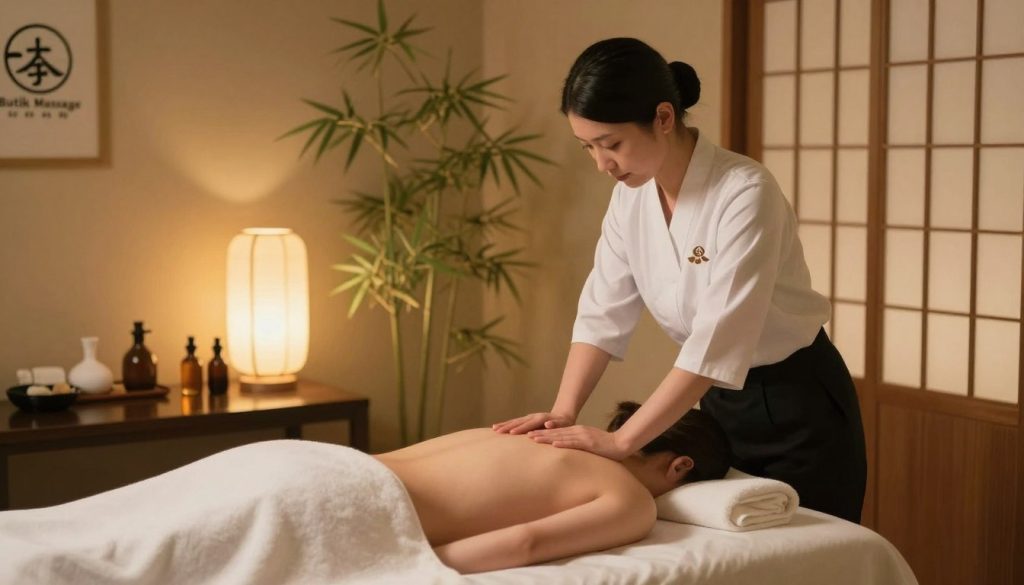
Each massage session unfolds through carefully planned phases that prioritize your comfort and therapeutic goals. Understanding what happens from arrival to completion allows you to relax fully. Your session represents more than just physical manipulation.
The experience creates a complete sensory journey designed to restore balance. This happens to both your body and mind. You’ll feel the difference from the moment you arrive.
The experience takes place in a quiet, fully private room. You can truly unwind without distractions or interruptions. Licensed female therapists conduct all sessions, ensuring your comfort throughout.
This professional environment supports the therapeutic work while respecting your privacy. You’ll feel safe and cared for. The setting allows you to focus entirely on relaxation.
Initial Welcome and Health Assessment
Your therapist greets you in a calm, professional manner. This immediately begins the relaxation process. The warm reception helps your nervous system start shifting away from daily stress.
Following the greeting, you participate in a brief but essential consultation. Your therapist asks specific questions about your current health status. This conversation covers recent injuries, chronic pain conditions, and allergies.
The consultation serves multiple critical purposes. It identifies contraindications that might affect your treatment safety. It helps your therapist understand which techniques will provide the greatest benefit.
Most importantly, it establishes open communication between you and your practitioner. This foundation ensures a successful session. You’ll feel heard and understood.
During this discussion, you should clearly express your pressure preferences. Share information about areas to avoid and any concerns. Your therapist uses this input to mentally plan your session.
This personalized approach distinguishes professional massage therapy from generic spa treatments. Every session is specifically tailored to your individual requirements. You’ll appreciate how this attention creates results that address your actual concerns.
| Session Phase | Duration | Primary Focus | Your Experience |
|---|---|---|---|
| Consultation | 5-8 minutes | Health assessment and goal setting | Communicate needs and establish comfort level |
| Preparation | 3-5 minutes | Changing and positioning | Settle onto table in private, clean room |
| Initial Application | 10-15 minutes | Oil warming and light effleurage | Body begins releasing surface tension |
| Deep Work | 35-45 minutes | Targeted muscle manipulation | Progressive relief of chronic tightness |
| Completion | 5-7 minutes | Hot towel treatment and transition | Gentle return to normal awareness |
Treatment Progression From Start to Finish
After your consultation, you change into the provided paper shorts in complete privacy. The clean, comfortable room features a professional massage table prepared for your arrival. Soft lighting and a relaxing atmosphere support your body’s natural relaxation response.
You position yourself comfortably on the table, typically beginning face down. Your therapist applies warmed oil to your skin using long, gentle strokes. These initial movements are intentionally light and rhythmic.
The flowing effleurage strokes characteristic of nuru massage therapy create seamless, continuous contact. You never experience abrupt or jarring movements. Instead, the smooth glide of warm oil facilitates meditative, uninterrupted touch.
As your tissues warm under the heated oil, your therapist gradually increases pressure. The progression moves systematically from superficial layers to deeper muscle structures. This gradual intensification prevents discomfort while accessing chronic tension patterns.
Most sessions begin with your back, which carries significant stress. Your therapist then moves to your arms, legs, and other regions. Each body area receives focused attention appropriate to its specific needs.
The combination of mechanical pressure and heat causes blood vessels to dilate, dramatically improving circulation and delivering increased oxygen and nutrients to muscle tissues while simultaneously enhancing lymphatic drainage to remove metabolic waste products and toxins.
Throughout the process, your therapist incorporates various techniques. Circular kneading motions release muscle knots and adhesions. Targeted pressure on specific acupressure points addresses energy blockages.
You’ll notice your practitioner paying extra attention to areas of concentrated tension. These regions receive additional time and focused work. The warm oil penetrates deeply, allowing more effective release of chronic holding patterns.
The physiological effects during treatment are substantial. Your blood and lymphatic circulation increases significantly. This improved flow delivers vital nutrients to tissues.
Simultaneously, toxin removal accelerates as lymphatic vessels drain more efficiently. Your body begins the healing process. You’ll feel the difference in real time.
As the session progresses, you enter deeper states of relaxation. Many people experience a meditative quality where time seems to expand. This parasympathetic nervous system activation provides restorative benefits that extend far beyond the massage table.
The session concludes with a distinctive hot towel treatment. Your therapist uses warm, damp towels to gently remove excess oil. This finishing touch provides a final soothing sensation that signals the treatment’s completion.
The hot towel application leaves a light layer of nourishing oil on your skin. This residual coating continues providing moisturizing benefits for hours after your session. You feel clean and comfortable rather than overly greasy.
The entire session is designed to help you release accumulated fatigue. Improved circulation supports cellular regeneration and healing. Beyond physical benefits, you enjoy a moment of deep inner calm.
This comprehensive approach creates lasting results that distinguish professional massage therapy from superficial treatments. Your body receives the therapeutic attention it needs while your mind experiences genuine restoration. The combination produces wellness benefits that continue developing in the days following your appointment.
Aftercare and Wellness Tips
Proper post-massage care transforms a single treatment into lasting wellness benefits. The therapeutic work continues after you leave the treatment room. Your actions in the following hours directly influence how your body heals.
Understanding proper aftercare practices ensures you get maximum value from your wellness investment. These simple steps help your body continue healing long after your session ends.
Taking Care of Your Body After Treatment
Drinking plenty of water is the most important step after your session. Your body releases waste products and toxins from muscle tissues during treatment. These substances need adequate hydration to flush from your body efficiently.
Aim to drink at least two to three glasses of water after your appointment. Continue increased water intake throughout the day to prevent headache or fatigue.
Rest is equally critical for optimal results. Your body continues processing the therapeutic effects for several hours after treatment. Avoid strenuous activities or demanding tasks for at least four to six hours.
This rest period gives your muscles time to integrate the work. It also allows your nervous system to maintain the deeply relaxed state.
Avoid hot showers, saunas, or alcohol immediately following your treatment. Hot water can overstimulate your system after deep relaxation, potentially causing dizziness. It also depletes the therapeutic oils from your skin too quickly.
Alcohol interferes with the detoxification process your body has begun. It also leads to dehydration that counteracts the benefits you’ve received.
If you wish to cleanse, take a warm shower using gentle cleansers. The remaining oil layer continues nourishing your skin for hours after treatment. Preserve some of this protective coating rather than washing it away.
Allow the oil to sit on your skin for at least two hours before showering. This timing helps your body absorb the therapeutic properties while keeping pores open.
Best Practices for Optimizing Your Results
Several additional strategies can enhance the benefits you receive from hot oil treatments:
- Choose oils based on your skin type, therapeutic goals, and scent preferences to ensure compatibility and maximum benefit
- Request that your therapist thoroughly check oil temperature before application to prevent discomfort or skin irritation
- Ask for warm towels during treatment to promote deeper relaxation and better oil absorption into your skin
- Incorporate gentle stretching movements after your session to maintain improved flexibility and range of motion
- Communicate with your therapist about tense spots that need extra attention and longer focused work
- Schedule your appointment when you have no immediate obligations, allowing for complete relaxation afterward
You can and should sleep after your treatment session. The deeply relaxed state creates ideal conditions for restorative sleep. During sleep, your body performs essential repair processes that amplify treatment benefits.
Many people experience their best sleep quality following a session. This natural response allows your body to recover and repair itself effectively.
Hydration and Relaxation Practices
Maintaining proper hydration extends beyond immediate post-treatment care. Adequate daily water intake keeps tissues supple and supports lymphatic function. It helps your body continuously eliminate toxins between sessions.
Consider increasing your baseline water consumption by one to two glasses daily. This practice enhances the cumulative benefits of regular treatments.
Complementary relaxation practices extend the mental and emotional benefits of your treatment. Deep breathing exercises, meditation, gentle yoga, or quiet reflection help maintain your calm state. Create a personal relaxation ritual after your appointments.
Perhaps enjoy herbal tea, listen to calming music, or spend time in nature. These rituals signal to your nervous system that relaxation is a priority.
Your body trains itself to access calm states more easily over time. This neurological training creates lasting improvements in stress management and emotional resilience.
Listen carefully to your body in the days following treatment. You may experience various responses as your system processes the therapeutic work. Some people feel immediately energized, while others experience temporary fatigue.
Mild muscle soreness can occur, particularly if significant tension was released. This sensation is similar to what you might feel after a workout. These responses are normal and typically resolve within 24 to 48 hours.
Understanding what to expect helps you distinguish between normal sensations and concerning signs. Contact your therapist if you experience unusual or persistent discomfort.
Schedule follow-up sessions to build on your results. While a single treatment provides immediate benefits, regular appointments create cumulative improvements. Most practitioners recommend sessions every two to four weeks for optimal maintenance.
Frequently Asked Questions
You may have questions before booking your first hot oil massage session. This section provides clear answers to help you feel confident and informed.
Your Questions Answered
Session duration typically ranges from 60 to 90 minutes. Some facilities offer shorter 30-minute treatments or extended 120-minute experiences based on your needs.
The best oils for body massage include almond, sesame, jojoba, and olive oil. Each offers unique therapeutic properties and skin benefits. Your therapist will help you select the right essential oil based on your skin type.
You should wear loose, comfortable clothing to your appointment. During the session, you’ll undress to your comfort level. Proper draping maintains privacy throughout the treatment.
After your massage session, drink plenty of water and rest. Avoid strenuous activities, hot showers, and alcohol for several hours. Sleeping after treatment is beneficial and promotes deeper relaxation.
Clearing Up Misconceptions
Professional Japanese massage follows strict ethical guidelines. Therapists never touch private areas during legitimate therapeutic treatments. This is a clinical wellness service, not a sensual experience.
Some believe deeper pressure always produces better results. Skilled therapists apply appropriate pressure for therapeutic benefit. They work without causing muscle tension or discomfort.
Burns from excessively hot oil or allergic reactions are possible. These complications are extremely rare with properly trained professionals. They test oil temperature and screen for sensitivities.