How do you find a massage spa center that truly meets your needs? The answer lies in looking beyond the menu.
Turkey’s wellness industry has grown significantly. It offers both traditional and international therapeutic options. This expansion creates more choices but also makes selection more challenging.
You need a clear framework to evaluate facilities effectively.
Professional therapists like Catherine Nelson of Del Sole Massage recommend a different approach. Licensed therapist Rachel Richards agrees. They suggest choosing based on your personal goals rather than the specific technique name alone.
Understanding massage therapy styles and health benefits helps you communicate what you want from your session.
Most therapists draw from about two dozen core techniques. This comes from more than 350 named modalities. The “best” spa wellness center depends on your individual preferences.
Health considerations and budget also matter. Treatments typically range from $85 to $125 for 45 to 60 minutes. An automatic 18 to 20% gratuity is often added.
The following ten points will help you make an informed decision. They examine location, credentials, cleanliness, pricing transparency, and safety protocols.
Key Takeaways
- Define your wellness goals before booking to ensure the facility can meet your specific relaxation or therapeutic needs
- Verify that therapists hold proper licenses and registration credentials in your area
- Compare pricing structures and understand what’s included, as costs typically range from $85 to $125 per session
- Read customer reviews and seek recommendations from trusted sources to gauge service quality
- Evaluate facility cleanliness, atmosphere, and health safety protocols during a preliminary visit
- Confirm the range of available modalities and whether therapists can customize treatments
- Check booking policies, cancellation terms, and whether insurance coverage applies to therapeutic sessions
Importance of Choosing the Right Massage Spa Center
Picking the right massage spa center means investing in quality and real health benefits. Your choice impacts facility cleanliness and therapist expertise. A good center offers treatments designed for your specific needs.
The gap between great and poor experiences depends on professional standards. You need qualified practitioners who understand anatomy and customize techniques. This foundation makes each session valuable for your wellness routine.
Benefits of Regular Massages
Regular massage therapy brings amazing advantages for your overall health. A consistent schedule with quality relaxation spa treatments creates improvements beyond temporary relief.
Regular massage sessions provide these key benefits:
- Stress reduction through decreased cortisol levels and enhanced relaxation responses
- Improved circulation that delivers oxygen and nutrients throughout your body
- Enhanced flexibility and increased range of motion in joints and muscles
- Better sleep quality resulting from reduced tension and nervous system calming
- Reduced muscle tension that accumulates from daily activities and poor posture
- Support for injury recovery by promoting healing and preventing compensatory patterns
Swedish massage offers a full-body approach that promotes deep relaxation and restful sleep. Deep tissue techniques increase blood flow and restore muscle function. Licensed physical therapists target areas like hip flexors, lower back, neck, and shoulders.
Different massage types address distinct needs. Some focus on stress relief and mental relaxation. Others target specific muscular issues or chronic tension patterns.
Impacts on Physical and Mental Health
Massage therapy affects both your body and mind in powerful ways. Physical effects start immediately during treatment. Benefits continue developing with regular sessions.
You experience reduced muscle soreness after exercise or hard activity. Your range of motion improves as tight tissues release. Massage supports better posture by addressing imbalances from repetitive movements.
Many people find relief from tension headaches through neck and shoulder work. The National Center for Complementary and Integrative Health reports low risk from massage. This applies when you work with qualified professionals.
Massage sessions provide dedicated time for stress management in busy schedules. You may notice reduced anxiety as your nervous system relaxes. The practice promotes body awareness and creates space for mental rest.
Massage serves as a valuable component of a comprehensive wellness routine rather than a replacement for medical care.
These benefits reach full potential with the right massage spa center. Qualified therapists understand anatomy and maintain proper hygiene standards. Your choice determines whether massage becomes transformative or disappointing.
Location and Accessibility
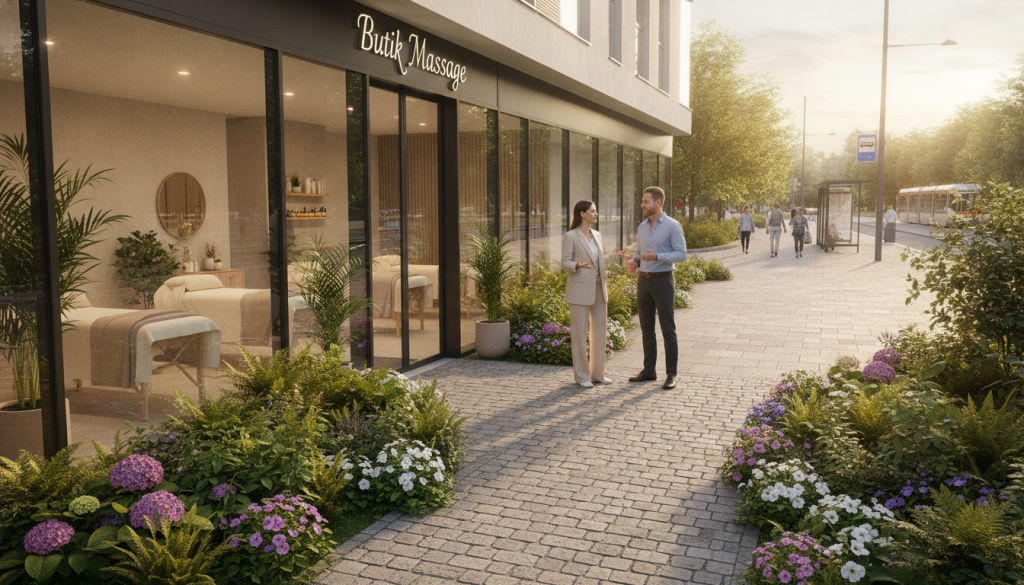
Practical considerations like travel time and parking directly impact your massage therapy sessions. The spa’s location determines if wellness appointments become routine or occasional treats. For busy professionals and families in Turkey, accessibility often decides between consistent self-care and letting stress pile up.
Choosing a conveniently located spa saves time and reduces travel stress. Minimal extra effort means you’ll book appointments regularly. You’ll arrive ready to relax instead of frustrated from a difficult journey.
Proximity to Your Home or Workplace
Distance between your daily routine and your chosen massage spa center affects scheduling ease. A spa within 10-15 minutes allows lunch-break appointments or post-work visits. You won’t need significant travel time for convenient weekend sessions.
In major Turkish cities like Istanbul, Ankara, and Izmir, traffic creates lengthy commutes. Short distances turn into long trips during peak hours. Selecting a spa along your regular route eliminates special trips across crowded centers.
Consider whether you prefer morning, midday, or evening appointments when evaluating location. A workplace-adjacent facility works well for lunchtime stress relief. A neighborhood spa suits weekend relaxation better.
Travel time matters more for weekly or biweekly maintenance sessions. For special occasion spa days, you might travel farther willingly. Premium facilities or specialized treatments may not be available nearby.
Parking Options and Public Transport
Easy access requires evaluating both parking facilities and public transportation connections. Convenient, safe parking determines whether you drive or use alternative methods. This choice affects your overall appointment experience.
Check whether the spa provides dedicated parking spaces or validates parking fees. Reliable street parking nearby also helps. For evening appointments, well-lit areas with security features matter most.
Many urban spas in Turkey sit near major public transit lines. Metro, bus, or tram access makes them reachable for everyone. Proximity to transportation hubs benefits those avoiding traffic or without personal vehicles.
| Transportation Factor | What to Evaluate | Why It Matters |
|---|---|---|
| On-Site Parking | Availability, cost, security features, covered spaces | Eliminates stress of finding parking and protects your vehicle |
| Public Transit Access | Distance to metro/bus stops, service frequency, evening availability | Provides reliable alternative to driving in congested areas |
| Walking Distance | Safety of pedestrian routes, weather protection, sidewalk conditions | Affects comfort level when arriving or leaving appointments |
| Alternative Options | Taxi stand proximity, ride-sharing availability, bicycle parking | Offers flexibility based on weather, time, or personal preference |
Walking routes from transit stops should be safe, well-maintained, and comfortable year-round. Turkish cities experience summer heat and winter rain regularly. Covered walkways or short distances between stations and spa entrances add convenience.
For ride-sharing services, verify the spa has clear drop-off points. Drivers should locate the facility easily. Facilities in busy commercial districts or shopping centers provide better infrastructure than residential side streets.
Accessibility features extend beyond just reaching the facility. Consider whether you’ll climb stairs or navigate narrow hallways. Challenging entrances might complicate visits during bad weather or when carrying personal items.
Types of Massages Offered
The massage offerings at a spa center directly determine whether your specific health goals can be effectively addressed. Before committing to a particular location, you should examine their service menu carefully. A diverse selection indicates experienced therapists and comprehensive training programs.
Evaluating the range of massage modalities available helps you avoid disappointment after booking. Not all techniques suit every need or preference. Understanding what each treatment involves prepares you to make informed decisions about your wellness routine.
Overview of Popular Massage Techniques
Swedish massage sessions represent the most widely available option at spa centers throughout Turkey. This foundational technique uses long, flowing strokes with adjustable pressure levels. The therapist applies oil or lotion to reduce friction while working across muscle groups.
First-time spa visitors often find Swedish massage ideal for general relaxation. The pressure ranges from light to medium based on your comfort level. This approach effectively reduces stress without the intensity of more targeted therapies.
Deep tissue massage therapy takes a more focused approach to chronic muscle tension. Therapists use slower, deliberate strokes that reach deeper muscle layers. The pressure penetrates connective tissue to address long-standing tightness and restricted movement patterns.
Hot stone massage therapy incorporates smooth, heated basalt stones into the treatment. The therapist places stones on specific body points while also using them as massage tools. Heat softens muscle tissue, allowing deeper work with less manual pressure than traditional methods require.
This technique benefits people who prefer warmth over intense hands-on pressure. The combination of heat and massage promotes circulation and muscle relaxation. Many clients find the sensation particularly soothing during winter months.
Swedish or deep tissue remains the safe default request for anyone without a specific goal.
Additional massage modalities you might encounter include:
- Aromatherapy massage: Swedish techniques enhanced with essential oils selected for specific effects like lavender for sleep or eucalyptus for respiratory support
- Thai massage: Active stretching-based bodywork combining pressure along energy lines with assisted stretching, performed fully clothed on a floor mat
- Reflexology: Pressure therapy applied to specific foot points mapped to corresponding body zones and organs
- Shiatsu: Japanese technique using thumbs, palms, and elbows along energy channels, typically performed clothed
- Sports massage: Athletic-focused treatment timed around training schedules for warm-up preparation or post-activity recovery
Resort spas often create proprietary names for standard techniques. Asking about the underlying method matters more than the menu label. Understanding whether a treatment involves oil application and undressing helps you prepare appropriately.
Specialized Treatments for Specific Needs
Matching massage styles to particular wellness goals requires understanding specialized applications. Sports massage adapts various techniques specifically for athletic performance enhancement and recovery. Therapists trained in this modality understand muscle groups used in different activities.
Prenatal massage modifies positioning and pressure to ensure pregnancy safety. Certified therapists use side-lying positions with supportive cushions. They avoid certain pressure points and adjust techniques throughout different trimesters.
Trigger point therapy targets specific pain referral patterns throughout the body. The therapist applies sustained pressure to tight spots that send pain to other areas. This specialized approach addresses issues like tension headaches originating from shoulder knots.
| Treatment Type | Primary Purpose | Ideal Candidates | Session Duration |
|---|---|---|---|
| Swedish Massage Sessions | General relaxation and stress relief | First-time clients, stress management | 60-90 minutes |
| Deep Tissue Massage Therapy | Chronic muscle tension and pain | Athletes, chronic pain sufferers | 60-90 minutes |
| Hot Stone Massage Therapy | Deep relaxation with heat therapy | Cold sensitivity, muscle stiffness | 75-90 minutes |
| Sports Massage | Athletic performance and recovery | Active individuals, pre/post competition | 30-60 minutes |
Chronic pain management often requires therapists with advanced training beyond basic massage certification. Post-injury rehabilitation massage follows medical protocols and may require physician clearance. Always verify that therapists hold specialized certifications for complex conditions.
Communicate your primary goal clearly rather than selecting based solely on technique names. Explain whether you seek general relaxation, want to address a specific tight area, or need post-workout recovery. This information helps the spa match you with an appropriately trained therapist.
Ask directly whether therapists have completed specialized training for the treatment you need. Not all massage professionals can competently perform all modalities listed on a menu. Specialized certifications indicate proper education in techniques beyond entry-level licensing requirements.
Spa Amenities and Environment
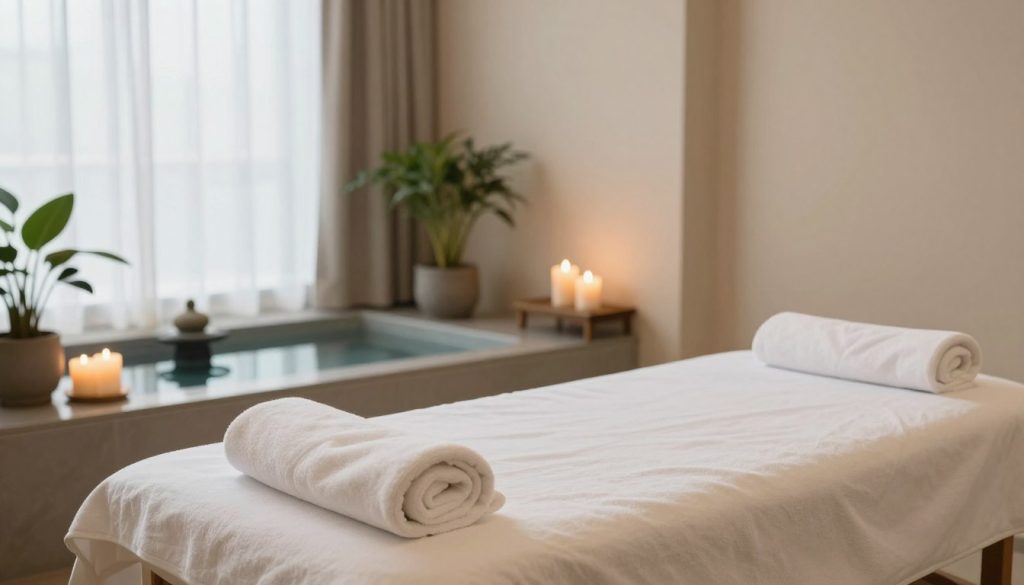
The spa environment plays a vital role in your healing journey. The physical space directly influences your ability to relax and release tension. A thoughtfully designed facility considers every sensory detail that helps your mind settle.
Evaluate potential massage centers with care when choosing where to receive treatment. The surroundings either support or undermine the therapeutic process. Environmental quality is a non-negotiable factor in your selection.
Maintaining Impeccable Standards
Cleanliness represents the foundation of any reputable full body massage spa. Sanitation standards protect your health and signal the facility’s professionalism. Observe specific hygiene indicators during an initial consultation or facility tour.
Treatment rooms should appear visibly clean with fresh linens for each client. Tables and equipment must be sanitized between sessions using appropriate disinfectants. Restroom conditions often reflect the establishment’s broader maintenance standards.
Reception and waiting areas should remain organized and free of clutter. Staff members should consistently follow hygiene practices including thorough handwashing. Reputable facilities maintain transparency about their cleaning protocols.
Poor hygiene creates more than discomfort—it poses genuine health risks. Inadequate sanitation can lead to skin infections or transmission of contagious conditions. Poorly maintained facilities likely indicate substandard operational practices throughout the organization.
Trust your observations and instincts during your first visit. A professional spa should welcome questions about their cleaning procedures. Facilities that seem defensive about sanitation practices should raise immediate concerns.
Creating the Right Sensory Experience
The atmosphere transforms a clinical massage into a genuinely restorative spa experience. Quality and sensory elements facilitate deep relaxation. Several environmental factors contribute to therapeutic ambiance.
Lighting should be adjustable or naturally dimmed rather than harsh overhead fluorescents. Soft, warm illumination helps your nervous system shift into a relaxed state. Sound environment matters equally for enhancing relaxation.
Temperature control ensures you remain comfortable while undressed and draped throughout your session. Treatment rooms should be warm enough that you never feel chilled. Proper room temperature allows your body to surrender into the therapist’s work.
Subtle aromatherapy spa treatments and ambient scenting can deepen relaxation when appropriately applied. Quality facilities always offer unscented options for clients with sensitivities. Fragrances should never overwhelm the space or cause discomfort.
| Amenity Category | Purpose | Impact on Experience |
|---|---|---|
| Pre-treatment facilities (sauna, steam room) | Warm muscles and prepare tissue | Enables deeper therapeutic work |
| Post-treatment relaxation lounge | Gradual transition period | Extends benefits and prevents rushing |
| Complimentary refreshments | Hydration and comfort | Demonstrates hospitality and care |
| Quality robes and slippers | Comfort between treatments | Enhances luxury and relaxation |
Supplementary amenities significantly enhance your visit to a full body massage spa. Pre-treatment facilities like saunas help prepare your muscles for deeper work. Heat before bodywork allows therapists to access chronic tension more effectively.
Post-treatment relaxation lounges provide essential transition time after your session. You can sit quietly while your nervous system integrates the therapeutic effects. This gradual re-entry preserves treatment benefits and prevents jarring disconnection.
The best facilities recognize that individual preferences vary considerably. Some people need complete quiet while others find music essential for relaxation. Choose a spa center that accommodates personal preferences rather than imposing standardized experiences.
Communicate any sensitivities before your session begins to your therapist. Inform them about preferences regarding fragrance, heat levels, and music volume. Professional facilities welcome these conversations and adjust their approach accordingly.
A healing environment respects both the physical body and the emotional need for safety, privacy, and appropriate boundaries throughout the therapeutic process.
Quality spas allocate sufficient time for you to check in and mentally prepare. Rushed scheduling undermines relaxation before your session even starts. Professional facilities focus on genuine therapeutic benefits rather than promising miraculous cures.
Therapist Qualifications and Experience
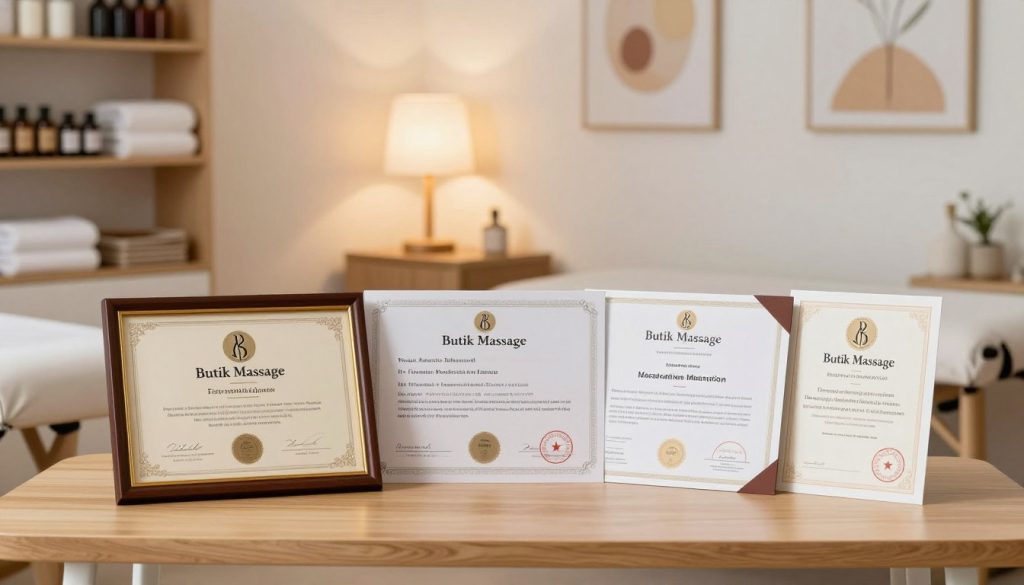
The qualifications of professional massage therapists matter more than luxurious amenities or elaborate decor. Your therapist’s skill and training directly determine treatment safety, effectiveness, and overall satisfaction. A beautifully designed spa with poorly trained staff cannot deliver the therapeutic benefits you seek.
In Turkey, massage therapy standards continue to evolve as the wellness industry expands. Understanding what credentials indicate proper training helps you make informed choices about where to book treatments. The right therapist combines formal education, hands-on experience, and ongoing professional development.
Professional Certifications and Training Standards
Qualified professional massage therapists should possess verifiable credentials that demonstrate comprehensive training in anatomy, physiology, and bodywork techniques. In Turkey, reputable practitioners typically complete recognized massage therapy programs that include theoretical coursework and supervised practical experience. Look for therapists who have graduated from accredited schools or training institutes.
Ask directly about hiring standards and therapist qualifications at any spa center. Reputable establishments willingly share information about their staff’s educational background. Most professional massage therapists complete programs ranging from 500 to 1,000 hours of instruction.
These programs cover essential topics like kinesiology, pathology, contraindications, and various massage modalities.
Specialized techniques require additional certification beyond basic massage training. If you’re seeking prenatal massage, sports therapy, or traditional Turkish massage, verify your therapist holds specific credentials. A therapist trained in Swedish massage may not have expertise to safely perform specialized bodywork.
Continuing education separates dedicated professionals from those with outdated knowledge. Ask whether the spa center requires its therapists to complete ongoing training courses. Professional massage therapists who pursue advanced certifications demonstrate commitment to excellence.
Essential questions to ask before booking include:
- What formal massage therapy education has the therapist completed?
- Does the therapist hold certification from recognized professional associations?
- How many years of hands-on experience does the therapist have with your requested massage style?
- Has the therapist received specialized training for techniques like deep tissue, hot stone, or aromatherapy?
- How does the spa ensure therapists stay current with best practices and new techniques?
Remember that credentials provide a baseline quality indicator but don’t guarantee personal compatibility. Communication skills, ability to adjust pressure, and responsiveness to feedback matter equally. A highly certified therapist who doesn’t listen to your needs won’t deliver satisfactory results.
Reading and Interpreting Client Feedback
Customer reviews offer invaluable insight into therapist skill, professionalism, and consistency that credentials alone cannot reveal. Previous client experiences help you understand what to expect from specific practitioners and spa centers. Reviews provide real-world assessment of whether professional massage therapists deliver on their advertised expertise.
Search for reviews on multiple platforms to get a comprehensive picture. Google reviews typically offer the most accessible feedback, while spa center websites may feature testimonials highlighting positive experiences. Social media pages often include comments from local clients discussing their treatments.
Focus on specific details rather than general ratings. Look for comments about therapist responsiveness to pressure preferences and ability to target problem areas effectively. Reviews mentioning punctuality, cleanliness, and appropriate boundaries indicate reliable service standards.
Pay attention to feedback patterns across multiple reviews. If several clients mention the same therapist’s exceptional skill, that consistency signals genuine expertise. Repeated complaints about rushed treatments or inadequate pressure adjustment suggest systemic problems.
Interpret mixed reviews thoughtfully rather than dismissing a spa based on isolated negative comments:
- Distinguish between complaints about facility amenities versus actual therapist performance
- Note whether management responds professionally to negative feedback and addresses concerns
- Recognize that massage preferences vary significantly between individuals
- Consider the ratio of positive to negative reviews rather than fixating on single bad experiences
A few negative reviews among predominantly positive feedback often reflect individual preference mismatches rather than poor quality. However, consistent complaints about the same issues signal genuine red flags. These might include therapists applying incorrect pressure despite requests or displaying unprofessional behavior.
Newer spa centers or recently hired therapists may have limited reviews without indicating inferior service. In these cases, request a consultation or book a shorter 30-minute session first. This trial approach lets you personally evaluate the therapist’s communication style, technical skill, and professionalism.
The same menu item can feel like two different treatments at two properties depending on practitioner training and expertise.
Word-of-mouth recommendations from trusted friends, family, or colleagues who share similar massage preferences often prove more reliable. People you know personally can provide detailed insights about therapist techniques, spa atmosphere, and overall value. Generic reviews may omit these important details.
The expertise and attentiveness of professional massage therapists determine your treatment’s therapeutic value far more than elaborate amenities. Take time to research credentials and read customer feedback before booking. Your body deserves skilled, knowledgeable care from practitioners who prioritize safety, effectiveness, and client satisfaction.
Pricing and Packages Offered
Understanding the financial commitment helps you make informed decisions about your wellness routine. Your budget plays a big role in selecting a spa wellness center. Choose one you can visit regularly without financial strain.
Understanding Treatment Costs
Massage pricing in Turkey varies based on location and facility type. Urban centers and tourist areas typically charge higher rates than neighborhood establishments. A standard 60-minute session at a mid-range spa wellness center ranges from $30 to $60.
Luxury hotel spas may charge $85 to $125 for similar treatments. Signature rituals and specialty treatments often cost more because they include ceremonial elements. These may feature body scrubs or aromatherapy.
Ask how many minutes involve actual hands-on massage versus preparation time. This information helps you determine the real value of premium services.
Membership Benefits and Discounts
Many centers offer package deals that reduce per-session costs. Pre-purchased bundles of five or ten massages typically provide 10-20% savings. Monthly membership programs grant regular sessions plus additional perks like priority booking or complimentary enhancements.
Before committing to packages, visit the facility at least once. Confirm that therapists meet your expectations and the environment suits your preferences. Check expiration dates and transfer policies on prepaid sessions.
Calculate the actual per-visit cost including any restrictions or blackout dates. Transparent pricing without hidden fees matters more than promotional discounts. Choose a spa wellness center that fits your budget for sustainable wellness maintenance.