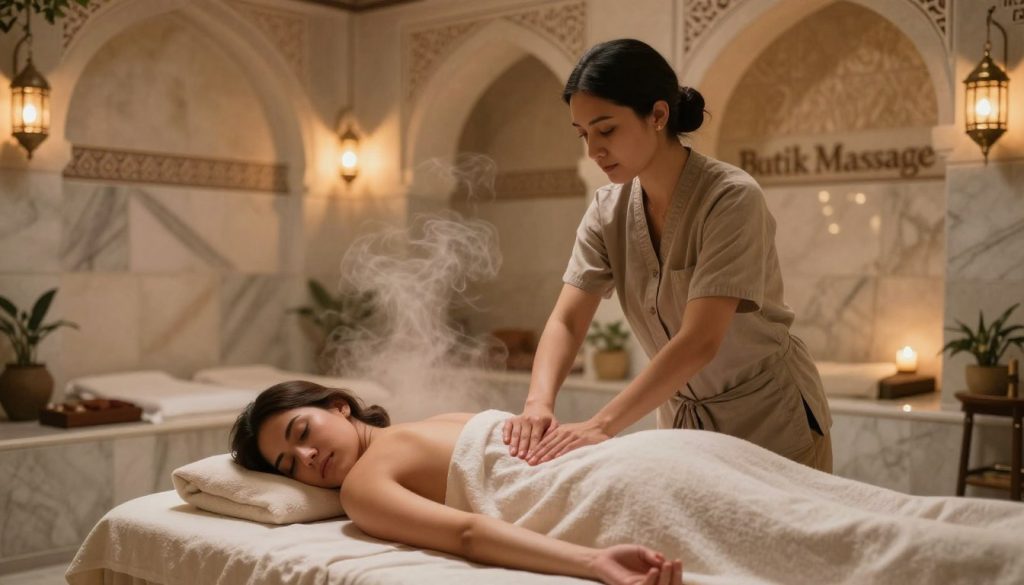
Have you ever wondered what separates an authentic wellness ritual from a modern spa treatment? The answer lies within the walls of a centuries-old hammam. Therapeutic bodywork meets cultural tradition in this unique space.
Turkish massage is a specialized form of hammam massage therapy. It’s performed within the traditional steam bath environment. The word “hammam” comes from the Arabic root meaning “to heat.”
This ancient practice evolved from Roman and Byzantine bathing customs. It was adapted through Islamic cultural traditions over many centuries.
This experience integrates cleansing rituals with therapeutic bodywork. The process takes place in progressively heated rooms. It culminates in vigorous exfoliation and foam application on a heated marble platform.
This bathing ritual has served communities across the Middle East, North Africa, and Southeastern Europe. It combines purification practices with social bonding and physical healing. Historic hammams in Istanbul continue operating alongside contemporary facilities, preserving this vital cultural heritage.
Key Takeaways
- Hammam therapy occurs within a traditional steam bath environment, not as a standalone spa treatment
- The practice originated from Roman bathing customs adapted through Islamic cultural traditions
- Heat plays a central role, with the term “hammam” deriving from Arabic for “to heat”
- The experience combines therapeutic bodywork with exfoliation and cleansing rituals on heated marble
- This wellness tradition has served communities across multiple regions for centuries
- Historic bathhouses in cities like Istanbul preserve this cultural heritage while serving modern visitors
History of Turkish Massage
The story of Turkish massage begins in ancient bathhouses where cleansing met cultural ritual. This therapeutic practice evolved over more than a thousand years. Different civilizations and religious traditions shaped these techniques.
Receiving a Turkish massage today connects you with centuries of cultural exchange. These methods were refined through generations of skilled practitioners.
The hammam tradition originated from Roman thermae and Byzantine bathhouses across the ancient Mediterranean world. These early bathing complexes featured hot rooms, cold plunges, and skilled attendants. Workers scrubbed and massaged patrons in these healing spaces.
The Byzantine Empire maintained this bathing culture in Constantinople and throughout Anatolia. This tradition continued until the medieval period.
Origins and Cultural Significance
The transformation into traditional turkish bath massage began during the Arab Muslim expansion. This occurred in the 7th and 8th centuries. Islamic societies quickly adapted existing bathhouse structures to meet their specific needs.
Religious requirements for ablutions called wudu and ghusl gave hammams profound spiritual significance. These rituals were performed before prayer. The bathhouses became more than simple hygiene facilities.
Early examples of Islamic hammams appeared in Umayyad palaces like Qusayr ‘Amra in Jordan. Khirbat al-Majfar in Palestine also featured these structures. These buildings incorporated massage and cleansing rituals into their design.
The bathhouse became a sacred space where physical purification prepared the body. Spiritual devotion followed this cleansing process.
Initial debates arose within Islamic scholarly communities about public bathing appropriateness. Some religious leaders questioned whether mixed-gender bathhouses aligned with Islamic modesty principles. However, hammams became accepted when proper gender separation was implemented.
The cultural importance of hammams extended far beyond religious obligations. These spaces served as community gathering centers where people discussed business. Weddings were celebrated and important life transitions were marked here.
The ottoman massage ritual developed within these walls became inseparable from social customs. Daily life intertwined with these bathing practices.
Evolution Through the Ages
Modern Turkish massage traces directly to developments during the Ottoman Empire. Ottoman forces conquered Constantinople in 1453 and inherited Byzantine bath culture. This fusion created the hammam experience that continues today.
The golden age of hammam construction occurred under Sultan Suleiman the Magnificent. This happened during the 16th century. Architectural genius Mimar Sinan designed monumental bathhouses that balanced beauty and function.
His creations like Çemberlitaş Hamamı and Süleymaniye Hamam still operate in Istanbul. Mimar Sinan lived from 1489 to 1588.
By the 17th century, Istanbul alone boasted over 150 public hammams. These served the city’s diverse population. Professional attendants called tellaks for men and natırs for women developed standardized massage techniques.
These specialists perfected the kese scrub using rough mitts. The signature foam massage with olive oil soap was also refined during this period.
| Historical Period | Key Development | Massage Techniques | Cultural Function |
|---|---|---|---|
| Roman-Byzantine Era (100-600 CE) | Thermae bathhouses established | Basic scrubbing and oil massage | Public hygiene and socializing |
| Early Islamic Period (7th-8th Century) | Adaptation for religious ablutions | Purification rituals added | Spiritual preparation for prayer |
| Seljuk Era (11th-13th Century) | Introduction to Anatolia | Regional technique variations | Community wellness centers |
| Ottoman Empire (15th-19th Century) | Architectural refinement and standardization | Kese exfoliation and foam massage perfected | Social ceremonies and celebrations |
| Modern Era (20th Century-Present) | Preservation as cultural heritage | Traditional methods maintained with spa additions | Tourism and therapeutic wellness |
The massage ritual became deeply embedded in Ottoman social fabric through multiple functions. Hammams served as venues for pre-wedding celebrations and business negotiations. Political discussions also took place in these spaces.
Women especially valued these spaces as rare public gathering places. They could socialize freely within the hammam walls.
The 20th century brought significant changes when indoor plumbing became widespread in Turkish homes. Many hammams closed as daily bathing moved into private residences. However, traditional turkish bath massage remained valued for its therapeutic benefits and cultural significance.
The hammam is not merely a place to bathe, but a sanctuary where body and spirit are renewed through ancient ritual.
Today, you can experience these time-honored techniques in historic hammams. Some have operated continuously for centuries. The massage methods developed by Ottoman tellaks continue with minimal modification.
This preservation allows you to connect with a living tradition. It spans from Roman thermae through Islamic adaptation to Ottoman perfection.
Key Techniques Used in Turkish Massage
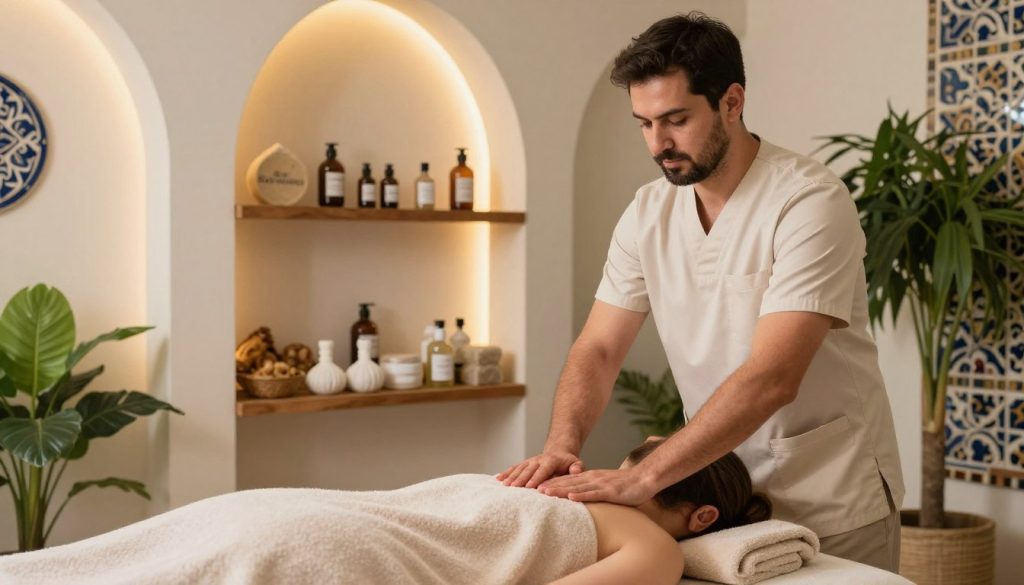
Traditional Turkish massage uses unique methods that set it apart from gentler spa treatments. Each technique builds on the previous one, creating a complete therapeutic journey. This approach addresses your skin, muscles, and overall circulation effectively.
Understanding these methods helps you appreciate the careful science behind the experience. What might seem intense at first has deep therapeutic purpose.
Hammam Rituals and Practices
Your Turkish massage experience begins in the sıcaklık, the hot room. You’ll lie on the göbek taşı, a heated marble platform. This platform maintains temperatures between 38–42°C (100–108°F), warming your body for 15 to 20 minutes.
The radiant heat penetrates deeper than steam alone. It opens your pores and softens your skin for the treatments that follow.
After this preparation phase, the tellak or natır performs the kese treatment. This vigorous exfoliation uses a coarse mitt made from silk or goat hair. The systematic strokes remove dead skin cells across your entire body.
The technique produces visible rolls of shed skin. This demonstrates the effectiveness of this turkish scrub and massage technique.
Following exfoliation comes the köpük masajı, or foam massage. Your practitioner whisks natural olive oil or glycerin-based soaps in a cloth bag. Rich foam forms and envelops your body.
This luxurious lather provides slip for massage strokes while cleansing and moisturizing. The foam creates a unique sensation that’s both cleansing and therapeutic.
The entire ritual emphasizes running water for rinsing rather than standing water. This practice follows Islamic cleanliness principles that have shaped hammam traditions for centuries. Modern establishments may add aromatherapy oils while maintaining these core practices.
Cupping Therapy
Some traditional Turkish massage sessions incorporate hacamat, or cupping therapy. This ancient technique involves placing heated glass cups on your skin to create suction. The vacuum effect draws blood to the surface, promoting circulation and releasing deep muscle tension.
You may encounter two distinct cupping approaches. Dry cupping uses suction alone, leaving temporary circular marks that fade within days. Wet cupping involves small incisions that allow blood release.
Practitioners apply cups to specific points on your back, shoulders, and legs. Traditional medicine theory suggests this helps balance your body’s energies and remove toxins. Contemporary research indicates the increased blood flow may accelerate healing and reduce inflammation.
Stretching and Mobilization
The most distinctive aspect of Turkish massage is its vigorous approach to bodywork. Your practitioner performs assisted stretches, joint mobilization, and intensive techniques. This targets deep muscular tension more effectively than gentler methods.
Joint cracking and limb twisting form part of the traditional turkish scrub and massage sequence. These movements increase your range of motion and release stiffness. While the intensity might surprise first-time visitors, trained professionals perform these techniques safely.
Communication with your tellak or natır is essential. The pressure can be adjusted based on your tolerance and specific needs. Many clients find that the vigorous approach provides relief from chronic tension.
| Technique | Primary Purpose | Duration | Intensity Level |
|---|---|---|---|
| Göbek Taşı Heat Therapy | Prepare skin and muscles, open pores | 15-20 minutes | Passive/Mild |
| Kese Exfoliation | Remove dead skin cells, stimulate circulation | 10-15 minutes | Moderate to Vigorous |
| Köpük Masajı (Foam Massage) | Cleanse, moisturize, light massage | 15-20 minutes | Gentle to Moderate |
| Cupping Therapy | Increase blood flow, release muscle tension | 10-15 minutes | Moderate |
| Stretching and Mobilization | Deep tissue work, joint flexibility | 20-30 minutes | Vigorous to Intense |
These techniques work together to create a comprehensive therapeutic experience. The heat preparation makes your muscles more receptive to manipulation. The exfoliation removes barriers to skin health.
The massage work addresses circulation and muscular tension simultaneously. This delivers benefits that extend well beyond your time in the hammam.
Benefits of Turkish Massage
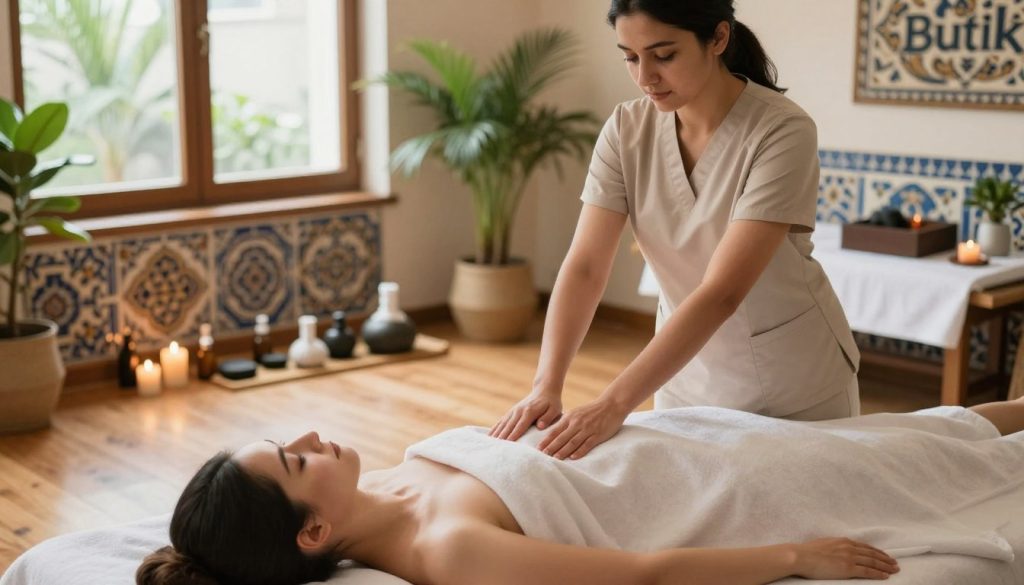
This ancient practice offers benefits that affect multiple body systems at once. Heat exposure, mechanical exfoliation, and hands-on bodywork create a comprehensive wellness intervention. Scientific research increasingly validates what practitioners have observed for centuries.
Turkish therapeutic massage goes beyond temporary relaxation. The effects extend into measurable physiological changes. These changes support long-term health and vitality.
Physical Health Advantages
Your cardiovascular system gains significant benefits from regular sessions. Research published in Mayo Clinic Proceedings by Laukkanen demonstrates that frequent thermal bathing improves endothelial function. This improvement enhances circulation throughout your body and contributes to lower blood pressure.
The study found that regular exposure to humid heat reduces all-cause mortality. Your blood vessels become more flexible and responsive during heat followed by cooling periods. This thermal cycling trains your cardiovascular system much like exercise does.
Your skin experiences profound transformation through humid heat and kese exfoliation. Research in the Journal of the European Academy of Dermatology shows this treatment improves skin barrier function. The exfoliation removes far more dead skin cells than ordinary washing.
You’ll notice your skin feels noticeably softer for five to seven days following treatment. The humid environment hydrates the outer skin layers while physical exfoliation stimulates cellular renewal. This dual action improves skin texture and tone significantly.
Your muscles benefit from the heat’s effect on tissue pliability. Warm temperatures increase blood flow to muscle tissue, delivering oxygen and nutrients. Research by Mero shows that passive heat exposure helps clear lactic acid from muscles.
This clearance reduces delayed-onset muscle soreness after intense exercise. Athletes find that scheduling sessions after workouts accelerates recovery significantly. The massage techniques push waste products out of muscle tissue into the circulatory system.
Your body’s detoxification processes accelerate during the session. Perspiration mobilizes toxins stored in fatty tissue, allowing elimination through sweat. Sweating provides an additional elimination pathway that reduces the burden on your kidneys and liver.
Your joints gain improved mobility from the stretching and mobilization techniques incorporated into treatment. The heat makes connective tissues more pliable, allowing therapists to gently extend range of motion. People with stiffness or mild arthritis often experience noticeable relief.
- Deep exfoliation that leaves skin smoother and more radiant for up to one week
- Enhanced circulation delivering oxygen and nutrients throughout your body
- Muscle relaxation and reduced tension in chronically tight areas
- Accelerated recovery from physical exercise and reduced muscle soreness
- Improved joint flexibility and range of motion
Mental Well-Being and Relaxation
Your nervous system undergoes significant positive changes during the sixty to ninety-minute ritual. This extended duration allows for deeper activation of your parasympathetic nervous system. Your body shifts fully out of stress mode.
Your cortisol levels decrease measurably during and after treatment. Cortisol becomes chronically elevated in modern life due to constant demands and digital stimulation. The hammam environment provides a complete break from these stressors.
Your heart rate variability improves with regular sessions. This measurement reflects how adaptable your nervous system is to changing demands. Higher variability indicates better stress resilience and overall health.
The hammam environment itself contributes substantially to mental relaxation. Dim lighting reduces visual stimulation, allowing your brain to quiet mental chatter. The domed architecture creates unique acoustic properties that soften sounds.
The warm marble surface beneath you maintains constant, soothing contact with your body. This consistent physical support signals safety to your nervous system, encouraging deeper relaxation. The heated stone provides therapeutic warmth from below while maintaining firm support.
Human touch during the massage component provides psychological benefits beyond physical manipulation. Attended bodywork fulfills a fundamental need for connection and care. Your nervous system releases oxytocin and other bonding hormones that enhance feelings of well-being.
Your sleep quality typically improves following sessions, particularly those scheduled in the evening. The heat exposure raises your core body temperature, which then drops during cooling. This temperature decline signals your body that it’s time for sleep.
You may notice reduced anxiety symptoms with regular practice. The ritualized nature of the experience provides psychological structure and predictability. Creating a regular hammam schedule gives you something to look forward to.
The combination of heat, water, exfoliation, and human touch creates conditions that allow both body and mind to release accumulated tension and return to balance.
Your emotional well-being benefits from the social dimensions of traditional hammam culture. These spaces have historically provided important opportunities for community connection and mutual support. The shared experience of bathing creates bonds that extend beyond the hammam walls.
The multi-system intervention addresses physical, mental, and social dimensions of wellness simultaneously. Your body responds to the layered stimuli in ways that single-modality treatments cannot replicate. Benefits extend well beyond the treatment session itself.
The Experience: What to Expect
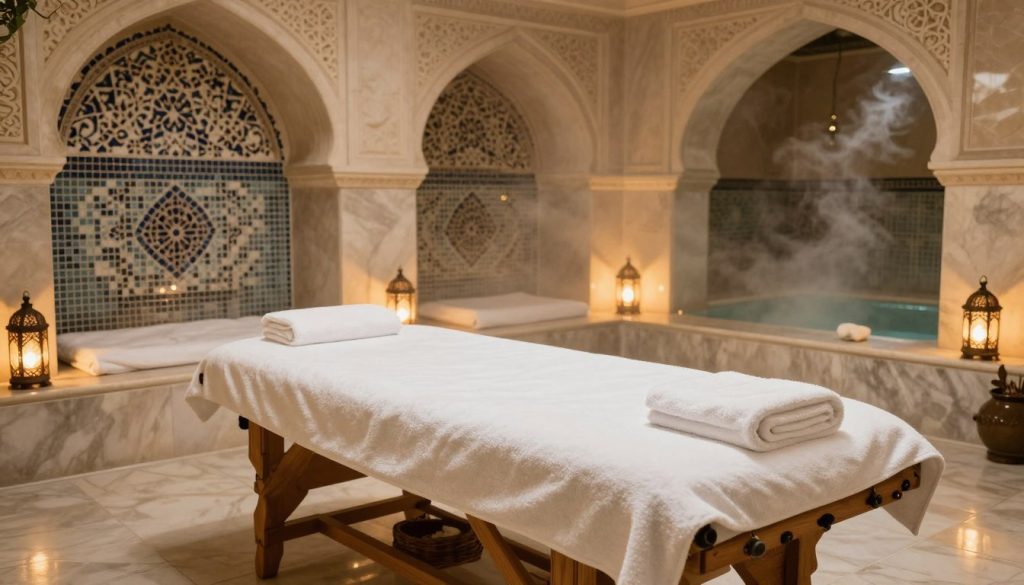
Your first visit to a traditional hammam involves more than just a massage. It’s a complete sensory journey. Understanding the preparation steps and environmental features helps you approach your authentic Turkish body massage with confidence.
Preparing for Your Session
Timing your visit strategically improves your overall experience. Morning sessions typically offer quieter environments with fewer crowds. This allows you to enjoy the traditional atmosphere more fully.
Evening visits tend to attract both local residents and tourists. This creates a busier but more social atmosphere.
Most commercial hammams provide basic supplies. However, bringing personal items ensures better hygiene and comfort. Your preparation checklist should include a towel, slippers, mild soap, and shampoo.
You’ll also want a kese mitt for exfoliation, clean underwear, and a hairdryer if needed. Many facilities offer these amenities as part of their service packages.
The peştemal serves as your essential garment throughout the Turkish massage session. This thin cotton cloth wraps around your body to maintain modesty. It allows the heat and therapeutic techniques to work effectively.
Women typically wear swimwear bottoms or a bikini beneath the peştemal. Men usually wear shorts or swim trunks. Full nudity is not customary in Turkish hammams.
This practice differs from some European spa cultures. Modern tourist-oriented facilities particularly emphasize these modesty standards.
| Preparation Category | What to Do | Why It Matters | Timing |
|---|---|---|---|
| Hydration | Drink plenty of water | Prevents dehydration from heat exposure | 2-3 hours before |
| Meals | Eat light, avoid heavy foods | Prevents discomfort from heat and full stomach | 2 hours before |
| Personal Care | Remove jewelry and makeup | Prevents loss, skin irritation, and clogged pores | Before entering |
| Shaving | Avoid shaving immediately before | Kese exfoliation can irritate freshly shaved skin | 24 hours prior |
| Schedule | Plan rest time afterward | Allows body to integrate therapeutic benefits | 1-2 hours after |
Bringing a water bottle for after your session maintains hydration levels. The combination of heat exposure and vigorous massage increases fluid loss. Staying well-hydrated before, during, and after maximizes the detoxification benefits.
If you feel overheated at any point, communicate immediately with your attendant. Moving to a cooler room prevents discomfort. Traditional practitioners understand that first-time visitors need time to acclimate.
Tipping practices vary by location and establishment type. Generally, 10-20% of the service cost appropriately compensates your massage attendant. Some facilities include gratuity in the package price, so inquire beforehand.
The Hammam Environment
Traditional hammam architecture creates a progression through three distinct temperature zones. The soğukluk, or cold room, maintains temperatures between 20-25°C. This comfortable space features seating areas, lockers, and changing facilities.
The ılıkluk functions as the warm transitional room at 30-35°C. This intermediate zone prevents thermal shock as your body adjusts. Spending a few minutes here prepares your muscles and cardiovascular system.
The sıcakluk represents the hammam’s centerpiece—the hot room heated to 40-45°C. At its center sits the göbek taşı, a heated marble platform. You’ll spend 15-20 minutes warming on this marble slab.
Complete sessions typically last 60-90 minutes from entry to final relaxation. This duration allows your body to warm thoroughly and receive treatments. Rushing through the process diminishes the therapeutic benefits.
The architectural features you’ll encounter create both functional and aesthetic beauty. Domed ceilings feature kümbets—small star-shaped openings called “elephant eyes.” These light wells create mesmerizing patterns as sunlight moves across the marble surfaces.
Marble construction serves practical purposes beyond visual appeal. The tilted floors incorporate drainage channels that manage constant water flow. Water basins line the walls, providing both hot and cold water.
The dome structure creates distinctive acoustics that amplify water sounds. The echo of water pouring, splashing, and draining produces a meditative soundscape. This auditory environment enhances the relaxation response triggered by authentic Turkish body massage techniques.
Your sensory experience engages all five senses simultaneously. The scent of traditional olive oil soap mingles with steam. Warm marble radiates gentle heat against your skin.
Light dances through the dome openings. Water sounds echo rhythmically. These elements combine to shift your consciousness toward deep relaxation.
The göbek taşı functions as more than just a heated platform. This central element serves as the social and ritual heart. Lying on its warm surface, you transition from tension to tranquility.
First-time visitors often find the intensity overwhelming initially. The combination of high heat, humidity, and vigorous massage challenges your comfort zone. However, this intensity creates the profound relaxation that follows.
Understanding these environmental elements before arrival helps you embrace the experience. You’ll recognize each architectural feature’s purpose. Centuries of tradition refined these spaces for optimal therapeutic benefit.
Finding a Reputable Turkish Massage Practitioner
Choosing a Turkish massage provider requires knowing what makes quality establishments different from tourist traps. You might visit a historic hammam in Istanbul or a modern wellness center. Understanding how to evaluate practitioners ensures you receive genuine therapeutic benefits.
The landscape of Turkish massage varies dramatically between centuries-old neighborhood baths and luxury facilities. Historic baths serve local communities while modern spas target international visitors. Your choice depends on what you value most in the experience.
Some travelers prioritize cultural immersion and authentic ritual. Others prefer modern amenities and English-speaking staff. Neither approach is inherently superior, but recognizing the distinction helps you select the right fit.
Evaluating Facilities and Practitioners
Researching the history and reputation of specific establishments is the first step. In Istanbul, renowned hammams like Çemberlitaş Hamamı (established 1584) have served communities for centuries. These historic facilities offer authenticity that newer establishments cannot replicate.
Consider asking these essential questions during your booking inquiry:
- How long has the establishment operated, and does it maintain traditional architecture?
- Are experienced tellaks (male attendants) or natırs (female attendants) employed, and what is their training background?
- Is the göbek taşı (heated marble platform) authentically heated from below or simply a warm surface?
- Does the facility maintain separate hours or spaces for men and women, or is it mixed-gender?
- What services are included in the base price versus optional add-ons?
Reading reviews critically provides valuable insight. Tourist and local perspectives often differ significantly. Visitors frequently praise gentle treatments and modern amenities.
Locals value vigorous kese exfoliation and traditional ritual authenticity. A facility with mixed reviews may simply serve different audiences. This doesn’t necessarily indicate poor quality.
Hygiene standards deserve careful attention regardless of your choice. Historic hammams follow different cleanliness practices than contemporary spas. Well-maintained establishments should demonstrate regular cleaning schedules and proper drainage systems.
The space should feel clean even if it appears weathered from centuries of use. Fresh towels for each guest are essential.
Price often indicates the type of experience you’ll receive. Traditional hammams serving local populations in Istanbul typically charge significantly less. Luxury hotel spas offering Turkish-style massage treatments cost more.
Lower prices don’t necessarily mean inferior quality. Neighborhood baths frequently provide more authentic experiences despite modest pricing. Premium prices reflect modern amenities and English-speaking staff.
Finding knowledgeable recommendations makes a substantial difference in locating quality practitioners. Seek advice from Turkish hotel concierges or local friends. Specialty travel guides focused on authentic cultural experiences help more than generic tourist destinations.
If you’re looking for expert Istanbul certified massage therapists, researching credentials becomes critical. Facility reviews provide valuable information.
Quality varies considerably outside Turkey depending on practitioner training and facility authenticity. Many international locations offer “Turkish baths” that amount to little more than steam rooms. Genuine practitioners should demonstrate knowledge of specific techniques like kese exfoliation.
Professional Qualifications and Standards
Understanding credentials requires recognizing the difference between traditional apprenticeship and modern certification systems. Historically, tellaks and natırs learned their craft through years of hands-on training. This apprenticeship model remains common in traditional neighborhood hammams throughout Turkey.
Modern wellness facilities increasingly require documented qualifications from their massage staff. Reputable contemporary establishments typically employ therapists holding certifications in massage therapy. Health and safety protocols come from recognized institutions.
In Turkey, facilities marketing to tourists should comply with Ministry of Culture and Tourism standards. Membership in professional spa and wellness associations indicates adherence to industry benchmarks.
| Credential Type | Traditional Hammams | Modern Spa Facilities | International Locations |
|---|---|---|---|
| Primary Training | Apprenticeship (years of mentorship) | Formal massage therapy certification | Massage license plus Turkish technique training |
| Validation Method | Longevity and community reputation | Professional certifications and tourism compliance | Recognized massage credentials plus specialized courses |
| Health Standards | Traditional practices with regular inspection | Contemporary hygiene protocols and documentation | Local health department requirements |
| Best Indicator | Generations of family operation | Wellness association membership | Both massage license and authentic training proof |
For practitioners outside Turkey, ideal qualifications include massage therapy credentials from recognized institutions. Specific training in Turkish techniques is also essential. This training may come through apprenticeship with experienced tellaks.
Verify that therapists can describe specific elements of kese exfoliation and foam massage preparation. They should explain traditional stretching techniques rather than offering generic descriptions.
Several red flags should prompt caution:
- Establishments making exaggerated health claims or promising medical cures through massage
- Facilities with consistently poor hygiene reviews or visible cleanliness issues
- Staff who seem inadequately trained in specific Turkish techniques like proper kese application
- Places where the “Turkish bath” consists only of a steam room with brief massage
- Practitioners unable to explain their training background or experience level
In traditional neighborhood hammams throughout Turkey, the most valuable credential often remains simple longevity. Establishments that have served their communities for decades demonstrate authenticity. This authenticity cannot be captured by formal certifications.
Documented qualifications become more important in modern spa environments. They indicate professional standards and proper training.
Balancing these considerations allows you to make informed decisions. You might visit Istanbul’s historic Sultanahmet district or a coastal resort in Antalya. Understanding what credentials matter helps you identify practitioners who deliver safe, authentic experiences.
Different Types of Turkish Massage
Turkish bathing culture offers multiple treatment options for different needs and preferences. All variations use heat, exfoliation, and cleansing as their foundation. Modern hammams blend ancient rituals with specialized wellness techniques.
Turkish baths have separate sections or hours for men and women. This separation reflects religious and social customs in Turkish culture. Understanding available variations helps you choose the right wellness experience.
The Traditional Approach
Classic Turkish massage follows an authentic ritual practiced for centuries in traditional hammams. The sequence begins in the soğukluk, where you undress and wrap in a peştemal. You then move through the ılıklık to adjust to increasing warmth.
In the sıcaklık, you lie on the göbek taşı, a heated marble platform. Your body absorbs heat for 15 to 20 minutes, opening pores and softening skin. This preparation makes the following treatments more effective.
The tellak or natır performs vigorous kese scrubbing with a textured mitt. This removes dead skin and boosts circulation. The scrubbing feels more intense than gentler spa treatments.
Next comes the köpük masajı, where olive-oil soap foam covers your body. The practitioner works the foam across your skin in cleansing, massaging strokes.
The classic approach uses minimal products: traditional black soap, the kese mitt, and water. Skill and technique matter more than aromatic additions. After rinsing with warm water, you return to the soğukluk to rest.
Traditional Turkish massage emphasizes cleanliness and invigoration over relaxation alone. The technique includes joint mobilization and firm pressure. The entire ritual takes 60 to 90 minutes.
Aromatic Enhancement Options
Aromatherapy Turkish massage adds essential oils to the traditional ritual. Classic treatments use unscented or lightly olive-scented soap. Modern variations include therapeutic oils, especially in tourist-oriented or luxury spas.
Essential oils serve specific therapeutic purposes based on their properties. Lavender promotes relaxation and stress relief. Eucalyptus supports breathing and muscle recovery.
Rose oil nourishes skin and elevates mood. Citrus varieties provide energy and mental clarity.
Practitioners incorporate oils in several ways throughout the session. Some add them to soap foam during the köpük masajı phase. Others apply oils after exfoliation in a separate massage.
- Peppermint and eucalyptus address muscle soreness and congestion
- Chamomile and lavender improve stress relief and sleep quality
- Jasmine and rose provide skin hydration and mood elevation
- Citrus blends offer energy and mental focus enhancement
Quality matters significantly with aromatherapy additions. Synthetic fragrances provide scent without therapeutic benefit. Pure essential oils offer both aromatic and health effects.
Heated Stone Integration
Hot stone Turkish massage combines bathing tradition with heated stone therapy techniques. Smooth basalt stones are heated and used throughout the hammam experience. Practitioners place them on the göbek taşı or position them on specific body areas.
The stones’ heat penetrates deeply into muscle tissue. This creates a different warmth than the marble platform alone. The combination works well for chronic tension and pain.
A typical hot stone session starts with warming on the göbek taşı. Strategically placed heated stones enhance the experience. Then comes kese exfoliation as in classic treatments.
The practitioner performs massage using both hands and heated stones. This addresses muscles, connective tissue, and energy channels. The session ends with foam cleansing and rinsing.
This variation represents a modern innovation not found in traditional hammams. It shows how Turkish massage has evolved while maintaining its essential character. Whether you choose classic, aromatherapy, or hot stone variations, the foundation remains the same.
Popular Locations for Turkish Massage in Turkey
Exceptional venues across Turkey offer traditional hammam massage therapy in stunning settings. These range from 16th-century monuments to contemporary beachfront resorts. Your location choice significantly shapes your experience with unique architectural splendor and wellness amenities.
Turkey’s hammam landscape includes Istanbul’s historic bathhouses and luxury coastal wellness centers. Each region preserves different aspects of this ancient tradition. Modern comfort and service standards meet centuries-old practices.
Historic Bathhouses of Istanbul
Istanbul stands as the epicenter of authentic hammam culture. The city houses some of the world’s most architecturally significant bathhouses. Surviving establishments represent living monuments where you experience Turkish massage in centuries-old settings.
The hammams designed by Mimar Sinan represent the pinnacle of bathhouse design. Çemberlitaş Hamamı, built in 1584 near the Grand Bazaar, continues operating today. You’ll lie on the same heated marble platform where Ottoman nobles received treatments.
Süleymaniye Hamam forms part of the magnificent Süleymaniye Mosque complex. This integration shows how bathhouses functioned as essential social institutions. The Haseki Hürrem Sultan Hamam served both men and women in equally grand sections.
Cağaloğlu Hamamı stands among the most famous establishments worldwide. Built in 1741, it represents one of the last great Ottoman classical hammams. This nearly three-century-old bathhouse maintains exceptional standards throughout its operation.
Some historic hammams like Kılıç Ali Paşa Hamamı have undergone extensive renovation. Others, such as Bayezid II Hamam, now function primarily as museums. Famous establishments like Ayasofya Hürrem Sultan Hamamı offer exceptional experiences at premium prices.
For authentic local experiences, explore lesser-known neighborhood hammams in Fatih and Balat districts. These community bathhouses serve local residents at a fraction of tourist-oriented prices. Before visiting any hammam, consider reviewing a beginner’s guide to the hammam experience to understand proper etiquette.
Beachfront Wellness Destinations
Turkey’s coastal regions combine traditional techniques with luxury resort amenities. Antalya and the Turkish Riviera have created spectacular hammam facilities. These merge authentic architecture with five-star comfort.
Resort towns like Belek and Side feature beautifully designed hammams as spa centerpieces. These facilities offer traditional Turkish massage alongside international wellness treatments. The coastal hammams typically operate on a larger scale than urban bathhouses.
Destinations along the Aegean coast present contemporary interpretations of hammam culture. Boutique hotels and beach clubs have created stunning settings overlooking turquoise waters. These venues appeal to travelers seeking both wellness treatments and beach vacation experiences.
Historic cities beyond the coasts preserve important hammam traditions. Bursa, the first Ottoman capital, contains some of the empire’s earliest surviving bathhouses. The Eski Kaplıca in Bursa enhances traditional hammam with mineral-rich thermal water.
Edirne served as an Ottoman capital before Constantinople. These establishments offer authentic experiences in less tourist-saturated settings. The architectural significance rivals Istanbul’s popular districts.
| Location Type | Best Features | Ideal Season | Experience Level |
|---|---|---|---|
| Istanbul Historic Hammams | Architectural significance, cultural authenticity, centuries-old traditions | Year-round operation | Cultural immersion seekers |
| Coastal Resort Hammams | Luxury amenities, sea views, comprehensive spa packages | April through October | Wellness vacation travelers |
| Bursa Thermal Hammams | Natural hot springs, therapeutic mineral water, historic architecture | Year-round, winter popular for thermal benefits | Therapeutic treatment focus |
| Aegean Boutique Hammams | Contemporary design, intimate settings, Mediterranean aesthetics | May through September | Design-conscious wellness enthusiasts |
Your choice between Istanbul’s historic urban hammams and coastal resorts depends on priorities. The former provide unparalleled authenticity and architectural significance in functioning historical monuments. The latter deliver luxury, convenience, and combination packages integrating multiple spa treatments.
Seasonal considerations affect your planning significantly. Istanbul’s hammams operate year-round and maintain consistent quality regardless of season. Coastal resorts primarily function seasonally from April through October.
Match the location to your travel itinerary and personal preferences. Choose Sultanahmet or Fatih districts for cultural immersion and historic atmosphere. Select Antalya’s resort areas for luxury and comprehensive spa experiences.
Booking advance appointments at renowned establishments ensures availability during peak tourism seasons. Many historic Istanbul hammams accept walk-in visitors, but reservations guarantee your preferred time. Coastal resort hammams typically require advance booking as part of broader spa packages.
Aftercare and Maintenance for Optimal Results
Your turkish wellness massage experience extends beyond the treatment room. Proper aftercare ensures you maximize every benefit. It also protects your newly refreshed skin.
Hydration and Nutrition Post-Massage
Rest is essential after your hammam session. The steam and heat cause significant fluid loss. Drinking water, herbal tea, or fresh fruit juice replenishes what your body released.
Choose light, refreshing foods to help your body cool down naturally. Yogurt, soup, fruit, or salad work well. Avoid cold showers immediately after your session.
Use lukewarm water instead to normalize circulation gradually.
Incorporating Massage Into Your Routine
Most healthy adults benefit from one to two turkish massage sessions per week. This frequency allows meaningful improvements to skin quality and muscle recovery. It also helps reduce stress levels.
The exfoliation step is too aggressive for daily use. Your skin barrier needs time to reset between kese treatments.
People with uncontrolled high blood pressure should consult a doctor before visiting a hammam. The same applies to those with recent cardiovascular events or third-trimester pregnancy. Anyone with active skin conditions should also seek medical advice first.
Regular turkish wellness massage practice creates lasting benefits. Balance frequency with proper recovery time. Listen to your body and adjust your schedule based on skin response.